TLP:CLEAR · Disclosure is not limited.
Iran-US Maritime Escalation Tightens Pressure on Hormuz
Time window: Last 1 day · Audience: General analyst · Type: Situation report · DTG: 2026-09-06 18:40Z · Overall confidence: HIGH
BLUF
The Iran-US confrontation has very likely entered a sustained maritime retaliation cycle. Commercial movement through the Strait of Hormuz is likely to remain severely constrained, while Iranian threats and US enforcement actions raise the risk of further attacks on shipping and US-linked assets over the next 14 days.
Executive summary
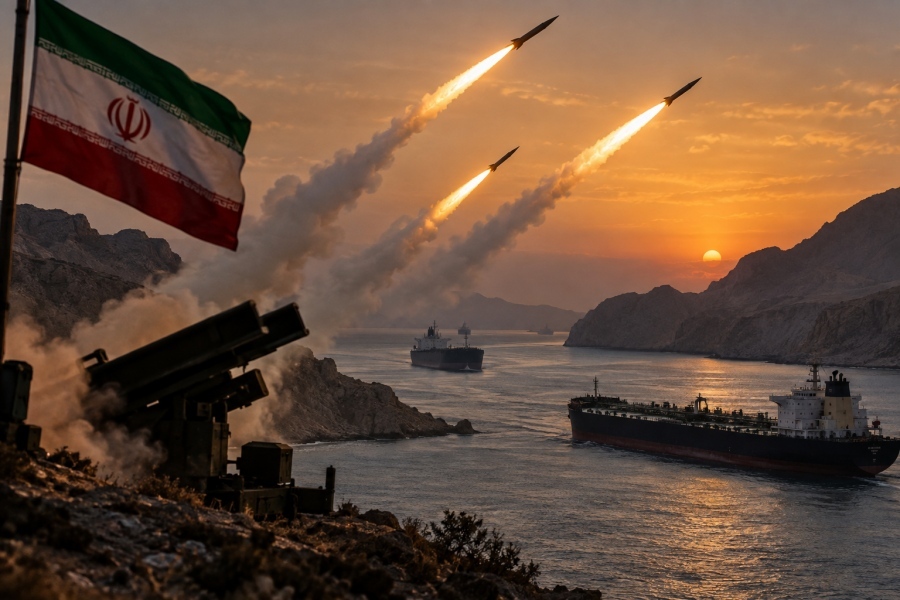
On 5 September 2026, Iran fired ballistic missiles towards two US warships and the US military struck three Iranian oil tankers. By 6 September, US Central Command reported that US forces had redirected 92 commercial vessels, disabled three and boarded two, while Kpler recorded only one commodity vessel crossing the Strait of Hormuz on 5 September. Iran has threatened a faster and heavier response, and Iranian reporting claims further attacks on US-linked vessels and assets in Jordan, Iraq and the Gulf, although some claims are disputed by CENTCOM. Egypt, Pakistan and Qatar are pursuing diplomatic channels, but active military exchanges and competing claims over the status of the Strait limit the prospects for an immediate ceasefire. Brent crude has exceeded $95 a barrel, while higher fuel costs and disrupted supply routes are extending the effects beyond the immediate conflict zone.
Change from previous assessment
Since the 5 September 2026 prior brief, the assessment has shifted towards a sharper maritime and economic focus. New reporting gives a quantified US enforcement picture, with 92 commercial vessels redirected, three disabled and two boarded, while Kpler recorded only one commodity vessel crossing the Strait on 5 September and route tracking showed three named vessels turning back or reversing course. Iranian threats now explicitly refer to a faster and heavier response, and the reported US-Iran memorandum has become an active diplomatic issue through Egypt and Pakistan. Confidence in severe near-term shipping disruption remains medium because reporting still conflicts over selective Chinese passage, the Omani corridor and the precise status of the Strait. The prior assessments on a direct Iranian attack on Israel, Lebanon and Yemen spillover, and activity at Pickaxe Mountain receive no material new evidence in this reporting window and are not carried forward as lead judgements.
Key judgments
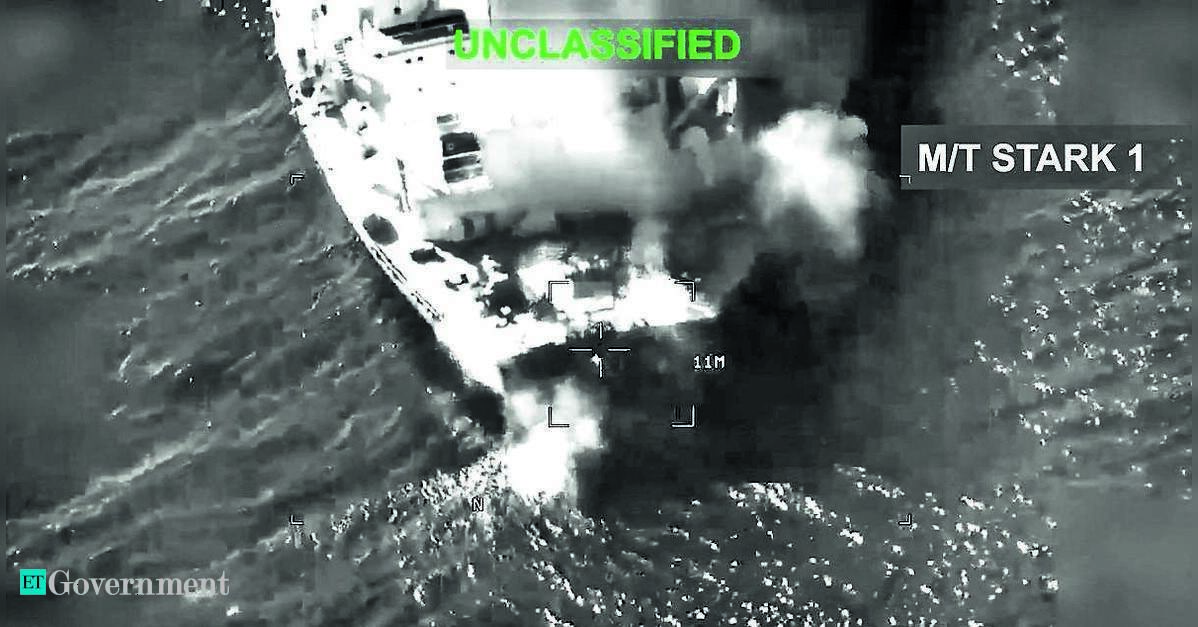
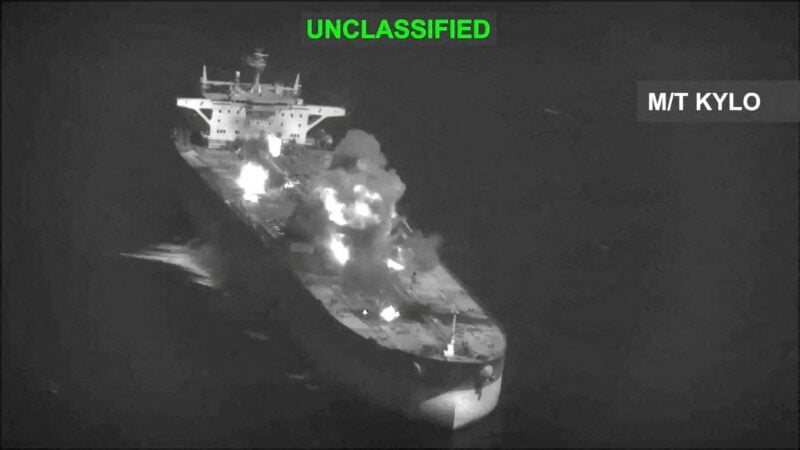
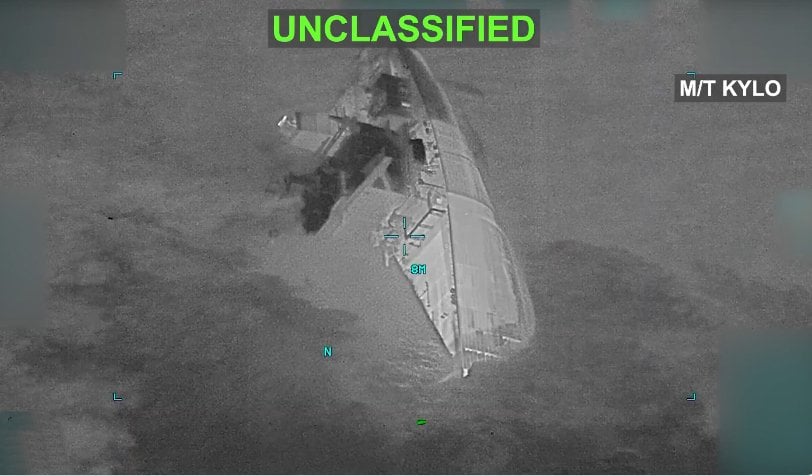
- Iran-US maritime retaliation is very likely to continue over the next 0-14 days. Iran fired ballistic missiles towards an aircraft carrier and a guided-missile destroyer on 5 September, after which US forces struck three Iranian oil tankers, including the M/T Kylo, M/T Downy and M/T Stark 1. Iranian officials have threatened a faster, heavier and more painful response, while US Defence Secretary Pete Hegseth and CENTCOM Commander Admiral Brad Cooper have threatened further action against Iran's oil fleet. This is an assessed forecast based on corroborated reporting of the initial exchange and repeated official threats, but future Iranian and US decisions remain unconfirmed. (Confidence: medium · ASSESSED)
- I&W: Confirm: IRGC or Iranian state media reports another anti-ship missile launch, vessel interception or strike on a US-linked ship, followed by a US announcement of another tanker strike or maritime enforcement action. (0-14 days)
- I&W: Break: At least 72 hours pass without a reported Iranian attack on US forces or shipping and Washington and Tehran announce and begin implementing a cessation of maritime operations. (0-14 days)
- Commercial shipping through the Strait of Hormuz is very likely to remain severely constrained over the next 0-14 days and likely to remain below normal levels over the next 1-3 months. Kpler recorded only one commodity vessel crossing on 5 September, while route tracking showed the product tankers Velos and Bravo turning back and the Qatari LNG carrier Al Sheehaniya reversing course. US Central Command also reported redirecting 92 vessels, disabling three and boarding two. The exact status of the Strait is contested because one account describes it as effectively closed, while other reporting describes limited passage for some Chinese vessels and a safer corridor through Omani waters. (Confidence: medium · ASSESSED)
- I&W: Confirm: Kpler records another day of one or similarly sparse commodity transits, while route tracking shows additional tankers turning back or anchoring before completing Hormuz passage. (0-14 days)
- I&W: Break: Kpler records sustained commercial transits and tracking data shows Velos, Bravo, Al Sheehaniya or comparable vessels completing passage through the Strait. (0-14 days)
- Further Iranian attacks on US-linked assets in the Gulf and nearby states are likely over the next 0-14 days. Iran has reported or claimed attacks involving US targets in the United Arab Emirates, Bahrain, Kuwait and Jordan, a US Marine Corps installation at Titin in Jordan, a US naval drone and an unmanned surface vessel in the Strait of Hormuz, and a US surveillance aerostat near Erbil. The remote-controlled vessel incident is directly denied by CENTCOM, and the damage to several reported targets is not independently established, so this judgement rests on mixed official and media reporting rather than a fully confirmed incident set. (Confidence: medium · ASSESSED)
- I&W: Confirm: Iranian forces announce or US and host-government reporting confirms another strike on a US facility, aircraft, naval platform or unmanned system in Jordan, Iraq, the UAE, Bahrain, Kuwait or the Strait of Hormuz. (0-14 days)
- I&W: Break: CENTCOM and the governments of Jordan, Iraq, the UAE, Bahrain and Kuwait report no further attacks on US-linked assets for 14 consecutive days. (0-14 days)
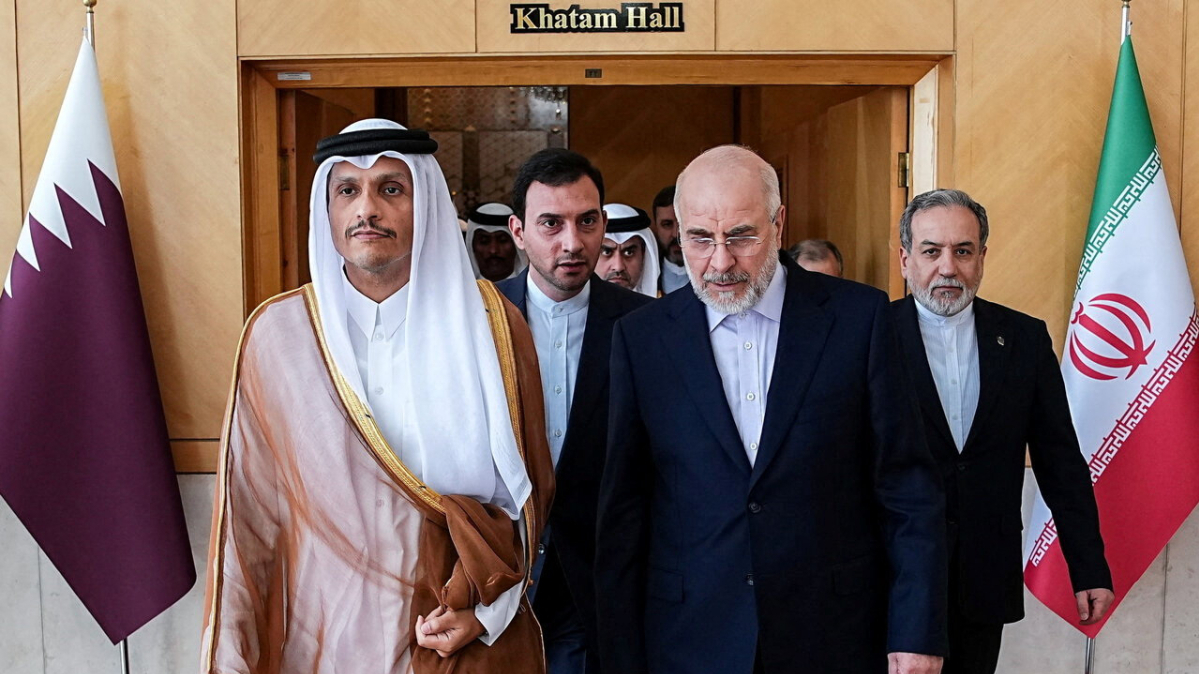
- Diplomatic engagement by Egypt, Pakistan and Qatar is likely to continue, but a broad US-Iran ceasefire is unlikely over the next 0-14 days. Egypt and Pakistan are seeking renewed implementation of a Pakistani-brokered memorandum of understanding, and Pakistan and Qatar are described as key mediation channels. The earlier 60-day ceasefire has expired, US attacks have resumed, and both sides are issuing threats while conducting maritime operations. The judgement is assessed with medium confidence because the diplomatic contacts are corroborated, but their influence over military behaviour is untested. (Confidence: medium · ASSESSED)
- I&W: Confirm: Egypt, Pakistan or Qatar announces a written US-Iran arrangement that halts maritime attacks and is followed by a measurable reduction in strikes, boardings and vessel diversions. (0-14 days)
- I&W: Break: Washington or Tehran rejects implementation of the memorandum, or another tanker or US naval strike occurs after a mediation meeting. (0-14 days)
- Energy and trade pressure is likely to persist over the next 1-3 months. Brent crude has exceeded $95 a barrel, US diesel reached $5.85 per gallon compared with $3.71 a year earlier, and gasoline prices in China have risen by roughly one third. Around 40 per cent of India's crude imports normally transited the Strait of Hormuz, Iraq's supplies to India have fallen sharply, and Sinopec has increased purchases of Russian crude as Middle Eastern supplies became less dependable. This assessment rests on multiple current economic indicators, but the duration of the price and supply effects depends on whether maritime traffic recovers. (Confidence: medium · ASSESSED)
- I&W: Confirm: Brent remains above $95 a barrel, US diesel remains near or above $5.85 per gallon, and India or China reports further substitution away from Gulf crude. (1-3 months)
- I&W: Break: Brent falls below $95 a barrel while Hormuz traffic normalises and India reports recovery in Iraqi crude supplies. (1-3 months)
Outlook & scenarios
Continued maritime retaliation and constrained Hormuz traffic (65%)
Iran and the US continue reciprocal strikes, vessel interceptions and threats without a formal ceasefire. Iran maintains pressure on selected shipping, while US forces continue redirecting, boarding or striking vessels linked to Iranian interests. Commercial traffic through the Strait remains sparse, and energy prices stay elevated.
Negotiated maritime pause (25%)
Egypt, Pakistan and Qatar secure renewed US-Iran engagement around the existing memorandum of understanding. The pause reduces attacks on US forces and shipping, allowing selected commercial traffic to resume. The arrangement remains fragile because the Strait's status and the scope of maritime enforcement remain contested.
Regional widening around US-linked assets (20%)
Iran expands attacks on US-linked facilities, vessels or unmanned systems in Jordan, Iraq, the UAE, Bahrain, Kuwait or the Strait of Hormuz. The US responds with additional strikes on Iranian shipping or supporting networks, producing longer disruption to commercial traffic and greater pressure on regional governments.
High-impact strike triggers a broader maritime campaign (8%)
A successful strike on a US warship or a major commercial vessel produces casualties or severe damage. Washington orders a wider campaign against Iran's oil fleet, while Tehran intensifies attacks on shipping and US-linked assets. This low-probability, high-impact path would sharply reduce the space for mediation and drive a wider regional security crisis.
Recommendations
- Maintain a 24-hour watch on IRGC anti-ship launches, vessel interceptions and official warnings, with separate entries for confirmed incidents, Iranian claims and CENTCOM denials.
- Track Kpler and route data for the Strait of Hormuz daily. Give priority to the movements of Velos, Bravo and Al Sheehaniya, and record whether vessels complete passage, reverse course or anchor.
- Monitor CENTCOM reporting for additional redirected, boarded, disabled or destroyed vessels. Record the vessel name, cargo status, location and stated legal or operational rationale separately.
- Follow Egypt-Pakistan consultations, Pakistani and Qatari mediation activity, and any public US or Iranian steps to resume the June memorandum of understanding. Treat statements as diplomatic signalling until accompanied by a measurable reduction in maritime attacks.
- Update the energy risk picture against Brent, US diesel prices, China's gasoline prices, India's Iraqi crude flows and Sinopec's Russian purchases. Distinguish observed price changes from assessments about their cause.
- Keep the disputed remote-controlled vessel incident and the reported opening for some Chinese vessels in a separate uncertainty register. Do not use either report as a confirmed indicator of a wider change in the maritime operating picture.
- Assess host-nation exposure separately for Jordan, Iraq, the UAE, Bahrain and Kuwait, distinguishing attacks on US assets located there from attacks on the host states themselves.
Confidence & uncertainty
Overall confidence is high because the central developments are supported by multiple official statements, major-media reports, maritime trade reporting, Kpler tracking and route data. The 5 September tanker strikes, Iranian missile launches, sparse Hormuz traffic and Egypt-Pakistan diplomatic contacts are corroborated across source types. The main uncertainties concern the exact status of the Strait, the cargo and precise location of some struck tankers, the extent of damage to reported US-linked targets, and the directly disputed report of an attack on a US remote-controlled vessel.
Intelligence gaps
- [EEI 1.1 · PARTIAL] Detection and characterization of ballistic/cruise missile or rocket launches originating from Iranian territory or from Iran-controlled positions in Iraq/Syria (time, launch coordinates, missile type, flight trajectory/impact area). Recommended collection: satellite/imagery
- [EEI 1.2 · UNCOVERED] Movements and posture changes of Iran-backed proxy forces (Hezbollah units in Lebanon, militias in Syria/Iraq): concentrations of personnel, transport of rocket/artillery launchers, visible logistics build-up within operational range of Israel. Recommended collection: human/intel
- [EEI 1.3 · UNCOVERED] Israeli defensive and offensive posture changes: reservist call-ups, mobilization orders, sorties/airstrikes attributed to Israel, and domestic activation of missile-defense systems (locations and activation times). Recommended collection: open-source/media
- [EEI 1.4 · PARTIAL] Evidence of pre-positioning or arming of naval mines, fast attack craft, or anti-ship missile systems in the Gulf of Oman, northern Arabian Sea, or off the Lebanese/Syrian coasts that could be used to interdict Israeli or allied shipping. Recommended collection: maritime/AIS
- [EEI 2.1 · PARTIAL] Movements and tasking changes of external military assets: carrier strike groups, amphibious ready groups, expeditionary air wings, or ballistic-missile defense units into the Eastern Mediterranean, Persian Gulf, or Red Sea (vessel/aircraft IDs, routing, on-station times). Recommended collection: maritime/AIS
- [EEI 2.2 · UNCOVERED] Formal diplomatic/military actions: evacuation orders or embassy closures, public troop posture statements, bilateral/multilateral defense commitments announced, requests for overflight or basing rights in regional states. Recommended collection: diplomatic
- [EEI 2.3 · PARTIAL] Changes to force protection or alert levels at foreign bases in the region (e.g., US bases in Kuwait, Qatar, UAE; Russian bases in Syria): activation of additional air defenses, curfews, or reinforcement shipments (personnel/equipment manifests). Recommended collection: signals/intel
- [EEI 3.2 · PARTIAL] Changes in crude oil and refined product flows from key terminals (reported tanker loading delays, terminal closures, throughput volumes at Kharg, Mina al-Ahmadi, Ras Tanura, and major Gulf ports compared to baseline). Recommended collection: commercial/ports
- [EEI 3.3 · PARTIAL] Market and insurance indicators: sudden spikes in war-risk or hull insurance premiums for Middle East routes, large moves in regional FX/stock indices, and notable changes in commodity futures (oil, freight rates) tied to regional risk perceptions. Recommended collection: financial/transactional
Red cell review: CONCUR WITH COMMENT
TLP:CLEAR