TLP:CLEAR · Disclosure is not limited.
Iran-US Strikes Escalate; Hormuz Shipping Threat High; Israel on Alert
Time window: Last 1 day · Audience: General analyst · Type: Situation report · DTG: 2026-07-09 08:13Z · Overall confidence: MEDIUM
BLUF
US forces have conducted multi-night strikes across Iran, while Tehran launched drone and missile barrages at US-linked sites in Kuwait and Bahrain that were largely intercepted. Maritime risk around the Strait of Hormuz is very likely to remain high in the near term, and Israel is on heightened alert as UNIFIL continues to log daily Blue Line violations.
Executive summary
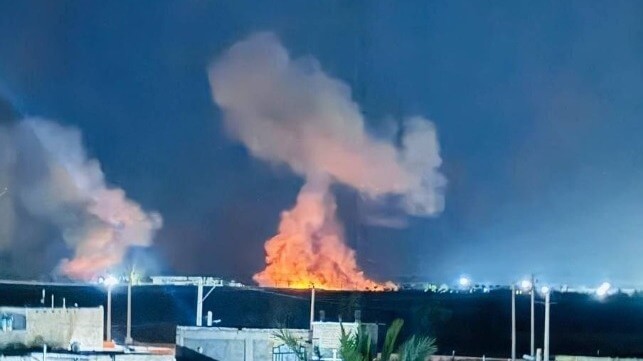
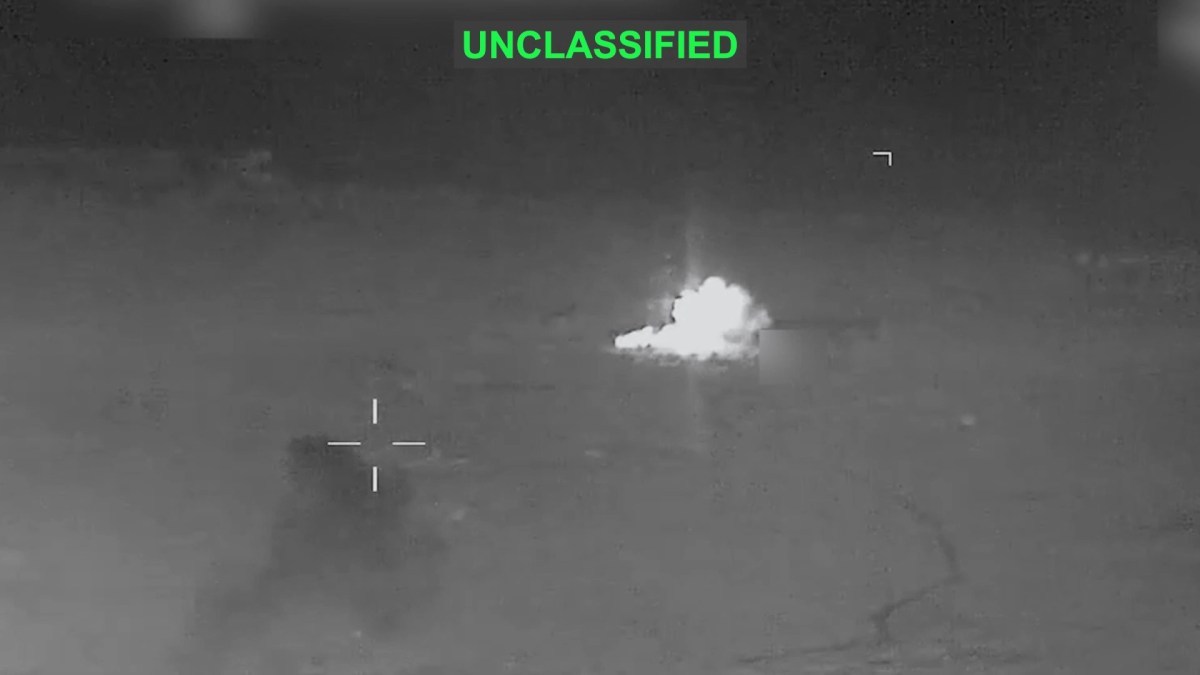
Since 6-9 July, the United States has expanded strikes across Iran, from coastal nodes such as Chabahar, Bushehr and Mahshahr to transport infrastructure near Mashhad. Iran responded with drone and missile attacks on US-linked sites in Kuwait and Bahrain, and claimed a strike in Qatar, but Kuwaiti air defences and US reporting indicate most or all munitions were intercepted without damage this round. In parallel, the Islamic Revolutionary Guard Corps resumed attacks on shipping near the Strait of Hormuz, regional capitals condemned Iranian harassment at sea, and the IMO denounced the vessel attacks. President Trump declared the ceasefire memorandum with Iran “over” and moved to revoke oil leniencies, while Iran’s foreign ministry said parts of the deal are ineffective. In Iran, reported power outages hit Chabahar after strikes, and explosions were reported in Bushehr. Oil prices rose to about 78 dollars per barrel and equities fell globally. Israel remains on high alert, UNIFIL records daily Resolution 1701 violations, and access and unexploded ordnance continue to hinder peacekeeping and civilian returns in southern Lebanon.
Change from previous assessment
New US strikes on 8-9 July reportedly hit roughly 90 additional targets, expanding beyond prior coastal focus to include a Tehran, Mashhad rail segment and facilities linked to Bushehr and Mahshahr. Iran launched larger drone and missile salvos at Kuwait and Bahrain and claimed a strike in Qatar, with intercepts reported and no confirmed damage this round. President Trump publicly declared the ceasefire ‘over’ and moved to revoke an oil licence, while Iran’s foreign ministry said parts of the deal are ineffective, shifting the truce from fragile to defunct in practice. Maritime threat indicators worsened with renewed IRGC ship attacks and Gulf capitals condemning harassment. Markets reacted with oil near 78 dollars per barrel and global equities down. Assessment confidence on Iranian strike effects remains constrained by conflicting claims. Overall, we raise the likelihood of further near-term US action from a roughly even chance to likely if shipping attacks persist, and we maintain a high-risk outlook for Hormuz.
Key judgments
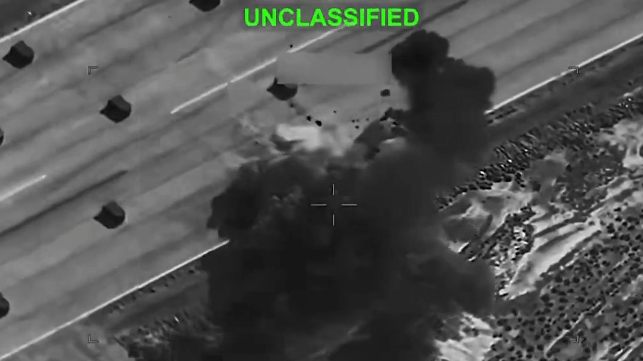
- The United States very likely executed successive, large-scale strikes across Iran since 6 July, initially hitting about 80 targets and then roughly 90 more on 9 July, including coastal facilities at Chabahar, Bushehr and Mahshahr and a section of the Tehran, Mashhad railway. (Confidence: high · REPORTED)
- I&W: Third-party satellite imagery shows strike damage at Chabahar port authority’s control tower and at facilities around Bushehr and Mahshahr. (0-14 days)
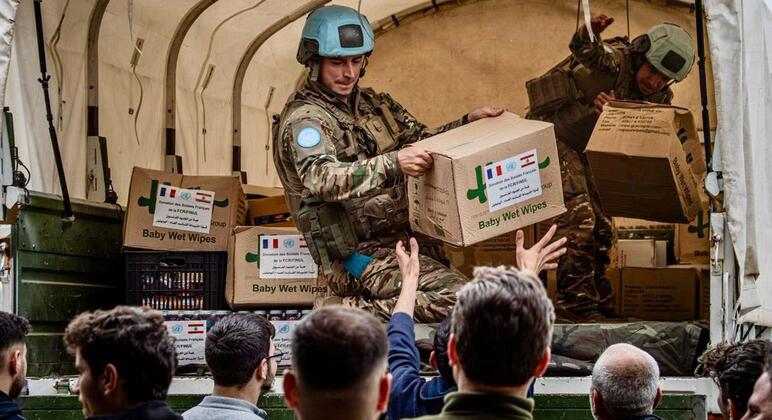
- I&W: Iranian transport and port authorities publish visual evidence of intact facilities and full operations restored across targeted sites. (0-14 days)
- Iran likely attempted coordinated drone and missile retaliation against US-linked targets in Kuwait and Bahrain, and claimed an additional strike in Qatar, but most or all munitions were intercepted with minimal impact this round. (Confidence: medium · ASSESSED)
- I&W: Kuwait or Bahrain release debris imagery and locations confirming intercepted Iranian drones or missiles. (0-14 days)
- I&W: Official statements from Kuwait or Bahrain acknowledge damage or casualties at military facilities. (0-14 days)
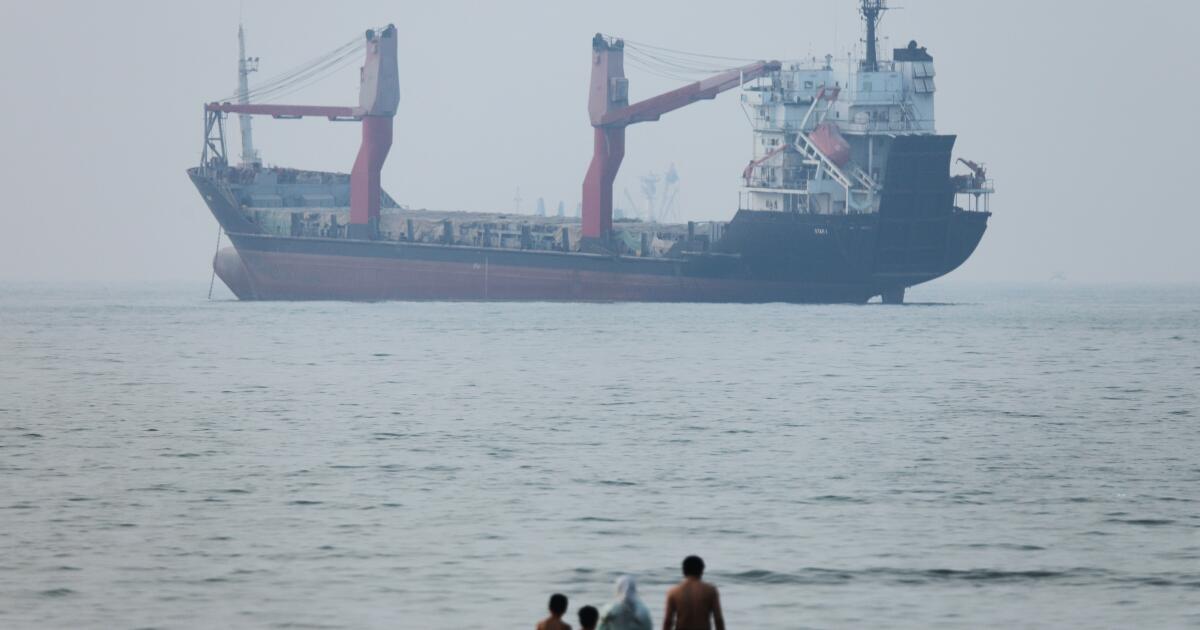
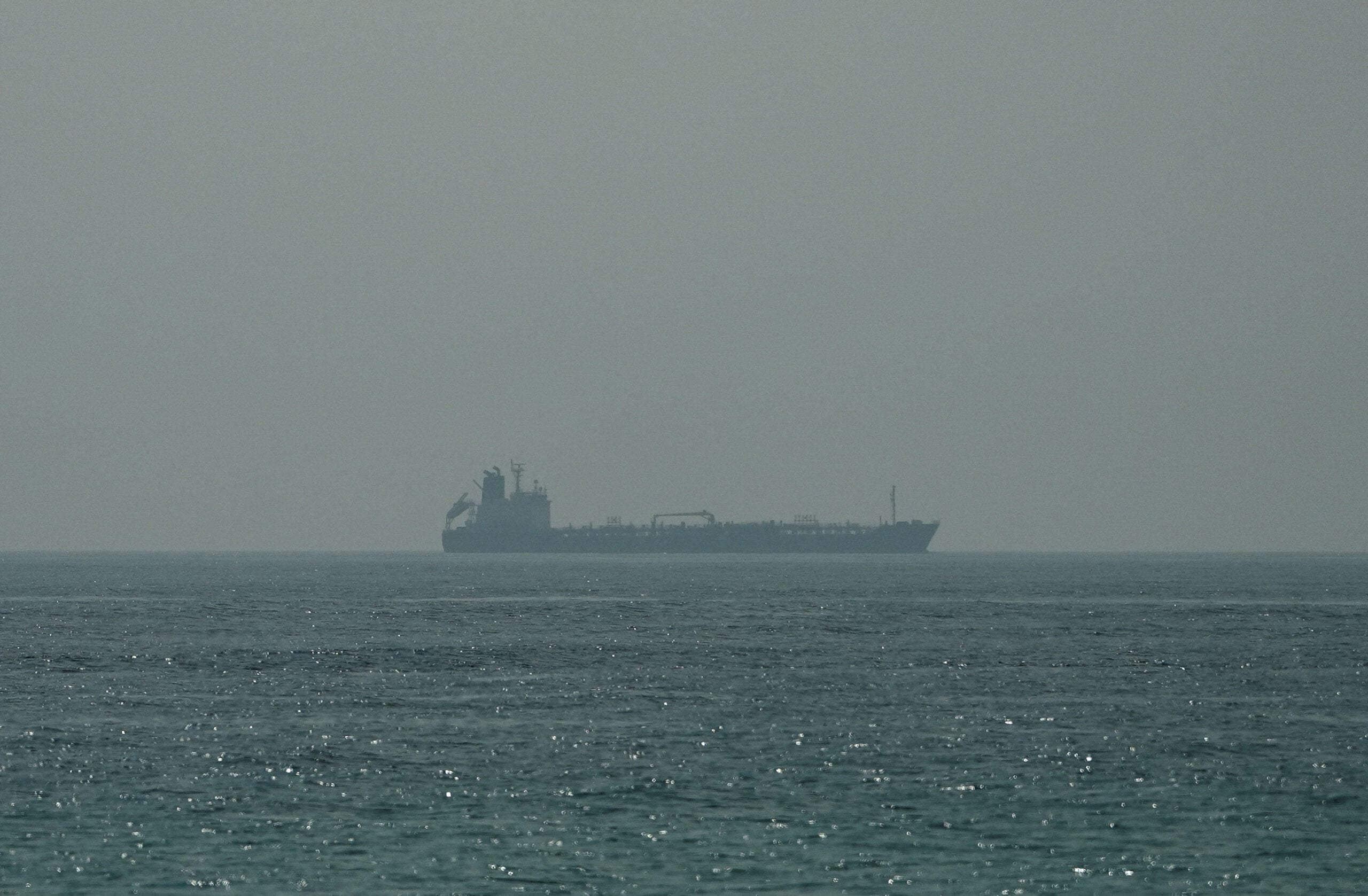
- Maritime risk in and around the Strait of Hormuz is very likely to remain high in the near term, given IRGC strikes on vessels in Omani waters and reports Iran fired on three tankers, regional condemnation of Iranian harassment, and IMO denunciation of the attacks. (Confidence: high · ASSESSED)
- I&W: A new reported attack or harassment of a named commercial vessel transiting Hormuz or adjacent Omani waters. (0-14 days)
- I&W: A sustained 30-day period without reported incidents and a public Iranian statement pausing maritime interdictions. (1-3 months)
- The previous US, Iran ceasefire memorandum is very likely defunct in practice, reflected in renewed strikes, presidential statements that it is over, the revocation of a 60-day oil licence, and Tehran’s assertion that parts of the deal are ineffective. (Confidence: medium · ASSESSED)
- I&W: Further official US and Iranian statements explicitly voiding the memorandum alongside continued airstrikes. (0-14 days)
- I&W: Resumption of structured US, Iran talks after Khamenei’s funeral with a joint communiqué reaffirming truce terms. (1-3 months)
- US strikes have very likely degraded Iranian coastal and transport infrastructure, with the Chabahar port authority’s control tower hit, roughly half the city reporting power outages, explosions reported in Bushehr, and a Tehran, Mashhad rail segment struck hours before Khamenei’s burial. (Confidence: high · REPORTED)
- I&W: Iranian authorities issue restoration updates with imagery on power and port operations in Chabahar. (0-14 days)
- I&W: Independent imagery confirms limited or no lasting damage at the cited port and rail nodes. (0-14 days)
- Israel is likely to maintain a high-alert posture and sustain operations along and north of the Blue Line while UNIFIL continues to record daily Resolution 1701 violations and faces UXO and access constraints. (Confidence: medium · ASSESSED)
- I&W: UNIFIL reporting continues to cite daily 1701 violations and IDF activity north of the Blue Line. (1-3 months)
- I&W: A declared IDF redeployment south of the Blue Line and a sustained reduction in UNIFIL-reported violations. (1-3 months)
- Further US kinetic actions against Iranian military and logistics nodes are likely in the next two weeks if maritime attacks persist, given CENTCOM’s announcement of more strikes, presidential warnings, and reporting that expansion of operations is under consideration. (Confidence: medium · ASSESSED)
- I&W: A new CENTCOM communiqué naming additional target sets inside Iran. (0-14 days)
- I&W: A presidential statement announcing a pause in operations tied to renewed talks with Tehran. (0-14 days)
- Energy markets will likely remain volatile in the near term, with oil prices elevated and global equities under pressure following the latest round of strikes and policy moves. (Confidence: medium · ASSESSED)
- I&W: Front-month Brent trades above 78 dollars per barrel coincident with additional shipping incidents near Hormuz. (0-14 days)
- I&W: A two-week retracement in oil and a global equities rebound alongside a lull in reported Gulf incidents. (1-3 months)
Outlook & scenarios
Contained tit-for-tat and a high-risk Hormuz corridor (60%)
US precision strikes continue to target IRGC air defence, naval and logistics assets, while Iran pursues intermittent drone and missile launches at US-linked sites in Kuwait and Bahrain and sporadic harassment of merchant vessels near Hormuz. Regional air defences intercept most attacks, damage remains limited, and no high-value GCC petroleum infrastructure is targeted. Shipping faces elevated threat and insurance costs.
Broader regional spillover onto the Lebanon front (35%)
As US, Iran exchanges persist, Israel sustains a high-alert posture and keeps operating along and north of the Blue Line. UNIFIL continues to log daily Resolution 1701 violations amid access and UXO hazards. A flare-up along the frontier complicates any diplomatic de-escalation effort and ties down additional Israeli forces.
Tactical pause after Khamenei’s funeral and limited talks resume (25%)
After the funeral period, Washington and Tehran briefly re-engage to stabilise the situation. Public rhetoric remains hardline, but backchannels aim to reduce maritime incidents. A durable ceasefire remains elusive and the truce framework is weakened, yet reported attacks at sea dip for several weeks.
Wildcard: IRGC expands target set to GCC energy nodes or attempts a tighter choke on Hormuz (10%)
If Tehran calculates that limited retaliation fails to deter, it authorises strikes on high-value energy infrastructure in the GCC or escalates interdictions at Hormuz. This prompts sharper US and partner responses, rapid oil price escalation, and an acute maritime safety crisis.
Recommendations
- Build and maintain a geolocated strike ledger for Iran naming each confirmed target set (Chabahar port control facilities, Bushehr, Mahshahr, Tehran, Mashhad rail nodes), cross-referenced to imagery and official statements, and update it daily for decision briefs.
- Create a consolidated log of Iranian drone and missile activity against Kuwait, Bahrain and Qatar with intercept counts, debris imagery and claimed aim points; reconcile discrepancies between Iranian claims and Kuwaiti and US interception reporting.
- Stand up a Hormuz shipping incident tracker that records vessel identity, flag, position and attack modality for each reported event; use it to brief risk owners on routing, speed and insurance adjustments over the next 30 days.
- Task collection on Chabahar power and port operations, Bushehr incident reports and rail disruption near Mashhad to assess the persistence of infrastructure effects that could shape Iranian decision-making.
- Monitor official communiqués and press conferences from CENTCOM, the White House, Iran’s foreign ministry and the IRGC for explicit signals on further strikes or talks; alert within one hour of new guidance.
- Track UNIFIL releases on daily Resolution 1701 violations and IDF activity north of the Blue Line; maintain a running 14-day trend to anticipate Israeli force posture changes.
- Produce a rolling energy and equities market watch that flags threshold triggers (for example Brent above 80 dollars per barrel or a 3 percent daily equities drawdown) tied to new Gulf incidents for policy and private-sector stakeholders.
- Prepare decision-ready branch plans for three paths: continued tit-for-tat, a Lebanon front flare-up, and a short tactical pause; identify the top two confirm/break indicators for each and assign collection responsibilities.
Confidence & uncertainty
Multiple independent, generally reliable sources corroborate large US strike packages inside Iran, reported targets at coastal nodes and rail infrastructure, IRGC-linked harassment of shipping, and a retaliatory Iranian launch profile towards Kuwait and Bahrain alongside strong intercept reporting. However, key details are contested: target counts vary between about 80 and about 90 per night, Iranian claims of striking 85 US facilities lack independent confirmation, and impact assessments rely on self-reporting by combatants. Timelines and policy actions around the ceasefire and oil measures also differ across reports. These contradictions and single-source elements on damage effects justify an overall medium confidence.
Alternative analysis (red cell)
Given the ledger’s reliance on competing official statements and state-media reports with inconsistent counts, timings, and attributions (e.g., d6ce5595 vs a920726d/15b42803 and d7b87928 vs d6ce5595), a sober alternative estimate is that the scope and effects of the reported US strikes and Iranian counterstrikes remain uncertain. The evidence permits interpretations ranging from substantial multi-site strikes with meaningful degradation to more limited, localized strikes and contested claims of interception; resolving this requires independent ISR, forensic debris analysis, host-nation damage reports, and market time-series.
Intelligence gaps
- [EEI 1.1 · UNCOVERED] Number, type, launch times, and trajectories of ballistic missiles, cruise missiles, armed UAV strikes, and combat-air sorties launched by Iranian or Israeli forces toward the other's territory or forward bases within a 72-hour window. Recommended collection: signals/intel
- [EEI 1.2 · PARTIAL] Observable changes in Israeli and Iranian force posture: mobilization or reserve call-up orders, unit road/rail movements, dispersal or sortie rates of air squadrons, redeployment of air-defense batteries, and activation of civil-defense alerts or sirens in major population centers. Recommended collection: open-source/media
- [EEI 1.3 · PARTIAL] Indications of strike authorization or targeting preparations in Iranian or Israeli command chains: authenticated public orders by senior commanders, detected increases in encrypted communications consistent with targeting, or visible movement of strike munitions to launch/storage sites. Recommended collection: signals/intel
- [EEI 2.1 · PARTIAL] Counts, launch locations (coordinates), weapons types, and assessed damage from rocket/missile/drone strikes originating from Lebanon into northern Israel attributed to Hezbollah or allied groups. Recommended collection: open-source/media
- [EEI 2.2 · UNCOVERED] Reported attacks by Iranian-backed militias in Iraq and Syria: rocket/IED strikes on bases hosting US/coalition or Israeli personnel, documented militia unit movements toward borders, and captured movement or transfer of weapons systems to forward militia positions. Recommended collection: human
- [EEI 3.1 · UNCOVERED] Movements and arrival dates of foreign military assets into the region: carrier strike groups, amphibious ships, surface combatants, strategic airlift/tanker deployments, and air/sea patrol patterns by US, European, Russian, or regional militaries. Recommended collection: imagery/satellite
- [EEI 3.2 · PARTIAL] Concrete diplomatic and political actions: emergency UN/Arab League meetings called, official embassy evacuation orders, public declarations of intent to interpose or protect shipping/airspace, and newly announced sanctions or arms-transfer approvals tied to the conflict. Recommended collection: diplomatic
- [EEI 3.3 · PARTIAL] Immediate commercial and market indicators: rerouting of commercial tankers and container vessels (e.g., avoidance of Bab el-Mandeb or Strait of Hormuz), sudden spikes in war-risk insurance premiums for regional sea lanes, temporary port closures, and near-term price moves in regional benchmark crude tied to incidents. Recommended collection: financial/market
Cited sources
[1] Fortune · Iran strikes 85 U.S. military sites in the Gulf, sparking a global selloff in stocks and a spike in the price of oil | Fortune (A) · sha256:02ceae7f08c4 [2] maritime-executive.com · Photos: U.S. Hits Iranian Ports and Military Bases in New Wave of Strikes (A) · sha256:1d6d48e674a2 [3] huffpost.com · U.S. Launches New Airstrikes On Iran And Tehran Fires Back At Gulf Arab States (B) · sha256:bdcca8b49d5a [4] maritime-executive.com · U.S. and Iran Continue to Exchange Strikes in Dispute Over Hormuz (B) · sha256:a8d2eafbdb1d [5] The Jerusalem Post · Live Updates: Latest from Israel, Iran, and Middle East | The Jerusalem Post (A) · sha256:09e7f9d16c9d [6] aljazeera.net · خبير عسكري: واشنطن تدرس كل الخيارات وضرب الداخل الإيراني أمر مطروح (B) · sha256:8180f6421c9a [7] Los Angeles Times · Iran ceasefire is 'over,' Trump says, and orders additional strikes - Los Angeles Times (A) · sha256:1ad6a6524b46 [8] ynetnews.com · Israel braces for renewed Iran fighting as Netanyahu, Katz cancel military ceremony (A) · sha256:37118a6b247a [9] gcaptain.com · Trump Says US Ceasefire With Iran Is ‘Over’ After Strikes (B) · sha256:fb51eb27aee1 [10] Newsweek · Why the US and Iran's first-step deal was doomed to fail (B) · sha256:a53aa92d83e5 [11] gcaptain.com · IMO Urges Ships to Avoid Hormuz as U.S. Strikes Iran Over Vessel Attacks (B) · sha256:9b55686dc824 [12] United Nations · Grim homecoming: Devastation greets Lebanon's war-weary returnees (A) · sha256:c6d750b2bc73 [13] jpost.com · Nearly 40% of Israelis feel Iran won war with US, INSS survey finds (B) · sha256:a11af88bfb80 [14] CNN · U.S. launches more strikes on Iran | CNN (A) · sha256:c96b39a93928
Source content hashes were computed at collection time; the cited text is preserved unmodified for the life of this product.
Red cell review: PARTIAL DISSENT
TLP:CLEAR