TLP:CLEAR · Disclosure is not limited.
Iran, US strikes, Hezbollah, Israel clashes, and Tehran’s Hormuz control claim keep escalation risk high
Time window: Last 1 day · Audience: General analyst · Type: Situation report · DTG: 2026-06-29 06:39Z · Overall confidence: MEDIUM
BLUF
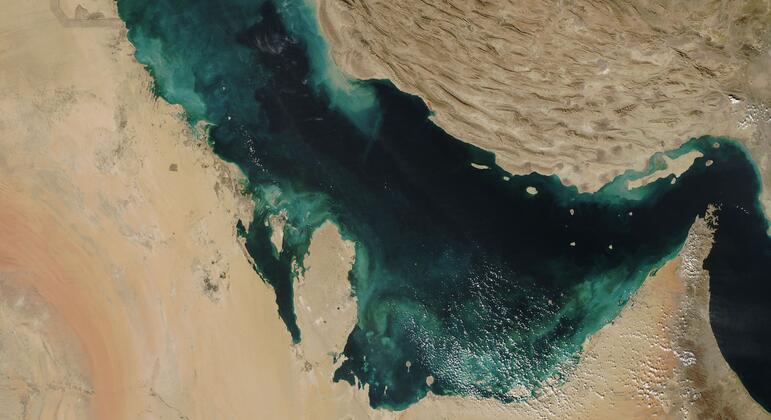
After US strikes on 10 Iranian sites, Iran’s IRGC launched missiles and drones at US bases in Kuwait and Bahrain that Kuwait reports it intercepted, while Tehran asserts 30-day sole control of the Strait of Hormuz and threatens to halt talks. Maritime risk at Hormuz remains high despite some resumed transits and an expanded alternate passage.
Executive summary
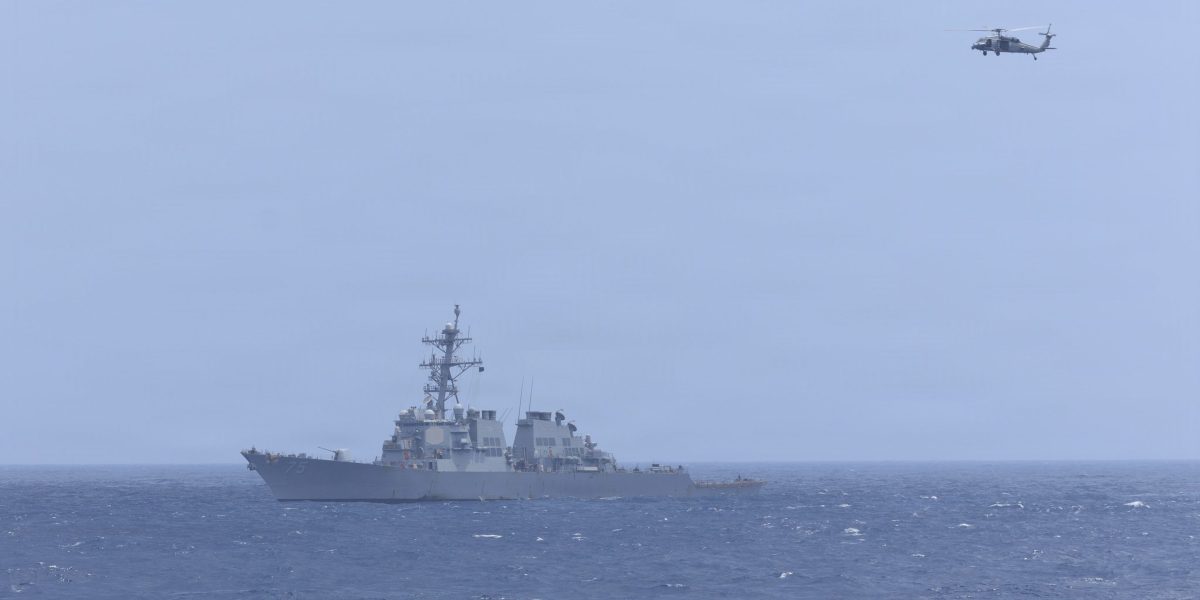
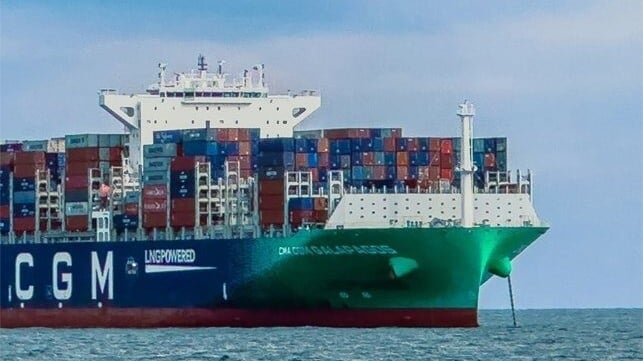
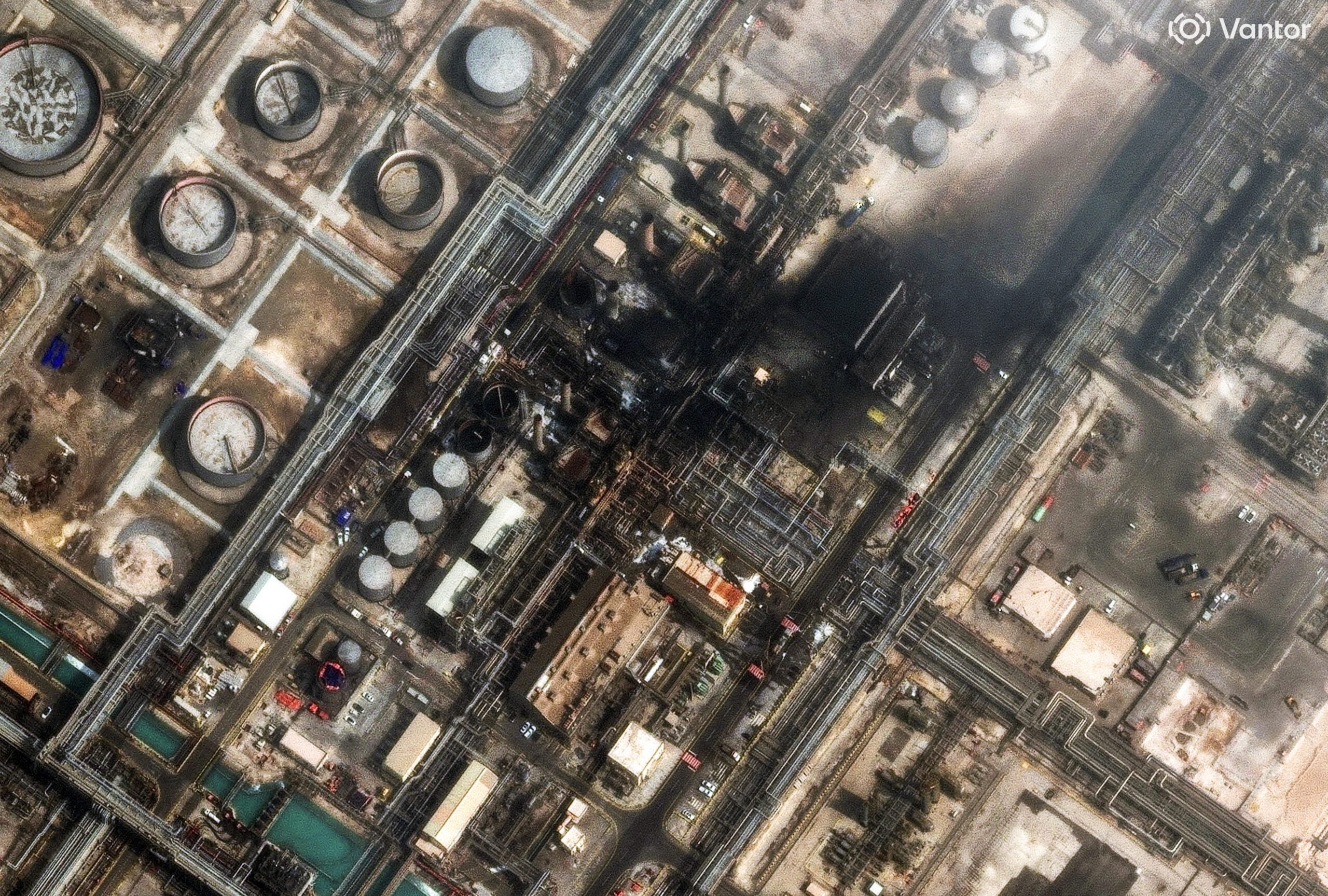
US Central Command struck 10 Iranian military targets around the Strait of Hormuz, citing earlier Iranian aggression against shipping. Iran’s IRGC claimed retaliatory missile and drone launches towards the US Ali Al Salem airbase in Kuwait and the US Fifth Fleet in Bahrain, with Kuwait reporting interceptions of drones and ballistic missiles and Bahrain reporting damage to a residential building near its international airport. Iran’s foreign minister declared Tehran would manage Hormuz exclusively for 30 days and warned against parallel arrangements, while also threatening to halt negotiations if US attacks continue. Maritime conditions are mixed: the IMO paused an evacuation operation after IRGC legal warnings, and around 11,000 seafarers await evacuation, yet 27 ships crossed Hormuz the previous day and a CMA CGM boxship transited via the Iranian route as the US Navy highlighted an expanded southern passage. On the northern front, Hezbollah killed an Israeli soldier in Deir Siryan and Israel conducted fresh airstrikes in southern Lebanon as Hezbollah rejected a US-brokered Israel, Lebanon framework that would allow an IDF presence until Hezbollah is disarmed. Iranian markets showed stress, with reports of a sharp equity drop and currency weakness.
Change from previous assessment
New since the prior brief: Kuwait reports intercepting Iranian drones and two ballistic missiles, and Bahrain reports a residential building damaged by Iranian munitions. Iran’s IRGC claims launches towards Ali Al Salem airbase in Kuwait and the US Fifth Fleet in Bahrain, while Tehran threatens to halt talks and declares sole management of Hormuz for 30 days. Maritime conditions show mixed signals: the IMO paused evacuations and around 11,000 seafarers await evacuation, yet 27 ships crossed Hormuz the previous day and a CMA CGM vessel transited via the Iranian route as the US Navy highlighted an expanded southern passage. On the northern front, Hezbollah killed an Israeli soldier in Deir Siryan and Israel conducted fresh airstrikes as a US-brokered Israel, Lebanon framework was reported and swiftly rejected by Hezbollah. Initial assessment of this topic was expanded with these developments and confidence adjusted where contradictory reporting emerged.
Key judgments
- US, Iran military exchanges are likely to persist in the near term, with the IRGC continuing to threaten or attempt strikes against US positions in Kuwait and Bahrain following US attacks on Iranian targets around Hormuz. (Confidence: medium · ASSESSED)
- I&W: Fresh CENTCOM communiqués announcing additional strikes on Iranian air defence, radar, or missile infrastructure near Hormuz. (0-14 days)
- I&W: Kuwaiti or Bahraini official reporting of new IRGC missile or drone debris linked to launches towards Ali Al Salem airbase or the US Fifth Fleet area. (0-14 days)
- Maritime risk in the Strait of Hormuz is very likely to remain elevated over the next two weeks despite some successful transits, given Iran’s declared 30-day sole management, threats to close the strait, and the IMO’s paused evacuation. (Confidence: high · ASSESSED)
- I&W: New IRGC maritime notices asserting enforcement authority or detentions of commercial vessels transiting outside the Iranian-declared scheme. (0-14 days)
- I&W: IMO announces resumption of evacuation convoys and reports sustained daily crossings above the previous day’s 27 for at least one week. (0-14 days)
- The US, Iran memorandum of understanding signed on 17 June is likely fraying and is unlikely to prevent further limited reprisals in the short term. (Confidence: medium · ASSESSED)
- I&W: Tehran or Washington publicly suspends or withdraws from the MoU or cancels planned technical meetings. (0-14 days)
- I&W: A joint US, Iran statement publishes detailed deconfliction and maritime traffic procedures with third-party verification. (1-3 months)
- Hostilities on the Israel, Hezbollah front are likely to continue at a low-to-moderate tempo despite the announced US-brokered framework, given Hezbollah’s rejection and fresh lethal incidents in southern Lebanon. (Confidence: medium · ASSESSED)
- I&W: Additional Hezbollah claims of attacks or IDF communiqués on strikes in southern Lebanon. (0-14 days)
- I&W: Lebanese Armed Forces deploy and assume control in designated pilot zones with IDF acknowledging drawdowns. (1-3 months)
- Iran very likely aims to keep Hormuz mostly closed and to force a coercive choice on Washington, using management claims and calibrated attacks to sustain pressure under a nominal truce. (Confidence: medium · ASSESSED)
- I&W: Tehran extends the 30-day sole management declaration or issues new penalties for non-compliant transits. (0-14 days)
- I&W: Public Iranian acceptance of a multilateral traffic management or escorted convoy regime at Hormuz. (1-3 months)
- Regional oil and commodity flows are recovering unevenly but remain vulnerable to renewed incidents at Hormuz over the next month. (Confidence: medium · ASSESSED)
- I&W: Multiple-day pauses in laden outbound traffic or renewed suspension of evacuation or convoy operations by the IMO. (0-14 days)
- I&W: Sustained reporting that Gulf crude exports stay at or above three-quarters of prewar levels for two consecutive weeks. (1-3 months)
Outlook & scenarios
Managed tit-for-tat with persistent maritime friction (60%)
US strikes on Iranian military sites continue episodically and the IRGC launches limited missiles and drones towards US positions in Kuwait and Bahrain, with Gulf air defences intercepting most threats. Iran maintains its 30-day Hormuz management posture and the IMO keeps evacuation paused, yet daily crossings continue via the Iranian route and the expanded southern passage as shippers selectively sail under heightened risk controls.
Sharp escalation centred on Hormuz (35%)
A larger IRGC strike attempt against Ali Al Salem airbase or the US Fifth Fleet area triggers a broader US response against Iranian air defence, missile, and maritime surveillance nodes near Hormuz. Tehran extends its sole-control window, issues stricter transit conditions, and attempts tighter choke measures. Ship movements fall back, evacuation remains suspended, and insurance and routing pressures intensify.
Limited de-escalation and technical stabilisation (25%)
Washington and Tehran quietly reaffirm the June MoU and publish updated deconfliction procedures for traffic management. IRGC maritime legal warnings ease, the IMO restarts evacuation convoys, and daily crossings tick up. On the northern front, the Israel, Lebanon framework gains modest traction as Lebanese forces begin visible deployments, reducing Hezbollah, IDF exchanges to sporadic incidents.
Northern front flare-up despite framework (15%)
Hezbollah’s rejection of the framework gives way to expanded cross-border fire and IDF retaliatory strikes while Israel maintains forces in southern Lebanon. Israeli artillery and limited operations in southern Syria persist, complicating any runway to de-escalation even if the Gulf theatre remains focused on maritime pressure.
Recommendations
- Maintain a daily cross-check of CENTCOM releases, Iranian state media, and Kuwaiti and Bahraini defence statements to map strike timelines, target sets near Qeshm and Sirik, and attempted IRGC launches towards Ali Al Salem and the US Fifth Fleet area.
- Stand up a Hormuz shipping dashboard that fuses AIS, satellite, and port agent reporting to track daily crossings against the reported 27-ship baseline, document use of the Iranian route and the expanded southern passage, and log any detentions or diversion orders.
- Task collection to IRGC maritime communications and legal notices to detect new restrictions or an extension of the 30‑day sole management declaration; prepare indicators to trigger updated risk advisories to shippers if enforcement tightens.
- Liaise with Kuwaiti and Bahraini authorities for missile and drone debris exploitation to confirm launch attribution and capability shifts; log intercept rates and trajectories for trend analysis.
- On the Lebanon file, catalogue Hezbollah attack claims and IDF communiqués by locality, and track any Lebanese Armed Forces deployments in pilot zones to assess the viability of the US-brokered framework.
- Monitor Tehran market indicators, including equity index movements and the rial’s open-market rate, as a proxy for internal stress that could affect Iranian risk tolerance.
- Keep a legal and diplomatic watch on Iran’s case in The Hague under the Algiers Accords and on any proposals for an Iran, US, Lebanon contact mechanism, flagging dates that might anchor de-escalation opportunities or harden positions.
- Update risk to US and partner facilities in Kuwait and Bahrain in light of IRGC threats, and maintain contingency planning for short-notice changes in force protection and maritime evacuation posture.
Confidence & uncertainty
Multiple independent, high-reliability reports corroborate key events, including US strikes on 10 Iranian targets, Kuwaiti interceptions of Iranian missiles and drones, Bahrain’s reported damage from Iranian munitions, Iran’s 30‑day Hormuz management claim, the IMO’s pause, and lethal incidents on the Israel, Hezbollah front. Some elements rely on medium-confidence or analytical assessments, such as IRGC responsibility for specific retaliatory salvos and the durability of the June MoU. There are noted discrepancies, including UNIFIL’s report of no new launches versus reporting of Israeli airstrikes, and varying attributions to ‘Iran’ versus the IRGC for Gulf attacks. Taken together, the corpus supports a medium overall confidence level.
Alternative analysis (red cell)
An alternative, defensible assessment is that recent strikes and statements are more consistent with episodic, tactical escalations and signaling than with a durable shift to sustained campaigns or a wholesale collapse of agreements. The record is concentrated in a limited set of reporting origins and combines political rhetoric with isolated operational reports, leaving open the possibility that the MoU and maritime traffic will be stressed but not decisively broken and that hostilities (including Israel–Hezbollah incidents) will remain sporadic rather than enter a sustained higher tempo.
Intelligence gaps
- [EEI 1.1 · PARTIAL] Number, type, launch times, and trajectories of ballistic missiles, cruise missiles, armed UAV strikes, and combat-air sorties launched by Iranian or Israeli forces toward the other's territory or forward bases within a 72-hour window. Recommended collection: signals/intel
- [EEI 1.2 · UNCOVERED] Observable changes in Israeli and Iranian force posture: mobilization or reserve call-up orders, unit road/rail movements, dispersal or sortie rates of air squadrons, redeployment of air-defense batteries, and activation of civil-defense alerts or sirens in major population centers. Recommended collection: open-source/media
- [EEI 1.3 · PARTIAL] Indications of strike authorization or targeting preparations in Iranian or Israeli command chains: authenticated public orders by senior commanders, detected increases in encrypted communications consistent with targeting, or visible movement of strike munitions to launch/storage sites. Recommended collection: signals/intel
- [EEI 2.1 · PARTIAL] Counts, launch locations (coordinates), weapons types, and assessed damage from rocket/missile/drone strikes originating from Lebanon into northern Israel attributed to Hezbollah or allied groups. Recommended collection: open-source/media
- [EEI 2.2 · PARTIAL] Reported attacks by Iranian-backed militias in Iraq and Syria: rocket/IED strikes on bases hosting US/coalition or Israeli personnel, documented militia unit movements toward borders, and captured movement or transfer of weapons systems to forward militia positions. Recommended collection: human
- [EEI 2.3 · PARTIAL] Maritime harassment or attacks by proxies (e.g., Houthis): incidents of missile/rocket strikes against commercial vessels, small-boat swarm attacks, discovery or detonation of naval mines, and corresponding AIS anomalies in the Red Sea, Gulf of Aden, or southern Arabian Gulf. Recommended collection: maritime/AIS
- [EEI 3.1 · PARTIAL] Movements and arrival dates of foreign military assets into the region: carrier strike groups, amphibious ships, surface combatants, strategic airlift/tanker deployments, and air/sea patrol patterns by US, European, Russian, or regional militaries. Recommended collection: imagery/satellite
Cited sources
[1] houstonpublicmedia.org · U.S. and Iran exchange strikes, underscoring the fragility of the ceasefire (A) · sha256:bf755d3053bf [2] aljazeera.net · اتفاق واشنطن وطهران على صفيح ساخن. هل يصمد أمام التصعيد؟ (A) · sha256:825bdeadf093 [3] maritime-executive.com · CMA CGM Containership Uses Iranian Route Through Strait of Hormuz (B) · sha256:1ab20e106ac7 [4] aljazeera.net · حرب السيطرة على مضيق هرمز. ما هدف الضربات الأمريكية وكيف ردت إيران؟ (A) · sha256:9bcd308a5ba8 [5] Al Jazeera · IRGC doubles down as Iran-US MoU jeopardised by Hormuz strikes (A) · sha256:ae8716bf1503 [6] Los Angeles Times · Iran attacks Bahrain and Kuwait following U.S. strikes and threatens to halt talks - Los Angeles Times (A) · sha256:eaa2a93a25b7 [7] NewsX Live · Israel Strikes South Lebanon Again As Iran Threatens To Close Strait Of Hormuz (B) · sha256:653c8539b1db [8] UALR Public Radio · U.S. and Iran exchange strikes, underscoring the fragility of the ceasefire (A) · sha256:6706129f6858 [9] United Nations · From Lebanon to the Strait of Hormuz, a Middle East hanging on fragile peace talks (A) · sha256:d0d950f95951 [10] Fortune · Iran is forcing the U.S. into an escalation trap as a 'shadow war' over the Strait of Hormuz heats up that could kill the tenuous ceasefire | Fortune (B) · sha256:7bf91514168a [11] The Jerusalem Post · Why did Iran renew attacks on Gulf states, despite the Memorandum of Understanding? - analysis (B) · sha256:a7f262e56010 [12] gcaptain.com · Aramco Helicopter Crash In Ras Tanura Kills All 14 On Board (A) · sha256:1fc704ced9cb
Source content hashes were computed at collection time; the cited text is preserved unmodified for the life of this product.
Red cell review: PARTIAL DISSENT
TLP:CLEAR