TLP:CLEAR · Disclosure is not limited.
Iran-US Tensions and Regional Security Risks
Time window: Last 1 day · Audience: General analyst · Type: Situation report · DTG: 2026-10-08 14:07Z · Overall confidence: MEDIUM
BLUF
Reporting now describes US preparations for possible renewed strikes on Iran, but says President Donald Trump has not made a final decision. Houthi attacks on Abha and King Khalid airports killed three people, while shipping continues through the Strait of Hormuz amid repeated tanker attacks and unresolved reporting discrepancies.
Executive summary
The reporting window brings new accounts of Pentagon preparations for possible strikes on Iran and the USS Abraham Lincoln approaching a position from which it could conduct attacks. The reports also say Washington and Tehran are exchanging messages through intermediaries. In Yemen, Saudi authorities reported three deaths in attacks on Abha and King Khalid airports, which the Houthis claimed to have carried out; the Saudi-led coalition said it struck more than 80 Houthi sites. Hormuz oil flows have recovered in some measures, but tanker attacks persist. Reporting conflicts over one tanker’s identity and location, and over the weekly incident count. The supplied reporting does not establish a new direct Iran-Israel strike during this window.
Change from previous assessment
Since the 7 October brief, reporting has added Pentagon preparations for possible renewed strikes on Iran and a reported approach by the USS Abraham Lincoln, while still indicating that Trump has not made a final decision. The brief now includes Saudi authority reports of three deaths in attacks on Abha and King Khalid airports, claimed by the Houthis. Shell’s estimate of oil flows at about 80 per cent of pre-war levels reinforces the prior assessment that Hormuz is not closed, but the new tanker identity and location discrepancies lower confidence in incident attribution.
Key judgments
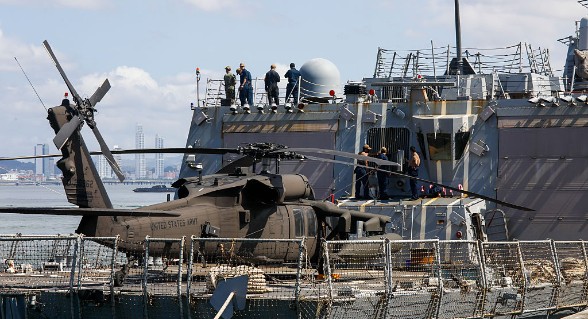
- A renewed US strike on Iran in the next 14 days is roughly even chance. The Pentagon reportedly instructed US Central Command to prepare for possible renewed strikes, and Donald Trump discussed resuming operations with his national security team, but reporting also says he has made no final decision or set a start date. The USS Abraham Lincoln is reportedly approaching a position from which it could conduct attacks. Confidence is low because the military-planning accounts are largely indirect and do not establish an authorised operation. (Confidence: low · ASSESSED)
- I&W: The Pentagon or US Central Command publicly confirms completed strike preparations, or Trump publicly authorises operations against Iran. (0-14 days)
- I&W: The White House states that no strike has been authorised and US Central Command confirms the USS Abraham Lincoln is no longer approaching the reported position. (0-14 days)
- Further Houthi attacks on Saudi airports or other Saudi targets are likely in the next 14 days. Saudi Arabia’s General Authority of Civil Aviation reported two deaths and 28 wounded at Abha International Airport, and one death and eight wounded at King Khalid International Airport in Riyadh; the Houthis claimed responsibility and said they used ballistic missiles and drones. The Saudi-led coalition reported striking more than 80 Houthi military sites in Yemen. Confidence is medium: Saudi authorities and the Houthi military spokesperson reported the airport incidents, while battlefield claims remain contested. (Confidence: medium · ASSESSED)
- I&W: Houthi military spokesperson Yahya Saree announces another missile or drone attack on Abha International Airport or King Khalid International Airport, with Saudi authorities reporting an impact or interception. (0-14 days)
- I&W: Saudi authorities report no further airport attacks and the Houthis announce a halt to attacks on Saudi targets. (0-14 days)
- The Strait of Hormuz is very likely to remain open to some commercial traffic over the next 14 days, while tanker transits remain hazardous. Shell CEO Wael Sawan put oil flows at about 80 per cent of pre-war levels, and US Central Command said goods, including about 20 million barrels of oil, were still moving through the strait. This contrasts with an IRGC official’s claim that Hormuz is closed. Shipping reports also describe a recent slowdown and a high weekly tally of tanker attacks. Confidence is medium because flow measures and incident counts vary, and the competing claims about the strait’s status are not fully reconciled. (Confidence: medium · ASSESSED)
- I&W: Commercial vessel-tracking data continue to show crossings through Hormuz, alongside continued oil-flow reporting from Shell or shipping-data providers. (0-14 days)
- I&W: Vessel-tracking data show no commercial crossings for 72 hours and US Central Command acknowledges that traffic through the strait has stopped. (0-14 days)
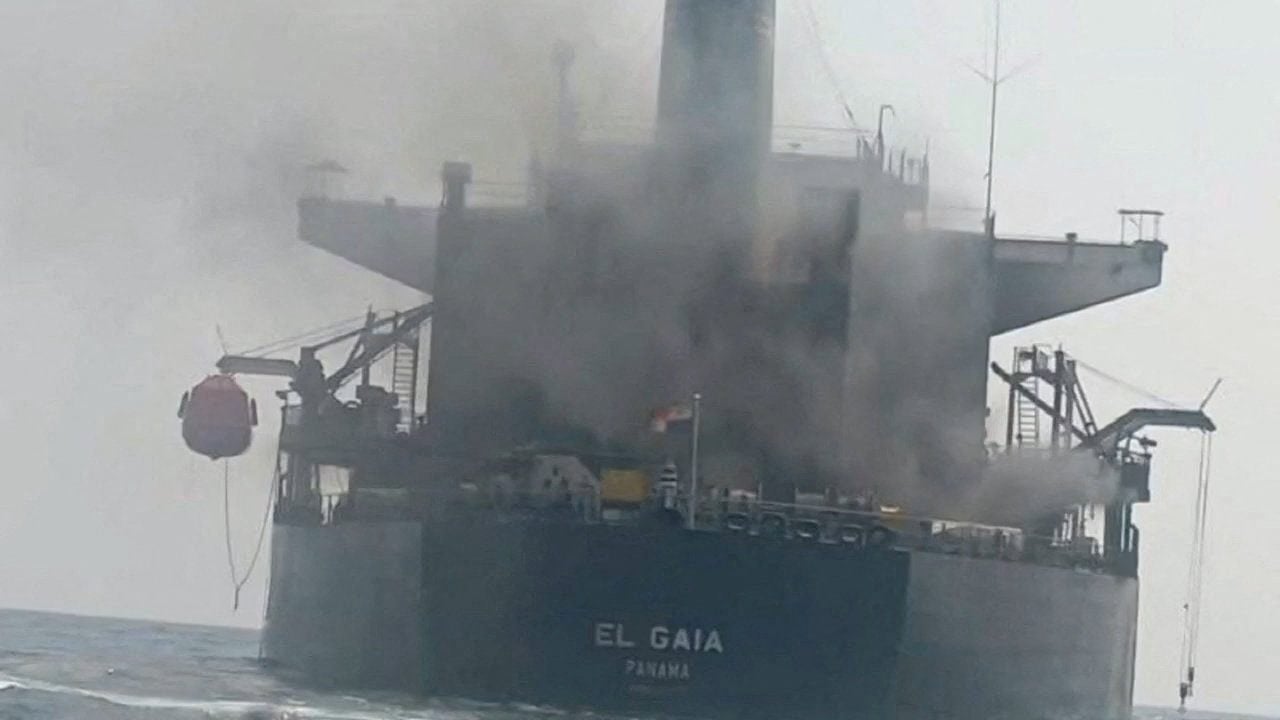
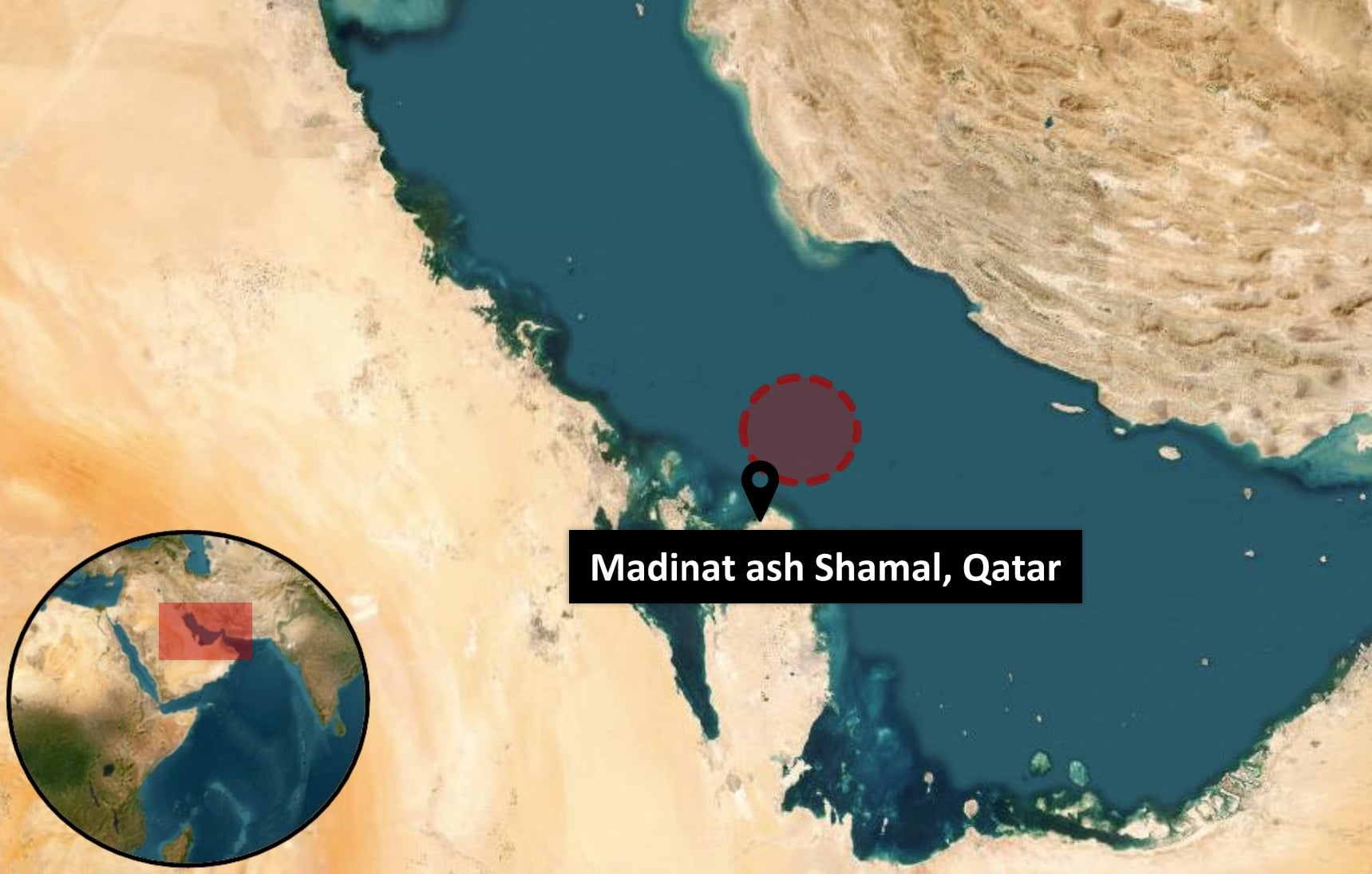
- The reported tanker attack’s vessel identity and location remain unresolved, and the reported number of Hormuz-area incidents from 28 September to 5 October is likely between nine and 12. India’s foreign ministry identified the vessel as the Panama-flagged On Peace in the Strait of Hormuz; Vanguard Tech identified it as the Antigua-flagged Acers, while the tanker master’s reported position was about 50 nautical miles north of Madinat ash Shamal, Qatar. IMO data recorded nine vessel incidents for the week, compared with at least 12 attacks in data from three maritime security sources. Confidence is low because the vessel and location accounts conflict and the incident counts may use different criteria. (Confidence: low · REPORTED)
- I&W: A published IMO number and time-stamped AIS track identify whether the vessel was On Peace or Acers and place it in Hormuz or north of Madinat ash Shamal. (0-14 days)
- I&W: IMO or maritime security sources publish a reconciled count explaining the difference between nine incidents and at least 12 reported attacks. (0-14 days)
- An indirect US-Iran communications channel is likely active over the next 14 days, but current reporting does not establish agreement on ending the war or reopening Hormuz. Iranian Foreign Ministry spokesman Ismail Baghaei said messages were passing through intermediaries, and the ministry said Tehran would respond to US proposals. Trump said envoy Steve Witkoff was working towards an agreement. These statements describe contact and proposals, not an agreed outcome. Confidence is medium because the reported channel is supported by statements from both governments, but no agreement is reported. (Confidence: medium · ASSESSED)
- I&W: Iran’s Foreign Ministry publicly confirms that Tehran has delivered a response to US proposals through intermediaries. (0-14 days)
- I&W: Trump or Steve Witkoff announces an agreed set of terms for ending the conflict and reopening Hormuz, or the White House announces renewed strikes while reporting of contacts stops. (0-14 days)
Outlook & scenarios
Indirect contacts continue as regional fighting persists (55%)
Over the next 1-3 months, Washington and Tehran continue exchanging messages without announcing an agreement. US strike preparations remain unexecuted, Houthi attacks and Saudi responses continue in Yemen, and commercial traffic transits Hormuz under elevated risk.
The United States resumes strikes on Iran (25%)
Over the next 1-3 months, Trump authorises renewed US strikes on Iran, with energy, infrastructure or nuclear facilities among the reported target categories. Israel joins the operation in this scenario. The resulting escalation increases pressure on Hormuz shipping and regional forces.
Yemen’s conflict adds pressure to regional shipping (15%)
Over the next 1-3 months, Houthi attacks on Saudi targets continue alongside Saudi-led coalition strikes and fighting by Yemeni government forces. Further incidents near Aden, Bab el-Mandeb or the Gulf of Aden add to existing shipping and displacement risks.
Hormuz traffic is interrupted (5%)
Wildcard, high impact. The IRGC claim that Hormuz is closed is followed by a sustained halt in commercial transits. This would reverse the reported recovery in oil flows and sharply increase pressure on regional shipping and energy markets.
Recommendations
- Maintain a daily tracker separating confirmed impacts from claims of attacks, interceptions and intended targets. Prioritise Saudi General Authority of Civil Aviation reports, Houthi statements and Saudi-led coalition updates on Abha, King Khalid and Yemen.
- Resolve the tanker discrepancy before making attribution judgements. Compare the IMO numbers, flag records and time-stamped AIS tracks for On Peace and Acers with the reported position north of Madinat ash Shamal, and keep the incident location and perpetrator unconfirmed until they align.
- Track Hormuz transits and oil-flow estimates as separate measures. Record the source and counting method for each incident total, especially the nine IMO incidents and the at least 12 attacks reported by maritime security sources.
- Monitor for observable changes in US posture and decision-making: public Pentagon or US Central Command confirmation of preparations, a presidential authorisation, or an announced change involving the USS Abraham Lincoln.
- Treat statements about indirect US-Iran contacts as evidence of communication, not proof of de-escalation. Update the assessment only when either government reports a response, agreed terms or a change in military decision-making.
Confidence & uncertainty
High-reliability wire reporting supports the oil-flow picture and some shipping incidents, while Saudi authority statements and reporting on the airport attacks provide corroboration for the reported casualties. Confidence is lower for US strike planning, which relies on indirect reporting, and for the tanker incident, where vessel identity and location conflict. The Hormuz closure claim also directly contradicts reporting that commercial goods continue to move.
Alternative analysis (red cell)
The strike-related reporting may show contingency planning and political discussion without indicating that an attack is close to authorization, so the probability within 14 days could be materially below even odds. The Saudi incidents confirm recent attacks, but the available record does not establish that they represent a continuing campaign rather than a discrete episode followed by counterstrikes. Overall, the evidence supports heightened risk and uncertainty more clearly than it supports either a roughly even chance of renewed US strikes or a likely further Houthi attack.
Intelligence gaps
- [EEI 1.1 · UNCOVERED] Observed repositioning, sustained increases, or new forward basing of Iranian conventional or IRGC forces (armored units, missile batteries, aircraft, naval vessels) toward borders or regional launch points. Recommended collection: IMINT/satellite
- [EEI 1.4 · UNCOVERED] Interdicted or observed shipments (air, sea, land manifests, seizures, satellite imagery of transfers) of advanced weapons or missile components from Iran toward proxy groups or forward staging points. Recommended collection: maritime/AIS
- [EEI 2.1 · UNCOVERED] Satellite or on-the-ground imagery showing fires, damage, or operational shutdown at major oil export facilities, refineries, storage terminals, or key pipeline infrastructure in the Gulf and Red Sea. Recommended collection: IMINT/satellite
- [EEI 2.3 · PARTIAL] Significant and sustained reductions or rerouting of tanker transits through the Strait of Hormuz (ship traffic counts, pilot reports, port call cancellations) and announcements of closure or restricted navigation zones (NOTAMs, maritime advisories). Recommended collection: maritime/NOTAMs
- [EEI 2.4 · PARTIAL] Rapid increases in war-risk insurance premiums for Middle East routes, shipping company advisories to avoid region, or major charter cancellations tied to the conflict. Recommended collection: financial/open-source
- [EEI 3.2 · UNCOVERED] Official expedited arms transfers, basing/overflight agreements, or declarations of operational support (formal government announcements, defense ministry releases, logistics flight manifests). Recommended collection: open-source/diplomatic
- [EEI 3.3 · PARTIAL] Embassy evacuations, large-scale personnel movements, issuance of government travel bans/advisories, or multinational security alerts affecting foreign nationals and diplomatic posture in the region. Recommended collection: diplomatic/open-source
- [EEI 3.4 · UNCOVERED] High-level diplomatic/UN activity: scheduled or emergency Security Council meetings, published ceasefire proposals, or multilateral statements committing support/condemnation that precede changes in military posture. Recommended collection: open-source/diplomatic
Cited sources
[1] akhbaralyawm.com · بين التصعيد والرسائل.. واشنطن تستعد لاحتمال استئناف الضربات على إيران (F) · sha256:5025e9917aa6 [2] panet.com (Palestinian news portal) · تقرير: البنتاغون يصدر تعليمات للجيش الأمريكي للاستعداد لاستئناف الهجوم على ايران (B) · sha256:9903e2add2fe [3] bbc.co.uk · Three people killed in attacks on Saudi Arabia airports, officials say (F) · 8 October 2026 · sha256:140771515b91 [4] The Maritime Executive · Shots Fired at Chinese Containership in the Red Sea (C) · sha256:950732340b5b [5] Bloomberg (republished by gCaptain) · India Shuns Costly Russian Oil as Middle East Flows Recover (A) · 8 October 2026 · sha256:d78d8379c5a6 [6] Reuters (republished by gCaptain) · Attacks on Tankers in Hormuz Hit Highest of Any Week Since Start of Iran War, Sources Say (A) · 7 October 2026 · sha256:6c73f80819aa [7] Al-Zawraa Newspaper (جريدة الزوراء العراقية) · غزة وهرمز وباب المندب 3 سنوات من الحرب تشلّ العالم (D) · sha256:e6419060e399 [8] The Maritime Executive · Tanker Hit Multiple Times in Arabian Gulf, Casualties Reported (C) · sha256:f2926d36fe4d [9] Al Jazeera (Aljazeera Iran Facebook page) · المتحدث باسم الخارجية الإيرانية إسماعيل بقائي: هناك تبادل للرسائل بين إيران والولايات المتحدة عبر الوسطاء وتم الاتفاق مع سلطنة عمان على إحداثيات الممرات الآمنة في مضيق هرمز #الأخبار | الجزيرة - إيران (B) · sha256:0c313cf9f7ef [10] facebook.com · الخارجية الإيرانية: طهران سترد على المقترحات الأميركية عبر الوسطاء. وعرضنا شروطنا لإنهاء الحرب وإعادة فتح مضيق هرمز | قناة العربية Al Arabiya (F) · sha256:49529b6b031d
Source content hashes were computed at collection time; the cited text is preserved unmodified for the life of this product.
Red cell review: PARTIAL DISSENT
TLP:CLEAR