TLP:CLEAR · Disclosure is not limited.
Iran, US tit-for-tat and Israel, Hezbollah clashes escalate; Hormuz risk elevated
Time window: Last 1 day · Audience: General analyst · Type: Situation report · DTG: 2026-06-28 10:02Z · Overall confidence: MEDIUM
BLUF
Reciprocal US, Iran strikes around the Strait of Hormuz and Israeli drone attacks in southern Lebanon have restarted a multi-front cycle of escalation. Maritime threat remains elevated despite some cargoes moving, and the Israel, US, Lebanon arrangement is not restraining hostilities on the ground.
Executive summary
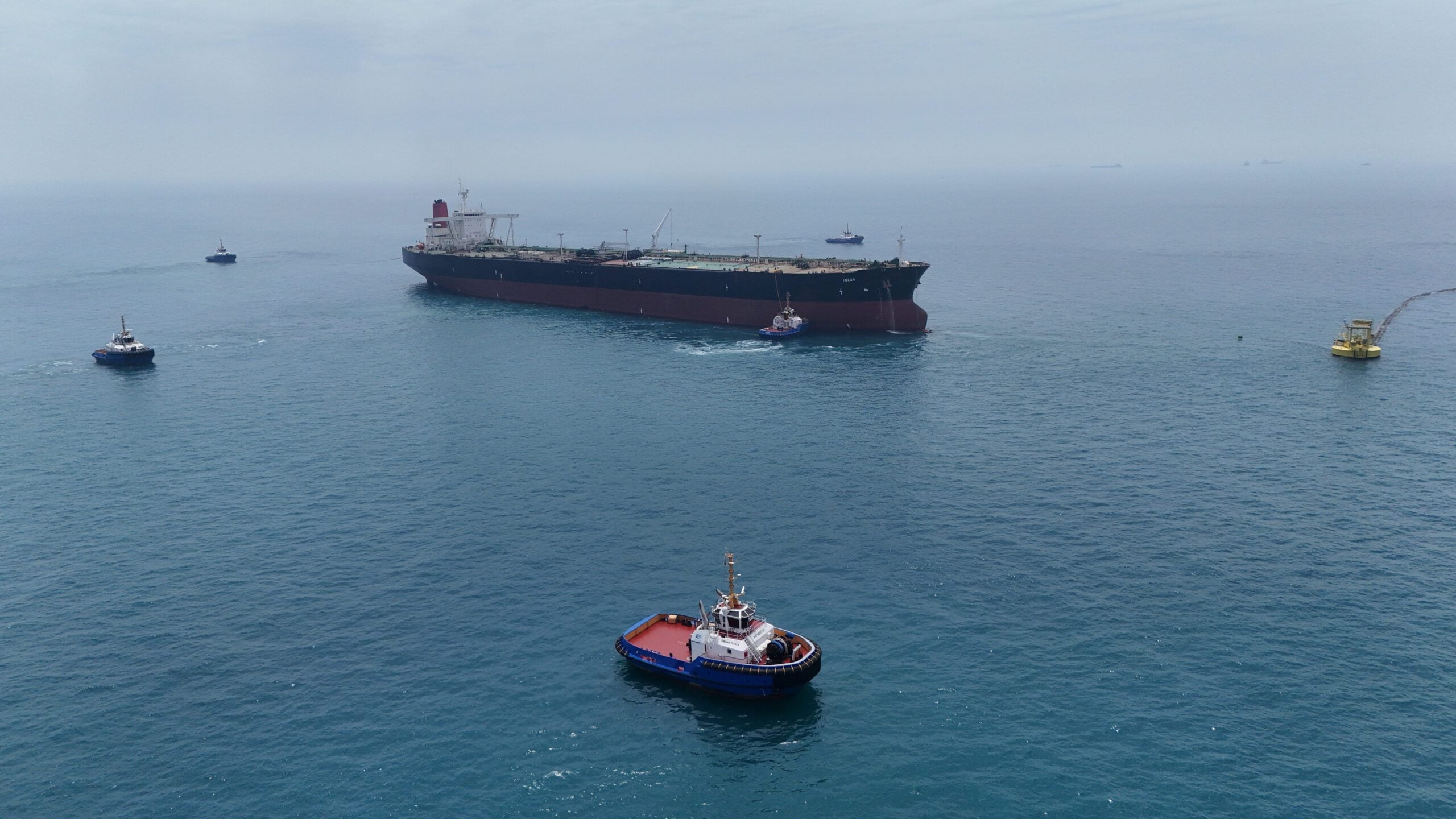
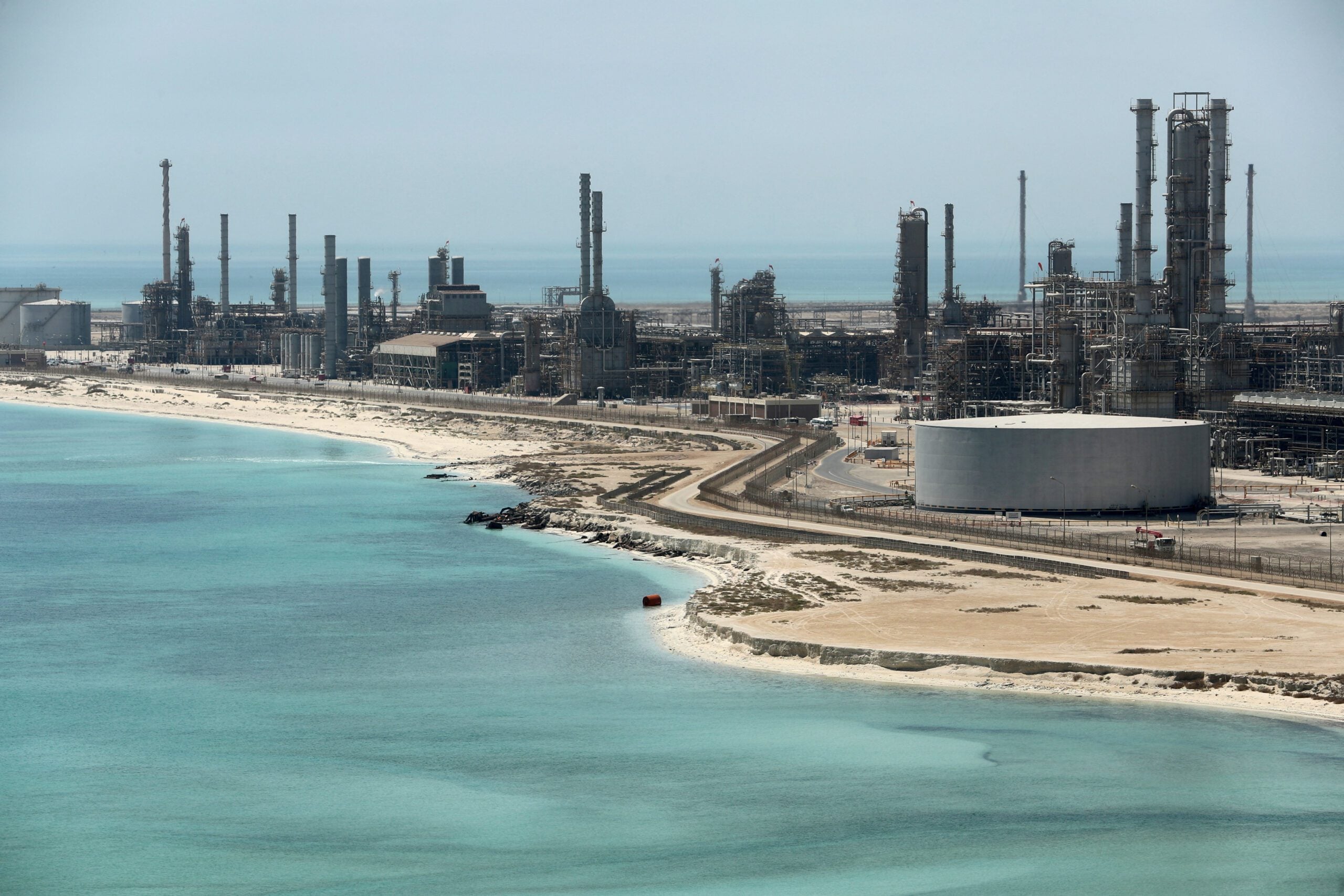
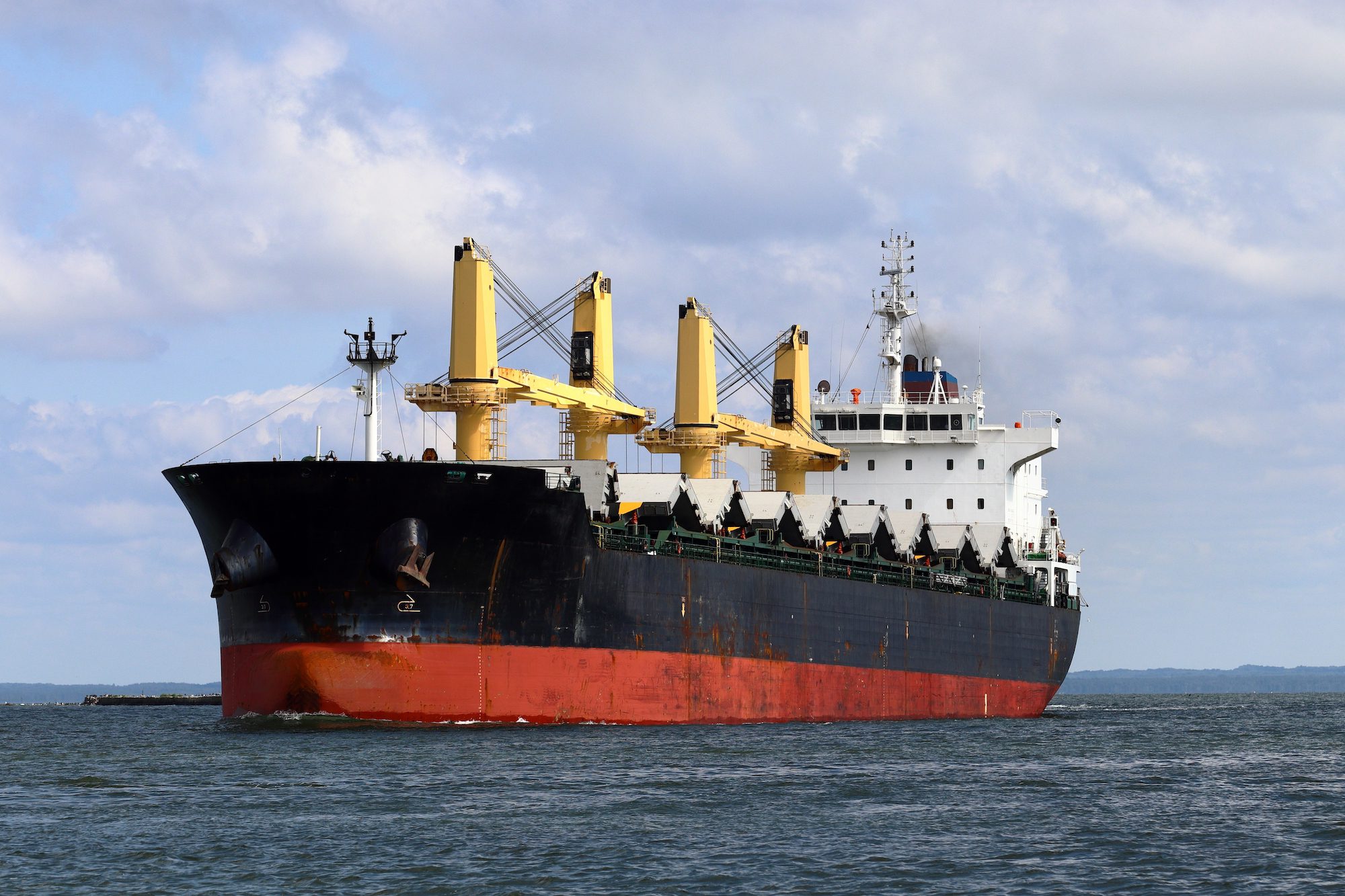
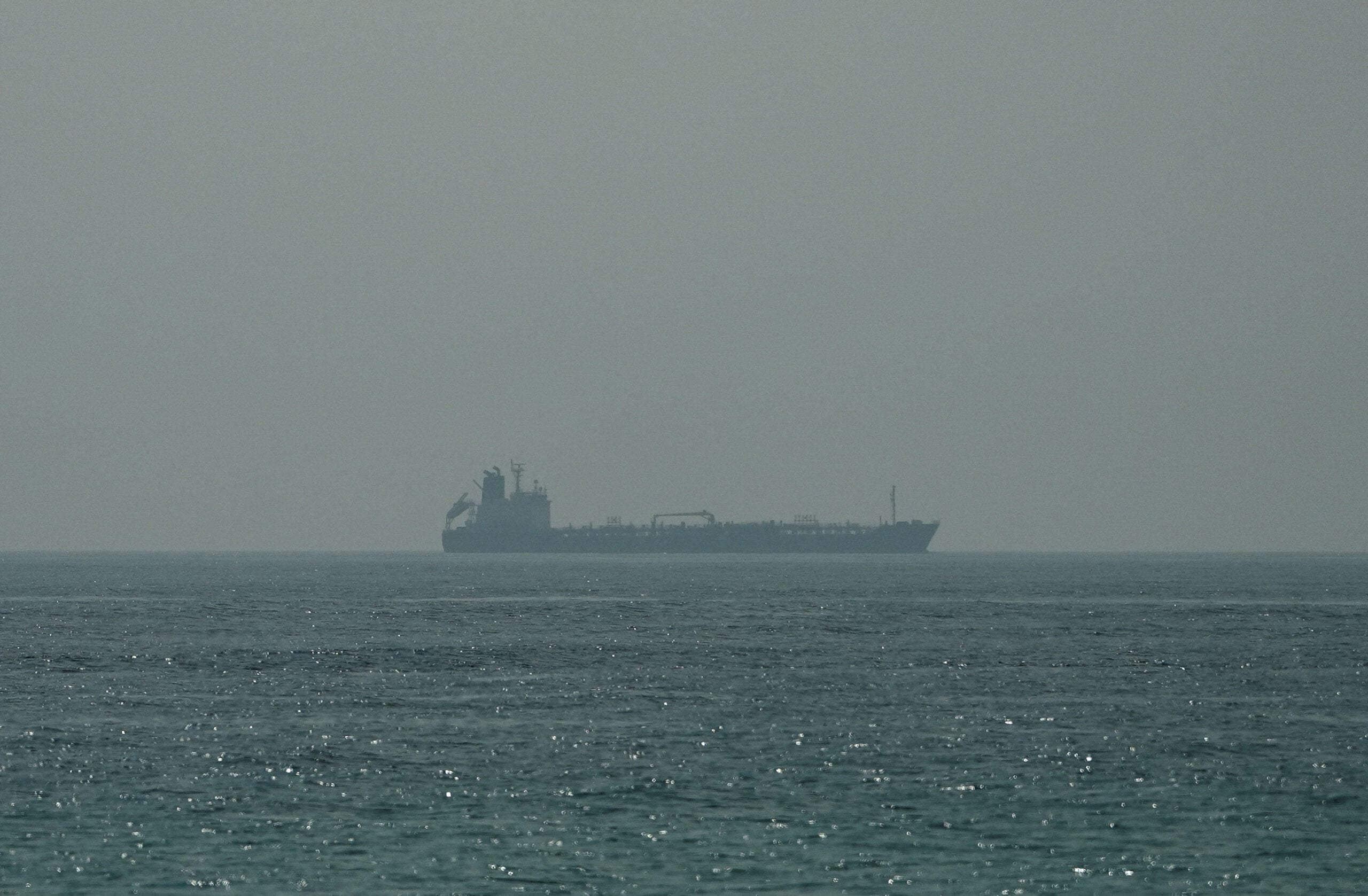
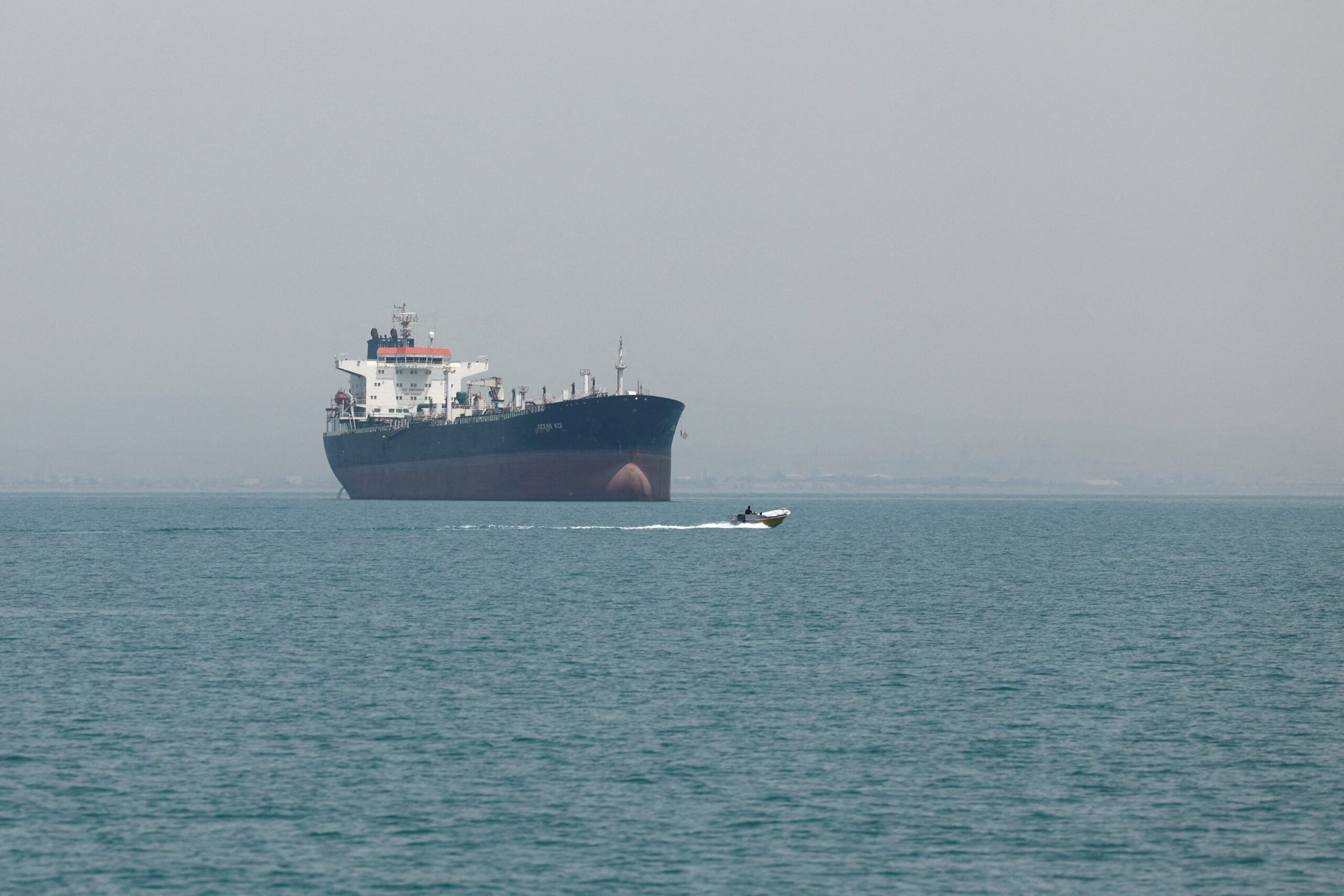
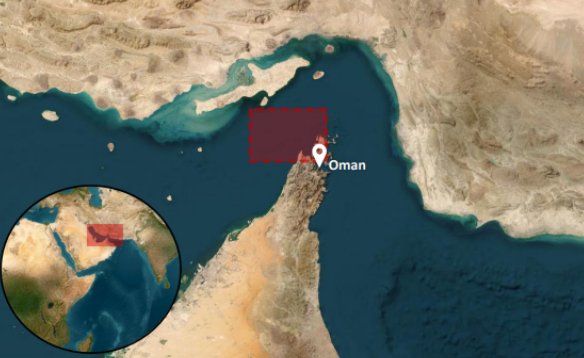
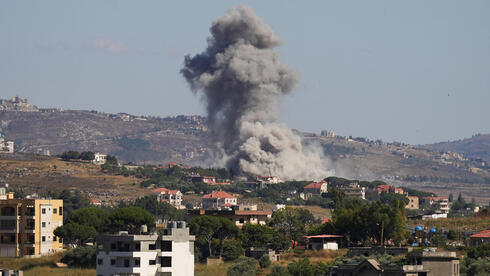
On 28 June, an Iranian drone struck the Panama-flagged tanker M/T Kiku in the Strait of Hormuz, after which US Central Command hit 10 Iranian military targets around the waterway. Iran’s Revolutionary Guards also fired warning shots at vessels and Iran is insisting ships follow its Persian Gulf Strait Authority routing for the next 30 days. While a UN agency paused ship evacuations, traders still pushed cargoes through, including the Lowlands Corso bulk carrier with aluminium, and Saudi Arabia is boosting crude flows via both Gulf and Red Sea outlets. In Lebanon, Israeli drones struck the Nabatiyeh area on 27 and 28 June and the IDF reported killing an RPG team near Nabatiya. Hezbollah denounced the Israel, US, Lebanon deal and is not a party to it, while Israeli leaders signal no withdrawal and preparation for an extended stay in a southern “security zone”. Reported humanitarian tolls in Lebanon stand at least 4,192 dead and over 1.2 million displaced. Regionally, Bahrain and the GCC condemned alleged Iranian drone activity and Manama called for a UN Security Council session, even as Iraq invited the GCC and Iran to security talks that Tehran supports. Senior US officials warned Tehran and stated Iran would not be allowed to levy tolls in Hormuz.
Change from previous assessment
Since the 26 June brief, hostilities have re-escalated: an Iranian drone struck the Panama-flagged M/T Kiku and the US conducted further strikes on 10 Iranian military targets near Hormuz; Iran’s Revolutionary Guards fired warning shots and reiterated routing demands via its Persian Gulf Strait Authority. On the northern front, Israeli drones hit the Nabatiyeh area on 27-28 June and the IDF reported killing an RPG team, while Hezbollah condemned the Israel, US, Lebanon arrangement and Israeli leaders signalled no withdrawal. Despite a UN pause to evacuations, traders moved aluminium through Hormuz and Saudi loadings increased from Yanbu and Ras Tanura. Judgments on maritime risk and the fragility of the Lebanon track are therefore tightened, with confidence unchanged at medium due to persistent contradictions in shipping and strike timelines.
Key judgments
- Very likely the United States and Iran have resumed reciprocal strikes around the Strait of Hormuz since 26-28 June, triggered by Iran’s drone attack on the Panama-flagged tanker M/T Kiku and followed by US strikes on at least 10 Iranian military targets near Qeshm, Sirik and Bandar-e Lengeh. (Confidence: high · REPORTED)
- I&W: CENTCOM releases strike imagery or BDA naming additional Iranian targets in or near Qeshm, Sirik or Bandar-e Lengeh. (0-14 days)
- I&W: No new strike claims by either CENTCOM or Iranian state outlets and absence of fresh shipping-incident advisories in Hormuz. (0-14 days)
- Likely Iran is enforcing de facto control measures over navigation in the Strait of Hormuz for at least the next 30 days, using warning shots and mandated routing via its Persian Gulf Strait Authority, which keeps the maritime threat at substantial levels despite some transits proceeding. (Confidence: medium · ASSESSED)
- I&W: UKMTO or shipmaster reports of interdictions or detentions tied to PGSA routing non-compliance. (0-14 days)
- I&W: Resumption of UN-facilitated ship movements and JMIC lowering of the maritime threat level. (1-3 months)
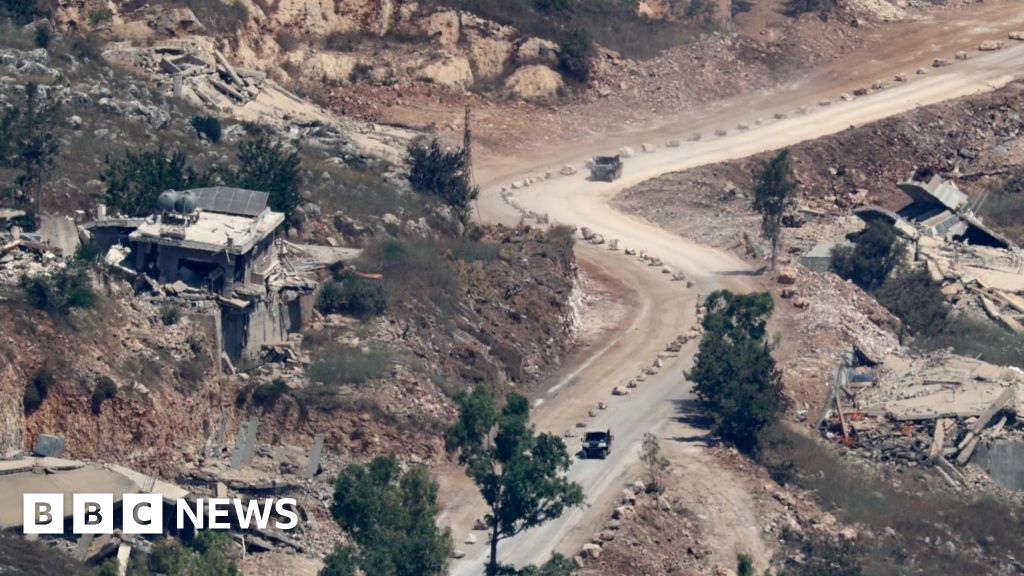
- Very likely hostilities on the Israel, Lebanon frontier are continuing despite the 27 June Israel, US, Lebanon agreement, with Israeli drone strikes in Nabatiyeh and IDF kinetic actions, while Hezbollah opposes the deal and Israeli leaders signal no withdrawal and an extended stay in a southern security zone. (Confidence: high · REPORTED)
- I&W: Additional Israeli drone strike reports by Lebanese state media in Nabatiyeh or adjacent southern districts. (0-14 days)
- I&W: Public Israeli orders to thin out forces from the southern security zone and a Hezbollah statement accepting the framework. (1-3 months)
- Very likely the humanitarian toll in Lebanon will rise in the near term, given ongoing Israeli strikes and current figures of at least 4,192 killed and more than 1.2 million displaced. (Confidence: medium · ASSESSED)
- I&W: Lebanese Health Ministry and UN updates showing weekly increases in casualties or displacement from southern districts. (0-14 days)
- I&W: A verified halt in Israeli drone operations across southern Lebanon reported by Lebanese state media. (0-14 days)
- Likely Gulf energy and bulk trade flows are partially recovering despite elevated risk in Hormuz, as traders push cargoes through and Saudi Arabia ramps crude loadings from Yanbu and Ras Tanura. (Confidence: medium · ASSESSED)
- I&W: Sustained high berth occupancy at Yanbu and additional VLCC loadings at Ras Tanura alongside further bulk or container transits through the southern Hormuz corridor. (0-30 days)
- I&W: Multiple new drone or missile strikes on merchant vessels leading major traders to suspend Hormuz transits. (0-14 days)
- Very likely the interim US, Iran arrangement is fraying: both sides publicly accuse the other of breaching terms and have exchanged strikes despite statements of adherence, with media assessments describing the agreement as fragile. (Confidence: medium · ASSESSED)
- I&W: Public confirmation of dates and participants for Iraq-hosted Gulf security talks that include Iran and GCC states. (1-3 months)
- I&W: Another US or Iranian strike announcement tied to Hormuz incidents, with no parallel de-escalatory messaging. (0-14 days)
Outlook & scenarios
Sustained low-intensity escalation on two fronts (60%)
US, Iran tit-for-tat around Hormuz and Israeli drone and artillery activity in southern Lebanon persist. Maritime threat levels stay substantial, with sporadic attacks on tankers and selective transits by traders. Hezbollah maintains pressure and denounces the deal without joining it, while Israeli forces remain in a southern security zone.
Managed de-escalation anchored by regional diplomacy (25%)
Iraq convenes a GCC, Iran security dialogue that Tehran supports and Gulf governments publicly oppose a wider war. Washington and Tehran avoid further strikes, shipping advisories ease, and oil flows continue to normalise via Yanbu, Ras Tanura and controlled Hormuz transits. The Israel, US, Lebanon arrangement gains limited traction with fewer Israeli drone sorties.
Wider confrontation and maritime shock (20%)
A high-casualty incident at sea or a concentrated Hezbollah attack on IDF positions triggers further US strikes and Iranian retaliation. JMIC raises additional warnings, UN shipping facilitation remains paused, and multiple merchant vessels are hit within days, disrupting cargo flows and forcing wider naval involvement.
Recommendations
- Maintain a rolling, time-stamped chronology of Hormuz incidents and reciprocal strikes using official CENTCOM and Iranian statements, UKMTO advisories, and vessel incident reports to clarify sequencing and attribution for decision-makers.
- Task maritime monitoring to watch for PGSA-related enforcement: collect shipmaster accounts of warning shots, AIS deviations to Iran-designated routes, and any detentions or boardings in Hormuz.
- Prioritise collection on Israeli force posture in southern Lebanon and Hezbollah reactions: geolocate reported drone strikes around Nabatiyeh and track Israeli statements on a ‘security zone’ and withdrawal conditions.
- Quantify humanitarian trends in Lebanon by polling Lebanese Health Ministry updates and displacement figures weekly, and flag any inflection linked to surges in cross-border fire.
- Engage energy-market and shipping data to validate partial recovery claims: verify Yanbu and Ras Tanura loadings, identify additional bulk or container transits through southern Hormuz, and assess trader risk appetite.
- Track diplomatic signalling: watch for scheduling and agendas for Baghdad security talks, GCC and Bahrain UN moves, and US statements on maritime tolls, and assess implications for de-escalation prospects.
- Prepare tripwire alerts for leadership: immediate notifications on any additional strikes on Iranian coastal infrastructure, new merchant-vessel hits in Hormuz, or Hezbollah attacks on IDF units.
Confidence & uncertainty
Overall confidence is medium. Multiple high-reliability major media and official claims corroborate the US, Iran strike sequence around Hormuz, the Iranian drone hit on M/T Kiku, Israeli drone activity near Nabatiyeh, and humanitarian figures from Lebanese authorities. However, elements of the record conflict on timing and scope, including overlapping strike dates and simultaneous reports of UN-paused evacuations alongside commercial transits through Hormuz. Some inputs are from social media or think tank summaries. These contradictions, plus contested narratives about adherence to the interim arrangement, constrain confidence in forward-looking assessments.
Alternative analysis (red cell)
Iran's public claim of 'total control' over the Strait for 30 days and reports of warning shots appear declaratory and intermittently enforced; contemporaneous reporting of commercial transits and at least one bulk shipment suggests enforcement has been selective rather than comprehensive. Likewise, reports of increased loadings from individual Saudi terminals and a few successful transits can reflect localized, charterer-specific risk tolerance rather than a broad-based recovery of Gulf flows. Overall maritime risk therefore likely remains elevated and unevenly distributed rather than uniformly reduced.
Intelligence gaps
- [EEI 1.2 · PARTIAL] Orders, threat-alert messages, or changes in posture from IRGC, Quds Force, or senior Iranian military leadership indicating attack timelines or rules of engagement changes. Recommended collection: signals/ELINT and HUMINT
- [EEI 1.3 · UNCOVERED] Large-scale transfers, deliveries, or convoy movements of armed UAVs/drones, guided munitions, or spare parts from Iran into Lebanon (Hezbollah), Iraq, Syria, or Gaza. Recommended collection: air/aviation track and HUMINT
- [EEI 1.4 · UNCOVERED] Sustained changes in Israeli air-defense usage (SAM launches, radar activations), wide-area alerts, or NOTAMs indicating elevated imminent strike response. Recommended collection: air/aviation/NOTAMs and signals
- [EEI 2.1 · PARTIAL] Concentration, repositioning, or sortie patterns of Iranian naval/IRGC patrol boats and fast-attack craft near shipping chokepoints or commercial lanes. Recommended collection: maritime/AIS and satellite/imagery
- [EEI 2.3 · UNCOVERED] Insurance market indicators: sudden spikes in war-risk or hull insurance premiums for routes through the Red Sea, Suez corridor, or Persian Gulf, and major carriers announcing route changes. Recommended collection: financial/market and commercial shipping notices
- [EEI 2.4 · PARTIAL] Port closures, naval escorts requested by commercial operators, or formal rerouting advisories issued by major shippers (e.g., Maersk, Hapag-Lloyd) for regional transits. Recommended collection: commercial/OSINT
- [EEI 3.1 · PARTIAL] Deployment of foreign military assets to the region (carrier strike groups, amphibious ships, combat aircraft deployments, or additional bases activated) from the US, UK, France, Russia, or GCC states. Recommended collection: maritime/AIS and air/aviation and satellite/imagery
- [EEI 3.3 · UNCOVERED] Confirmed arms transfers, expedited weapons shipments, or transfer authorizations to Israel, Iran, or their proxies (aircraft parts, munitions, air defenses). Recommended collection: customs/INTEL and HUMINT
- [EEI 3.4 · UNCOVERED] Issuance of travel warnings, embassy evacuations or reductions, and closure of diplomatic missions by major capitals indicating escalation risk or shifted threat assessments. Recommended collection: OSINT/diplomatic
Cited sources
[1] gcaptain.com · US Carries Out Fresh Strikes Against Iran After Tanker Struck In Hormuz, Escalating Hostilities (B) · sha256:d0a1e8160079 [2] Fox News · US launches retaliatory strikes against Iran as tensions escalate in the Middle East | Fox News Video (B) · sha256:71200b1ffc39 [3] aljazeera.com · Iran war live: Tehran attacks Bahrain, Kuwait after US bombs Iranian coast (A) · sha256:cc8e7b7c8c7c [4] haaretz.com · Iran says it hits U.S.-linked targets as Bahrain reports drone attack (B) · sha256:2a032d042755 [5] haaretz.com · Trump blows wind in Erdogan's sails as Turkey advances regional ambitions (B) · sha256:c4401f4a51d5 [6] gcaptain.com · Second Tanker Struck in Strait of Hormuz as U.S.-Iran Shipping Crisis Deepens (B) · sha256:73a0fc5a90df [7] gcaptain.com · Tanker Struck In Hormuz As Navies Raise Threat Level To Ships (A) · sha256:c73f73118763 [8] maritime-executive.com · Tanker Struck by Drone off Oman and the US Again Responds with New Strkes (B) · sha256:b8b2d6d9d5bc [9] understandingwar.org · Iran Update Special Report, June 27, 2026 (C) · sha256:1792e1dea449 [10] gcaptain.com · Vitol Sails Stranded Aluminum Cargo Out Of Strait Of Hormuz (B) · sha256:a6664b4bb3a8 [11] The Jerusalem Post · Live Updates: Latest from Israel, Iran, and Middle East | The Jerusalem Post (A) · sha256:b50aaa27683c [12] thenationalnews.com · Iran war latest: Hormuz to return to pre-war capacity under its 'exclusive management,' claims Tehran (B) · sha256:be2aad02b623 [13] haaretz.com · Israel's deal with Lebanon hinges on one question: Can Beirut confront Hezbollah and Iran? (A) · sha256:680c7624b09e [14] ynetnews.com · Israel braces for northern escalation after Lebanon deal: ‘Hezbollah and Iran are losing it’ (B) · sha256:ba515337f873 [15] BBC · Israel strikes southern Lebanon as Hezbollah condemns new deal (A) · sha256:1f832609a8e2 [16] We Love Africa · 'IN 24 HOURS ISRAEL IS FINISHED, Touch Lebanon': Iran Shocks World, Gives FINAL Ultimatum The commander of Iran's IRGC Quds Force, Brigadier General Esmaeil Qaani, has warned Israeli forces in southern Lebanon to withdraw or be "kicked out in humiliation and defeat." In a message posted on social media and addressed in Hebrew to Israeli troops, Qaani invoked Israel's year 2000 withdrawal from southern Lebanon, writing that "the epic of the year 2000 will be repeated once again." He also claimed Israeli forces had suffered 100 casualties in less than four days, a figure from the Iranian side that has not been independently verified. The warning comes amid what Iran describes as continued Israeli attacks despite the memorandum of understanding signed with the United States last week, which Tehran says called for an end to the war on Lebanon. Israeli Defense Minister Israel Katz has said Israel opposes any withdrawal from southern Lebanon, while Iranian Foreign Minister Abbas Araghchi warned that a breach of the ceasefire on one front is a breach on all fronts. | We Love Africa (E) · sha256:b7d8939f8f92 [17] gcaptain.com · Saudi Arabia Is Ramping Up Oil Exports As Gulf Ports Restart (A) · sha256:ff1c09b9431d [18] dw.com · Is US-Iran deal already on the verge of collapse? (B) · sha256:6d30a58105e6 [19] islamtimes.com · Iran Blames US for Violating Islamabad Truce, Defends Military Response as Self-Defense - Islam Times (A) · sha256:9f7ea6014dec [20] haaretz.com · Iran targets Gulf after U.S. launches overnight strikes in response to Hormuz attack (A) · sha256:685e928b773f
Source content hashes were computed at collection time; the cited text is preserved unmodified for the life of this product.
Red cell review: PARTIAL DISSENT
TLP:CLEAR