TLP:CLEAR · Disclosure is not limited.
Iranian Escalation Intensifies as US Imposes Full Maritime Blockade on Iran
Time window: Last 1 day · Audience: General analyst · Type: Situation report · DTG: 2026-07-14 15:46Z · Overall confidence: LOW
BLUF
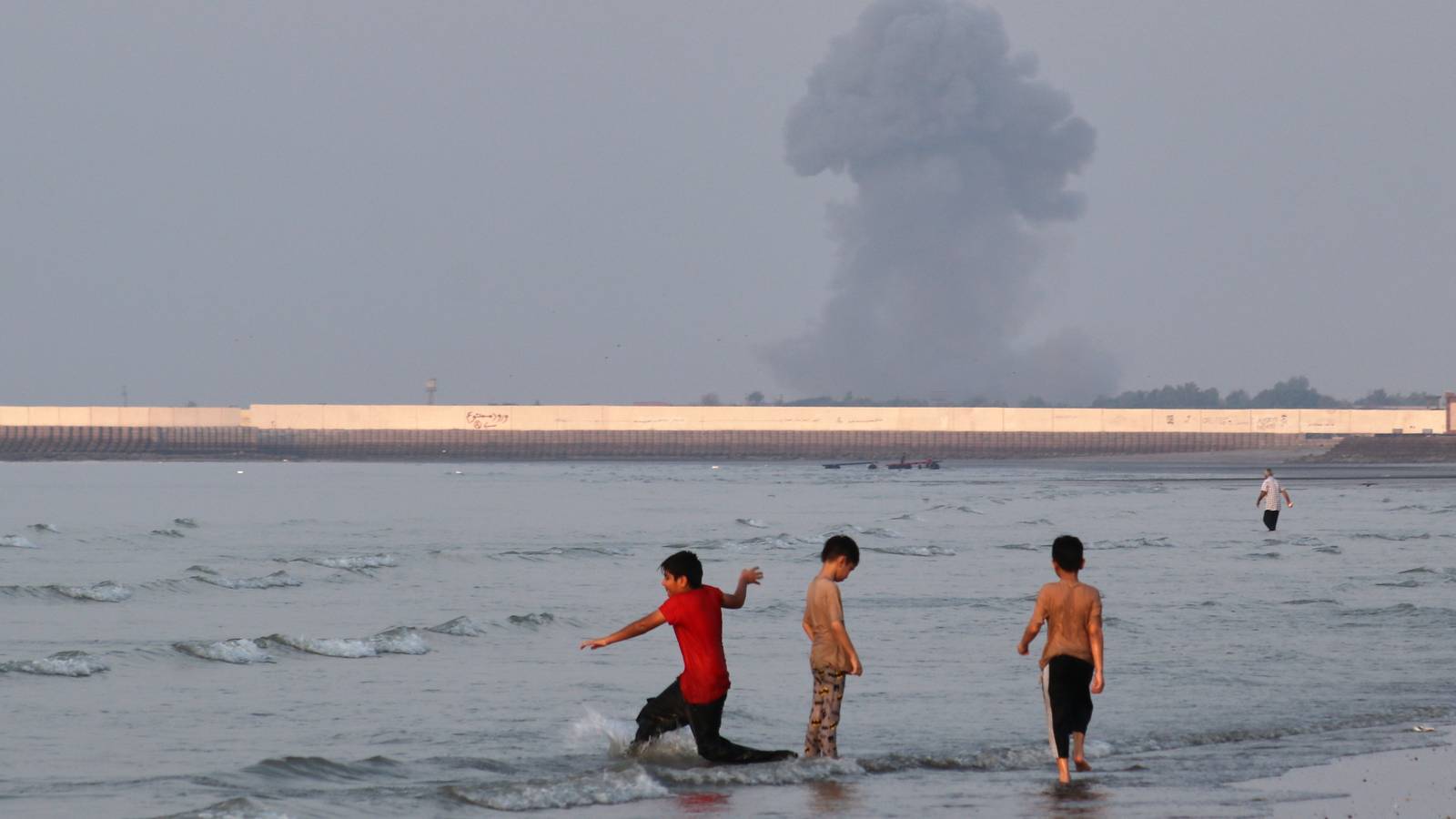
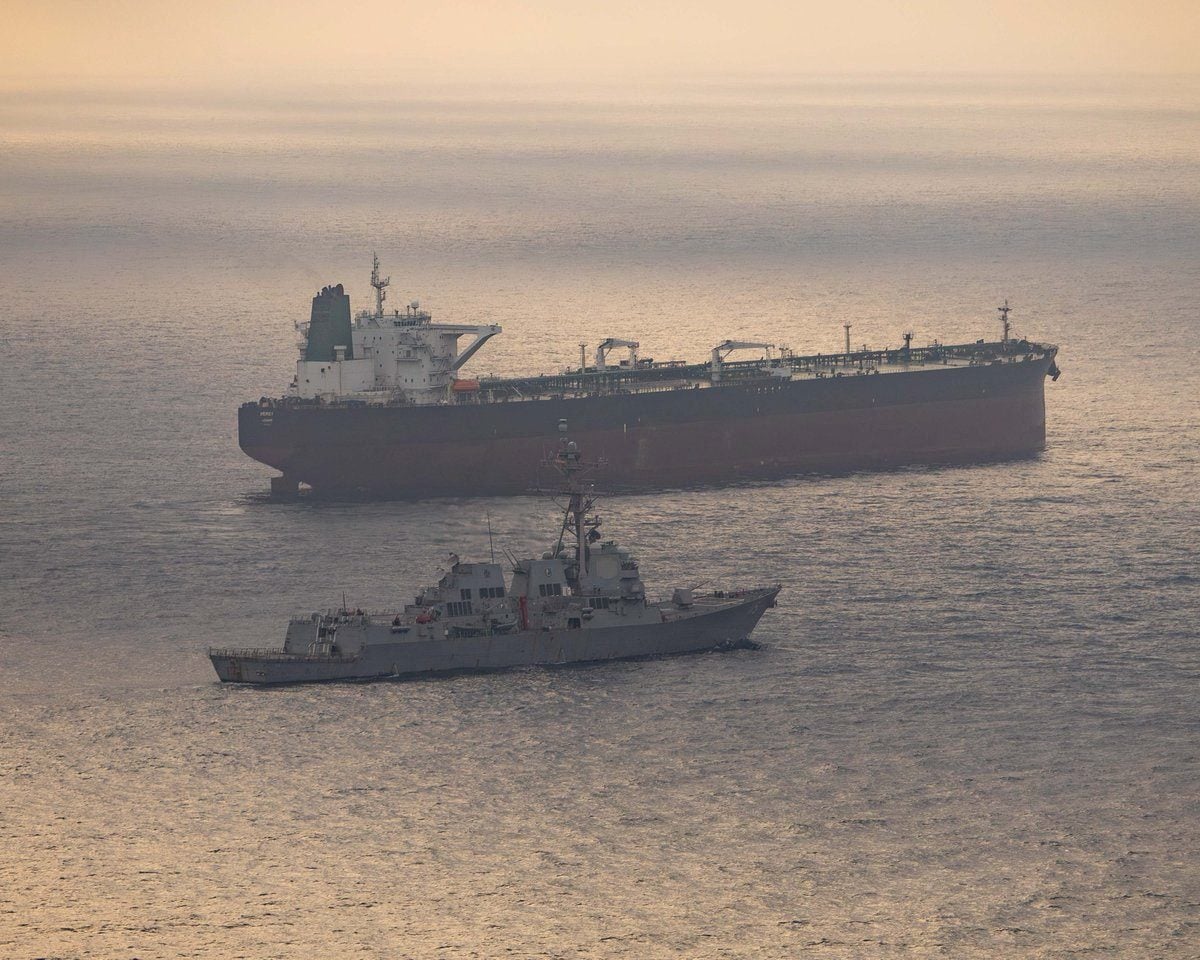
US forces began enforcing a comprehensive maritime blockade of Iranian ports on 14 July following renewed strikes, provoking Iranian missile attacks on UAE tankers in the Strait of Hormuz that killed one Indian crew member and wounded eight others. Diplomatic engagement between Lebanon and Israel continues in Rome despite escalating military actions across multiple Gulf states.
Executive summary
US Central Command reinstated its maritime blockade against Iran effective 14 July, triggering Iranian retaliatory strikes on UAE oil tankers in Omani waters. Jordanian and Bahraini forces intercepted missile threats while attacks on commercial shipping raised the conflict's human toll to at least 15 seafarer fatalities. US and Iranian forces conducted multiple strike operations across Iranian territory and the Strait of Hormuz, with diplomatic channels remaining active through US-mediated talks between Lebanese and Israeli delegations.
Change from previous assessment
The US blockade has transitioned from initial enforcement to a comprehensive maritime blockade covering all Iranian ports and coastal areas, whereas the prior brief described constrained transits with suspended permits. Iran has escalated attacks beyond US-linked facilities in Bahrain and Jordan to direct strikes on civilian oil tankers in Omani waters, resulting in the first confirmed fatalities from merchant shipping attacks. Diplomatic channels have advanced with Lebanese-Israeli talks in Rome, contrasting with the previously noted hardening of public rhetoric.
Key judgments
- The United States has very likely imposed a comprehensive maritime blockade covering all Iranian ports, oil terminals and coastal areas effective 14 July, permitting only humanitarian shipments following naval vetting procedures. (Confidence: medium · REPORTED)
- I&W: Documented interception and redirection of non-compliant vessels entering or departing Iranian waters (0-14 days)
- I&W: Commercial shipping manifests showing compliance with blockade procedures (1-3 months)
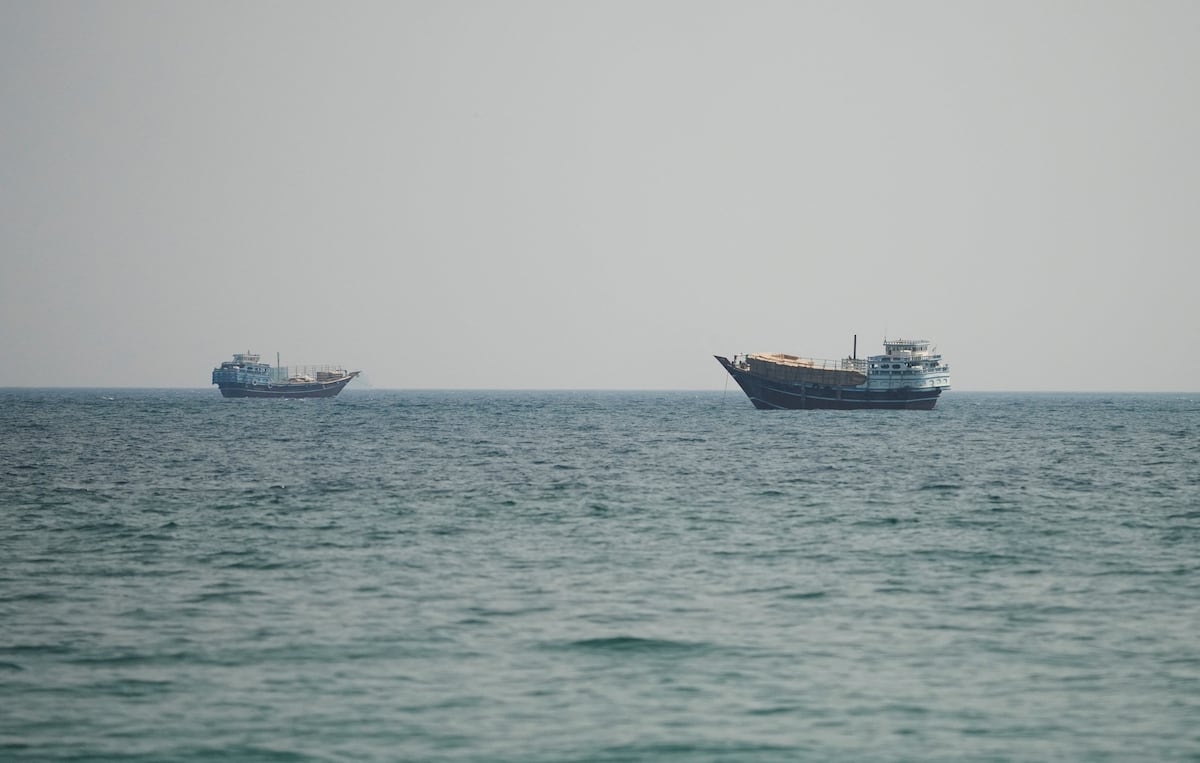
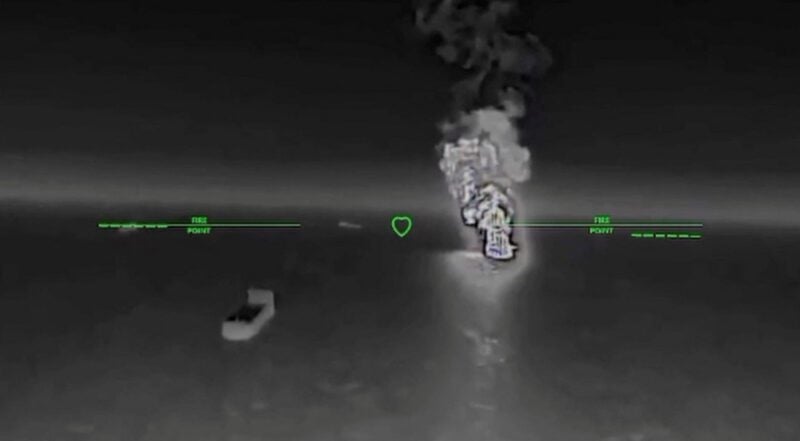
- Iran has very likely conducted retaliatory missile strikes against UAE oil tankers transiting Omani territorial waters in the Strait of Hormuz, killing one Indian crew member and causing severe damage to both vessels. (Confidence: high · REPORTED)
- I&W: Satellite imagery showing physical damage to Al Bahiyah and Mombasa tankers in Omani waters (0-14 days)
- I&W: UAE Ministry of Defence confirmation of repairs required for both vessels (1-3 months)
- U.S. forces have likely expanded the geographic scope of military operations in Iran to five hours of sustained attacks targeting coastal defence systems, missile sites and maritime capabilities across Bushehr, Chah Bahar, Jask, Konarak and Abu Musa. (Confidence: medium · ASSESSED)
- I&W: Increased infrared detection signatures from targeted Iranian locations (0-14 days)
- I&W: Decreased operational capability from Iranian air defence networks (1-3 months)
- Iranian counterstrikes have very likely expanded to include multiple US-allied targets across Jordan, Bahrain and the UAE, with Jordanian forces intercepting four ballistic missiles targeting US facilities in Jordan on 14 July. (Confidence: high · REPORTED)
- I&W: New missile alert patterns from Bahrain and Jordan air defence systems (0-14 days)
- I&W: Additional damage assessments on targeted oil infrastructure in UAE (1-3 months)
- The humanitarian toll from maritime attacks has almost certainly risen with the death of a fifth Indian crew member, bringing the total confirmed seafarer fatalities to at least 15 within the past month. (Confidence: medium · REPORTED)
- I&W: Hospital records from Omani medical facilities treating wounded seafarers (0-14 days)
- I&W: Formal casualty count updates from affected shipping companies (1-3 months)
Outlook & scenarios
Controlled Escalation With Limited Direct Attacks (40%)
Iran continues targeting US-allied facilities while avoiding direct strikes on Israel. The US blockade remains effective but faces diplomatic pressure from European allies concerned about rising oil prices, leading to a fragile status quo with periodic attacks and countermoves across the Persian Gulf.
Expanded Conflict Through Targeting Energy Infrastructure (30%)
Iran dramatically escalates attacks against energy infrastructure, including direct hits on Israeli refineries or oil storage facilities. Israel's military response becomes more aggressive with potential strikes inside Iran, forcing the US to deepen its military intervention as the Strait of Hormuz faces complete closure risks.
Diplomatic Breakthrough Through US-Mediated Negotiations (20%)
US-brokered talks between Lebanese and Israeli delegations in Rome yield a partial de-escalation agreement, with Iran agreeing to halt attacks on commercial shipping in exchange for US relaxation of blockade restrictions. Limited ceasefires take hold allowing temporary normalization of traffic through the Strait of Hormuz.
Regional Spillover to Shipping Lanes Beyond Hormuz (10%)
Iran extends its maritime attacks to international shipping lanes beyond the Strait of Hormuz, including in the Red Sea and Indian Ocean. This triggers a multilateral naval response from US and European powers beyond the existing blockade, with potential involvement from Russia or China in naval operations.
Recommendations
- Immediately establish dedicated intelligence watch on Iranian naval force readiness to assess potential targeting of additional commercial vessels in the Strait of Hormuz
- Coordinate with Indian authorities to secure repatriation processes for seafarers wounded or affected by the tanker attacks in Omani waters
- Monitor US Navy vessel movements around Bandar Abbas Naval Base as indicators of expanded maritime operations into Iranian littoral waters
- Track diplomatic engagement through Muscat and Rome to identify potential off-ramps before next major Iranian response
- Assess coalition partner positions regarding maritime blockade enforcement to anticipate diplomatic fractures as oil prices approach $87 per barrel
Confidence & uncertainty
This assessment holds low confidence due to fragmented source reporting and multiple conflicting accounts regarding attack locations, casualty figures, and specific target sets. While major media and military sources provide corroborating details on core events, the absence of verifiable imagery, sensor data, or first-hand military reporting creates significant uncertainty. Contradictions between Iranian claims and US-allied assessments about blockade parameters and attack attribution further degrade reliability of reported events.
Alternative analysis (red cell)
Available reporting confirms a U.S. maritime blockade on Iran and Iranian missile strikes against UAE tankers, but does not substantiate humanitarian exceptions to the blockade or attributions of the tanker attack to Omani territorial waters. U.S. strikes on Iran are documented but lack geographic specificity, and casualty figures show one Indian fatality in the tanker incident without evidence of prior Indian deaths supporting a 'fifth crew member' designation.
Intelligence gaps
- [EEI 1.1 · UNCOVERED] Movement, dispersal, or emplacement of Iranian conventional or IRGC heavy assets (ballistic missile launchers, Khoramshahr/Toofan-class missile transporters, ground-to-ground TELs, air defense batteries, amphibious units) from garrison areas toward forward bases or coastal launch sites. Recommended collection: satellite/IMINT
- [EEI 1.2 · UNCOVERED] Authenticated Iranian military orders, NSC/IRGC operations directives, or senior leadership statements explicitly directing strikes against Israel or U.S. forces or authorizing cross-border operations. Recommended collection: human/diplomatic
- [EEI 1.3 · UNCOVERED] Changes in Israeli and U.S. force posture indicating anticipation of direct large-scale conflict—elevated readiness levels, mobilization notices, pre-positioning of munitions, or public/private orders to prepare offensive strikes. Recommended collection: open-source/diplomatic
- [EEI 2.1 · UNCOVERED] Observable pre-launch preparations for missile/rocket/cruise missile strikes (fueling, warhead mating, launcher orientation, support vehicle congregation) and abnormal munitions handling at known launch sites. Recommended collection: satellite/IMINT
- [EEI 2.2 · UNCOVERED] Indications of proxy arms shipments and weapons transfers (truck convoys, small boat transfers, container movements from Iran to proxies, new stockpiles in Lebanon, Iraq, Yemen, Syria). Recommended collection: maritime/AIS
- [EEI 2.3 · UNCOVERED] Evidence of cyber attack planning or active exploitation campaigns targeting Israeli or U.S. military/critical infrastructure (emergence of new command-and-control servers, spear-phishing campaigns against defense personnel, successful intrusions). Recommended collection: cyber
- [EEI 3.1 · UNCOVERED] Movements and posture changes of U.S. regional platforms (carrier strike groups, amphibious ready groups, B-52/B-1/B-2 or fighter deployments, missile defense assets repositioning) and associated armament loadouts. Recommended collection: satellite/IMINT
- [EEI 3.2 · UNCOVERED] Official or leaked U.S. government/diplomatic communications indicating thresholds for strikes, authorization for offensive operations, or limits on action (NSC/DoD statements, congressional notifications, diplomatic notes). Recommended collection: diplomatic/human
- [EEI 3.3 · UNCOVERED] Changes in U.S. base force-protection measures and rules of engagement at regional facilities (base lockdowns, evacuation notices, flight restrictions, activation of Local Defense Forces or missile intercept systems). Recommended collection: open-source/local reporting
- [EEI 4.1 · UNCOVERED] Hezbollah-specific indicators: convoys and logistics movements toward Lebanon–Israel border, artillery/rocket emplacement in southern Lebanon, documented strikes-preparation activity, public mobilization orders or recruitment drives. Recommended collection: satellite/IMINT
- [EEI 4.2 · UNCOVERED] Houthi-attributed maritime attack indicators: AIS anomalies/loss of contact for commercial vessels, reports of missile/drone strikes or near-miss incidents in Bab al-Mandeb/Red Sea, Houthi claims paired with imagery of weapons launches. Recommended collection: maritime/AIS
- [EEI 4.3 · UNCOVERED] Militia cross-border attack evidence from Iraq/Syria: recorded rocket/mortar launch events into Israel or strikes against U.S. facilities, movement of armed convoys toward border areas, and intercepted communications coordinating cross-border operations. Recommended collection: signals/ELINT
- [EEI 4.4 · UNCOVERED] Attacks or credible threats against energy infrastructure and shipping (damage to terminals, pipeline sabotage, oil tanker seizures, war-risk insurance premium spikes for regional routes). Recommended collection: financial/open-source
Cited sources
[1] defensenews.com · US to begin enforcing maritime blockade on Iran on Tuesday (A) · sha256:3e4a708e799a [2] huffpost.com · Iran And U.S. Stage New Attacks, Battle Over Control Of Strait Of Hormuz (B) · sha256:13a95acc5e6d [3] United Nations High Commissioner for Refugees (UNHCR) · People continue to stand by refugees, Gen Z shows most empathy (A) · sha256:3ebda0451415 [4] gcaptain.com · U.S. to Resume Maritime Blockade of Iran on Tuesday as Hormuz Tensions Escalate (B) · sha256:07d9f638ba61 [5] foxnews.com · Inside Israel's mission to train civilians to stop the next Oct 7-like terror attack (B) · sha256:5103d1d319d6 [6] gcaptain.com · UAE Says Iranian Missiles Struck Oil Tankers in Strait of Hormuz, One Sailor Killed (A) · sha256:2f9e5030762b [7] heathercoxrichardson.substack.com · July 13, 2026 (D) · sha256:2f095df30ab0 [8] military.com · US Attacks Iran and Tehran Retaliates Across the Middle East, Threatening a Return to All-Out War (A) · sha256:aa6f2b403991 [9] Associated Press · Trump backs away from plans to charge fees in the Strait of Hormuz as attacks intensify (A) · sha256:a876b3834016 [10] gcaptain.com · Ukraine Says It Hit More Oil and Dry-Cargo Ships in Sea of Azov (B) · sha256:34a24ebb3536 [11] gcaptain.com · Iranian Missile Attacks Hit Three More Tankers as U.S. Expands Strikes, Seafarer Death Toll Rises (B) · sha256:aac2389d932a [12] maritime-executive.com · Iran Attacks Two Emirati Tankers Off Oman, Killing One Crewmember (A) · sha256:646dd25a6e9e
Source content hashes were computed at collection time; the cited text is preserved unmodified for the life of this product.
Red cell review: PARTIAL DISSENT
TLP:CLEAR