TLP:CLEAR · Disclosure is not limited.
Iranian Missile Strike on Al-Azraq Expands Conflict into Jordan
Time window: Last 7 days · Audience: General analyst · Type: Situation report · DTG: 2026-09-10 06:07Z · Overall confidence: HIGH
BLUF
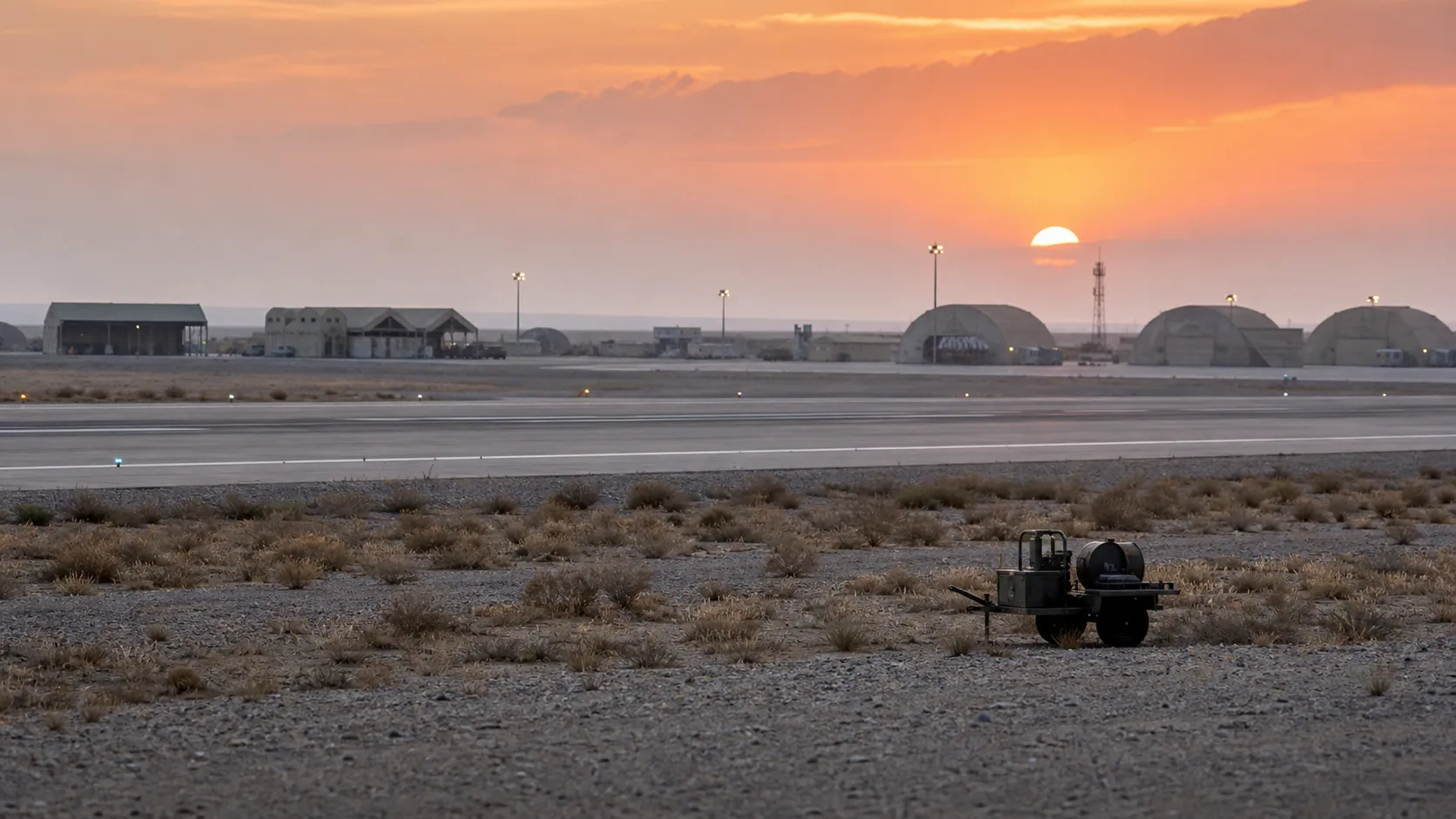
Iran's IRGC almost certainly launched ballistic missiles towards US forces at Al-Azraq, also known as Muwaffaq Salti Air Base, in eastern Jordan during 8-9 September 2026. Jordanian air defences reported intercepting 18 of 20 missiles with no casualties, but the extent of damage to US aircraft facilities remains unresolved. The attack links the Jordan theatre to the wider US-Iran exchange over Iranian tankers and US naval vessels.
Executive summary
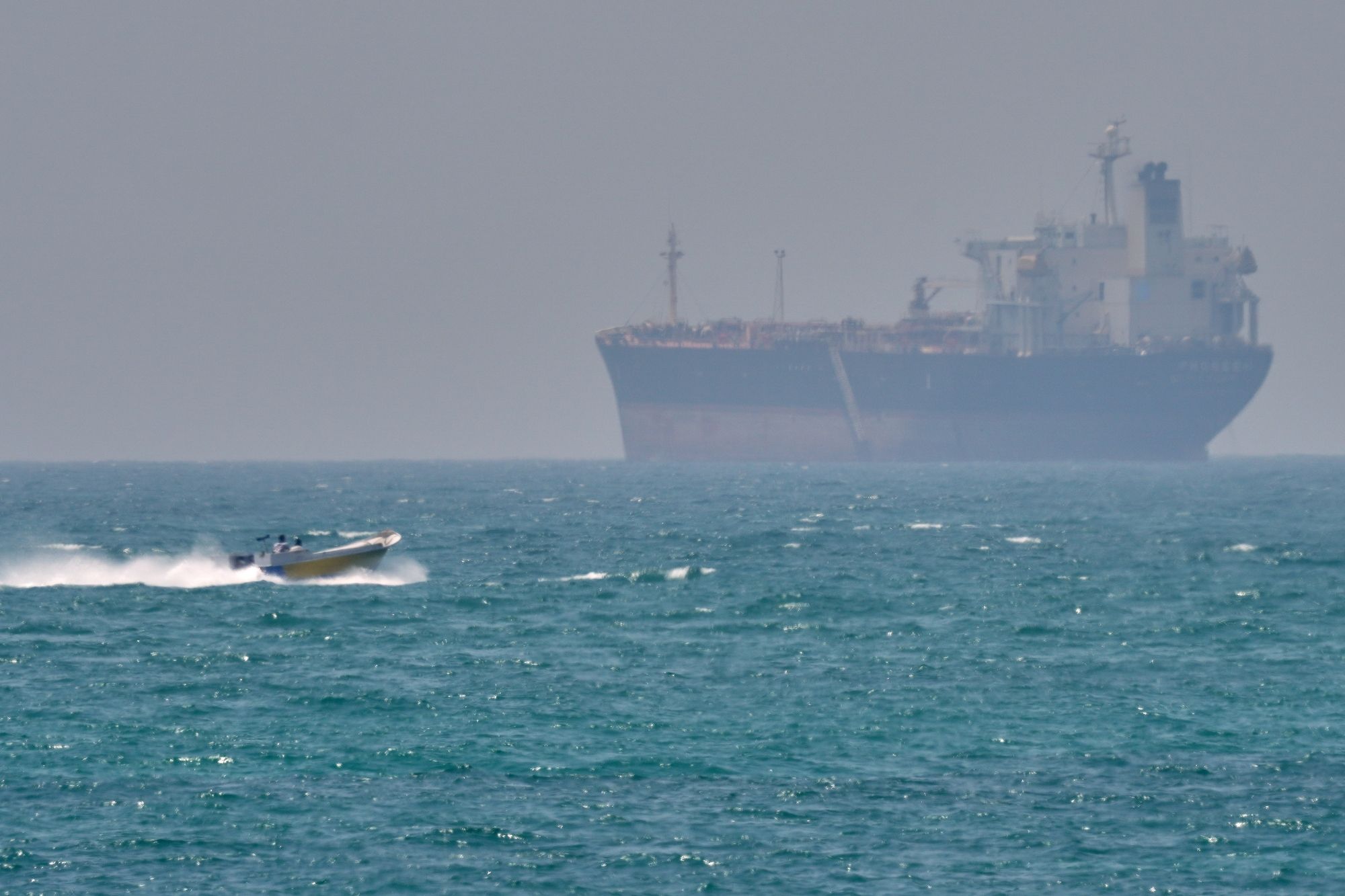
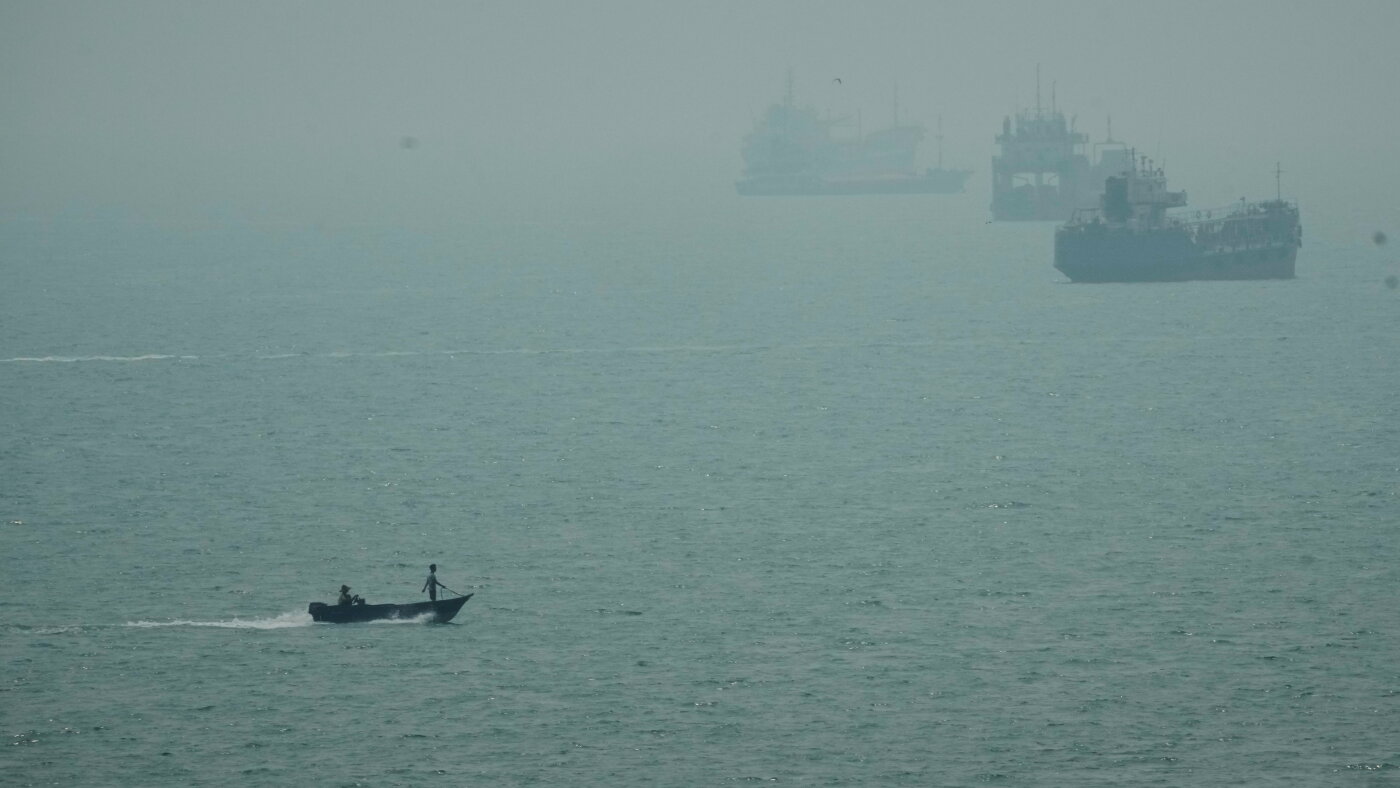
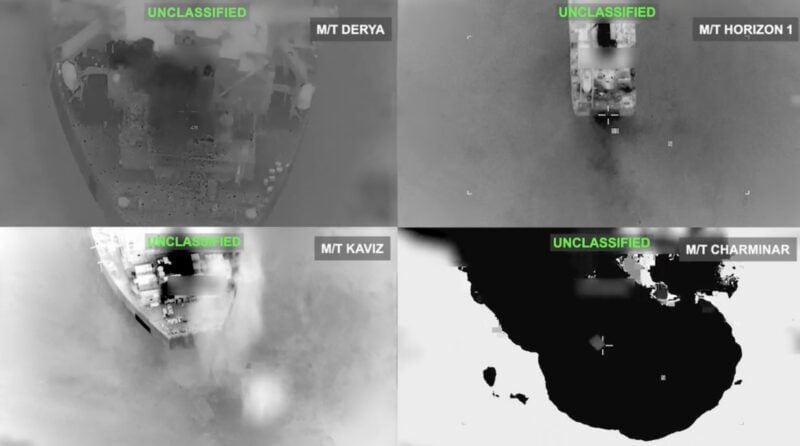
Iranian forces and the IRGC claimed responsibility for a ballistic-missile attack on the Al-Azraq base, where US aircraft and personnel operate. Jordanian authorities reported that 18 of 20 missiles were intercepted and that the remaining two fell in unpopulated areas, with no casualties. The IRGC claimed that hangars supporting US F-35, F-16 and F-15 aircraft were destroyed, while US and Jordanian reporting rejected major damage and said US personnel were accounted for. The attack followed US strikes on Iranian tankers and coincided with Iranian attacks on shipping near the Strait of Hormuz, plus threats against tankers in Kuwait and Bahrain.
Key judgments
- Iran's IRGC almost certainly launched a ballistic-missile attack against US forces at Al-Azraq, also known as Muwaffaq Salti Air Base, in eastern Jordan during 8-9 September 2026. The one-day discrepancy in reporting dates does not materially weaken the core finding. (Confidence: high · REPORTED)
- I&W: Confirm: Jordanian Armed Forces or US Central Command releases a matching launch, debris, or radar account that identifies Al-Azraq as the target. (0-14 days)
- I&W: Break: Jordanian or US authorities retract the account of an Iranian missile attack on Al-Azraq and identify the incident as unrelated to Iranian action. (0-14 days)
- Iran very likely selected Al-Azraq to impose costs on US air operations from Jordan rather than to strike Jordanian population centres. The IRGC identified facilities supporting US F-35, F-16 and F-15 aircraft as targets, and the base hosts US personnel and supports American air operations. This assessment rests on Iranian statements about intended targets, not independent evidence of battle damage. (Confidence: medium · ASSESSED)
- I&W: Confirm: The IRGC or Iranian armed forces issue further statements naming Muwaffaq Salti runways, hangars, aircraft or US personnel as intended targets. (0-30 days)
- I&W: Break: Official Jordanian or US reporting, supported by imagery, shows that the strike was directed away from the base and had no effect on US air operations. (0-30 days)
- Jordanian air defences very likely blunted the immediate military effect of the barrage: Jordan reported intercepting 18 of 20 Iranian ballistic missiles, while the two that reached the ground fell in unpopulated areas and caused no reported casualties. This finding is corroborated by Jordanian, local-media and major-media reporting. (Confidence: high · REPORTED)
- I&W: Confirm: Jordanian authorities continue to report no deaths or injuries from the barrage and provide debris locations consistent with impacts in unpopulated areas. (0-14 days)
- I&W: Break: Jordanian Armed Forces or US Central Command confirms deaths, injuries, or impacts on populated areas or base personnel from the same barrage. (0-14 days)
- The extent of physical damage at Al-Azraq remains unresolved and confidence is low. The IRGC claimed that missile strikes destroyed hangars used by US fighter aircraft, while a US official said the strikes were ineffective and that all American troops were accounted for. Jordanian and US sources also disputed claims of major damage. The damage dispute includes low-reliability reporting and lacks independent imagery in the provided evidence. (Confidence: low · REPORTED)
- I&W: Confirm: Time-stamped imagery or an official assessment identifies destroyed hangars, aircraft, command facilities or weapons depots at Al-Azraq. (0-30 days)
- I&W: Break: Jordanian or US authorities release imagery showing the relevant hangars and aircraft facilities intact, with no confirmed operational damage. (0-30 days)
- Iran and the IRGC are likely to attempt additional attacks against US forces at Al-Azraq or US-linked shipping near the Strait of Hormuz, Kuwait and Bahrain over the next one to three months. The assessment reflects Iran's reported attack on Al-Azraq, its attacks on shipping, threats against tankers in Kuwait and Bahrain, and US assessments that Iran's hard-line leadership is considering further escalation and intends to prolong the conflict. Confidence is medium because the forward-looking assessment relies partly on single-source reporting of US intelligence assessments and Iranian statements. (Confidence: medium · ASSESSED)
- I&W: Confirm: Iran or the IRGC announces another missile launch against Al-Azraq or another US position in Jordan, or another attack on US-linked or commercial shipping near the Strait of Hormuz. (0-30 days)
- I&W: Break: Tehran and Washington announce a verified halt to attacks, followed by no new Iranian strike against Jordanian bases or shipping for 30 days. (0-30 days)
Outlook & scenarios
Contained Iranian Strike Pattern (55%)
Over the next 14 days, Iran and the IRGC are likely to retain pressure through limited missile launches against US positions in Jordan and attacks on US-linked or commercial shipping near the Strait of Hormuz. Jordanian air defences intercept most projectiles, limiting casualties, while US responses remain focused on Iranian tankers and maritime assets.
Regional Retaliation Cycle (35%)
Iranian attacks on US Navy vessels or shipping trigger further CENTCOM strikes against Iranian tankers. The IRGC expands its warnings against vessels in Kuwaiti and Bahraini ports, while traffic through the Strait of Hormuz remains below recent levels and oil flows stay below 2 million barrels per day.
Temporary US-Iranian Pause (20%)
An unlikely temporary halt in attacks develops before the end of November 2026, despite current evidence that Tehran has shown few signs of readiness for a deal. The pause reduces pressure on Al-Azraq and commercial shipping without resolving the dispute over US strikes on Iranian tankers.
Air Defence Failure at Al-Azraq (15%)
An unlikely but high-impact follow-on barrage penetrates Jordanian air defences and causes US or Jordanian casualties, or destroys aircraft facilities at Al-Azraq. Washington responds directly against Iranian military or maritime assets, widening the conflict's geography and increasing pressure on Jordan.
Recommendations
- Prioritise confirmation of damage at Al-Azraq. Obtain time-stamped imagery and official Jordanian Armed Forces and US Central Command updates, separating hangar damage, aircraft losses, runway effects and personnel casualties.
- Maintain a 0-14 day warning watch for additional Iranian missile launches against Al-Azraq, Muwaffaq Salti Air Base or other US positions in Jordan. Treat any new IRGC statement naming US aircraft or facilities as an early warning indicator.
- Keep the reported 18 of 20 interception figure separate from the unverified estimate of 60 to more than 100 Patriot interceptors. Do not use the latter as a baseline until corroborated by official reporting or reliable imagery.
- Track Iranian and IRGC warnings concerning tankers near Kuwait and Bahrain, the proposed exclusion zone near the Strait of Hormuz, UK Maritime Trade Operations incident reports, vessel transits and oil flows. Use NASA FIRMS thermal detections only as corroboration of heat events, not as proof of cause.
- Reconcile the 8 versus 9 September reporting dates and the competing descriptions of Iranian damage at Al-Azraq before publishing further assessments. Preserve separate confidence levels for the missile attack, interception count, intended target and physical damage.
- Model the effect of a repeat strike on US force protection and Jordanian political risk alongside the existing maritime retaliation cycle. Include a branch in which one missile causes casualties or confirmed damage, since that outcome would materially change the escalation assessment.
Confidence & uncertainty
Overall confidence is high because the core Al-Azraq attack, the reported launch by Iran's IRGC, the Jordanian interception of 18 of 20 missiles and the absence of reported casualties are supported across Jordanian, US, Iranian, local-media, major-media and wire reporting. The principal uncertainties concern the exact attack date, the extent of physical damage to hangars and aircraft facilities, and the competing Iranian and US accounts of damage to military and maritime targets. These unresolved details lower confidence in specific damage and escalation judgments but do not overturn the core assessment.
Red cell review: CONCUR WITH COMMENT
TLP:CLEAR