TLP:CLEAR · Disclosure is not limited.
Iranian Pressure on US Forces, Allies and Hormuz
Time window: Last 7 days · Audience: General analyst · Type: Situation report · DTG: 2026-08-23 00:07Z · Overall confidence: MEDIUM
BLUF
Iran is likely to sustain military pressure against US forces, Gulf partners and commercial shipping, while the Strait of Hormuz remains severely constrained. The US is very likely to announce further sanctions, raising the risk of additional Iranian pressure on states that support US operations, although a direct Iranian strike on a European-linked facility remains unlikely in the next 30 days.
Executive summary
Reporting from 16 to 23 August 2026 shows Iran signalling a fully offensive posture, threatening Gulf states that assist the US and maintaining pressure on shipping around the Strait of Hormuz. JMIC rates the maritime threat as SEVERE, while Kpler and commercial tracking data indicate sharply reduced traffic, despite higher US government estimates of oil flows. Washington is preparing additional sanctions and the UAE has suspended trade with Tehran. Iranian consideration of US facilities in Europe widens the warning set, but those reports are less well corroborated than evidence of attacks and threats in the Gulf and Iraq. The conflict is also adding pressure to Somalia's humanitarian and maritime-security environment.
Key judgments
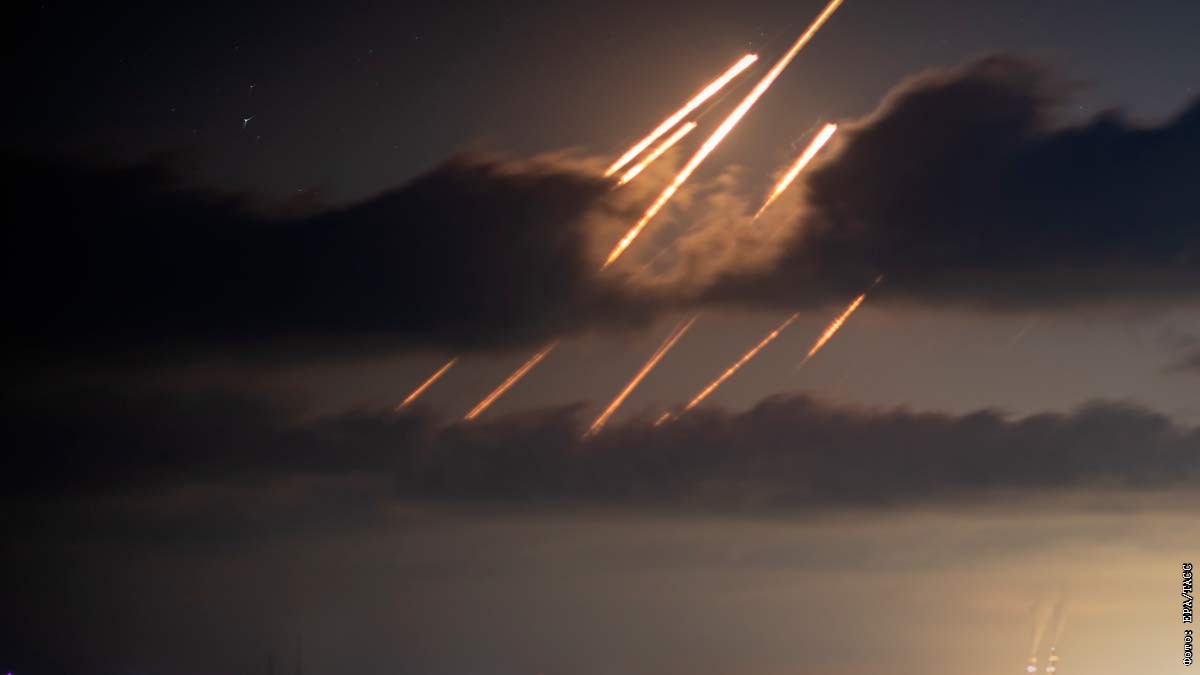
- Iran is likely to sustain and widen military pressure on US forces, Gulf partners and commercial shipping during the next 0-14 days. Iranian officials have signalled a shift to a fully offensive posture, while reporting attributes attacks on multiple ships in the Persian Gulf, drone attacks in Iraq, missile and drone attacks on Israel and US bases across the Middle East, and an attack on a US base in Qatar to Iran. This is an assessed judgement with medium confidence because the activity and rhetoric are reported by multiple major-media and think-tank sources, but the supplied record contains unresolved timeline and attribution discrepancies. (Confidence: medium · ASSESSED)
- I&W: Confirm: Iran or its regional partners conduct another missile or drone strike against a named US installation in Qatar, Bahrain, Jordan, Iraq, Kuwait or the UAE, or attack a commercial vessel in the Persian Gulf or Strait of Hormuz. (0-14 days)
- I&W: Break: Iranian officials publicly narrow the stated target set to US forces in Iran and the Gulf, followed by 14 days without a new attack on a US installation, allied facility or commercial vessel. (0-14 days)
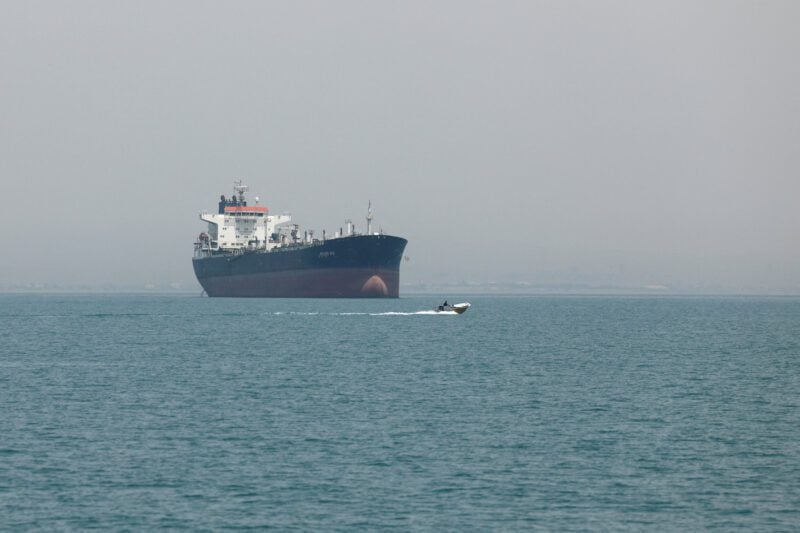
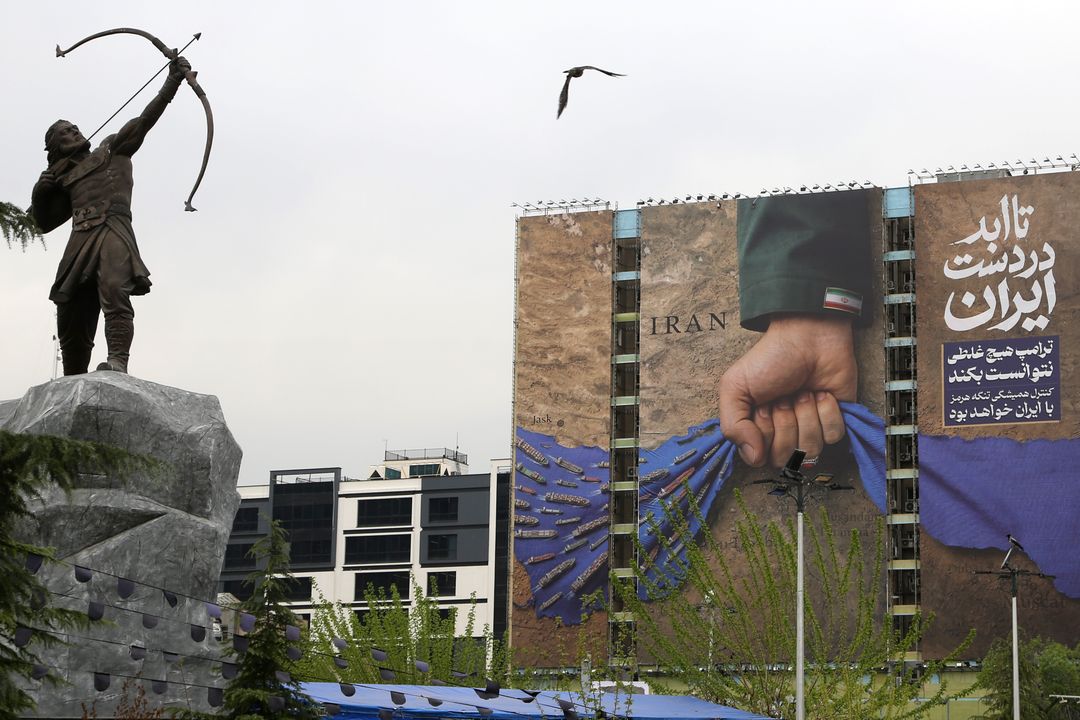
- The Strait of Hormuz is likely to remain severely constrained rather than fully restored during the next 0-14 days. JMIC rates the threat level as SEVERE, Kpler recorded a 19.5 per cent weekly fall in confirmed crossings to 95, and commercial tracking data shows ordinary traffic well below pre-war levels. US government claims of more than 15 million barrels moved on Tuesday and a seven-day average above 8 million barrels per day point to a contested throughput picture, not a settled reopening. This is an assessed judgement with medium confidence because JMIC, Kpler and commercial tracking broadly corroborate restricted traffic, while US official flow estimates conflict with commercial data. (Confidence: medium · ASSESSED)
- I&W: Confirm: Kpler records confirmed crossings below 95 for three consecutive days, or JMIC retains its SEVERE rating while commercial tracking shows no sustained recovery in ordinary traffic. (0-14 days)
- I&W: Break: JMIC lowers the threat rating from SEVERE and commercial tracking records traffic above the current 95-crossing reference for seven consecutive days. (0-14 days)
- The US is very likely to announce additional economic sanctions against Iran within the next 0-30 days. Washington is preparing a new package described as the harshest or most unprecedented in its history, and President Donald Trump has announced the most crushing economic operation yet against Iran. The UAE's suspension of trade with Tehran shows that pressure is already affecting a neighbouring state. This is a reported judgement with medium confidence because several major-media claims support imminent sanctions preparation, but the record does not resolve whether a new package, a port blockade or both have already taken effect. (Confidence: medium · REPORTED)
- I&W: Confirm: the US Treasury publishes a new Iran sanctions package naming financial institutions, oil buyers or trading partners, or Washington announces enforcement against a named entity. (0-30 days)
- I&W: Break: Washington publicly postpones the package and the UAE resumes trade or financial transactions with Tehran. (0-30 days)
- A direct Iranian strike on a European-linked US or allied facility is unlikely during the next 0-30 days, although Iran is likely to retain the option as a deterrent against further US action. Reporting identifies US facilities in Europe, including sites in Bulgaria, and Cyprus as potential targets; it also records an earlier drone strike on a British base in Cyprus and an alleged Iranian readiness to strike Diego Garcia. The European-targeting component rests mainly on medium-confidence, single-source or poorly dated reporting, so confidence is low. (Confidence: low · ASSESSED)
- I&W: Confirm: Iran launches or credibly prepares a missile or drone attack against Bezmer Air Base in Bulgaria, the British military base in Cyprus, Diego Garcia or another named US facility in Europe. (0-30 days)
- I&W: Break: Iranian officials publicly limit retaliation to US forces and shipping in the Gulf, while NATO reports no new threat activity against allied territory for 30 days. (0-30 days)
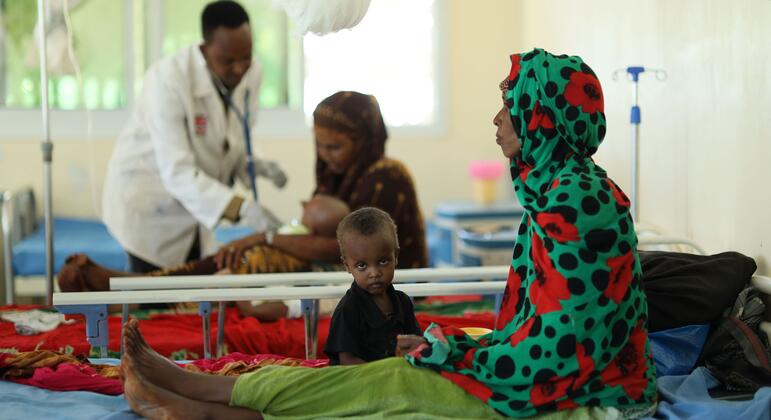
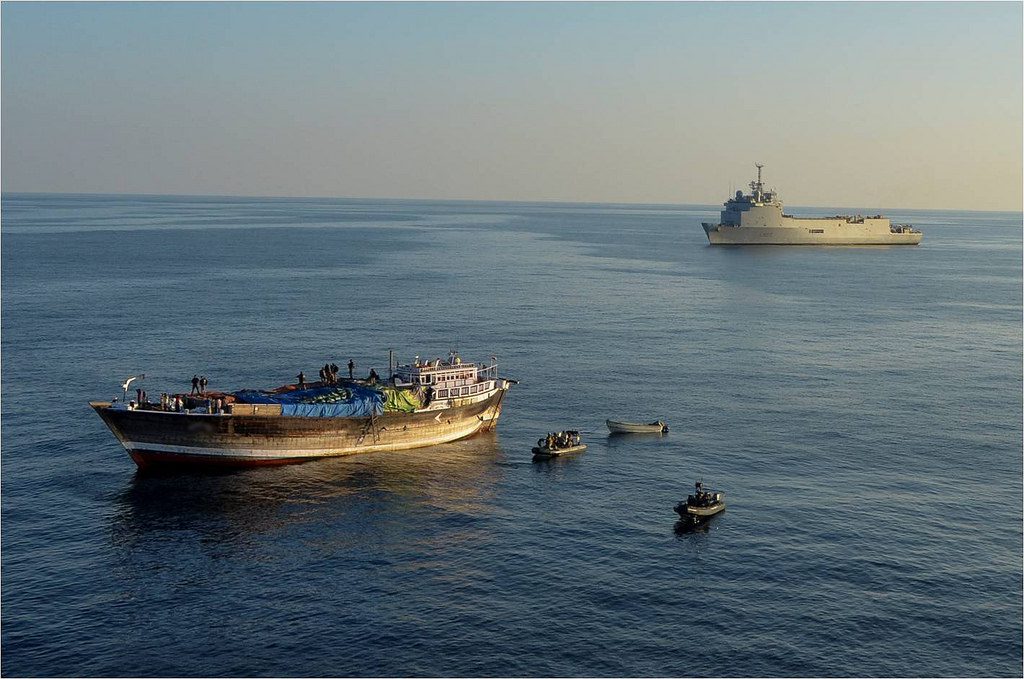
- Somalia is likely to face additional humanitarian and maritime-security strain over the next 1-3 months as conflict-related fuel and fertiliser costs compound existing aid cuts. UNICEF reports that nearly 1.9 million children are projected to experience malnutrition, more than 200 health and nutrition facilities have closed, and admissions to stabilisation centres for severe acute malnutrition are up 32 per cent. Piracy incidents off Somalia are also rising, with the Sibu 1 and Lutuf hijackings reported on 21 August. This is an assessed judgement with medium confidence: the humanitarian baseline is supported by high-confidence UNICEF reporting, while the causal link to the Iran conflict and the future piracy trend rely on thinner reporting. (Confidence: medium · ASSESSED)
- I&W: Confirm: UNICEF reports additional closures of health or nutrition facilities in Somalia, or admissions for severe acute malnutrition rise above the current 32 per cent year-on-year increase. (1-3 months)
- I&W: Break: piracy observers report no further attacks or hijackings off Somalia for 60 days while humanitarian facilities reopen. (1-3 months)
Outlook & scenarios
Managed coercion and constrained navigation (45%)
Iran maintains its offensive rhetoric and conducts limited pressure through missiles, drones, regional partners and maritime restrictions. The US expands sanctions and continues protected shipping activity, while Hormuz remains open to selected traffic but below normal commercial levels. Gulf states avoid direct entry into a wider war.
Wider Gulf escalation (30%)
Iran attacks another US facility, Gulf partner or commercial vessel after new US sanctions or enforcement actions. The UAE, Saudi Arabia, Kuwait or Bahrain respond with military measures, traffic through Hormuz falls further, and Iraq faces additional difficulty moving oil. The existing conflict then produces a larger and more sustained regional confrontation.
Partial deconfliction and limited reopening (20%)
Iran uses its ability to permit selected Iraqi oil tankers through Hormuz as a channel for limited deconfliction. President Masoud Pezeshkian's diplomatic position gains weight, negotiations resume, and selected shipping lanes reopen without ending the sanctions dispute or the wider military confrontation.
European-linked strike, low-probability high-impact wildcard (5%)
Iran strikes a US or allied facility in Bulgaria, Cyprus or another European-linked location after renewed US or Israeli attacks. NATO reinforces allied defences, European governments impose additional measures, and the conflict expands beyond the Gulf and Middle East.
Recommendations
- Maintain a daily Hormuz dashboard that separates JMIC threat ratings, Kpler crossing counts, commercial vessel-tracking data and US government oil-flow claims. Report the divergence rather than merging the figures into a single estimate.
- Prioritise collection on Iranian activity involving Al Udeid Air Base in Qatar, Ali Al Salem Air Base in Kuwait, Al Dhafra Air Base in the UAE and the US Navy Fifth Fleet service centre in Bahrain. Track missile and drone launches, air-defence activity and official Iranian targeting statements.
- Track the next US Treasury announcement for named Iranian banks, oil buyers, shipping firms and trading partners. Assess separately whether Washington has announced sanctions, port restrictions or a naval blockade, because the supplied reporting does not establish that these measures are equivalent.
- Watch Iranian statements by Ali Abdollahi, Mohsen Rezaei and the Iranian foreign ministry for changes in the target set. Give priority to any reference to Bulgaria, Cyprus, Diego Garcia or US facilities outside the Gulf.
- Monitor the UAE's trade suspension, Iranian permissions for Iraqi oil tankers, and Baghdad's plans involving Ceyhan, Baniyas and Aqaba. These actions will help distinguish selective access through Hormuz from a broader reopening.
- Include Somalia in the second-order effects watch. Track UNICEF reports on facility closures, severe acute malnutrition admissions and nutrition-service access, alongside confirmed attacks or hijackings involving the Sibu 1, Lutuf and other vessels off Somalia.
Confidence & uncertainty
Overall confidence is medium. High-confidence UNICEF reporting, JMIC assessments, Kpler shipping data and multiple major-media accounts corroborate the broad pattern of Iranian threats, restricted Hormuz traffic, US economic pressure and humanitarian strain in Somalia. Confidence is lower on the exact conflict timeline, the attribution of some attacks, US claims about oil throughput and the likelihood of Iranian strikes against European-linked facilities. Several claims are medium or low confidence, and some carry inconsistent dates.
Cited sources
[1] trtworld.com · Can Iran's offensive strategy force a US rethink? (B) · sha256:c9ff0949c4ff [2] gulfnews.com · Nato ready to defend allies as Iran weighs strikes on US military targets in Europe (B) · sha256:26b71742b9a5 [3] Wikipedia · 2026 Iran war (B) · sha256:6d26f9c1b763 [4] Wikipedia · Middle Eastern crisis (2023–present) (B) · sha256:3913b431847a [5] gcaptain.com · Trump Administration Claims Massive Oil Flows Through Hormuz But Industry Data Raises Questions (B) · sha256:d0b35dd447fd [6] gcaptain.com · Iran Grants Permission For A Number Of Iraqi Oil Tankers To Pass Through Hormuz (A) · sha256:8b8f019e0b90 [7] arabi21.com · إيران تتحدى ترامب. هددت بـ"رد مدمر" قبل إعلان أقسى عقوبات أمريكية (B) · sha256:e279ada7ede5 [8] Arab News · Trump says Tehran not ready for ‘right deal’ as Iran’s military threatens ‘devastating’ response (A) · sha256:13475a956822 [9] BBC News عربي · إيران تتوعد باستهداف مصالح الدول التي تساعد الولايات المتحدة في شن حرب اقتصادية عليها - BBC News عربي (A) · sha256:b703d7d5af8b [10] devdiscourse.com · Tensions Escalate as U.S. Prepares New Sanctions on Iran (B) · sha256:10a453941dfd [11] eurotopics.net · Война в Иране: США делают ставку на экономическое давление? (B) · sha256:99e8dad70158 [12] aljazeera.com · Iran warns nearby nations against joining US ‘economic war’ efforts (A) · sha256:db05d0af8c90 [13] firstpost.com · Iran warns Gulf states against aiding US as UAE halts trade with Tehran amid Hormuz tensions (B) · sha256:e1b54e93833e [14] interfax.ru · Источники FT предупредили о возможном ударе Ирана по объектам США в Европе при новой эскалации (B) · sha256:40bf78431470 [15] United Nations · Somalia: Humanitarian aid cuts leave millions of children vulnerable to hunger (A) · sha256:2a8c20f6ae5a [16] gcaptain.com · Piracy Observer Says Somali Incidents Rising as Navies Stretched (B) · sha256:8a3c3a8b2aaf
Source content hashes were computed at collection time; the cited text is preserved unmodified for the life of this product.
Red cell review: CONCUR WITH COMMENT
TLP:CLEAR