TLP:CLEAR · Disclosure is not limited.
Iranian Retaliation Broadens Across the Gulf
Time window: Last 1 day · Audience: General analyst · Type: Situation report · DTG: 2026-09-03 17:36Z · Overall confidence: HIGH
BLUF
Iranian missile and drone activity has likely widened to Kuwait and the United Arab Emirates, while US-Iran clashes and threats continue. Commercial shipping through the Strait of Hormuz is very likely to remain disrupted, although reported flows of 6-8 million barrels of crude per day and approximately 40 vessel transits on 1 September indicate that a complete closure is unlikely.
Executive summary
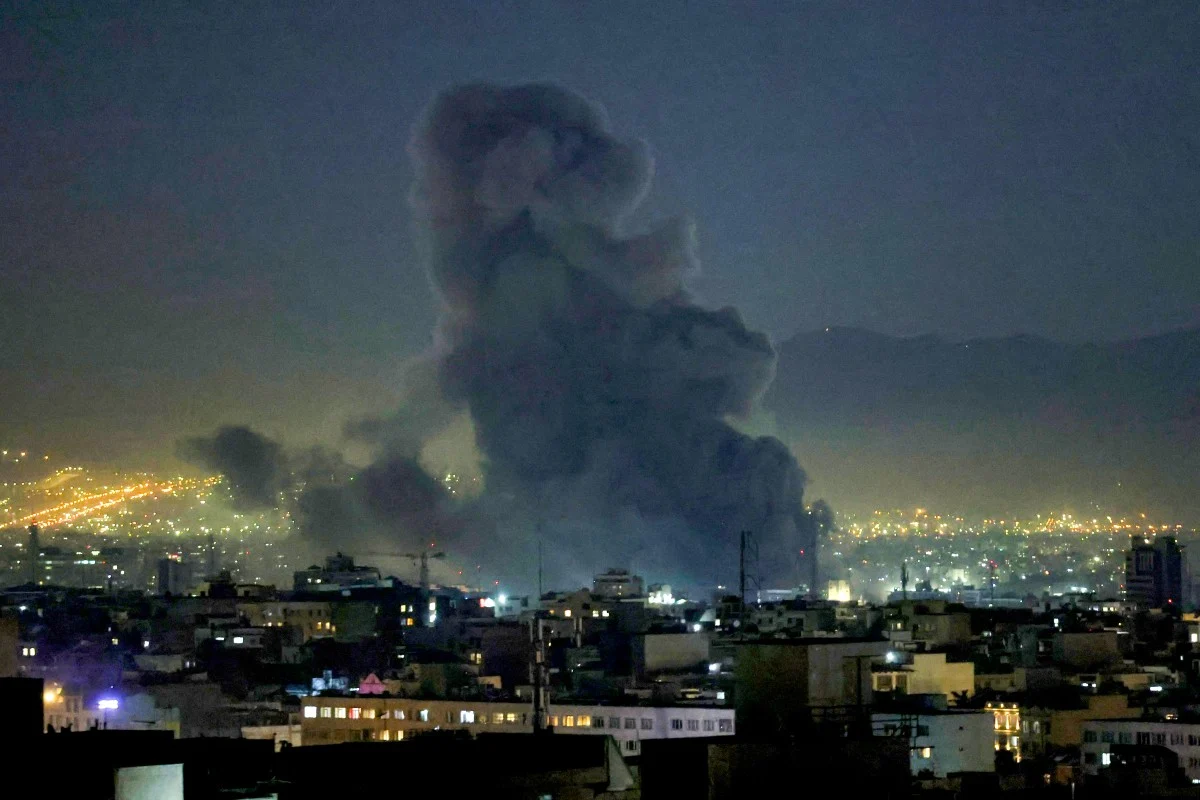
US Central Command reported that 1 September strikes in Iran targeted air-defence sites, radar systems, maritime assets, mine-laying capabilities and communications sites. Iranian authorities reported 18 people killed and 142 injured, including casualties at a wedding in Kuhestak, while Iranian news outlets reported the deaths of three army pilots. On 2 and 3 September, Iranian forces and the IRGC reported missile and drone attacks against US-linked sites in Kuwait, the United Arab Emirates, Bahrain, Jordan and Iraq, with Kuwait reporting interceptions, although the exact country list and attack chronology remain contested. Hormuz shipping remains under pressure from attacks, harassment, Iranian blacklist measures and conflicting traffic data. Qatar and Egypt continue diplomatic contacts, and Xi Jinping has urged regional states to reject outside interference, but there is no reported operating ceasefire process. Israeli strikes in southern Lebanon and continuing violence in the West Bank add separate escalation pressure.
Change from previous assessment
Since the 2 September brief, the assessment has shifted from Iranian retaliation against Jordan, Iraq and Bahrain to a likely wider campaign that includes reported attacks on Kuwait and the UAE. Confidence in continued US-Iran fighting has increased because CENTCOM activity, Iranian casualty reporting and further clashes are now available. The shipping judgement now incorporates conflicting flow data, including approximately 40 vessel transits on 1 September, more than 17 million barrels on 31 August and reports of traffic below the recent regional average. A direct Iran-Israel exchange remains a low-confidence wildcard, while Israeli activity in southern Lebanon and continuing West Bank violence have been added as separate escalation pressures.
Key judgments
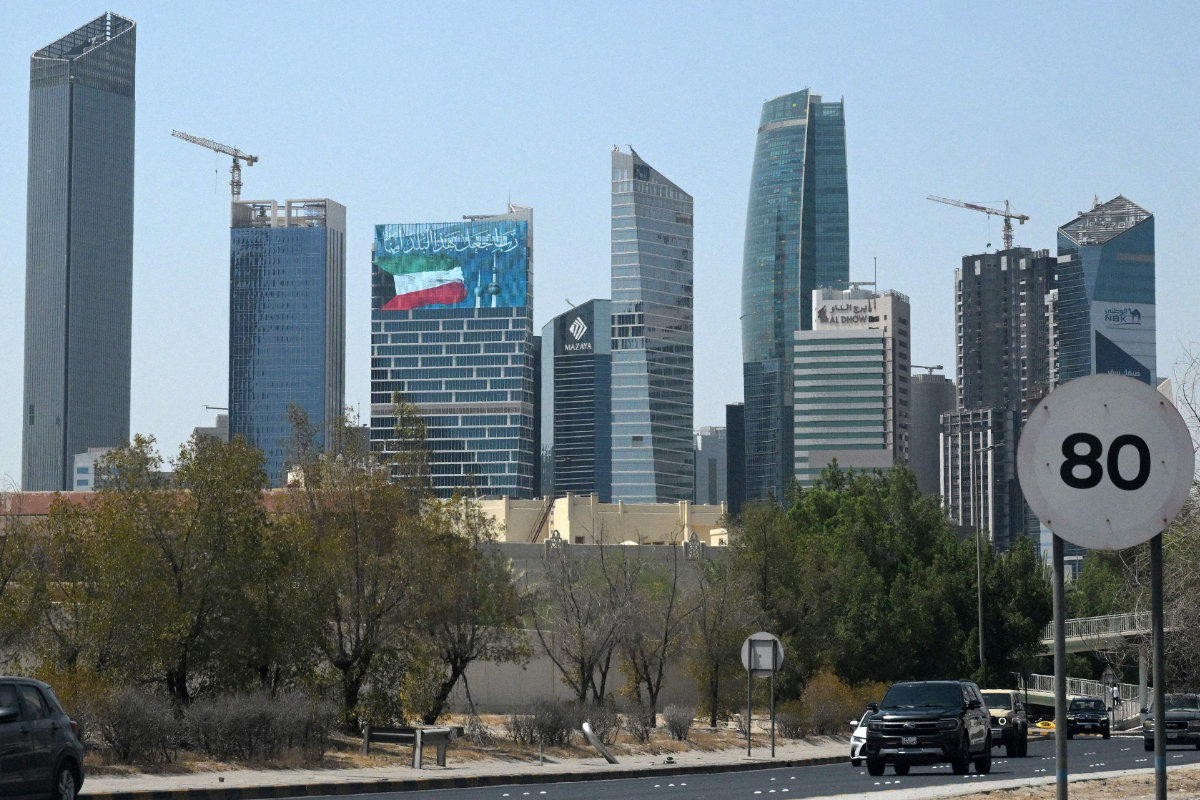
- Iranian missile and drone activity against US-linked sites has likely broadened to Kuwait and the United Arab Emirates, and further attacks against US-linked positions in the Gulf are likely over the next 0-14 days. Iran's army said it attacked Ahmad Al-Jaber Air Base in Kuwait and Al-Minhad Air Base in the UAE, while Kuwait reported intercepting an Iranian missile and drone attack. The IRGC separately claimed attacks against Kuwait, Jordan, Bahrain and Iraq, but the exact set of countries targeted remains contested. Confidence is medium because the reporting combines Iranian military claims with Kuwaiti reporting, while independent confirmation of damage at Ahmad Al-Jaber and Al-Minhad is absent. (Confidence: medium · ASSESSED)
- I&W: Confirm: Within 0-14 days, Kuwait or UAE authorities report another Iranian missile or drone attack on Ahmad Al-Jaber or Al-Minhad, with local air-defence or CENTCOM reporting confirming the location. (0-14 days)
- I&W: Break: Kuwait and the UAE report no further attacks, and Iranian military statements stop naming US-linked sites in those countries. (0-14 days)
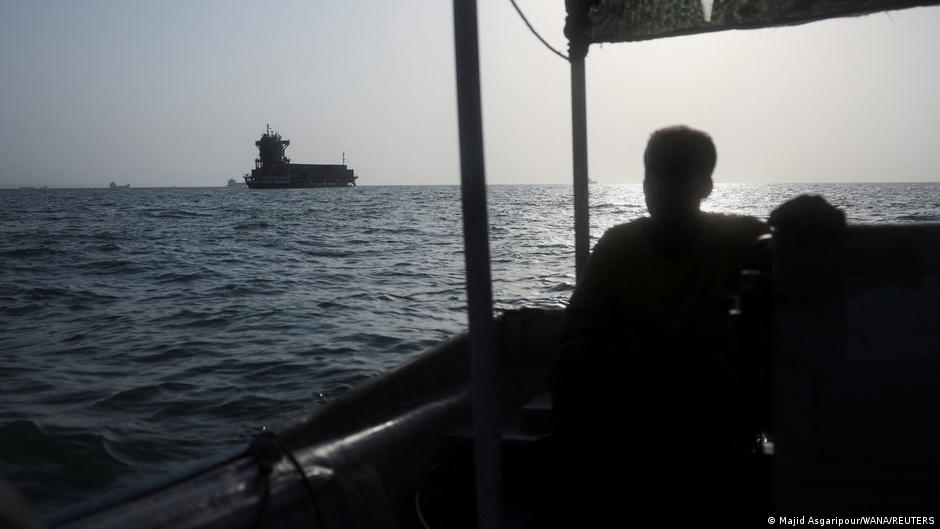
- Commercial shipping through the Strait of Hormuz is very likely to remain disrupted over the next 0-14 days and likely to face elevated risk beyond the end of 2026, although a complete physical closure is unlikely. Reports describe Iranian attacks, attempted attacks, harassment and blacklist restrictions, while Mitsui OSK Lines chief executive Jotaro Tamura said resumption before the end of the year was difficult to envisage. The severity of disruption remains uncertain: traffic data recorded approximately 40 vessels carrying millions of barrels on 1 September, over 17 million barrels transited on 31 August, and oil traders estimated 6-8 million barrels of crude per day, while other reporting described transits as well below the recent regional average. (Confidence: medium · ASSESSED)
- I&W: Confirm: UK Maritime Trade Operations or shipping companies report another tanker attack, attempted attack or harassment, while daily transits remain below the recent regional average. (0-14 days)
- I&W: Break: Mitsui OSK Lines reverses its beyond-year-end disruption outlook, Japanese shipowners resume regular Gulf transits, and vessel-flow data show sustained high traffic. (1-3 months)
- US-Iran fighting is very likely to continue over the next 0-14 days, while a decisive military outcome is unlikely over the next 1-3 months. CENTCOM reported continued strikes on Iranian military and maritime capabilities, clashes were reported on 2 September, and both Donald Trump and Mojtaba Khamenei issued threats of further action. The reported six-month stalemate and the apparent exclusion of a US land invasion indicate that the conflict is more likely to remain an exchange of strikes and pressure than produce rapid regime change or a clear military victory. (Confidence: medium · ASSESSED)
- I&W: Confirm: CENTCOM reports another strike in Iran, or the IRGC or Iranian army reports another attack on US-linked sites in the Gulf. (0-14 days)
- I&W: Break: Washington and Tehran announce and observe a ceasefire covering strikes in Iran, attacks on US-linked sites and activity affecting the Strait of Hormuz. (0-14 days)
- A direct Iranian attack on Israel remains unlikely over the next 0-14 days, but an Israeli response to such an attack would be very likely. Available reporting identifies US-Iran clashes and an Israeli strike in Al-Ghandouriyah, southern Lebanon, rather than a confirmed Iranian strike on Israel. Israeli Defence Minister Israel Katz has warned of a response with great force to any Iranian attack during the Jewish holiday season beginning next week, while Donald Trump has told Israel that Washington will manage the threat. Confidence is low because this judgement rests on the absence of a confirmed Iranian attack in the provided reporting and on stated response intentions rather than verified operational indicators. (Confidence: low · ASSESSED)
- I&W: Confirm: Iran claims, or reliable reporting confirms, a missile or drone strike on Israel, followed by an Israeli Defence Ministry announcement of retaliatory action. (0-14 days)
- I&W: Break: The Jewish holiday season passes without a confirmed Iranian strike on Israel or an Israeli operation explicitly attributed to retaliation against Iran. (0-14 days)
- A broad US-Iran de-escalation is unlikely over the next 0-14 days, although diplomatic signalling is likely to continue. Qatar and Egypt have discussed joint coordination to reduce tensions and preserve maritime navigation, while Xi Jinping has urged Middle Eastern states to reject outside interference and assume greater responsibility for regional security. These efforts have not produced a reported operating ceasefire, and the reported June US-Iran memorandum has been described as having collapsed after the Strait of Hormuz was not fully reopened. Confidence is medium because the Qatar-Egypt contacts and Chinese messaging are directly reported, but the memorandum's status rests on low-confidence reporting. (Confidence: medium · ASSESSED)
- I&W: Confirm: Qatar and Egypt announce a formal channel that produces a mutually observed pause in US-Iran strikes and a navigation arrangement for the Strait of Hormuz. (0-14 days)
- I&W: Break: Donald Trump or Mojtaba Khamenei announces new strike conditions, or either government rejects further Qatar-Egypt mediation. (0-14 days)
- Localised escalation in southern Lebanon and the West Bank is likely to persist over the next 0-14 days, adding pressure to the wider regional crisis but not constituting evidence of a direct Iran-Israel exchange. An Israeli strike was observed near Al-Ghandouriyah in southern Lebanon on 3 September. The UN has recorded more than three settler attacks per day in the West Bank this year and at least 81 Palestinian deaths, including at least 23 in the context of settler attacks. Responsibility for the deaths of Omar al-Nassan and Khalil Abu Alia in al-Mughayyir remains disputed between local officials and the Israeli military. (Confidence: medium · ASSESSED)
- I&W: Confirm: Israeli forces conduct another strike in southern Lebanon, or UN reporting records a further increase in West Bank settler attacks above the current average of more than three per day. (0-14 days)
- I&W: Break: Israeli forces and Palestinian armed actors announce and observe a localised security arrangement, while UN reporting records a sustained decline in settler attacks. (1-3 months)
Outlook & scenarios
Sustained US-Iran Exchange and Gulf Pressure (65%)
US strikes on Iranian military and maritime capabilities continue, followed by further Iranian missile and drone attacks on US-linked sites in Kuwait, the UAE, Bahrain, Jordan or Iraq. Hormuz shipping remains disrupted, with some oil and vessel flows continuing through a contested waterway.
Limited De-escalation Through Regional Mediation (25%)
Qatar and Egypt convert their contacts into a limited US-Iran pause, while China continues to press for regional security arrangements led by Middle Eastern states. Navigation through the Strait of Hormuz improves without an immediate permanent settlement.
Direct Iran-Israel Exchange (15%)
Iran launches a confirmed attack on Israel during the Jewish holiday season, prompting the response with great force threatened by Israel Katz. US support for Israel increases pressure on Iran and reduces the space for Qatar-Egypt mediation.
High-Impact Maritime Escalation (10%)
A further tanker attack, mine-laying incident or prolonged harassment campaign sharply reduces Hormuz traffic. US forces intensify strikes against Iranian maritime and mine-laying capabilities, while Gulf governments increase public pressure for protection of navigation.
Recommendations
- Maintain a 24-hour watch on statements and incident reporting from the IRGC, Iran's army, CENTCOM, Kuwait, the UAE, Bahrain, Jordan and Iraq. Record each reported launch, interception, impact location and claimed target separately, rather than treating all country lists as confirmed.
- Track the Strait of Hormuz daily using vessel-transit counts, reported barrels moved, UK Maritime Trade Operations warnings, tanker-company notices and Iranian PGSA blacklist measures. Treat Donald Trump's claims of US control as political signalling until matched by sustained vessel-flow data and reduced attack reporting.
- Separate reported casualties from verified casualty totals in all updates. Maintain distinct entries for the 18 deaths and 142 injuries reported by Iran's health ministry, the Kuhestak wedding strike, and the three reported Iranian army pilot deaths.
- Prioritise collection on the Jewish holiday season beginning next week. A confirmed Iranian strike on Israel, an Israeli Defence Ministry retaliation statement, or a change in US assurances to Israel should trigger immediate reassessment of the direct Iran-Israel exchange judgement.
- Assess Qatar-Egypt diplomatic contacts against concrete outputs, including a reciprocal pause in US-Iran strikes and an agreed navigation arrangement. Do not treat calls for peace or Chinese statements on regional autonomy as evidence of an operating ceasefire.
- Keep a separate secondary-front tracker for Al-Ghandouriyah and southern Lebanon, Qusra, al-Mughayyir and Masafer Yatta. Preserve competing Israeli military and Palestinian local accounts for disputed incidents instead of merging them into a single attribution.
Confidence & uncertainty
Overall confidence is high for the core pattern of continuing US-Iran hostilities, Iranian attacks or claimed attacks affecting Gulf states, and persistent pressure on Hormuz shipping. The assessment draws on corroboration from CENTCOM, US officials, Kuwaiti authorities, UK Maritime Trade Operations, major media and trade reporting. Confidence is lower on the exact countries targeted, casualty totals, the attribution of the Sidr tanker attack, the severity and duration of Hormuz disruption, and the circumstances of the al-Mughayyir deaths.
Intelligence gaps
- [EEI 1.2 · UNCOVERED] Movements and posture changes of Iran-backed proxy forces (Hezbollah units in Lebanon, militias in Syria/Iraq): concentrations of personnel, transport of rocket/artillery launchers, visible logistics build-up within operational range of Israel. Recommended collection: human/intel
- [EEI 1.3 · PARTIAL] Israeli defensive and offensive posture changes: reservist call-ups, mobilization orders, sorties/airstrikes attributed to Israel, and domestic activation of missile-defense systems (locations and activation times). Recommended collection: open-source/media
- [EEI 2.1 · UNCOVERED] Movements and tasking changes of external military assets: carrier strike groups, amphibious ready groups, expeditionary air wings, or ballistic-missile defense units into the Eastern Mediterranean, Persian Gulf, or Red Sea (vessel/aircraft IDs, routing, on-station times). Recommended collection: maritime/AIS
- [EEI 2.2 · PARTIAL] Formal diplomatic/military actions: evacuation orders or embassy closures, public troop posture statements, bilateral/multilateral defense commitments announced, requests for overflight or basing rights in regional states. Recommended collection: diplomatic
- [EEI 3.2 · PARTIAL] Changes in crude oil and refined product flows from key terminals (reported tanker loading delays, terminal closures, throughput volumes at Kharg, Mina al-Ahmadi, Ras Tanura, and major Gulf ports compared to baseline). Recommended collection: commercial/ports
- [EEI 3.3 · PARTIAL] Market and insurance indicators: sudden spikes in war-risk or hull insurance premiums for Middle East routes, large moves in regional FX/stock indices, and notable changes in commodity futures (oil, freight rates) tied to regional risk perceptions. Recommended collection: financial/transactional
TLP:CLEAR