TLP:CLEAR · Disclosure is not limited.
Iranian Threats Raise Risk to US Forces and Regional Shipping
Time window: Last 7 days · Audience: General analyst · Type: Situation report · DTG: 2026-08-21 12:09Z · Overall confidence: MEDIUM
BLUF
Iran is very likely to sustain threats against US forces and Gulf states over the next 0-14 days. The immediate risk is a wider retaliatory cycle affecting US-linked facilities, the Strait of Hormuz, and Houthi activity near the Bab al-Mandab Strait, although the operational status of both waterways remains disputed.
Executive summary
Iranian officials intensified warnings on 18 and 19 August, stating that assistance to US forces would constitute participation in military operations and warning Gulf countries against facilitating US activity. Separate reporting says Iranian forces have assessed potential strikes on US assets in southeastern Europe. Claims that Iran has effectively closed the Strait of Hormuz conflict with reporting that tankers continue to lead transits and that China is reviewing restrictions on tanker movements. In western Yemen, separate reports describe Houthi missile, drone, and booby-trapped boat attacks around al-Makha and the Bab al-Mandab Strait. The reporting supports a high-threat environment, but conflicting accounts of maritime access, casualty totals, ceasefire status, and attack attribution limit confidence in the wider operating picture.
Key judgments
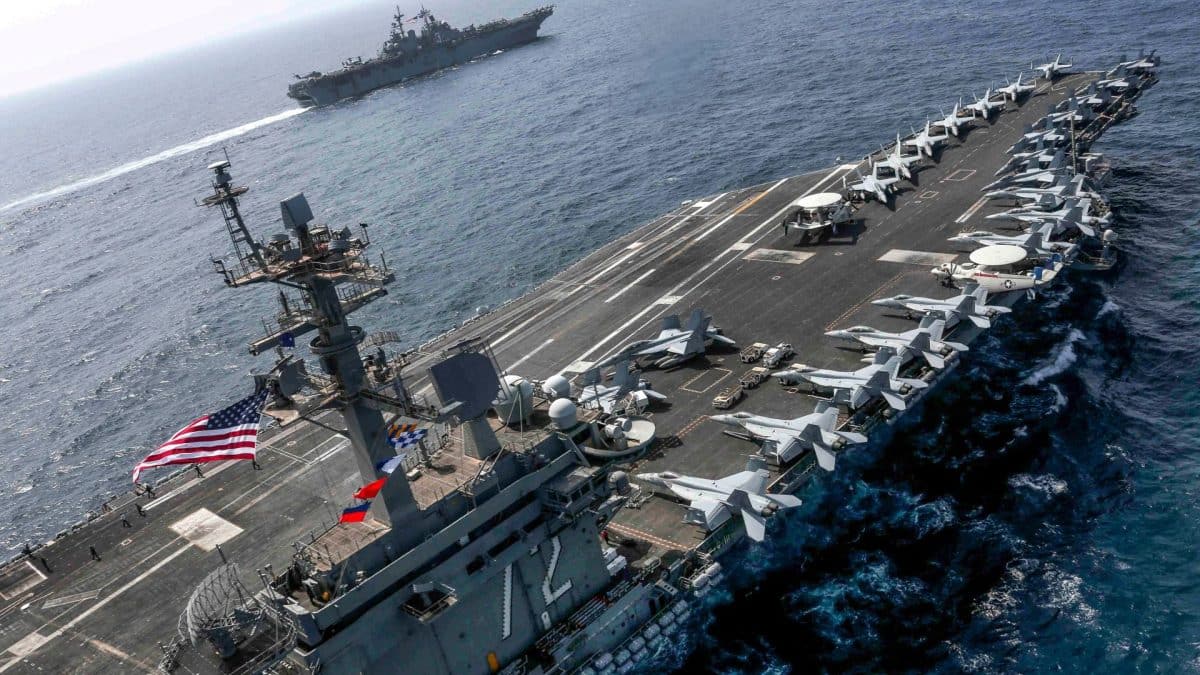
- Iran is very likely to sustain explicit threats against US forces and Gulf states through the next 0-14 days, increasing the risk that assistance, access, or military activity linked to the United States is treated by Tehran as participation in US operations. On 19 August, Iran's Revolutionary Guard Corps threatened retaliation against US military actions, while General Ali Abdollahi warned that assistance to the US military would amount to participation in military operations. Iran also warned Gulf countries against facilitating US activity. This is an assessed continuation of reported rhetoric, not evidence of an imminent attack. (Confidence: medium · ASSESSED)
- I&W: Confirm: Ali Abdollahi, the IRGC, or another senior Iranian military authority names a specific US facility, Gulf state, airport, port, or logistics route as a retaliation target. (0-14 days)
- I&W: Break: Iran publicly withdraws the warning against Gulf assistance and issues no further threats against US forces or Gulf facilities during the period. (0-14 days)
- An Iranian strike on a US military installation in a southeastern European country is unlikely in the next 0-14 days, but the reported targeting assessment warrants continued warning attention. Reporting states that Iran has considered striking US military installations in Europe and that Iranian forces assessed potential strikes on US assets in southeastern Europe. The judgement rests on closely related major-media reporting without direct confirmation of an approved operation, so confidence is low. (Confidence: low · ASSESSED)
- I&W: Confirm: New reporting identifies a specific US installation in a southeastern European country and describes Iranian force preparation or target selection against it. (0-14 days)
- I&W: Break: Iranian authorities deny that any European US installation has been selected and no additional targeting reporting appears during the period. (0-14 days)
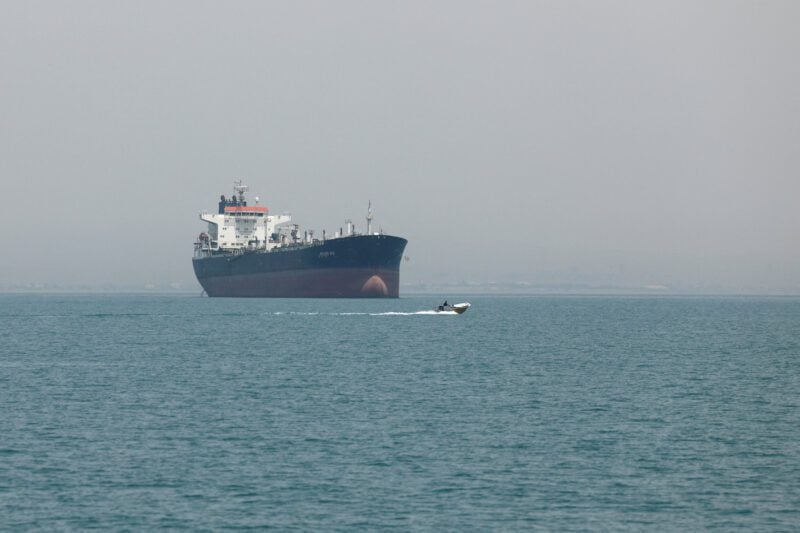
- Iran is likely to maintain coercive restrictions around the Strait of Hormuz, but the extent of its operational control remains uncertain. Mohammad-Bagher Ghalibaf and Iran's chief negotiator said the Strait would remain closed until the United States met Iranian demands, while other reporting says tankers continue to lead transits and China is reviewing its decision to halt tanker movements. The conflicting accounts lower confidence in any precise assessment of access or closure. (Confidence: medium · ASSESSED)
- I&W: Confirm: Ghalibaf repeats that opening depends on US concessions, or new reporting records reduced tanker transits and another failed effort to reopen the Strait. (0-14 days)
- I&W: Break: Iran formally announces an unconditional opening and reporting confirms unrestricted tanker movement through the Strait of Hormuz. (0-14 days)
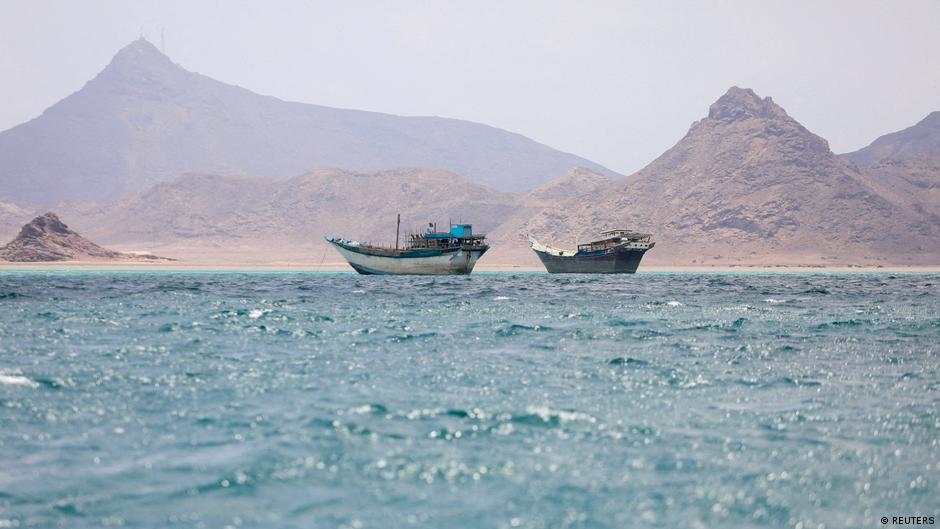
- Houthi forces are likely to maintain attacks from al-Makha and Yemen's western coast over the next 0-14 days, while Iranian direction of any effort to control the Bab al-Mandab Strait remains unconfirmed. Reports describe six Houthi ballistic missiles fired at al-Makha, 44 drones directed towards Mocha and civilian facilities, and six booby-trapped boat attacks near the port, three of which were reportedly thwarted. The Yemeni Minister of Information attributed preparations to IRGC direction, but that linkage is based on a single medium-confidence report. Conflicting casualty figures and attack-attribution accounts also reduce confidence. (Confidence: medium · ASSESSED)
- I&W: Confirm: The Houthis launch another missile, drone, or booby-trapped boat attack against al-Makha, Mocha, or an oil tanker near the Bab al-Mandab Strait. (0-14 days)
- I&W: Break: The Houthis announce a halt to attacks and no new launches or maritime attacks are reported from Yemen's western coast during the period. (0-14 days)
Outlook & scenarios
Sustained coercion without a direct US-Iran strike (55%)
This is the most likely near-term outcome. Iran continues warnings against Gulf assistance, maintains pressure on shipping through the Strait of Hormuz, and uses diplomatic and economic pressure without launching a newly confirmed direct strike on a US facility. Houthi attacks around al-Makha and the Bab al-Mandab Strait continue at a lower or intermittent tempo.
Widening Houthi maritime campaign (25%)
An unlikely but plausible escalation involves further Houthi missile, drone, or booby-trapped boat attacks around al-Makha, Mocha, or the Bab al-Mandab Strait. A successful attack on an oil tanker or civilian port infrastructure expands the disruption beyond existing claims and increases pressure on US partners in the Gulf and Yemen.
Limited bargain over the Strait of Hormuz (15%)
An unlikely de-escalation path involves renewed US-Iran bargaining over blocked Iranian assets, sanctions, and maritime access. Iran permits more predictable tanker movement while retaining political leverage, but the low-confidence reporting on the memorandum and negotiations makes this scenario less probable than continued coercion.
Direct Iranian strike on a southeastern European US installation (5%)
This very unlikely, high-impact wildcard involves Iran acting on reported assessments of US assets in southeastern Europe. A strike would widen the conflict geographically, trigger a stronger NATO response, and place European bases and US logistics routes under direct pressure.
Recommendations
- Maintain a 24-hour watch on statements from General Ali Abdollahi, the IRGC, Mohammad-Bagher Ghalibaf, and Iran's Foreign Ministry. Record whether future warnings name a specific US facility, Gulf state, port, airport, or logistics route.
- Separate the assessment of physical closure from the assessment of coercive control at the Strait of Hormuz. Track reported tanker transits, Chinese tanker policy, Iranian conditions for reopening, and the outcome of diplomatic efforts as distinct indicators.
- Treat the reported Iranian assessment of US assets in southeastern Europe as a warning requirement rather than confirmation of an approved operation. Seek a second independent, reliable source before elevating the judgement.
- Create a daily maritime incident matrix covering the Strait of Hormuz, al-Makha, Mocha, and the Bab al-Mandab Strait. Record the weapon type, named target, casualty figure, attribution, and whether the report comes from Iran, the Houthis, Yemen's government, or an independent source.
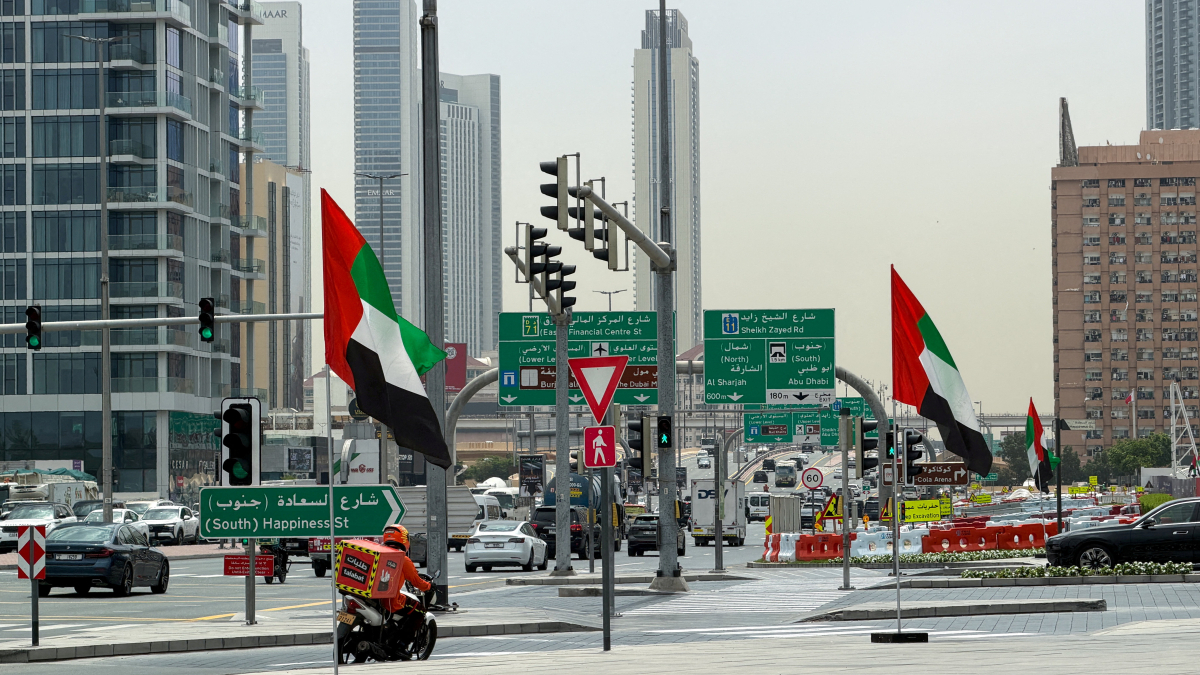
- Keep competing accounts visible in briefing products. Do not merge the four and at least eight casualty claims for the al-Makha attack, or treat Iran's disputed responsibility for the UAE missile incident as established fact.
- Monitor the UAE's suspension of trade with Iran and Iran's reported inflation and currency loss as indicators of whether economic pressure is reinforcing military risk-taking or creating incentives for negotiation.
Confidence & uncertainty
Overall confidence is medium. High-confidence official government and major-media reporting supports the existence of Iranian warnings against US-linked activity, Gulf diplomatic pressure, and reported consideration of US installations in Europe. Multiple reports also support continuing Houthi attacks around al-Makha and Yemen's western coast. Confidence is reduced by single-source or lower-confidence reporting on Iranian operational intent, the extent of Hormuz closure, the direction of Houthi activity by the IRGC, casualty totals, and the conflicting timeline of ceasefires and renewed hostilities.
Cited sources
[1] dw.com · تحذير من سيطرة الحوثيين على ساحل باب المندب والتحكم بالمضيق (A) · sha256:62d548b97a9c [2] firstpost.com · Iran warns Gulf states against aiding US as UAE halts trade with Tehran amid Hormuz tensions (B) · sha256:e1b54e93833e [3] anewz.tv · Iran rejects UAE missile claims amid Gulf tensions (B) · sha256:c78793ad8152 [4] en.yenisafak.com · NATO says ready for any threat amid Iran-US tensions (B) · sha256:eb064ee0fa66 [5] gcaptain.com · Maritime Markets Bracing for Long-term Disruption in the Middle East (B) · sha256:4dcaa25f79b1 [6] Al Jazeera · Yemen’s government says Houthi attack on al-Makha kills at least four (A) · sha256:d405ebde2ff3 [7] arabnews.com · Yemen government says Houthi missiles kill at least four civilians in port city (B) · sha256:a1b015149de1
Source content hashes were computed at collection time; the cited text is preserved unmodified for the life of this product.
TLP:CLEAR