TLP:CLEAR · Disclosure is not limited.
Israel-Gaza and Lebanon: ceasefire pressure and renewed strikes, 15 November 2026
Time window: Last 7 days · Audience: General analyst · Type: Situation report · DTG: 2026-11-15 13:18Z · Overall confidence: HIGH
BLUF
Very likely, Israeli military activity will continue in Gaza over the coming fortnight as winter conditions and reported flooding add to shelter pressure. Israel and Hamas both confirmed the killing of Samir Abu Younis; reports of fresh Israeli strikes in southern Lebanon are less well corroborated and do not establish a sustained Hezbollah-Israel exchange.
Executive summary
The October 2025 Gaza ceasefire has not stopped Israeli attacks, and reports describe strikes and fire in several parts of the Strip on 14 and 15 November. Israel and Hamas confirmed the death of Samir Abu Younis, commander of Hamas's Rafah Brigade, in an Israeli strike in the Mawasi area of Khan Younis. Accounts differ on the strike's date, precise target and casualty count. Humanitarian agencies and states say restrictions on shelter and lifesaving supplies remain, while local reporting says flooding affected thousands of tents. In southern Lebanon, one outlet reported Israeli air and artillery activity on 15 November. Hezbollah Secretary-General Naim Qassem reiterated that Hezbollah should retain its weapons. The available reporting does not establish a sustained Hezbollah-Israel exchange.
Change from previous assessment
Since the 14 November brief, reporting confirms the death of Samir Abu Younis and adds accounts of Israeli strikes and fire in Gaza on 15 November. New reporting also describes flooding of thousands of tents and Israeli air and artillery activity near named towns in southern Lebanon. The humanitarian concern is reinforced by winter exposure and flooding, but the newly announced relief convoy is not evidence of delivery. Confidence remains high on Abu Younis's death, while the exact strike details and the Lebanon forecast remain less certain.
Key judgments
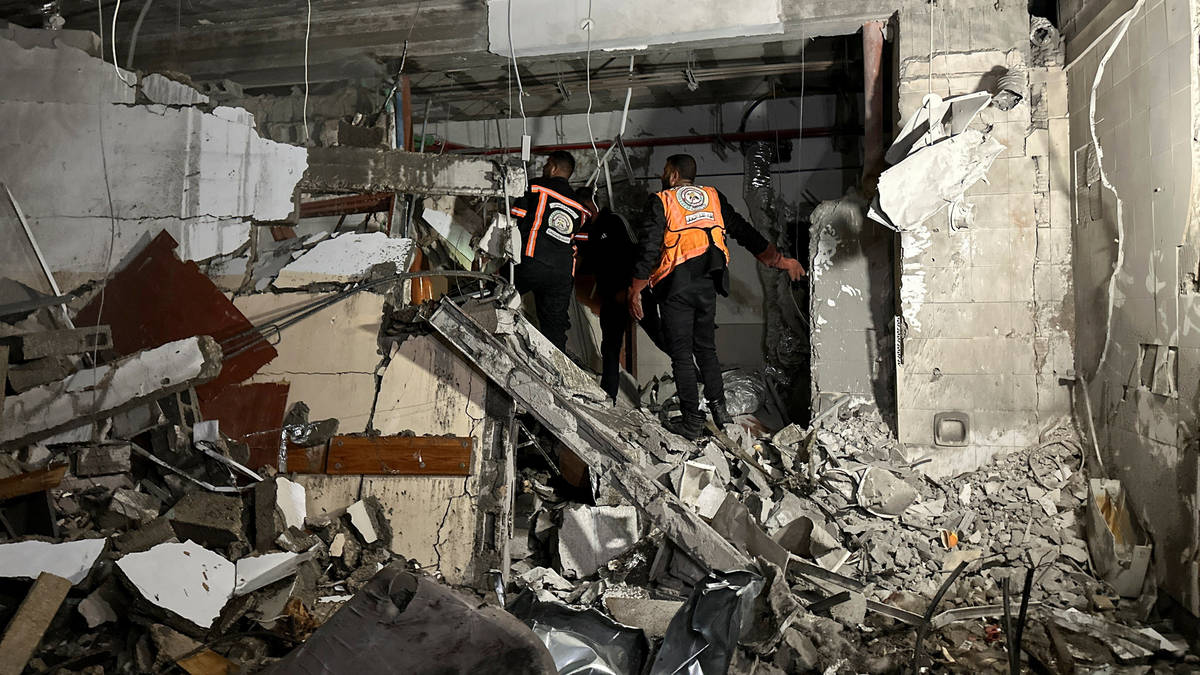
- Very likely, an Israeli strike in the Mawasi area of Khan Younis killed Samir Abu Younis, 53, commander of Hamas's Rafah Brigade. The IDF and ISA and Hamas confirmed his death. Accounts place the strike between 14 and 15 November, but differ on whether it hit a street or a tent and on the number of people wounded. (Confidence: high · REPORTED)
- I&W: Hamas or the IDF publishes a correction stating that Abu Younis was not the person killed; this would break the assessment. (0-14 days)
- I&W: Hamas names a successor to Abu Younis as Rafah Brigade commander without retracting its identification of him; this would further confirm the commander's death. (0-14 days)
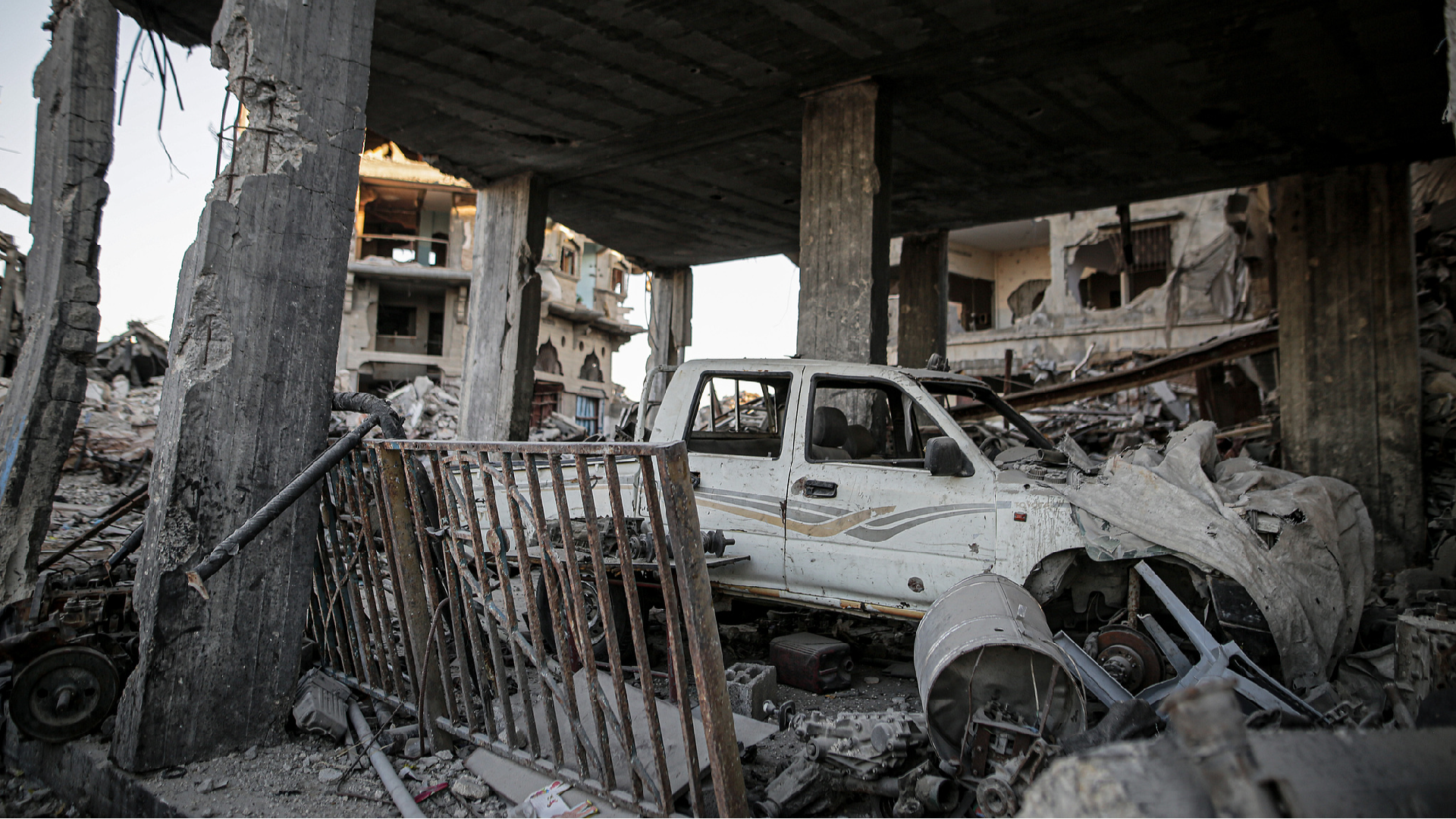
- Likely, Israeli strikes and fire will continue in Gaza through 29 November, while the supplied reporting does not establish responsibility for each alleged ceasefire breach. Reports describe Israeli airstrikes, artillery and gunfire in the Strip on 15 November, including tank fire east of Khan Younis and shelling near Deir al-Balah, eastern Gaza City and areas south of Khan Younis. Gaza's Health Ministry reported 1,643 Palestinians killed and 5,964 wounded since the ceasefire, as of 14 November; this is an authority-reported toll, not an independently verified count. (Confidence: medium · ASSESSED)
- I&W: Two or more independently corroborated reports document Israeli airstrikes, artillery fire or tank fire at named Gaza locations; this would confirm continued military activity. (0-14 days)
- I&W: A confirmed halt to Israeli strikes and fire, with no independently reported incident in Gaza for 14 consecutive days, would break the assessment. (0-14 days)
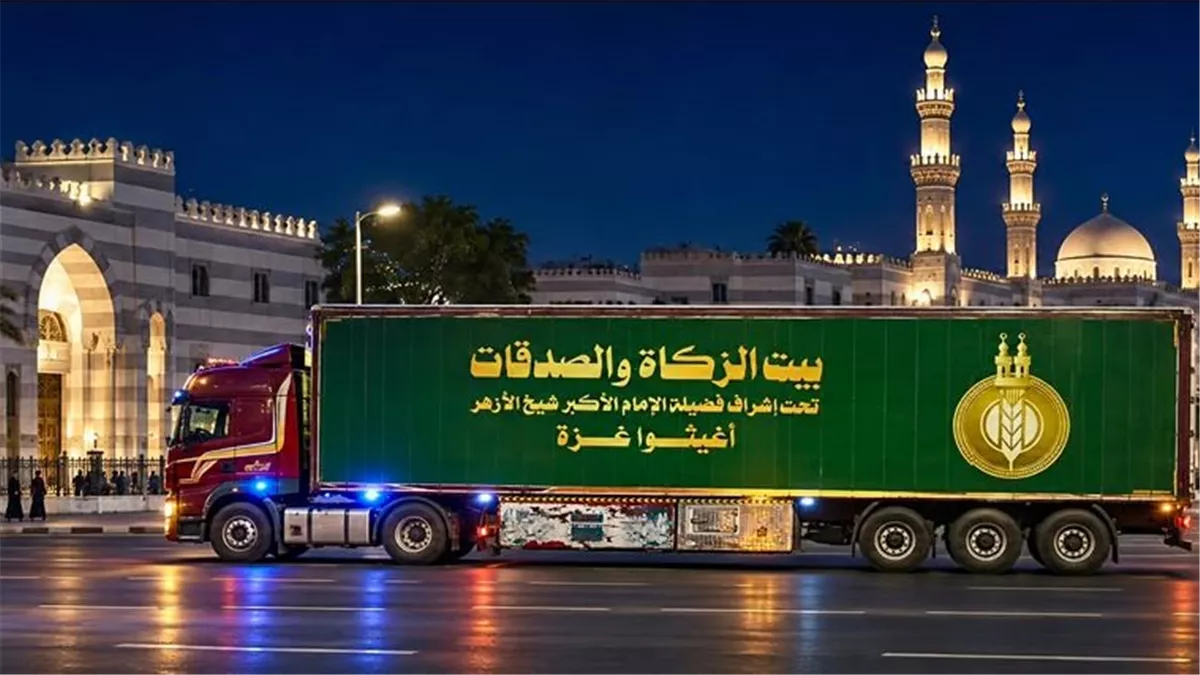
- Very likely, humanitarian pressure in Gaza will remain acute through the next 30 days. A joint statement on 12 November said restrictions on critical shelter items and lifesaving supplies were preventing organisations from responding at the required scale. A separate report said a weather system flooded thousands of tents, while winter conditions expose people without adequate shelter to hypothermia, respiratory infections and waterborne disease. Egypt's House of Zakat and Charity announced a 1,605-tonne convoy for Gaza on 15 November, including 12,600 equipped tents; the announcement does not establish that the supplies entered or were distributed in Gaza. (Confidence: medium · ASSESSED)
- I&W: Humanitarian agencies report additional tent flooding or continued limits on shelter-item entry; this would confirm continuing pressure. (0-14 days)
- I&W: A verified entry and distribution update confirms the 1,605-tonne convoy, including its tents, reached people in Gaza and restrictions on essential supplies eased; this would weaken the assessment. (0-14 days)
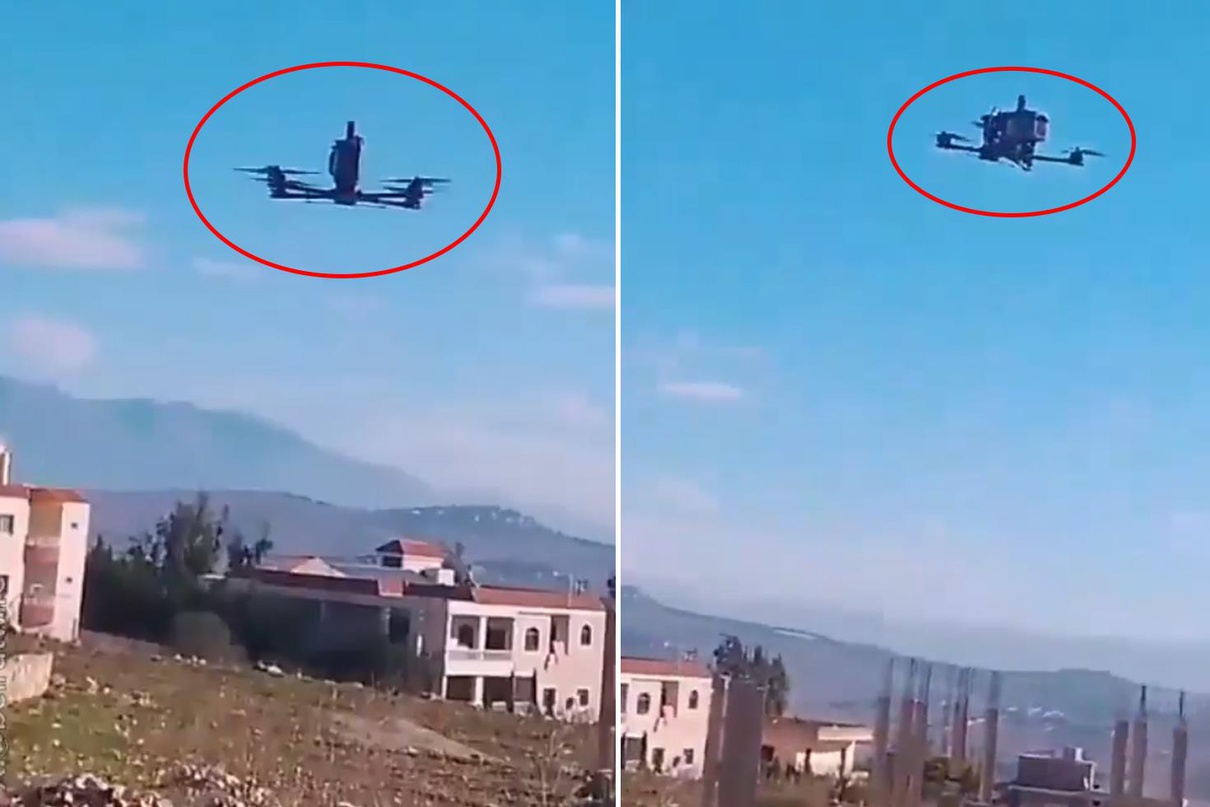
- Likely, the dispute over Hezbollah's weapons will remain unresolved over the next month, and Israeli military activity in southern Lebanon will continue. One outlet reported Israeli warplanes targeting the area around Kantara and artillery fire around Mansuri, Majdal Selm, Touline and Wadi al-Hujayr on 15 November. It also reported that an Israeli drone exploded near a house in Baraachit on 11 November, with no injuries. On 11 November, Naim Qassem said Hezbollah must retain its weapons and urged Lebanese authorities to stop discussing disarmament while Israeli attacks continue. The strike reports and Qassem's statements have limited independent corroboration, so confidence in this forecast is low. (Confidence: low · ASSESSED)
- I&W: Independent reporting or official statements confirm further Israeli air or artillery activity around Kantara, Mansuri, Majdal Selm, Touline, Wadi al-Hujayr or Baraachit; this would confirm continued activity. (0-14 days)
- I&W: Lebanese authorities announce an agreed timetable for placing weapons under state control and Hezbollah publicly accepts it; this would weaken the assessment that the dispute remains unresolved. (1-3 months)
Outlook & scenarios
Continued pressure with contained spillover (60%)
Israeli strikes and fire continue intermittently in Gaza, and responsibility for individual ceasefire breaches remains disputed. Humanitarian access improves only incrementally; the announced Egyptian convoy does not by itself establish delivery. Israeli activity in southern Lebanon continues, while the available reporting still shows no sustained Hezbollah-Israel exchange.
Improved humanitarian access and restraint (25%)
Diplomatic pressure and announced relief shipments translate into verified entry of shelter and lifesaving supplies into Gaza. Israeli strikes and fire decline, and the reported flooding does not lead to further documented shelter losses. Israeli military activity in southern Lebanon also subsides, creating more room for discussion of weapons under state control.
Regional escalation (15%)
Further Israeli military activity in southern Lebanon is followed by Hezbollah retaliation, turning the current reports and weapons dispute into sustained exchanges. Gaza strikes continue at the same time, compounding civilian shelter pressure. This is a low-probability, high-impact scenario; the current reporting does not establish that Hezbollah has retaliated.
Recommendations
- Maintain a dated incident ledger for the Abu Younis strike. Keep the 14 to 15 November timing, street-versus-tent descriptions and differing casualty counts unresolved until better corroborated; do not select one account as definitive.
- Separate announced humanitarian shipments from verified entry and distribution. Seek crossing, unloading and agency-distribution updates for the 1,605-tonne convoy and its 12,600 tents, alongside updated reporting on flooded shelters.
- Track Israeli activity at the named southern Lebanon locations and seek independent corroboration before attributing an incident or assessing whether Hezbollah has responded. Record statements from Hezbollah, the IDF and Lebanese authorities separately from verified activity.
- Describe Gaza incidents as reported military activity unless the evidence establishes that a specific incident breached the ceasefire. Attribute casualty figures to the reporting authority and avoid presenting them as independently verified totals.
Confidence & uncertainty
Overall confidence is high for the principal event sequence because multiple independent major-media and wire reports, alongside statements from both the IDF and Hamas, converge on Abu Younis's death. Confidence is lower on the exact strike date, target description and casualty count. The southern Lebanon activity and the flooding report have limited corroboration, and Gaza casualty totals remain attributed to Gaza authorities rather than independently verified.
Alternative analysis (red cell)
The available evidence supports reporting that Hezbollah continued to reject disarmament and that Israeli activity was reported in southern Lebanon on 15 November. It does not, however, distinguish between a durable political deadlock and a temporary negotiating position, nor does it establish a continuing operational pattern beyond the reported incidents. A more defensible reading is that both the dispute and Israeli activity remain uncertain over the forecast period, rather than that continuation is the most likely outcome.
Intelligence gaps
- [EEI 1.1 · UNCOVERED] Number, type and geolocated coordinates of projectiles (rockets, mortars, anti-tank guided missiles) fired from Lebanon into Israel in the last 24/72 hours, including time-stamped launch and impact locations. Recommended collection: signals/intel
- [EEI 1.2 · UNCOVERED] Satellite or aerial imagery showing movement, concentration, or forward displacement of Hezbollah-associated military assets (armored vehicles, artillery pieces, mobile rocket launchers, logistics convoys) to positions within 0-10 km of the Israel-Lebanon border. Recommended collection: satellite/imagery
- [EEI 1.3 · UNCOVERED] Intercepted or captured Hezbollah command-and-control communications or orders explicitly directing cross-border operations or coordinated strikes with Palestinian groups (time-stamped messages, unit identifiers, orders to fire/move). Recommended collection: signals/intel
- [EEI 1.4 · UNCOVERED] Observable changes in Israeli northern-front posture within Israel (numbers and types of reinforcements deployed to northern brigades, activation of reserves, air defense redeployments, evacuation orders or shelter alerts in northern towns), including timestamps and unit IDs where available. Recommended collection: human/intel
- [EEI 2.1 · UNCOVERED] Official or corroborated reports of IDF reservist mobilization and unit-level deployment orders (number of reservists called, named brigades/units ordered to deploy, deployment timelines). Recommended collection: open-source/media
- [EEI 2.2 · UNCOVERED] Satellite or ground imagery showing concentrations of IDF heavy equipment (tanks, infantry fighting vehicles, engineering vehicles), staging areas, field hospitals or forward supply dumps within X km of the Gaza border and at known crossing points. Recommended collection: satellite/imagery
- [EEI 2.3 · PARTIAL] Change in strike patterns consistent with pre-ground-attack shaping: sustained high-frequency airstrikes on tunnel networks, command nodes, coastal launch sites, and known insurgent concentrations (strike counts, munition types, locations, times). Recommended collection: open-source/media
- [EEI 2.4 · UNCOVERED] Logistics indicators: verified convoys of fuel/ammunition entering staging areas, establishment of forward logistics or medical bases, or documented requisitioning orders for bulk combat supplies with timestamps and quantities. Recommended collection: human/intel
- [EEI 3.1 · UNCOVERED] Number, participants and content of diplomatic contacts or negotiation sessions in the last 48 hours involving mediators (Egypt, Qatar, US, UN), including any proposed ceasefire text, prisoner/exchange lists, timelines or verification mechanisms. Recommended collection: diplomatic
- [EEI 3.2 · UNCOVERED] Public statements, press releases or verified communiqués from Hamas and other Gaza armed groups specifying acceptance, rejection, or conditions for a ceasefire (explicit conditions such as prisoner release lists, withdrawal terms, lifting of blockades), with timestamps and speaker attribution. Recommended collection: open-source/media
- [EEI 3.3 · PARTIAL] Humanitarian indicators relevant to ceasefire: establishment and operation of agreed humanitarian corridors/checkpoints, number of aid deliveries admitted, civilian evacuations completed, and NGO/hospital reports of access denials or safe-passage violations. Recommended collection: humanitarian/NGO reports
- [EEI 3.4 · PARTIAL] Operational evidence of a de facto pause: verified sustained reduction (e.g., ≥12 hours) in strikes or launches from either side in specific sectors, supported by strike/impact logs, radar tracks and incident reports. Recommended collection: open-source/media
Red cell review: PARTIAL DISSENT
TLP:CLEAR