TLP:CLEAR · Disclosure is not limited.
Israel-Gaza and Lebanon: Ceasefire Strain and Escalation Risks
Time window: Last 7 days · Audience: General analyst · Type: Situation report · DTG: 2026-11-18 13:19Z · Overall confidence: MEDIUM
BLUF
Gaza's ceasefire is under acute strain: reporting describes near-daily Israeli strikes, unmet commitments by both Israel and Hamas, and no Israeli decisions on arrangements for a civilian Palestinian police force. Israel is continuing military operations in southern Lebanon, while Defence Minister Israel Katz has publicly described additional territorial seizures as a contingency, not a confirmed operation.
Executive summary
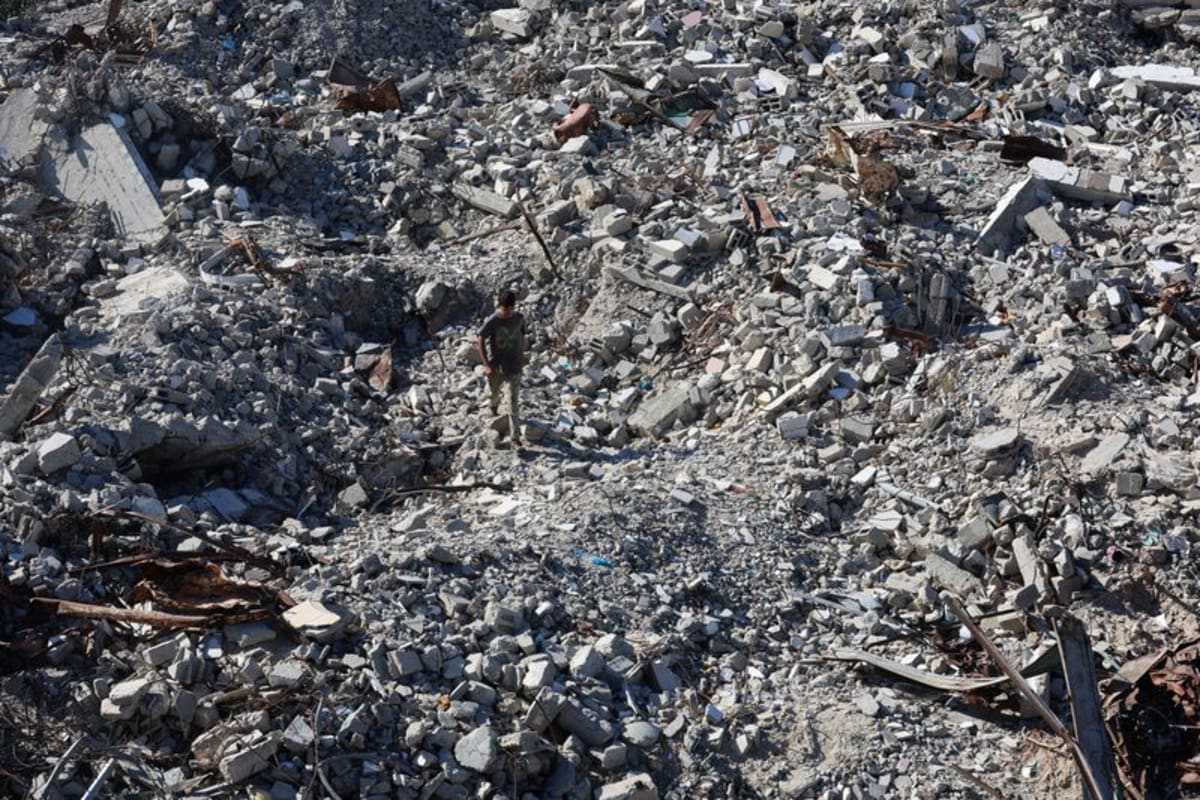
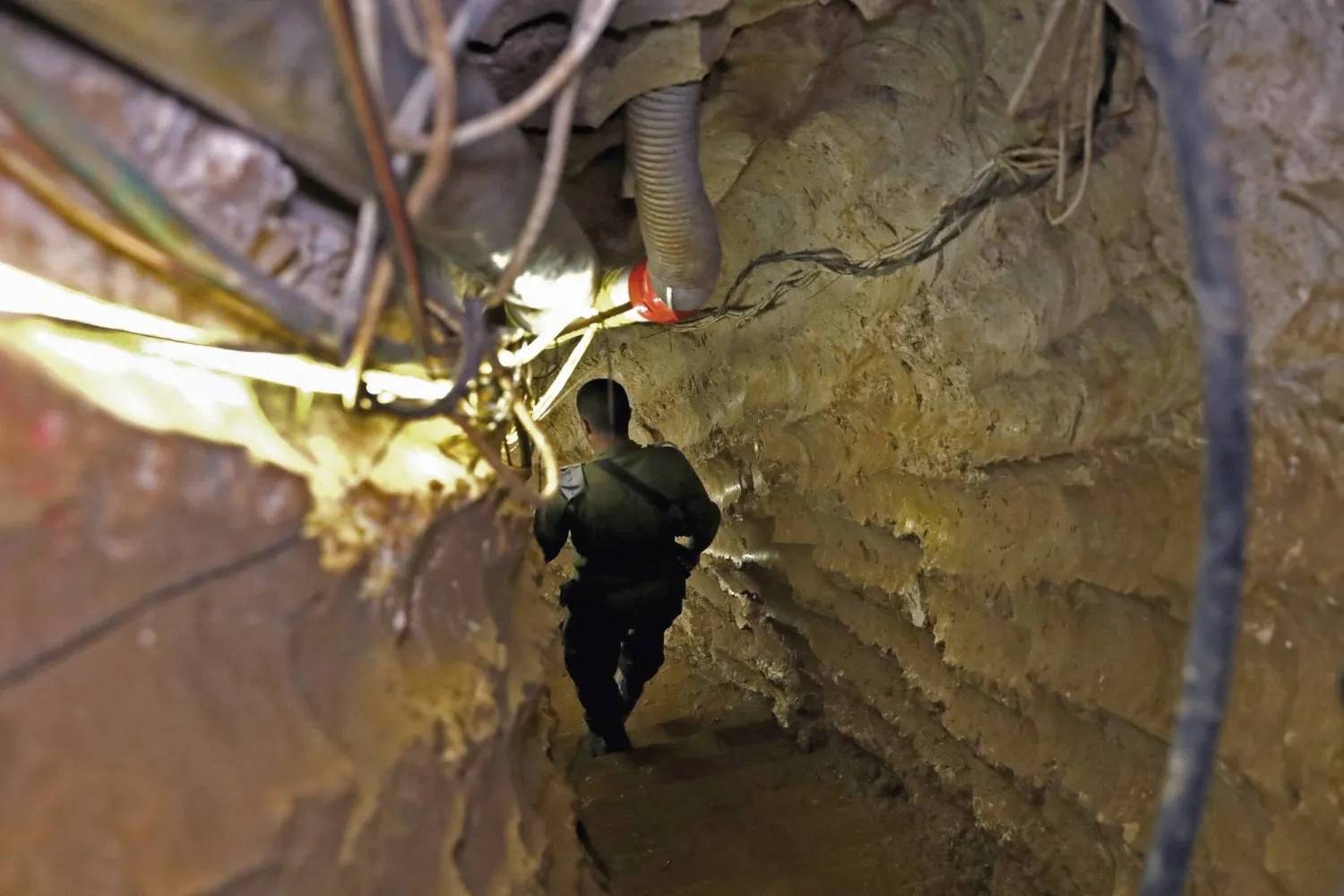
The Board of Peace told the UN Security Council on 18 November that Israel and Hamas had both failed to meet their Gaza ceasefire commitments. It also criticised the absence of Israeli decisions on training and deploying a civilian Palestinian police force; Hamas official Basem Naim dismissed the report as disinformation, and Israel rejected its roadmap. Heavy rain has flooded displacement camps in Gaza, where the UK reports nearly 4,000 households without shelter and 1.4 million people living in tents or makeshift shelters. In Lebanon, Israeli forces struck a suspected Hezbollah-bound weapons shipment near Janta on 15 November and reported tunnel operations and detentions on 16 November. Katz said on 18 November that the IDF was prepared to seize more territory if fighting resumed. The UK sanctions imposed on 17 November have prompted Gideon Saar to say Israel is considering countermeasures, but no specific measure has been announced.
Change from previous assessment
Since the 17 November brief, the principal new development is the Board of Peace's 18 November report accusing both Israel and Hamas of failing to meet Gaza ceasefire commitments and criticising the absence of Israeli decisions on a civilian police force. Katz has also publicly linked possible renewed fighting to further territorial seizures and permanent security zones across Gaza, Lebanon and Syria. The UK-Israel sanctions judgement remains, but Saar's latest statement says a wide range of countermeasures is under consideration; no specific measure is reported. The Lebanon assessment now incorporates the 15-16 November Janta, Shebaa and Majdal Zoun operations. This is a change in evidence and scope, not confirmation of direct Israel-Hezbollah fire.
Key judgments
- Likely, near-daily Israeli strikes and unresolved implementation disputes will keep Gaza's ceasefire under severe strain through 18 December. Reuters reported that the Board of Peace accused both Israel and Hamas of failing to meet their commitments, while Israel rejected the roadmap and the Board criticised the lack of decisions on a civilian Palestinian police force. Hamas official Basem Naim rejected the Board's account, leaving the parties' competing descriptions unresolved. Confidence is medium: Reuters is a reliable wire service, but the ceasefire findings and strike frequency in this reporting rely principally on its account. (Confidence: medium · ASSESSED)
- I&W: Confirm if Reuters or UN reporting records Israeli strikes in Gaza on at least five days during the next 14 days; break if reporting records seven consecutive days without strikes. (0-14 days)
- I&W: Confirm if the Board of Peace or UN reports no Israeli decision on the civilian police arrangements; break if Israel publishes a training and deployment plan and reporting records progress on the agreed transfer of governance. (0-30 days)
- Very likely, Gaza's shelter crisis will remain acute through 18 December. The UK reports that floods left nearly 4,000 households without shelter and 1.4 million people in tents or makeshift shelters; it also relays UN figures for more than 150,000 tents and 300,000 tarpaulins held outside Gaza by Israeli authorities. Reuters separately reported that heavy rain inundated displacement camps and more rain was expected later in November. Confidence is medium: the UK statement and Reuters reporting support the continuing crisis, but the underlying shelter and aid-supply totals are not independently reconciled in the available reporting. (Confidence: medium · ASSESSED)
- I&W: Confirm if UK or UN reporting continues to identify flood-related displacement or households without shelter; break if updated reporting shows the affected household count falling and no further camp inundation. (0-30 days)
- I&W: Confirm if UK or UN reporting still lists the tents and tarpaulins outside Gaza as held by Israeli authorities; break if reporting documents their entry into Gaza. (0-30 days)
- Likely, Israel will continue military operations in southern Lebanon through 18 December, while Hezbollah disarmament remains stalled. Reporting describes the Israeli Air Force strike near Janta on 15 November, Israeli operations in Shebaa and Majdal Zoun on 16 November, and Israel's position that it will not withdraw from occupied southern Lebanon until Hezbollah is disarmed. Hezbollah Secretary-General Naim Qassem has rejected disarmament while Israeli occupation and attacks continue. Katz's 18 November statement that the IDF is prepared to seize more territory if fighting resumes is a declared contingency, not evidence that a new seizure is under way. Confidence is medium: major-media reports describe specific operations and positions, but key operational claims originate with Israeli military statements and there is no independent confirmation of the stated threat from Hezbollah. (Confidence: medium · ASSESSED)
- I&W: Confirm if reporting records another Israeli airstrike, detention or ground operation in southern Lebanon; break if Israel announces a halt to operations and reports document a sustained suspension. (0-30 days)
- I&W: Confirm if Hezbollah or Israel reports a direct attack between their forces; break if both sides publicly endorse a disarmament or withdrawal arrangement and reporting documents its implementation. (0-30 days)
- Likely, UK-Israel diplomatic friction will deepen through 18 December, although announced Israeli countermeasures have not become a reported policy action. The UK imposed sanctions on eight settlement-linked companies and Tzav 9 on 17 November. Gideon Saar called the measures hostile and said Israel was considering a wide range of responses. Confidence is medium: the UK announcement is supported by an official statement and media reporting, while Saar's stated intention is reported but no specific countermeasure has been identified. (Confidence: medium · ASSESSED)
- I&W: Confirm if Israel announces a specific countermeasure against the UK or the sanctioned companies; break if Israel publicly withdraws the threat or announces no countermeasure. (0-14 days)
- I&W: Confirm if the UK or Israeli government announces a new measure or formal diplomatic response tied to the sanctions; break if both publicly signal resolution without additional action. (0-30 days)
Outlook & scenarios
Gaza ceasefire continues under recurring violations (65%)
Likely, the ceasefire remains in place while Israeli strikes continue and Israel and Hamas make little progress on the Board of Peace roadmap. Flood-related shelter needs remain acute, adding pressure to the arrangements without themselves indicating that the ceasefire has ended.
Partial implementation eases pressure (27%)
Unlikely, Israel and Hamas take limited steps towards the roadmap, such as Israeli decisions on civilian police arrangements and progress on the governance transfer Hamas agreed to in July. A reduction in reported strikes and entry of held shelter supplies would provide observable evidence of easing pressure.
Wildcard: renewed fighting and expanded security zones (8%)
Low probability, high impact. If fighting resumes, Katz has said the IDF is prepared to seize additional territory, evacuate residents and establish permanent security zones in Lebanon, Syria and Gaza. Such action would mark a sharp escalation from the reported operations and conditional statements now in the record.
Recommendations
- For the next two weeks, track reported Israeli strike frequency in Gaza and compare each new Board of Peace or UN update with the specific commitments it identifies for Israel and Hamas. Treat social-media descriptions of imminent collapse as unverified unless confirmed by the report itself or reliable reporting.
- Request regular updates on flood-affected households and on whether the reported tents and tarpaulins held outside Gaza have entered. Keep the UK-reported shelter totals separate from confirmed aid-delivery figures.
- Monitor Israeli air and ground activity at Janta, Shebaa and Majdal Zoun, alongside public statements or reported attacks by Hezbollah. Treat Katz's territorial-seizure statement as a contingency unless reporting identifies orders, movements or evacuations.
- Track whether Israel announces a specific response to the UK sanctions. Distinguish Saar's statement that countermeasures are under consideration from an implemented government action.
Confidence & uncertainty
Overall confidence is medium. Reuters provides reliable reporting on the Board of Peace findings and recent Gaza developments, while the UK government provides a primary account of its sanctions and humanitarian claims. Major-media reporting describes specific Israeli operations in Lebanon and attributes key positions to Israeli and Hezbollah officials. Confidence is limited by reliance on official statements for some operational claims, unreconciled Gaza shelter and aid totals, and competing Israeli and Hamas accounts of ceasefire compliance.
Alternative analysis (red cell)
The available evidence indicates that UK-Israel relations are strained, but not that the dispute is likely to deepen materially by 18 December. Israel's response remains a stated possibility rather than an implemented measure, so the most defensible reading is continued diplomatic friction with escalation unresolved.
Intelligence gaps
- [EEI 1.1 · UNCOVERED] Number, type and geolocated coordinates of projectiles (rockets, mortars, anti-tank guided missiles) fired from Lebanon into Israel in the last 24/72 hours, including time-stamped launch and impact locations. Recommended collection: signals/intel
- [EEI 1.2 · UNCOVERED] Satellite or aerial imagery showing movement, concentration, or forward displacement of Hezbollah-associated military assets (armored vehicles, artillery pieces, mobile rocket launchers, logistics convoys) to positions within 0-10 km of the Israel-Lebanon border. Recommended collection: satellite/imagery
- [EEI 1.3 · UNCOVERED] Intercepted or captured Hezbollah command-and-control communications or orders explicitly directing cross-border operations or coordinated strikes with Palestinian groups (time-stamped messages, unit identifiers, orders to fire/move). Recommended collection: signals/intel
- [EEI 1.4 · UNCOVERED] Observable changes in Israeli northern-front posture within Israel (numbers and types of reinforcements deployed to northern brigades, activation of reserves, air defense redeployments, evacuation orders or shelter alerts in northern towns), including timestamps and unit IDs where available. Recommended collection: human/intel
- [EEI 2.1 · UNCOVERED] Official or corroborated reports of IDF reservist mobilization and unit-level deployment orders (number of reservists called, named brigades/units ordered to deploy, deployment timelines). Recommended collection: open-source/media
- [EEI 2.2 · UNCOVERED] Satellite or ground imagery showing concentrations of IDF heavy equipment (tanks, infantry fighting vehicles, engineering vehicles), staging areas, field hospitals or forward supply dumps within X km of the Gaza border and at known crossing points. Recommended collection: satellite/imagery
- [EEI 2.3 · PARTIAL] Change in strike patterns consistent with pre-ground-attack shaping: sustained high-frequency airstrikes on tunnel networks, command nodes, coastal launch sites, and known insurgent concentrations (strike counts, munition types, locations, times). Recommended collection: open-source/media
- [EEI 2.4 · UNCOVERED] Logistics indicators: verified convoys of fuel/ammunition entering staging areas, establishment of forward logistics or medical bases, or documented requisitioning orders for bulk combat supplies with timestamps and quantities. Recommended collection: human/intel
- [EEI 3.1 · UNCOVERED] Number, participants and content of diplomatic contacts or negotiation sessions in the last 48 hours involving mediators (Egypt, Qatar, US, UN), including any proposed ceasefire text, prisoner/exchange lists, timelines or verification mechanisms. Recommended collection: diplomatic
- [EEI 3.2 · PARTIAL] Public statements, press releases or verified communiqués from Hamas and other Gaza armed groups specifying acceptance, rejection, or conditions for a ceasefire (explicit conditions such as prisoner release lists, withdrawal terms, lifting of blockades), with timestamps and speaker attribution. Recommended collection: open-source/media
- [EEI 3.3 · PARTIAL] Humanitarian indicators relevant to ceasefire: establishment and operation of agreed humanitarian corridors/checkpoints, number of aid deliveries admitted, civilian evacuations completed, and NGO/hospital reports of access denials or safe-passage violations. Recommended collection: humanitarian/NGO reports
- [EEI 3.4 · PARTIAL] Operational evidence of a de facto pause: verified sustained reduction (e.g., ≥12 hours) in strikes or launches from either side in specific sectors, supported by strike/impact logs, radar tracks and incident reports. Recommended collection: open-source/media
Red cell review: PARTIAL DISSENT
TLP:CLEAR