TLP:CLEAR · Disclosure is not limited.
Israel-Gaza and Lebanon: Escalation and Humanitarian Pressures
Time window: Last 7 days · Audience: General analyst · Type: Situation report · DTG: 2026-11-17 13:15Z · Overall confidence: MEDIUM
BLUF
Israeli strikes in Gaza and Lebanon are likely to continue in localised form, while flooding, shelter shortages and transport constraints deepen pressure on Gaza’s health services. Reporting does not establish renewed direct fire between Israel and Hezbollah, and accounts of shelter supplies entering Gaza remain contested.
Executive summary
Reporting from 10 to 17 November describes an Israeli strike on Nasser Hospital in Khan Younis and the killing of Samir Mahmoud Abu Younis, commander of Hamas’ Rafah Brigade. Flooding has damaged shelters, and a reported transport crisis is affecting Gaza health workers. In Lebanon, Israel struck near Janta and the Beqaa Valley and reported finding weapons and a tunnel in the south; Hezbollah continues to reject disarmament, while the Lebanese army has raided a weapons warehouse. US Ambassador Mike Waltz met Lebanese President Joseph Aoun and Prime Minister Nawaf Salam. We assess that localised operations are more likely than a rapid reduction in pressure on either ceasefire.
Change from previous assessment
Since the prior brief, new reporting adds the Nasser Hospital strike, the killing of Rafah Brigade commander Samir Mahmoud Abu Younis, detailed flood impacts and a reported deterioration in health-worker transport. Lebanon reporting now includes the Beqaa Valley strike, IDF reports of weapons caches and tunnel demolition, Hezbollah’s public rejection of disarmament, Lebanese army action against a weapons warehouse and Mike Waltz’s meetings with Lebanese leaders. Confidence in the assessment that Israeli operations in Lebanon will continue has risen from low to medium because reporting now covers multiple operations and public positions, although the Janta target remains disputed. The earlier assessment of UK sanctions and aid-access pressure is unchanged.
Key judgments
- Likely, Israeli strikes in Gaza will continue in localised form through 1 December. Reporting says the IDF killed Samir Mahmoud Abu Younis, commander of Hamas’ Rafah Brigade, in a strike overnight on 14 November, and that Hamas acknowledged his death. A separate headline report dates the strike to 16 November. Palestinian officials attributed at least six deaths and 40 injuries to the Nasser Hospital strike in Khan Younis; the IDF said it targeted Hamas commander Muhammad Abu Ismail and other operatives, but did not confirm whether Abu Ismail was killed. Israeli Defence Minister Israel Katz said the offensive policy would continue until Gaza is demilitarised and Hamas is absent. These reports support continued strikes, but do not establish a near-daily rate. (Confidence: medium · ASSESSED)
- I&W: A new IDF strike in a named Gaza location is reported by the IDF, Palestinian health officials or UN monitors. (0-14 days)
- I&W: No new Israeli strike in Gaza is reported by the IDF or Palestinian health officials through 1 December. (0-14 days)
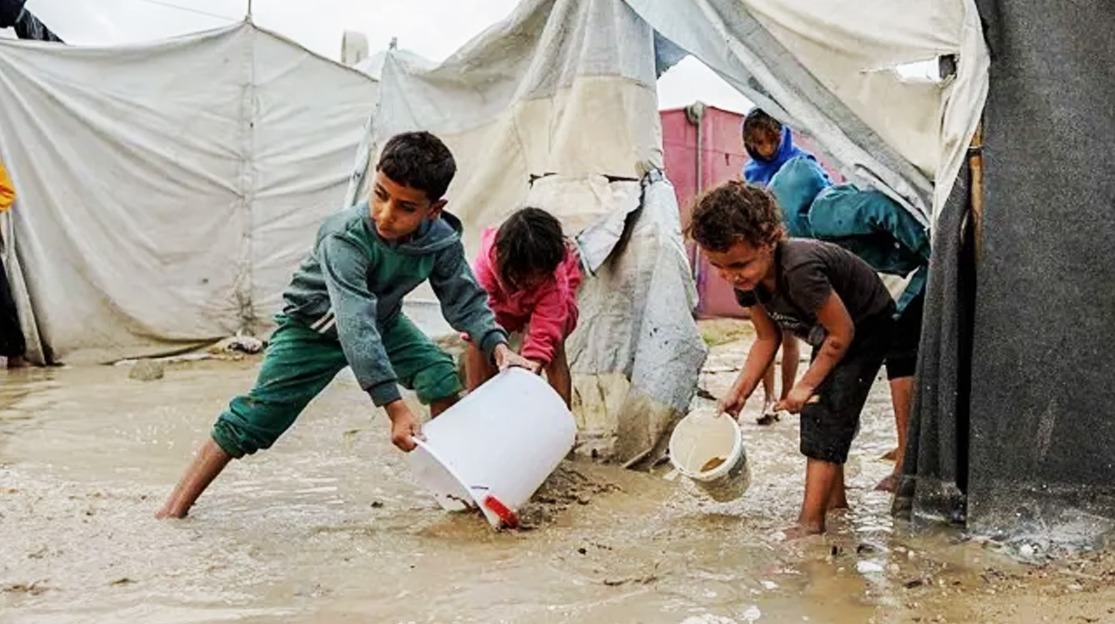
- Very likely, Gaza’s shelter needs will remain acute through 1 December. A report citing UN OCHA says flooding and a landslide caused deaths, damaged thousands of shelters and suspended critical services; another report says nearly 4,000 households were left without shelter and 1.4 million people live in tents or makeshift shelters. The UN, as cited by the UK Foreign, Commonwealth & Development Office, says more than 150,000 tents and 300,000 tarpaulins are held outside Gaza. The Israeli military authority says 93,000 tents and 8,600 aid trucks carrying winter supplies have entered. These accounts may cover different parts of the aid pipeline, but the figures are not reconciled. (Confidence: medium · ASSESSED)
- I&W: UN OCHA reports further flood damage to shelters or additional households displaced by flooding. (0-14 days)
- I&W: The UN and the Israeli crossing authority publish updated, consistent figures showing shelter supplies entering Gaza and shelter coverage improving. (0-14 days)
- Likely, Gaza health-sector transport constraints will persist into early December. A single Al Jazeera report says three companies contracted by the Gaza Ministry of Health provide 96 buses serving about 5,000 health workers; one company has stopped service after its 44 buses went out of operation. The report cites about 2.5 million shekels in unpaid dues accumulated over roughly five months and a Ministry official’s warning that remaining services are threatened. The official said a shutdown would put surgery, incubator care and dialysis at risk. This forward judgement rests on one outlet’s reporting, including statements from Ministry officials and transport representatives. (Confidence: medium · ASSESSED)
- I&W: The Ministry of Health or transport providers report another contracted company suspending bus service or a fall below the reported 25 operating buses. (0-14 days)
- I&W: The Ministry or transport providers report payment of outstanding dues and restoration of service on the affected health-worker routes. (0-14 days)
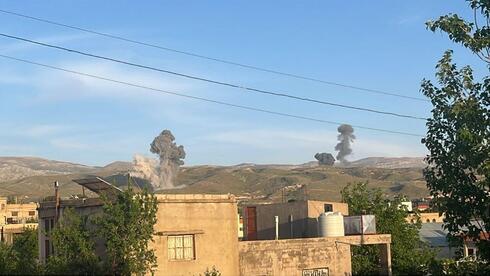
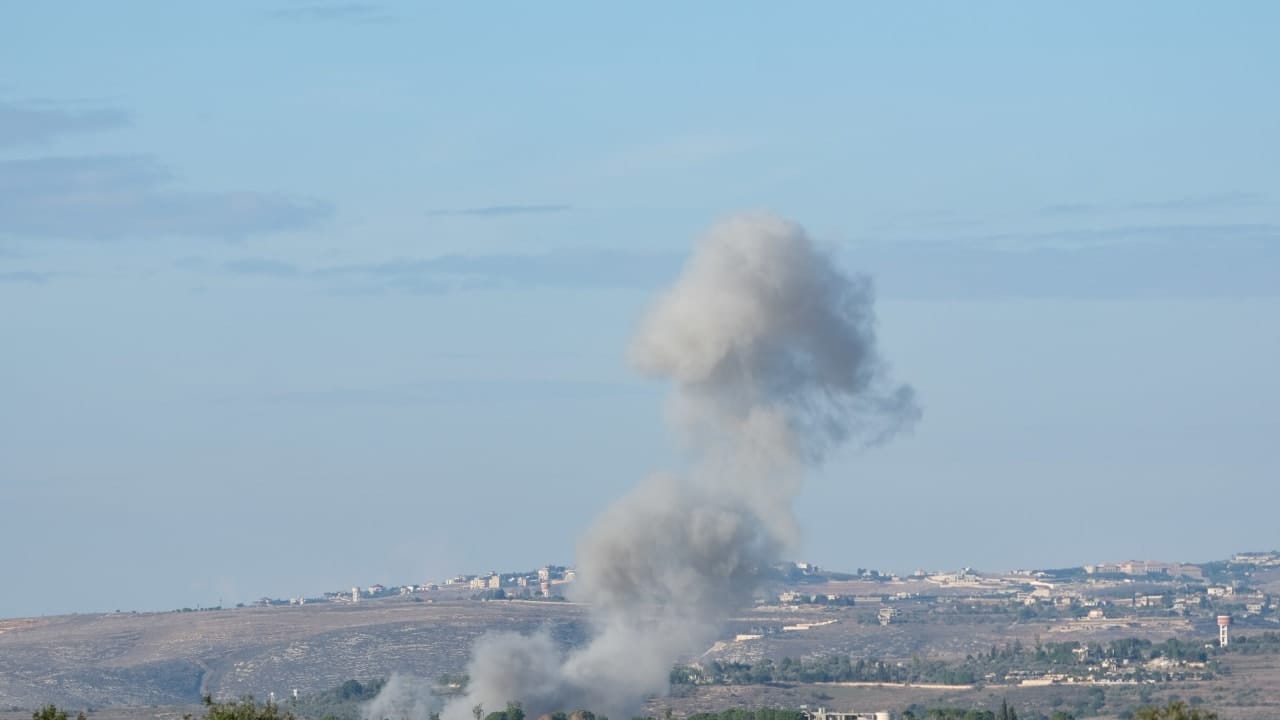
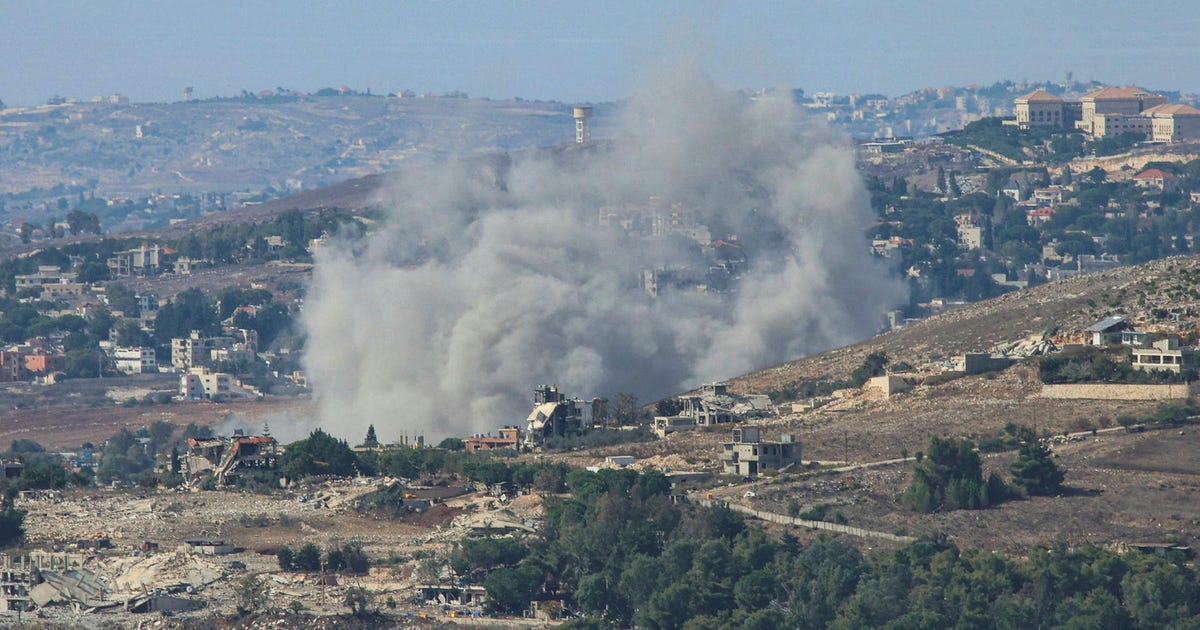
- Likely, Israeli military activity in Lebanon will continue through 17 December, keeping the ceasefire understandings under pressure. The Israel Air Force struck near Janta on 15-16 November, and an Israeli strike was also reported in the Al-Shaara area of the Beqaa Valley on 16 November. Accounts differ on whether the Janta strike targeted a weapons shipment or operatives. The IDF also reported weapons-cache discoveries and the destruction of a roughly 115-foot tunnel in Majdal Zoun. Hezbollah rejects disarmament, and Naim Qassem called on 11 November for Lebanese authorities to withdraw from the framework agreement. Israel has reaffirmed its commitment to the ceasefire while saying it will remain deployed in Lebanon. The reporting describes pressure on the understandings, but does not establish renewed direct fire between Israel and Hezbollah. (Confidence: medium · ASSESSED)
- I&W: The IDF reports another strike or ground operation in Lebanon, including near Janta, the Beqaa Valley or the southern Lebanon Security Zone. (0-30 days)
- I&W: No new IDF strike or ground operation is reported for 14 consecutive days, alongside an Israeli statement of withdrawal or compliance with the ceasefire. (0-30 days)
Outlook & scenarios
Contained enforcement continues (65%)
Likely, Israeli strikes in Gaza and Lebanon remain localised, while humanitarian access and health transport stay constrained in Gaza. The Lebanese army’s reported weapons seizure and US engagement with Joseph Aoun and Nawaf Salam continue without resolving Hezbollah’s refusal to disarm.
Regional escalation draws in Hezbollah (20%)
Unlikely, but high impact. If renewed fighting between Israel and Iran intensifies, Hezbollah enters direct exchanges with Israel. Israeli officials have already expressed concern that renewed fighting with Iran would draw Hezbollah in; a direct exchange would widen the current Lebanon ceasefire pressure.
Aid access improves and military pressure eases (15%)
An Israeli decision to allow more shelter supplies into Gaza, alongside continued US engagement in Lebanon, reduces immediate humanitarian and military pressure. This scenario would require verifiable movement of supplies the UN says are outside Gaza and a pause in reported Israeli strikes in Lebanon.
Recommendations
- Maintain a dated Gaza incident log that separates the reported Rafah Brigade commander strike from the Nasser Hospital strike. Record each source’s account of the target, casualties and event date before assessing whether the pace of strikes has changed.
- Track tent and winter-supply figures by source, date and item. Keep the Israeli military authority’s reported deliveries separate from the UN figures for tents and tarpaulins held outside Gaza until the quantities and time periods are reconciled.
- Monitor the Gaza Ministry of Health’s reported 2.5 million shekels in transport dues, the number of operating buses and any route suspensions. Flag reported impacts on surgery, incubator care and dialysis separately from general health-service disruption.
- Track Israeli strikes and ground operations in Lebanon alongside Hezbollah statements, Lebanese army weapons seizures and follow-up meetings between Mike Waltz and Lebanese leaders. Distinguish attacks on alleged weapons shipments from strikes reported as targeting operatives.
Confidence & uncertainty
Overall confidence is medium. Contemporaneous major-media reports and official statements support the main developments in Gaza and Lebanon, including the Lebanon strikes and the Gaza hospital and commander incidents. Confidence is limited by reliance on claims from parties to the conflicts, conflicting accounts of shelter-supply deliveries, differing descriptions of the Janta strike target, a discrepancy in the Rafah commander strike date and the single-outlet reporting on Gaza health transport.
Intelligence gaps
- [EEI 1.1 · UNCOVERED] Number, type and geolocated coordinates of projectiles (rockets, mortars, anti-tank guided missiles) fired from Lebanon into Israel in the last 24/72 hours, including time-stamped launch and impact locations. Recommended collection: signals/intel
- [EEI 1.2 · UNCOVERED] Satellite or aerial imagery showing movement, concentration, or forward displacement of Hezbollah-associated military assets (armored vehicles, artillery pieces, mobile rocket launchers, logistics convoys) to positions within 0-10 km of the Israel-Lebanon border. Recommended collection: satellite/imagery
- [EEI 1.3 · UNCOVERED] Intercepted or captured Hezbollah command-and-control communications or orders explicitly directing cross-border operations or coordinated strikes with Palestinian groups (time-stamped messages, unit identifiers, orders to fire/move). Recommended collection: signals/intel
- [EEI 1.4 · UNCOVERED] Observable changes in Israeli northern-front posture within Israel (numbers and types of reinforcements deployed to northern brigades, activation of reserves, air defense redeployments, evacuation orders or shelter alerts in northern towns), including timestamps and unit IDs where available. Recommended collection: human/intel
- [EEI 2.1 · UNCOVERED] Official or corroborated reports of IDF reservist mobilization and unit-level deployment orders (number of reservists called, named brigades/units ordered to deploy, deployment timelines). Recommended collection: open-source/media
- [EEI 2.2 · PARTIAL] Satellite or ground imagery showing concentrations of IDF heavy equipment (tanks, infantry fighting vehicles, engineering vehicles), staging areas, field hospitals or forward supply dumps within X km of the Gaza border and at known crossing points. Recommended collection: satellite/imagery
- [EEI 2.3 · PARTIAL] Change in strike patterns consistent with pre-ground-attack shaping: sustained high-frequency airstrikes on tunnel networks, command nodes, coastal launch sites, and known insurgent concentrations (strike counts, munition types, locations, times). Recommended collection: open-source/media
- [EEI 2.4 · UNCOVERED] Logistics indicators: verified convoys of fuel/ammunition entering staging areas, establishment of forward logistics or medical bases, or documented requisitioning orders for bulk combat supplies with timestamps and quantities. Recommended collection: human/intel
- [EEI 3.1 · UNCOVERED] Number, participants and content of diplomatic contacts or negotiation sessions in the last 48 hours involving mediators (Egypt, Qatar, US, UN), including any proposed ceasefire text, prisoner/exchange lists, timelines or verification mechanisms. Recommended collection: diplomatic
- [EEI 3.2 · UNCOVERED] Public statements, press releases or verified communiqués from Hamas and other Gaza armed groups specifying acceptance, rejection, or conditions for a ceasefire (explicit conditions such as prisoner release lists, withdrawal terms, lifting of blockades), with timestamps and speaker attribution. Recommended collection: open-source/media
- [EEI 3.3 · PARTIAL] Humanitarian indicators relevant to ceasefire: establishment and operation of agreed humanitarian corridors/checkpoints, number of aid deliveries admitted, civilian evacuations completed, and NGO/hospital reports of access denials or safe-passage violations. Recommended collection: humanitarian/NGO reports
- [EEI 3.4 · PARTIAL] Operational evidence of a de facto pause: verified sustained reduction (e.g., ≥12 hours) in strikes or launches from either side in specific sectors, supported by strike/impact logs, radar tracks and incident reports. Recommended collection: open-source/media
Red cell review: CONCUR WITH COMMENT
TLP:CLEAR