TLP:CLEAR · Disclosure is not limited.
Israel-Gaza Ceasefire Strain and Regional Escalation
Time window: Last 7 days · Audience: General analyst · Type: Situation report · DTG: 2026-09-03 13:13Z · Overall confidence: HIGH
BLUF
Very likely Israeli strikes and raids will continue in Gaza, keeping the 10 October 2025 Israel-Hamas ceasefire operationally unstable. Very likely US-Iran exchanges and Strait of Hormuz disruption will persist in the near term, while humanitarian conditions in Gaza and the West Bank deteriorate and the risk of renewed Hezbollah-Israel escalation remains roughly even but poorly corroborated.
Executive summary
Israeli forces captured Hamas security chief Mouin Mohammed Al-Arabeed near Gaza City on 1 September, after which Hamas warned that the ceasefire could collapse. OCHA and WHO continue to report Israeli strikes and civilian harm despite the ceasefire. WFP has announced assistance cuts affecting 200,000 people and warned that up to 90 per cent of Gaza's population could face high acute food insecurity by the end of 2026 if food aid does not continue. In the West Bank, settler attacks, Israeli military operations and demolitions continue, including the demolition of Khirbet al-Tabban and violence in Qusra and al-Mughayyir. US-Iran strikes on 1 and 2 September have sustained threats to US positions and commercial shipping, with Mitsui OSK expecting Strait of Hormuz disruption beyond year-end. Reporting on an approaching confrontation in southern Lebanon and a Hezbollah tactical shift is limited mainly to low-proximity social-media sources.
Change from previous assessment
Since the 2 September brief, the direction of the Gaza assessment is unchanged: Israeli activity remains very likely, with fresh reporting on the 1 September capture of Mouin Mohammed Al-Arabeed and further OCHA and WHO reports, but confidence remains medium because Hamas and the IDF provide conflicting accounts of raid casualties. The humanitarian assessment has broadened with WFP's announcement that about 200,000 people will lose assistance, its $386 million funding requirement, and WHO reporting that water contamination has almost tripled and acute watery diarrhoea cases have nearly doubled. The US-Iran and Strait of Hormuz assessments now have additional 1-2 September strike reporting, tanker deaths, QatarEnergy cargo cancellations and a Mitsui OSK forecast extending disruption beyond year-end. New West Bank reporting covers Qusra, al-Mughayyir and Khirbet al-Tabban, reinforcing the prior medium-confidence judgment that violence and Israeli operations will continue. Confidence in a Lebanon escalation assessment is lowered from medium to low because the current reporting window provides mainly Al Hadath social-media reporting rather than corroborated incident reporting.
Key judgments
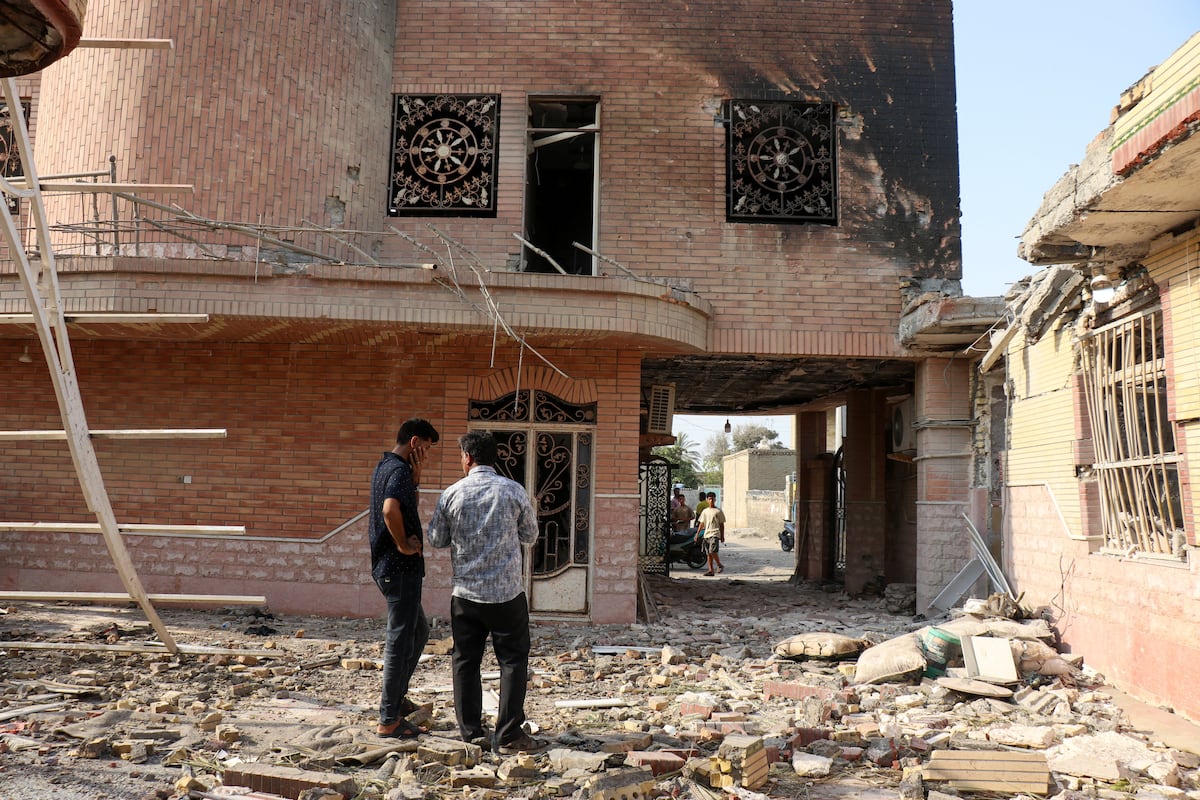
- Very likely Israeli strikes, demolitions and raids will continue in Gaza over the next 0-14 days and 1-3 months, leaving the 10 October 2025 Israel-Hamas ceasefire operationally unstable. OCHA reported air strikes and civilian casualties despite the ceasefire; WHO reported a nearby strike that killed several people while Dr Renee van de Werdt was in Gaza City on 31 August; and Hamas reported intensified Israeli attacks, including the demolition of homes in southern Gaza and gunfire targeting fishermen. Israeli forces captured Hamas security chief Mouin Mohammed Al-Arabeed near Gaza City on 1 September, after which Hamas warned that the ceasefire could collapse. Hamas claimed its fighters killed several Israeli soldiers during the raid, while the IDF denied casualties, leaving that element unverified. Confidence is medium because OCHA, WHO and major-media reporting corroborate continued hostilities, but the raid casualty account and some incident attributions remain contested. (Confidence: medium · ASSESSED)
- I&W: Confirm: OCHA, WHO or UN reporting records another Israeli air strike, demolition, detention raid or civilian casualty in Gaza City, Rafah or southern Gaza. (0-14 days)
- I&W: Break: Israel and Hamas publicly reaffirm and implement the 10 October 2025 ceasefire, with no reported Israeli strike, demolition or raid in Gaza for 14 consecutive days. (0-14 days)
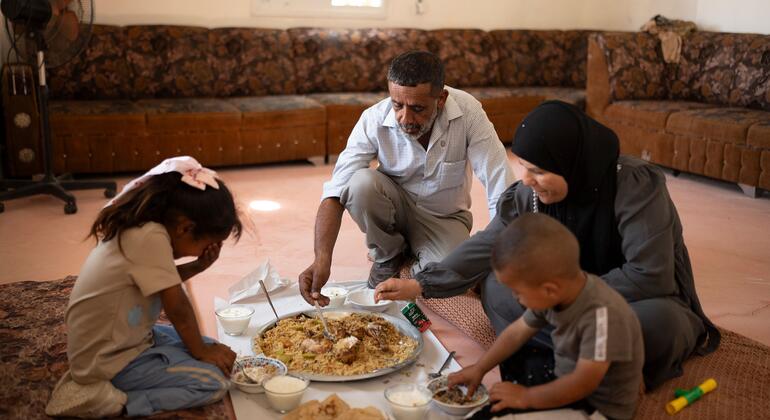
- Very likely severe humanitarian conditions in Gaza will persist and likely worsen over the next 1-3 months, while food insecurity also worsens in the West Bank. WFP announced on 1 September that funding shortfalls would remove critical assistance from about 200,000 people, end cash transfers of about 50 shekels per person per month in the West Bank and require $386 million to avoid further cuts over six months. WFP also warned that up to 90 per cent of Gaza's population could face high acute food insecurity by the end of 2026 if food aid does not continue. WHO reported that water microbiological contamination in Gaza has almost tripled since January and that acute watery diarrhoea cases rose from about 30,000 in March to more than 58,000 in August. Confidence is high because WFP and WHO reporting corroborates the food, funding and public-health trends, although the forecast depends on future aid access and financing. (Confidence: high · ASSESSED)
- I&W: Confirm: WFP announces further reductions beyond the 200,000 people already affected, or WHO reports another increase in water contamination or acute watery diarrhoea cases. (1-3 months)
- I&W: Break: WFP receives the required $386 million, restores food and cash assistance, and WHO reports falling water contamination and diarrhoea cases. (1-3 months)
- Roughly even chance Israeli military activity and Hezbollah-Israel exchanges intensify in southern Lebanon over the next 1-3 months. Al Hadath reported that Hezbollah had adopted a tactical shift described as a doctrine of adaptation and that Israeli assessments pointed to an approaching confrontation. EU ministers also discussed a possible mission to train the Lebanese army as the UNIFIL mandate ends this year, amid reporting of continued Israeli attacks on Lebanon. This judgment rests mainly on two low-proximity Al Hadath social-media reports and indirect political reporting, with no independently corroborated incident sequence in the current reporting window. Confidence is low. (Confidence: low · ASSESSED)
- I&W: Confirm: Hezbollah reports or conducts an attack, or Israel reports a strike, in southern Lebanon, including near the Ali Al-Tahir position, with corroboration from UNIFIL, a wire service or an official source. (0-14 days)
- I&W: Break: 30 consecutive days pass without a reported Hezbollah attack or Israeli strike in southern Lebanon, while UNIFIL and Lebanese authorities report continued deconfliction. (1-3 months)
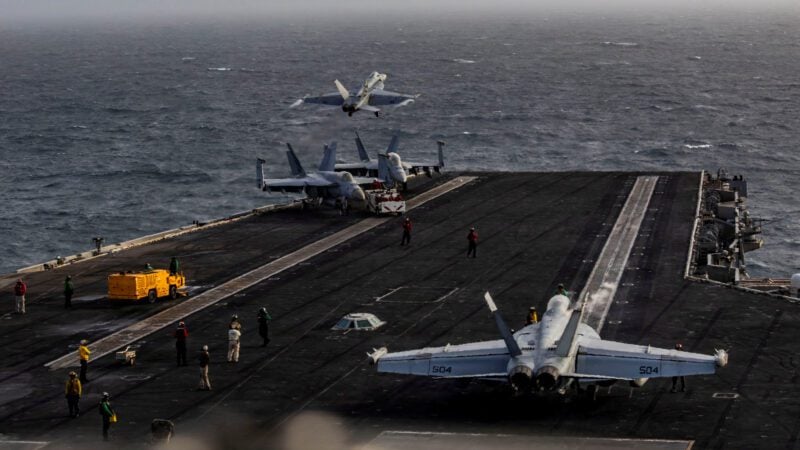
- Very likely US-Iran exchanges and attacks affecting US positions in Bahrain, Jordan, Kuwait and Iraq will continue over the next 0-14 days, sustaining regional escalation. US forces began strikes on IRGC targets in Iran on 1 September and conducted strikes on Iran's southern coast during 1-2 September. Iran launched missile and drone attacks against what it said were US assets in Bahrain, Jordan, Kuwait and Iraq, including an announced attack on Ali Al Salem Air Base in Kuwait. Iran has also threatened to prevent Gulf oil exports if its own exports are blocked. Washington's planned bank, airline, maritime and digital-asset sanctions and Masoud Pezeshkian's offer of immediate reciprocity under the June Memorandum of Understanding sustain competing military and diplomatic tracks. Confidence is medium because the principal strike sequence is corroborated by official and wire reporting, but Iranian casualty figures for the 1 September strikes conflict and the reported wedding strike remains disputed. (Confidence: medium · ASSESSED)
- I&W: Confirm: CENTCOM reports another strike on an IRGC or Iranian military target, or Iran announces or conducts another missile or drone attack against a US facility in Bahrain, Jordan, Kuwait or Iraq. (0-14 days)
- I&W: Break: Washington and Tehran announce and implement reciprocal steps under the June Memorandum of Understanding, with no new strikes for 14 consecutive days. (0-14 days)
- Very likely commercial shipping disruption in the Strait of Hormuz will persist through 31 December 2026, and normal operations are unlikely before then. Iran has threatened oil tankers transiting without Iranian authorisation; two Saudi oil supertankers were struck by unknown projectiles on 31 August; Iran separately attributed tanker damage to mines while US personnel steered the vessels; and a Saudi shipping company reported two Filipino crew members killed aboard an oil tanker. Mitsui OSK CEO Jotaro Tamura said on 3 September that operations were difficult to resume in any form by year-end, while QatarEnergy extended force majeure on LNG deliveries to early November and cancelled 29 cargoes, equivalent to about 3.8 billion cubic metres of gas. Confidence is medium because multiple commercial, trade and wire sources corroborate disruption, but the attack method, attribution and flow estimates remain contested. (Confidence: medium · ASSESSED)
- I&W: Confirm: Another tanker is damaged, threatened or diverted in the Strait of Hormuz, or Mitsui OSK and other shipowners extend their suspension of normal operations beyond year-end. (0-14 days)
- I&W: Break: Iran authorises routine commercial transits, insurers and Japanese shipowners resume normal movements, and QatarEnergy restores cancelled LNG cargoes. (1-3 months)
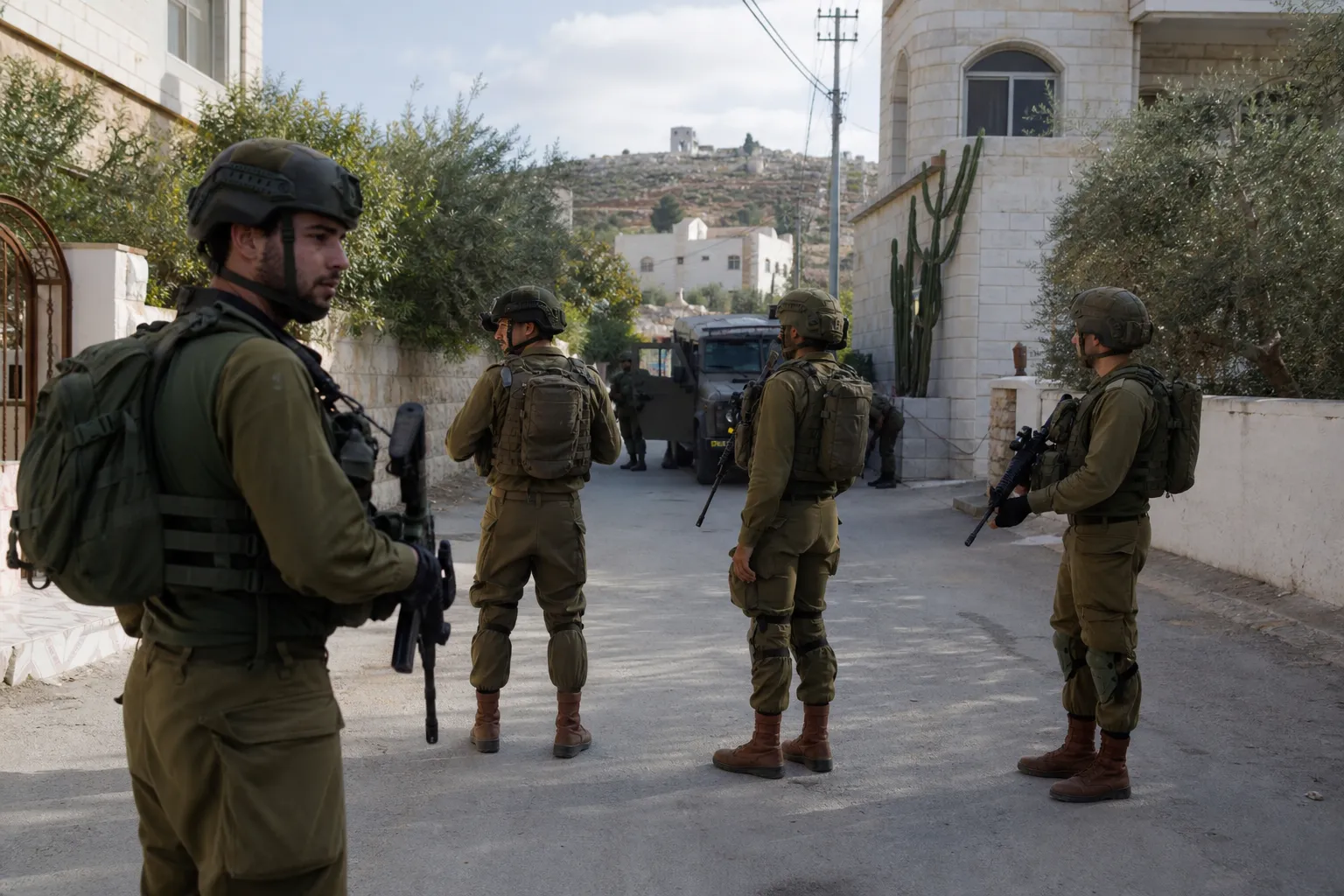
- Likely Israeli security operations and settler attacks will continue across the West Bank over the next 1-3 months, maintaining pressure on the Gaza ceasefire. The UN recorded more than three settler attacks per day on average and at least 81 Palestinians killed by Israeli forces or settlers since the start of 2026, including at least 23 in the context of settler attacks. In Qusra, Israel's police arrested a 19-year-old settler on 3 September and the IDF removed a reserve unit commander from command after soldiers were filmed praying with Jewish extremists. Israeli forces demolished Khirbet al-Tabban in Masafer Yatta on 2 September, while local officials and the Israeli military gave competing accounts of the deaths of Omar al-Nassan and Khalil Abu Alia in al-Mughayyir. Eyal Zamir announced deployment of the Golani and Paratroopers brigades to reinforce forces in Judea and Samaria. Confidence is medium because UN, BBC and Israeli reporting corroborate the wider pattern, but responsibility for some deaths and the effect on Gaza ceasefire behaviour remain contested or inferential. (Confidence: medium · ASSESSED)
- I&W: Confirm: The UN records another settler attack, or the IDF reports another detention, demolition or brigade deployment in Qusra, al-Mughayyir or Masafer Yatta. (0-14 days)
- I&W: Break: The IDF withdraws the additional Golani and Paratroopers presence and the UN records no settler attack in the West Bank for 30 consecutive days. (1-3 months)
- Unlikely the EU will agree within the next 1-3 months on EU-wide trade curbs against goods produced in Israeli settlements in the occupied West Bank. Ireland and Spain pushed for such measures at the 1-2 September meeting in Wicklow, but Germany and Hungary opposed them. Irish Foreign Minister Helen McEntee described an impasse, and EU foreign policy chief Kaja Kallas said the absence of unanimity blocked further action. Confidence is medium because the reported positions are corroborated by several public statements, but the forecast depends on decisions at future EU meetings. (Confidence: medium · ASSESSED)
- I&W: Confirm: The EU Council or member-state governments formally adopt common trade curbs on Israeli settlement goods. (1-3 months)
- I&W: Break: Germany or Hungary withdraws its opposition and Kaja Kallas reports sufficient unanimity for a formal EU measure. (1-3 months)
Outlook & scenarios
Fragmented, persistent escalation (70%)
Very likely Israeli strikes and raids continue in Gaza without a formal abandonment of the 10 October 2025 ceasefire. WFP assistance cuts and Gaza's water and disease indicators worsen. Likely West Bank settler attacks and IDF operations continue, while US-Iran exchanges sustain Strait of Hormuz disruption. Hezbollah-Israel escalation remains a roughly even chance rather than the central course.
Temporary pauses without settlement (35%)
A temporary pause in US-Iran strikes and limited restraint in Gaza becomes possible through reciprocal steps under the June Memorandum of Understanding and pressure from ceasefire mediators. The pause remains fragile. Israeli operations, Hamas objections, West Bank violence and the humanitarian funding gap continue to threaten its durability.
High-impact regional widening (15%)
A low-probability, high-impact widening features further Iranian attacks on US facilities in Bahrain, Jordan, Kuwait or Iraq, additional tanker incidents in the Strait of Hormuz and sustained disruption of oil and LNG movements. Israel expands military control in Gaza, while Hezbollah conducts sustained attacks from southern Lebanon and Israel responds with broader strikes.
Recommendations
- Maintain separate daily warning tracks for Gaza ceasefire activity, West Bank violence, southern Lebanon, US-Iran exchanges and Strait of Hormuz shipping. Do not combine these tracks into a single escalation score.
- Treat the Hamas claim of Israeli soldier deaths during the Al-Arabeed raid and the IDF denial as unverified. Seek independent confirmation before using either account in casualty assessments.
- Prioritise collection on WFP funding, the number of people losing assistance, cash-transfer restoration, food distribution, water contamination and acute watery diarrhoea cases. Use the $386 million WFP requirement as the principal near-term funding benchmark.
- Increase monitoring of Hezbollah activity around Ali Al-Tahir, Israeli strikes in southern Lebanon, UNIFIL reporting and the proposed EU mission to train the Lebanese army. Lower confidence in any Lebanon escalation warning that rests only on Al Hadath social-media reporting.
- Track every tanker incident in the Strait of Hormuz against three separate fields: attack method, attribution and vessel movement. Reconcile commercial flow estimates with the conflicting figures of 6-8 million barrels per day and more than 17 million barrels on 31 August before drawing conclusions on the scale of disruption.
- Monitor EU statements for movement by Germany or Hungary on trade curbs against Israeli settlement goods, and distinguish formal EU action from statements by Ireland, Spain or France.
Confidence & uncertainty
Overall confidence is high for the reported occurrence of continued Gaza hostilities, humanitarian deterioration, US-Iran strikes and Strait of Hormuz disruption. The assessment draws on corroboration from UN, WHO and WFP reporting, official US and Iranian statements, wire services, major media and shipping-industry reporting. Confidence is lower for attribution of individual attacks, Iranian casualty totals, the method used against tankers, the status of Abu Safia's detention location and the trajectory of Hezbollah-Israel activity in southern Lebanon, where reporting is contested or relies on low-proximity sources.
Intelligence gaps
- [EEI 1.1 · UNCOVERED] Number, type and geolocated coordinates of projectiles (rockets, mortars, anti-tank guided missiles) fired from Lebanon into Israel in the last 24/72 hours, including time-stamped launch and impact locations. Recommended collection: signals/intel
- [EEI 1.2 · UNCOVERED] Satellite or aerial imagery showing movement, concentration, or forward displacement of Hezbollah-associated military assets (armored vehicles, artillery pieces, mobile rocket launchers, logistics convoys) to positions within 0-10 km of the Israel-Lebanon border. Recommended collection: satellite/imagery
- [EEI 1.3 · UNCOVERED] Intercepted or captured Hezbollah command-and-control communications or orders explicitly directing cross-border operations or coordinated strikes with Palestinian groups (time-stamped messages, unit identifiers, orders to fire/move). Recommended collection: signals/intel
- [EEI 1.4 · UNCOVERED] Observable changes in Israeli northern-front posture within Israel (numbers and types of reinforcements deployed to northern brigades, activation of reserves, air defense redeployments, evacuation orders or shelter alerts in northern towns), including timestamps and unit IDs where available. Recommended collection: human/intel
- [EEI 2.1 · UNCOVERED] Official or corroborated reports of IDF reservist mobilization and unit-level deployment orders (number of reservists called, named brigades/units ordered to deploy, deployment timelines). Recommended collection: open-source/media
- [EEI 2.2 · UNCOVERED] Satellite or ground imagery showing concentrations of IDF heavy equipment (tanks, infantry fighting vehicles, engineering vehicles), staging areas, field hospitals or forward supply dumps within X km of the Gaza border and at known crossing points. Recommended collection: satellite/imagery
- [EEI 2.3 · PARTIAL] Change in strike patterns consistent with pre-ground-attack shaping: sustained high-frequency airstrikes on tunnel networks, command nodes, coastal launch sites, and known insurgent concentrations (strike counts, munition types, locations, times). Recommended collection: open-source/media
- [EEI 2.4 · UNCOVERED] Logistics indicators: verified convoys of fuel/ammunition entering staging areas, establishment of forward logistics or medical bases, or documented requisitioning orders for bulk combat supplies with timestamps and quantities. Recommended collection: human/intel
- [EEI 3.1 · PARTIAL] Number, participants and content of diplomatic contacts or negotiation sessions in the last 48 hours involving mediators (Egypt, Qatar, US, UN), including any proposed ceasefire text, prisoner/exchange lists, timelines or verification mechanisms. Recommended collection: diplomatic
- [EEI 3.2 · PARTIAL] Public statements, press releases or verified communiqués from Hamas and other Gaza armed groups specifying acceptance, rejection, or conditions for a ceasefire (explicit conditions such as prisoner release lists, withdrawal terms, lifting of blockades), with timestamps and speaker attribution. Recommended collection: open-source/media
- [EEI 3.3 · PARTIAL] Humanitarian indicators relevant to ceasefire: establishment and operation of agreed humanitarian corridors/checkpoints, number of aid deliveries admitted, civilian evacuations completed, and NGO/hospital reports of access denials or safe-passage violations. Recommended collection: humanitarian/NGO reports
- [EEI 3.4 · PARTIAL] Operational evidence of a de facto pause: verified sustained reduction (e.g., ≥12 hours) in strikes or launches from either side in specific sectors, supported by strike/impact logs, radar tracks and incident reports. Recommended collection: open-source/media
TLP:CLEAR