Israel, Gaza, Lebanon: Beirut strikes, Iranian missile fire, and fragile ceasefire amid severe humanitarian harm (2-9 Jun 2026)
Time window: Last 7 days · Audience: General analyst · Type: Situation report · DTG: 2026-06-09 13:18Z · Overall confidence: MEDIUM
BLUF
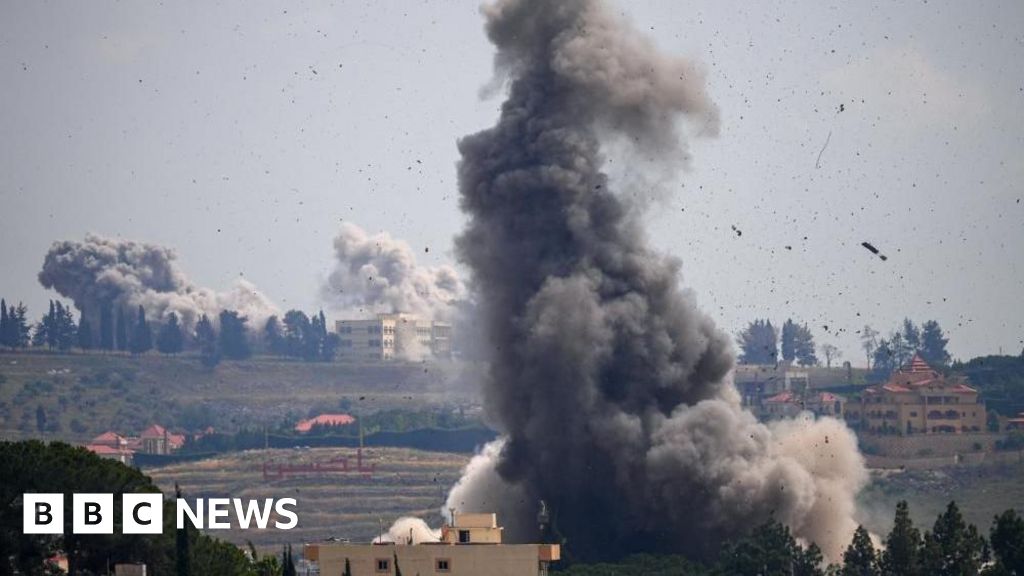
Violence between the Israel Defense Forces (IDF) and Hezbollah very likely persists and risks intensifying despite multiple ceasefire iterations, as evidenced by Israeli airstrikes in Beirut on 6 June and ensuing Hezbollah drone/rocket activity and Iranian missile launches at Israel. Humanitarian conditions in Gaza and Lebanon are severe, with mass displacement and high casualties, and access constraints in Gaza remain acute.
Executive summary
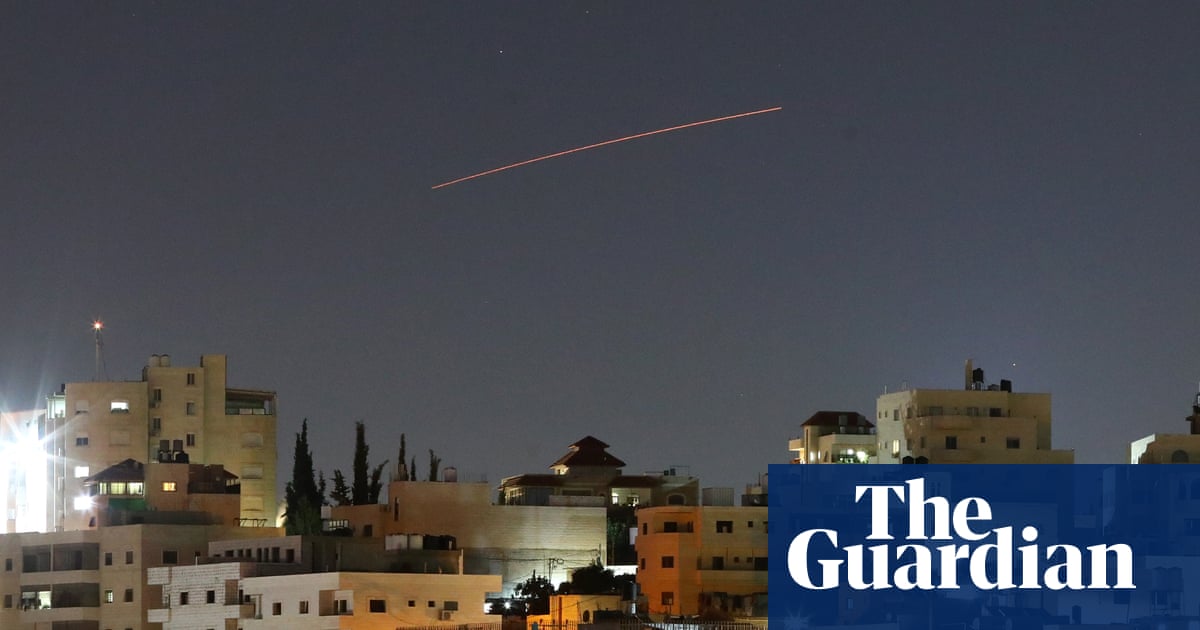
On 6 June 2026, Israel conducted airstrikes in Beirut’s southern suburbs (Dahieh), while Hezbollah confirmed drone attacks on Israeli forces the same night; clashes continued despite recent ceasefire announcements or renewals in early June. Iran launched missiles at Israel following the Beirut strikes, with the IDF reporting interceptions. In Lebanon since March, authorities report 3,468-3,613 killed and 10,000-11,072 wounded, with over one million displaced and nearly one million still away from home; attacks and proximity strikes near health facilities, and rising GBV risks, compound needs. In Gaza, approximately 71,000 killed and 172,000 injured, about 600 aid workers killed, unemployment at 92%, and no independent exit routes underscore operational and humanitarian collapse; border crossings have been shut since Israel took Rafah on 6 May 2024. Parallel regional risks span the air domain (FAA cautions) and maritime domain (Strait of Hormuz disruptions and blockade enforcement warnings).
Key judgments
- Violence between the IDF and Hezbollah is likely to intensify in the near term despite nominal ceasefires, given Israel’s 6 June airstrikes in Beirut’s Dahieh and Hezbollah’s same‑night drone attacks on Israeli forces, alongside continued clashes reported over the weekend and Iran’s subsequent missile launches at Israel. (Confidence: medium)
- There is a roughly even chance the early‑June ceasefire framework erodes in the next 1-2 weeks, given contradictory announcements (a 1 June Israel, Hezbollah ceasefire and a 3 June Israel, Lebanon renewal) coinciding with continued kinetic activity (Beirut strikes, Hezbollah drone/rocket attacks, and Israeli projectile interceptions). (Confidence: medium)
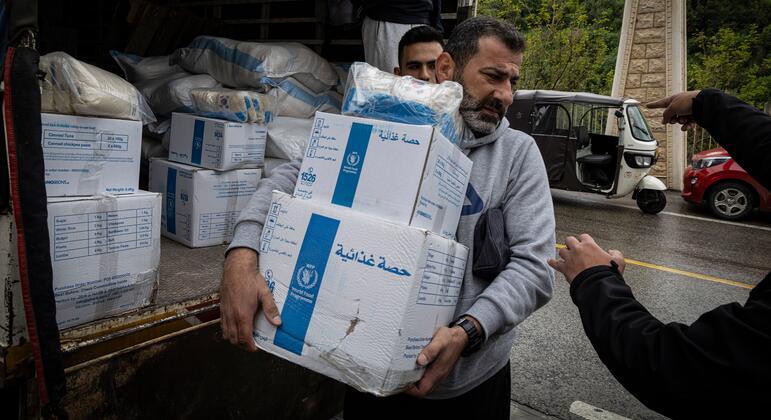
- Humanitarian conditions in Lebanon are very likely to worsen absent de‑escalation: authorities report 3,468-3,613 killed and 10,000-11,072 wounded since 2 March, over one million displaced (nearly one million still away), 28,000 trapped beyond Israel’s self‑declared military line, health facilities under attack reducing maternal care access, and more than 600,000 women and girls at risk of GBV; families in southern Beirut report fear of staying at home. (Confidence: high)
- Gaza’s humanitarian collapse is almost certainly ongoing and acute: approximately 71,000 killed and 172,000 injured, about 600 aid workers killed, unemployment at 92%, and humanitarian access the central operational challenge; there are currently no independent exit routes, and border crossings have been closed to civilians since Israel took Rafah on 6 May 2024. (Confidence: high)
- IDF cross‑border operations in Lebanon are very likely to continue targeted strikes, including in urban areas with elevated collateral risk, as indicated by the 6 June Dahieh strike, casualties and injuries near Tyre’s Jabal Amel hospital, and the IDF’s acknowledgment of hospital damage, alongside leadership statements threatening further action in Beirut. (Confidence: medium)
- Regional escalation risk involving Iran is likely to remain elevated, with periodic long‑range missile and drone episodes and heightened airspace risks, as demonstrated by Iran’s missile launches at Israel following the Dahieh strike, prior Israeli strikes inside Iran, and FAA advisories for the Damascus FIR and wider Middle East. (Confidence: medium)
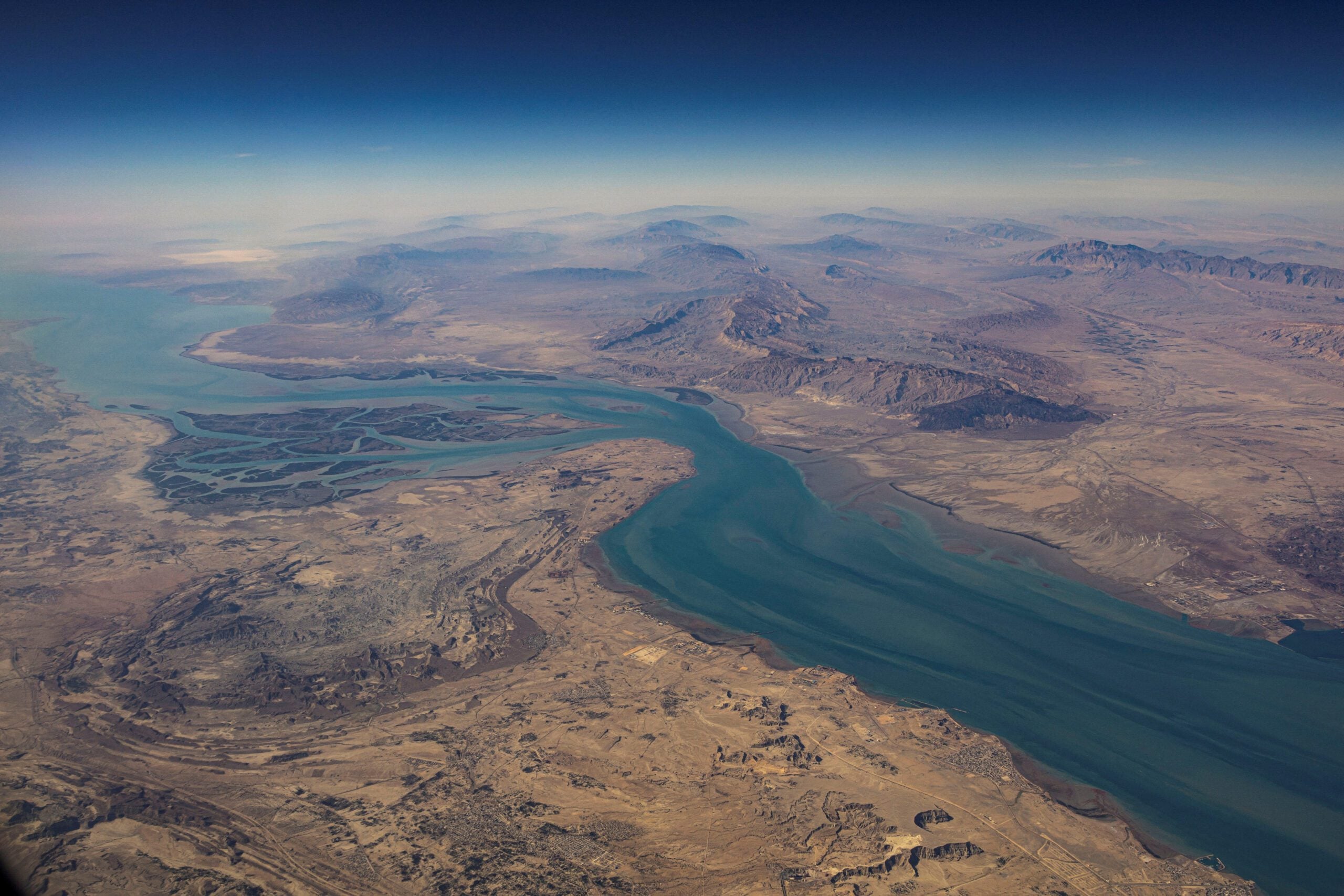
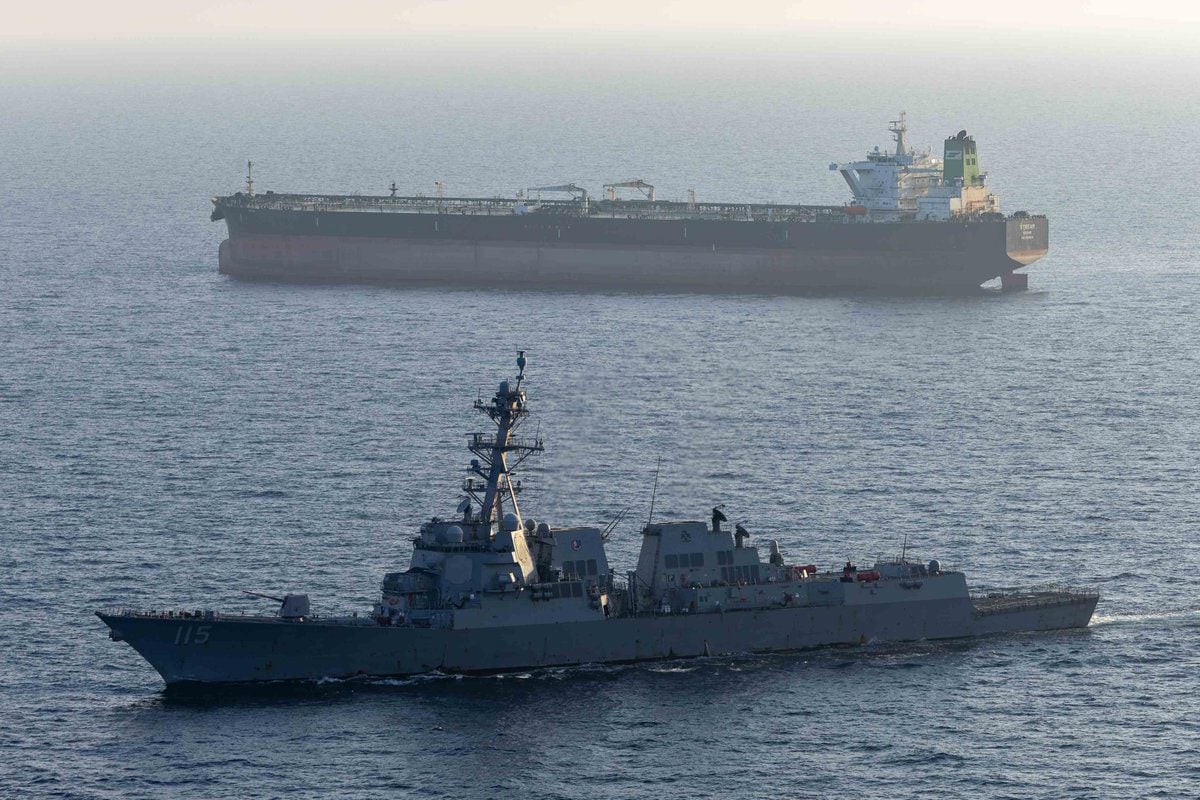
- Maritime risk in the Gulf is likely to remain disruptive for at least the next 30-60 days, with the Strait of Hormuz effectively blocked for more than three months, daily transits reportedly down to 2-3 (vs. ~100 pre‑conflict), 20,000 seafarers stranded, and U.S. maritime advisories warning that vessels entering or leaving Iranian ports face blockade enforcement. (Confidence: medium)
- The operating environment for U.S. personnel and partners in Lebanon and northern Israel is almost certainly high‑risk, with ordered departures from Lebanon, limited U.S. emergency support, persistent drone/missile strike risks nationwide, landmines/UXO hazards, large‑scale displacement in northern Israel (~96,000), and stringent no‑travel advisories near key frontlines. (Confidence: high)
- Tensions in the West Bank are likely to persist at elevated levels, given approximately 800,000 settlers, around 1,000 movement restrictions, at least 35,000 displaced last year, stringent travel advisories to Tulkarm/Jenin/Tubas, and new UK guidance warning against economic/financial activity in illegal settlements. (Confidence: high)
Outlook & scenarios
Managed escalation under a leaky ceasefire, 60%
Cross‑border exchanges persist at a moderate tempo while ceasefire language nominally remains in place. Indicators: continued targeted Israeli strikes (including in Dahieh), Hezbollah drone/rocket attacks and Israeli interceptions, and episodic Iranian missile activity largely intercepted. Impacts: incremental displacement and casualties in southern Lebanon and Beirut, additional strain on health facilities, and sustained caution for civil aviation.
Regional expansion involving Iran‑aligned actors, 35%
Hezbollah, Israel clashes widen alongside recurrent Iranian missile/drone launches and potential Israeli responses inside Iran, elevating cross‑theater risks (Lebanon, Syria FIR, Gulf). Impacts: broader missile/drone exchanges, heightened airspace restrictions, protracted Hormuz shipping disruption, accelerated humanitarian deterioration in Lebanon, and further supply chain stresses.
Ceasefire re‑anchored and broadly holds, 25%
External mediation (including U.S. facilitation) re‑stabilizes the ceasefire announced/renewed in early June; kinetic activity declines to sporadic incidents. Impacts: gradual return of some displaced households, improved humanitarian access windows in Lebanon, and reduced cross‑border strike tempo. Risk: spoilers or a mass‑casualty event could rapidly unwind gains.
Recommendations
- Maintain a 24/7 incident ledger fusing geolocated OSINT and authoritative reporting to verify every cross‑border strike within 24 hours, prioritizing Dahieh, Tyre (Jabal Amel hospital vicinity), Nabatieh, and northern Israel intercept events.
- Task high‑cadence commercial satellite coverage over southern Lebanon’s IDF self‑declared military line, Qantara, and other villages to validate ongoing demolitions, collateral damage near medical facilities, and population movement routes.
- Issue an airspace risk note aligning with FAA advisories for the Damascus FIR and broader Middle East, highlighting the potential for short‑notice missile/drone episodes linked to Iran, Israel exchanges and Hezbollah activity.
- Produce a shipping risk map for U.S. operators summarizing reported Hormuz closures, current daily transit volumes (2-3/day), potential blockade‑enforcement areas near Iranian ports, and contingency routes/cost impacts.
- Develop triggers for rapid escalation alerts: Israeli strikes north of Beirut, Hezbollah massed salvos beyond recent patterns, confirmed Iranian long‑range launches, or IDF operations expanding deeper beyond the Litani River.
- Coordinate humanitarian analysis with UN counterparts to reconcile Lebanese casualty ranges (3,468-3,613 killed; 10,000-11,072 wounded) and displacement (nearly one million still displaced) and to identify access windows for aid delivery.
- Update internal risk guidance reflecting ordered U.S. departures from Lebanon, constraints on emergency services, landmine/UXO risks, and FCDO no‑travel zones in Gaza/northern Israel and specific West Bank governorates.
- Track West Bank flashpoints, settler concentration areas and movement restrictions, to assess spillover risks to Gaza/Lebanon dynamics and advise on European policy shifts (e.g., UK guidance against economic activity in illegal settlements).
Confidence & uncertainty
Overall confidence is medium. Several judgments are supported by multiple high‑reliability sources (UN system reporting; major media) on key events (6 June Dahieh strikes; Hezbollah drone attacks; Iranian missile launches) and humanitarian impacts. Confidence is lowered by contradictory ceasefire claims (1-3 June announcements vs. continued strikes) and casualty figure variances (Lebanese sources report 3,468-3,613 killed; 10,000-11,072 wounded) reflecting differing time cuts and reporting lags. Maritime disruption assessments rely on trade and UN reporting with limited official operational disclosures, warranting medium confidence. Where single‑source or less‑corroborated reporting is used (e.g., some demolition details), judgments are tempered accordingly.