Israel, Gaza, Lebanon: Ceasefire Fragility, Cross‑Border Fire, and Humanitarian Deterioration (3-10 June 2026)
Time window: Last 7 days · Audience: General analyst · Type: Situation report · DTG: 2026-06-10 13:16Z · Overall confidence: MEDIUM
BLUF
Cross‑border hostilities between Israel and Hezbollah persisted despite efforts to renew a ceasefire, while Israel and Iran traded missile strikes before signaling a pause. Israeli closures of the Karem Abu Salem and Rafah crossings and continued airstrikes in Gaza, alongside heavy strikes and rocket fire in Lebanon, are driving acute humanitarian needs and displacement.
Executive summary
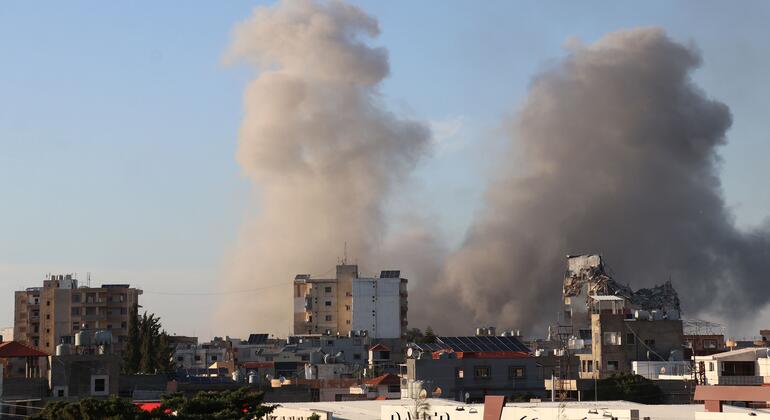
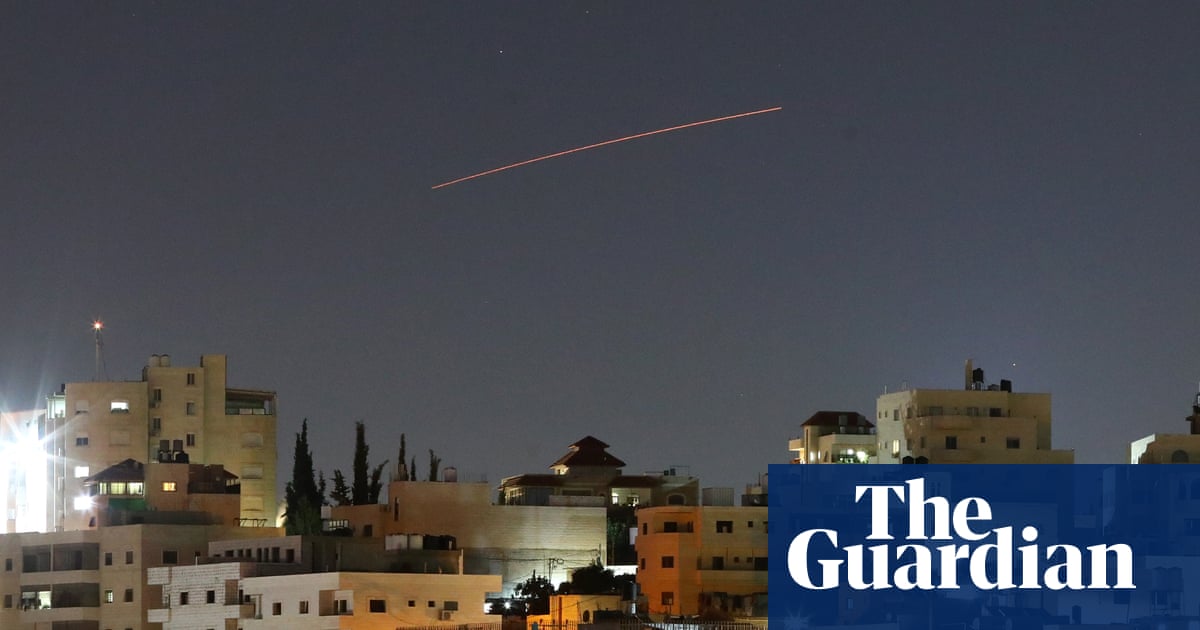
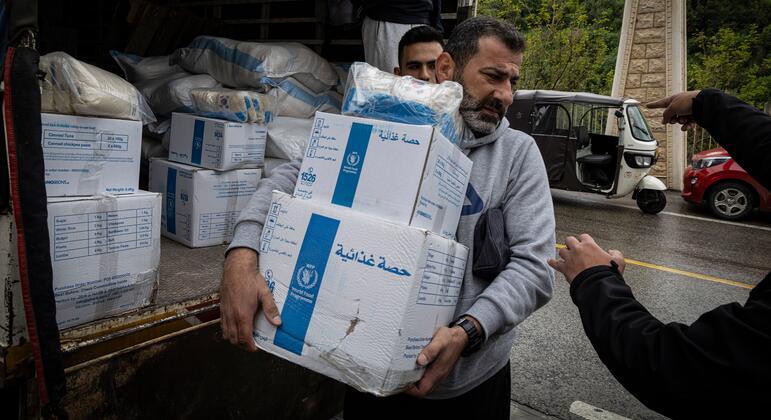
Since 7-10 June, Israeli strikes in Beirut and Tyre and Hezbollah rocket fire into northern Israel undermined attempts to renew an Israel, Lebanon ceasefire contingent on a halt in Hezbollah attacks. Iran launched missile barrages at Israel and Israel struck targets inside Iran before both sides signaled limits, amid U.S. calls to stop firing and Israel raising its national alert status. In Gaza, Israel closed Karem Abu Salem and Rafah after rocket fire as airstrikes on civilians and infrastructure continued; NASA recorded extensive thermal anomalies over 6-9 June, and the UN is working to sustain aid flows. In Lebanon, UN and other reporting indicates more than 3,500 killed, large‑scale displacement approaching one million, widespread damage, hundreds of thousands of children out of school, and mounting attacks affecting health services.
Key judgments
- Cross‑border hostilities between Israel and Hezbollah are very likely to persist at elevated tempo in the near term despite announced efforts to renew a ceasefire. Israeli strikes in Beirut (2 killed, 11 wounded) and Tyre (reported 5-8 killed) on 7-8 June and Hezbollah rocket fire into northern Israel indicate ceasefire conditions are not being met; Israel raised its national alert status to orange, and senior Israeli leaders publicly rejected constraints attributed to Iran and Hezbollah. (Confidence: high)
- Direct Iran, Israel exchanges have likely paused, but there is a roughly even chance of renewed limited strikes in the coming days given Iran’s recent barrage, Israel’s strike inside Iran, Iranian statements about halting offenses with warnings of harsher retaliation if provoked, and public U.S. and Israeli signaling. (Confidence: medium)
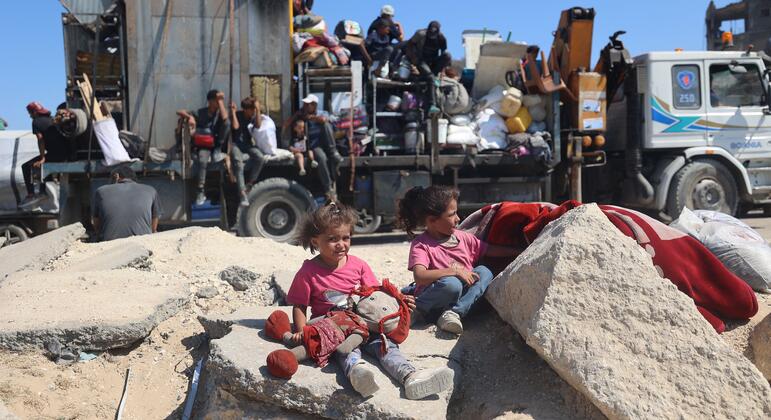
- Humanitarian access in Gaza is almost certainly being degraded: Israeli authorities closed Karem Abu Salem and Rafah on 8 June after rocket fire, Israeli airstrikes against civilians and civilian infrastructure continued, and NASA recorded 245 thermal anomalies over 6-9 June consistent with intense fires; UN partners are working continuously to sustain aid flows despite restrictions. (Confidence: high)
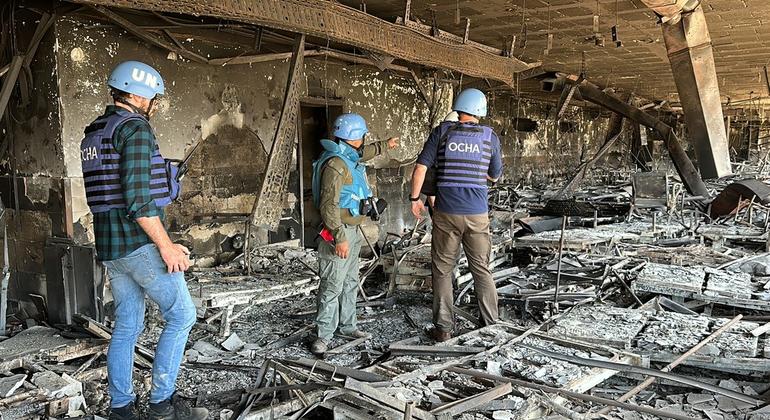
- Lebanon’s civilian toll and displacement are already severe and likely to worsen absent a durable halt to strikes: UN and other reporting cite more than 3,500 killed and over 10,000 injured, nearly one million people displaced, at least 146 buildings destroyed, more than 500,000 children out of school, 196 attacks affecting health services since March, elevated gender‑based violence risks affecting over 600,000 women and girls, and mounting pressure on the health system. (Confidence: medium)
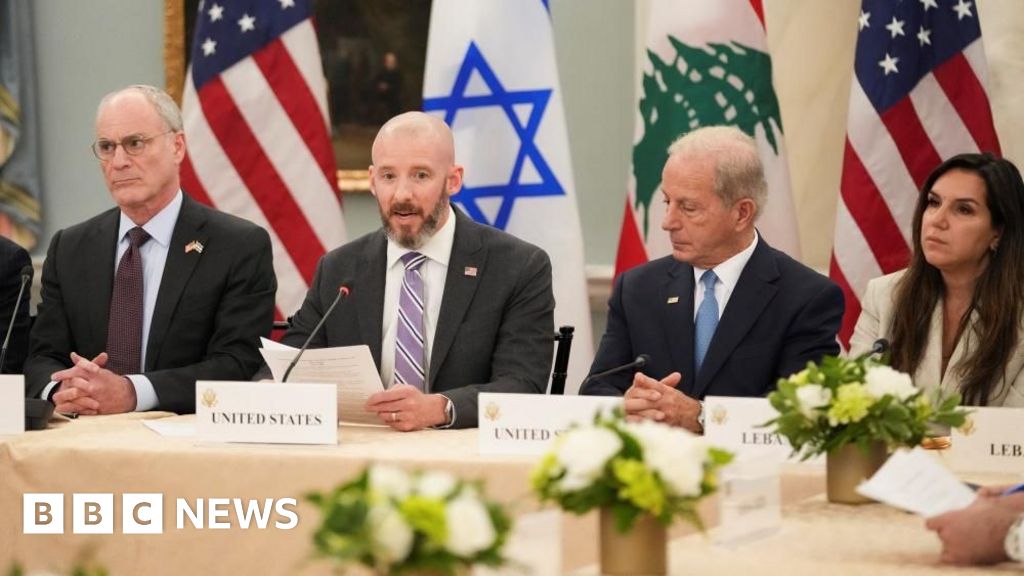
- The Israel, Lebanon ceasefire framework, explicitly contingent on a complete cessation of Hezbollah attacks, is unlikely to take hold in the short term given ongoing rocket fire and the documented resumption of airstrikes since early March, as well as Hezbollah’s public unwillingness to revert to pre‑March conditions. (Confidence: medium)
- Protected personnel and facilities face elevated risk in Lebanon: a UNIFIL peacekeeper was killed last week, and there have been 196 attacks affecting health services since March; Lebanese authorities reported an Israeli strike near a Lebanese Red Cross center in Tyre, with four paramedics among the wounded. (Confidence: high)
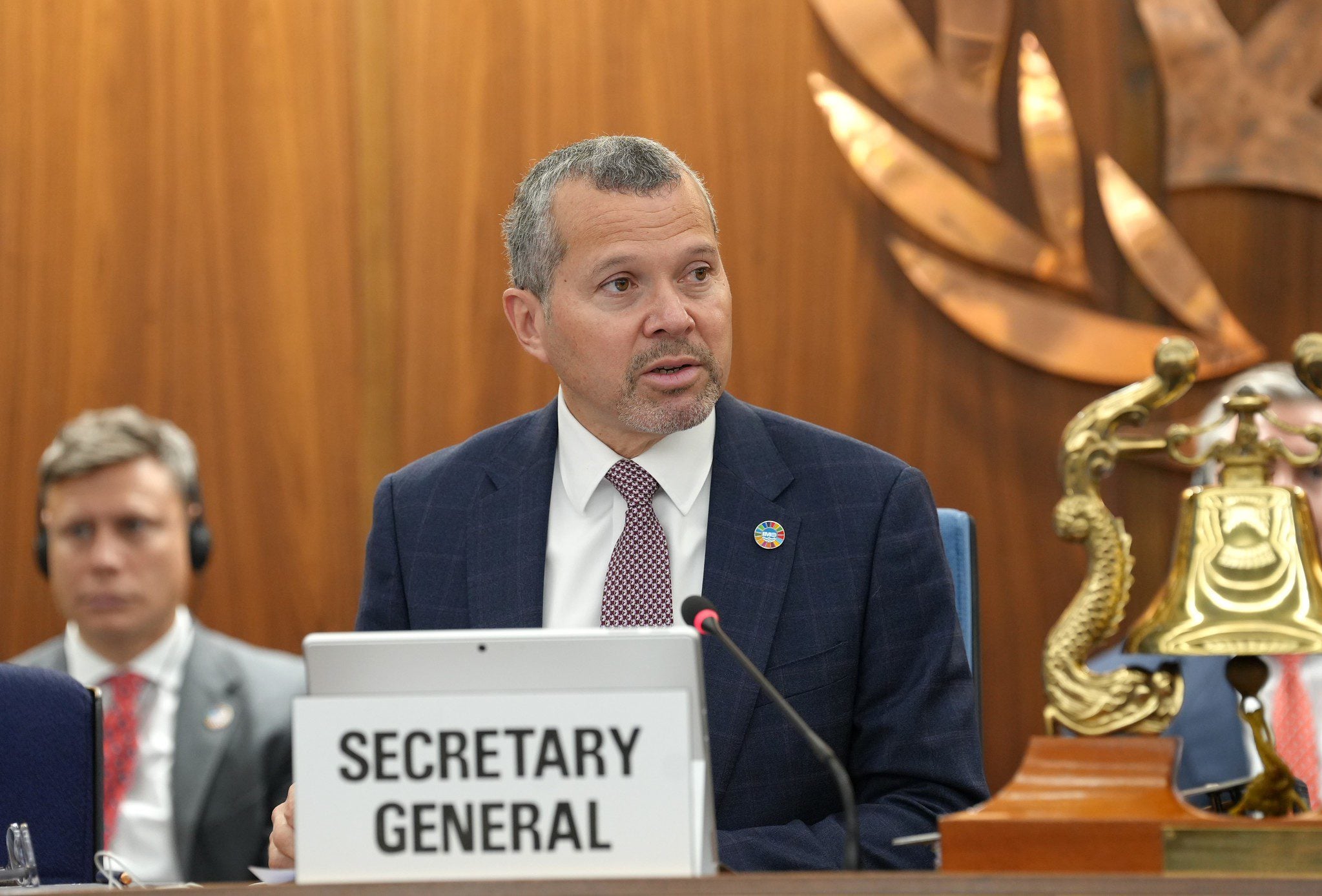
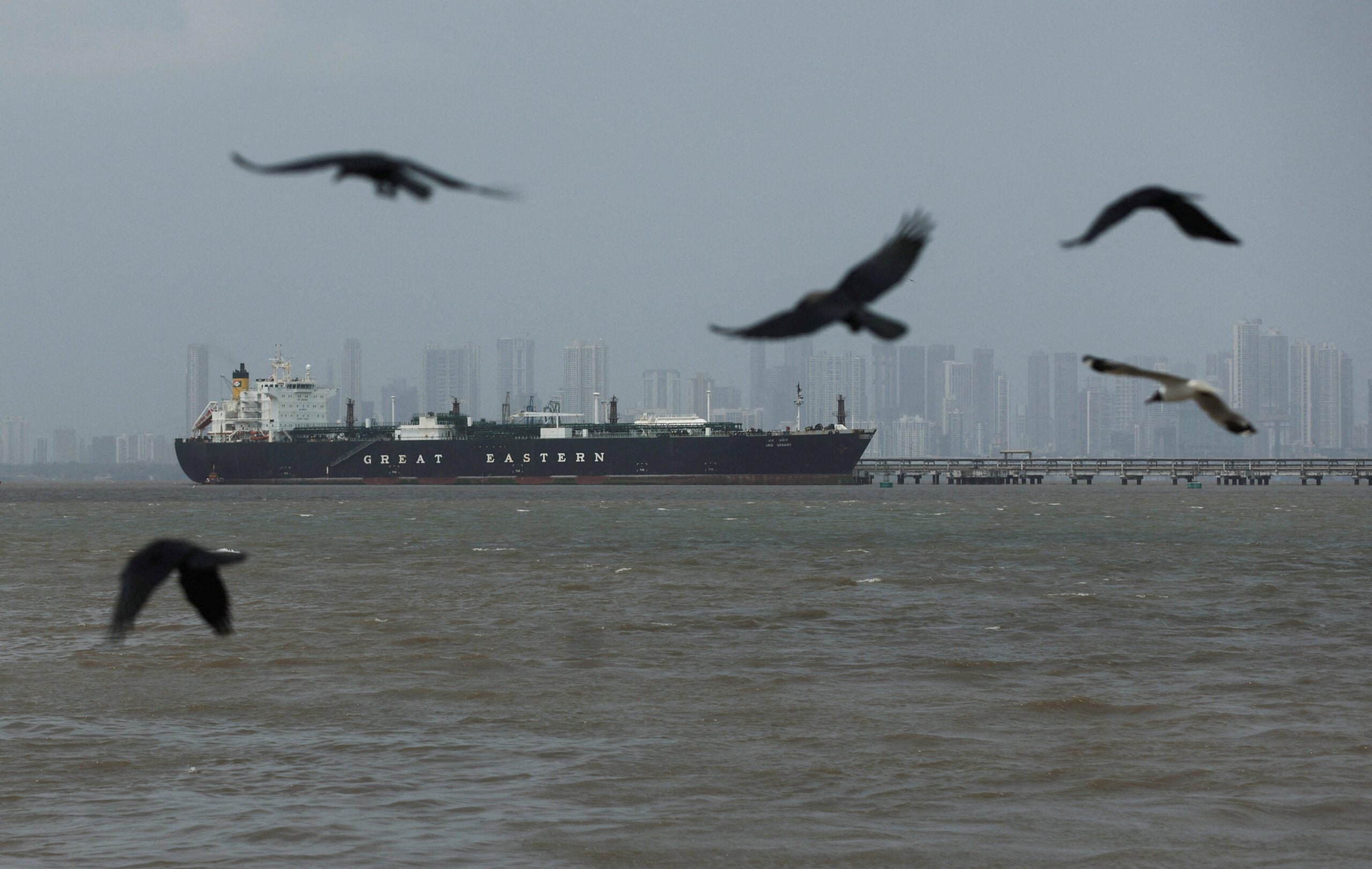
- Regional maritime security risk in the Strait of Hormuz likely remains elevated amid Israel, Iran tensions, with official assessments classifying conditions as critical and warning of no credible security guarantees for seafarers; reporting on traffic trends is contradictory, so planners should assume continued hazard for commercial transits and potential energy‑market volatility. (Confidence: medium)
- Volatility extends beyond Gaza and Lebanon: in the West Bank, Israeli forces’ lethal use of force in Hebron and an arrest operation in Balata refugee camp indicate continued risk of flashpoints and spillover. (Confidence: high)
Outlook & scenarios
Contained tit‑for‑tat under a fragile ceasefire umbrella, 50%
Through mid‑June, Israel continues high‑tempo operations against Hezbollah targets in southern Lebanon while avoiding strikes inside Iran, and Iran refrains from additional barrages. Sporadic Hezbollah rocket fire and Israeli air/artillery responses persist along the border, with Israeli domestic alert levels elevated and diplomatic messaging pressing for restraint. Humanitarian needs in Lebanon and Gaza continue to climb without a major breakthrough on access or security guarantees.
Limited multi‑front flare‑up, 40%
Hezbollah maintains or increases rocket and guided munition fire into northern Israel, Israel expands strikes around Tyre, Nabatieh, and Beirut suburbs, and cross‑border incidents raise civilian casualties and risks to medical responders. Gaza airstrikes continue while the Karem Abu Salem and Rafah closures periodically recur, further constraining aid delivery. This generates additional displacement in Lebanon and northern Israel and intensifies pressure on Lebanon’s health and education systems.
Negotiated pause gains traction, 25%
Sustained international pressure and public calls to stop firing help stabilize a pause: Israel keeps operations focused inside Lebanon but accepts limits on actions in Iran, while Tehran signals continued restraint. Implementation of the Israel, Lebanon ceasefire framework inches forward where Hezbollah activity abates, lowering daily cross‑border fire. Humanitarian access expands marginally in Gaza as aid actors leverage the lull to surge deliveries.
Wildcard: Maritime incident at Hormuz triggers energy shock, 15%
A high‑profile incident in the Strait of Hormuz, amid a critical security assessment and absent credible guarantees, causes a temporary halt to convoys, driving sharp price swings and re‑routing of tankers. Even without escalation at sea, shipping insurers tighten terms and operators delay transits, amplifying regional economic strain.
Recommendations
- Track and log, at least daily, the operational status of Karem Abu Salem and Rafah crossings and any announced reopenings/closures; integrate with UN OCHA updates and reflect impacts on Gaza aid pipeline planning.
- Maintain a cross‑border incident ledger for the Israel, Lebanon front capturing date/time, munition type, location (e.g., Tyre, Beirut southern suburbs, Nabatieh), reported casualties, and effects on medical services; prioritize corroboration from multiple sources.
- Use NASA FIRMS thermal detections as a rapid cueing tool for suspected strike clusters in Gaza and southern Lebanon; task geolocation/imagery teams to validate significant anomalies and map damage footprints.
- Standardize Lebanon humanitarian metrics by reconciling displacement and casualty figures from UN, the Lebanese Health Ministry, and major media; flag variances and update leadership with ranges rather than single‑point estimates.
- Monitor and summarize public statements shaping escalation dynamics (e.g., IRGC pledges, Israeli leadership red lines, U.S. calls for restraint) in a 7, day watch window; set triggers for analytic updates if new missile/drone use or cross‑border barrages occur.
- Produce a risk overlay for protected sites and responders in Lebanon (hospitals, Red Cross/Red Crescent facilities, UNIFIL positions) against recent strike locations; develop deconfliction talking points for humanitarian interlocutors.
- Maintain a standing maritime note on the Strait of Hormuz incorporating the latest security assessments and reported traffic levels; brief clients that planning should assume elevated risk even amid contradictory throughput reporting.
- Expand West Bank flashpoint monitoring (Hebron, Nablus) to anticipate potential diversionary cycles that could complicate Gaza/Lebanon dynamics and humanitarian access.
Confidence & uncertainty
Overall confidence is medium. Many core events are supported by high‑reliability multilateral or official sources (UN reporting on Gaza access constraints and Lebanon’s humanitarian impacts; BBC/The Guardian/Haaretz on strikes and rocket fire; official statements). Confidence is lowered by: (1) conflicting tallies for casualties in Tyre and for total deaths in Lebanon; (2) differing timelines and characterizations of ceasefire milestones (e.g., 1 vs 3 June renewals; March 2 breakdown); and (3) contradictory reporting on Strait of Hormuz traffic despite consistent high‑risk assessments. These inconsistencies affect precision on scale and timing but do not alter the directionality of escalation and humanitarian deterioration assessed here.
Cited sources
[1] theguardian.com, Iran launches missiles at Israel in response to strikes on Beirut (A) [2] haaretz.com, Report: Netanyahu called off Iran strikes after Trump told him nuclear deal was imminent (A) [3] United Nations, Fresh strikes on Tyre kill eight, as UN puts Lebanon destruction bill at $365 million, and rising (A) [4] bbc.com, Israel and Lebanon agree to implement ceasefire if Hezbollah stops attacks (A) [5] The Jerusalem Post, Why isn't the war that was supposed to be over, over? - analysis (B) [6] America Brief, Fires Missiles at Israel After Ceasefire | Middle East Tension #breakingnews #americabrief (B) [7] scmp.com, Israel and Iran hold fire after exchange, but warn of escalation if provoked (B) [8] الأمم المتحدة, غزة - الأمم المتحدة تبدي القلق بشأن إغلاق معبري كرم أبو سالم ورفح (A) [9] NASA, NASA FIRMS thermal detections, Gaza (5d) (A) [10] United Nations, Lebanon crisis: Needs soar as UN launches new funding appeal (A) [11] Wikipedia, Hezbollah, Israel conflict (2023, present) (B) [12] Wikipedia, 2024 Israel, Lebanon ceasefire agreement (B) [13] Wikipedia, 2026 Israel, Lebanon ceasefire (B) [14] United Nations, More than half of staff who died in service worked in Gaza, UN chief says at memorial (A) [15] gcaptain.com, IMO Chief Warns No Safe Passage Exists in Hormuz Despite Rising Traffic Claims (B) [16] gcaptain.com, U.S. Energy Secretary Says Ship Traffic Through Hormuz Increasing 'Meaningfully' (A)