TLP:CLEAR, Disclosure is not limited.
Israel, Gaza, Lebanon: Hostilities persist despite ceasefire talks; Tyre strike injures hospital staff and Iran, Israel exchanges sustain regional risk
Time window: Last 7 days · Audience: General analyst · Type: Situation report · DTG: 2026-06-12 13:12Z · Overall confidence: MEDIUM
BLUF
Cross‑border fighting between the IDF and Hezbollah is very likely to persist at an elevated tempo despite multiple ceasefire frameworks, with IDF activity expanding around Tyre and civilian harm rising. Parallel Iran, Israel tit‑for‑tats and U.S. strikes on Iranian assets keep regional escalation and maritime risk in the Strait of Hormuz high even as transits continue.
Executive summary
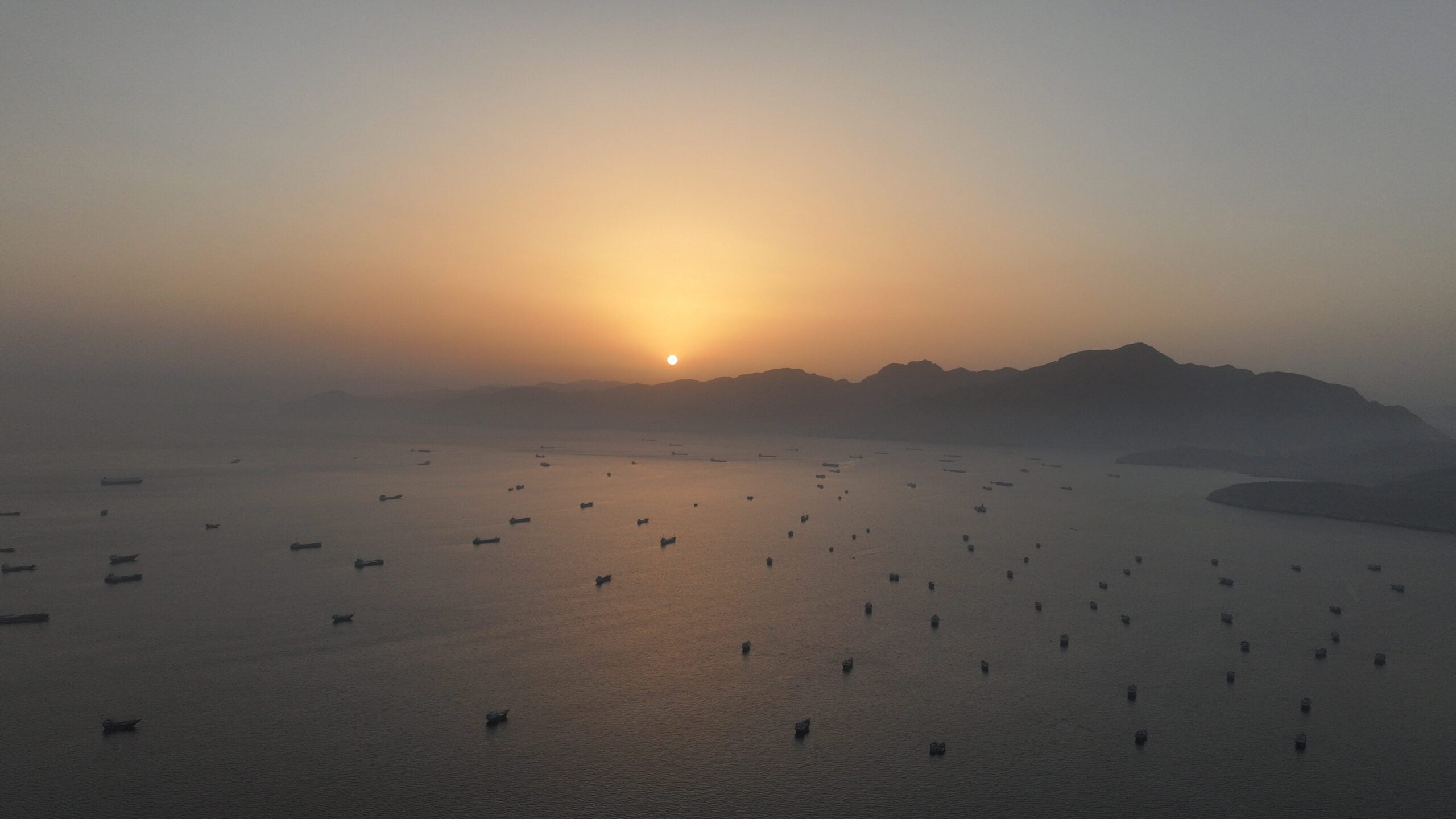
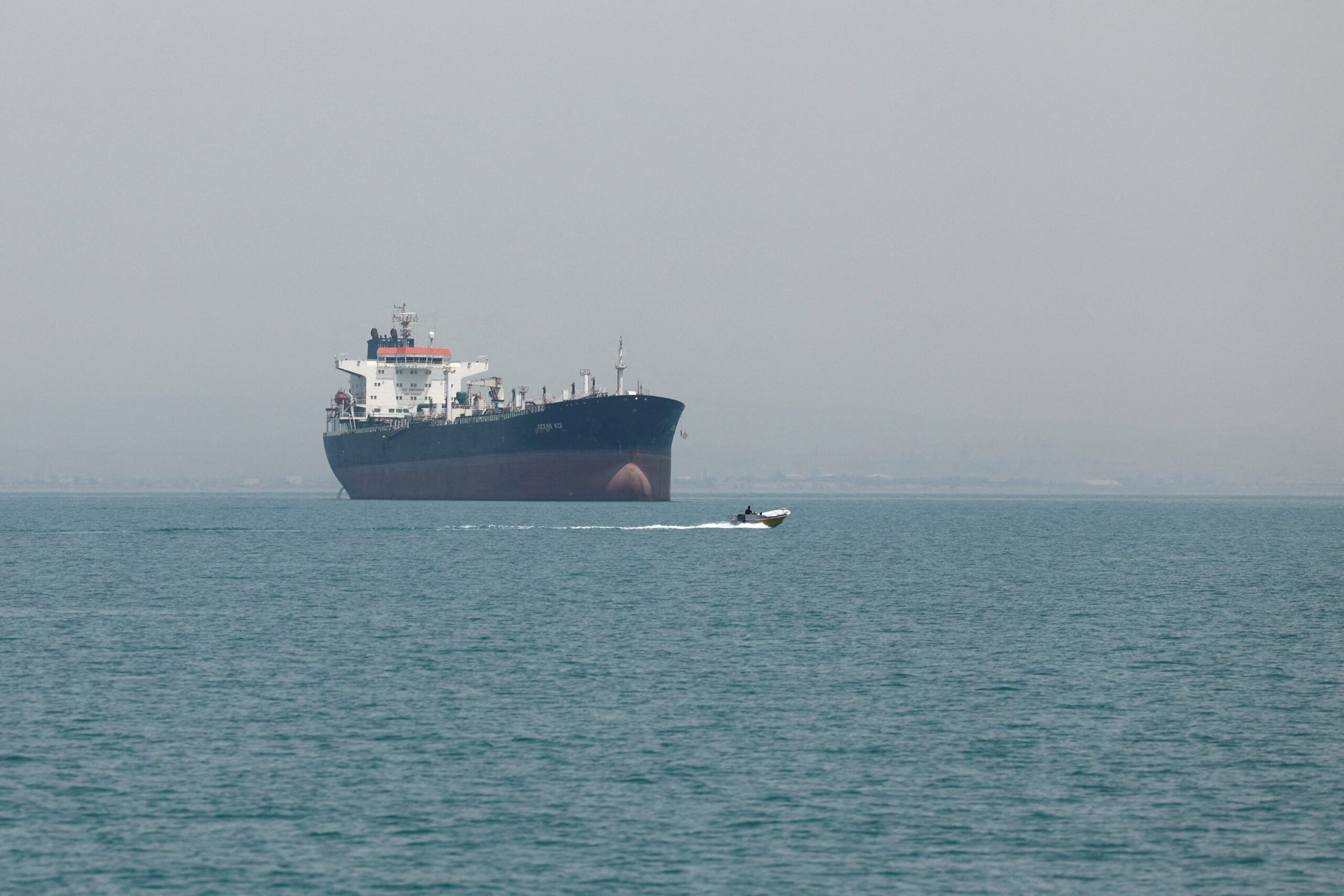
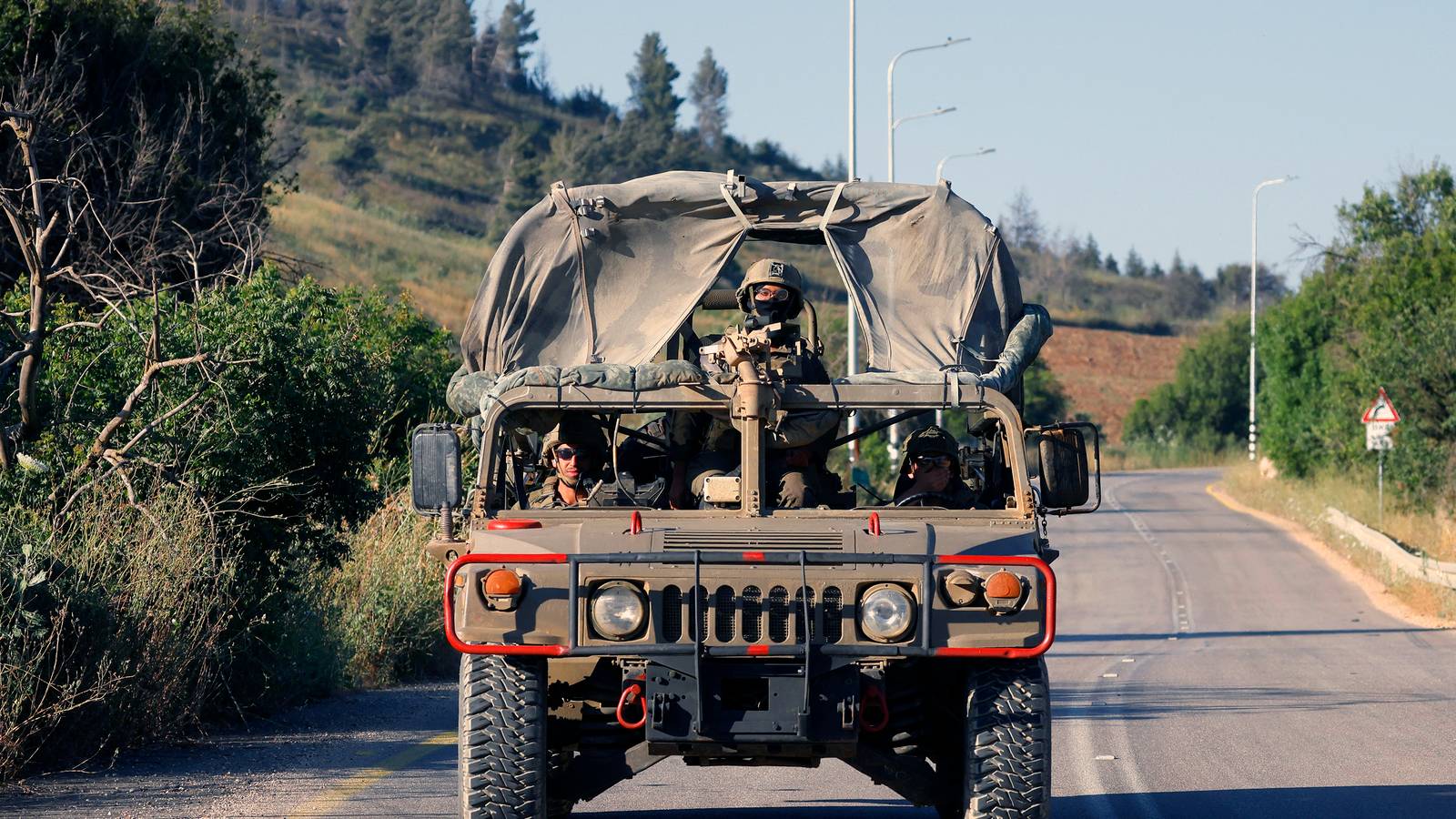
Ceasefire diplomacy has not halted combat: the IDF continued striking Hezbollah positions in southern Lebanon, issued an evacuation warning to Tyre’s Christian quarter, and hit a residential building near Hiram Hospital injuring medical staff, while daily casualty reports continue. In Gaza and the West Bank, the IDF reported targeted killings, tunnel destruction in Khan Yunis, and mass arrests, as Hamas pressed mediators to enforce ceasefire terms amid a UN‑tabled roadmap. Regionally, Iran launched missiles at Israel on 7 June and Iran, Israel exchanged fire again on 12 June, while the United States struck Iranian air defenses and surveillance assets on 9-10 June; Washington and Tehran are simultaneously signaling potential agreement to reopen Hormuz. The Joint Maritime Information Center rates Hormuz‑adjacent waters “CRITICAL,” but U.S. Central Command maintains the strait remains open as U.S. forces disable sanction‑evading tankers and organize tightly controlled night transits.
Change from previous assessment
Since the 11 June brief, reporting shows: (1) an IDF strike near Tyre’s Hiram Hospital injuring 10 nurses/hospital staff and an evacuation warning to Tyre’s Christian quarter, sharpening concern over civilian harm and urban risk; (2) continued IDF strikes in southern Lebanon with additional daily casualties; (3) renewed visibility of Hezbollah coordinated drone activity; (4) fresh IDF reporting of targeted killings and tunnel operations in Gaza alongside West Bank arrest raids; and (5) U.S., Iran dynamics evolving with U.S. disabling of the MT Jalveer, ongoing U.S. strikes on Iranian assets, and indications of a possible Hormuz reopening agreement next week while JMIC keeps a 'CRITICAL' posture. These developments reinforce prior judgments on persistent hostilities and regional risk; confidence is unchanged overall but the Tyre medical‑adjacent strike raises concern for escalating civilian harm.
Key judgments
- Cross‑border Israel, Hezbollah hostilities are very likely to persist at an elevated tempo in the near term despite announced ceasefire frameworks. (Confidence: high · ASSESSED)
- I&W: Additional IDF evacuation warnings or strike advisories expanding to new urban neighborhoods (e.g., Tyre or Sidon). (0-14 days)
- I&W: A verified 7‑day halt in cross‑border fire along the Blue Line acknowledged by both sides. (0-14 days)
- Civilian harm in southern Lebanon is likely to increase as IDF operations expand into dense urban areas around Tyre, including strikes proximate to medical facilities. (Confidence: high · ASSESSED)
- I&W: Further reporting of strikes injuring medical staff or hitting within 500 meters of hospitals in Tyre district. (0-14 days)
- I&W: Publicly documented cessation of attacks near hospitals and formal withdrawal of Tyre‑area evacuation warnings. (0-14 days)
- IDF operations in Gaza and the West Bank are likely to continue in the near term, indicating no immediate stand‑down linked to ceasefire diplomacy. (Confidence: medium · ASSESSED)
- I&W: Additional IDF communiqués announcing targeted killings in Gaza or mass arrest raids in the West Bank. (0-14 days)
- I&W: Public milestone implementation from the UN’s 15‑point ceasefire roadmap accompanied by reciprocal, verified pauses. (1-3 months)
- Hezbollah retains coordinated drone surveillance/attack capability along the border despite heavy Israeli airstrikes on Hezbollah sites. (Confidence: medium · ASSESSED)
- I&W: Additional authenticated Hezbollah UAV footage or IDF reporting of UAV shoot‑downs over northern Israel. (0-14 days)
- I&W: Sustained absence of cross‑border UAV incidents and IDF statements claiming neutralization of Hezbollah UAV infrastructure. (1-3 months)
- The risk of a wider regional escalation remains high, with recent Iran, Israel missile exchanges and U.S. strikes on Iranian assets occurring in parallel with tentative U.S., Iran diplomacy. (Confidence: medium · ASSESSED)
- I&W: Another acknowledged Iranian or Israeli missile/drone strike within the theater. (0-14 days)
- I&W: Public signing of a U.S., Iran agreement to reopen Hormuz accompanied by a pause in reciprocal strikes. (0-14 days)
- Maritime risk in the Strait of Hormuz is very likely to remain elevated even as controlled transits continue under U.S. naval coordination. (Confidence: medium · ASSESSED)
- I&W: Further U.S. disabling of non‑compliant tankers or new PGSA closure notices alongside JMIC maintaining a 'CRITICAL' posture. (0-14 days)
- I&W: Official downgrading of JMIC risk posture and public end to special U.S. Navy‑coordinated night convoys. (1-3 months)
Outlook & scenarios
Managed escalation: sustained cross‑border strikes without a new large‑scale ground campaign, 65%
IDF air and artillery strikes on Hezbollah positions continue alongside intermittent evacuations around Tyre as Hezbollah maintains harassment fire and limited drone sorties. Daily casualty reports persist. Gaza/West Bank raids continue while ceasefire diplomacy advances slowly but remains unimplemented. This track aligns with recent IDF strike patterns, evacuation warnings in Tyre, casualty tallies from Lebanon’s Health Ministry, and Hezbollah’s rejection of ceasefire pacts despite prior U.S.‑brokered frameworks.
Escalation cascade: a mass‑casualty incident triggers broader Iran, Israel, Hezbollah confrontation, 35%
A high‑visibility strike (e.g., in Beirut’s suburbs or a large Hezbollah retaliation into northern Israel) prompts rapid Iranian involvement and additional Iran, Israel exchanges, while the United States conducts further suppressive strikes on Iranian sensing/strike networks. Maritime risk in Hormuz intensifies despite ongoing transits. This track is consistent with recent Iran, Israel missile exchanges and U.S. strikes on Iranian targets.
Short de‑escalation window: ceasefire steps in Gaza and a U.S., Iran Hormuz understanding lower near‑term risk, 25%
Mediators secure initial implementation steps from the UN’s 15‑point plan in Gaza; Hamas publicly affirms proposals while the United States and Iran announce an agreement to reopen Hormuz around the G7 window. Cross‑border fire along the Blue Line decreases but does not fully stop given Hezbollah’s stated positions and Lebanese domestic constraints.
Recommendations
- [object Object]
- [object Object]
- [object Object]
- [object Object]
- [object Object]
- [object Object]
- [object Object]
Confidence & uncertainty
Overall confidence is medium. Key developments, IDF strikes in southern Lebanon including Tyre, civilian casualties, IDF operations in Gaza/West Bank, and UNSC engagement, are supported by high‑reliability major media and multilateral sources. Assessments of Hezbollah’s drone operations rely partly on social‑media video claims, lowering confidence. The regional picture is complicated by contradictory reporting on the Strait of Hormuz (open but rated “CRITICAL”) and varying Lebanon casualty tallies; we reflect these as elevated risk but avoid overprecision.
Alternative analysis (red cell)
An alternative, defensible reading of the available reporting is that current violence is characterized by episodic, localized kinetic events and contested ceasefire adherence rather than a uniform, sustained up‑tempo campaign across multiple fronts. Several claims point to ceasefire agreements, diplomatic roadmaps, and controlled mitigation measures that could limit escalation if implemented, while footage and tactical reports more strongly support isolated strikes and activity than resilient, large‑scale operational capability. Absent corroborating SIGINT/IMINT showing persistent launch rates, robust C2 continuity, or clear political directives to escalate, high‑confidence judgments of sustained elevated tempo or imminent regional widening are not fully justified by the cited evidence.
Intelligence gaps
- [EEI 1.1 · UNCOVERED] Number, type and geolocated coordinates of projectiles (rockets, mortars, anti-tank guided missiles) fired from Lebanon into Israel in the last 24/72 hours, including time-stamped launch and impact locations., recommended collection: signals/intel
- [EEI 1.2 · UNCOVERED] Satellite or aerial imagery showing movement, concentration, or forward displacement of Hezbollah-associated military assets (armored vehicles, artillery pieces, mobile rocket launchers, logistics convoys) to positions within 0-10 km of the Israel-Lebanon border., recommended collection: satellite/imagery
- [EEI 1.3 · UNCOVERED] Intercepted or captured Hezbollah command-and-control communications or orders explicitly directing cross-border operations or coordinated strikes with Palestinian groups (time-stamped messages, unit identifiers, orders to fire/move)., recommended collection: signals/intel
- [EEI 1.4 · UNCOVERED] Observable changes in Israeli northern-front posture within Israel (numbers and types of reinforcements deployed to northern brigades, activation of reserves, air defense redeployments, evacuation orders or shelter alerts in northern towns), including timestamps and unit IDs where available., recommended collection: human/intel
- [EEI 2.1 · UNCOVERED] Official or corroborated reports of IDF reservist mobilization and unit-level deployment orders (number of reservists called, named brigades/units ordered to deploy, deployment timelines)., recommended collection: open-source/media
- [EEI 2.2 · UNCOVERED] Satellite or ground imagery showing concentrations of IDF heavy equipment (tanks, infantry fighting vehicles, engineering vehicles), staging areas, field hospitals or forward supply dumps within X km of the Gaza border and at known crossing points., recommended collection: satellite/imagery
- [EEI 2.3 · PARTIAL] Change in strike patterns consistent with pre-ground-attack shaping: sustained high-frequency airstrikes on tunnel networks, command nodes, coastal launch sites, and known insurgent concentrations (strike counts, munition types, locations, times)., recommended collection: open-source/media
- [EEI 2.4 · UNCOVERED] Logistics indicators: verified convoys of fuel/ammunition entering staging areas, establishment of forward logistics or medical bases, or documented requisitioning orders for bulk combat supplies with timestamps and quantities., recommended collection: human/intel
- [EEI 3.3 · PARTIAL] Humanitarian indicators relevant to ceasefire: establishment and operation of agreed humanitarian corridors/checkpoints, number of aid deliveries admitted, civilian evacuations completed, and NGO/hospital reports of access denials or safe-passage violations., recommended collection: humanitarian/NGO reports
- [EEI 3.4 · UNCOVERED] Operational evidence of a de facto pause: verified sustained reduction (e.g., ≥12 hours) in strikes or launches from either side in specific sectors, supported by strike/impact logs, radar tracks and incident reports., recommended collection: open-source/media
Cited sources
[1] Institute for the Study of War (ISW) and The Critical Threats Project (CTP) at the American Enterprise Institute, Iran Update Special Report, June 10, 2026 (B) · sha256:b5b0361301b4 [2] haaretz.com, IDF strikes kill 30, wound 92 in Lebanon over past day, Health Ministry says (A) · sha256:e86eada80f73 [3] military.com, The War Front That Could Sink Trump’s Negotiations With Iran (B) · sha256:73812fdcb375 [4] Wikipedia, 2026 Israel, Lebanon ceasefire (B) · sha256:7d02a8897b17 [5] haaretz.com, Lebanese president says Israel is 'being stubborn in negotiations' (B) · sha256:8710a2a32959 [6] aljazeera.com, One injured as Israel hits southern Lebanon with air raids, artillery (A) · sha256:206a8b242f90 [7] Jerusalem Post, IDF strikes over 300 Hezbollah sites, kills five Gaza terrorists, captures 50 suspects in West Bank (B) · sha256:895d26b496eb [8] aljazeera.net, حماس: تعاملنا بمرونة مع مقترحات الوسطاء والكرة في ملعب الاحتلال (B) · sha256:7e0301003807 [9] The Times of India, #Hezbollah Drone Swarm Targets Israeli Military Base Near #Lebanon Border; 'Search, Spot & Strike' Hezbollah has released footage it claims shows a coordinated drone operation targeting Israeli military positions amid continued cross-border tensions with Israel. The video appears to show multiple drones flying over alleged IDF locations, tracking movements on the ground and identifying military vehicles. Several explosions and large plumes of smoke are visible throughout the footage, with drones reportedly diving toward armored targets during the raid. | The Times of India (E) · sha256:37867ae58161 [10] gcaptain.com, US, Iran Edge Toward Interim Deal Signing Close to G7 Next Week (A) · sha256:e6f2bba28181 [11] Institute for the Study of War, Iran Update Special Report, June 11, 2026 (B) · sha256:22f4cd0e4605 [12] United Nations, Middle East LIVE: Diplomacy in focus as escalation ‘reverberates across borders and continents’, warns UN chief (A) · sha256:fcde33100fca [13] gcaptain.com, U.S. Military Says Hormuz Open After Iran Declares Strait Closed (B) · sha256:f675e53db593 [14] gcaptain.com, Tanker Industry Advisory Sheds New Light on Trump's Secret Hormuz Transit Operation (C) · sha256:4b04065477e1
Source content hashes were computed at collection time; the cited text is preserved unmodified for the life of this product.
Red cell review: PARTIAL DISSENT
TLP:CLEAR