TLP:CLEAR · Disclosure is not limited.
Israel, Gaza regional escalation and Hormuz risk: 10-17 June 2026 SITREP
Time window: Last 7 days · Audience: General analyst · Type: Situation report · DTG: 2026-06-17 13:10Z · Overall confidence: MEDIUM
BLUF
Regional escalation remains active: Israel struck Beirut and Nabatieh while combat indicators in Gaza persist and aid is still channelled through Kerem Shalom alone. Even if Washington and Tehran sign an interim Hormuz deal this week, implementation is likely to be uneven amid security incidents and allied caution.
Executive summary
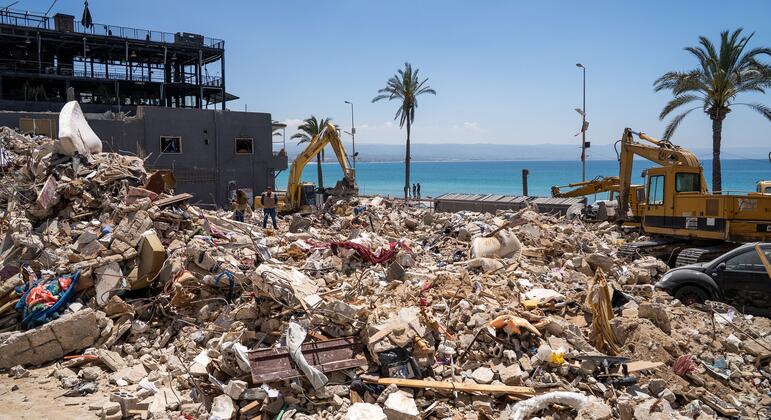
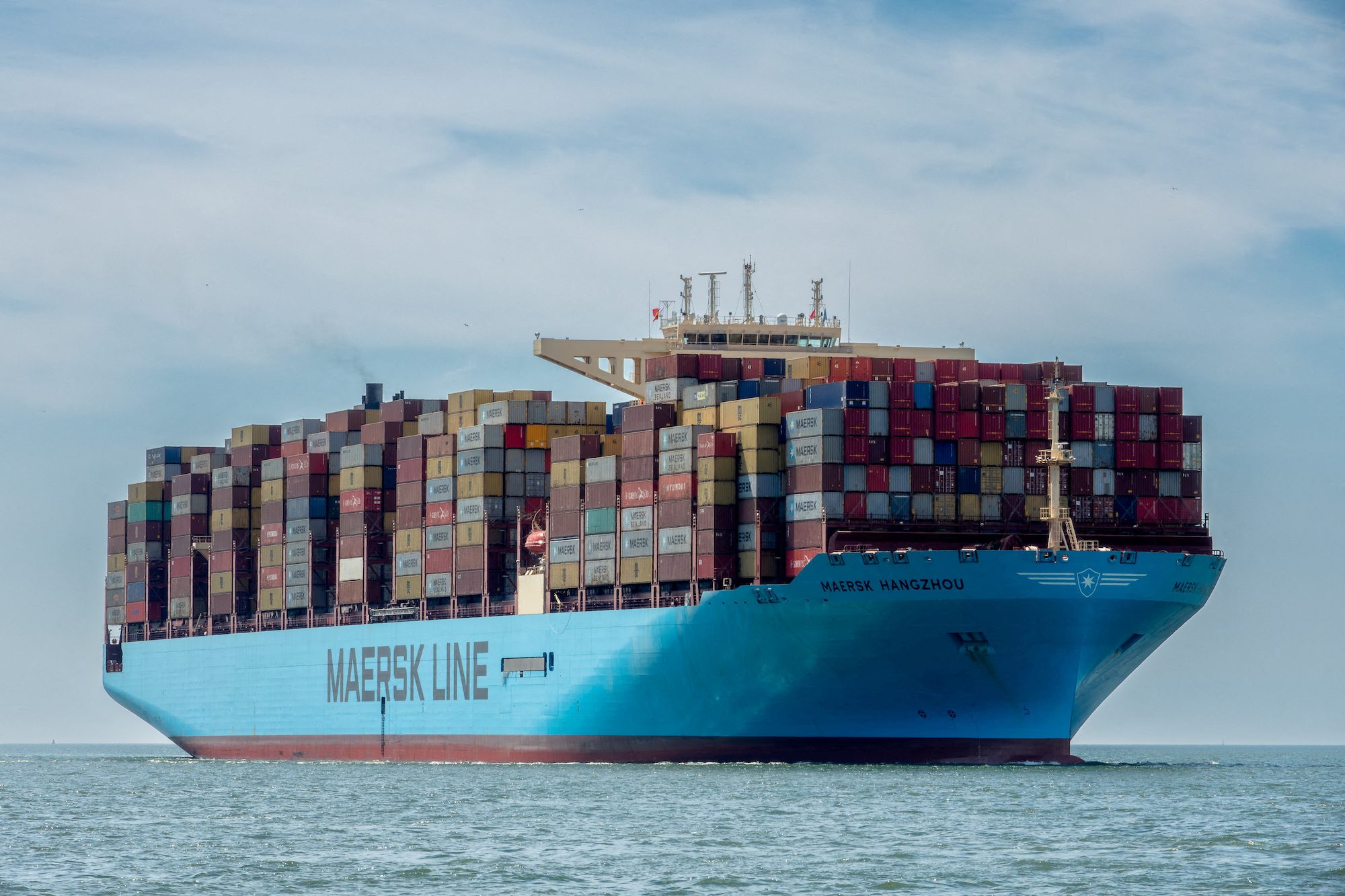
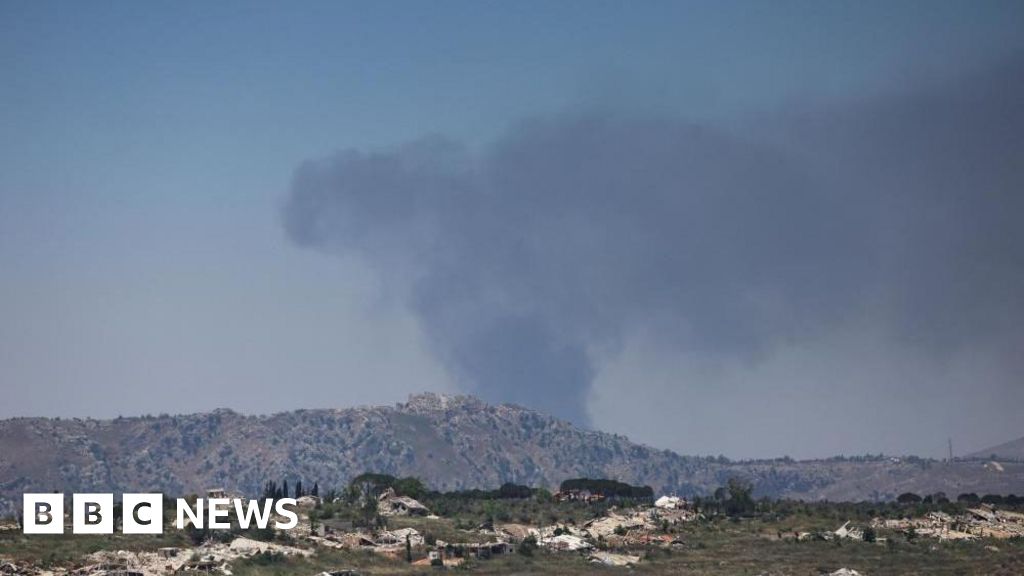
Israeli strikes in Beirut and in Nabatieh confirm an active northern front even as UNIFIL noted a recent dip in exchanges of fire. In Gaza, UN reports of new displacement, a strike on a UN school yard, and 47 FIRMS thermal detections between 15 and 17 June point to ongoing IDF activity, alongside severe constraints on essential services and aid flows limited to the Kerem Shalom crossing. Both Washington and Tehran say they have an interim agreement to reopen the Strait of Hormuz with a signing expected on Friday, but traffic remains significantly reduced, one tanker was recently hit near the corridor, insurers have pulled back, and major carriers such as Maersk retain restrictions and surcharges. Iranian officials warn Israeli action in Lebanon would violate the interim deal, raising the risk of political friction that could slow implementation.
Change from previous assessment
New reporting since 14 June adds fresh Israeli strikes in Beirut and Nabatieh and an Iranian warning that such action would violate the interim US, Iran deal, shifting our view from persistent clashes to a higher risk of political friction affecting the Hormuz track. Maritime indicators now include a documented Deep South Route, a tanker hit near the approaches, and some Iranian tankers crossing the reported blockade line, supporting continued high risk with selective movement. In Gaza, FIRMS detections decreased from the prior snapshot but, alongside UN-reported incidents and displacement, still indicate ongoing operations. Initial assessment of nascent returns in Nabatieh is tempered by Lebanese Armed Forces advisories against going back.
Key judgments
- Cross-border fighting between the IDF and Hezbollah is very likely to persist at an elevated tempo in the near term, evidenced by reported Israeli strikes in Beirut and the killing of four people in Nabatieh, despite UNIFIL’s recent observation of decreased exchanges of fire. (Confidence: medium · ASSESSED)
- I&W: Additional Israeli Air Force strikes reported in Beirut’s southern suburbs by Lebanese or international outlets. (0-14 days)
- I&W: UNIFIL weekly updates note sustained minimal exchanges of fire in southern Lebanon with no strikes in Beirut. (0-14 days)
- IDF combat activity in Gaza is very likely ongoing, with continued civilian displacement and a constrained humanitarian response, indicated by FIRMS thermal detections on 15-17 June, UN reporting of a strike on a UN school yard in Jabalia and new displacement around Gaza City, fuel shortages limiting essential services, and Kerem Shalom remaining the only approved entry point for supplies. (Confidence: high · ASSESSED)
- I&W: OCHA updates cite further displacement in Gaza City or Jabalia and continue to list Kerem Shalom as the sole approved aid entry point. (0-14 days)
- I&W: OCHA announces an additional approved Gaza crossing for humanitarian cargo beyond Kerem Shalom. (0-14 days)
- An interim US, Iran agreement to reopen the Strait of Hormuz is likely to be signed this week, but implementation is likely to be uneven and delayed due to security incidents, reduced traffic, and allied caution, and there is a roughly even chance Israeli strikes in Lebanon will create political friction that slows execution. (Confidence: medium · ASSESSED)
- I&W: Public release of the agreement text alongside JMIC reporting a marked week-on-week increase in commercial transits via the strait or Deep South Route. (0-14 days)
- I&W: Iranian officials publicly characterise new Israeli strikes in Lebanon as violating the interim deal and threaten to suspend obligations. (0-14 days)
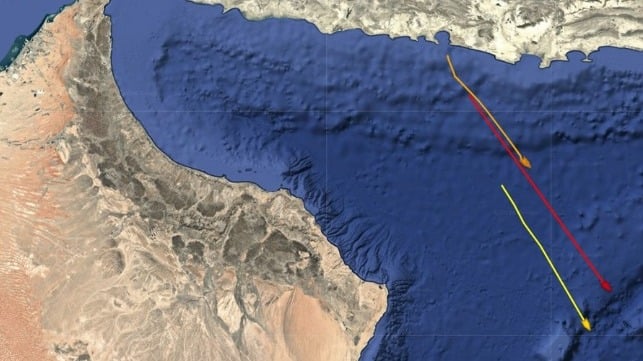
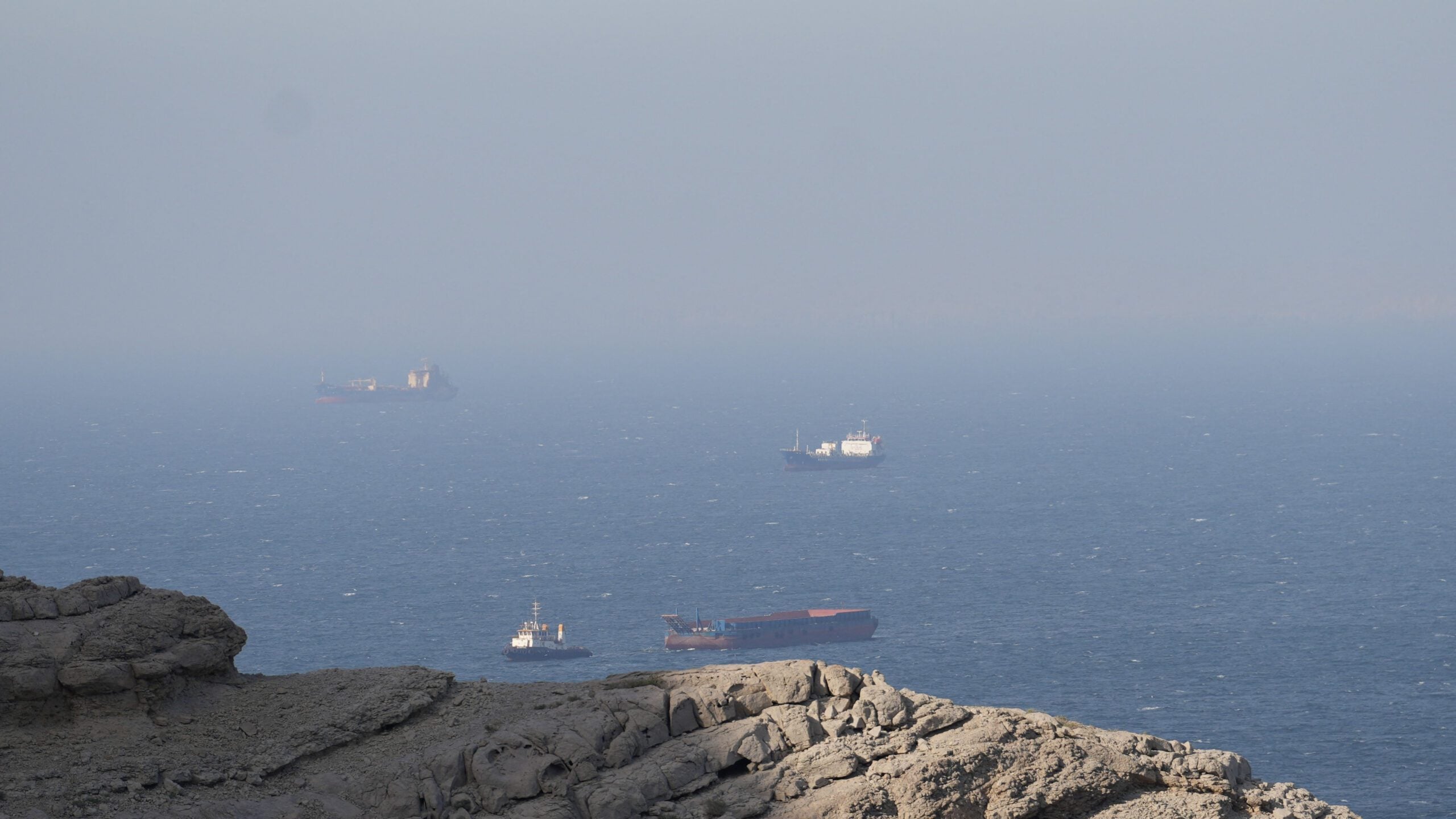
- Maritime risk in and around the Strait of Hormuz is very likely to remain high in the next 1-3 months despite some tanker movements, given a recent projectile strike on a tanker near the corridor, severely reduced traffic, mine-clearance timelines measured in weeks, curtailed insurance cover, carrier restrictions and surcharges, and reliance on a U.S.-coordinated Deep South Route. (Confidence: high · ASSESSED)
- I&W: Another commercial vessel is damaged by a projectile or mine near the Deep South Route or the strait’s southeastern approaches. (0-14 days)
- I&W: Maersk withdraws its Strait of Hormuz emergency surcharge and restores normal Gulf bookings. (1-3 months)
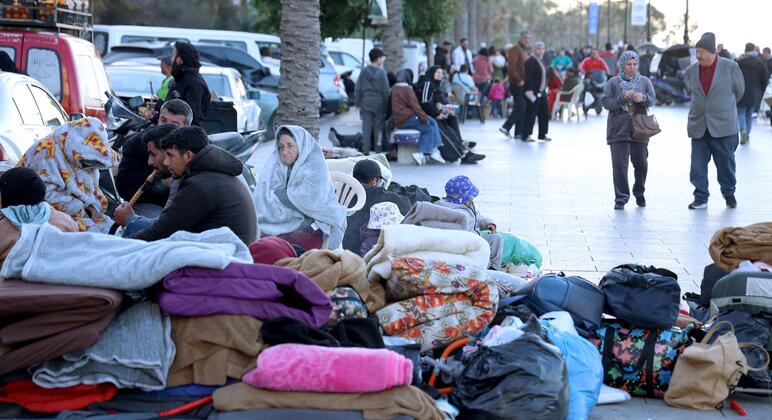
- Large-scale returns to southern Lebanon are unlikely in the near term, even as some families assess homes around Nabatieh and shelter occupancy dips, because the Lebanese Armed Forces are urging residents not to return to high-risk areas and Israeli strikes continue. (Confidence: medium · ASSESSED)
- I&W: Lebanese Armed Forces keep advisories against returns active for Nabatieh and state media report further Israeli strikes in the district. (0-14 days)
- I&W: LAF formally rescinds no-return advisories for specified localities in Nabatieh and UN reports announce coordinated returns to those towns. (1-3 months)
Outlook & scenarios
Managed containment on the northern front and slow maritime normalisation (55%)
IDF and Hezbollah continue tit-for-tat across southern Lebanon with occasional strikes in Beirut. Hezbollah maintains its linkage to Gaza operations while Israel signals operations will continue until northern residents can return. The US, Iran interim deal is signed, but traffic relies on the Deep South Route, insurers remain cautious, and carriers keep restrictions and surcharges as mine-clearance and security coordination take weeks.
Fragile detente and incremental reopening of Hormuz (35%)
UNIFIL-observed exchanges decline further and no new strikes occur in Beirut. The agreement text is published and paired with targeted sanctions waivers, allied naval support, and a measured uptick in JMIC-reported transits. Major lines gradually ease restrictions, though aid into Gaza remains constrained to Kerem Shalom pending separate ceasefire arrangements.
Escalation spiral derails implementation (20%)
A high-visibility Israeli strike in Beirut prompts Tehran to accuse Washington of bad faith. Iran signals or initiates escalatory steps that stall or suspend elements of the interim deal. Traffic through Hormuz remains sparse, insurers hold back, and carriers extend restrictions. Cross-border fire in Lebanon intensifies, raising humanitarian needs and complicating aid flows in Gaza.
Recommendations
- Prioritise daily review of UNIFIL and Lebanese National News Agency reporting for new strikes in Beirut and Nabatieh, and log changes against the latest UN trajectory counts.
- Task a standing watch on OCHA updates for Gaza for changes to approved crossings, new displacement advisories in Gaza City and Jabalia, and fuel availability for essential services.
- Use FIRMS VIIRS data as a corroborating indicator only; cross-check new thermal detections in Gaza with UN incident reports to reduce false positives.
- Build and monitor an AIS watchlist for Iranian-linked tankers cited in open sources, including Diona, Hero2 and Sonia I, and flag outbound runs past the reported blockade line.
- Track JMIC advisories and incident summaries for the Deep South Route, and compile commercial impacts by line, including Maersk booking limitations and surcharges.
- Collect official texts and implementation notices for the US, Iran interim agreement and any sanctions waivers; alert on divergences between public statements and published terms.
- Monitor statements from Iran’s foreign ministry for linkage between Israeli action in Lebanon and the interim deal, and assess implications for maritime risk posture.
Confidence & uncertainty
Overall confidence is medium. Reporting on Gaza and humanitarian constraints is well corroborated by UN sources alongside FIRMS detections, supporting high confidence for continued IDF activity. The northern front picture mixes UNIFIL’s reported decrease in exchanges with credible reports of fresh Israeli strikes in Beirut and Nabatieh, which lowers confidence on the tempo assessment. Maritime risk judgments draw on trade and industry reporting, a documented U.S. guidance note, insurer behaviour, and a recent tanker attack near Hormuz, but lack of an official public text for the US, Iran deal and divergent allied stances introduce uncertainty about implementation timelines.
Intelligence gaps
- [EEI 1.1 · UNCOVERED] Number, type and geolocated coordinates of projectiles (rockets, mortars, anti-tank guided missiles) fired from Lebanon into Israel in the last 24/72 hours, including time-stamped launch and impact locations. Recommended collection: signals/intel
- [EEI 1.2 · UNCOVERED] Satellite or aerial imagery showing movement, concentration, or forward displacement of Hezbollah-associated military assets (armored vehicles, artillery pieces, mobile rocket launchers, logistics convoys) to positions within 0–10 km of the Israel-Lebanon border. Recommended collection: satellite/imagery
- [EEI 1.3 · UNCOVERED] Intercepted or captured Hezbollah command-and-control communications or orders explicitly directing cross-border operations or coordinated strikes with Palestinian groups (time-stamped messages, unit identifiers, orders to fire/move). Recommended collection: signals/intel
- [EEI 1.4 · UNCOVERED] Observable changes in Israeli northern-front posture within Israel (numbers and types of reinforcements deployed to northern brigades, activation of reserves, air defense redeployments, evacuation orders or shelter alerts in northern towns), including timestamps and unit IDs where available. Recommended collection: human/intel
- [EEI 2.1 · UNCOVERED] Official or corroborated reports of IDF reservist mobilization and unit-level deployment orders (number of reservists called, named brigades/units ordered to deploy, deployment timelines). Recommended collection: open-source/media
- [EEI 2.2 · UNCOVERED] Satellite or ground imagery showing concentrations of IDF heavy equipment (tanks, infantry fighting vehicles, engineering vehicles), staging areas, field hospitals or forward supply dumps within X km of the Gaza border and at known crossing points. Recommended collection: satellite/imagery
- [EEI 2.3 · UNCOVERED] Change in strike patterns consistent with pre-ground-attack shaping: sustained high-frequency airstrikes on tunnel networks, command nodes, coastal launch sites, and known insurgent concentrations (strike counts, munition types, locations, times). Recommended collection: open-source/media
- [EEI 2.4 · UNCOVERED] Logistics indicators: verified convoys of fuel/ammunition entering staging areas, establishment of forward logistics or medical bases, or documented requisitioning orders for bulk combat supplies with timestamps and quantities. Recommended collection: human/intel
- [EEI 3.1 · UNCOVERED] Number, participants and content of diplomatic contacts or negotiation sessions in the last 48 hours involving mediators (Egypt, Qatar, US, UN), including any proposed ceasefire text, prisoner/exchange lists, timelines or verification mechanisms. Recommended collection: diplomatic
- [EEI 3.2 · UNCOVERED] Public statements, press releases or verified communiqués from Hamas and other Gaza armed groups specifying acceptance, rejection, or conditions for a ceasefire (explicit conditions such as prisoner release lists, withdrawal terms, lifting of blockades), with timestamps and speaker attribution. Recommended collection: open-source/media
- [EEI 3.3 · UNCOVERED] Humanitarian indicators relevant to ceasefire: establishment and operation of agreed humanitarian corridors/checkpoints, number of aid deliveries admitted, civilian evacuations completed, and NGO/hospital reports of access denials or safe-passage violations. Recommended collection: humanitarian/NGO reports
- [EEI 3.4 · UNCOVERED] Operational evidence of a de facto pause: verified sustained reduction (e.g., ≥12 hours) in strikes or launches from either side in specific sectors, supported by strike/impact logs, radar tracks and incident reports. Recommended collection: open-source/media
Cited sources
[1] NewsX World · Fresh Strikes in Beirut: is the US-Iran Deal at Risk? | NewsX World (B) · sha256:ec79d50366c7 [2] Al Jazeera · Iran war day 110: Tehran says Israeli attacks on Lebanon threaten US deal (A) · sha256:688c3d13c1c1 [3] United Nations · World News in Brief: Risky return home in Lebanon, displacement in Gaza, emergency funding for Somalia (A) · sha256:78d1f372127a [4] Wikipedia · Hezbollah–Israel conflict (2023–present) (B) · sha256:736de7fd9049 [5] firms.modaps.eosdis.nasa.gov · NASA FIRMS thermal detections — Gaza (3d) (F) · sha256:e4dfefd567fd [6] United Nations · World News in Brief: Reduced violence in Lebanon, shortages in Gaza, rising debt impacts development funding (A) · sha256:d267241884af [7] UK Government · UN Human Rights Council 62: UK Statement for the Interactive Dialogue on the Occupied Palestinian Territory, including East Jerusalem and in Israel (A) · sha256:af2120f2a3be [8] gcaptain.com · US at Odds With Allies Over How Easy It Is to Reopen Hormuz (B) · sha256:d70fe580142c [9] gcaptain.com · Oil Tankers U-Turn, Rush to Middle East Before Hormuz Reopening (B) · sha256:b566a498089f [10] gcaptain.com · Europeans Wary of Committing Naval Power to Hormuz Quickly (B) · sha256:bdad257665c8 [11] gcaptain.com · U.S. Military Guidance Reveals High-Risk Reality of Hormuz's 'Southern Highway' (A) · sha256:bd15873ddf06 [12] bbc.com · Israel launches fresh strikes on Lebanon despite Trump criticism (A) · sha256:59a47f7eb70d [13] Al Jazeera · Oil prices continue slide amid hopes for peace, opening of Strait of Hormuz (A) · sha256:47024474bb64 [14] gcaptain.com · Maersk Keeps Gulf Restrictions in Place Despite Hormuz Reopening Push (C) · sha256:c7c346f2a950 [15] maritime-executive.com · Iranian Tankers Begin to Move Out Past U.S. Blockade Line (B) · sha256:3f829043fe0b [16] cfr.org · Conflict With Hezbollah in Lebanon (B) · sha256:67d64e1b2e6c
Source content hashes were computed at collection time; the cited text is preserved unmodified for the life of this product.
TLP:CLEAR