TLP:CLEAR · Disclosure is not limited.
Israel-Gaza Regional Escalation: Ceasefire Erosion and Lebanon Pressure
Time window: Last 7 days · Audience: General analyst · Type: Situation report · DTG: 2026-09-08 13:19Z · Overall confidence: HIGH
BLUF
Very likely Israeli operations will continue in Gaza and southern Lebanon over the next 0-14 days, leaving both ceasefire arrangements unstable. The dispute over Ali al-Taher Ridge keeps the chance of a major Israel-Hezbollah exchange roughly even over the next 1-3 months, while humanitarian conditions are very likely to worsen.
Executive summary
Israeli strikes and military activity continued in Gaza and southern Lebanon during 1-8 September 2026 despite ceasefire arrangements. Israel claims control of Ali al-Taher Ridge and completion of its security zone, while Lebanese sources dispute the extent of Israeli control and Hezbollah rejects disarmament. West Bank raids, closures, arrests and demolitions add pressure around East Jerusalem, Nablus, Hebron and the refugee camps. Humanitarian conditions are deteriorating in Gaza and southern Lebanon, while disputed US-Iran maritime incidents around the Strait of Hormuz preserve a wider regional escalation risk.
Change from previous assessment
Since the 7 September 2026 brief, the core assessment that Israeli activity will continue in Gaza and southern Lebanon remains unchanged, with high confidence. New reporting sharpens the distinction between Israel's claim that Ali al-Taher Ridge operations are complete and Lebanese reporting that control is partial, so the roughly even chance of a major Israel-Hezbollah exchange is retained rather than raised. The brief now gives greater weight to the 8 September West Bank raids, closures, arrests and demolitions, and adds the reported US and Iranian maritime escalation as a distinct wildcard. No prior judgment has been retired.
Key judgments
- Very likely Israeli strikes will continue in Gaza over the next 0-14 days, keeping the October ceasefire operationally unstable. Reporting identifies a strike near a WHO representative in Gaza City on 31 August, an Israeli strike on a civilian vehicle in western Gaza City on 7 September, and around 200 Israeli strikes recorded during the ceasefire. Gaza's Health Ministry reports at least 1,344 Palestinian deaths since the ceasefire. NASA FIRMS recorded 35 active fire and thermal detections over Gaza on 7-8 September, although none were high-confidence and the data do not establish cause or attribution. The casualty total and target characterisation remain contested because the IDF disputes attribution and identifies a Palestinian Islamic Jihad operative in one reported strike. This is an assessed forecast with high confidence because multilateral, major-media, official satellite and conflict-data reporting corroborate continued activity. (Confidence: high · ASSESSED)
- I&W: Confirm: the IDF or independent reporting records another Israeli strike in Gaza, including Gaza City or Rafah, or NASA FIRMS records new high-confidence thermal detections. (0-14 days)
- I&W: Break: 14 consecutive days pass without a reported Israeli strike in Gaza, a new ceasefire-period fatality report or high-confidence thermal detection. (0-14 days)
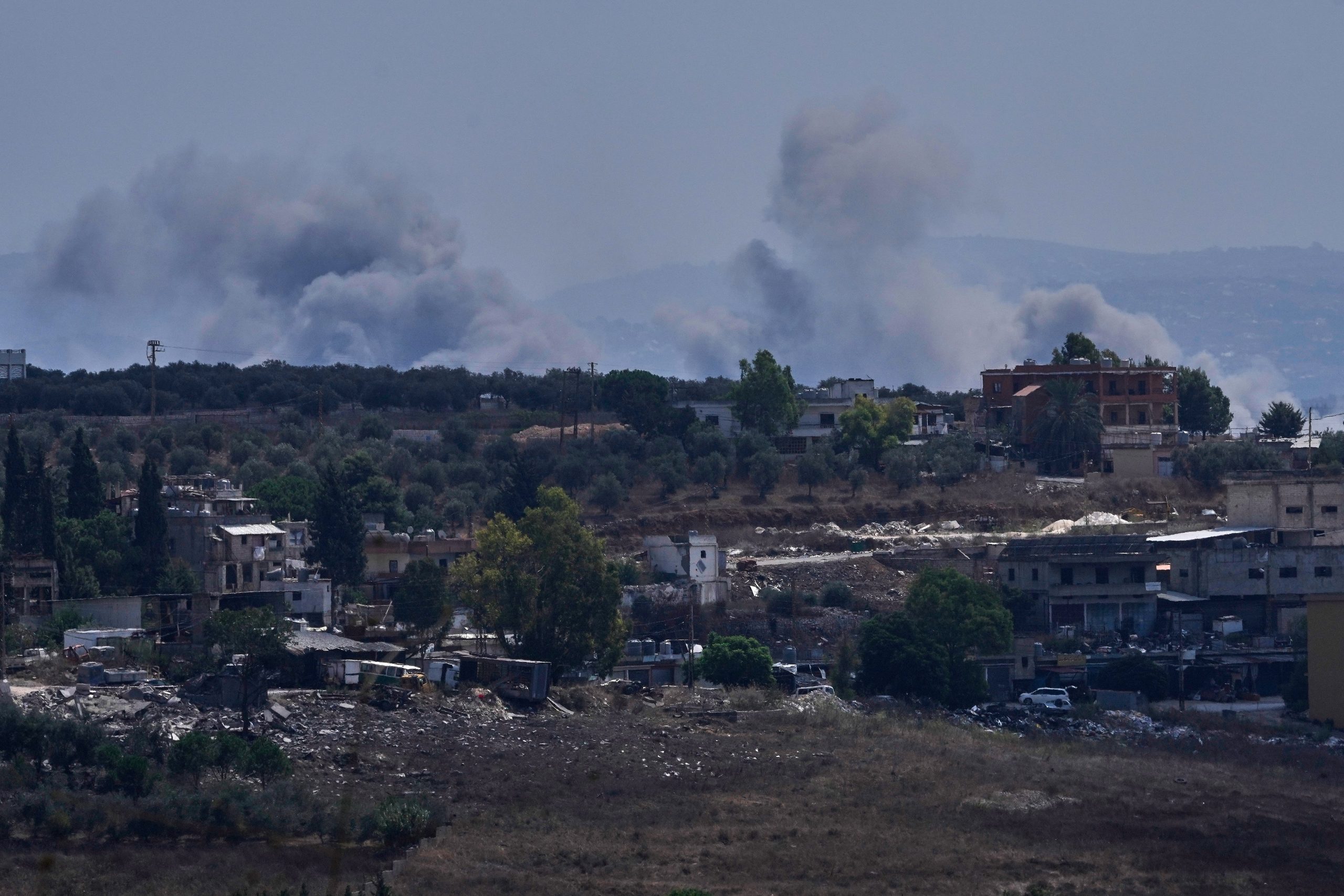
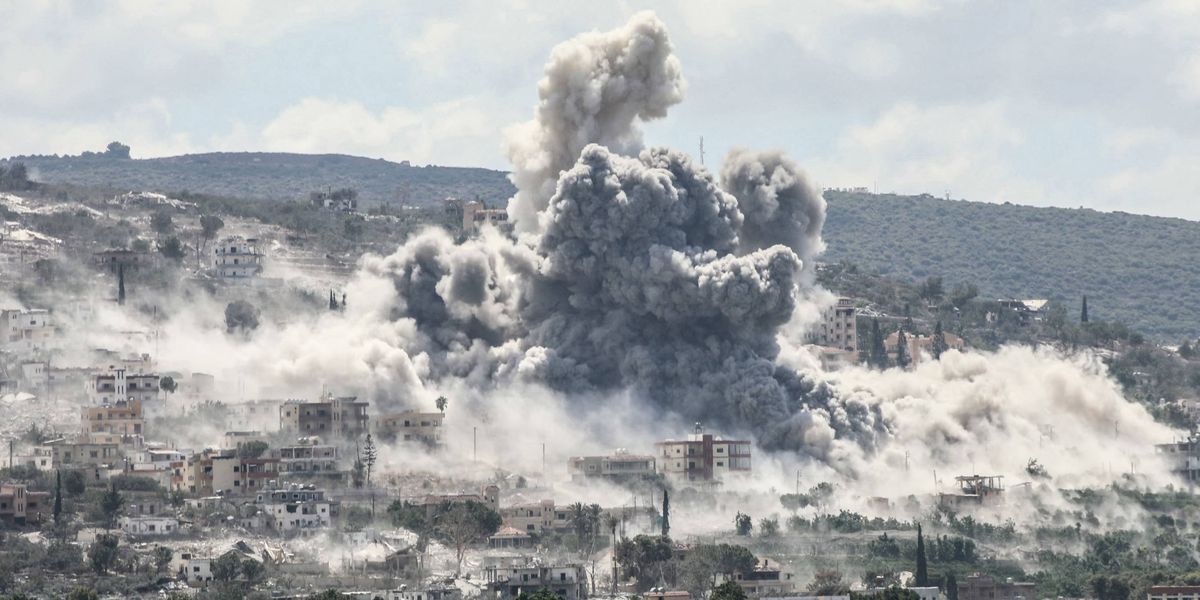
- Very likely Israeli airstrikes and other military activity will continue in southern Lebanon over the next 0-14 days, further weakening the June US-brokered ceasefire. UNIFIL recorded 56 Israeli projectiles on 1 September and 84 on 2 September, alongside daily Israeli airspace violations, airstrikes, ground activity and naval operations. Reporting attributes at least 27 deaths and 69 injuries to Israeli strikes over three days, including 12 deaths in Kfar Rumman. The immediate trigger remains contested: the UN detected no Hezbollah projectile launches since 21 June, while the IDF says Hezbollah launched two explosive drones at Israeli troops. Confidence is high for continued Israeli activity, but lower for the attribution of the triggering incident. (Confidence: high · ASSESSED)
- I&W: Confirm: UNIFIL logs new Israeli projectiles, airstrikes, ground activity or naval operations, or Lebanese authorities report further Israeli casualties in Nabatieh, Kfar Rumman or Arab Salim. (0-14 days)
- I&W: Break: UNIFIL records no Israeli projectiles, airstrikes, ground activity or naval operations for seven consecutive days and Israel announces a withdrawal from the declared security zone. (0-14 days)
- Roughly even chance of a major Israel-Hezbollah exchange following operations around Ali al-Taher Ridge over the next 1-3 months. Israel claims control of the ridge and says its capture completed control of the security zone, while Lebanese sources say Israeli forces captured only a few facilities. Israeli forces reportedly began besieging the ridge in June. Iran reportedly warned through Oman that an Israeli capture would cross its red lines, but Iran did not attack after the reported capture. The Iranian warning is low-confidence and uncorroborated, while the control claims come from opposing parties and a limited think-tank reporting chain. Confidence is medium. (Confidence: medium · ASSESSED)
- I&W: Confirm: Hezbollah launches an explosive drone or projectile against Israeli troops in the security zone, or Israel announces an expansion of its ground positions beyond Ali al-Taher Ridge. (0-14 days)
- I&W: Break: Israel confirms no further advance, Hezbollah records no attack on Israeli troops, and Israel-Lebanon talks continue without a new exchange for 30 days. (1-3 months)
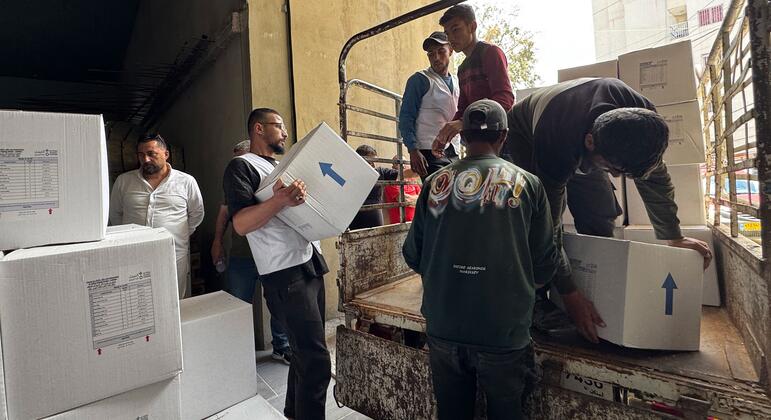
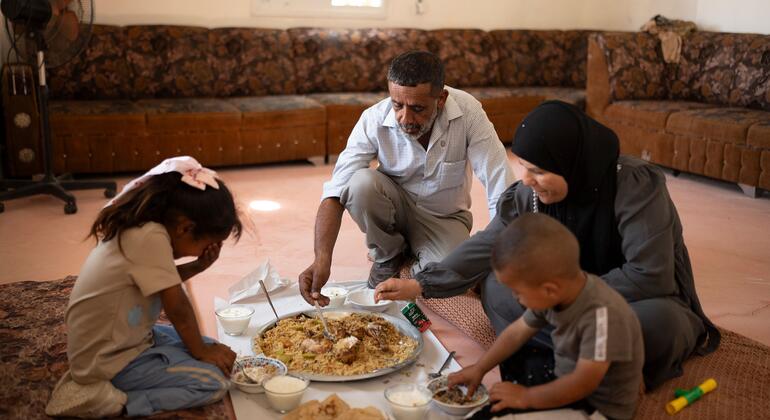
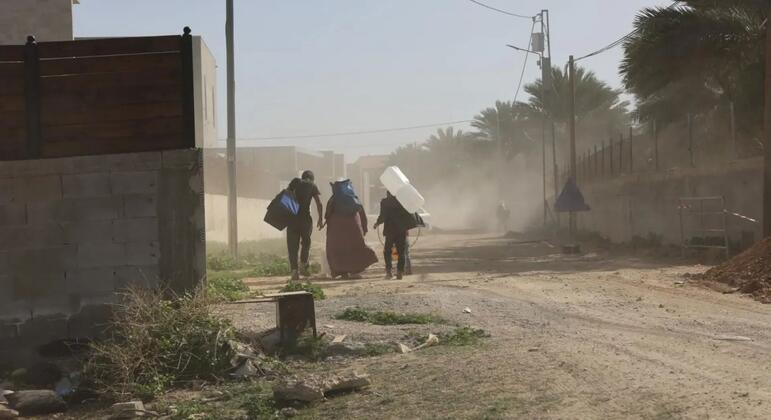
- Very likely humanitarian conditions will worsen in Gaza and southern Lebanon over the next 1-3 months. WHO reports that water contamination in Gaza has almost tripled since January 2026 and acute watery diarrhoea cases rose from about 30,000 in March to more than 58,000 in August. UN reporting says ambulances and medical equipment remain restricted from entering Gaza, while WFP warns that up to 90 per cent of Gaza's population will face high levels of acute food insecurity by the end of 2026 if food aid does not continue. In southern Lebanon, Israeli strikes reportedly killed at least 27 people and wounded 69 over three days, and Ghandour Hospital in Nabatieh was reported completely destroyed. Confidence is high because WHO, WFP, UN, UNIFIL and major-media reporting provide broad corroboration, although casualty figures and target characterisations remain contested. (Confidence: high · ASSESSED)
- I&W: Confirm: WHO reports further increases in acute watery diarrhoea or water contamination, WFP announces additional food-assistance reductions, or UN reporting confirms continued restrictions on ambulances and medical equipment entering Gaza. (0-3 months)
- I&W: Break: UN reporting confirms unrestricted entry of ambulances and medical equipment for 14 consecutive days and WFP confirms restored food or cash assistance in Gaza. (0-3 months)
- Likely Israeli security operations, movement restrictions and displacement pressure will continue across the West Bank and East Jerusalem over the next 1-3 months. Israeli forces launched raids on 8 September in Anata, Shu'fat refugee camp and Dura, closed entrances to Shu'fat and Anata, arrested at least 10 people in Dura and Hebron, demolished homes in Khallit al-Dabe, and killed a Palestinian man in Aqraba under circumstances disputed by the IDF and Palestinian reporting. OHCHR reports that more than 33,000 Palestinians remain displaced from Jenin, Nur Shams and Tulkarem refugee camps and that the displacement raises concerns of forcible transfer. Confidence is medium because the current activity is supported by multiple reports, but the duration and scale of future operations are not established. (Confidence: medium · ASSESSED)
- I&W: Confirm: Israeli forces impose new closures, raids, arrests or demolitions in Anata, Shu'fat, Aqraba, Dura, Hebron, Jenin, Nur Shams or Tulkarem. (0-14 days)
- I&W: Break: Israeli forces reopen the entrances to Shu'fat and Anata, permit residents to move freely for 14 consecutive days, and restore access for displaced residents to at least one of the three refugee camps. (1-3 months)
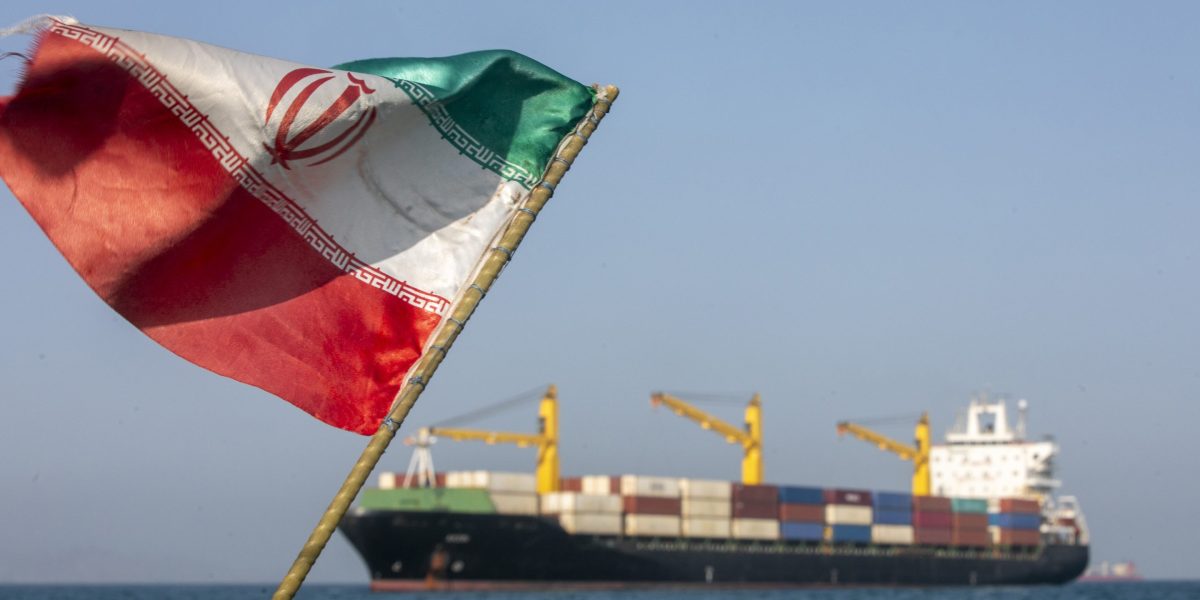
- Roughly even chance of another direct US-Iran military exchange in or around the Strait of Hormuz over the next 0-14 days. Reporting says the United States struck three Iranian oil tankers after Iran launched ballistic missiles at US warships. Iran's Supreme National Security Council says Tehran plans an exclusion zone outside the Strait, Iranian state media claims that Iran hit a US vessel, and the US military denies that claim. Confidence is medium because the exchange sequence and vessel incident are disputed and independent confirmation of the reported hit is absent. (Confidence: medium · ASSESSED)
- I&W: Confirm: Iran formally announces the planned exclusion zone, launches another strike against a US vessel, or the United States reports another strike against an Iranian vessel or missile site. (0-14 days)
- I&W: Break: Iran does not announce the exclusion zone and no further US-Iran military incident is reported for 14 consecutive days. (0-14 days)
Outlook & scenarios
Persistent, localised ceasefire violations (45%)
Israeli strikes continue in Gaza and southern Lebanon without Hezbollah opening a sustained campaign against Israel. Israel maintains positions around Ali al-Taher Ridge, while Lebanon and Hezbollah continue diplomatic and political pressure. Humanitarian access worsens as fighting remains below the threshold of a wider regional war.
Major Israel-Hezbollah exchange (30%)
A Hezbollah drone or projectile attack on Israeli troops in the southern Lebanon security zone prompts a larger Israeli response around Ali al-Taher Ridge and Nabatieh. Israel expands military activity, Hezbollah abandons its current restraint, and the June ceasefire becomes largely ineffective.
Diplomatic containment with limited relief (15%)
US-backed Israel-Lebanon talks and international pressure produce a limited reduction in strikes. Israel retains positions in southern Lebanon, but no major Hezbollah attack follows. Gaza aid access improves sufficiently to slow, rather than reverse, humanitarian deterioration.
Wildcard: wider Iran-linked regional spillover (10%)
Iran activates the planned Strait of Hormuz exclusion zone or another US-Iran maritime incident is confirmed. Direct US-Iran exchanges divert attention and military capacity towards the Gulf, while the Ali al-Taher dispute and Israeli operations in Gaza and Lebanon trigger linked escalation. This is a low-probability, high-impact pathway.
Recommendations
- Maintain a daily incident ledger for Gaza and southern Lebanon that separates reported facts, actor attribution and casualty figures. Record preliminary and revised counts separately, especially for Kfar Rumman, Nabatieh and Gaza City.
- Treat Israeli control of Ali al-Taher Ridge as disputed in all reporting until UNIFIL, independent imagery or multiple non-belligerent sources confirm the extent of the positions and the status of Hezbollah facilities.
- Prioritise alerts for Hezbollah drone or projectile launches against Israeli troops, Israeli movement beyond Ali al-Taher Ridge, new UNIFIL reports of projectiles or airstrikes, and any formal Iranian announcement of the Strait of Hormuz exclusion zone.
- Track humanitarian indicators weekly: entry of ambulances and medical equipment into Gaza, WHO reports on water contamination and diarrhoeal disease, WFP food-assistance levels, and UNIFIL-facilitated missions in southern Lebanon.
- Maintain a separate West Bank watchlist covering Anata, Shu'fat, Aqraba, Dura, Hebron, Jenin, Nur Shams and Tulkarem. Flag new closures, arrests, demolitions, deaths and changes in access for displaced residents.
- Use the first confirmed US-Iran maritime exchange, rather than unverified claims about the reported vessel incident, as the threshold for revising the wider regional escalation assessment.
Confidence & uncertainty
Overall confidence is high because the principal judgments draw on 26 usable sources, including UN, WHO, WFP, UNIFIL, NASA FIRMS, BBC, Associated Press and Committee to Protect Journalists reporting. Multiple independent sources corroborate continued Israeli activity in Gaza and southern Lebanon and the deterioration of humanitarian conditions. The main uncertainties concern casualty attribution, the intended targets of individual strikes, the extent of Israeli control at Ali al-Taher Ridge, the uncorroborated Iranian warning, and the competing US and Iranian accounts of the Strait of Hormuz incident.
Intelligence gaps
- [EEI 1.1 · PARTIAL] Number, type and geolocated coordinates of projectiles (rockets, mortars, anti-tank guided missiles) fired from Lebanon into Israel in the last 24/72 hours, including time-stamped launch and impact locations. Recommended collection: signals/intel
- [EEI 1.2 · UNCOVERED] Satellite or aerial imagery showing movement, concentration, or forward displacement of Hezbollah-associated military assets (armored vehicles, artillery pieces, mobile rocket launchers, logistics convoys) to positions within 0-10 km of the Israel-Lebanon border. Recommended collection: satellite/imagery
- [EEI 1.3 · UNCOVERED] Intercepted or captured Hezbollah command-and-control communications or orders explicitly directing cross-border operations or coordinated strikes with Palestinian groups (time-stamped messages, unit identifiers, orders to fire/move). Recommended collection: signals/intel
- [EEI 1.4 · UNCOVERED] Observable changes in Israeli northern-front posture within Israel (numbers and types of reinforcements deployed to northern brigades, activation of reserves, air defense redeployments, evacuation orders or shelter alerts in northern towns), including timestamps and unit IDs where available. Recommended collection: human/intel
- [EEI 2.1 · UNCOVERED] Official or corroborated reports of IDF reservist mobilization and unit-level deployment orders (number of reservists called, named brigades/units ordered to deploy, deployment timelines). Recommended collection: open-source/media
- [EEI 2.2 · UNCOVERED] Satellite or ground imagery showing concentrations of IDF heavy equipment (tanks, infantry fighting vehicles, engineering vehicles), staging areas, field hospitals or forward supply dumps within X km of the Gaza border and at known crossing points. Recommended collection: satellite/imagery
- [EEI 2.3 · PARTIAL] Change in strike patterns consistent with pre-ground-attack shaping: sustained high-frequency airstrikes on tunnel networks, command nodes, coastal launch sites, and known insurgent concentrations (strike counts, munition types, locations, times). Recommended collection: open-source/media
- [EEI 2.4 · UNCOVERED] Logistics indicators: verified convoys of fuel/ammunition entering staging areas, establishment of forward logistics or medical bases, or documented requisitioning orders for bulk combat supplies with timestamps and quantities. Recommended collection: human/intel
- [EEI 3.1 · PARTIAL] Number, participants and content of diplomatic contacts or negotiation sessions in the last 48 hours involving mediators (Egypt, Qatar, US, UN), including any proposed ceasefire text, prisoner/exchange lists, timelines or verification mechanisms. Recommended collection: diplomatic
- [EEI 3.2 · PARTIAL] Public statements, press releases or verified communiqués from Hamas and other Gaza armed groups specifying acceptance, rejection, or conditions for a ceasefire (explicit conditions such as prisoner release lists, withdrawal terms, lifting of blockades), with timestamps and speaker attribution. Recommended collection: open-source/media
- [EEI 3.3 · PARTIAL] Humanitarian indicators relevant to ceasefire: establishment and operation of agreed humanitarian corridors/checkpoints, number of aid deliveries admitted, civilian evacuations completed, and NGO/hospital reports of access denials or safe-passage violations. Recommended collection: humanitarian/NGO reports
- [EEI 3.4 · PARTIAL] Operational evidence of a de facto pause: verified sustained reduction (e.g., ≥12 hours) in strikes or launches from either side in specific sectors, supported by strike/impact logs, radar tracks and incident reports. Recommended collection: open-source/media
TLP:CLEAR