TLP:CLEAR · Disclosure is not limited.
Israel-Gaza Regional Escalation: Ceasefire Strain and Lebanon Risk, 20 October 2026
Time window: Last 7 days · Audience: General analyst · Type: Situation report · DTG: 2026-10-20 13:11Z · Overall confidence: HIGH
BLUF
The Gaza ceasefire remains fragile in practice: reporting describes almost daily Israeli strikes, while the World Food Programme is cutting food assistance. Israeli forces reportedly retain positions in southern Lebanon, and Israel Katz has threatened wider operations; claims of a US strike at Konarak are too weak and contested to confirm a renewed Iran campaign.
Executive summary
Reporting during 13 to 20 October describes continuing Israeli military operations in Gaza despite the year-old ceasefire. UN senior official Ramiz Alakbarov cited Gaza Ministry of Health figures of about 1,500 Palestinian deaths since the ceasefire began. The World Food Programme has announced reductions in beneficiaries, food parcels and meals because of funding shortages, although a separate claim that aid was fully suspended for about 500,000 people is not reconciled with the reported reductions. In Lebanon, local reporting says Israeli forces maintain positions and continue operations in the south; Israel Katz has threatened expanded operations, but no supplied reporting verifies an advance towards the Awali River. US-Israel signalling on Iran has intensified in reporting, while claims of a US strike at Konarak remain weakly sourced and conflict over the platform used. The Palestinian Cabinet reports more than 350 settler attacks during the West Bank olive harvest, a count that is not directly comparable with the figure cited in the prior brief.
Change from previous assessment
Since the 19 October brief, UN senior official Ramiz Alakbarov's reported figure of about 1,500 Palestinian deaths since the ceasefire began adds a cumulative measure of Gaza violence. WFP reporting now specifies planned reductions in beneficiaries, ration recipients and daily meals; the Palestinian Cabinet's separate description of a suspension affecting about 500,000 people leaves the scale and status of the cuts unresolved. The Lebanon assessment has shifted from explosives-seizure friction to reported Israeli positions in the south and new threats by Israel Katz, although the claim of movement towards the Awali River remains unverified. New reporting on the Hegseth-Netanyahu meeting and possible US-Israel operations against Iran raises regional escalation concern, but the reported Konarak strike is not established. The West Bank update adds a Palestinian Cabinet count of more than 350 harvest-season attacks; it is not directly comparable with the Yesh Din count in the prior brief. The prior assessment of a reported Iranian transfer of $200 million to Hezbollah is not carried forward because this reporting window provides no new evidence on it.
Key judgments
- Very likely, Israeli strikes and military operations in Gaza will continue over the next 30 days despite the year-old ceasefire. BBC reporting describes almost daily Israeli strikes. UN senior official Ramiz Alakbarov cited Gaza's Ministry of Health for about 1,500 Palestinian deaths since the ceasefire began, including more than 320 children and 140 women. A social-media report says Israeli strikes and gunfire killed at least four Palestinians on 20 October, including a 17-year-old near Khan Younis; that incident-level account is not independently corroborated in the supplied reporting. (Confidence: medium · ASSESSED)
- I&W: Confirmation: a UN update or major-media report records a new, dated Israeli strike or gunfire incident causing Palestinian deaths in Gaza. (0-14 days)
- I&W: Break: UN or major-media reporting records no Israeli strike or gunfire incident for 14 consecutive days and reports continued adherence to the ceasefire. (0-14 days)
- Very likely, WFP food assistance in Gaza will contract over the next six months because of funding shortages, but the extent of the reductions remains unresolved. BBC reporting gives planned falls from 1.6 million to 1.1 million people helped, from 1.1 million to 600,000 monthly recipients of flour and ration boxes, and from 250,000 to 150,000 hot meals a day. WFP says it needs $450 million to maintain critical operations and received less than half its previous funding. The Palestinian Cabinet describes an aid suspension affecting about 500,000 people, but the supplied reporting does not establish whether those people lose all assistance or receive reduced support. (Confidence: medium · ASSESSED)
- I&W: Confirmation: WFP's next Gaza distribution schedule confirms lower coverage, including a beneficiary ceiling of 1.1 million, 600,000 monthly ration recipients or 150,000 daily hot meals. (0-30 days)
- I&W: Break: WFP reports receiving enough funding to restore coverage to 1.6 million people and the previously reported ration and meal levels. (0-3 months)
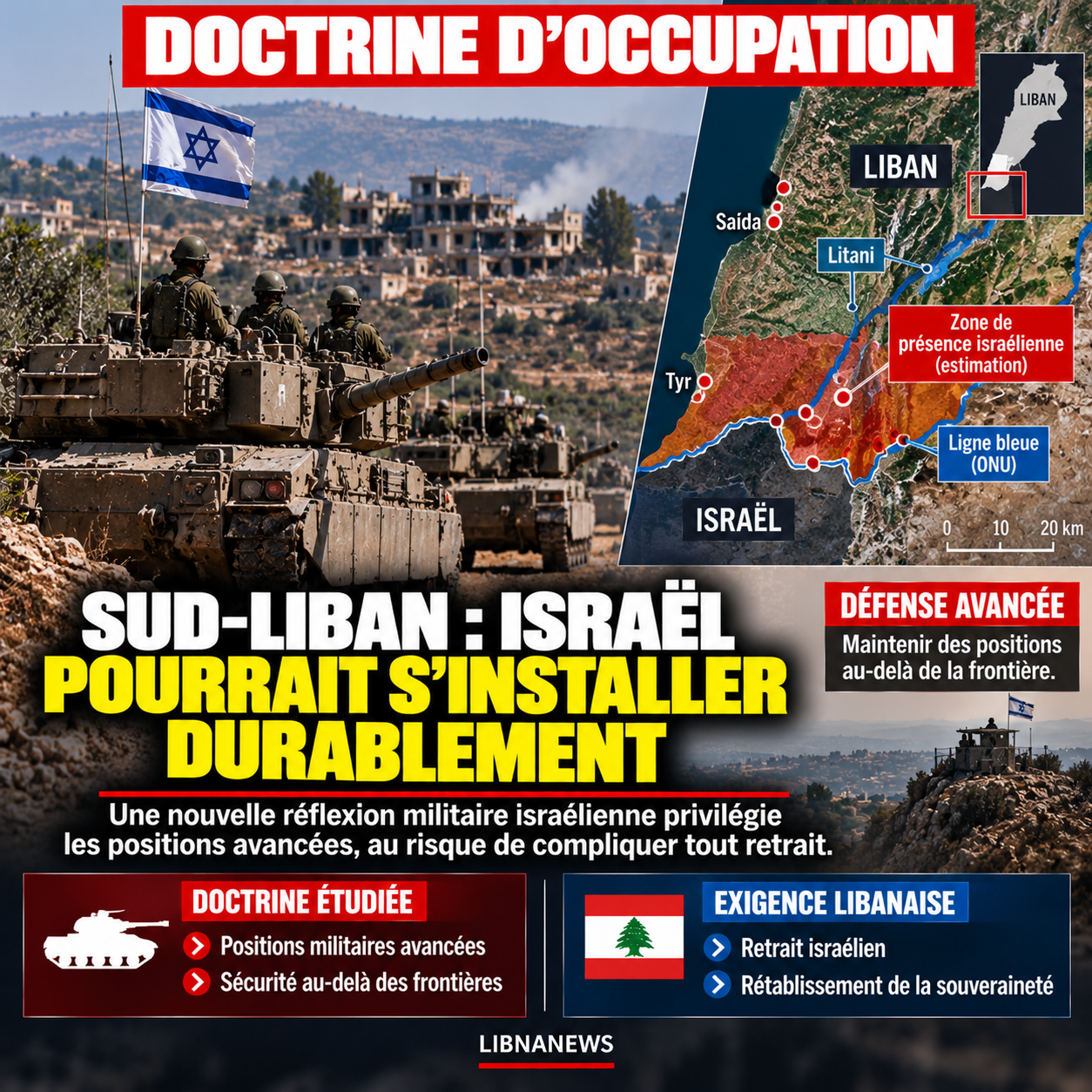
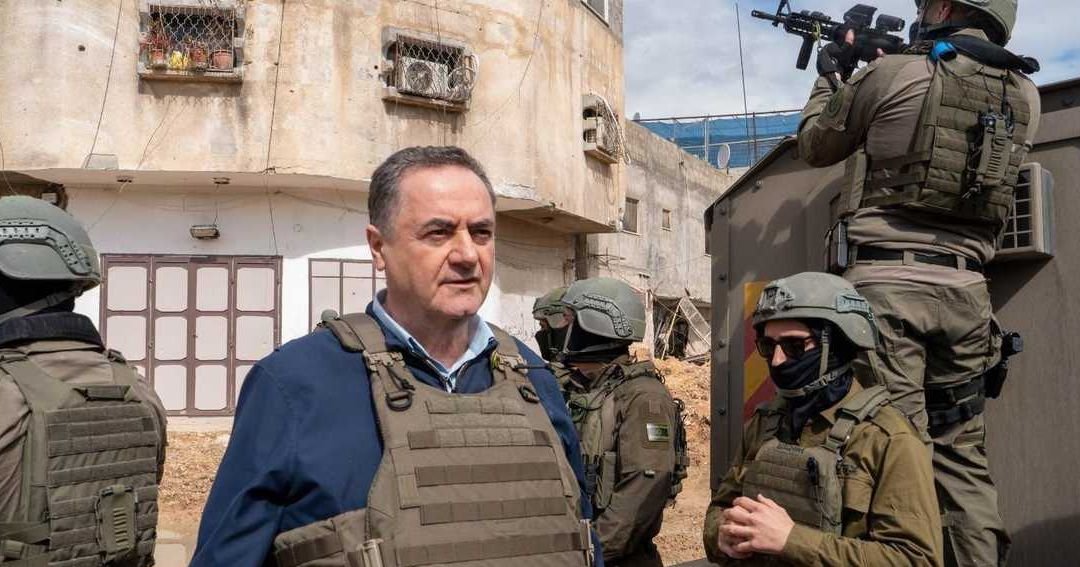
- Likely, Israeli positions and military operations in southern Lebanon will persist over the next month, but an advance towards the Awali River is not established. Local-media reporting says Israeli forces maintain positions and continue operations; Lebanese authorities report airstrikes and overflights, while Katz has threatened expanded operations. The claims about current positions and possible movement towards Awali rely mainly on local reporting and lack independent confirmation of an advance. (Confidence: low · ASSESSED)
- I&W: Confirmation: dated, geolocated reporting shows Israeli forces establishing new positions north of their reported locations in southern Lebanon, towards the Awali River. (0-30 days)
- I&W: Break: verified reporting shows Israeli forces vacating identified positions and Lebanese security forces expanding their presence in the previously unoccupied villages Joseph Aoun named. (0-30 days)
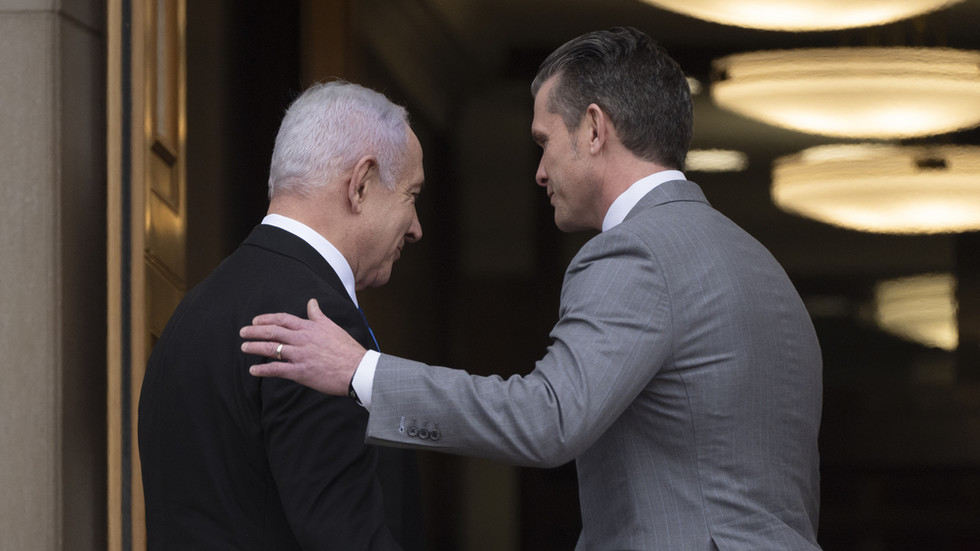
- Likely, US-Israel military signalling towards Iran will remain active over the next 30 days, but the supplied reporting does not establish a decision to resume large-scale strikes. Reporting attributed to Axios describes Pete Hegseth's 19 October meeting with Benjamin Netanyahu at Ovda Air Base and discussions about resuming operations; Netanyahu separately said Israel was prepared to act alone. The reported US strike at Konarak is not confirmation of a renewed campaign: the claim is blog-level reporting, and accounts conflict over whether F/A-18E/F Super Hornets or an MQ-9 Reaper was involved. (Confidence: medium · ASSESSED)
- I&W: Confirmation: US or Israeli officials announce a decision, deployment or timeline for renewed operations against Iran, or independent reporting corroborates a strike at Konarak. (0-30 days)
- I&W: Break: US and Iranian officials announce substantive progress in negotiations and publicly rule out further strikes during the reporting period. (0-30 days)
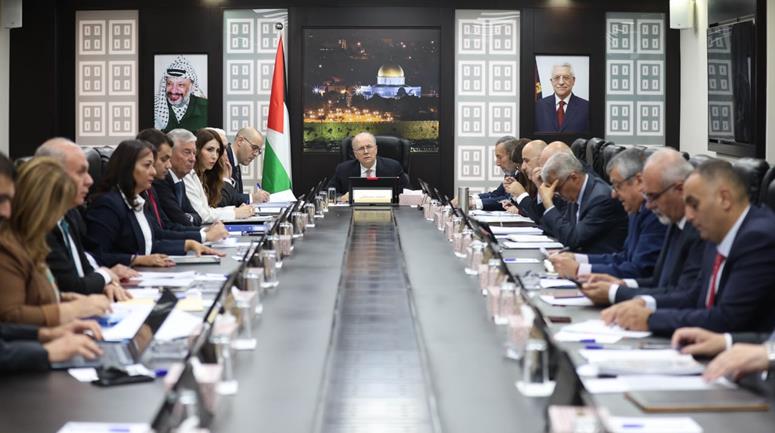
- Likely, settler attacks in the West Bank will continue during the olive harvest. The Palestinian Cabinet reports more than 350 attacks since the season began, and the UK Government condemned attacks on officials from France, Belgium and Poland, a Catholic Church representative, and a US journalist. The Cabinet's tally is not directly comparable with the higher Yesh Din count cited in the prior brief because the supplied reporting does not show that the two counts use the same definitions or coverage. (Confidence: medium · ASSESSED)
- I&W: Confirmation: a subsequent Palestinian Cabinet harvest bulletin records additional attacks with dated locations, or the UK Government reports another attack on a foreign official or journalist. (0-30 days)
- I&W: Break: two consecutive weekly Palestinian Cabinet updates record no new attacks and the Ministry of Agriculture reports the olive harvest complete without further reported attacks. (0-30 days)
Outlook & scenarios
Ceasefire strain continues without a wider Lebanon front (55%)
The Gaza ceasefire remains formally in place, but Israeli operations continue at a near-daily pace and WFP reductions take effect. Israeli forces retain their reported positions in southern Lebanon without verified movement towards the Awali River. This is the most likely continuation of the current pattern over the next 30 days.
Israeli operations expand in southern Lebanon (20%)
Israeli strikes or ground activity in southern Lebanon increase, and Israeli forces establish positions farther north. Katz's threats become operationally relevant, while Joseph Aoun's request to extend Lebanese security-force presence in non-occupied villages faces added pressure. This scenario depends on a change in military activity; the supplied reporting does not establish that an advance has begun.
Iran escalation draws in Hezbollah (10%)
A confirmed resumption of US or Israeli strikes against Iran prompts direct Iranian retaliation. Hezbollah then joins attacks against Israel, triggering the expanded Israeli operations Katz has threatened. This is a low-probability, high-impact wildcard; the Konarak strike claim remains unconfirmed and the supplied reporting does not establish that Hezbollah has joined a direct Iran-Israel exchange.
Military restraint and limited humanitarian relief (15%)
US-Israel discussions do not lead to renewed large-scale operations against Iran, Israeli activity in Lebanon does not expand, and diplomacy keeps the Gaza ceasefire in place. WFP secures new funding or adjusts distributions before the reported cuts deepen. This lower-escalation scenario would require developments not yet established in the supplied reporting.
Recommendations
- Track Gaza strike reporting as dated incidents, separately from cumulative fatality totals attributed to Gaza's Ministry of Health. Record whether each incident is supported by UN or major-media reporting or rests on social-media reporting alone.
- Verify the WFP aid figures against its next distribution schedule. Distinguish people removed from assistance entirely from people receiving smaller or less frequent distributions, and track progress towards the $450 million funding requirement.
- Maintain a dated map of reported Israeli positions in southern Lebanon. Seek independent confirmation before describing movement towards the Awali River as an operation; separately track Katz's statements and Joseph Aoun's orders on Lebanese security-force deployment.
- Treat the Konarak strike as unconfirmed until an independent report or official statement verifies the strike, casualties and platform. Keep the F/A-18E/F and MQ-9 accounts separate rather than selecting one.
- Reconcile the Palestinian Cabinet's West Bank olive-harvest tally with the Yesh Din figure cited in the prior brief before using either as a trend line. Record each source's definitions, reporting period and geographic coverage.
Confidence & uncertainty
Overall confidence is high for the broad situation picture because continuing Gaza violence and the WFP funding shortfall are supported by major-media reporting and UN statements, while UK Government and Palestinian Cabinet statements provide direct evidence of their respective positions and reported tallies. Confidence is lower on the exact scope of WFP suspensions, the number and location of Israeli positions in Lebanon, and claims about a US strike at Konarak. The latter rests on weak reporting with conflicting platform accounts.
Alternative analysis (red cell)
The evidence supports current Israeli activity in southern Lebanon, but it does not establish that deployments and operations will persist throughout the next month; official warnings and Lebanese reporting may describe contingencies rather than an adopted course of action. Similarly, the West Bank evidence confirms recent settler violence during the harvest but does not show that attacks will continue at a sustained level for the remainder of the season. The more defensible reading is continued risk with substantial uncertainty about duration and frequency.
Intelligence gaps
- [EEI 1.1 · PARTIAL] Number, type and geolocated coordinates of projectiles (rockets, mortars, anti-tank guided missiles) fired from Lebanon into Israel in the last 24/72 hours, including time-stamped launch and impact locations. Recommended collection: signals/intel
- [EEI 1.2 · UNCOVERED] Satellite or aerial imagery showing movement, concentration, or forward displacement of Hezbollah-associated military assets (armored vehicles, artillery pieces, mobile rocket launchers, logistics convoys) to positions within 0-10 km of the Israel-Lebanon border. Recommended collection: satellite/imagery
- [EEI 1.3 · UNCOVERED] Intercepted or captured Hezbollah command-and-control communications or orders explicitly directing cross-border operations or coordinated strikes with Palestinian groups (time-stamped messages, unit identifiers, orders to fire/move). Recommended collection: signals/intel
- [EEI 1.4 · PARTIAL] Observable changes in Israeli northern-front posture within Israel (numbers and types of reinforcements deployed to northern brigades, activation of reserves, air defense redeployments, evacuation orders or shelter alerts in northern towns), including timestamps and unit IDs where available. Recommended collection: human/intel
- [EEI 2.1 · UNCOVERED] Official or corroborated reports of IDF reservist mobilization and unit-level deployment orders (number of reservists called, named brigades/units ordered to deploy, deployment timelines). Recommended collection: open-source/media
- [EEI 2.2 · UNCOVERED] Satellite or ground imagery showing concentrations of IDF heavy equipment (tanks, infantry fighting vehicles, engineering vehicles), staging areas, field hospitals or forward supply dumps within X km of the Gaza border and at known crossing points. Recommended collection: satellite/imagery
- [EEI 2.3 · PARTIAL] Change in strike patterns consistent with pre-ground-attack shaping: sustained high-frequency airstrikes on tunnel networks, command nodes, coastal launch sites, and known insurgent concentrations (strike counts, munition types, locations, times). Recommended collection: open-source/media
- [EEI 2.4 · UNCOVERED] Logistics indicators: verified convoys of fuel/ammunition entering staging areas, establishment of forward logistics or medical bases, or documented requisitioning orders for bulk combat supplies with timestamps and quantities. Recommended collection: human/intel
- [EEI 3.1 · UNCOVERED] Number, participants and content of diplomatic contacts or negotiation sessions in the last 48 hours involving mediators (Egypt, Qatar, US, UN), including any proposed ceasefire text, prisoner/exchange lists, timelines or verification mechanisms. Recommended collection: diplomatic
- [EEI 3.2 · UNCOVERED] Public statements, press releases or verified communiqués from Hamas and other Gaza armed groups specifying acceptance, rejection, or conditions for a ceasefire (explicit conditions such as prisoner release lists, withdrawal terms, lifting of blockades), with timestamps and speaker attribution. Recommended collection: open-source/media
- [EEI 3.3 · PARTIAL] Humanitarian indicators relevant to ceasefire: establishment and operation of agreed humanitarian corridors/checkpoints, number of aid deliveries admitted, civilian evacuations completed, and NGO/hospital reports of access denials or safe-passage violations. Recommended collection: humanitarian/NGO reports
- [EEI 3.4 · PARTIAL] Operational evidence of a de facto pause: verified sustained reduction (e.g., ≥12 hours) in strikes or launches from either side in specific sectors, supported by strike/impact logs, radar tracks and incident reports. Recommended collection: open-source/media
Red cell review: PARTIAL DISSENT
TLP:CLEAR