TLP:CLEAR · Disclosure is not limited.
Israel-Gaza Regional Escalation: Ceasefires Under Strain
Time window: Last 7 days · Audience: General analyst · Type: Situation report · DTG: 2026-11-28 13:17Z · Overall confidence: HIGH
BLUF
The Gaza ceasefire is very likely to remain under acute strain: Israeli strikes continued through 28 November, including a strike in Gaza City that killed two MSF workers. The reported deaths are well corroborated, but whether the strike directly hit the clinic and whether the men were affiliated with Hamas remain disputed. In Lebanon, Israeli strikes and the planned UNIFIL drawdown raise concern about renewed escalation, although the reporting does not establish sustained Hezbollah retaliation.
Executive summary
Israeli strikes and gunfire in Gaza continued despite the ceasefire in effect since 10 October 2025. AFP's tally, based on Gaza health ministry data, puts Palestinian deaths since the ceasefire began above 1,650. On 27 November, an Israeli strike in Gaza City killed two MSF workers; MSF says its clinic was hit, while the IDF says the strike did not target medical infrastructure. The IDF also says the men were Hamas members, a claim disputed by a relative of one of them. In Lebanon, Israel bombed Beirut's southern suburbs on 26 November and the IDF reported striking Hezbollah rockets and launchers. UNIFIL is scheduled to begin drawing down its 7,500 peacekeepers on 1 January 2027, while proposals for an extension or replacement arrangement remain unsettled. A renewed strike on Iran remains a low-confidence, high-impact contingency: one report describes Israeli pressure for renewed US strikes, while Iranian officials have warned of a response beyond a specific region if Iran is attacked again.
Change from previous assessment
Since the 27 November brief, the assessment now includes the 27 November Gaza City strike that killed two MSF workers and reports of further Israeli attacks in Gaza through 28 November. The ceasefire judgment remains medium confidence and acute strain remains the central assessment. The Lebanon picture now includes Israel's 26 November bombing of Beirut's southern suburbs and the scheduled UNIFIL drawdown from 1 January, adding a transition risk not covered in the prior brief. The prior low-confidence assessment that an Israeli strike on Iran was unlikely remains unlikely; Iranian officials have since issued wider-response warnings, while the new report of Netanyahu pressing Trump remains uncorroborated. The child-nutrition judgment is not carried forward because this week's claims provide no fresh nutrition measures.
Key judgments
- The Gaza ceasefire is very likely to remain under acute strain through 12 December 2026. Reporting describes near-daily Israeli gunfire and airstrikes, with attacks reported in Gaza City, central Gaza and Khan Younis on 26 and 28 November. AFP's tally, based on Gaza health ministry data, puts deaths since the ceasefire began above 1,650. The repeated incident reporting supports the pattern, but casualty figures for individual days and some incident details differ across accounts. (Confidence: medium · ASSESSED)
- I&W: AP, AFP or BBC reports another Israeli strike or shooting causing Palestinian casualties in Gaza City, central Gaza or Khan Younis. (0-14 days)
- I&W: No Israeli strike or shooting in Gaza is reported by AP, AFP or BBC for 14 consecutive days. (0-14 days)
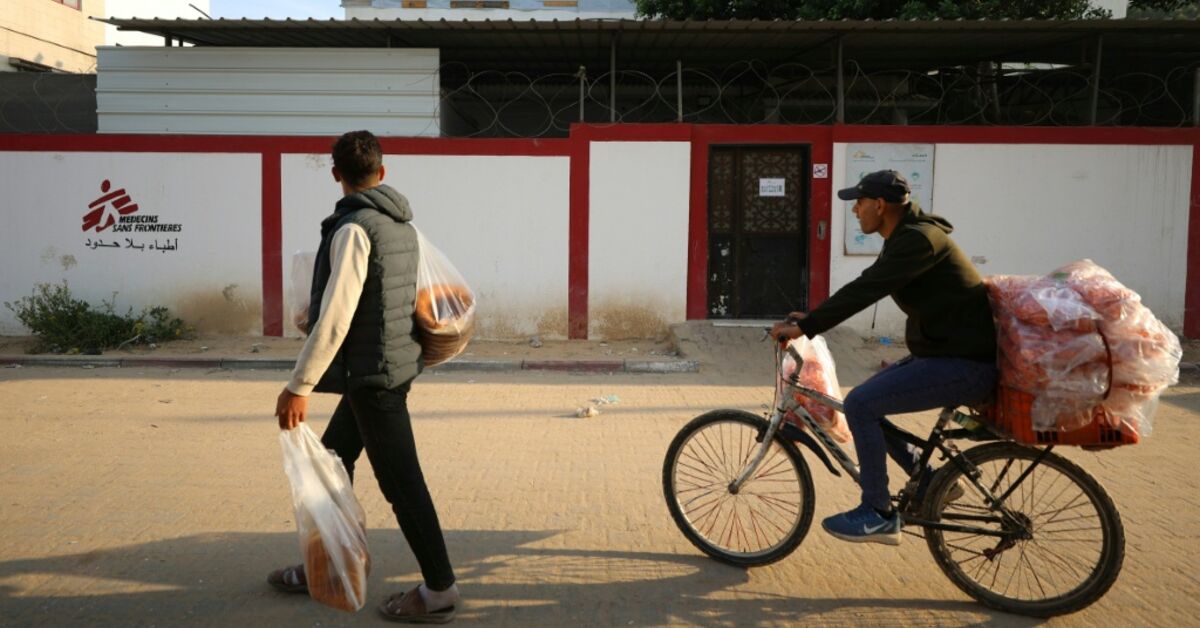
- An Israeli strike in Gaza City on 27 November almost certainly killed two MSF workers who worked as clinic security guards. Whether the strike directly hit the MSF clinic remains disputed: MSF describes a direct hit on a clearly marked facility whose location was known to the Israeli military, while the IDF says it did not target medical infrastructure and caused no damage to it. The IDF identifies one of the dead as a Hamas artillery cell commander; a relative of the other man describes him as an unarmed civilian with no political or military affiliation. (Confidence: medium · REPORTED)
- I&W: MSF, the IDF or an independent investigation releases verifiable imagery or findings establishing whether the clinic itself was struck. (1-3 months)
- I&W: The IDF releases evidence supporting its account of the two men’s Hamas affiliation, or a reliable independent inquiry disputes that account. (1-3 months)
- Israeli strikes in Lebanon are likely to continue through 12 December 2026, while a sustained high-intensity Israel-Hezbollah conflict is unlikely through 28 December. Israel bombed Beirut's southern suburbs on 26 November, and the IDF reported striking dozens of Hezbollah rockets and launchers. The supplied reporting does not establish a sustained Hezbollah response. Confidence is medium because strike activity is reported, but accounts disagree over whether the rocket and launcher strike was in eastern or southern Lebanon. (Confidence: medium · ASSESSED)
- I&W: The IDF reports another strike in Lebanon, or Hezbollah claims a cross-border attack, before 12 December. (0-14 days)
- I&W: A multi-day Israeli air campaign or a Hezbollah attack causing Israeli casualties is reported. (0-1 month)
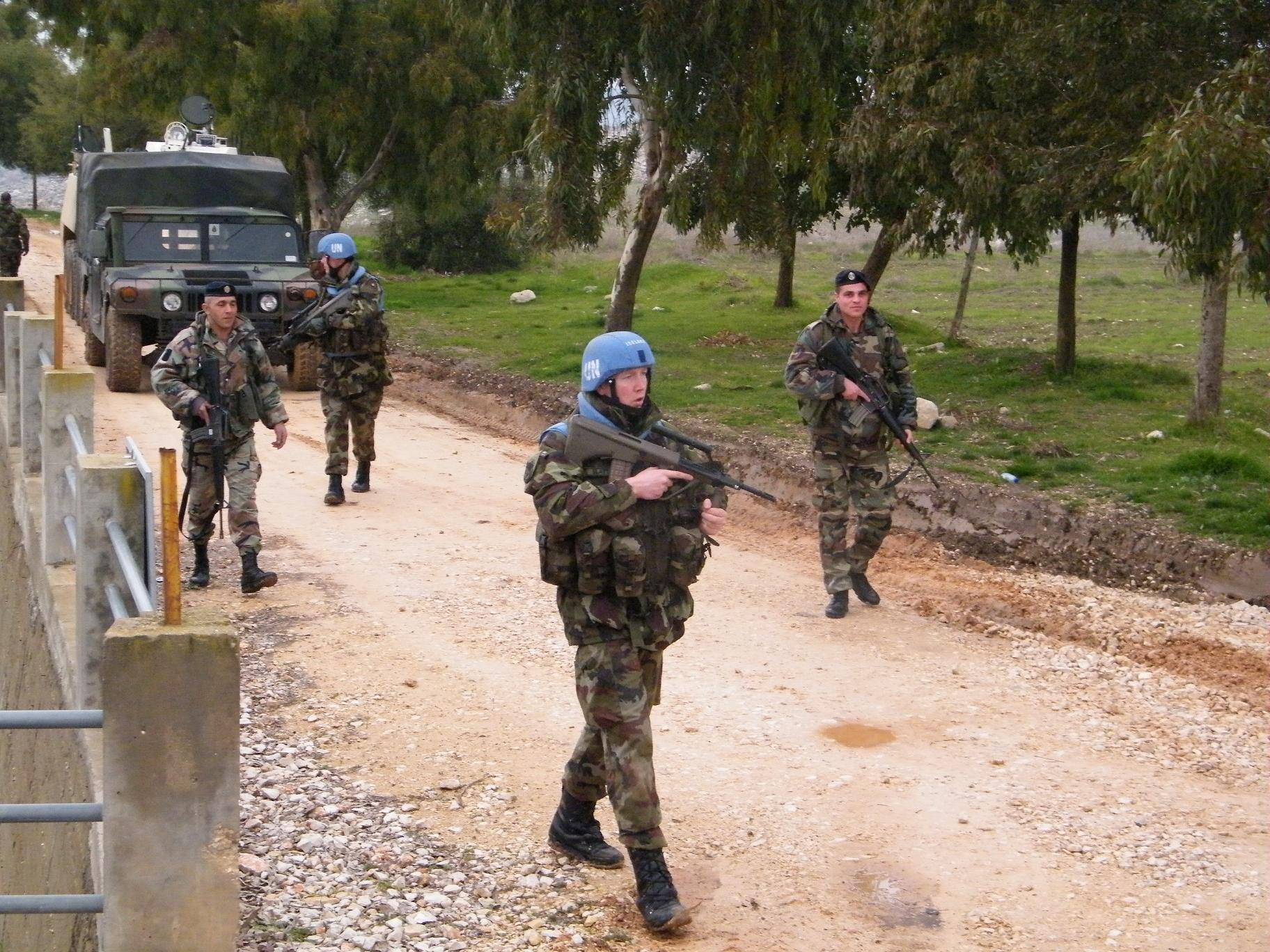
- UNIFIL is very likely to begin a gradual drawdown of its 7,500 peacekeepers on 1 January 2027, as its mandate is set to end on 31 December 2026. Lebanon and France are seeking continued UNIFIL functions, while reporting also describes French work on a possible new international force. These competing proposals leave the post-mandate arrangement unresolved, so confidence in the expected drawdown is medium rather than high. (Confidence: medium · ASSESSED)
- I&W: UNIFIL publishes a force-reduction timetable or confirms the first drawdown movements. (0-1 month)
- I&W: The UN Security Council adopts an extension or a defined transition arrangement before 31 December. (0-1 month)
- A renewed Israeli or US strike on Iran is unlikely through 28 December 2026, but would carry high regional impact. One report says Benjamin Netanyahu has pressed Donald Trump to resume large-scale strikes; Iranian military officials have warned that a response to another attack would not be limited to one region. The account of Netanyahu's pressure is not independently corroborated, and Iranian threat statements do not establish that an attack is imminent. Confidence is low. (Confidence: low · ASSESSED)
- I&W: The US or Israeli government publicly confirms a decision to conduct renewed strikes on Iran. (0-1 month)
- I&W: Further Iranian military statements specify a response to an attack, without accompanying evidence of an imminent strike decision by Israel or the US. (0-1 month)
Outlook & scenarios
Continued localised strikes, no sustained regional expansion (60%)
Israeli strikes and shootings continue in Gaza, keeping the ceasefire under strain, while Israel conducts further strikes in Lebanon and Hezbollah avoids a sustained response. UNIFIL begins its planned drawdown as diplomatic efforts to preserve some functions continue.
Lebanon escalation during the UNIFIL transition (25%)
A further Israeli strike in Lebanon prompts a Hezbollah attack, and reciprocal action widens beyond isolated incidents. An unresolved UNIFIL transition adds uncertainty over monitoring and security arrangements in southern Lebanon.
Renewed Iran conflict, high-impact wildcard (10%)
A renewed Israeli or US strike on Iran triggers Iranian action beyond the immediate area. This is a low-probability, high-impact scenario, supported by reported pressure for renewed strikes and Iranian warnings, but not by evidence of a settled attack decision.
Recommendations
- Maintain a daily Gaza and Lebanon incident log that records the date, named location, reported actor, casualty figure and source. Keep party claims separate from independently corroborated details.
- Seek independent verification of the 27 November Gaza City strike, especially imagery or on-site reporting that establishes whether the MSF clinic was hit. Do not treat the men’s alleged Hamas affiliation as settled.
- Track UN Security Council action, French proposals and UNIFIL movement announcements against the 31 December mandate end date. Prepare separate assessments for an extension, a replacement force or an unmanaged drawdown.
- Set an escalation watch for further Israeli strikes in Beirut's southern suburbs and for a Hezbollah-claimed cross-border attack. Reassess the Lebanon outlook if either is followed by repeated reciprocal strikes.
- Treat reporting about Israeli pressure for renewed strikes on Iran as unconfirmed until corroborated. Track public US and Israeli decisions separately from Iranian threat statements.
Confidence & uncertainty
Overall confidence is high for the broad picture of continuing Israeli strikes in Gaza, the deaths of two MSF workers in Gaza City, recent Israeli strike activity in Lebanon and the scheduled end of UNIFIL's mandate. AFP, BBC and other major media reporting, alongside MSF and IDF statements, corroborates key events. Confidence is lower on disputed details, including clinic damage, the MSF workers' affiliations, the Lebanon strike location and the status of diplomatic plans. The Iran strike assessment rests partly on a single report of Israeli lobbying and is low confidence.
Alternative analysis (red cell)
The evidence does not support a directional assessment that a renewed Israeli or US strike on Iran is unlikely through 28 December 2026. Reporting of alleged Israeli pressure, combined with Iranian statements of full readiness and a broad response posture, indicates a non-trivial but unquantified risk. The available material still does not establish that an attack is imminent, so the most defensible alternative reading is indeterminate risk rather than low likelihood.
Intelligence gaps
- [EEI 1.1 · UNCOVERED] Number, type and geolocated coordinates of projectiles (rockets, mortars, anti-tank guided missiles) fired from Lebanon into Israel in the last 24/72 hours, including time-stamped launch and impact locations. Recommended collection: signals/intel
- [EEI 1.2 · UNCOVERED] Satellite or aerial imagery showing movement, concentration, or forward displacement of Hezbollah-associated military assets (armored vehicles, artillery pieces, mobile rocket launchers, logistics convoys) to positions within 0-10 km of the Israel-Lebanon border. Recommended collection: satellite/imagery
- [EEI 1.3 · UNCOVERED] Intercepted or captured Hezbollah command-and-control communications or orders explicitly directing cross-border operations or coordinated strikes with Palestinian groups (time-stamped messages, unit identifiers, orders to fire/move). Recommended collection: signals/intel
- [EEI 1.4 · UNCOVERED] Observable changes in Israeli northern-front posture within Israel (numbers and types of reinforcements deployed to northern brigades, activation of reserves, air defense redeployments, evacuation orders or shelter alerts in northern towns), including timestamps and unit IDs where available. Recommended collection: human/intel
- [EEI 2.1 · UNCOVERED] Official or corroborated reports of IDF reservist mobilization and unit-level deployment orders (number of reservists called, named brigades/units ordered to deploy, deployment timelines). Recommended collection: open-source/media
- [EEI 2.2 · UNCOVERED] Satellite or ground imagery showing concentrations of IDF heavy equipment (tanks, infantry fighting vehicles, engineering vehicles), staging areas, field hospitals or forward supply dumps within X km of the Gaza border and at known crossing points. Recommended collection: satellite/imagery
- [EEI 2.3 · PARTIAL] Change in strike patterns consistent with pre-ground-attack shaping: sustained high-frequency airstrikes on tunnel networks, command nodes, coastal launch sites, and known insurgent concentrations (strike counts, munition types, locations, times). Recommended collection: open-source/media
- [EEI 2.4 · UNCOVERED] Logistics indicators: verified convoys of fuel/ammunition entering staging areas, establishment of forward logistics or medical bases, or documented requisitioning orders for bulk combat supplies with timestamps and quantities. Recommended collection: human/intel
- [EEI 3.1 · PARTIAL] Number, participants and content of diplomatic contacts or negotiation sessions in the last 48 hours involving mediators (Egypt, Qatar, US, UN), including any proposed ceasefire text, prisoner/exchange lists, timelines or verification mechanisms. Recommended collection: diplomatic
- [EEI 3.2 · PARTIAL] Public statements, press releases or verified communiqués from Hamas and other Gaza armed groups specifying acceptance, rejection, or conditions for a ceasefire (explicit conditions such as prisoner release lists, withdrawal terms, lifting of blockades), with timestamps and speaker attribution. Recommended collection: open-source/media
- [EEI 3.3 · PARTIAL] Humanitarian indicators relevant to ceasefire: establishment and operation of agreed humanitarian corridors/checkpoints, number of aid deliveries admitted, civilian evacuations completed, and NGO/hospital reports of access denials or safe-passage violations. Recommended collection: humanitarian/NGO reports
- [EEI 3.4 · PARTIAL] Operational evidence of a de facto pause: verified sustained reduction (e.g., ≥12 hours) in strikes or launches from either side in specific sectors, supported by strike/impact logs, radar tracks and incident reports. Recommended collection: open-source/media
Red cell review: PARTIAL DISSENT
TLP:CLEAR