TLP:CLEAR · Disclosure is not limited.
Israel-Gaza Regional Escalation: Ceasefires Under Strain
Time window: Last 7 days · Audience: General analyst · Type: Situation report · DTG: 2026-09-08 22:23Z · Overall confidence: HIGH
BLUF
Very likely Israeli military activity will continue in Gaza and southern Lebanon over the next 0-14 days, keeping both ceasefires operationally fragile. A major Israel-Hezbollah exchange remains a roughly even chance over the next 1-3 months because Israeli operations around Ali al Taher, Hezbollah warnings and reported Iranian-linked personnel are combined with unresolved disputes over control of the ridge and the immediate trigger for recent strikes.
Executive summary
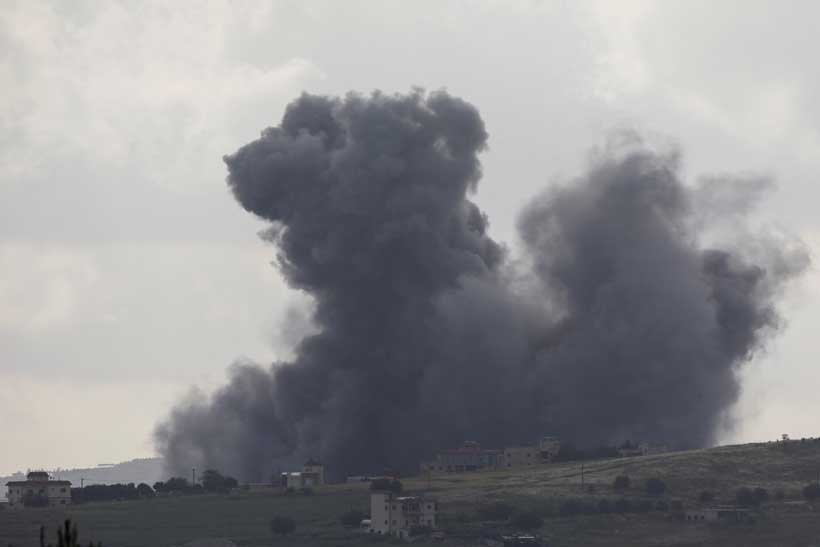
Israeli strikes and military activity continue in Gaza and southern Lebanon despite ceasefire arrangements. In southern Lebanon, UNIFIL recorded 56 Israeli projectiles on 1 September and 84 on 2 September, while reporting describes Israeli bases, territorial control and preparations for a long-term presence. In Gaza, a 6 September strike in Gaza City killed a father and daughter according to hospital officials, while Israeli reporting disputes the target characterisation. Humanitarian conditions are deteriorating as medical access, reconstruction and winter preparations remain constrained. West Bank settler violence and displacement are also increasing, while UK sanctions on Israeli settlements have prompted Israeli countermeasures and a sharper diplomatic rupture.
Change from previous assessment
Since the prior brief, the assessment adds a sharper diplomatic dimension after the UK announced settlement-related measures and Israel announced closure of the British consulate in East Jerusalem and removal of British representatives from the International Gaza Support Center. New reporting strengthens the assessment of West Bank settler violence and displacement, including the reported expulsion of 65 communities and the deaths of two teenagers in Al Mughayir. The Gaza humanitarian judgment now places greater weight on documented structural destruction and rubble clearance, while confidence remains medium on the Ali al Taher escalation judgment because reporting still conflicts over whether Israel controls the ridge itself or territory south of it.
Key judgments
- Very likely Israeli military activity will continue in southern Lebanon over the next 0-14 days, further weakening the June ceasefire. UNIFIL recorded 56 Israeli projectiles on 1 September and 84 on 2 September. Lebanese military reporting describes more than 5,000 Israeli violations, while other reporting says Israel controls around 5 per cent of Lebanese territory, has established nine positions after adding four bases, and has prepared for a long-term presence. The immediate trigger for recent strikes remains disputed: Israel attributes an explosive-drone attack to Hezbollah, while the UN reports no detected Hezbollah projectile launches since 21 June. Confidence is high for continued Israeli activity because UNIFIL, UN, Lebanese and major-media reporting corroborate the pattern, but confidence is lower on attribution of the triggering incident. (Confidence: high · ASSESSED)
- I&W: Confirming indicator: UNIFIL records another day of Israeli projectiles, airstrikes or ground activity in southern Lebanon, or Israel announces a new operation near the Ali al Taher ridge. (0-14 days)
- I&W: Breaking indicator: UNIFIL records a sustained halt to Israeli fire and ground activity, followed by a verified Israeli withdrawal from positions north of the Blue Line. (0-14 days)
- Very likely Israeli strikes and drone activity will continue in Gaza over the next 0-14 days, keeping the October 2025 ceasefire operationally fragile. A 6 September Israeli strike in western Gaza City killed a father and daughter and wounded at least six people according to Shifa Hospital officials, while separate reporting records injuries to journalists near Al-Shati Refugee Camp and in Shuja'iyya. NASA FIRMS recorded 35 thermal detections over Gaza on 7-8 September, although none were high-confidence and the data establish heat rather than cause. Israeli reporting conflicts over whether the Gaza City target was a Hamas militant or the Palestinian Islamic Jihad operative Sabhi Hadr Al-Atham Al-Batrihi. Confidence is medium because continued activity is supported by multiple sources, but casualty and target attribution remain unresolved. (Confidence: medium · ASSESSED)
- I&W: Confirming indicator: Shifa Hospital, Gaza health authorities or major-media reporting records another Israeli strike causing deaths or injuries, or NASA FIRMS detects new heat signatures alongside independent incident reporting. (0-14 days)
- I&W: Breaking indicator: the International Gaza Support Center and UN agencies report a sustained cessation of Israeli strikes, with no new verified civilian or journalist casualties in Gaza. (0-14 days)
- Roughly even chance of a major Israel-Hezbollah exchange over the next 1-3 months. Israel says it has taken control of the Ali al Taher hills, while other reporting places Israeli forces south of the ridge and describes it as an ongoing operational focus. Hezbollah has warned that a large Israeli attack on the ridge would end the ceasefire and bring possible missile attacks against northern Israeli communities. More than a dozen Islamic Revolutionary Guard Corps personnel, including at least two senior officers, are reported alongside Hezbollah fighters at the site, where Hezbollah reportedly maintains underground command and weapons facilities. The Iranian warning and the reported Iranian-linked presence rely on regional-source reporting without independent confirmation in the provided material. Confidence is medium because the escalation pathway is supported by several reports, but control of the ridge and the Iranian role remain contested. (Confidence: medium · ASSESSED)
- I&W: Confirming indicator: Hezbollah launches missiles into northern Israel, or Israel begins a sustained assault on the Ali al Taher ridge and reports new casualties among Hezbollah or Islamic Revolutionary Guard Corps personnel. (0-14 days)
- I&W: Breaking indicator: Israel verifies a withdrawal from the ridge area, Hezbollah halts attacks on Israeli troops in Lebanon, and no new Iranian warning or military deployment is reported. (1-3 months)
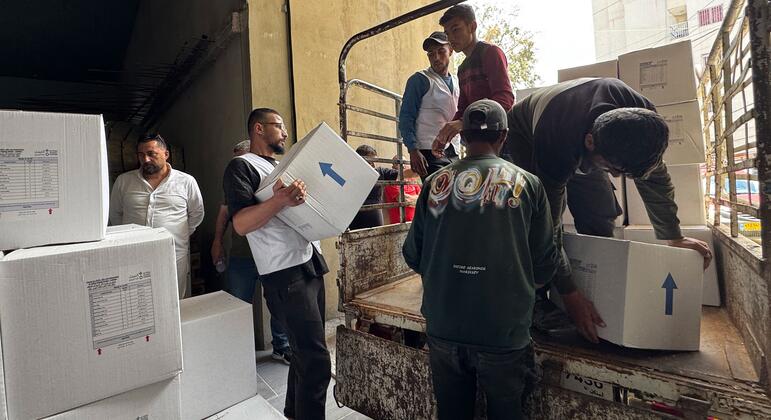
- Very likely humanitarian conditions will worsen in Gaza and southern Lebanon over the next 1-3 months. The UN reports that ambulances and medical equipment remain restricted from entering Gaza, while WHO says more than 13,000 patients, including over 6,000 children, have required medical evacuation and that thousands still need specialist treatment outside the enclave. The UN Satellite Centre reports 198,273 damaged structures in Gaza, including 123,464 completely destroyed, while the UN says only about 310,000 tonnes of rubble have been cleared. In southern Lebanon, Israeli strikes reportedly killed at least 27 people and wounded 69 over three days, while hundreds of thousands of Lebanese remain displaced. Confidence is high because WHO, UN, UNIFIL, local reporting and major media provide broad corroboration, although casualty totals and target descriptions remain contested. (Confidence: high · ASSESSED)
- I&W: Confirming indicator: UN agencies continue to report restrictions on ambulances, medical equipment or engine oil, while the West Bank referral pathway remains closed and winter preparation lacks required supplies. (0-14 days)
- I&W: Breaking indicator: UN agencies verify sustained entry of ambulances and medical equipment through Gaza crossings, reopening of the East Jerusalem referral pathway, and materially increased rubble clearance. (1-3 months)
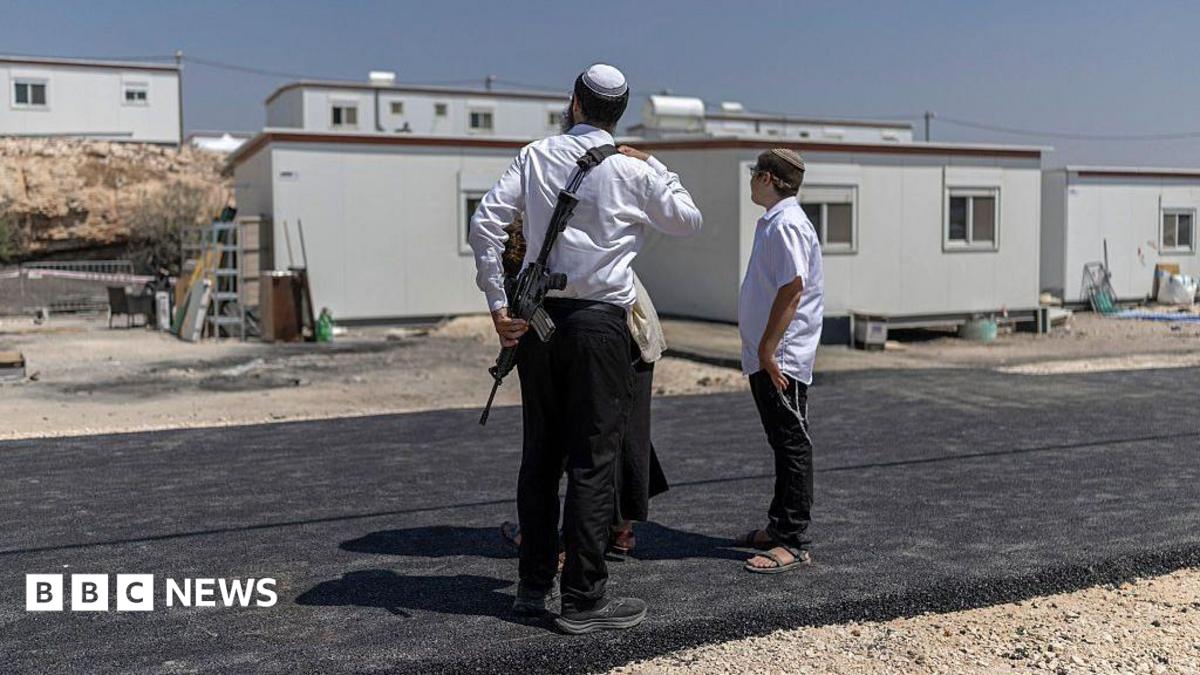
- Very likely settler violence and displacement pressure will continue in the West Bank over the next 1-3 months. The UN reports an average of six violent settler attacks against Palestinians per day in 2026, described as the highest level on record. Reporting says 65 Palestinian communities have been completely expelled since 2023, with more than 4,000 people evicted, while two teenagers in Al Mughayir were killed after settlers entered under police and military escort. More than 33,000 Palestinians remain displaced from Jenin, Nur Shams and Tulkarem refugee camps, and Israel has opened tenders for about 1,200 settlement homes in E1. Confidence is high for continued pressure because UN, official government and major-media reporting corroborate the trend, but the precise relationship between settler actions and state policy remains politically contested. (Confidence: high · ASSESSED)
- I&W: Confirming indicator: UN reporting records another week of settler attacks, community displacement or restrictions on return, alongside new Israeli settlement tenders in or around E1. (0-14 days)
- I&W: Breaking indicator: UNRWA or OHCHR reports sustained returns to Jenin, Nur Shams and Tulkarem camps, with no new community expulsions or settlement tenders. (1-3 months)
- Likely UK-Israel diplomatic friction will intensify over the next 0-1 months after the UK announced measures against West Bank settlement activity and Israel announced closure of the British consulate in East Jerusalem and removal of British representatives from the International Gaza Support Center. The UK has also announced sanctions on Hezbollah's financing arm, Al-Qard Al-Hassan, and major economic sanctions on Iran. The immediate scope and timing of the settlement measures remain unresolved because reporting variously describes an existing import ban, a wider package affecting construction and finance, and a comprehensive regime due over six to nine months. Confidence is medium because the political decisions are directly reported, but their implementation status and scope are contested. (Confidence: medium · ASSESSED)
- I&W: Confirming indicator: Israel implements closure of the British consulate in East Jerusalem or removes additional British personnel from the International Gaza Support Center. (0-14 days)
- I&W: Breaking indicator: the UK publishes a single implementation timetable and scope for settlement measures, followed by Israeli suspension of the announced consulate closure or restoration of British access to the support centre. (0-1 month)
Outlook & scenarios
Unstable ceasefires and continued localised operations (55%)
Likely over the next 0-14 days. Israeli strikes continue in Gaza City and southern Lebanon without immediately producing a full Israel-Hezbollah war. UNIFIL records further Israeli fire, while Gaza aid and medical access remain restricted. The ceasefires persist formally but lose operational credibility.
Major Israel-Hezbollah exchange (40%)
A roughly even chance over the next 1-3 months. A further Israeli operation around Ali al Taher, a Hezbollah attack on Israeli forces or a confirmed Iranian-linked presence at the ridge triggers missile exchanges involving northern Israel and southern Lebanon. The disputed status of the ridge increases miscalculation risk.
Humanitarian deterioration and diplomatic hardening (50%)
Likely over the next 1-3 months even if large-scale fighting remains contained. Gaza's medical and reconstruction constraints deepen, southern Lebanon's displacement persists, West Bank settler violence continues, and UK-Israel measures harden into a wider diplomatic rupture.
Wider US-Iran maritime escalation (15%)
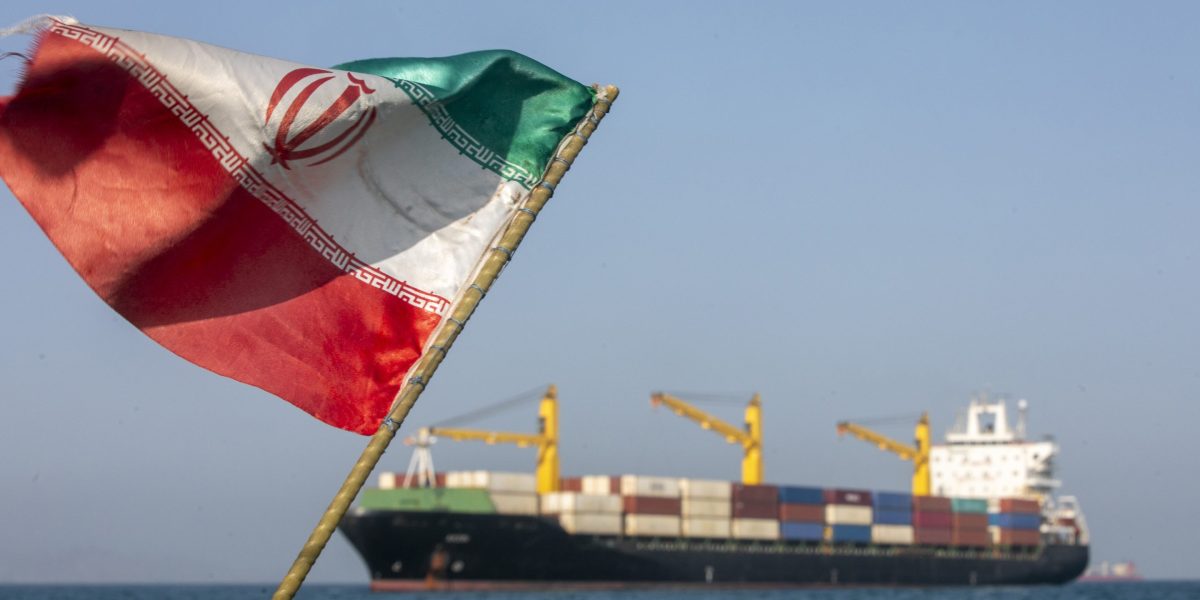
Unlikely but high impact over the next 0-14 days. A further direct US-Iran exchange around the Strait of Hormuz follows Iran's proposed exclusion zone, Iranian threats of heavier retaliation or a disputed incident involving a US vessel. This would widen the regional crisis beyond Gaza and Lebanon.
Recommendations
- Maintain a 0-14 day incident tracker that separates confirmed Israeli actions from allegations involving Hezbollah. Record UNIFIL observations, the number and location of Israeli projectiles, airstrikes, ground incursions and changes to Israeli positions near the Blue Line and Ali al Taher.
- Reconcile Gaza strike reporting against original Israeli military statements, Shifa Hospital casualty records and independent reporting. Keep fatalities, injuries, target affiliation and attribution as separate fields rather than merging conflicting accounts.
- Use NASA FIRMS thermal detections as corroborative indicators only. Require a second source before attributing any detection to an Israeli strike, Hezbollah activity, shelling or an intentional attack.
- Track humanitarian access through four concrete measures: entry of ambulances, entry of medical equipment, reopening of the West Bank referral pathway to East Jerusalem hospitals, and delivery of engine oil and other equipment needed for sewage treatment and winter preparation.
- Monitor UNRWA and OHCHR reporting on returns to Jenin, Nur Shams and Tulkarem camps, new expulsions of West Bank communities and further settler attacks. Record E1 tender activity separately from settler violence and displacement.
- Verify the implementation status of UK settlement measures, including the import ban, restrictions on construction and finance, arms-sale restrictions and the proposed six-to-nine-month sanctions regime. Track Israeli implementation of the British consulate closure and access restrictions at the International Gaza Support Center.
- Keep the Strait of Hormuz as a secondary warning line. Track any formal Iranian exclusion-zone announcement, further US strikes on Iranian vessels, Iranian attacks on US forces and independent confirmation or denial of incidents involving unmanned US vessels.
Confidence & uncertainty
Overall confidence is high because the core developments are corroborated by UNIFIL, UN agencies, WHO, NASA, official government statements, CPJ, wire services and major media. The strongest evidence concerns continued Israeli activity in southern Lebanon, Israeli strikes in Gaza, humanitarian access constraints and West Bank displacement. The main uncertainties are the attribution of the Hezbollah drone incident, the operational status of Ali al Taher, conflicting casualty and target descriptions for Gaza and Kafr Rumman, and the timing and scope of UK settlement sanctions.
Intelligence gaps
- [EEI 1.1 · PARTIAL] Number, type and geolocated coordinates of projectiles (rockets, mortars, anti-tank guided missiles) fired from Lebanon into Israel in the last 24/72 hours, including time-stamped launch and impact locations. Recommended collection: signals/intel
- [EEI 1.2 · UNCOVERED] Satellite or aerial imagery showing movement, concentration, or forward displacement of Hezbollah-associated military assets (armored vehicles, artillery pieces, mobile rocket launchers, logistics convoys) to positions within 0-10 km of the Israel-Lebanon border. Recommended collection: satellite/imagery
- [EEI 1.3 · UNCOVERED] Intercepted or captured Hezbollah command-and-control communications or orders explicitly directing cross-border operations or coordinated strikes with Palestinian groups (time-stamped messages, unit identifiers, orders to fire/move). Recommended collection: signals/intel
- [EEI 1.4 · UNCOVERED] Observable changes in Israeli northern-front posture within Israel (numbers and types of reinforcements deployed to northern brigades, activation of reserves, air defense redeployments, evacuation orders or shelter alerts in northern towns), including timestamps and unit IDs where available. Recommended collection: human/intel
- [EEI 2.1 · UNCOVERED] Official or corroborated reports of IDF reservist mobilization and unit-level deployment orders (number of reservists called, named brigades/units ordered to deploy, deployment timelines). Recommended collection: open-source/media
- [EEI 2.2 · UNCOVERED] Satellite or ground imagery showing concentrations of IDF heavy equipment (tanks, infantry fighting vehicles, engineering vehicles), staging areas, field hospitals or forward supply dumps within X km of the Gaza border and at known crossing points. Recommended collection: satellite/imagery
- [EEI 2.3 · PARTIAL] Change in strike patterns consistent with pre-ground-attack shaping: sustained high-frequency airstrikes on tunnel networks, command nodes, coastal launch sites, and known insurgent concentrations (strike counts, munition types, locations, times). Recommended collection: open-source/media
- [EEI 2.4 · UNCOVERED] Logistics indicators: verified convoys of fuel/ammunition entering staging areas, establishment of forward logistics or medical bases, or documented requisitioning orders for bulk combat supplies with timestamps and quantities. Recommended collection: human/intel
- [EEI 3.1 · PARTIAL] Number, participants and content of diplomatic contacts or negotiation sessions in the last 48 hours involving mediators (Egypt, Qatar, US, UN), including any proposed ceasefire text, prisoner/exchange lists, timelines or verification mechanisms. Recommended collection: diplomatic
- [EEI 3.2 · UNCOVERED] Public statements, press releases or verified communiqués from Hamas and other Gaza armed groups specifying acceptance, rejection, or conditions for a ceasefire (explicit conditions such as prisoner release lists, withdrawal terms, lifting of blockades), with timestamps and speaker attribution. Recommended collection: open-source/media
- [EEI 3.3 · PARTIAL] Humanitarian indicators relevant to ceasefire: establishment and operation of agreed humanitarian corridors/checkpoints, number of aid deliveries admitted, civilian evacuations completed, and NGO/hospital reports of access denials or safe-passage violations. Recommended collection: humanitarian/NGO reports
- [EEI 3.4 · PARTIAL] Operational evidence of a de facto pause: verified sustained reduction (e.g., ≥12 hours) in strikes or launches from either side in specific sectors, supported by strike/impact logs, radar tracks and incident reports. Recommended collection: open-source/media
TLP:CLEAR