TLP:CLEAR · Disclosure is not limited.
Israel, Gaza regional escalation: continued strikes, OHCHR scrutiny, and risk-averse shipping shifts
Time window: Last 7 days · Audience: General analyst · Type: Situation report · DTG: 2026-08-01 00:20Z · Overall confidence: MEDIUM
BLUF
Strikes continued in Gaza and across southern Lebanon despite ceasefire claims, while OHCHR warned conduct in Lebanon could amount to international crimes. Maritime operators are adjusting routes around Bab el-Mandeb and through Hormuz amid Houthi threats and wider regional tensions, and a reported Gaza deal remains unconfirmed by Israel.
Executive summary
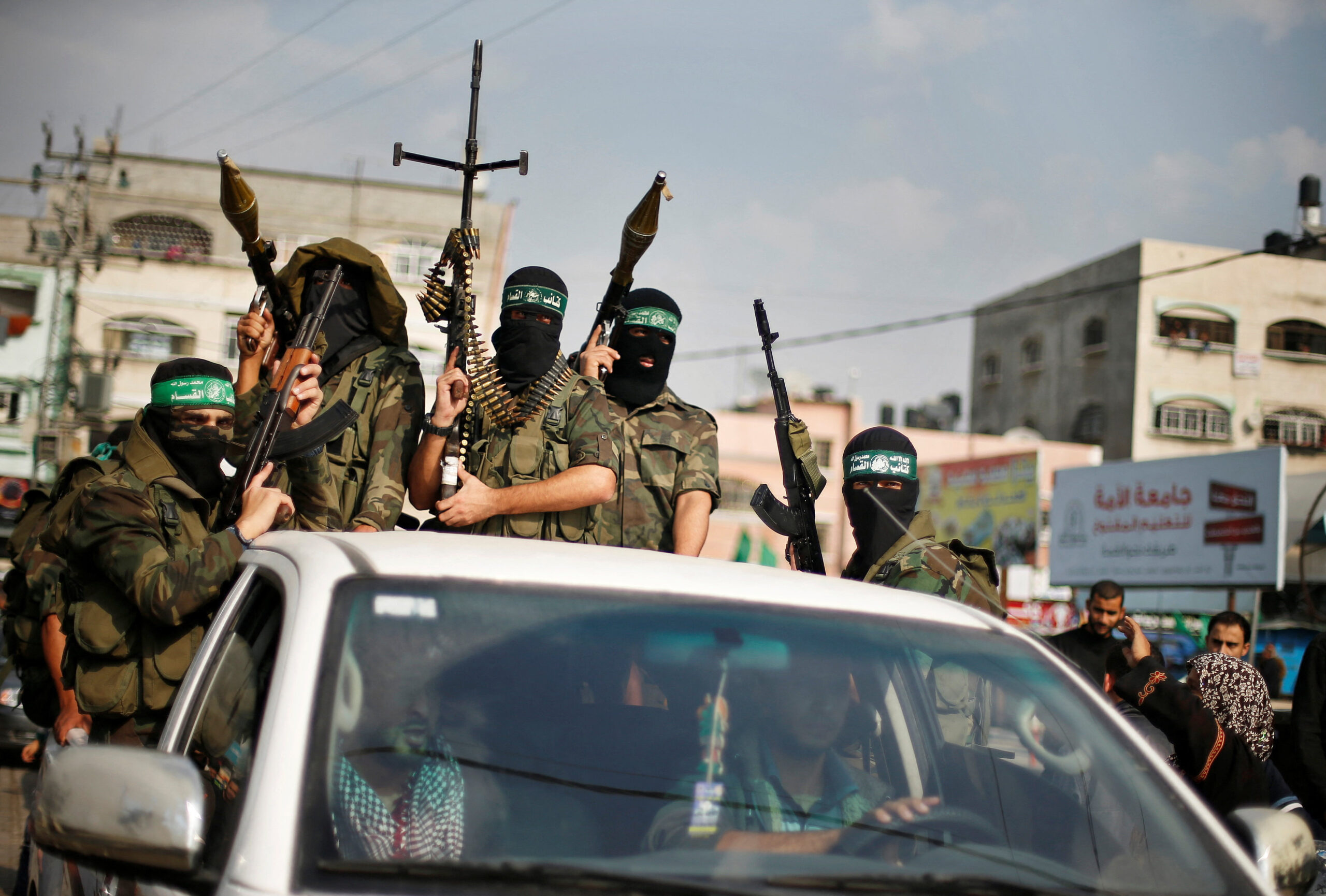
Reporting indicates Israeli attacks in Gaza killed at least four people and injured dozens as narratives of an ostensible ceasefire persist. In Lebanon, despite a 17 April conditional ceasefire, Israel has continued airstrikes and Hezbollah has kept fighting, contributing to over 4,300 killed and 12,200 injured, prompting OHCHR to deploy a mission and warn that large-scale displacement and denial of returns could amount to international crimes. The Israel Defence Forces have hardened the Jordanian border against infiltration. Regionally, US Central Command strikes on IRGC assets, Houthi threats at Bab el-Mandeb, Saudi crude diversions to Sidi Kerir, and a Hong Kong-flagged VLCC signalling its exit from the Gulf point to elevated but managed maritime risk, even as oil shuttling through Hormuz has picked up after a lull. A US-led agreement reportedly accepted by Hamas and envisaging NCAG civilian control has not been publicly endorsed by Israel, and Israeli commentary depicts such plans as ink on paper.
Change from previous assessment
Since the 18 July brief, new elements include OHCHR’s public warning that conduct in Lebanon could amount to international crimes and the deployment of a mission, fresh reporting of Gaza fatalities and injuries, and an Israeli journalist’s account of dire conditions among displaced Gazans. Maritime risk indicators sharpened with six Saudi tankers sailing away from Bab el-Mandeb, Saudi diversions to Sidi Kerir, and a VLCC signalling its exit from the Gulf, even as oil shuttling through Hormuz picked up. Reporting also details expanded IDF fortification and interdiction activity along the Jordanian border. A US-led agreement reportedly accepted by Hamas remains without Israeli public endorsement, introducing a tentative de-escalation pathway but with low confidence in near-term implementation.
Key judgments
- Very likely Israeli strikes across the Gaza Strip killed at least four people and injured dozens, with reporting characterising the attacks as occurring despite a supposed ceasefire. (Confidence: medium · REPORTED)
- I&W: Confirmation: IDF daily communiqués and independent media logs list fresh strike activity in Gaza with associated casualty reports for 0-14 consecutive days. (0-14 days)
- I&W: Break: A verified halt in IDF strike announcements on Gaza and absence of independent casualty reporting for a continuous two-week period. (0-14 days)
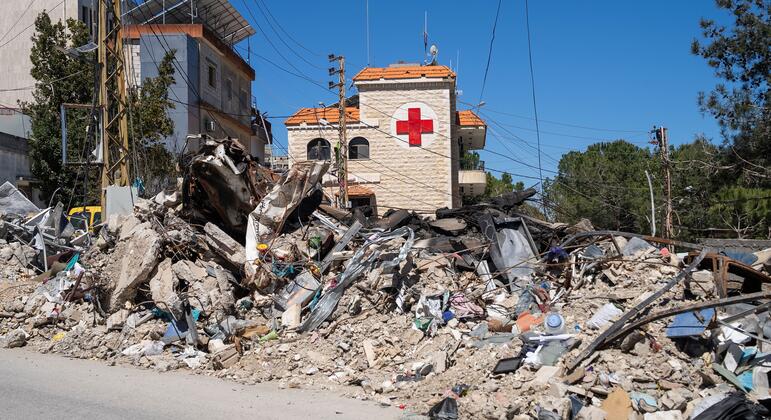
- Almost certainly Israel has continued airstrikes in Lebanon and Hezbollah has kept fighting despite the 17 April conditional ceasefire, contributing to more than 4,300 killed and 12,200 injured, as OHCHR warns that large-scale displacement and denial of returns could amount to international crimes and has deployed a mission to collect evidence. (Confidence: high · REPORTED)
- I&W: Confirmation: Additional OHCHR or UN updates explicitly citing Israeli airstrikes and Hezbollah activity in Lebanon post-17 April. (0-1 month)
- I&W: Break: Joint public affirmation by Israel and the Lebanese Government of ceasefire adherence, corroborated by OHCHR noting no new strikes in southern Lebanon for 14 days. (0-1 month)
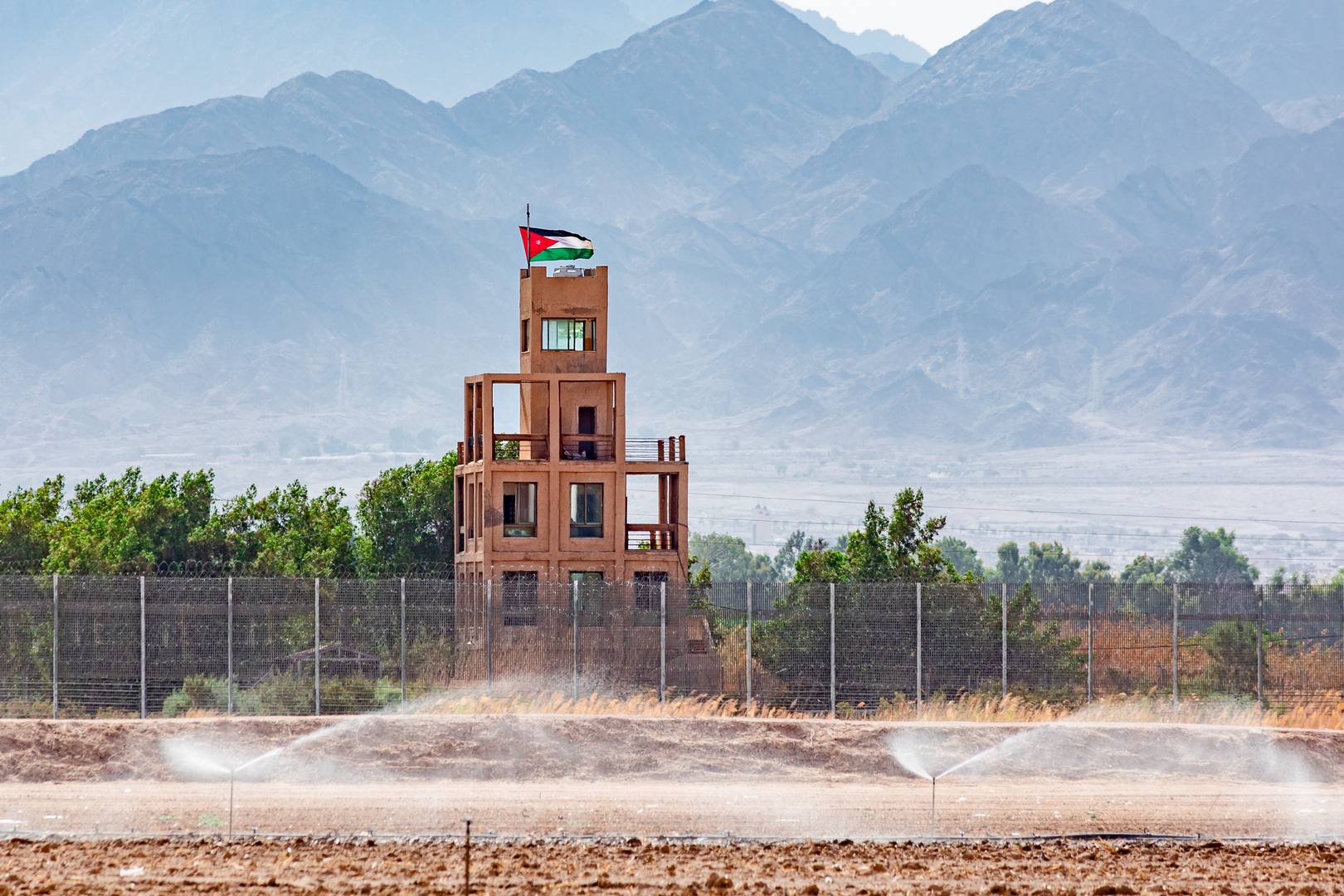
- Very likely the Israel Defence Forces have materially hardened the Jordanian border, establishing an eastern division, building defence lines, expanding surveillance coverage, and reporting 120 thwarted infiltrations and 11 arrests linked to infiltration and smuggling attempts. (Confidence: high · REPORTED)
- I&W: Confirmation: IDF announces additional barrier or sensor deployments or multiple newly thwarted infiltration attempts along the Jordanian frontier. (0-14 days)
- I&W: Break: Official IDF notice of force drawdown or redeployment of the eastern division away from the Jordanian border. (1-3 months)
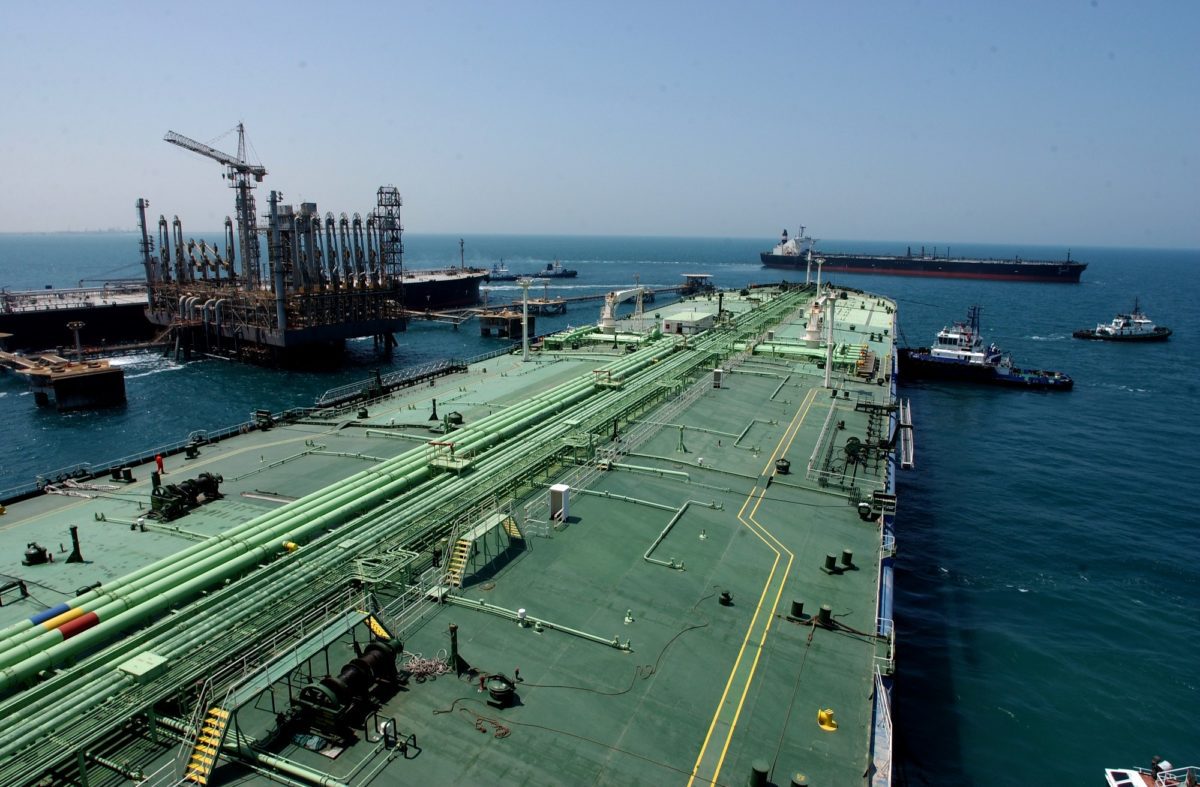
- Likely regional hostilities and Houthi threats are driving risk-averse rerouting away from Bab el-Mandeb and adjustments to Gulf export logistics, evidenced by six Saudi oil tankers sailing away from the chokepoint on 31 July, Saudi diversions from Yanbu to Sidi Kerir, and a Hong Kong-flagged VLCC signalling its exit from the Gulf, even as oil shuttling through Hormuz has picked up after a lull and some traffic still transits Bab el-Mandeb. (Confidence: medium · ASSESSED)
- I&W: Confirmation: AIS data show additional Saudi-flagged or Saudi-chartered crude carriers routing around Africa or via Sidi Kerir rather than through Bab el-Mandeb. (0-14 days)
- I&W: Break: Major carriers publicly restore Red Sea transits and daily Bab el-Mandeb crossings sustain at or above late-July volumes for two consecutive weeks. (0-1 month)
- Roughly even chance the reported US-led agreement to disarm Hamas and withdraw Israeli forces advances to implementation in the near term, since Hamas officials say they have accepted terms that require Israel to halt military conduct and the plan envisages NCAG civilian control, while Israel has not publicly signed on and contemporaneous Israeli commentary depicts such plans as ink on paper. (Confidence: low · ASSESSED)
- I&W: Confirmation: Government of Israel issues a formal endorsement or cabinet decision approving a withdrawal timetable and NCAG entry. (1-3 months)
- I&W: Break: Israeli leadership publicly rejects the deal or conducts high-casualty operations in Gaza inconsistent with halting military conduct. (0-14 days)
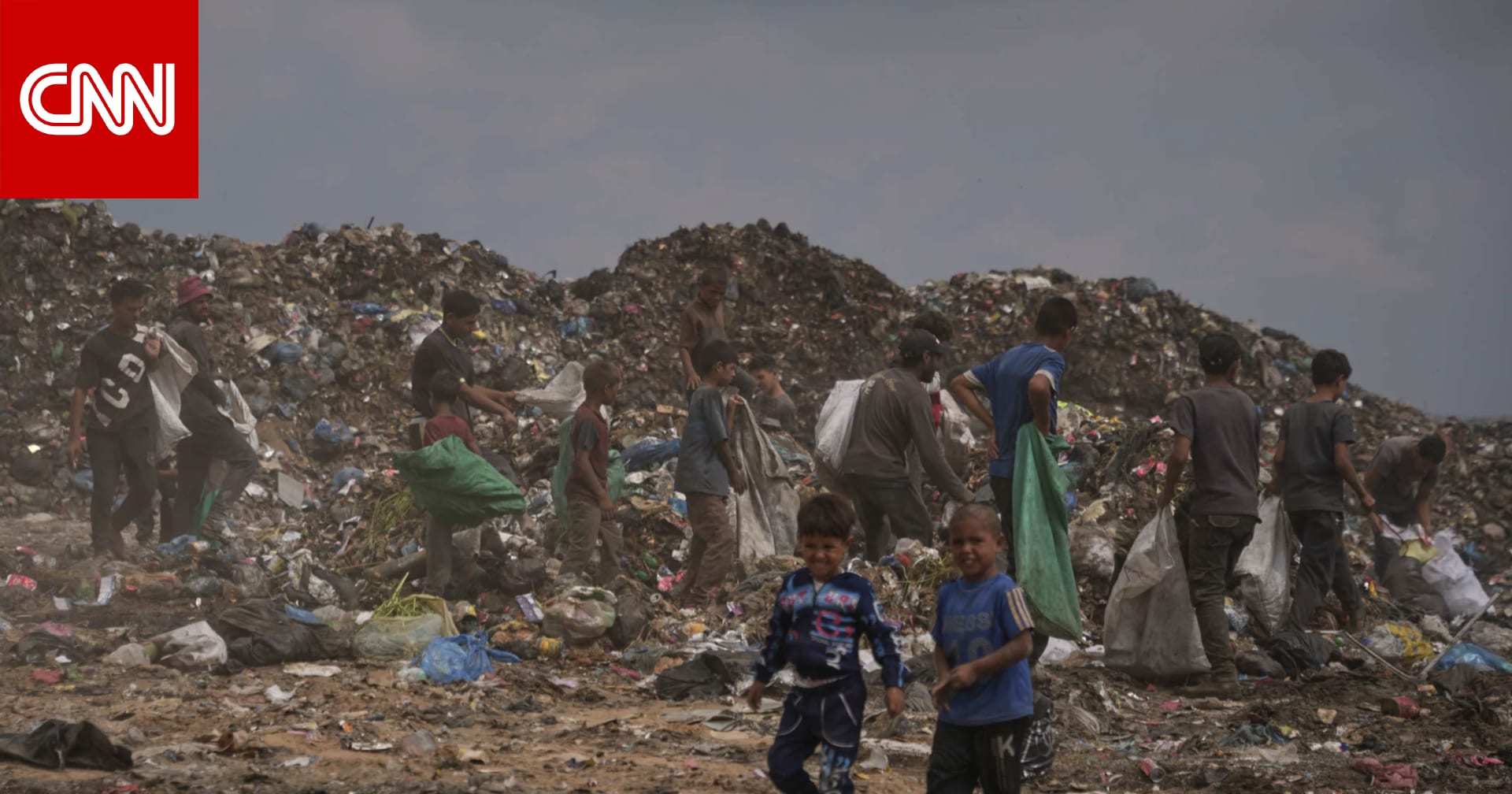
- Likely humanitarian conditions in Gaza remain acute, with hundreds of thousands of displaced people sheltering in tents without water or electricity. (Confidence: medium · REPORTED)
- I&W: Confirmation: Field reporting and imagery from displacement sites in Gaza continue to document lack of potable water and grid power. (0-1 month)
- I&W: Break: Verified restoration of sustained municipal water supply and electricity to major displacement camps acknowledged by local authorities and corroborated by open imagery. (1-3 months)
Outlook & scenarios
Managed confrontation: low-grade but persistent violence in Gaza and southern Lebanon (60%)
Israeli strikes in Gaza and Israeli, Hezbollah exchanges in Lebanon persist despite ceasefire claims, keeping civilian casualties and displacement elevated. OHCHR maintains scrutiny, including its Lebanon mission and public warnings on potential international crimes. Maritime operators continue risk-averse patterns at Bab el-Mandeb while using oil shuttling through Hormuz to keep flows moving.
Limited de-escalation via a Gaza implementation track (30%)
Regional mediators translate Hamas’s stated acceptance into steps that include Israeli endorsement, an IDF withdrawal schedule, and NCAG assuming civilian control in parts of Gaza. Hostilities and casualty rates in Gaza decline, though enforcement frictions and scepticism remain and southern Lebanon remains tense.
Wider regional flare-up ripples into maritime flows (40%)
Further strikes involving the IRGC and US forces increase regional risk tolerance thresholds. Hezbollah activity remains aligned with a hardened posture in Lebanon. Houthi threats intensify, expanding rerouting around Africa and diversions via Sidi Kerir, with only partial throughput at Bab el-Mandeb and intermittent lulls or surges through Hormuz.
Recommendations
- Prioritise multi-source validation of Gaza strike activity and casualties by correlating IDF communiqués, local reporting and geolocated imagery; flag any 14-day lull as a potential break in the current pattern.
- Task maritime monitoring to track AIS for Saudi-flagged and Saudi-chartered tankers departing Red Sea lanes, diversions to Sidi Kerir, and any further Hong Kong-flagged VLCC exits from the Gulf; maintain a watchlist of vessels previously using Bab el-Mandeb.
- Monitor OHCHR outputs on Lebanon, including mission updates and legal characterisations, and map reported strike locations against displacement patterns to anticipate diplomatic pressure points.
- Establish a collection plan for indicators of Israeli endorsement or rejection of the reported Gaza agreement, including cabinet decisions, official statements and any visible NCAG preparatory activity.
- Maintain a standing watch on the Israel, Jordan frontier for additional fortification, arrests linked to infiltration or smuggling, and any IDF announcements of force posture changes.
- Coordinate with energy analysts to quantify the operational impact of Red Sea and Hormuz adjustments on liftings, including tracking shuttling frequency and STS activity near Sohar, and update risk guidance to stakeholders accordingly.
- Prepare alternative courses of action for rapid shifts in maritime security posture, including triggers to adjust routing guidance if Bab el-Mandeb throughput drops below late-July observed levels or if Houthi threat messaging escalates.
- Document and caveat single-source or think tank-derived diplomatic claims in internal products, and seek corroboration before integrating them into baseline scenarios.
Confidence & uncertainty
Overall confidence is medium because several core elements rest on high-confidence, multilateral or major-media reporting that corroborate one another, notably OHCHR’s Lebanon findings and Gaza casualty reporting, as well as clearly dated maritime movements. However, assessments around the reported Gaza agreement rely heavily on a single think tank source and lack Israeli confirmation. Some Gaza strike items are undated, and maritime signals are mixed, showing both rerouting and ongoing transits. These gaps and single-source elements constrain confidence.
Intelligence gaps
- [EEI 1.1 · UNCOVERED] Number, type and geolocated coordinates of projectiles (rockets, mortars, anti-tank guided missiles) fired from Lebanon into Israel in the last 24/72 hours, including time-stamped launch and impact locations. Recommended collection: signals/intel
- [EEI 1.2 · UNCOVERED] Satellite or aerial imagery showing movement, concentration, or forward displacement of Hezbollah-associated military assets (armored vehicles, artillery pieces, mobile rocket launchers, logistics convoys) to positions within 0–10 km of the Israel-Lebanon border. Recommended collection: satellite/imagery
- [EEI 1.3 · UNCOVERED] Intercepted or captured Hezbollah command-and-control communications or orders explicitly directing cross-border operations or coordinated strikes with Palestinian groups (time-stamped messages, unit identifiers, orders to fire/move). Recommended collection: signals/intel
- [EEI 1.4 · UNCOVERED] Observable changes in Israeli northern-front posture within Israel (numbers and types of reinforcements deployed to northern brigades, activation of reserves, air defense redeployments, evacuation orders or shelter alerts in northern towns), including timestamps and unit IDs where available. Recommended collection: human/intel
- [EEI 2.1 · PARTIAL] Official or corroborated reports of IDF reservist mobilization and unit-level deployment orders (number of reservists called, named brigades/units ordered to deploy, deployment timelines). Recommended collection: open-source/media
- [EEI 2.2 · UNCOVERED] Satellite or ground imagery showing concentrations of IDF heavy equipment (tanks, infantry fighting vehicles, engineering vehicles), staging areas, field hospitals or forward supply dumps within X km of the Gaza border and at known crossing points. Recommended collection: satellite/imagery
- [EEI 2.3 · PARTIAL] Change in strike patterns consistent with pre-ground-attack shaping: sustained high-frequency airstrikes on tunnel networks, command nodes, coastal launch sites, and known insurgent concentrations (strike counts, munition types, locations, times). Recommended collection: open-source/media
- [EEI 2.4 · UNCOVERED] Logistics indicators: verified convoys of fuel/ammunition entering staging areas, establishment of forward logistics or medical bases, or documented requisitioning orders for bulk combat supplies with timestamps and quantities. Recommended collection: human/intel
- [EEI 3.3 · PARTIAL] Humanitarian indicators relevant to ceasefire: establishment and operation of agreed humanitarian corridors/checkpoints, number of aid deliveries admitted, civilian evacuations completed, and NGO/hospital reports of access denials or safe-passage violations. Recommended collection: humanitarian/NGO reports
- [EEI 3.4 · UNCOVERED] Operational evidence of a de facto pause: verified sustained reduction (e.g., ≥12 hours) in strikes or launches from either side in specific sectors, supported by strike/impact logs, radar tracks and incident reports. Recommended collection: open-source/media
Narrative divergence
**** (ATTRIBUTION): The divergence reflects competing attributions and justifications: state-aligned reporting presents Israeli forces as focused on defensive deterrence and border security against infiltration, while independent reporting attributes lethal offensive action to Israel in Gaza despite a ceasefire, producing fundamentally different explanations for recent military activity.
- State-aligned framing: State sources frame the story as the Israeli army strengthening and preparing border defenses on the Jordanian frontier—thwarting 120 infiltration attempts, arresting 11 suspects, building defense lines, enhancing surveillance, mobilizing 12,000 reservists, and creating an eastern division to respond to sudden incidents.
- Independent framing: Independent sources report that Israeli attacks on Gaza killed at least four people and injured dozens, and that these strikes occurred despite an ongoing ceasefire.
Cited sources
[1] Mythic Orient · Israeli strikes kill at least four, including children, across Gaza Strip #news (B) · sha256:943902fdb2e8 [2] CNN Arabic · "جرذان وكلاب ضالة وأمراض". صحفي إسرائيلي في "هآرتس" يرصد اليأس بغزة (B) · sha256:e20cd7eaf315 [3] UN News · Lebanon: Israeli strikes ‘could amount to international crimes,’ warns Türk (A) · sha256:3ca16713d4be [4] يديعوت أحرونوت · "يديعوت أحرونوت": الجيش الإسرائيلي يحشد آلاف الجنود على الحدود الأردنية (A) · sha256:5e31c179aa67 [5] gcaptain.com · Saudi Ships Shun Red Sea Chokepoint for Rare Africa Journey (B) · sha256:2eb47fd51297 [6] gcaptain.com · Hormuz Oil Shuttling Trade Is Picking Up Again After Lull (B) · sha256:9cd97f631615 [7] Atlantic Council · 10 questions (and expert answers) about the deal to disarm Hamas (C) · sha256:56ee96f29843
Source content hashes were computed at collection time; the cited text is preserved unmodified for the life of this product.
TLP:CLEAR