TLP:CLEAR · Disclosure is not limited.
Israel, Gaza regional escalation: firing persists on the northern front, Gaza fighting continues, Hormuz ‘stand‑down’ yet to normalise risk
Time window: Last 7 days · Audience: General analyst · Type: Situation report · DTG: 2026-06-29 13:34Z · Overall confidence: MEDIUM
BLUF
Cross‑border fire between Israel and Hezbollah is very likely to persist despite US‑brokered ceasefire messaging, while Israeli operations in Gaza continue amid a severe humanitarian crisis. A US, Iran ‘stand down’ has not yet normalised shipping risk through the Strait of Hormuz.
Executive summary
Through 22-29 June, Israeli strikes hit southern Beirut, Hezbollah fired more than 50 projectiles into northern Israel, and fighting intensified near Ali al‑Taher, underscoring that hostilities on the Lebanon front continue despite ceasefire announcements. In Gaza, an Israeli air strike killed at least three people in Deir el‑Balah and Israeli vehicles advanced in the Nuseirat camp, with 43 NASA thermal detections recorded 28-29 June. Humanitarian conditions in Gaza remain acute: 1.9 million people are displaced, at least 600,000 lack sufficient drinking water, and 90 percent of water and sanitation infrastructure is destroyed. Regionally, after tit‑for‑tat strikes, US officials reported a ‘stand down’ with Iran and said vessels should move freely, yet oil prices rose and markets remain cautious about a sustained recovery of flows through Hormuz. In Lebanon, more than 57,000 people remain in 516 collective shelters and the UN says returns are fragile, compounded by extensive destruction in the south.
Change from previous assessment
Since the 28 June brief, reporting confirms continued cross‑border fire despite ceasefire messaging, including Israeli strikes in southern Beirut and Hezbollah volleys exceeding 50 projectiles, alongside intensified fighting near Ali al‑Taher. In Gaza, an Israeli air strike in Deir el‑Balah and armour movements in Nuseirat coincided with 43 thermal detections on 28-29 June. Regionally, after reciprocal US, Iran strikes, officials reported a ‘stand down’ and said shipping should move freely, yet oil prices rose and markets remain watchful. We retain a high‑likelihood judgment of persistent hostilities on the northern front and a deteriorating Gaza humanitarian outlook, and we add a tempered assessment on Hormuz risk persistence in the near term.
Key judgments
- Israel, Hezbollah hostilities are very likely to persist over the next 1-2 weeks despite US‑brokered ceasefire announcements, given reciprocal fire into northern Israel, Israeli strikes in Lebanon including southern Beirut, and targeted operations against Hezbollah infrastructure. (Confidence: high · ASSESSED)
- I&W: Additional Hezbollah rocket volleys exceeding 50 projectiles in a 24‑hour period against Israel’s northern positions. (0-14 days)
- I&W: Renewed Israeli strikes into Beirut’s southern suburbs or other deep‑rear targets publicly reported. (0-14 days)
- Gaza’s humanitarian conditions are very likely to deteriorate further over the next 30 days as Israeli military activity continues amid collapse of water and sanitation services and widespread displacement. (Confidence: high · ASSESSED)
- I&W: Sustained daily satellite thermal detections in Gaza near or above late‑June levels, coupled with continued reports of strikes or armoured advances. (0-30 days)
- I&W: UN reporting shows no material improvement in access to safe water or WASH functionality across assessed sites. (1-3 months)
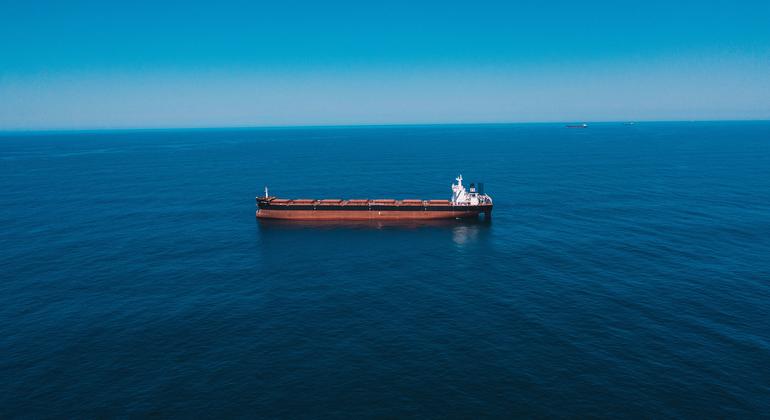
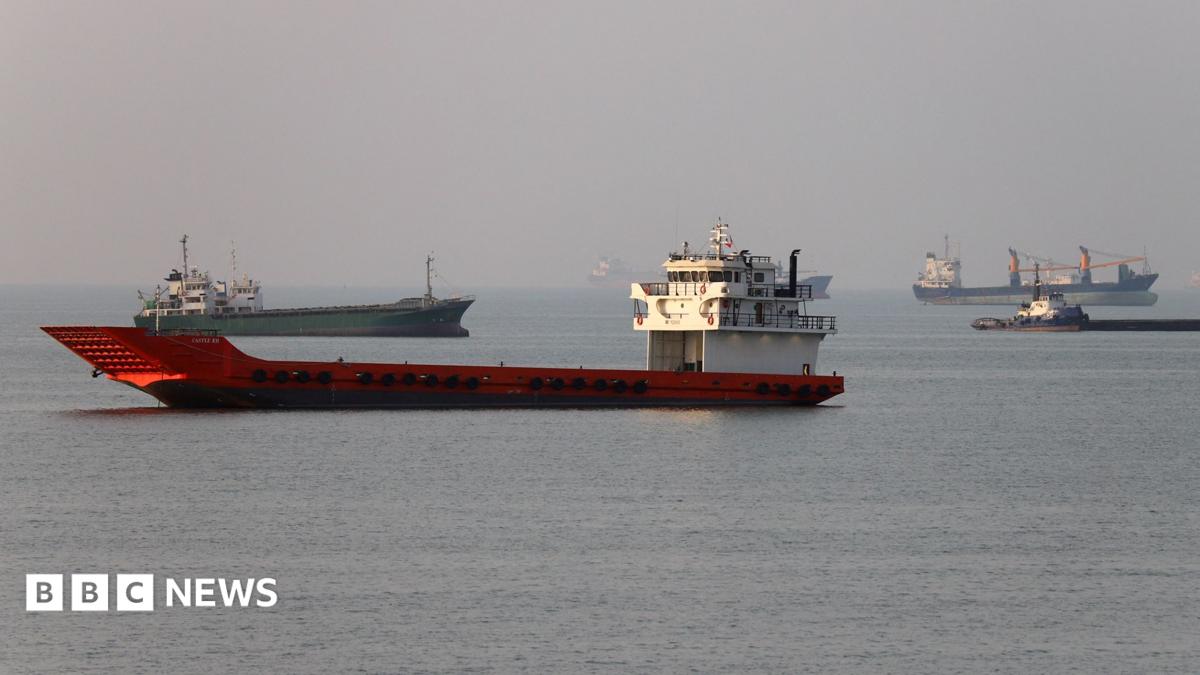
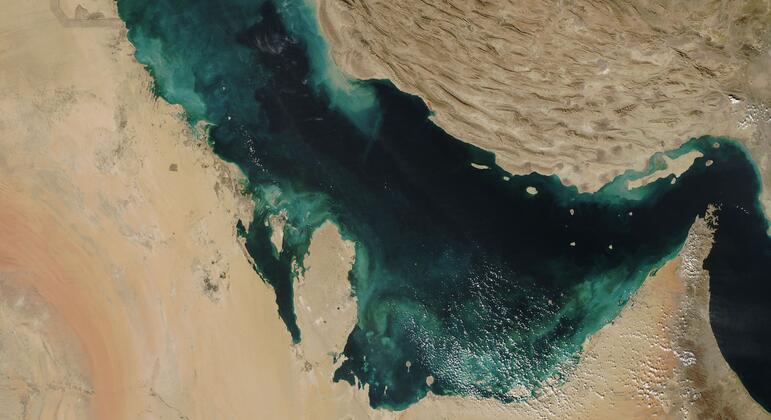
- Despite reports of a US, Iran ‘stand down’, regional maritime risk in the Strait of Hormuz is likely to remain elevated in the near term as markets and shippers test whether the pause holds after reciprocal strikes. (Confidence: medium · ASSESSED)
- I&W: New public claims of strikes by US Central Command or Iran and any renewed suspension of evacuation or convoy operations. (0-14 days)
- I&W: Sustained rise in crude loadings at Ras Tanura with stable tanker transits and easing Brent prices to pre‑spike levels. (0-1 month)
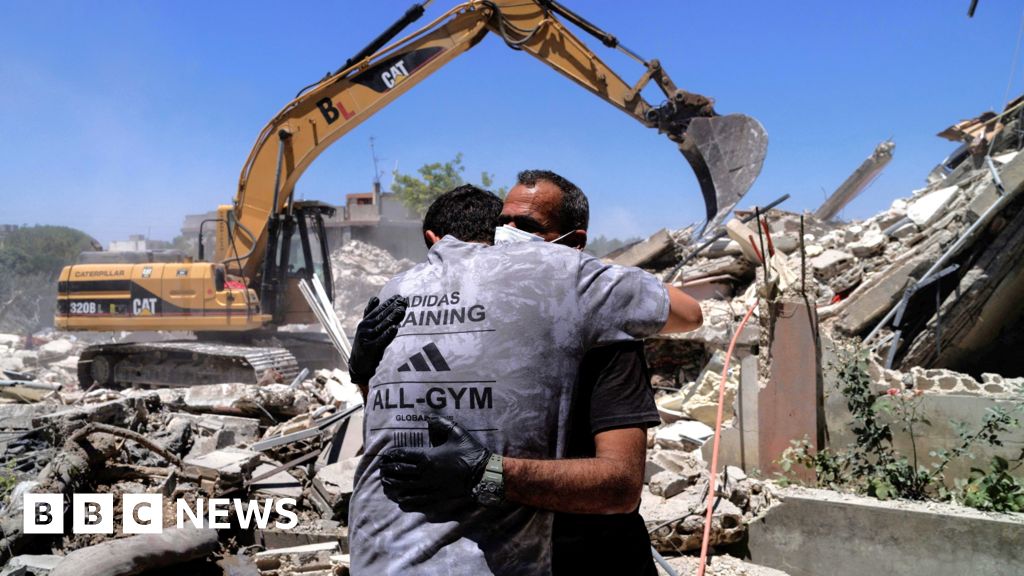
- Large‑scale displacement and shelter dependence in Lebanon and northern Israel will likely persist in the near term, with the UN warning that conditions for safe returns remain fragile and extensive housing destruction in southern Lebanon. (Confidence: high · ASSESSED)
- I&W: Shelter occupancy in Lebanon remains above 50,000 across 500+ collective sites for at least two consecutive weeks. (0-1 month)
- I&W: No UN or municipal announcements enabling broad civilian returns to heavily damaged southern localities. (0-1 month)
- The operating environment in Lebanon remains high‑risk and unpredictable for civilians and foreign missions, including in Beirut, due to the potential for drone and missile strikes, local security warnings, and the presence of landmines and unexploded ordnance. (Confidence: high · REPORTED)
- I&W: Continuation of embassy movement restrictions and additional local authority security advisories in South Governorate. (0-1 month)
- I&W: UN or NGO demining tasking expands into newly affected areas along return routes. (1-3 months)
Outlook & scenarios
Northern front unravels: reciprocal fire escalates (60%)
Hezbollah sustains large rocket and anti‑tank fire along the Blue Line and Israel answers with deeper strikes, including in Beirut’s southern suburbs and against tunnels and launch infrastructure in south Lebanon. Casualties mount on both sides, with further Israeli military fatalities and additional Lebanese civilian deaths reported.
Managed de‑escalation: low‑level fire persists, talks resume (50%)
Cross‑border incidents taper to sporadic exchanges while Washington and Tehran uphold a reported ‘stand down’ and proceed to talks in Doha. Shippers cautiously increase loadings from Ras Tanura, yet markets and insurers price in residual risk pending proof of sustained calm.
Gaza crisis deepens under continued operations (70%)
Israeli strikes and ground movements continue in central Gaza as humanitarian access lags. With 90 percent of WASH infrastructure destroyed and at least 600,000 people lacking sufficient drinking water, disease and displacement pressures worsen, reflected in UN reporting and recurring satellite thermal detections.
Wildcard: US, Iran strikes resume after an incident at sea (20%)
A maritime incident in or near Hormuz prompts retaliatory strikes by Iran on US facilities and US Central Command counter‑strikes. Evacuation operations are re‑suspended, oil prices rise sharply, and commercial shipping pauses transit pending escort arrangements.
Recommendations
- Stand up a Blue Line watchboard fusing open‑source reporting on cross‑border fire with geolocation and daily satellite thermal detections to flag barrages over 50 projectiles and Israeli strikes into Beirut’s southern suburbs for rapid alerting.
- Task collection on Hezbollah’s artillery and rocket activity around Ali al‑Taher and adjacent villages, and on Israeli strikes against tunnels at sites such as Majdal Zoun, to refine indicators of ceasefire non‑adherence.
- Produce a daily Hormuz risk note integrating Brent price moves, port loading reports from Ras Tanura, and any public claims of strikes by US Central Command or Iran to track whether the ‘stand down’ holds in practice.
- Maintain a Gaza humanitarian dashboard with weekly updates on displacement, WASH functionality and access to safe water, tied to reporting from UN agencies; correlate spikes in thermal detections with kinetic reporting to prioritise needs assessments.
- For Lebanon, map active shelter locations and known destruction clusters in the south alongside local authority advisories in Tyre district; brief return‑route risks including landmines and UXO to partners and travellers.
- Update mission security postures in Beirut and South Governorate to reflect the risk of drone and missile strikes and continuing embassy movement restrictions; ensure contingency plans for short‑notice movement suspensions.
Confidence & uncertainty
Overall confidence is medium. Several judgments rest on multiple, mutually reinforcing sources: UN statements and data on displacement and WASH, NASA thermal detections, major‑media reporting of recent strikes and exchanges, and official advisories for Lebanon. Uncertainty remains around ceasefire timelines and acceptance, with mixed reporting on truce announcements and rejections, and the US, Iran ‘stand down’ is sourced to officials while markets still signal caution. Casualty figures across fronts vary by source and period. These factors support cautious confidence without over‑precision.
Alternative analysis (red cell)
An alternative, evidence‑based reading emphasizes that many cited items reflect short‑term, localized events and a mix of high‑ and low‑quality reporting. For Israel–Hezbollah and US–Iran interactions, credible de‑escalatory signals coexist with episodic strikes and market reactions; thus a plausible outcome is episodic, localized flare‑ups rather than sustained high‑intensity hostilities or enduring maritime disruption. Closing key collection gaps (command intent, ISR/SIGINT, validated incident timelines, and maritime AIS/insurance data) would materially clarify whether the pattern is persistent escalation or transient spikes.
Intelligence gaps
- [EEI 1.1 · PARTIAL] Number, type and geolocated coordinates of projectiles (rockets, mortars, anti-tank guided missiles) fired from Lebanon into Israel in the last 24/72 hours, including time-stamped launch and impact locations. Recommended collection: signals/intel
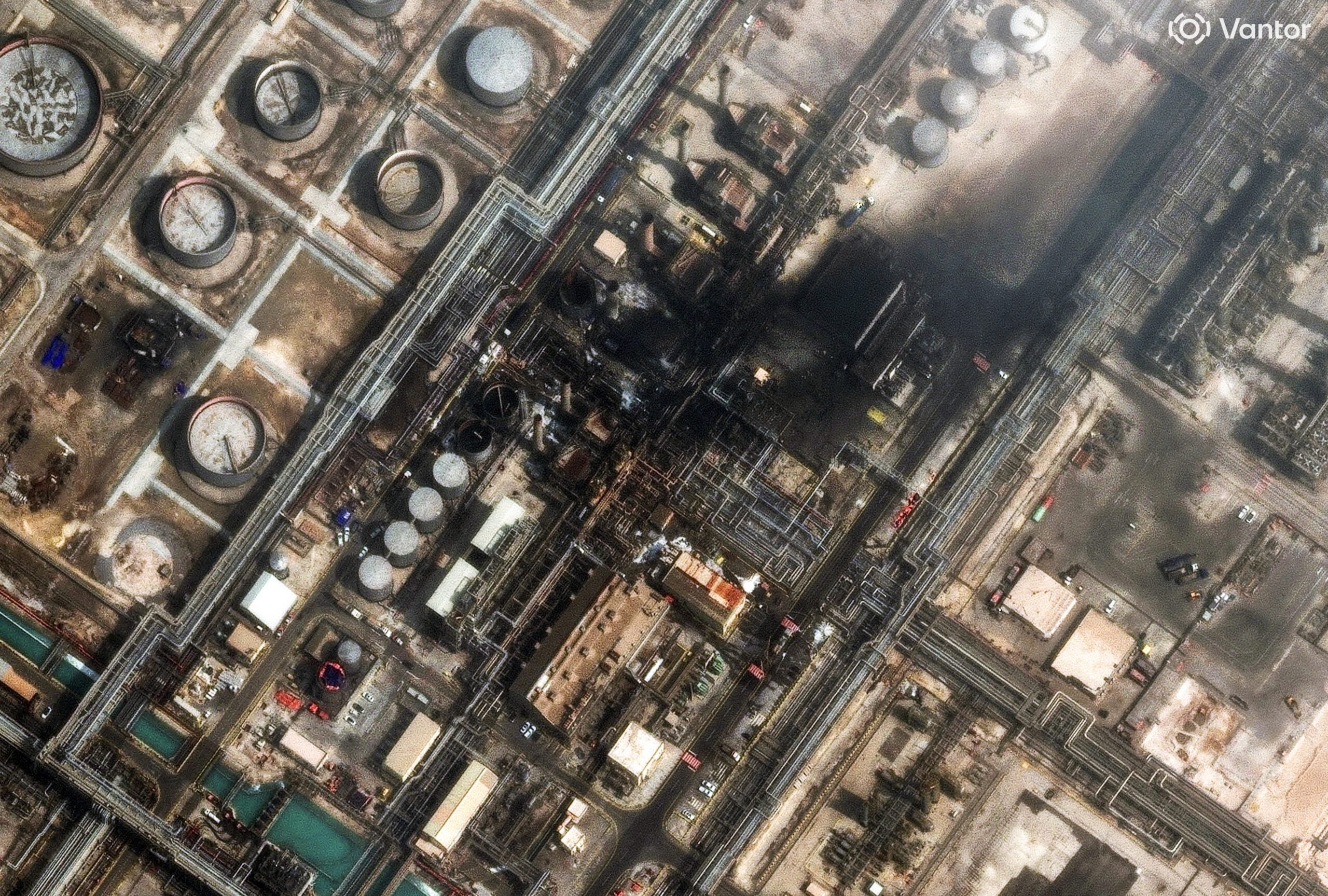
- [EEI 1.2 · UNCOVERED] Satellite or aerial imagery showing movement, concentration, or forward displacement of Hezbollah-associated military assets (armored vehicles, artillery pieces, mobile rocket launchers, logistics convoys) to positions within 0–10 km of the Israel-Lebanon border. Recommended collection: satellite/imagery
- [EEI 1.3 · UNCOVERED] Intercepted or captured Hezbollah command-and-control communications or orders explicitly directing cross-border operations or coordinated strikes with Palestinian groups (time-stamped messages, unit identifiers, orders to fire/move). Recommended collection: signals/intel
- [EEI 1.4 · PARTIAL] Observable changes in Israeli northern-front posture within Israel (numbers and types of reinforcements deployed to northern brigades, activation of reserves, air defense redeployments, evacuation orders or shelter alerts in northern towns), including timestamps and unit IDs where available. Recommended collection: human/intel
- [EEI 2.1 · UNCOVERED] Official or corroborated reports of IDF reservist mobilization and unit-level deployment orders (number of reservists called, named brigades/units ordered to deploy, deployment timelines). Recommended collection: open-source/media
- [EEI 2.2 · PARTIAL] Satellite or ground imagery showing concentrations of IDF heavy equipment (tanks, infantry fighting vehicles, engineering vehicles), staging areas, field hospitals or forward supply dumps within X km of the Gaza border and at known crossing points. Recommended collection: satellite/imagery
- [EEI 2.3 · PARTIAL] Change in strike patterns consistent with pre-ground-attack shaping: sustained high-frequency airstrikes on tunnel networks, command nodes, coastal launch sites, and known insurgent concentrations (strike counts, munition types, locations, times). Recommended collection: open-source/media
- [EEI 2.4 · UNCOVERED] Logistics indicators: verified convoys of fuel/ammunition entering staging areas, establishment of forward logistics or medical bases, or documented requisitioning orders for bulk combat supplies with timestamps and quantities. Recommended collection: human/intel
- [EEI 3.1 · PARTIAL] Number, participants and content of diplomatic contacts or negotiation sessions in the last 48 hours involving mediators (Egypt, Qatar, US, UN), including any proposed ceasefire text, prisoner/exchange lists, timelines or verification mechanisms. Recommended collection: diplomatic
- [EEI 3.2 · UNCOVERED] Public statements, press releases or verified communiqués from Hamas and other Gaza armed groups specifying acceptance, rejection, or conditions for a ceasefire (explicit conditions such as prisoner release lists, withdrawal terms, lifting of blockades), with timestamps and speaker attribution. Recommended collection: open-source/media
- [EEI 3.3 · PARTIAL] Humanitarian indicators relevant to ceasefire: establishment and operation of agreed humanitarian corridors/checkpoints, number of aid deliveries admitted, civilian evacuations completed, and NGO/hospital reports of access denials or safe-passage violations. Recommended collection: humanitarian/NGO reports
- [EEI 3.4 · UNCOVERED] Operational evidence of a de facto pause: verified sustained reduction (e.g., ≥12 hours) in strikes or launches from either side in specific sectors, supported by strike/impact logs, radar tracks and incident reports. Recommended collection: open-source/media
Cited sources
[1] Wikipedia · 2026 Israel–Lebanon ceasefire (B) · sha256:a6947f4e6b3a [2] gov.uk · Foreign Secretary statement on the Middle East: 9 June 2026 (A) · sha256:eeb84ad8ec9b [3] bbc.com · Israel and Hezbollah continue strikes despite ceasefire agreement (A) · sha256:d62b4202f83c [4] Middle East Eye · Israel and Hezbollah agree ceasefire after escalation threatens US-Iran deal (B) · sha256:b4369598250e [5] kfgo.com · Israel destroys Hezbollah underground infrastructure in southern Lebanon (A) · sha256:7f13c9a4ed6e [6] Al Jazeera · Israeli attack in Gaza kills three, including a child (A) · sha256:e55c2213d7a6 [7] NASA · NASA FIRMS thermal detections — Gaza (2d) (A) · sha256:11fd9d7a92f7 [8] United Nations · World News in Brief: UN launches Hormuz evacuation plan, UNICEF youth champion killed in Gaza, Lebanon ceasefire ‘largely holding’ (A) · sha256:41dca8a20228 [9] United Nations · World News in Brief: Violence displaces thousands in Haiti and Lebanon, Gaza updates, UN food agency delivers in Ebola-stricken DR Congo (A) · sha256:37555cc35cb0 [10] United Nations · From Lebanon to the Strait of Hormuz, a Middle East hanging on fragile peace talks (A) · sha256:d0d950f95951 [11] BBC · US says it has agreed to 'stand down' after exchange of strikes with Iran (A) · sha256:c0e5d93dd1d0 [12] Al Jazeera · Oil prices rise as US, Iranian strikes threaten Strait of Hormuz reopening (A) · sha256:94ed2828809d [13] gcaptain.com · Aramco Helicopter Crash In Ras Tanura Kills All 14 On Board (B) · sha256:599d7c5eac90 [14] Wikipedia · Hezbollah–Israel conflict (2023–present) (B) · sha256:01d50edac3c5 [15] U.S. Department of State · Lebanon Travel Advisory | Travel.State.gov (A) · sha256:98e17f2ad3e2 [16] United Nations · World News in Brief: Students injured in Sudan drone strike, dangerous returns in south Lebanon, celebrating women diplomats (A) · sha256:342bbcbe5a00
Source content hashes were computed at collection time; the cited text is preserved unmodified for the life of this product.
Red cell review: PARTIAL DISSENT
TLP:CLEAR