TLP:CLEAR · Disclosure is not limited.
Israel, Gaza Regional Escalation: Fragile Ceasefire, Persistent Contact, and Risk-Laden Maritime Thaw
Time window: Last 7 days · Audience: General analyst · Type: Situation report · DTG: 2026-06-23 13:17Z · Overall confidence: MEDIUM
BLUF
Despite renewed ceasefire announcements and Washington talks, lethal incidents and an enduring IDF presence inside southern Lebanon indicate hostilities are very likely to persist, while low‑level combat continues in Gaza. Maritime flows through Hormuz are picking up under a US, Iran framework, but operational risk remains elevated.
Executive summary
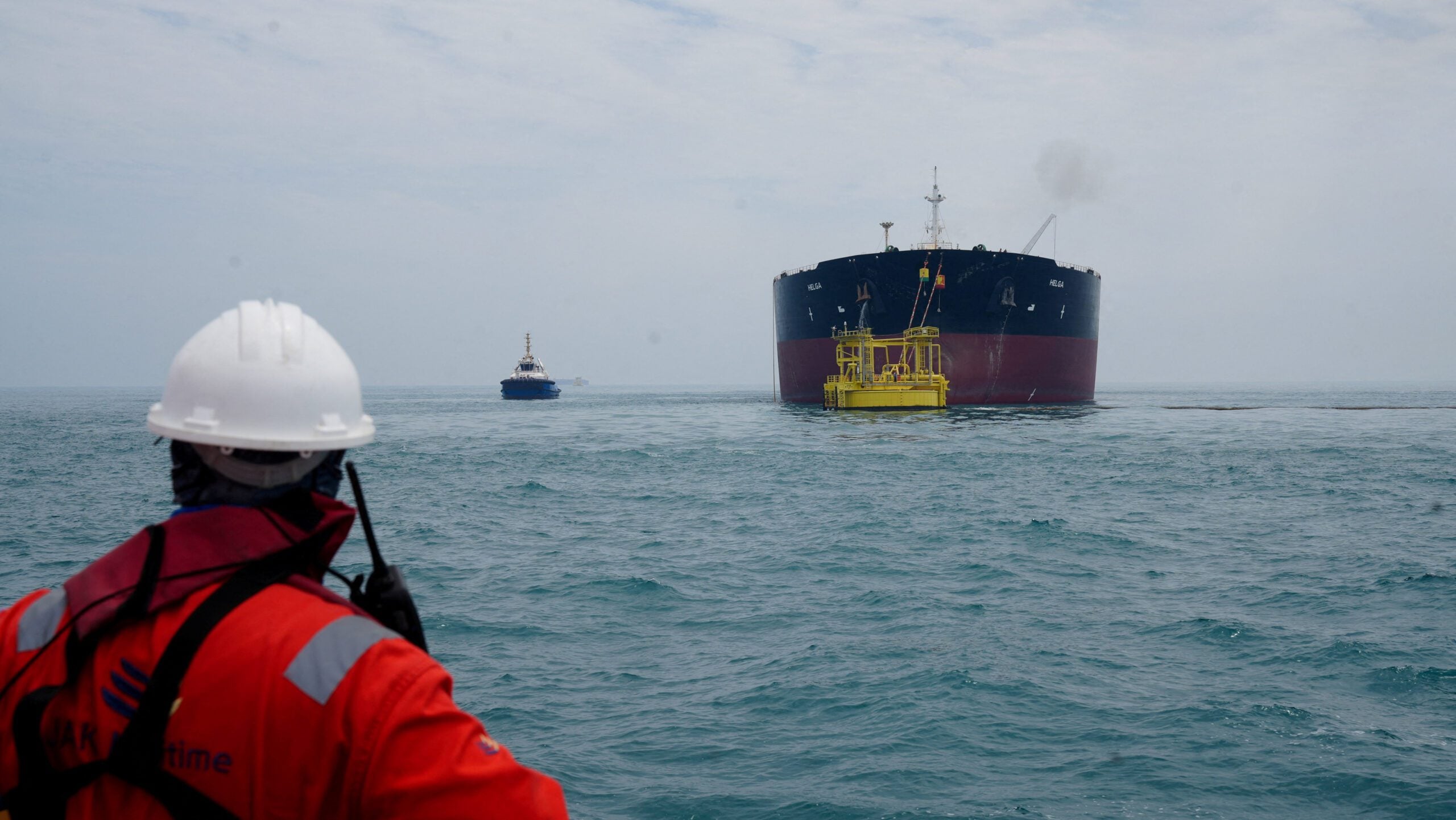
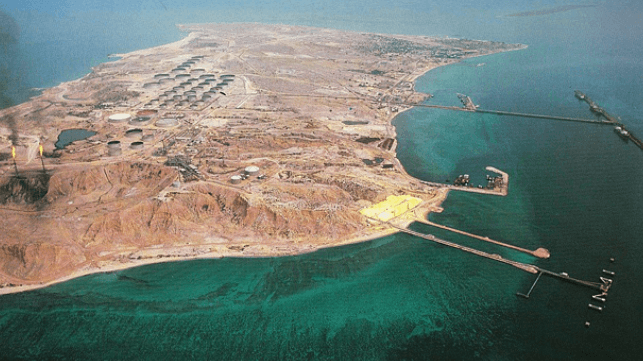
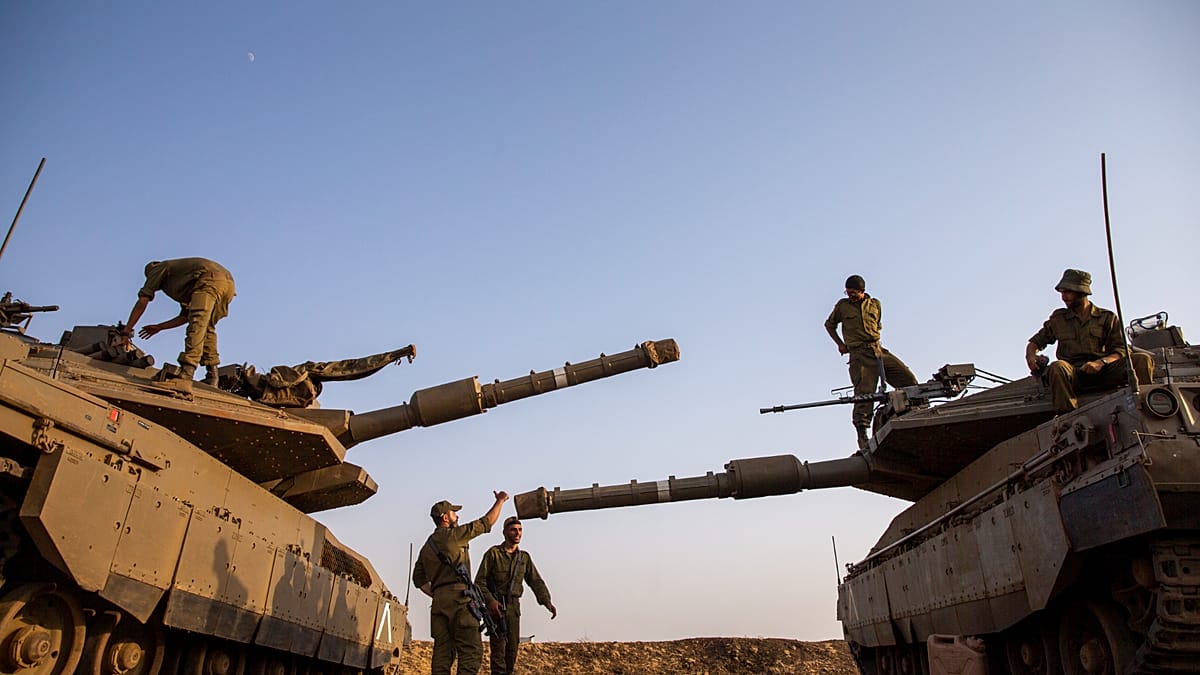
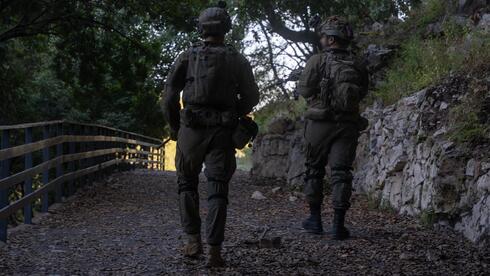
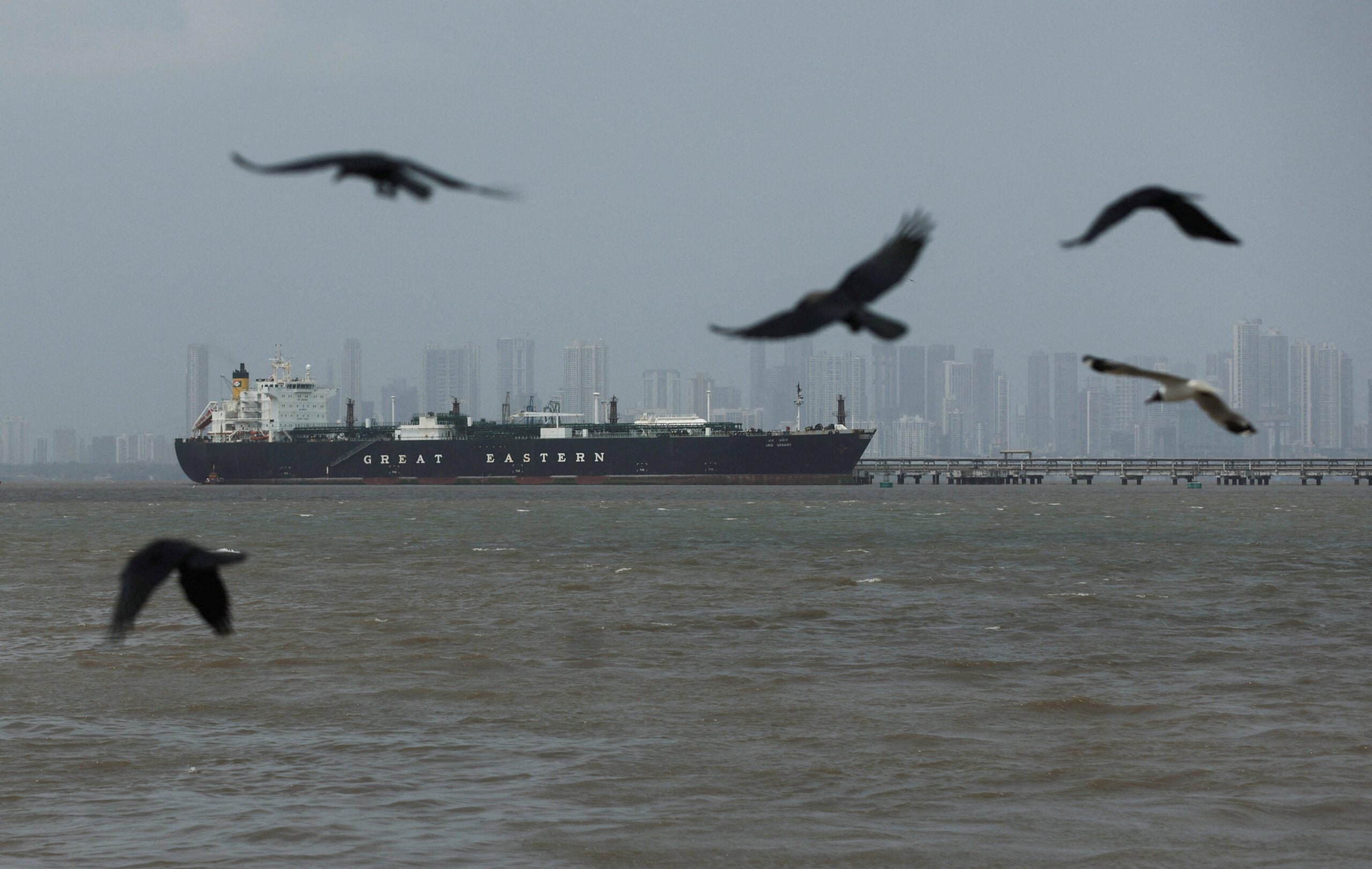
The Israel, Lebanon front remains unstable under a declared truce. The IDF retains forces up to 10 km inside southern Lebanon, Israeli fire killed two people near Nabatieh, and Israeli leaders say troops will stay and have freedom of action. Hezbollah-linked reporting points to renewed surveillance and targeting efforts, and recent incidents have killed multiple Israeli soldiers. In Gaza, NASA recorded 52 thermal anomalies over 22-23 June, consistent with ongoing strike and fire activity. Parallel diplomacy is active: Washington is hosting Israel, Lebanon talks, and a US, Iran de‑confliction framework seeks to halt fighting on all fronts, although Iran demands a full Israeli withdrawal and the US side characterises the deal as a framework. In the Strait of Hormuz, commercial shipping has resumed slowly after Iran lifted an effective blockade alongside a 60‑day sanctions waiver; traffic remains hard to track and subject to competing Iranian and US routing guidance and maritime mine risk.
Change from previous assessment
New developments since the 22 June brief: reported Israeli fire killed two people near Nabatieh under the truce; Washington confirmed Israel, Lebanon talks for this week; NASA recorded 52 Gaza thermal anomalies over 22-23 June, up from the prior 39 over 21-22 June; and shipping through Hormuz continues to resume under a 60‑day waiver with reports of more than 25 million barrels transiting since last week alongside persistent ‘dark’ traffic and mine warnings. We added a judgment on Hezbollah’s likely ISR adaptation, with low confidence given single‑source reporting, and maintained medium confidence overall given active contradictions around ceasefire conduct and withdrawal.
Key judgments
- Cross‑border hostilities between Israel and Hezbollah are very likely to persist despite the renewed ceasefire and Washington talks, given the IDF’s continued deployment up to 10 km inside southern Lebanon, lethal incidents since the truce, and Israeli leaders’ stated intent to remain with freedom of operation. (Confidence: medium · ASSESSED)
- I&W: Additional lethal incidents documented on the Ali al‑Taher ridge or around Nabatieh, claimed by either side and geolocated by media or UNIFIL reporting. (0-14 days)
- I&W: Verified IDF pullback from positions inside Lebanon to the Israeli side of the Blue Line, reflected in official statements and independent satellite imagery. (1-3 months)
- Low‑level combat in Gaza is ongoing, very likely reflected in NASA’s 52 thermal anomaly detections over 22-23 June and reporting that civilians continue to face strikes and fire. (Confidence: high · REPORTED)
- I&W: Sustained daily VIIRS thermal detections above recent baseline across central and southern Gaza, correlating with open‑source incident reports. (0-14 days)
- I&W: A multi‑day period with near‑zero detections and absence of credible reports of airstrikes or shelling. (0-14 days)
- Humanitarian stress in southern Lebanon and northern Israel is likely to remain acute while the security zone endures and extensive damage restricts returns, despite some families beginning to go back. (Confidence: medium · ASSESSED)
- I&W: Lebanon’s Health Ministry or UN agencies publish updated figures showing continued high displacement with limited authorisations to return to destroyed villages. (0-1 month)
- I&W: Formal IDF authorisation for civilian re‑entry to specific localities inside the security zone and UN‑escorted return convoys. (1-3 months)
- The US, Iran de‑confliction framework and Washington talks are unlikely to deliver a rapid Israeli withdrawal or a durable cessation in Lebanon in the near term, given Iran’s condition of full Israeli withdrawal and Israeli leaders’ explicit intent to remain. (Confidence: medium · ASSESSED)
- I&W: Talks conclude without a public timeline for Israeli withdrawal and with continued IDF statements affirming an open‑ended presence. (0-1 month)
- I&W: Public release of a signed document setting verifiable withdrawal milestones within 30-60 days and third‑party verification arrangements. (0-2 months)
- Commercial flows through the Strait of Hormuz are likely to continue resuming under the 60‑day sanctions waiver and Iran’s lift of its effective blockade, but operational risk remains elevated due to competing routing guidance, persistent ‘dark’ traffic and residual mine threats. (Confidence: medium · ASSESSED)
- I&W: Additional AIS‑visible and satellite‑tracked crude and LNG transits via both the southern route and Iran’s managed northern corridor. (0-14 days)
- I&W: New interdictions or mine incidents reported by navies or insurers, or a renewed Iranian closure announcement affecting merchant traffic. (0-14 days)
- Hezbollah has likely adapted its surveillance and targeting along the border, raising risk to IDF leadership convoys inside southern Lebanon. (Confidence: low · ASSESSED)
- I&W: Further credible reports of strikes on senior IDF officers’ vehicles or command posts inside Lebanon, corroborated by imagery or official acknowledgment. (0-1 month)
- I&W: Evidence of systematic disruption of Hezbollah’s border ISR networks through arrests or electronic warfare reporting. (1-3 months)
Outlook & scenarios
Protracted low‑intensity conflict under a fragile truce (60%)
IDF maintains positions up to 10 km inside southern Lebanon while Israel, Lebanon talks in Washington produce limited confidence‑building steps but no withdrawal timeline. Sporadic lethal incidents continue around Nabatieh and the Ali al‑Taher area. Gaza sees intermittent strikes consistent with recurring thermal detections. Humanitarian displacement in Lebanon and northern Israel remains high with constrained returns.
Re‑escalation on the northern front (30%)
A serious incident, such as a fatal strike on an IDF senior officer convoy or mass‑casualty exchange, triggers a surge in cross‑border fire. Israeli leaders expand operations inside Lebanon, citing freedom of action. The de‑confliction framework falters, and regional risks, including to Hormuz traffic, rise.
Phased de‑escalation tied to the US, Iran framework (25%)
Washington talks align with the US, Iran memorandum to set monitoring and withdrawal milestones. Iran’s demand for a full Israeli pullout is sequenced into stages, and the IDF begins limited redeployments while a third‑party mechanism oversees compliance. Hezbollah keeps weapons off the table, limiting scope and leaving residual risks.
Maritime setback in the Strait of Hormuz (15%)
A mine incident or enforcement clash under competing Iranian and US routing regimes interrupts rising tanker traffic. ‘Dark’ shipping complicates response, insurance premiums jump, and the oil waiver’s practical benefit is blunted pending renewed naval coordination.
Recommendations
- [object Object]
- [object Object]
- [object Object]
- [object Object]
- [object Object]
Confidence & uncertainty
Overall confidence is medium. Several judgments rest on multiple, independent, and generally reliable sources: NASA’s official detections for Gaza, high‑confidence reporting on the IDF’s posture in southern Lebanon, and official or major‑media coverage of the US, Iran framework, Washington talks, and resumed Hormuz shipping. However, elements rely on single‑source or medium‑confidence reporting with some contradictions, notably claims of Hezbollah’s surveillance and targeting adaptations, contested casualty and displacement attributions, and competing narratives about ceasefire adherence. These gaps and frictions preclude a high‑confidence headline assessment.
Alternative analysis (red cell)
While tactical incidents and forward IDF deployments increase the likelihood of episodic violence, the available reporting also documents active diplomatic engagement, de‑confliction mechanisms, and localized returns. These de‑escalatory signals mean a reasonable alternative estimate is that violence may remain localized and episodic under a fragile ceasefire rather than evolve into sustained, high‑intensity cross‑border warfare. Several judgments rest on medium‑admiralty tactical reports and ambiguous indicators that do not yet prove durable operational changes.
Intelligence gaps
- [EEI 1.1 · UNCOVERED] Number, type and geolocated coordinates of projectiles (rockets, mortars, anti-tank guided missiles) fired from Lebanon into Israel in the last 24/72 hours, including time-stamped launch and impact locations. Recommended collection: signals/intel
- [EEI 1.2 · UNCOVERED] Satellite or aerial imagery showing movement, concentration, or forward displacement of Hezbollah-associated military assets (armored vehicles, artillery pieces, mobile rocket launchers, logistics convoys) to positions within 0–10 km of the Israel-Lebanon border. Recommended collection: satellite/imagery
- [EEI 1.3 · UNCOVERED] Intercepted or captured Hezbollah command-and-control communications or orders explicitly directing cross-border operations or coordinated strikes with Palestinian groups (time-stamped messages, unit identifiers, orders to fire/move). Recommended collection: signals/intel
- [EEI 1.4 · PARTIAL] Observable changes in Israeli northern-front posture within Israel (numbers and types of reinforcements deployed to northern brigades, activation of reserves, air defense redeployments, evacuation orders or shelter alerts in northern towns), including timestamps and unit IDs where available. Recommended collection: human/intel
- [EEI 2.1 · UNCOVERED] Official or corroborated reports of IDF reservist mobilization and unit-level deployment orders (number of reservists called, named brigades/units ordered to deploy, deployment timelines). Recommended collection: open-source/media
- [EEI 2.2 · UNCOVERED] Satellite or ground imagery showing concentrations of IDF heavy equipment (tanks, infantry fighting vehicles, engineering vehicles), staging areas, field hospitals or forward supply dumps within X km of the Gaza border and at known crossing points. Recommended collection: satellite/imagery
- [EEI 2.3 · PARTIAL] Change in strike patterns consistent with pre-ground-attack shaping: sustained high-frequency airstrikes on tunnel networks, command nodes, coastal launch sites, and known insurgent concentrations (strike counts, munition types, locations, times). Recommended collection: open-source/media
- [EEI 2.4 · UNCOVERED] Logistics indicators: verified convoys of fuel/ammunition entering staging areas, establishment of forward logistics or medical bases, or documented requisitioning orders for bulk combat supplies with timestamps and quantities. Recommended collection: human/intel
- [EEI 3.1 · PARTIAL] Number, participants and content of diplomatic contacts or negotiation sessions in the last 48 hours involving mediators (Egypt, Qatar, US, UN), including any proposed ceasefire text, prisoner/exchange lists, timelines or verification mechanisms. Recommended collection: diplomatic
- [EEI 3.2 · UNCOVERED] Public statements, press releases or verified communiqués from Hamas and other Gaza armed groups specifying acceptance, rejection, or conditions for a ceasefire (explicit conditions such as prisoner release lists, withdrawal terms, lifting of blockades), with timestamps and speaker attribution. Recommended collection: open-source/media
- [EEI 3.3 · PARTIAL] Humanitarian indicators relevant to ceasefire: establishment and operation of agreed humanitarian corridors/checkpoints, number of aid deliveries admitted, civilian evacuations completed, and NGO/hospital reports of access denials or safe-passage violations. Recommended collection: humanitarian/NGO reports
- [EEI 3.4 · PARTIAL] Operational evidence of a de facto pause: verified sustained reduction (e.g., ≥12 hours) in strikes or launches from either side in specific sectors, supported by strike/impact logs, radar tracks and incident reports. Recommended collection: open-source/media
Cited sources
[1] ynetnews.com · Israel's Lebanon dilemma: restrictions, uncertainty and Hezbollah's underground fortress (B) · sha256:1f21c7e4de1c [2] Al Jazeera · What Israeli and Lebanese officials are saying before Washington talks (A) · sha256:22076d398008 [3] Wikipedia · 2026 Israel–Lebanon ceasefire (F) · sha256:34ba6a980e57 [4] Al Jazeera · Israeli fire kills two in Lebanon as Hezbollah slams truce ‘violation’ (A) · sha256:d9827b563d05 [5] Al Jazeera · Iran war day 116: US eases Iran sanctions; Israel kills two in Lebanon (A) · sha256:f332c4834890 [6] nypost.com · IDF has 'full freedom' in Lebanon despite 'de-confliction cell,' Netanyahu says (B) · sha256:8e9d304a460a [7] CNN · ‘What ceasefire?’: In northern Israel, locals doubt an agreement can end the war with Hezbollah | CNN (A) · sha256:5ac69722c0eb [8] jpost.com · Israel’s security cannot hinge on unfinished US-Iran diplomacy - editorial (B) · sha256:0aeb17953899 [9] NASA · NASA FIRMS thermal detections — Gaza (2d) (A) · sha256:1d3e3a1ac724 [10] United Nations · World News in Brief: Pope Leo urges action on hunger, humanitarian strain deepens in Gaza, families return to Lebanon (A) · sha256:8e042327b504 [11] Wikipedia · 2024 Israel–Lebanon ceasefire agreement (B) · sha256:62a3e9b94d0c [12] Wikipedia · Hezbollah–Israel conflict (2023–present) (B) · sha256:0d677ded6584 [13] bellingcat.com · Satellite Imagery Shows Ongoing Demolitions Across Southern Lebanon - bellingcat (B) · sha256:052733cd55f8 [14] islamtimes.com · ’Haaretz’: Security Belt in South Lebanon Illusion, Netanyahu Bolstered Hezbollah - Islam Times (B) · sha256:222965b5805e [15] maritime-executive.com · Strait of Hormuz Traffic is Beginning to Return, But it is Hard to Spot (B) · sha256:12de8073cd17 [16] gcaptain.com · Hormuz Traffic Slowly Picking Up as Oil and LNG Tankers Resume Transits (A) · sha256:4e40a09b0d8d [17] gcaptain.com · Trump Treasury Issues Sweeping Iran Oil Waiver, Marking Sharp Break From 'Maximum Pressure' (B) · sha256:1496d47966e9 [18] gcaptain.com · Strait of Hormuz: Mines and Dual Transit Regime Complicate Return to Normal (B) · sha256:cb520f1f8fee [19] euronews · عيون في الظلام. كيف يرى حزب الله تحركات جنرالات إسرائيل في جنوب لبنان؟ (B) · sha256:df0e1944dd61
Source content hashes were computed at collection time; the cited text is preserved unmodified for the life of this product.
Red cell review: PARTIAL DISSENT
TLP:CLEAR