TLP:CLEAR · Disclosure is not limited.
Israel-Gaza Regional Escalation: Gaza Hospital Strike and South Lebanon Activity
Time window: Last 7 days · Audience: General analyst · Type: Situation report · DTG: 2026-11-12 13:17Z · Overall confidence: HIGH
BLUF
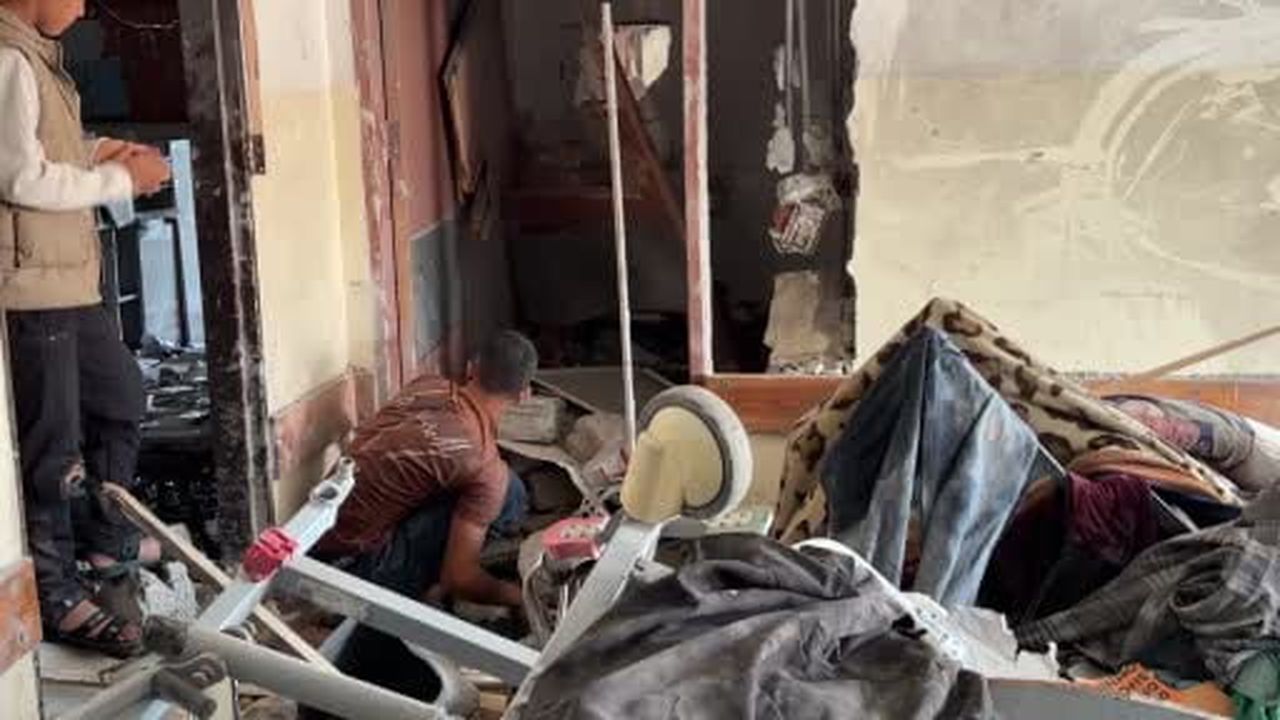
The 12 November Israeli strike on Nasser Hospital in Khan Younis very likely killed six Palestinians and wounded at least 12; reports put the wounded count as high as about 20. Israel says it targeted Hamas commander Mohammed Abu Ismail, but its account of Hamas use of the hospital and whether advance warning was given remains disputed. Reports of Israeli military activity in southern Lebanon have increased since the prior brief, but the supplied reporting does not establish a Hezbollah attack.
Executive summary
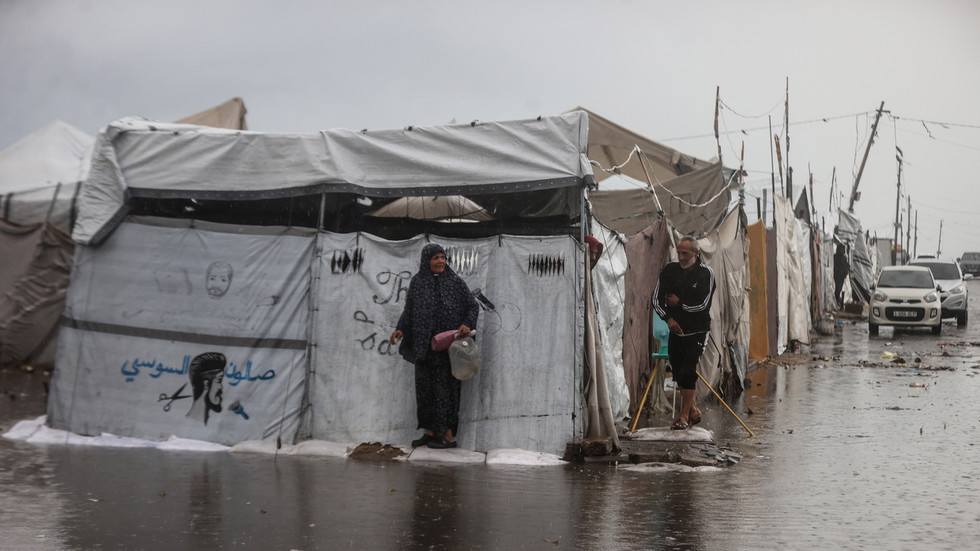
A new Israeli strike hit Nasser Hospital in Khan Younis during the Gaza ceasefire, damaging its surgical facilities and killing six people, including a doctor and a child, according to multiple reports. Israel says it targeted Mohammed Abu Ismail and alleges Hamas used the hospital; the hospital director disputes the military's claim that advance warning was issued. Gaza's shelter emergency remains acute: the UN says about 1.4 million people live in tents or makeshift shelters, while more than 150,000 tents are reportedly ready for delivery. The Board of Peace and UNICEF fault Israeli restrictions and delays, while Netanyahu's office assigns responsibility to Hamas. In southern Lebanon, local reports describe Israeli strikes and military activity on 9 and 12 November. Hezbollah leader Naim Qassem rejected disarmament discussions, adding to doubts about implementation of the Israel-Lebanon framework. Israeli reporting on Iran indicates a preference for economic pressure over another strike, but the assessment rests on limited reporting.
Change from previous assessment
Since the 11 November brief, reporting has added the 12 November Israeli strike on Nasser Hospital, including six reported deaths, damage to surgical facilities and disputed Israeli claims about the target and warning. The assessment of Lebanon has changed from no supplied evidence of a new Israel-Hezbollah exchange to reports of repeated Israeli military activity in southern Lebanon on 9 and 12 November; the supplied reporting still does not establish Hezbollah retaliation. Qassem's renewed rejection of disarmament discussions adds evidence that the June framework remains contested. The Iran strike assessment remains unlikely and low confidence, now informed by a report that the IDF chief would consider a strike only if Iran crosses Israeli red lines.
Key judgments
- Very likely, the 12 November Israeli strike on Nasser Hospital in Khan Younis killed six Palestinians and wounded at least 12, with some reports putting the wounded count at about 20. Reports identify a doctor and a 13-year-old child among those killed. Israel says it targeted Hamas Khan Younis Brigade commander Mohammed Abu Ismail and alleges Hamas used the hospital as a headquarters; the hospital director disputes the Israeli military's claim that advance warning was issued. The strike and death toll are corroborated across wire and major-media reporting, but the rationale for the strike and the warning remain contested. (Confidence: high · REPORTED)
- I&W: A Gaza health ministry or hospital casualty update continues to report six deaths and clarifies the wounded count, confirming the current toll; a revised count or hospital record materially changes the reported figures, breaking it. (0-14 days)
- I&W: An independently published investigation corroborates either the Israeli warning account or the hospital director's denial, resolving the dispute; continued conflicting accounts leave it unresolved. (0-30 days)
- Very likely, Gaza's shelter and flood emergency will remain acute over the next 30 days unless humanitarian supplies enter and reach displaced families. The UN reports that about 1.4 million people live in tents or makeshift shelters, and recent rain flooded or damaged thousands of tents. More than 150,000 tents are reportedly ready for delivery, while UNICEF says Israel blocked a $3 million project to repair Gaza City's Sheikh Radwan stormwater basin. The Board of Peace attributes aid delays to Israeli restrictions; Netanyahu's office blames Hamas for aid diversion. These competing attributions are unresolved, and the supplied reporting does not establish how many tents have since entered Gaza. (Confidence: medium · ASSESSED)
- I&W: UN or Board of Peace reporting confirms the entry and distribution in Gaza of the 150,000 tents, which would weaken the assessment of continued shelter pressure; confirmation that the tents remain undelivered would support it. (0-30 days)
- I&W: UNICEF reports that repair work on Gaza City's Sheikh Radwan stormwater basin has begun, breaking the claim that the project remains blocked; a continued access denial would confirm it. (0-30 days)
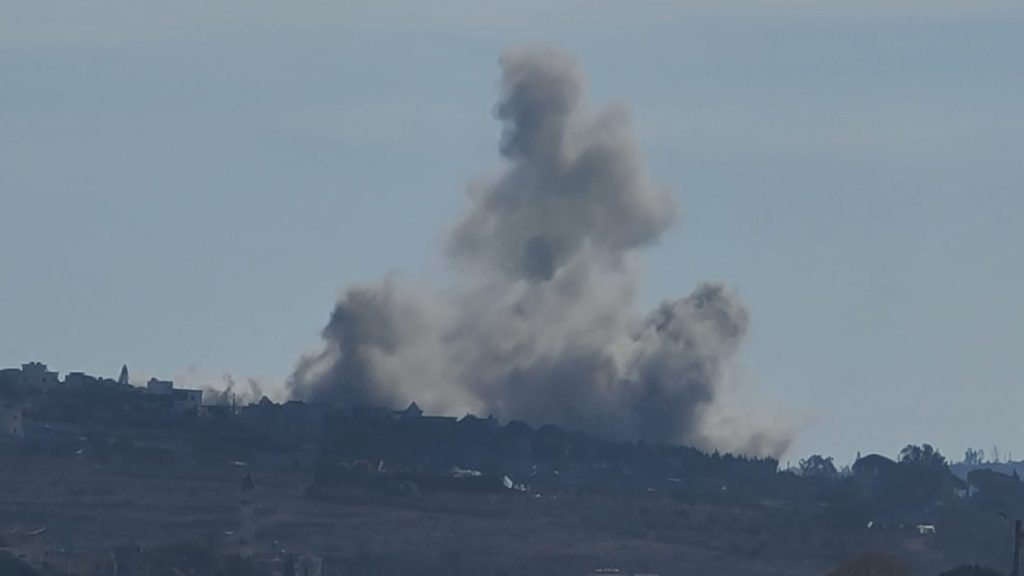
- Likely, Israeli military activity in southern Lebanon will continue over the next 14 days, but the supplied reporting does not establish a Hezbollah attack or a new reciprocal Israel-Hezbollah exchange. Local reports describe Israeli airstrikes, artillery fire, demolitions and military movements around Al-Qantara, Kafr Tibnit, Talousa, Jarmq, Kafr Shouba and Khiam on 9 November, followed by reported shelling at Al-Mansouri and Nabatieh al-Fawqa and drone explosions at Mefdoun on 12 November. The Mefdoun drone attribution is unresolved: local reports describe three Israeli drones exploding over homes, while a separate account, read only in summary, frames a drone incident as part of attacks on Israeli defensive and surveillance capabilities. The reporting is largely local and does not resolve whether these accounts describe the same incident. (Confidence: low · ASSESSED)
- I&W: Independent reporting confirms further Israeli airstrikes, shelling or military movements at named southern Lebanese locations, confirming continued activity; independently corroborated reporting of a 14-day halt would break the assessment. (0-14 days)
- I&W: A separately verified Hezbollah attack on Israeli forces or territory would establish reciprocal action, changing the assessment that the supplied reporting does not show a new exchange. (0-14 days)
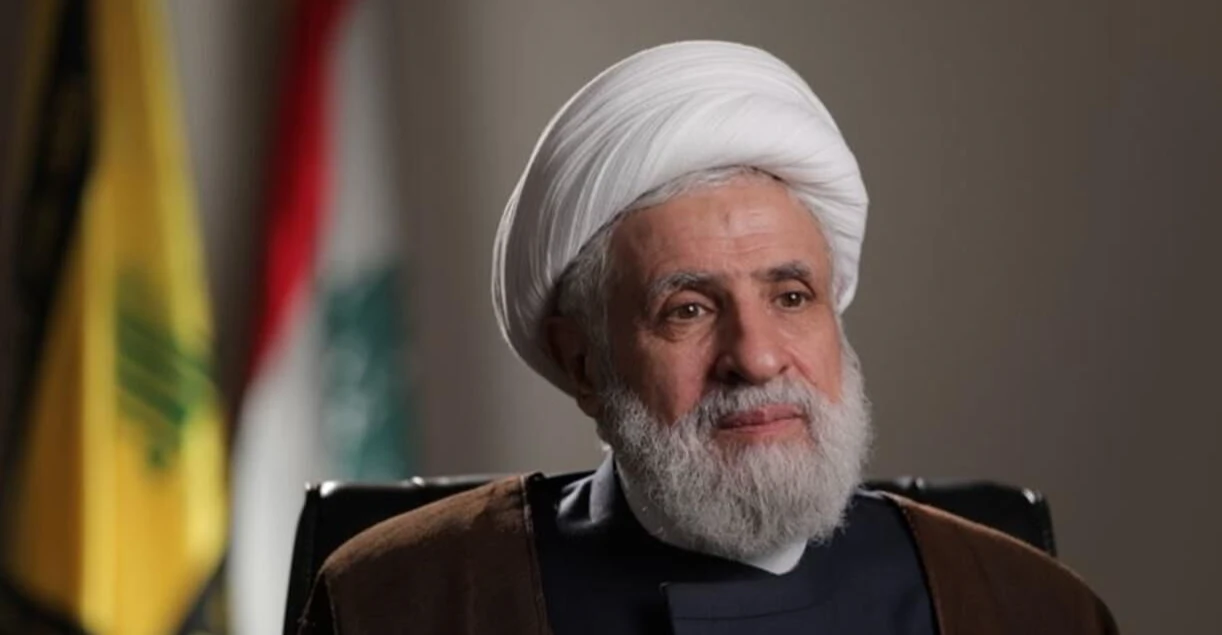
- Likely, the US-brokered Israel-Lebanon framework will remain stalled or contested over the next 30 days. The June framework envisages Israeli withdrawal from pilot zones and Lebanese Army action to disarm Hezbollah. On 11 November, Hezbollah Secretary-General Naim Qassem said Hezbollah must retain its weapons and urged Lebanese authorities to stop discussing disarmament while Israeli attacks continue. Israeli officials accuse the Lebanese Army of failing to meet its obligations, which the army denies. The current reporting records Qassem's position and continuing Israeli activity, but provides little direct evidence about implementation on the ground. (Confidence: low · ASSESSED)
- I&W: Beirut and Tel Aviv publish a dated pilot-zone handover or Lebanese Army deployment plan, breaking the assessment that implementation remains stalled; no announced timetable would support it. (0-30 days)
- I&W: Qassem publicly repeats his rejection of disarmament discussions while Israeli forces remain in southern Lebanon, confirming the political obstacle; a public Hezbollah commitment to the framework would weaken it. (0-30 days)
- Unlikely, a new US-Israeli strike on Iran will occur in the next 14 days, although escalation after an Israeli judgement that Iran has crossed a red line remains a high-impact risk. IDF Chief of Staff Eyal Zamir is reported to favour considering a strike only if Iran crosses Israeli red lines, and Israeli reporting says Israel prefers continued economic pressure. A 6 November report said President Donald Trump had considered another round of attacks, while Iran has warned of retaliation against regional targets. This judgement is low confidence: the current account of Israeli policy rests on limited local reporting, and the earlier report of Trump's consideration is not independently corroborated here. (Confidence: low · ASSESSED)
- I&W: Israeli leaders publicly state that Iran has crossed a specified red line or announce authorisation for a strike, breaking the near-term assessment. (0-14 days)
- I&W: Iran announces resumed uranium enrichment or launches a missile towards Israel or a US base, confirming a rise in immediate escalation risk. (0-14 days)
Outlook & scenarios
Continued limited strikes and unresolved humanitarian pressure (60%)
Likely, Israeli fire in Gaza and reported Israeli military activity in southern Lebanon continue without a confirmed Hezbollah attack or a new US-Israeli strike on Iran. Gaza's shelter pressure persists if the reported tent supplies do not enter and reach displaced families.
Partial relief in Gaza, continued political deadlock in Lebanon (30%)
Likely, the reported tents begin entering Gaza and access for the Sheikh Radwan basin repair project improves, reducing some immediate shelter and flood risks. The Israel-Lebanon framework remains contested as Qassem rejects disarmament discussions and the parties do not announce a pilot-zone timetable.
Iran-related escalation widens the conflict (10%)
Unlikely but high impact, Israeli leaders judge that Iran has crossed a red line and the US and Israel conduct another strike. Iran's stated threat to retaliate against regional targets raises the risk of a wider confrontation involving Israel and US interests.
Recommendations
- For reporting on the Nasser Hospital strike, keep the six deaths separate from the variable wounded estimates. Attribute the target rationale and advance-warning claims to Israel, and retain the hospital director's denial as a competing account until independently resolved.
- Track whether the 150,000 tents enter Gaza and reach displaced families. Request dated updates on the Sheikh Radwan stormwater basin project, separating confirmed access decisions from the competing claims about responsibility for aid delays.
- For southern Lebanon, distinguish verified Israeli actions from Hezbollah activity. Seek corroboration beyond local reporting before assigning responsibility for the Mefdoun drone incident or describing the situation as a reciprocal exchange.
- Monitor public statements and observable actions relevant to the Israel-Lebanon pilot zones, including any dated Lebanese Army deployment or Israeli withdrawal announcement.
- Maintain a separate Iran escalation watch focused on Israeli statements about red lines, any announced change in strike policy, Iranian claims of resumed enrichment and reports of missile launches. Treat the current strike assessment as low confidence.
Confidence & uncertainty
Overall confidence is high for the core reported events, particularly the Nasser Hospital strike and the six reported deaths: BBC, AP and Xinhua reporting is consistent, with additional local reporting on the victims. The shelter figures include a UN-attributed estimate, although the causal claims about aid delays conflict. Confidence is lower for southern Lebanon attribution and near-term forecasts: much of the operational reporting is local, the Mefdoun drone accounts differ, and the Iran policy assessment rests on limited reporting. The headline level reflects corroboration of the main events, not equal confidence in every judgement.
Alternative analysis (red cell)
Recent reporting confirms Israeli military activity on 9 and 12 November, but it does not establish that the tempo will persist through the next 14 days. The evidence is predominantly local, several reports share origin_cluster_id 4d136682-1da4-4d10-85e2-f9bab53d0f7c, and the Mefdoun incident remains directionally ambiguous under e5ab7315-cab0-4dab-b6cb-08df3258e738. A more defensible reading is that further Israeli activity is possible, but continuation at a likely level is not demonstrated.
Intelligence gaps
- [EEI 1.1 · UNCOVERED] Number, type and geolocated coordinates of projectiles (rockets, mortars, anti-tank guided missiles) fired from Lebanon into Israel in the last 24/72 hours, including time-stamped launch and impact locations. Recommended collection: signals/intel
- [EEI 1.2 · PARTIAL] Satellite or aerial imagery showing movement, concentration, or forward displacement of Hezbollah-associated military assets (armored vehicles, artillery pieces, mobile rocket launchers, logistics convoys) to positions within 0-10 km of the Israel-Lebanon border. Recommended collection: satellite/imagery
- [EEI 1.3 · UNCOVERED] Intercepted or captured Hezbollah command-and-control communications or orders explicitly directing cross-border operations or coordinated strikes with Palestinian groups (time-stamped messages, unit identifiers, orders to fire/move). Recommended collection: signals/intel
- [EEI 1.4 · UNCOVERED] Observable changes in Israeli northern-front posture within Israel (numbers and types of reinforcements deployed to northern brigades, activation of reserves, air defense redeployments, evacuation orders or shelter alerts in northern towns), including timestamps and unit IDs where available. Recommended collection: human/intel
- [EEI 2.1 · UNCOVERED] Official or corroborated reports of IDF reservist mobilization and unit-level deployment orders (number of reservists called, named brigades/units ordered to deploy, deployment timelines). Recommended collection: open-source/media
- [EEI 2.2 · UNCOVERED] Satellite or ground imagery showing concentrations of IDF heavy equipment (tanks, infantry fighting vehicles, engineering vehicles), staging areas, field hospitals or forward supply dumps within X km of the Gaza border and at known crossing points. Recommended collection: satellite/imagery
- [EEI 2.3 · PARTIAL] Change in strike patterns consistent with pre-ground-attack shaping: sustained high-frequency airstrikes on tunnel networks, command nodes, coastal launch sites, and known insurgent concentrations (strike counts, munition types, locations, times). Recommended collection: open-source/media
- [EEI 2.4 · UNCOVERED] Logistics indicators: verified convoys of fuel/ammunition entering staging areas, establishment of forward logistics or medical bases, or documented requisitioning orders for bulk combat supplies with timestamps and quantities. Recommended collection: human/intel
- [EEI 3.1 · UNCOVERED] Number, participants and content of diplomatic contacts or negotiation sessions in the last 48 hours involving mediators (Egypt, Qatar, US, UN), including any proposed ceasefire text, prisoner/exchange lists, timelines or verification mechanisms. Recommended collection: diplomatic
- [EEI 3.2 · UNCOVERED] Public statements, press releases or verified communiqués from Hamas and other Gaza armed groups specifying acceptance, rejection, or conditions for a ceasefire (explicit conditions such as prisoner release lists, withdrawal terms, lifting of blockades), with timestamps and speaker attribution. Recommended collection: open-source/media
- [EEI 3.3 · PARTIAL] Humanitarian indicators relevant to ceasefire: establishment and operation of agreed humanitarian corridors/checkpoints, number of aid deliveries admitted, civilian evacuations completed, and NGO/hospital reports of access denials or safe-passage violations. Recommended collection: humanitarian/NGO reports
- [EEI 3.4 · UNCOVERED] Operational evidence of a de facto pause: verified sustained reduction (e.g., ≥12 hours) in strikes or launches from either side in specific sectors, supported by strike/impact logs, radar tracks and incident reports. Recommended collection: open-source/media
Red cell review: PARTIAL DISSENT
TLP:CLEAR