TLP:CLEAR · Disclosure is not limited.
Israel-Gaza Regional Escalation: Gaza Violence and Southern Lebanon Friction Persist
Time window: Last 7 days · Audience: General analyst · Type: Situation report · DTG: 2026-08-29 13:06Z · Overall confidence: HIGH
BLUF
Very likely Israeli strikes and associated humanitarian disruption will continue in Gaza over the next 1-3 months, keeping the October 2025 Gaza peace plan operationally unstable. Southern Lebanon is the nearer escalation point: Hezbollah drone attacks and Israeli airstrikes around Ali al-Taher, Nabatiya and other southern towns are likely to continue, while a sustained Israeli ground assault into Ali al-Taher remains unlikely but low-confidence.
Executive summary
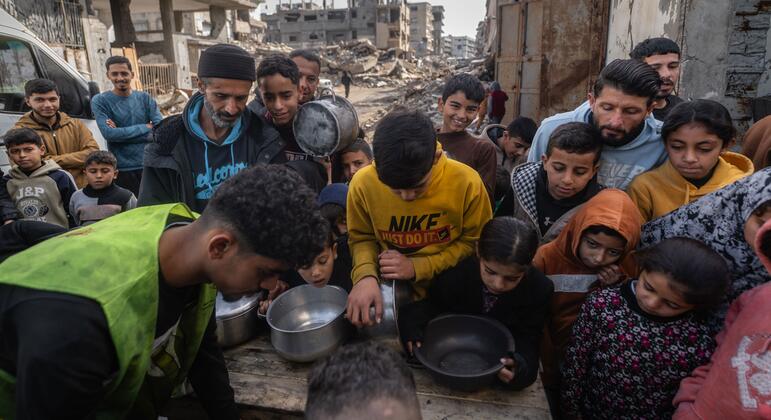
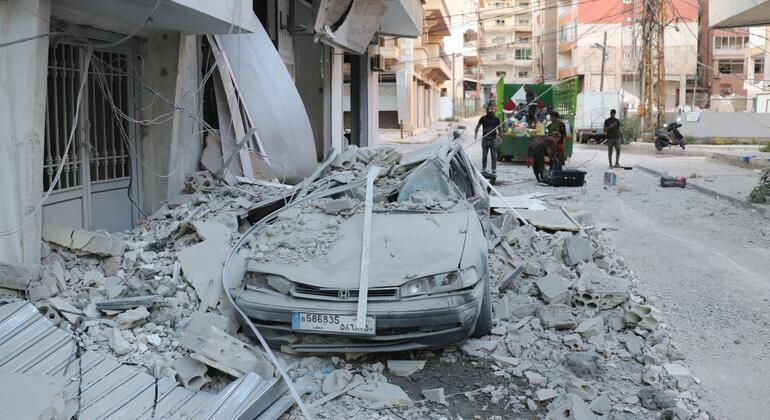
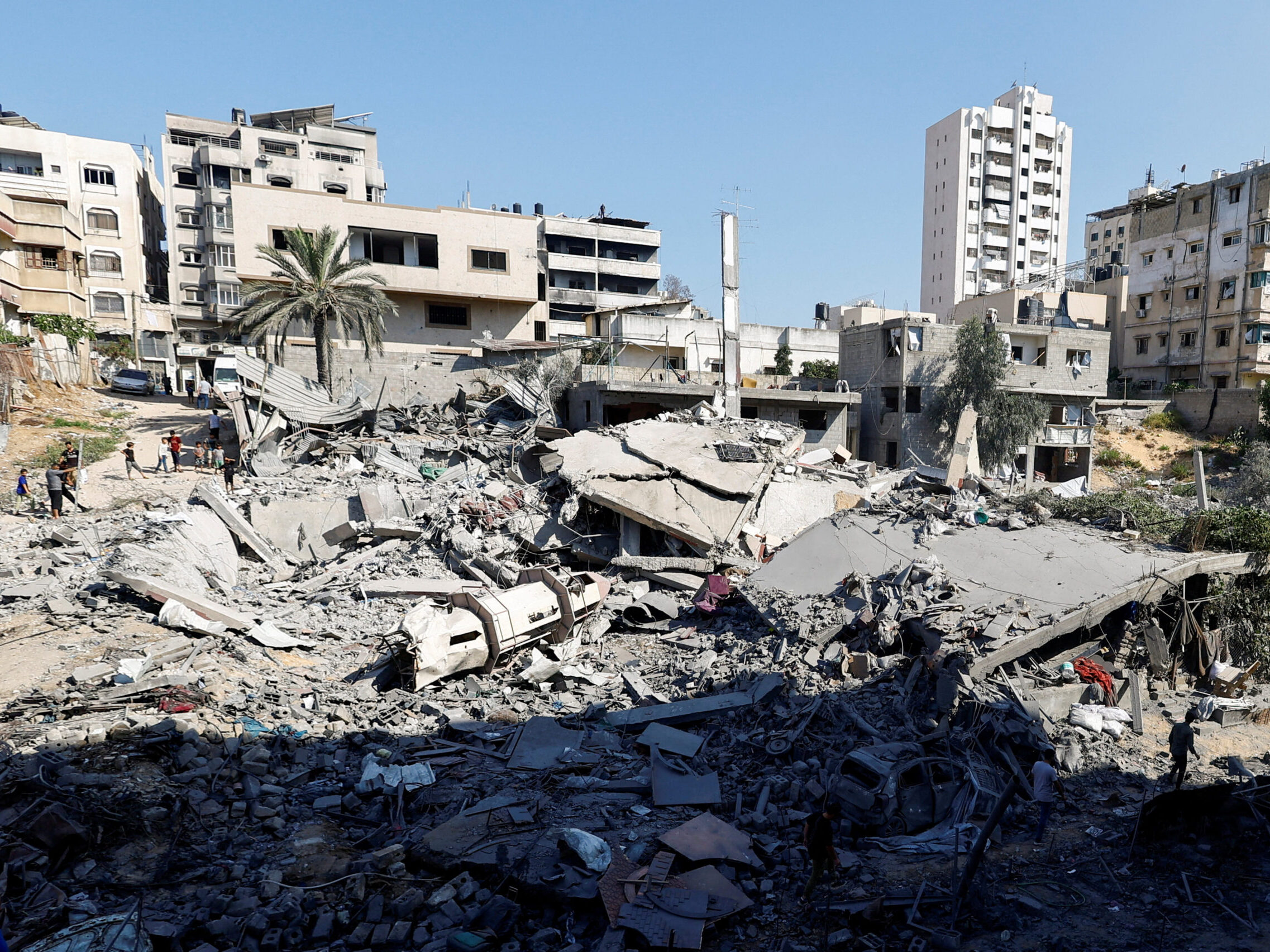
On 28 August, Israeli attacks killed four children in Gaza, an explosive munition detonated about 30 metres from a UN convoy in Rafah, and Israeli strikes destroyed more than $770,000 in nutrition supplies. Humanitarian agencies still delivered food parcels and wheat flour to more than 600,000 people and collected hundreds of pallets at Kerem Shalom, but WFP reported that 46 per cent of surveyed households had gone to bed hungry during the previous 30 days. In southern Lebanon, Hezbollah drone attacks prompted Israeli airstrikes, while UNIFIL reported rising military activity. Israeli strikes on 26 August hit Beit Lif, Yater, Wadi Zibqin and al-Mansouri, and Na'im Qassem rejected arrangements targeting Hezbollah's weapons. Iranian warnings and US military logistics requirements sustain the risk of wider regional escalation, although the available reporting does not establish direct Iranian operational involvement.
Change from previous assessment
Since the 28 August prior brief, new reporting confirms four children killed in Gaza on 28 August, an explosive munition near a UN convoy in Rafah, and the destruction of more than $770,000 in nutrition supplies. The humanitarian judgement remains high-confidence, with additional WFP data showing that 46 per cent of surveyed households went to bed hungry in the previous 30 days. The Lebanon assessment now incorporates Israeli strikes on Beit Lif, Yater, Wadi Zibqin and al-Mansouri, continuing Hezbollah weapons-related defiance by Na'im Qassem, and UNIFIL reporting of rising military activity. The low-confidence judgement that a sustained Israeli ground assault into Ali al-Taher or an expansion into Beirut is unlikely is retained. A separate low-confidence judgement on the roughly even chance of regional widening has been added to capture Iranian warnings and the absence of corroborated evidence of direct Iranian operations.
Key judgments
- Very likely Israeli strikes and other attacks will continue in Gaza over the next 1-3 months, keeping the October 2025 Gaza peace plan ceasefire unstable. Reporting records the deaths of four children on 28 August, an explosive munition near a UN convoy in Rafah, destruction of more than $770,000 in nutrition supplies, and frequent Israeli military strikes across Gaza. Hamas is also reported to resist disarmament, leaving a central implementation issue unresolved. Confidence is medium because the Gaza attacks are supported by high-reliability multilateral reporting, while the practical status of Hamas disarmament rests partly on a single think-tank source. (Confidence: medium · ASSESSED)
- I&W: OCHA or major-media reporting records another Israeli attack in Gaza that kills civilians or damages humanitarian stocks. (0-14 days)
- I&W: UN reporting records 30 consecutive days without Israeli strikes or explosive incidents near aid convoys and documents a verified Hamas disarmament step. (0-30 days)
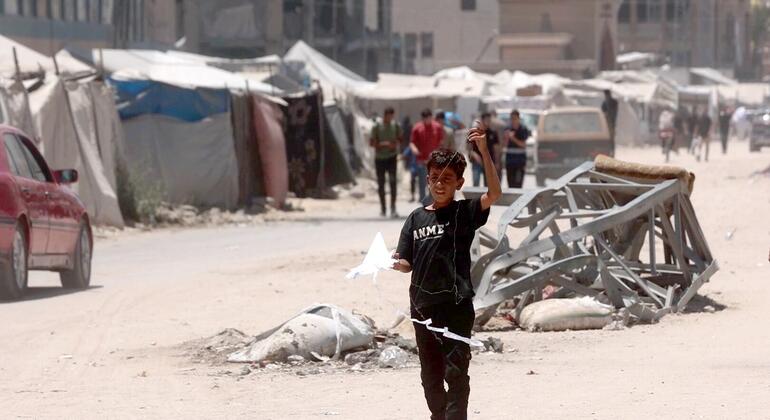
- Very likely severe humanitarian conditions will persist in Gaza over the next 1-3 months despite continuing aid deliveries. WFP reported that 46 per cent of surveyed households had gone to bed hungry in the previous 30 days, while separate UN reporting found that 50 per cent of families had run out of food at least once, one in five families were eating one meal a day, and three-quarters of households had difficulty accessing markets. Around 90 per cent of civilian infrastructure is heavily damaged or destroyed, and thousands of patients still await medical evacuation. Confidence is high because UN, UNICEF, WHO and WFP reporting corroborates the core food, infrastructure and medical-access indicators. (Confidence: high · ASSESSED)
- I&W: WFP or UN surveys continue to report that at least 40 per cent of Gaza households are going hungry or running out of food, or that at least 75 per cent have difficulty accessing markets. (0-30 days)
- I&W: The daily average of trucks entering Gaza rises materially above 217 towards the 600 trucks per day specified in the ceasefire agreement, while the number of patients awaiting evacuation falls. (1-3 months)
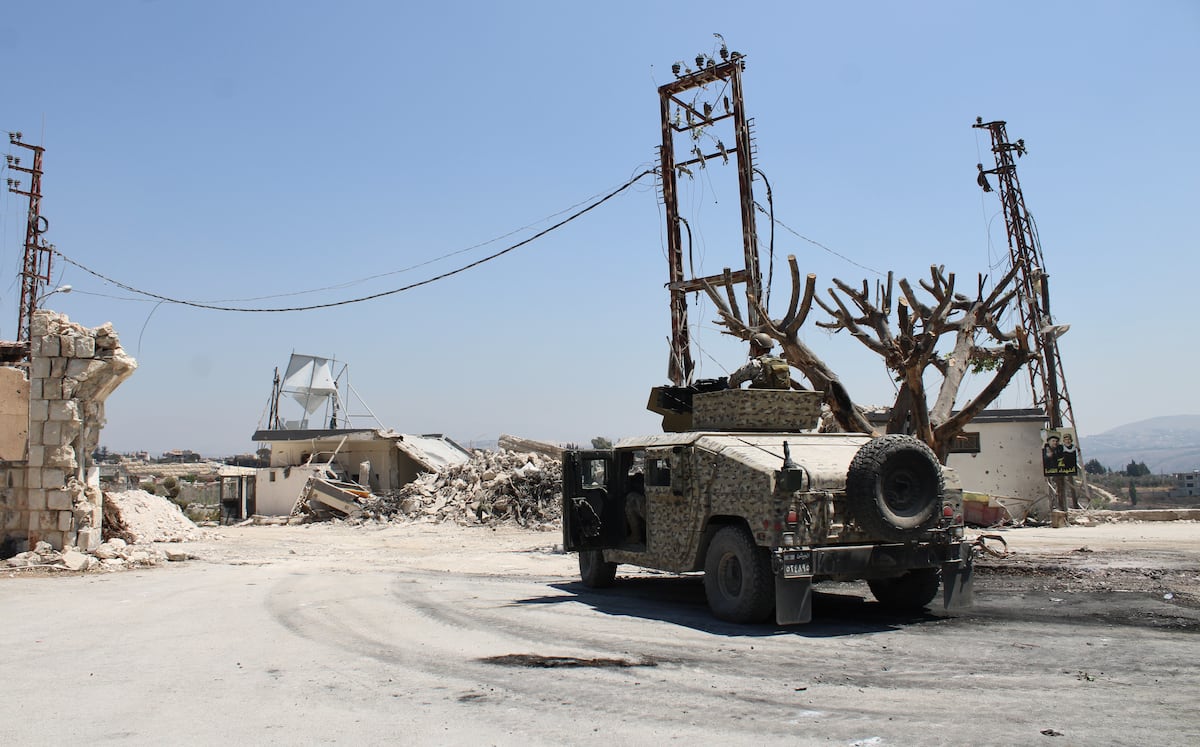
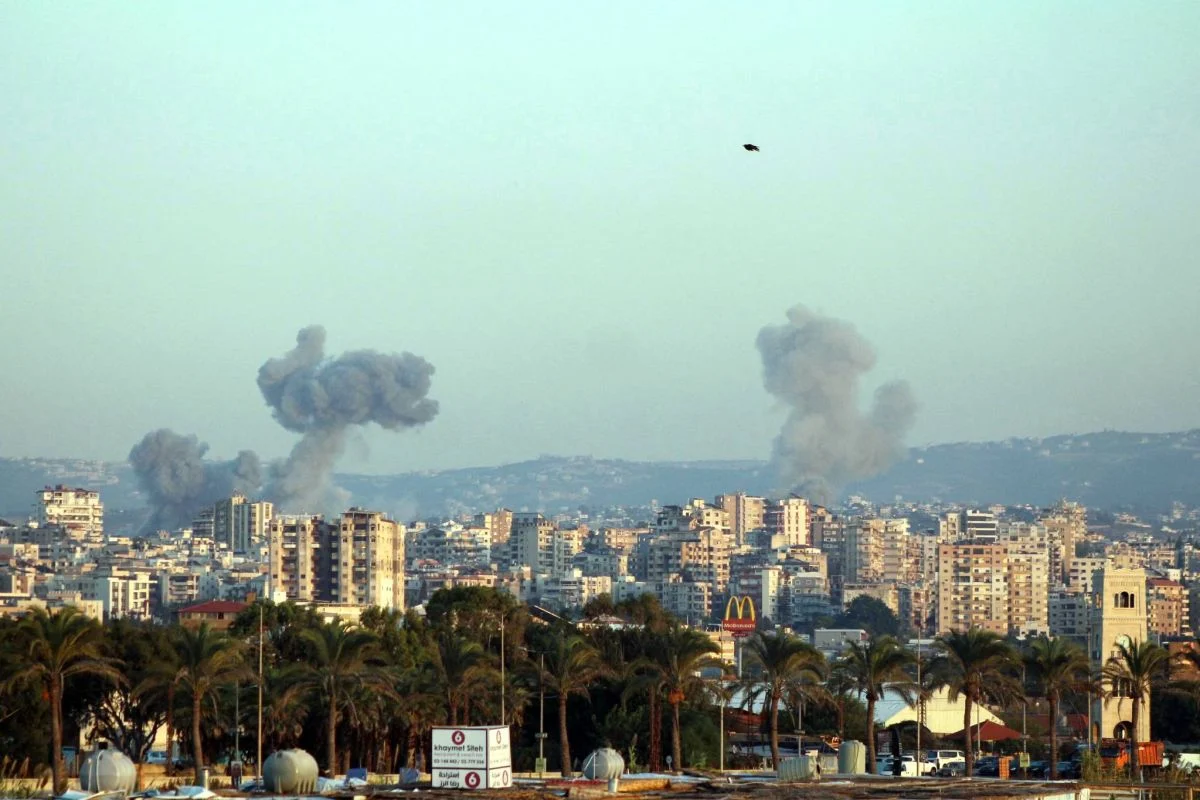
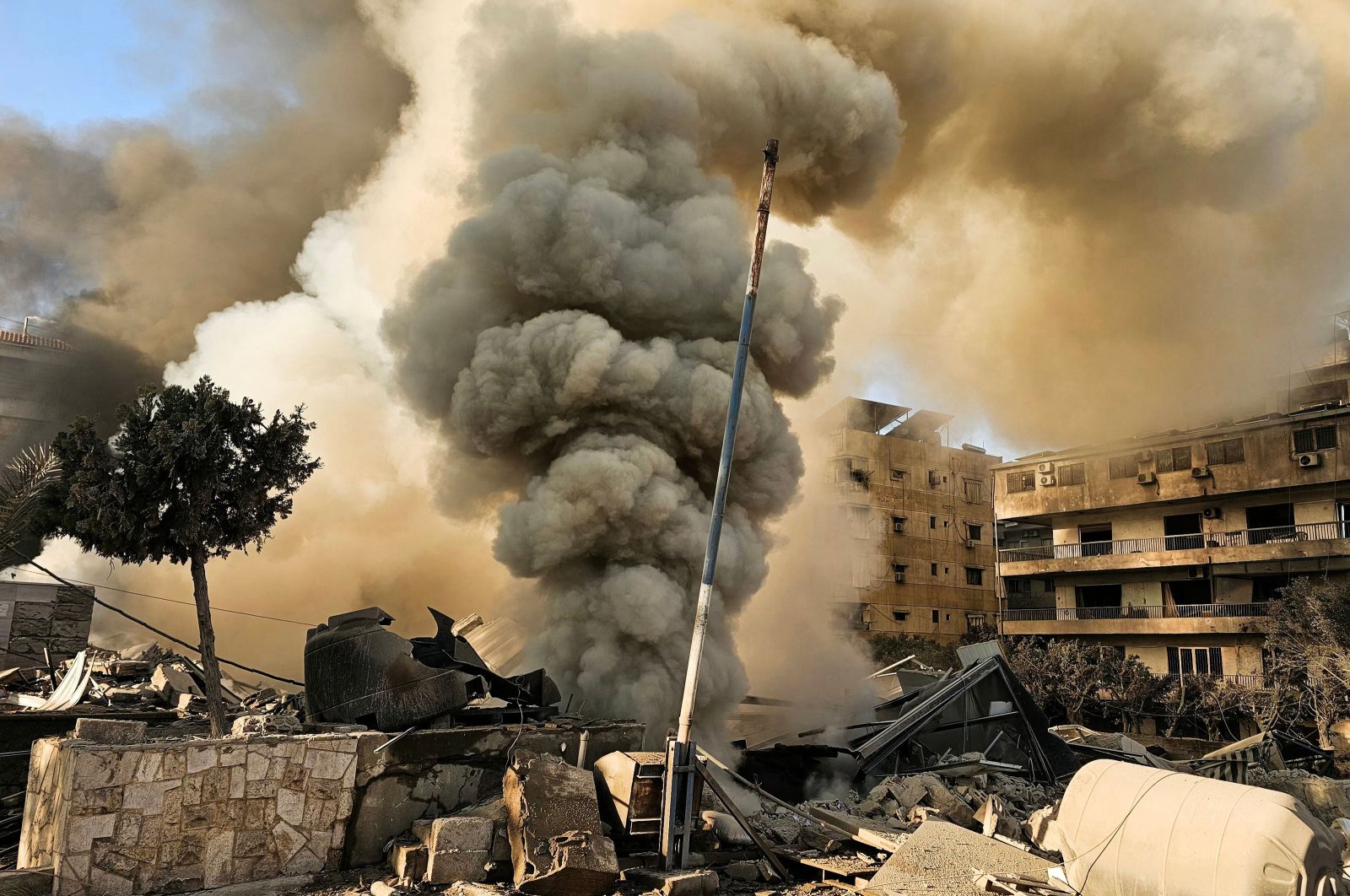
- Likely Hezbollah-Israel armed friction will continue in southern Lebanon over the next 1-3 months, particularly around the Ali al-Taher hills, Nabatiya and the Tyre district. Hezbollah has deployed explosive drones towards military positions, and Israel has responded with airstrikes and artillery fire. UNIFIL has observed a rise in military activity, while Israeli strikes on 26 August hit Beit Lif, Yater, Wadi Zibqin and al-Mansouri. Confidence is medium because UNIFIL and major-media reporting corroborate the pattern, but the operational purpose of the activity and the status of Hezbollah positions at Ali al-Taher remain contested. (Confidence: medium · ASSESSED)
- I&W: Hezbollah launches another explosive drone towards Israeli military positions and Israel conducts retaliatory airstrikes or artillery fire in southern Lebanon. (0-14 days)
- I&W: UNIFIL records no Hezbollah drone attacks or Israeli retaliatory strikes for 30 days, while the Lebanese Armed Forces expand their control from Zawtar Gharbieh towards the Ali al-Taher hills. (0-30 days)
- Unlikely Israel will launch a sustained ground operation into the Ali al-Taher hills or expand current Lebanon operations into Beirut over the next 1-3 months. The available reporting describes Israeli airstrikes, artillery, reconnaissance drones and low-altitude drone flights over Beirut, alongside pressure on the Lebanese Armed Forces and Israeli retention of only one of two agreed pilot zones. This is a low-confidence assessment because there is no direct reporting on Israeli intent, and separate reporting expects high-intensity operations against Hezbollah to continue. (Confidence: low · ASSESSED)
- I&W: Israeli ground units enter the Ali al-Taher hills and retain positions for at least 72 hours, or Israel conducts a strike in Beirut or its southern suburbs. (0-30 days)
- I&W: Israeli forces withdraw from the remaining agreed pilot zone and UNIFIL reports no new Israeli air or artillery activity near Ali al-Taher. (0-30 days)
- There is a roughly even chance over the next 1-3 months that fighting in southern Lebanon widens into a direct Iran-linked confrontation rather than remaining confined to Israel, Hezbollah and Lebanon. The risk is supported by Iranian warnings against Benjamin Netanyahu, statements that a future conflict would involve fundamentally different conditions, warnings that Beirut and its southern suburbs are Iranian red lines, and Hezbollah's refusal to accept arrangements targeting its weapons. Confidence is low because the judgement rests mainly on official rhetoric and analytical reporting, with no corroborated evidence in the reporting of direct Iranian operational involvement. (Confidence: low · ASSESSED)
- I&W: Iran directly launches an attack on Israel or on a state whose territory is used for US aircraft or missiles attacking Iran, or publicly attributes such an action to the Lebanon conflict. (0-30 days)
- I&W: For 30 days, no direct Iranian action occurs, UNIFIL reports falling military activity in southern Lebanon, and no further Hezbollah drone attacks are reported. (0-30 days)
Outlook & scenarios
Managed, persistent escalation (65%)
Israeli strikes in Gaza continue, with humanitarian access through Rafah and Kerem Shalom remaining intermittent and below the 600 trucks per day specified in the ceasefire agreement. Hezbollah conducts intermittent drone attacks in southern Lebanon, Israel responds with airstrikes and artillery, and Israeli forces avoid a sustained ground operation into the Ali al-Taher hills.
Lebanon flare-up without regional war (30%)
A Hezbollah drone attack or Israeli strike causes a larger casualty event around Ali al-Taher, Nabatiya or the Tyre district. Israel increases air and artillery activity, while pressure on the Lebanese Armed Forces intensifies. The violence remains concentrated in Lebanon and does not produce direct Iranian military action.
Regional widening wildcard (12%)
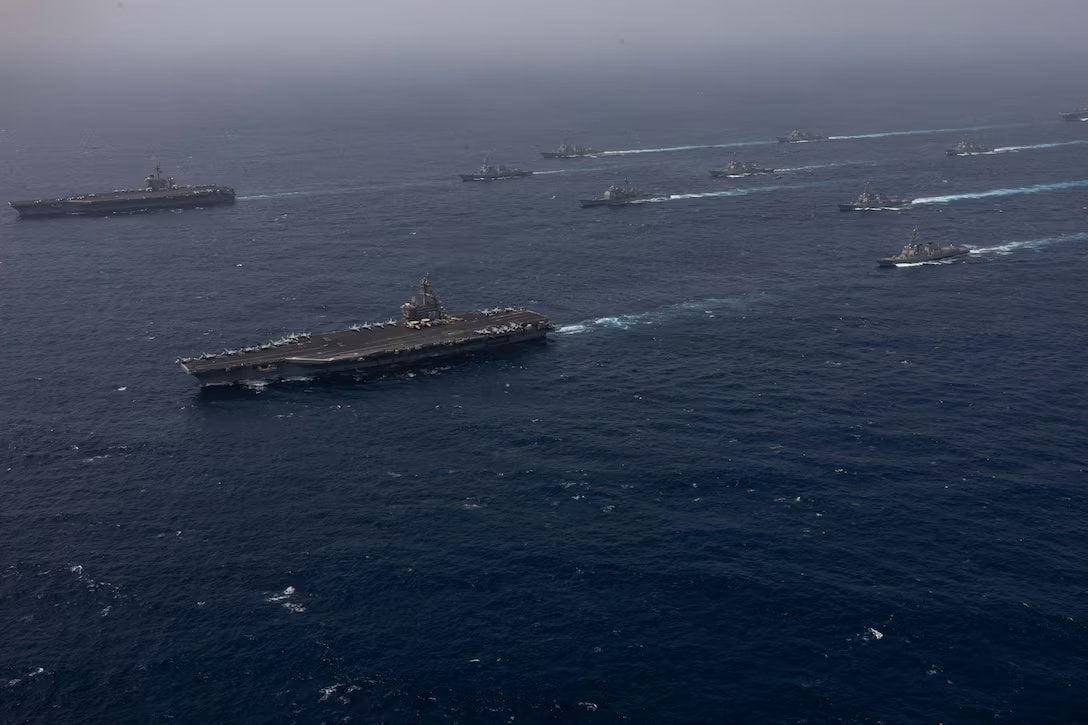
Iran acts on its warnings by directly attacking Israel or a state whose territory is used for US aircraft or missiles attacking Iran. Israel responds against Beirut, its southern suburbs or Hezbollah infrastructure, and US military logistics requirements in the Middle East expand. This is the low-probability, high-impact outcome.
Recommendations
- Maintain a daily Gaza incident-and-access tracker covering Israeli strikes, civilian casualties, damage to aid stocks, explosive incidents near UN convoys, and truck movements through Rafah and Kerem Shalom. Record the source, location and reporting time for each incident.
- Do not aggregate Gaza casualty figures from separate reports unless they share the same time window, location and attribution. Keep the 28 August deaths, the Rafah convoy incident and earlier Gaza casualty reports as separate entries.
- Use a southern Lebanon escalation matrix with specific triggers: Hezbollah explosive-drone launches, Israeli air or artillery strikes, Israeli drone activity over Beirut, movement by the Lebanese Armed Forces into Ali al-Taher, and any change in the number of agreed pilot zones under Israeli control.
- Separate Iranian rhetoric from evidence of Iranian operations. Require independent confirmation of a direct Iranian attack, an attack on a state hosting US aircraft or missiles, or a verified change in US military logistics before revising the wider-war assessment.
- Prepare two planning branches for the next 1-3 months: persistent managed instability and a Lebanon flare-up without regional war. Assign collection priorities to Gaza aid access, Ali al-Taher and Nabatiya activity, Beirut overflights, UNIFIL reporting and the status of the October 2025 Gaza peace plan.
Confidence & uncertainty
Overall confidence is high because the core developments are corroborated by high-reliability multilateral reporting from OCHA, the UN, UNICEF, WHO, WFP and UNIFIL, with major-media reporting supporting the southern Lebanon strikes and Hezbollah drone activity. NASA thermal detections provide an additional indicator of heat events in Gaza, although NASA states that such detections do not establish cause. The main uncertainties concern attribution of the Rafah explosive incident, the aggregation of casualty figures, the practical status of Hamas disarmament, and Israeli and Iranian intent.
Intelligence gaps
- [EEI 1.1 · PARTIAL] Number, type and geolocated coordinates of projectiles (rockets, mortars, anti-tank guided missiles) fired from Lebanon into Israel in the last 24/72 hours, including time-stamped launch and impact locations. Recommended collection: signals/intel
- [EEI 1.2 · UNCOVERED] Satellite or aerial imagery showing movement, concentration, or forward displacement of Hezbollah-associated military assets (armored vehicles, artillery pieces, mobile rocket launchers, logistics convoys) to positions within 0-10 km of the Israel-Lebanon border. Recommended collection: satellite/imagery
- [EEI 1.3 · UNCOVERED] Intercepted or captured Hezbollah command-and-control communications or orders explicitly directing cross-border operations or coordinated strikes with Palestinian groups (time-stamped messages, unit identifiers, orders to fire/move). Recommended collection: signals/intel
- [EEI 1.4 · PARTIAL] Observable changes in Israeli northern-front posture within Israel (numbers and types of reinforcements deployed to northern brigades, activation of reserves, air defense redeployments, evacuation orders or shelter alerts in northern towns), including timestamps and unit IDs where available. Recommended collection: human/intel
- [EEI 2.1 · UNCOVERED] Official or corroborated reports of IDF reservist mobilization and unit-level deployment orders (number of reservists called, named brigades/units ordered to deploy, deployment timelines). Recommended collection: open-source/media
- [EEI 2.2 · UNCOVERED] Satellite or ground imagery showing concentrations of IDF heavy equipment (tanks, infantry fighting vehicles, engineering vehicles), staging areas, field hospitals or forward supply dumps within X km of the Gaza border and at known crossing points. Recommended collection: satellite/imagery
- [EEI 2.3 · PARTIAL] Change in strike patterns consistent with pre-ground-attack shaping: sustained high-frequency airstrikes on tunnel networks, command nodes, coastal launch sites, and known insurgent concentrations (strike counts, munition types, locations, times). Recommended collection: open-source/media
- [EEI 2.4 · UNCOVERED] Logistics indicators: verified convoys of fuel/ammunition entering staging areas, establishment of forward logistics or medical bases, or documented requisitioning orders for bulk combat supplies with timestamps and quantities. Recommended collection: human/intel
- [EEI 3.1 · PARTIAL] Number, participants and content of diplomatic contacts or negotiation sessions in the last 48 hours involving mediators (Egypt, Qatar, US, UN), including any proposed ceasefire text, prisoner/exchange lists, timelines or verification mechanisms. Recommended collection: diplomatic
- [EEI 3.2 · UNCOVERED] Public statements, press releases or verified communiqués from Hamas and other Gaza armed groups specifying acceptance, rejection, or conditions for a ceasefire (explicit conditions such as prisoner release lists, withdrawal terms, lifting of blockades), with timestamps and speaker attribution. Recommended collection: open-source/media
- [EEI 3.3 · PARTIAL] Humanitarian indicators relevant to ceasefire: establishment and operation of agreed humanitarian corridors/checkpoints, number of aid deliveries admitted, civilian evacuations completed, and NGO/hospital reports of access denials or safe-passage violations. Recommended collection: humanitarian/NGO reports
- [EEI 3.4 · PARTIAL] Operational evidence of a de facto pause: verified sustained reduction (e.g., ≥12 hours) in strikes or launches from either side in specific sectors, supported by strike/impact logs, radar tracks and incident reports. Recommended collection: open-source/media
Cited sources
[1] Wikipedia · Gaza peace plan (A) · sha256:f5bef81b3b9f [2] United Nations · Aid reaches hundreds of thousands in Gaza amid severe food insecurity (A) · sha256:3c21ae1c3dab [3] United Nations · Four children killed as separate attacks in Gaza destroy aid supplies (A) · sha256:1bd2e2b4aa14 [4] Atlantic Council · The future of money in Palestine (B) · sha256:a7f5b1a2e607 [5] Al Jazeera · Israeli strikes kill five people, including three from one family, in Gaza (A) · sha256:5de09dd1324e [6] United Nations · Security Council LIVE: Rising tensions in Gaza, West Bank (A) · sha256:ca198abc6ace [7] United Nations · Lebanon: Civilian risks grow as military activity continues, UN says (A) · sha256:25b5e1e14bb7 [8] voiceofemirates.com · Israeli Air Force Strikes South Lebanon Following Hezbollah Drone Attacks (B) · sha256:40dce9011d5f [9] defensenews.com · In southern Lebanon, fighting Hezbollah in the hills becomes a strategic conundrum (B) · sha256:fd335c6224d6 [10] Al Jazeera · Israel continues attacks on Syria, Lebanon despite US push for diplomacy (A) · sha256:d3b382caf10f [11] قناة العربية Al Arabiya · جنوب لبنان أمام عقدة جديدة. حزب الله يرفض تسليم تلة علي الطاهر للجيش اللبناني. وإسرائيل تضغط لإدراجها في التفاوض | قناة العربية Al Arabiya (B) · sha256:33d68299dbc4 [12] maritime-executive.com · Maritime Security: A War Gone Wrong (B) · sha256:9d18b88cf558 [13] Daily Sabah · Israeli media says ‘YPG dissolution win for Türkiye, setback for Israel’ | Daily Sabah (B) · sha256:36a681b5c446 [14] news.az · Why Iran’s threats against Netanyahu are raising fears of a wider regional war | News.az (B) · sha256:c717edc0503a [15] 4Dpal · نعيم قاسم يرفض نزع سلاح حزب الله ويدعو إلى إلغاء «اتفاق الإطار» | أخبار - 4Dpal (D) · sha256:aaebd73033e2 [16] gcaptain.com · MARAD Activates SUNY Maritime Training Ship Empire State VII for Undisclosed National Mission (B) · sha256:7a082bab975f
Source content hashes were computed at collection time; the cited text is preserved unmodified for the life of this product.
Red cell review: CONCUR WITH COMMENT
TLP:CLEAR