TLP:CLEAR · Disclosure is not limited.
Israel, Gaza regional escalation: Lebanon ceasefire frays, Gaza strikes persist, Hormuz risk complicates de‑escalation
Time window: Last 7 days · Audience: General analyst · Type: Situation report · DTG: 2026-07-01 13:16Z · Overall confidence: MEDIUM
BLUF
Reciprocal Israel, Hezbollah operations are very likely to persist despite June ceasefire arrangements, as Israel entrenches inside southern Lebanon while Hezbollah rejects disarmament. In Gaza, civilian harm and aid shortfalls continue, and Iran, Hormuz tensions keep a live risk of wider regional spillover.
Executive summary
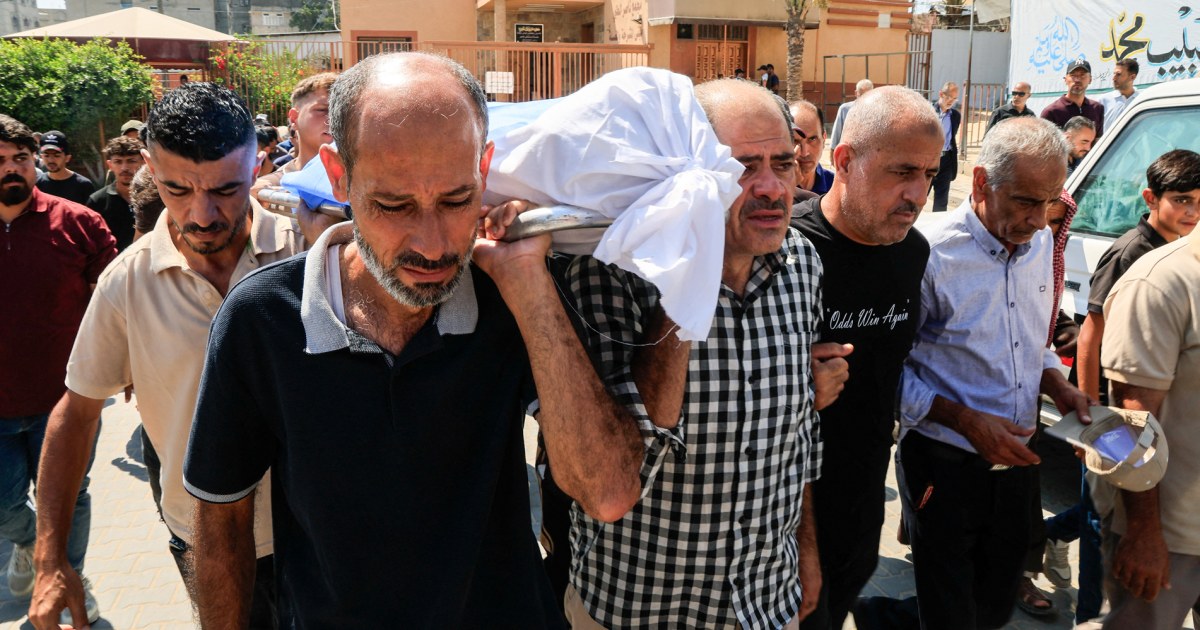
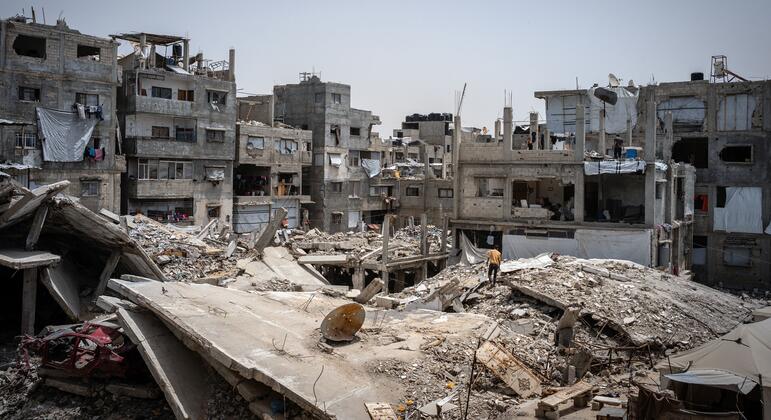
Hostilities on the Israel, Lebanon front remain active despite ceasefire steps in early June, with Israeli forces conducting demolitions and airstrikes in southern Lebanon and Hezbollah rejecting truce terms. Satellite reporting and open-source imagery indicate extensive damage and ongoing demolitions within the Israel Defense Forces’ so‑called Yellow Line, alongside mass displacement in southern Lebanon. In Gaza, Israeli strikes on 30 June killed at least eight people, while NASA recorded 35 thermal anomalies over 30 June to 1 July consistent with ongoing fires or strikes. UNRWA remains critical for roughly 1.7 million people in Gaza amid a reported 392 staff killed since October 2023, and the UN Secretary‑General urged donors on 30 June to close a 100 million dollar funding gap. In parallel, Iran’s signalling over control of the Strait of Hormuz, reports of ship attacks, and discussions in Washington over options toward Iran sustain maritime and escalation risks that could complicate any de‑escalation track.
Change from previous assessment
Since the 30 June brief, reporting has added: Israeli strikes in Gaza on 30 June killing at least eight people; NASA logging 35 thermal anomalies in Gaza over 30 June to 1 July; continued evidence of large‑scale demolitions inside southern Lebanon; the UN Secretary‑General’s 30 June appeal to close a 100 million dollar UNRWA funding gap; and signs of rising but still fragile shipping activity through Hormuz amid reports of ship attacks and US discussions of options on Iran. Our core assessments on persistent Israel, Hezbollah exchanges and strain on the ceasefire are unchanged, with confidence maintained at medium due to continued source variances on Lebanon impact figures.
Key judgments
- Reciprocal Israeli, Hezbollah military activity is very likely to continue over the next 30 days despite June ceasefire arrangements. (Confidence: high · ASSESSED)
- I&W: New Israeli airstrikes or IDF‑released demolition videos in southern Lebanon paired with Hezbollah rocket or drone fire in the same period. (0-14 days)
- I&W: Verified cessation of both Israeli strikes and Hezbollah fire for 14 consecutive days announced by both parties and observed by UN or open sources. (1-3 months)
- Israeli operations are very likely creating a de facto security zone through systematic demolitions south of the Litani and Zahrani, with mass displacement and severe urban damage concentrated inside the Yellow Line. (Confidence: medium · REPORTED)
- I&W: Fresh satellite or IDF‑released footage showing new town‑wide demolitions inside the Yellow Line. (0-14 days)
- I&W: Partial lifting of IDF evacuation orders south of the Litani and Zahrani with organised civilian returns documented by local authorities or UN monitors. (1-3 months)
- Civilian harm in Gaza remains high and humanitarian access shortfalls persist, with UNRWA still providing core services under acute funding strain. (Confidence: medium · REPORTED)
- I&W: NASA FIRMS continues to log 20 or more thermal anomalies per day across Gaza alongside same‑day reporting of strikes or fires. (0-14 days)
- I&W: Donor announcements that fully close UNRWA’s 100 million dollar gap and verified increases in daily aid flows consistent with UNSC Resolution 2803. (1-3 months)
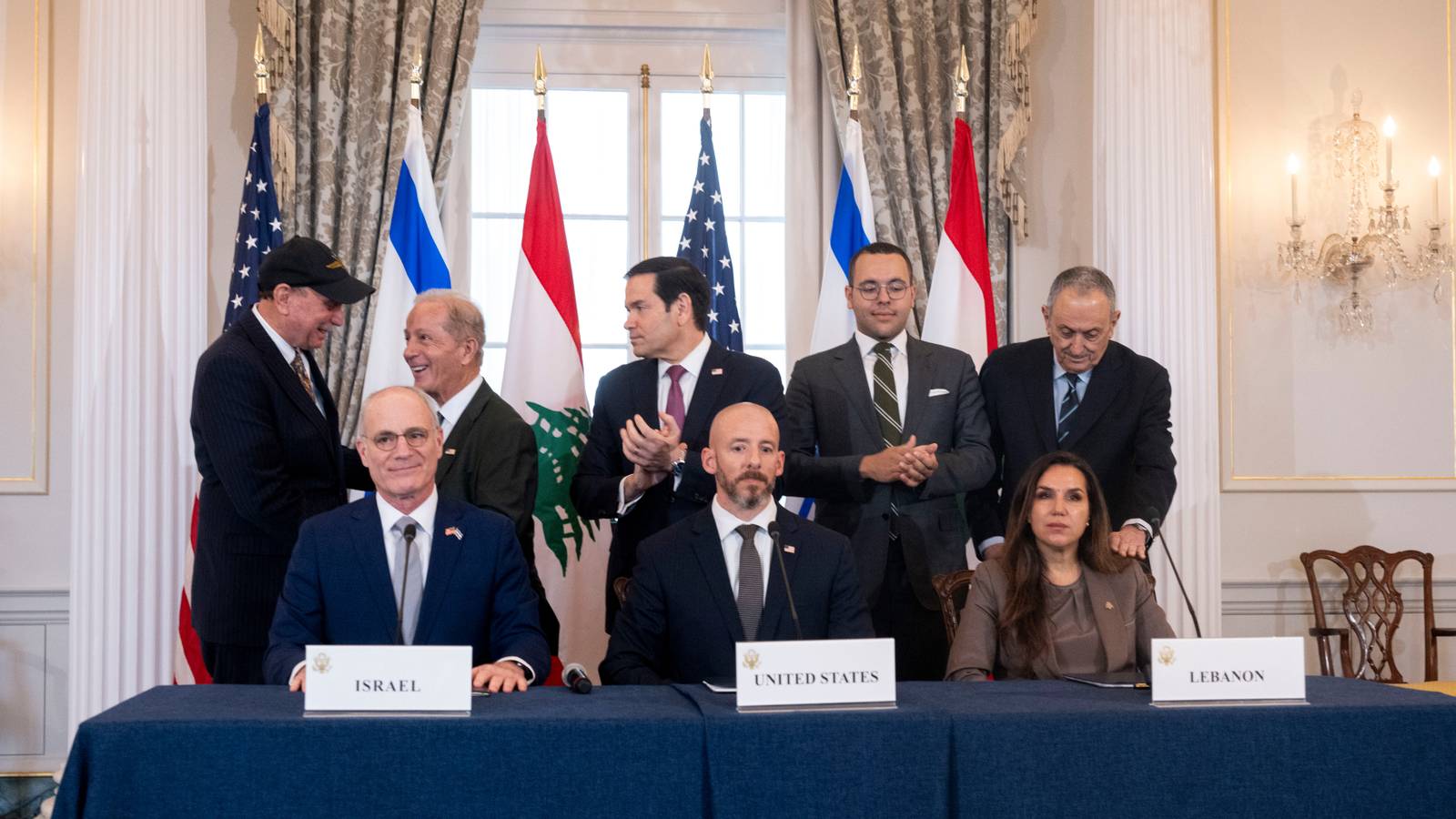
- An early political settlement on the Lebanon front is unlikely while Israel ties withdrawal to Hezbollah’s disarmament and Hezbollah rejects disarmament. (Confidence: medium · ASSESSED)
- I&W: Official Israeli statements reaffirming no withdrawal timeline until Hezbollah disarms and observation of new semi‑permanent IDF positions south of the Litani. (0-14 days)
- I&W: Publication of a sequenced withdrawal timetable accepted by Beirut and publicly acknowledged by Hezbollah without rejection. (1-3 months)
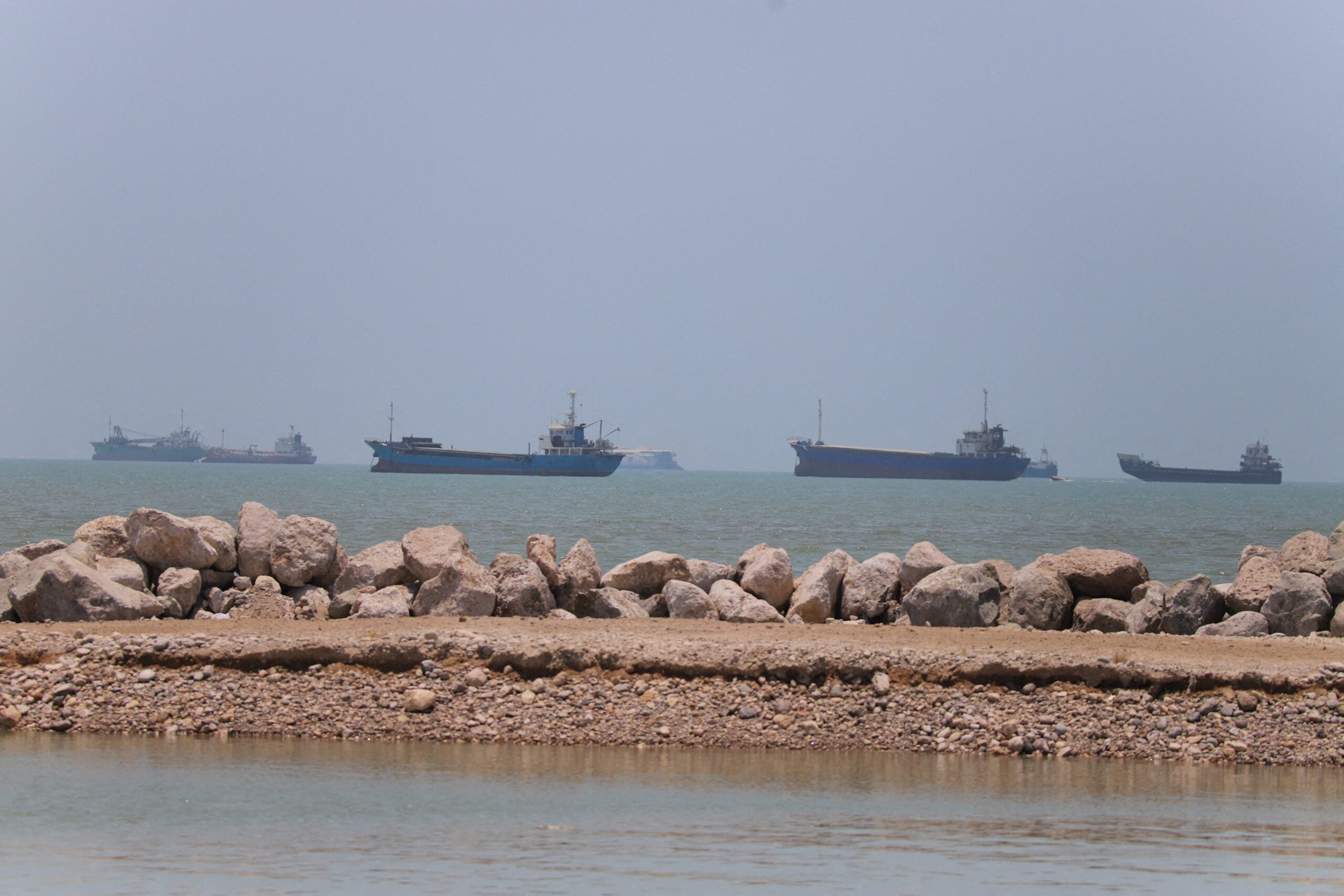
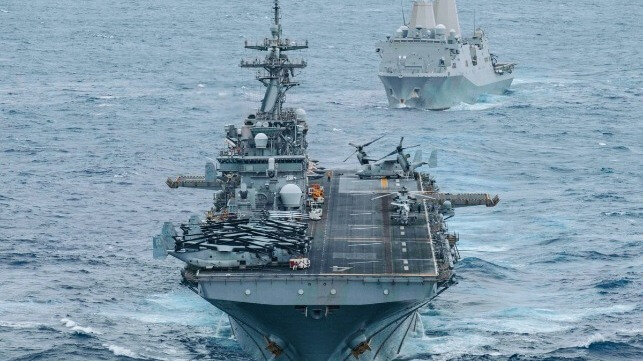
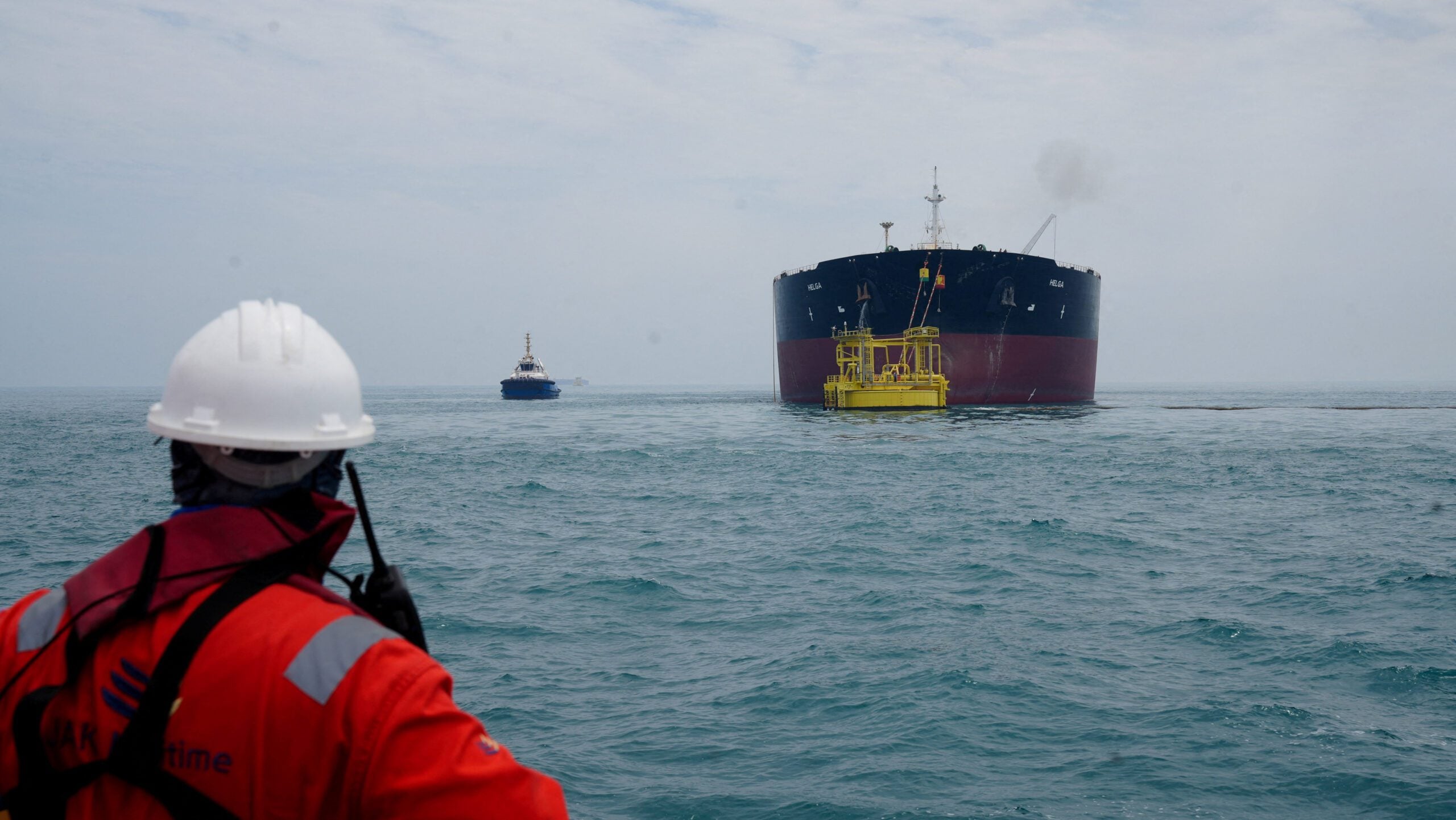
- Iran’s push to influence traffic through the Strait of Hormuz and active US deliberations on Iran are likely to sustain maritime risk and complicate de‑escalation across the Levant in the near term. (Confidence: medium · ASSESSED)
- I&W: Another Iranian interdiction or attack on merchant shipping in Hormuz or a declared restriction regime, or US announcement of new military strikes targeting Iran‑linked assets. (0-14 days)
- I&W: Public Iran, Oman agreement on ship oversight with a two‑week period of incident‑free transits and rising daily ship counts. (1-3 months)
Outlook & scenarios
Static low‑intensity conflict under a nominal ceasefire (60%)
Israel maintains forces and a security belt south of the Litani with continued demolitions and periodic airstrikes, while Hezbollah sustains intermittent rocket and drone fire calibrated below thresholds that would trigger a major Israeli ground expansion. Gaza sees recurring Israeli strike cycles and limited aid scale‑up that does not close UNRWA’s gap. Diplomatic activity focuses on technical deconfliction without addressing Israel’s withdrawal conditions or Hezbollah’s disarmament stance.
Managed de‑escalation with monitored pullbacks (30%)
US‑mediated steps yield a sequenced drawdown of Israeli units from parts of southern Lebanon, confidence‑building measures to reduce cross‑border fire, and arrangements that expand humanitarian access in Gaza as donors close UNRWA’s shortfall. Hezbollah tacitly restrains launches without formal disarmament, and maritime risk around Hormuz eases through an Oman‑facilitated oversight mechanism.
Regional spillover via Hormuz and sharper US, Iran confrontation (25%)
Renewed ship attacks or declared restrictions in the Strait of Hormuz, combined with US strikes on Iran‑linked assets, trigger heightened Israeli alerting and more aggressive operations against Hezbollah positions. Cross‑theatre escalation risks rise, humanitarian access remains constrained, and donor focus shifts to maritime security and energy price volatility rather than de‑escalation frameworks.
Recommendations
- Establish a geospatial baseline for southern Lebanon’s Yellow Line: task repeat commercial imagery on Qantara, Aadashit and other high‑damage localities to quantify new demolitions and map IDF positions against the Litani, Zahrani evacuation area.
- Create an incident ledger for Israel, Hezbollah exchanges: log all cross‑border strikes, IDF demolition releases and Hezbollah launches to assess pacing, thresholds and any response lags after diplomatic announcements.
- Track Gaza strike activity with a daily fusion product: pair NASA FIRMS thermal detections with vetted local reporting to flag clusters consistent with strike patterns and prioritise spot‑checks for civilian impact assessments.
- Monitor UNRWA financials and aid flow metrics: compile donor pledges versus disbursements and note any closing of the 100 million dollar gap; watch for changes in daily aid throughput aligned to UNSC Resolution 2803 language.
- Build a Hormuz risk dashboard: ingest ship‑transit counts, insurer advisories and open‑source reports of interdictions alongside Iranian and Omani official statements to detect policy shifts that would affect Levant de‑escalation prospects.
- Collect on Israeli leadership signalling: catalogue official statements linking withdrawal to Hezbollah disarmament and watch for any publication of a withdrawal timetable or conditions that could change the Lebanon outlook.
- Reconcile displacement and casualty figures in southern Lebanon: flag variance across high‑visibility estimates, annotate source types and dates, and present ranges with caveats for leadership briefings.
Confidence & uncertainty
Multiple independent and generally reliable sources underpin the judgments: official government documents, multilateral reporting, and major media corroborate continued operations in southern Lebanon, mass demolitions near the Yellow Line, Gaza casualties, UNRWA’s critical role and funding gap, and Iran, Hormuz signalling. Confidence is lowered by contested or range‑bound figures on displacement and fatalities in Lebanon, medium or single‑source elements for some Gaza casualty reports, and mixed signals on maritime risk where shipping recovery is reported alongside fresh attacks and political deliberations without formal decisions. These factors support an overall medium confidence level.
Intelligence gaps
- [EEI 1.1 · PARTIAL] Number, type and geolocated coordinates of projectiles (rockets, mortars, anti-tank guided missiles) fired from Lebanon into Israel in the last 24/72 hours, including time-stamped launch and impact locations. Recommended collection: signals/intel
- [EEI 1.2 · UNCOVERED] Satellite or aerial imagery showing movement, concentration, or forward displacement of Hezbollah-associated military assets (armored vehicles, artillery pieces, mobile rocket launchers, logistics convoys) to positions within 0–10 km of the Israel-Lebanon border. Recommended collection: satellite/imagery
- [EEI 1.3 · UNCOVERED] Intercepted or captured Hezbollah command-and-control communications or orders explicitly directing cross-border operations or coordinated strikes with Palestinian groups (time-stamped messages, unit identifiers, orders to fire/move). Recommended collection: signals/intel
- [EEI 1.4 · PARTIAL] Observable changes in Israeli northern-front posture within Israel (numbers and types of reinforcements deployed to northern brigades, activation of reserves, air defense redeployments, evacuation orders or shelter alerts in northern towns), including timestamps and unit IDs where available. Recommended collection: human/intel
- [EEI 2.1 · UNCOVERED] Official or corroborated reports of IDF reservist mobilization and unit-level deployment orders (number of reservists called, named brigades/units ordered to deploy, deployment timelines). Recommended collection: open-source/media
- [EEI 2.2 · UNCOVERED] Satellite or ground imagery showing concentrations of IDF heavy equipment (tanks, infantry fighting vehicles, engineering vehicles), staging areas, field hospitals or forward supply dumps within X km of the Gaza border and at known crossing points. Recommended collection: satellite/imagery
- [EEI 2.3 · PARTIAL] Change in strike patterns consistent with pre-ground-attack shaping: sustained high-frequency airstrikes on tunnel networks, command nodes, coastal launch sites, and known insurgent concentrations (strike counts, munition types, locations, times). Recommended collection: open-source/media
- [EEI 2.4 · UNCOVERED] Logistics indicators: verified convoys of fuel/ammunition entering staging areas, establishment of forward logistics or medical bases, or documented requisitioning orders for bulk combat supplies with timestamps and quantities. Recommended collection: human/intel
- [EEI 3.1 · PARTIAL] Number, participants and content of diplomatic contacts or negotiation sessions in the last 48 hours involving mediators (Egypt, Qatar, US, UN), including any proposed ceasefire text, prisoner/exchange lists, timelines or verification mechanisms. Recommended collection: diplomatic
- [EEI 3.2 · UNCOVERED] Public statements, press releases or verified communiqués from Hamas and other Gaza armed groups specifying acceptance, rejection, or conditions for a ceasefire (explicit conditions such as prisoner release lists, withdrawal terms, lifting of blockades), with timestamps and speaker attribution. Recommended collection: open-source/media
- [EEI 3.3 · PARTIAL] Humanitarian indicators relevant to ceasefire: establishment and operation of agreed humanitarian corridors/checkpoints, number of aid deliveries admitted, civilian evacuations completed, and NGO/hospital reports of access denials or safe-passage violations. Recommended collection: humanitarian/NGO reports
- [EEI 3.4 · PARTIAL] Operational evidence of a de facto pause: verified sustained reduction (e.g., ≥12 hours) in strikes or launches from either side in specific sectors, supported by strike/impact logs, radar tracks and incident reports. Recommended collection: open-source/media
Cited sources
[1] vasquez.house.gov · [PDF] June 26, 2026 The Honorable Marco Rubio Secretary U.S.. (A) · sha256:1c75a83032f8 [2] military.com · Israel-Lebanon Deal Sparks Protests, Raises Fears of Lasting Occupation (B) · sha256:1c714e9dbd77 [3] bellingcat.com · Satellite Imagery Shows Ongoing Demolitions Across Southern Lebanon - bellingcat (B) · sha256:052733cd55f8 [4] Wikipedia · 2026 Israel–Lebanon ceasefire (B) · sha256:c0cc91cecd1b [5] haaretz.com · Young mother, baby, 2nd grader among killed in latest Gaza strikes; Over 100 tents razed (A) · sha256:073d9b32d78d [6] NBC News · Israeli strikes kill at least 8 in Gaza, including 2 children, health officials say (A) · sha256:32a59930cd52 [7] NASA · NASA FIRMS thermal detections — Gaza (2d) (A) · sha256:f6ed18c4ea11 [8] United Nations · Despite record $100 million shortfall, Palestine relief agency still ‘a critical platform’ for Gaza recovery (A) · sha256:aa4e5d14dc94 [9] UK Government · UNRWA remains indispensable to the delivery of essential services to millions of Palestinian refugees across Gaza and the Middle East: UK statement at the UNRWA Pledging Conference (A) · sha256:9084f5930ecf [10] gov.uk · UK announces further support for Palestine refugees at UN pledging conference (A) · sha256:fe0905dfd25e [11] haaretz.com · IDF, Shin Bet say Hamas battalion commander killed in Gaza (A) · sha256:ceecc6a0b9b6 [12] jpost.com · Israel-Lebanon deal may entrench stalemate rather than end war - analysis (B) · sha256:850b5202795a [13] gcaptain.com · Iran Ratchets Up Talk of Controlling Hormuz Before New Talks (B) · sha256:fc1a1ec38451 [14] maritime-executive.com · Report: White House Still Looking at Alternatives to Iran Peace Deal (B) · sha256:a0af7233dd0a [15] gcaptain.com · UN Warns Hormuz Crisis Will Leave Lasting Economic Scars Despite Shipping Recovery (B) · sha256:886700adf714 [16] gcaptain.com · Hormuz Disruption to Stall 2026 LNG Trade, Demand to Rise by 2050 (C) · sha256:4f25369c78ee
Source content hashes were computed at collection time; the cited text is preserved unmodified for the life of this product.
TLP:CLEAR