TLP:CLEAR · Disclosure is not limited.
Israel-Gaza Regional Escalation: Lebanon Ceasefire Under Strain
Time window: Last 7 days · Audience: General analyst · Type: Situation report · DTG: 2026-08-20 13:10Z · Overall confidence: HIGH
BLUF
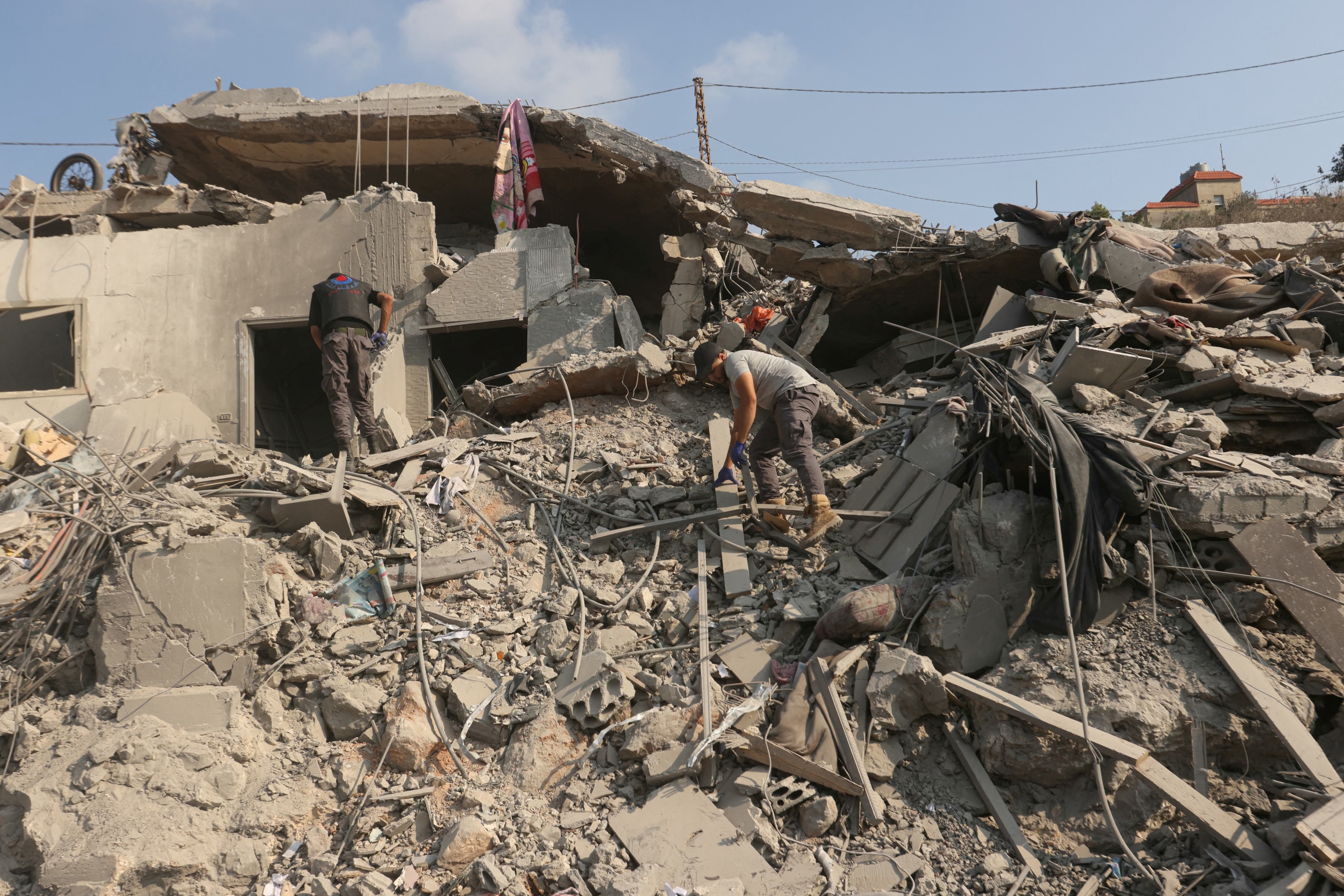
The late-June 2026 Israel-Lebanon cessation arrangement is under renewed strain after a Hezbollah drone attack near Ali Taher Ridge and Israeli strikes in Nabatieh, Ansar and Deir al-Zahrani. Israeli strikes and shelling also continued in Gaza, while Benjamin Netanyahu's rejection of the US-backed Gaza plan has reduced the prospect of near-term political implementation.
Executive summary
Between 13 and 20 August, reporting indicated continuing military activity in Gaza and renewed Israel-Hezbollah exchanges in southern Lebanon. On 16 August, Israeli strikes in southern Lebanon were reported to have killed at least 11 people, although separate accounts recorded seven deaths in Ansar and four in Deir al-Zahrani. A Hezbollah drone attack near Ali Taher Ridge seriously wounded three Israeli soldiers. On 19 August, Israeli strikes in Gaza City and against a seaside cafe were reported to have killed at least 16 Palestinians and wounded 29, while other reporting gave a 17-dead and 38-wounded toll over 24 hours. Netanyahu rejected the US plan on 16 August, and eight countries warned that the rejection threatened efforts to end the war. Humanitarian pressure remains acute, with only 3 percent of Gaza cropland available for food production, fewer than 30,000 winter tents purchased against a need of 80,000 to 130,000, and 360,000 people still displaced in southern Lebanon.
Change from previous assessment
Since the 19 August prior brief, the assessment of renewed Israel-Hezbollah friction is unchanged in direction but is now supported by additional reporting of a Hezbollah drone attack that seriously wounded three Israeli soldiers and by more detailed accounts of the Israeli strikes in Ansar, Nabatieh and Deir al-Zahrani. The Gaza assessment is more specific, with reported casualty figures from the 19 August strikes and the Israeli military's 20 August confirmation that it fired on Hind Rajab's vehicle and opened an investigation. The assessment that Gaza political implementation will be delayed remains, but the reported rejection by Benjamin Netanyahu provides a clearer basis for retaining low confidence in near-term implementation. The humanitarian judgment has been expanded to include the 3 percent cropland figure, the winter tent shortfall and southern Lebanon's continuing displacement and funding gaps.
Key judgments
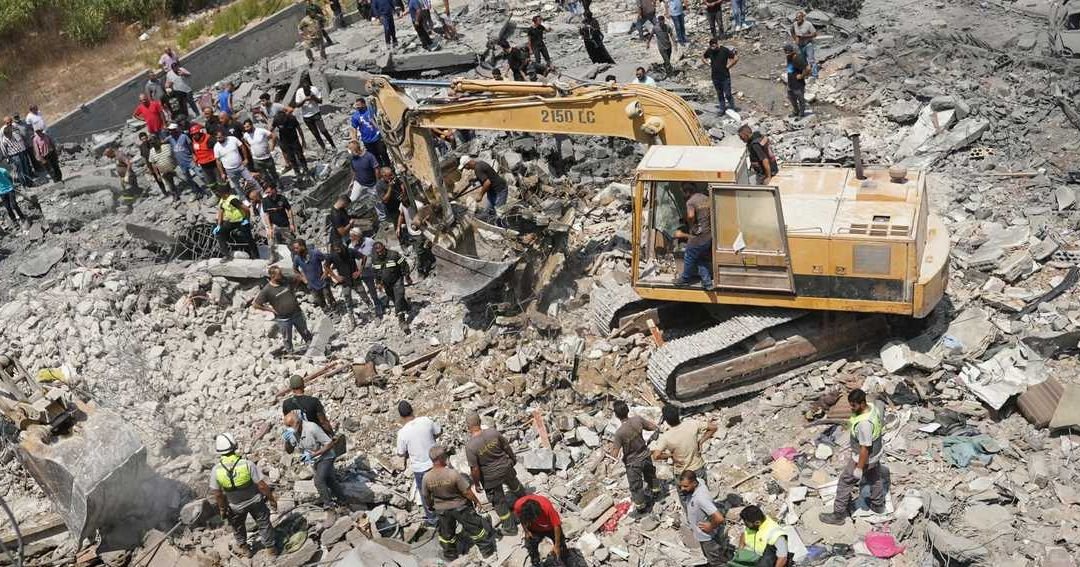
- Very likely Israel and Hezbollah are again violating the late-June 2026 cessation arrangement through reciprocal military action in southern Lebanon. Hezbollah's drone attack near Ali Taher Ridge seriously wounded three Israeli soldiers, after which the Israeli military reported strikes on Hezbollah infrastructure in Nabatieh and Ansar. Lebanese and major-media reporting recorded at least 11 deaths in southern Lebanon on 16 August, including seven in Ansar, while a separate account recorded four dead and 17 wounded in Deir al-Zahrani. The precise sequence and whether all casualty accounts refer to separate incidents remain unresolved. (Confidence: medium · ASSESSED)
- I&W: Confirmation: Lebanese or Israeli authorities report another strike or drone attack in Nabatieh, Ansar, Deir al-Zahrani or the Ali Taher Ridge area within the next two weeks. (0-14 days)
- I&W: Break: Israel and Lebanon publicly confirm a sustained cessation with no reported Hezbollah or Israeli attacks in southern Lebanon for at least 14 consecutive days. (0-30 days)
- Likely Israel and Hezbollah will exchange further fire in southern Lebanon over the next 1-3 months rather than return to a durable ceasefire. Hezbollah vowed to respond to Israeli attacks, Israel stated that it would not withdraw from territory in Lebanon until Hezbollah was disarmed, and Washington has described the cessation of hostilities as contingent on regional security conditions. The forecast is an analytic inference from public statements and reported operations, not a direct observation of future intent. (Confidence: medium · ASSESSED)
- I&W: Confirmation: Hezbollah claims another attack on Israeli forces or positions, followed by an Israeli strike in southern Lebanon or a public Israeli warning of further operations. (0-30 days)
- I&W: Break: Washington, Israel and Lebanon announce a monitored security arrangement that produces no reported exchanges of fire for 30 days. (1-3 months)
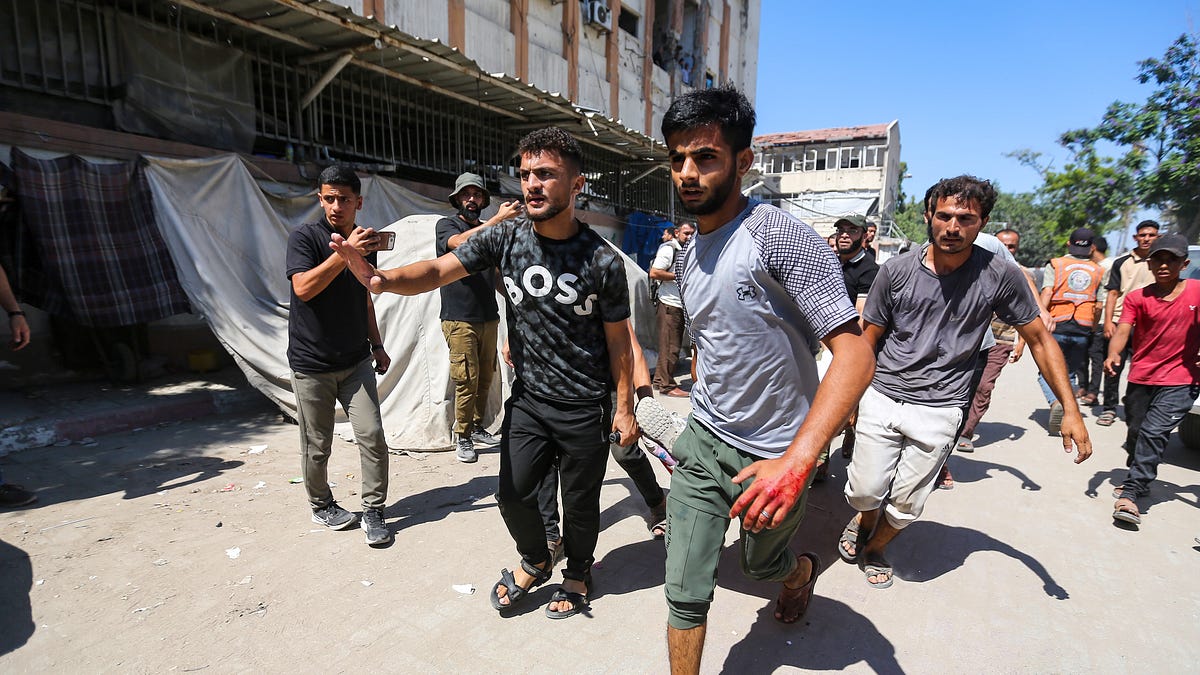
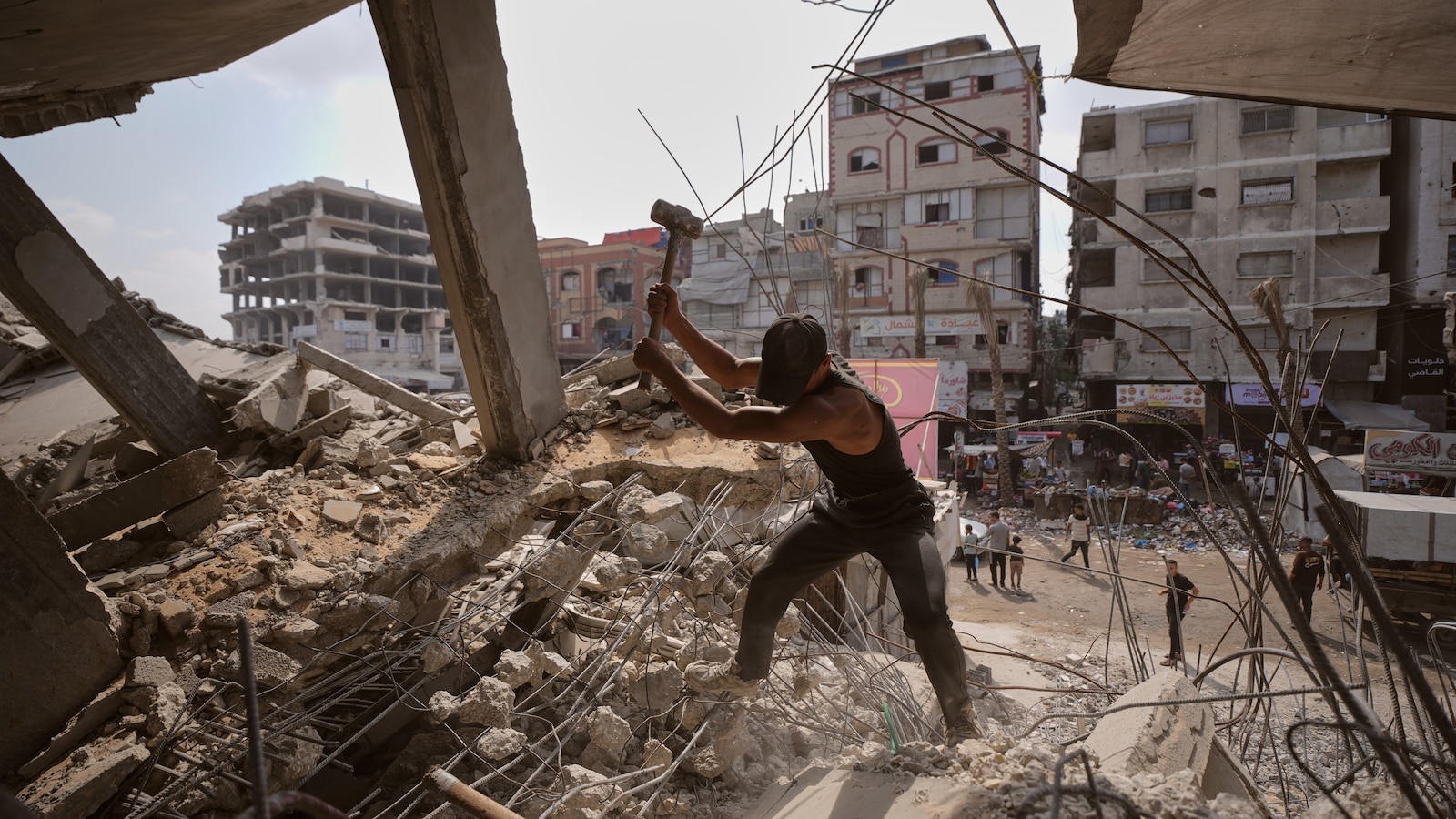
- Very likely Israeli forces continued military activity in Gaza between 13 and 20 August, including air strikes, shelling, gunfire and naval fire. On 19 August, an Israeli airstrike on the Municipalities Police headquarters in Gaza City was reported to have killed at least nine Palestinians and wounded 15, while a strike on a seaside cafe was reported to have killed seven and wounded 14. UN partners also reported multiple attacks, and NASA recorded 23 thermal detections over 19 and 20 August, although none was high confidence and the data do not establish cause. (Confidence: high · REPORTED)
- I&W: Confirmation: UN partners or major media report new Israeli air strikes, shelling, gunfire or naval fire in Gaza, accompanied by independently reported casualties. (0-14 days)
- I&W: Break: UN partners report no such incidents and NASA records no new thermal detections across Gaza for 14 consecutive days. (0-30 days)
- Unlikely the US-backed Gaza peace plan will enter the phase involving Israeli withdrawal from large areas of Gaza and a meaningful interim role for NCAG within the next 1-3 months. Benjamin Netanyahu rejected the US plan on 16 August, and eight countries warned that the rejection threatened efforts to end the war. Jared Kushner's meetings with a Hamas leader and Egypt's president, together with UK engagement with NCAG, show that diplomatic activity continues. This assessment rests on conflicting political signals and has lower confidence than the military judgments. (Confidence: low · ASSESSED)
- I&W: Confirmation: Israel publicly accepts the plan, halts military activity in Gaza, begins withdrawal from large areas, and grants NCAG an operational interim administration role. (0-30 days)
- I&W: Break: Israel reports further strikes or rejects the withdrawal and governance provisions while no NCAG administrative handover occurs. (0-30 days)
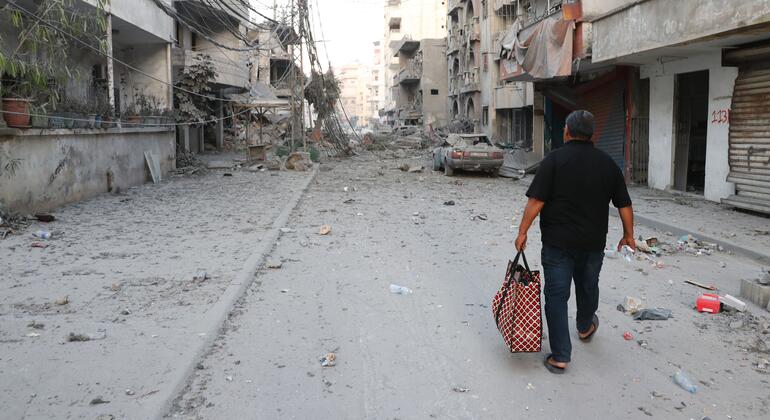
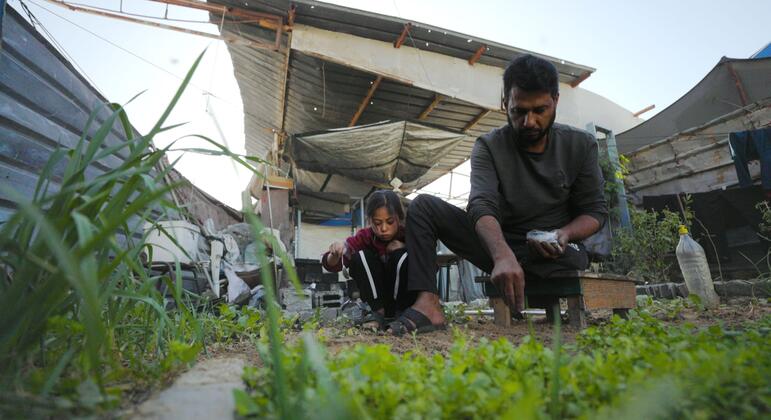
- Very likely humanitarian pressure in Gaza and southern Lebanon will remain acute over the next 1-3 months. FAO reported that only 3 percent, or 448 hectares, of Gaza cropland remained usable on 18 August. The UN had purchased fewer than 30,000 winter tents against an estimated need of 80,000 to 130,000, and UN agencies reported fuel shortages. In southern Lebanon, the UN said the humanitarian crisis was far from over, while 360,000 people remained displaced and UNHCR's Lebanon operation was only 24 percent funded. (Confidence: high · ASSESSED)
- I&W: Confirmation: UN updates continue to record fuel shortages, tent deficits, restricted cropland access, malnutrition deaths in Gaza or displacement in southern Lebanon. (0-30 days)
- I&W: Break: UN agencies report sustained access to fuel and shelter supplies, a material increase in available cropland, and a sustained fall in displacement in southern Lebanon. (1-3 months)
- Likely US engagement will press conditional de-escalation in southern Lebanon rather than unconditional Israeli withdrawal over the next 1-3 months. Washington advocates de-escalation but links cessation to security conditions, while Israel conditions withdrawal on Hezbollah's disarmament and Hezbollah rejects transferring the Ali Al-Taher Heights to the Lebanese army. This judgment is an inference from stated positions and has not been corroborated by a publicly announced US implementation plan. (Confidence: medium · ASSESSED)
- I&W: Confirmation: Washington announces a withdrawal or redeployment timetable tied to Hezbollah disarmament, Lebanese security measures or verification of the southern Lebanon arrangement. (0-30 days)
- I&W: Break: Washington publicly supports an unconditional Israeli withdrawal, or Israel announces withdrawal without a Hezbollah disarmament condition. (1-3 months)
Outlook & scenarios
Contained Lebanon escalation, continued Gaza strikes (55%)
Israel and Hezbollah sustain intermittent fire in southern Lebanon without expanding the confrontation into a wider regional war. Israeli military activity continues in Gaza, while the US-backed political track remains stalled. Humanitarian pressure rises in both theatres.
Conditional pause in southern Lebanon (27%)
US engagement produces a temporary, conditional reduction in Israel-Hezbollah fire. Israel retains withdrawal conditions linked to Hezbollah disarmament, while Lebanon and international actors pursue verification. Gaza strikes reduce but the peace plan does not enter full implementation.
Prolonged dual-front attrition (13%)
The southern Lebanon exchange persists for months and Israeli strikes in Gaza continue at a level that prevents political transition. Displacement, shelter shortages and restricted food production deepen the humanitarian burden.
Regional spillover wildcard (5%)
A Hezbollah attack causes a broader Israeli response, while Iranian threats against Gulf states assisting the US and reported attacks on maritime traffic widen the crisis beyond Gaza, Israel and Lebanon. This scenario has low probability but high regional impact.
Recommendations
- Run a 24-hour collection cycle on Ansar, Deir al-Zahrani, Nabatieh and Ali Taher Ridge. Reconcile strike timing, casualty totals, damage imagery and statements from the Israeli military, Lebanon's Ministry of Health and Hezbollah.
- Treat the late-June Israel-Lebanon cessation arrangement as operationally fragile until there are at least 14 consecutive days without a reported Hezbollah attack, Israeli strike or new Israeli warning of expanded operations in southern Lebanon.
- Track the Gaza political plan against observable milestones: Israeli acceptance, cessation of military activity, withdrawal from large areas of Gaza and an operational interim role for NCAG. Do not treat diplomatic meetings alone as evidence of implementation.
- Use the current humanitarian figures as planning baselines: fewer than 30,000 winter tents against a need of 80,000 to 130,000, 3 percent usable cropland in Gaza, fuel shortages, 360,000 displaced people in southern Lebanon and 24 percent funding for UNHCR's Lebanon operation.
- Maintain a regional spillover watch linking Lebanon incidents with Iranian threats against Gulf states assisting the US and reported attacks on maritime traffic. Escalate reporting if those indicators appear within the same 72-hour period as a major Israel-Hezbollah exchange.
Confidence & uncertainty
Overall confidence is high because the core military and humanitarian judgments draw on multiple high-reliability sources, including UN reporting, official government statements, Israeli military announcements, major media accounts and NASA observations. The main uncertainties concern the precise chronology and casualty breakdown of the 16 August southern Lebanon strikes, attribution of some incidents, and whether diplomatic contacts can overcome conflicting Israeli, Hamas and regional positions on the Gaza plan. Confidence is lower for the forward-looking political implementation judgment than for the reported military activity.
Intelligence gaps
- [EEI 1.1 · PARTIAL] Number, type and geolocated coordinates of projectiles (rockets, mortars, anti-tank guided missiles) fired from Lebanon into Israel in the last 24/72 hours, including time-stamped launch and impact locations. Recommended collection: signals/intel
- [EEI 1.2 · UNCOVERED] Satellite or aerial imagery showing movement, concentration, or forward displacement of Hezbollah-associated military assets (armored vehicles, artillery pieces, mobile rocket launchers, logistics convoys) to positions within 0-10 km of the Israel-Lebanon border. Recommended collection: satellite/imagery
- [EEI 1.3 · UNCOVERED] Intercepted or captured Hezbollah command-and-control communications or orders explicitly directing cross-border operations or coordinated strikes with Palestinian groups (time-stamped messages, unit identifiers, orders to fire/move). Recommended collection: signals/intel
- [EEI 1.4 · PARTIAL] Observable changes in Israeli northern-front posture within Israel (numbers and types of reinforcements deployed to northern brigades, activation of reserves, air defense redeployments, evacuation orders or shelter alerts in northern towns), including timestamps and unit IDs where available. Recommended collection: human/intel
- [EEI 2.1 · UNCOVERED] Official or corroborated reports of IDF reservist mobilization and unit-level deployment orders (number of reservists called, named brigades/units ordered to deploy, deployment timelines). Recommended collection: open-source/media
- [EEI 2.2 · UNCOVERED] Satellite or ground imagery showing concentrations of IDF heavy equipment (tanks, infantry fighting vehicles, engineering vehicles), staging areas, field hospitals or forward supply dumps within X km of the Gaza border and at known crossing points. Recommended collection: satellite/imagery
- [EEI 2.3 · PARTIAL] Change in strike patterns consistent with pre-ground-attack shaping: sustained high-frequency airstrikes on tunnel networks, command nodes, coastal launch sites, and known insurgent concentrations (strike counts, munition types, locations, times). Recommended collection: open-source/media
- [EEI 2.4 · UNCOVERED] Logistics indicators: verified convoys of fuel/ammunition entering staging areas, establishment of forward logistics or medical bases, or documented requisitioning orders for bulk combat supplies with timestamps and quantities. Recommended collection: human/intel
- [EEI 3.1 · PARTIAL] Number, participants and content of diplomatic contacts or negotiation sessions in the last 48 hours involving mediators (Egypt, Qatar, US, UN), including any proposed ceasefire text, prisoner/exchange lists, timelines or verification mechanisms. Recommended collection: diplomatic
- [EEI 3.2 · UNCOVERED] Public statements, press releases or verified communiqués from Hamas and other Gaza armed groups specifying acceptance, rejection, or conditions for a ceasefire (explicit conditions such as prisoner release lists, withdrawal terms, lifting of blockades), with timestamps and speaker attribution. Recommended collection: open-source/media
- [EEI 3.3 · PARTIAL] Humanitarian indicators relevant to ceasefire: establishment and operation of agreed humanitarian corridors/checkpoints, number of aid deliveries admitted, civilian evacuations completed, and NGO/hospital reports of access denials or safe-passage violations. Recommended collection: humanitarian/NGO reports
- [EEI 3.4 · UNCOVERED] Operational evidence of a de facto pause: verified sustained reduction (e.g., ≥12 hours) in strikes or launches from either side in specific sectors, supported by strike/impact logs, radar tracks and incident reports. Recommended collection: open-source/media
Cited sources
[1] International Business Times · Hezbollah Drone Wounds Three Israeli Troops, Triggering Strikes That Killed 11 in Lebanon (B) · sha256:a729d4319344 [2] Al Jazeera · Why has Israel escalated attacks in southern Lebanon despite ceasefire? (A) · sha256:178e0d6b8f3b [3] United Nations · Lebanon: 860,000 displaced people have returned home, but humanitarian crisis remains ‘immense’ (A) · sha256:b4baf947a1c0 [4] english.globalarabnetwork.com · US Officials Link Lebanon Escalation to Hezbollah Activity (A) · sha256:3bc74117e8ac [5] Arab News · Why the Ali Al-Taher Heights could become the next flashpoint in Israel-Hezbollah confrontation (B) · sha256:c6d046dfaab4 [6] UN News · Gaza: Only three per cent of cropland available to grow food (A) · sha256:69e0735f768a [7] United Nations · Gaza: Destruction of buildings rises by nearly 10 per cent since ceasefire (A) · sha256:910f85da0ec5 [8] dropsitenews.com · Israeli strikes on Gaza kill 17 Palestinians; Tuesday’s primary results; Liberia to take 1,200 deportees from the U.S. (B) · sha256:78cd415ea3f8 [9] NASA · NASA FIRMS thermal detections — Gaza (2d) (A) · sha256:539338d3b97f [10] United Nations · Qusra siege eases as UN reaches trapped families, but crisis deepens in Gaza (A) · sha256:23aa58eaa7e7 [11] aljazeera.net · نقاط عسكرية تتزايد وخط أصفر يتوسع. كيف ترسخ إسرائيل وجودا دائما في غزة؟ (A) · sha256:cb2f19243a9d [12] abcnews.com · Top US commander visits aircraft carrier, Gaza talks in Egypt and other Mideast news (A) · sha256:3f8f08622d81 [13] UK Government · Minister renews calls for Israel to allow more aid into Gaza on first visit to the region (A) · sha256:ba76e538e65a [14] Wikipedia · Gaza peace plan (A) · sha256:f5bef81b3b9f
Source content hashes were computed at collection time; the cited text is preserved unmodified for the life of this product.
Red cell review: CONCUR WITH COMMENT
TLP:CLEAR