TLP:CLEAR · Disclosure is not limited.
Israel, Gaza regional escalation: Lebanon front active, Gaza combat indicators ongoing, Hormuz reopening cautious
Time window: Last 7 days · Audience: General analyst · Type: Situation report · DTG: 2026-06-18 13:12Z · Overall confidence: MEDIUM
BLUF
Cross‑border fighting between the IDF and Hezbollah is very likely to continue despite multiple ceasefire announcements and a pending US, Iran interim deal, while IDF strike reporting and satellite thermal activity indicate ongoing operations in Gaza. Maritime traffic through the Strait of Hormuz is restarting but remains reduced and at‑risk during the 60‑day ceasefire window.
Executive summary
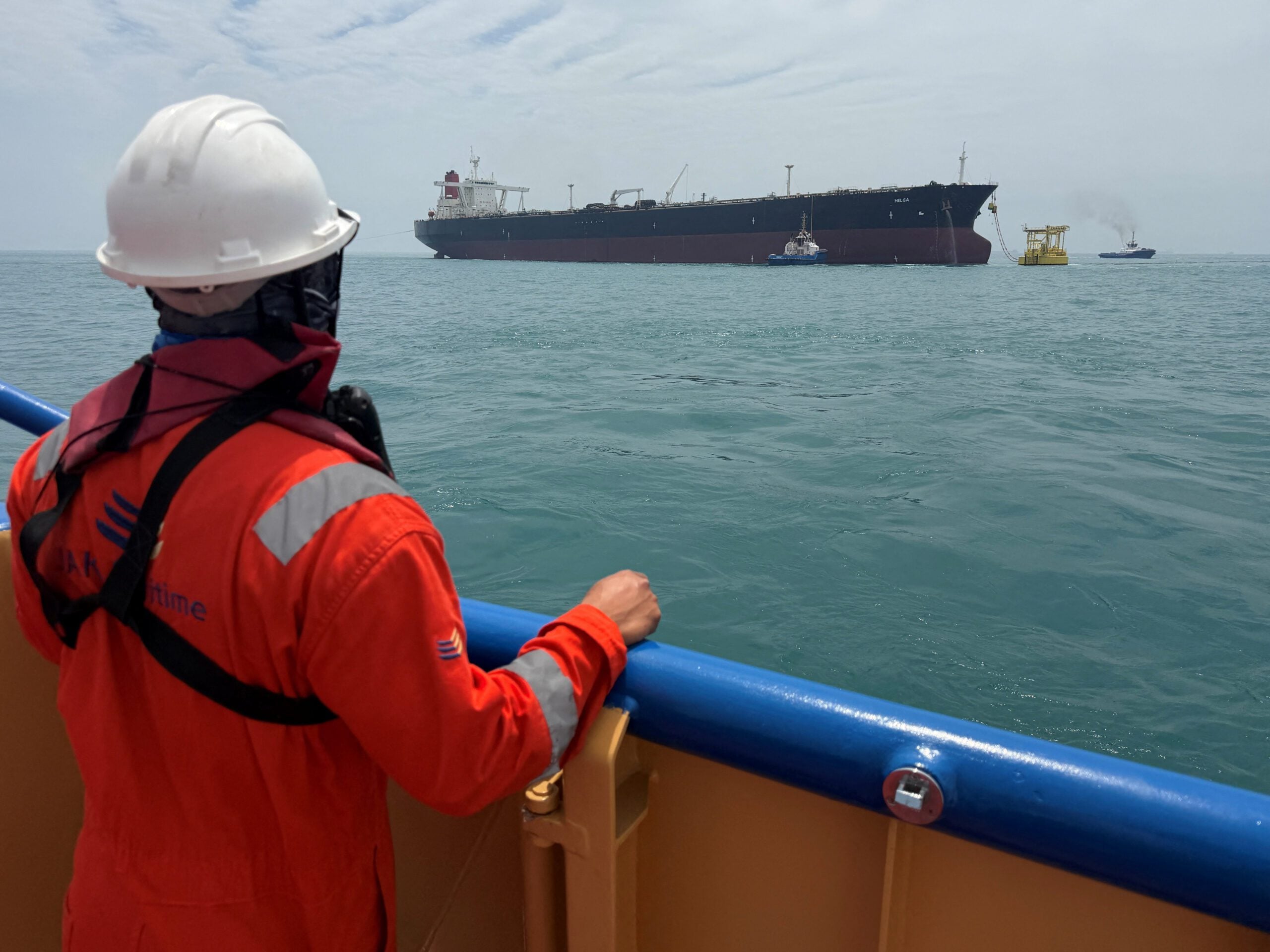
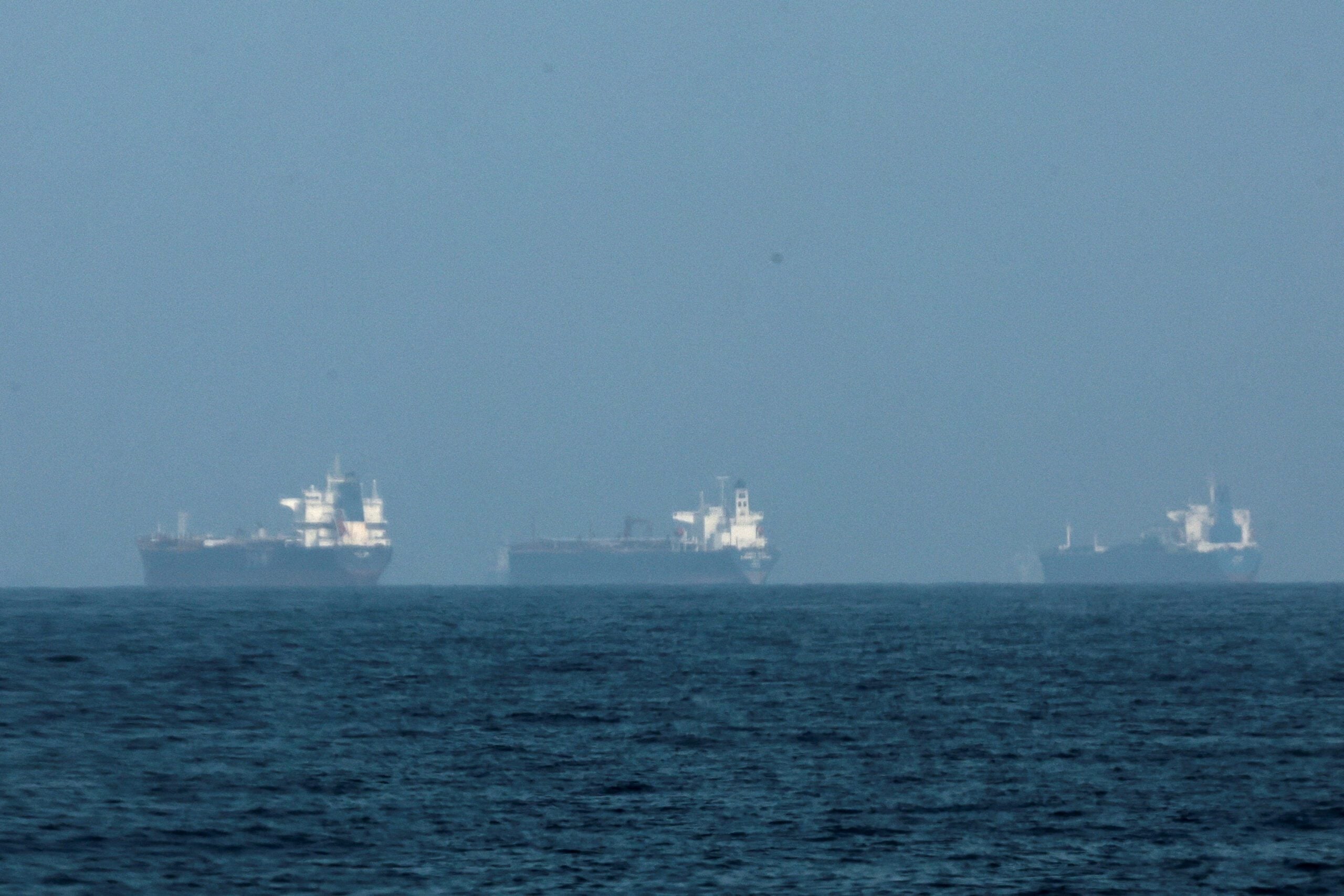
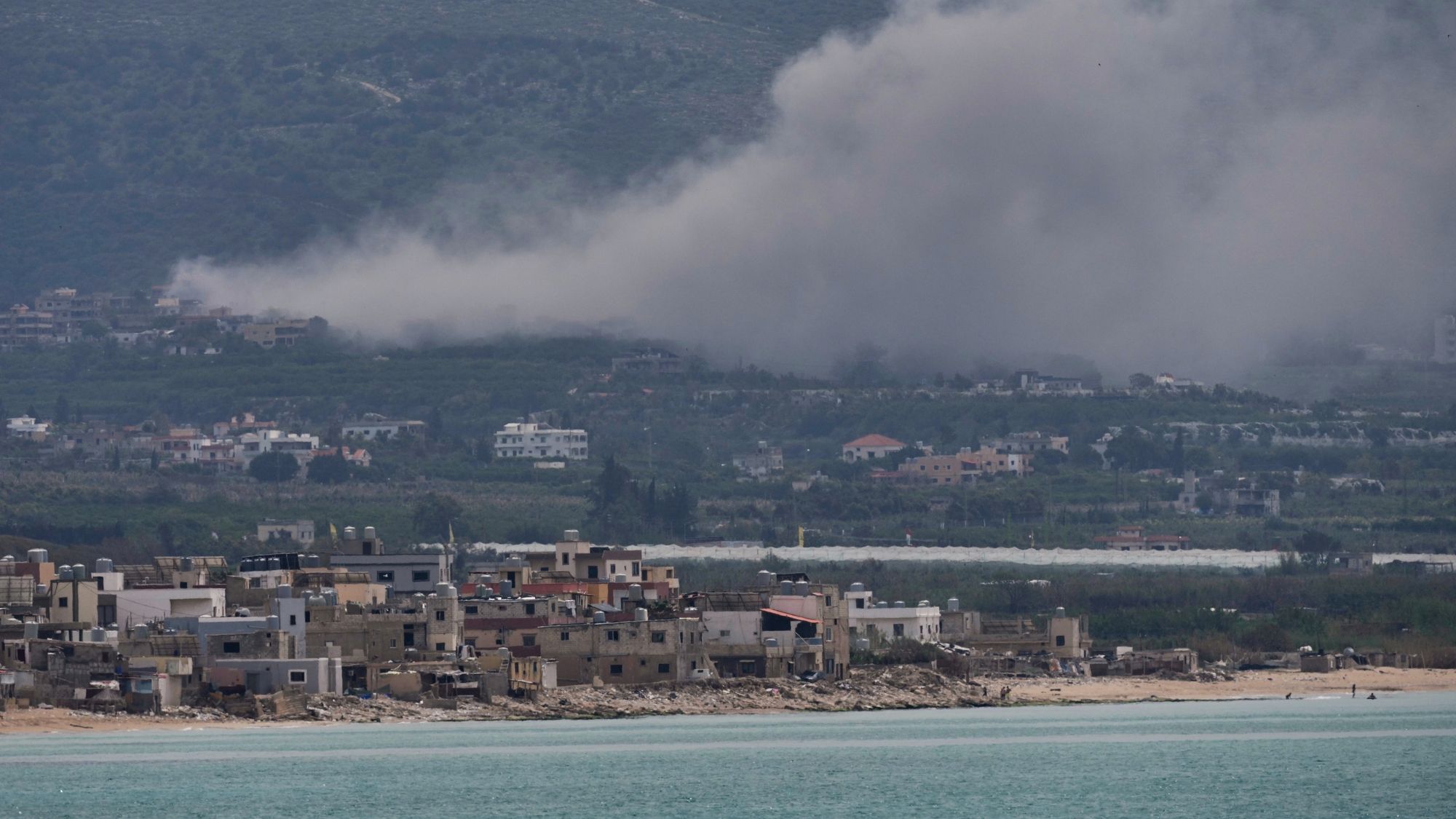
Israeli artillery and airstrikes hit Nabatieh, Saida and Jezzine, and at least four people were killed in Nabatieh amid continued Hezbollah, IDF exchanges, even as UNIFIL logged a recent day with 312 trajectories and 26 airspace violations. In Gaza, NASA recorded 56 thermal anomalies over 17-18 June, the IDF acknowledged a strike in Khan Younis that killed two and injured six, a UN school yard in Jabalia was hit on 6 June, fuel shortages are constraining essential services, and Kerem Shalom remains the only approved entry point. Gaza’s Health Ministry reports the war death toll has surpassed 73,000. The US and Iran released the text of an interim agreement and plan a signing in Bürgenstock, while three Saudi‑flagged supertankers, a QatarEnergy LNG carrier and other tankers transited, yet commercial flows remain significantly reduced and hundreds of vessels remain stuck. Israel signals it will keep operating in southern Lebanon and Iran warns of a harsh response if strikes continue, pointing to uneven MoU implementation in the theatre.
Change from previous assessment
New since the prior brief: UNIFIL recorded a day with 312 trajectories and 26 Israeli airspace violations while Israeli strikes hit Nabatieh, Saida and Jezzine, and at least four people were killed in Nabatieh. In Gaza, NASA logged 56 thermal anomalies over 17-18 June and the IDF acknowledged a Khan Younis strike that killed two and injured six; Kerem Shalom remains the sole approved entry. On the regional track, Washington and Tehran released the MoU text and scheduled a Bürgenstock signing, JMIC lowered threat to Substantial, and several tankers, including three Saudi‑flagged VLCCs and a QatarEnergy LNG carrier, transited Hormuz while overall traffic remains significantly reduced. Initial assessment of MoU implementation effects on the Israel, Lebanon theatre has been added with medium confidence.
Key judgments
- Cross‑border hostilities between the IDF and Hezbollah are very likely to persist at an elevated tempo in the near term despite multiple ceasefire announcements. (Confidence: medium · ASSESSED)
- I&W: UNIFIL daily reporting continues to show triple‑digit trajectory counts and repeated Israeli airspace violations (0-14 days)
- I&W: A sustained 7‑day period with UNIFIL recording low single‑digit daily exchanges and no Israeli strikes in Nabatieh, Saida or Jezzine (0-14 days)
- IDF combat activity in Gaza is very likely ongoing, with continued civilian harm and a constrained humanitarian response. (Confidence: high · REPORTED)
- I&W: Additional IDF acknowledgements of strikes or verified incidents in central or southern Gaza and continued FIRMS hotspot clusters (0-14 days)
- I&W: Public halt of IDF air and artillery strikes for 7 consecutive days and activation of additional land crossings beyond Kerem Shalom (0-14 days)
- Maritime risk around the Strait of Hormuz is likely to remain high, though improving, during the 60‑day ceasefire window as traffic resumes from a reduced baseline. (Confidence: high · ASSESSED)
- I&W: JMIC advisories continue to state significantly reduced traffic with most ships avoiding the Traffic Separation Scheme (1-3 months)
- I&W: JMIC lowers threat below Substantial and daily transits routinely use the Traffic Separation Scheme through Hormuz (1-3 months)
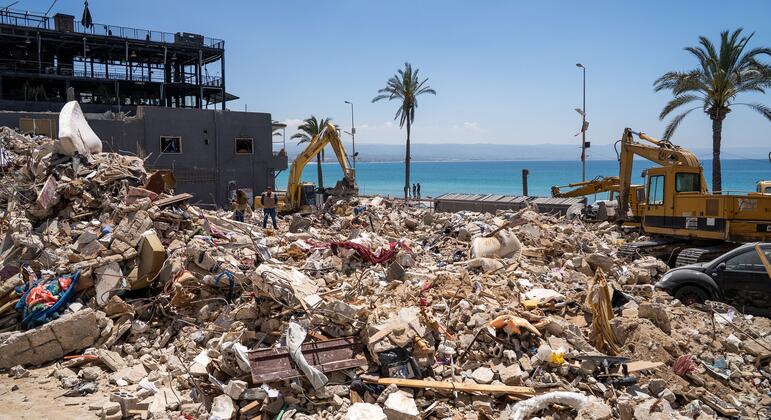
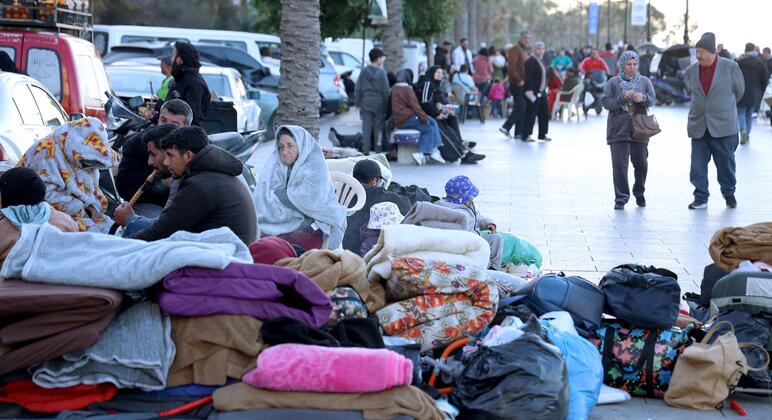
- Large‑scale civilian returns to southern Lebanon are unlikely in the near term despite some families assessing homes, given ongoing strikes, recent demolitions and extensive damage. (Confidence: medium · ASSESSED)
- I&W: UN or Lebanese reporting keeps IDP shelter occupancy near current levels and IDF releases further demolition footage from the south (1-3 months)
- I&W: A week‑long absence of Israeli strikes in Nabatieh, Saida and Jezzine paired with official facilitation of town‑level returns south of the Litani (0-14 days)
- Implementation of the US, Iran interim deal is likely to be uneven and create political friction with Israeli operations in Lebanon. (Confidence: medium · ASSESSED)
- I&W: Israeli strikes in Beirut or Nabatieh within two weeks of the signing, alongside renewed Iranian military warnings (0-14 days)
- I&W: Public Israeli alignment with the MoU’s 60‑day window and a marked fall in UNIFIL trajectory counts after the ceremony (0-14 days)
Outlook & scenarios
Violent stalemate along the Blue Line persists (60%)
IDF continues strike cycles in Nabatieh, Saida, Jezzine and targeted demolitions in the south, while Hezbollah launches intermittent guided missiles and drone attacks against forward IDF elements. UNIFIL logs frequent trajectories and airspace violations, and sporadic strikes reach the Beirut area. Ceasefire language remains on paper but does not translate into a sustained reduction in exchanges.
Managed de‑escalation during the 60‑day MoU window (35%)
The Bürgenstock signing catalyses tactical restraint: UNIFIL reports a decrease in exchanges, families expand assessments and limited returns in safer pockets, and maritime threat levels remain at Substantial while traffic slowly increases. Pilot de‑confliction arrangements hold on the ground, and public messaging signals intent to negotiate a broader follow‑on understanding.
Breakout escalation drawing in Iran’s direct response (25%)
An Israeli strike in Beirut or a large detonation in southern Lebanon prompts Tehran to act on its warnings. Exchanges intensify, Hezbollah increases the range and tempo of fire, and the maritime picture worsens as insurers and operators retrench from Hormuz. UNIFIL records surge, civilian risks in Lebanon spike, and political cover for MoU implementation erodes.
Recommendations
- Stand up a daily indicator dashboard pairing UNIFIL trajectory and airspace‑violation tallies with geolocated strike reporting in Nabatieh, Saida, Jezzine to track whether exchanges are trending up or down.
- Monitor NASA FIRMS for cluster hotspots in Gaza and cross‑check with verified imagery and IDF strike acknowledgements; flag clusters near UN facilities or densely populated shelters for rapid humanitarian impact assessment.
- Task shipping tracking to watch AIS‑visible transits through Hormuz, noting flag, route choice relative to the Traffic Separation Scheme, and whether traffic remains described as significantly reduced in JMIC advisories.
- Collect and compare official statements on MoU implementation and regional operations, including Israeli declarations on freedom of action in Lebanon and Iranian warnings, to anticipate friction points around the signing.
- Maintain a running log of Gaza access constraints: whether Kerem Shalom remains the sole approved entry point, reported fuel shortfalls, and any announced opening of additional crossings.
- Track displacement data in Lebanon, including changes around the 131,200 people in collective shelters and any formal guidance on returns, and map alongside reported demolition footage to identify potential return corridors or no‑go areas.
Confidence & uncertainty
Overall confidence is medium. Many judgments rest on multiple high‑reliability multilateral and major‑media reports of active exchanges in Lebanon, verified IDF strike acknowledgements in Gaza, NASA thermal detections, and documented maritime movements. Confidence is moderated by contradictory or mixed indicators on the Lebanon front, including reports of both decreased violence and continuing strikes, and by variance in Lebanese casualty figures from different official sources. The Hormuz outlook is supported by consistent shipping and advisory reporting, though the operating picture remains fluid during a still‑to‑be‑formalised MoU.
Alternative analysis (red cell)
Reporting is a mixture of high‑confidence tactical incident logs, actor claims, and B1 maritime items that yield conflicting inferences. Several judgments rely on actor self‑reports or single‑source clusters and on maritime reporting that contains contradictions, making alternative interpretations — short‑term de‑escalation, clearer maritime recovery, localized returns, or smoother deal implementation — reasonable. Additional independent ISR, UN/NGO field reports, AIS maritime data, and diplomatic/deconfliction records would materially reduce these uncertainties.
Intelligence gaps
- [EEI 1.1 · PARTIAL] Number, type and geolocated coordinates of projectiles (rockets, mortars, anti-tank guided missiles) fired from Lebanon into Israel in the last 24/72 hours, including time-stamped launch and impact locations. Recommended collection: signals/intel
- [EEI 1.2 · PARTIAL] Satellite or aerial imagery showing movement, concentration, or forward displacement of Hezbollah-associated military assets (armored vehicles, artillery pieces, mobile rocket launchers, logistics convoys) to positions within 0–10 km of the Israel-Lebanon border. Recommended collection: satellite/imagery
- [EEI 1.3 · UNCOVERED] Intercepted or captured Hezbollah command-and-control communications or orders explicitly directing cross-border operations or coordinated strikes with Palestinian groups (time-stamped messages, unit identifiers, orders to fire/move). Recommended collection: signals/intel
- [EEI 1.4 · PARTIAL] Observable changes in Israeli northern-front posture within Israel (numbers and types of reinforcements deployed to northern brigades, activation of reserves, air defense redeployments, evacuation orders or shelter alerts in northern towns), including timestamps and unit IDs where available. Recommended collection: human/intel
- [EEI 2.1 · UNCOVERED] Official or corroborated reports of IDF reservist mobilization and unit-level deployment orders (number of reservists called, named brigades/units ordered to deploy, deployment timelines). Recommended collection: open-source/media
- [EEI 2.2 · UNCOVERED] Satellite or ground imagery showing concentrations of IDF heavy equipment (tanks, infantry fighting vehicles, engineering vehicles), staging areas, field hospitals or forward supply dumps within X km of the Gaza border and at known crossing points. Recommended collection: satellite/imagery
- [EEI 2.3 · PARTIAL] Change in strike patterns consistent with pre-ground-attack shaping: sustained high-frequency airstrikes on tunnel networks, command nodes, coastal launch sites, and known insurgent concentrations (strike counts, munition types, locations, times). Recommended collection: open-source/media
- [EEI 2.4 · UNCOVERED] Logistics indicators: verified convoys of fuel/ammunition entering staging areas, establishment of forward logistics or medical bases, or documented requisitioning orders for bulk combat supplies with timestamps and quantities. Recommended collection: human/intel
- [EEI 3.1 · PARTIAL] Number, participants and content of diplomatic contacts or negotiation sessions in the last 48 hours involving mediators (Egypt, Qatar, US, UN), including any proposed ceasefire text, prisoner/exchange lists, timelines or verification mechanisms. Recommended collection: diplomatic
- [EEI 3.2 · UNCOVERED] Public statements, press releases or verified communiqués from Hamas and other Gaza armed groups specifying acceptance, rejection, or conditions for a ceasefire (explicit conditions such as prisoner release lists, withdrawal terms, lifting of blockades), with timestamps and speaker attribution. Recommended collection: open-source/media
- [EEI 3.3 · PARTIAL] Humanitarian indicators relevant to ceasefire: establishment and operation of agreed humanitarian corridors/checkpoints, number of aid deliveries admitted, civilian evacuations completed, and NGO/hospital reports of access denials or safe-passage violations. Recommended collection: humanitarian/NGO reports
- [EEI 3.4 · PARTIAL] Operational evidence of a de facto pause: verified sustained reduction (e.g., ≥12 hours) in strikes or launches from either side in specific sectors, supported by strike/impact logs, radar tracks and incident reports. Recommended collection: open-source/media
Cited sources
[1] United Nations · Lebanon: 12 children killed, maimed daily, despite Hezbollah-Israel truce (A) · sha256:62ce650be4f1 [2] Al Jazeera · Israeli strikes kill four in southern Lebanon amid ceasefire talks (A) · sha256:1586207ea5af [3] aljazeera.net · حزب الله يعلن التصدي لقوة إسرائيلية جنوبي لبنان بالصواريخ (A) · sha256:cbb5cdf293ec [4] i24news.tv · News Feed (B) · sha256:23fc154761c5 [5] bellingcat.com · Satellite Imagery Shows Ongoing Demolitions Across Southern Lebanon - bellingcat (B) · sha256:052733cd55f8 [6] maritime-executive.com · Op-Ed: U.S.-Iran Ceasefire Deal is a Costly Return to Prewar Conditions (C) · sha256:aa32ff7b8db1 [7] United Nations · World News in Brief: Risky return home in Lebanon, displacement in Gaza, emergency funding for Somalia (A) · sha256:78d1f372127a [8] NASA · NASA FIRMS thermal detections — Gaza (2d) (A) · sha256:2689d7bff1b1 [9] npr.org · Over 1,000 people killed during Gaza ceasefire, Palestinian authorities say (A) · sha256:5ae110340abe [10] United Nations · World News in Brief: Reduced violence in Lebanon, shortages in Gaza, rising debt impacts development funding (A) · sha256:d267241884af [11] gcaptain.com · Trump Signs Interim Iran Deal as Focus Shifts to Hormuz (B) · sha256:448e576b1f29 [12] gcaptain.com · Three Saudi-Flagged Supertankers Sail Through Hormuz After Iran Deal Signed, Data Shows (B) · sha256:6451ebd1b9c4 [13] aljazeera.com · World reacts to US-Iran deal to extend ceasefire, reopen Strait of Hormuz (A) · sha256:90b34000ad18 [14] gcaptain.com · While Trump Hails Gulf Oil Flowing, Iran's Fleet Also Gearing Up to Boost Exports (B) · sha256:15edb8e54ad0 [15] gcaptain.com · Iranian Tankers Reappear as Crude Exports Show Signs of Restart After Hormuz Deal (B) · sha256:e75a2d244d92 [16] gcaptain.com · Qatar Brings Empty LNG Ship Back for First Time Since War Began (B) · sha256:a8c7956a115c [17] gcaptain.com · Barnacle Boom: Divers Race to Clean Ships Stranded in Persian Gulf (B) · sha256:95f0973530be [18] Al Jazeera · What the Trump-Iran agreement says about Lebanon, Hormuz and uranium (A) · sha256:a4246eca81c3 [19] gcaptain.com · U.S., Iran Prepare for Deal Signing as Financial Details Emerge (B) · sha256:a0f2cb9d784d [20] News18 Urdu · Netanyahu Rejects Ceasefire Deal? Israel Launches Fresh Strikes on Lebanon Amid Rising Tensions (B) · sha256:154f42bad1bb [21] jpost.com · US-Iran deal sparks fierce political warfare in Israel over Lebanon freedom of action - analysis (B) · sha256:6e3d8ed0517d
Source content hashes were computed at collection time; the cited text is preserved unmodified for the life of this product.
Red cell review: PARTIAL DISSENT
TLP:CLEAR