TLP:CLEAR · Disclosure is not limited.
Israel-Gaza Regional Escalation: Lebanon Front and Iran-US Spillover
Time window: Last 7 days · Audience: General analyst · Type: Situation report · DTG: 2026-09-09 13:08Z · Overall confidence: HIGH
BLUF
Very likely Israeli military activity will continue in southern Lebanon over the next 0-14 days, while a major Israel-Hezbollah exchange remains a roughly even chance over the next 1-3 months. New Iran-US attacks around the Strait of Hormuz, an Iranian missile claim involving a US base in Jordan, and Houthi attacks on Saudi Arabia have widened the regional escalation picture beyond Gaza and Lebanon.
Executive summary
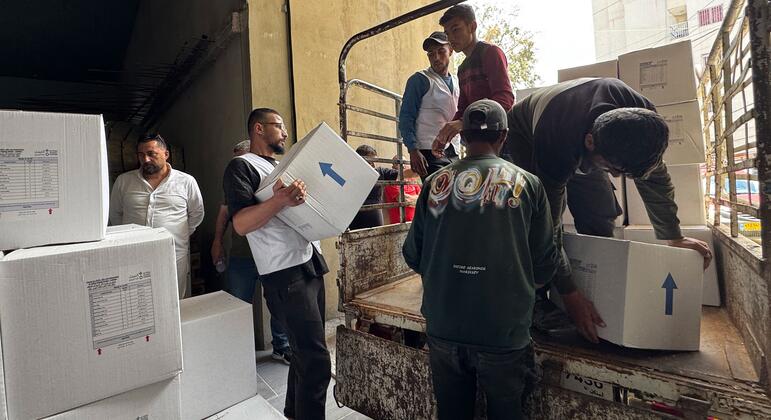
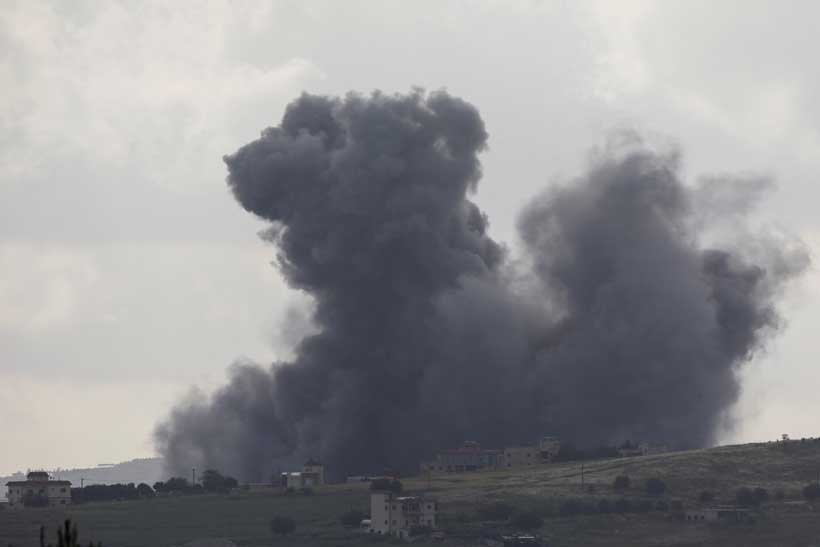
Between 2 and 9 September 2026, Israeli activity in southern Lebanon continued despite the existing ceasefire, with UNIFIL recording 56 projectiles on 1 September and 84 on 2 September. Israel announced operational control of Ali al-Taher hill and Israel Katz said Israel would not withdraw, while Lebanese reporting described a Lebanese Army deployment in Nabatieh. Iran-US attacks involving oil tankers, US naval forces and a base near Al Azraq, alongside Houthi attacks on Saudi cities, have added a wider regional escalation track. In Gaza, UN teams collected hundreds of aid pallets, but ambulances and medical equipment remained restricted, while NASA FIRMS recorded 34 thermal detections with no high-confidence readings and no indication of cause. UK measures against Israeli settlement goods and Israel's retaliatory steps have added a new diplomatic dispute.
Change from previous assessment
Compared with the 8 September prior brief, this assessment adds a new regional escalation judgment covering direct Iran-US attacks around the Strait of Hormuz, the reported IRGC strike near Al Azraq in Jordan and Houthi attacks on Saudi Arabia. The Lebanon assessment now gives greater weight to Israel's announced operational control and stated intention not to withdraw from Ali al-Taher, while retaining a roughly even chance of a major Israel-Hezbollah exchange because Iranian involvement and the extent of Israeli control remain disputed. The Gaza and West Bank judgments are unchanged in direction, but the Gaza assessment now distinguishes humanitarian pressure from uncertain interpretation of NASA thermal detections. UK-Israel friction has advanced from announced measures to implementation disputes over the consulate, British personnel and the Gaza support mission.
Key judgments
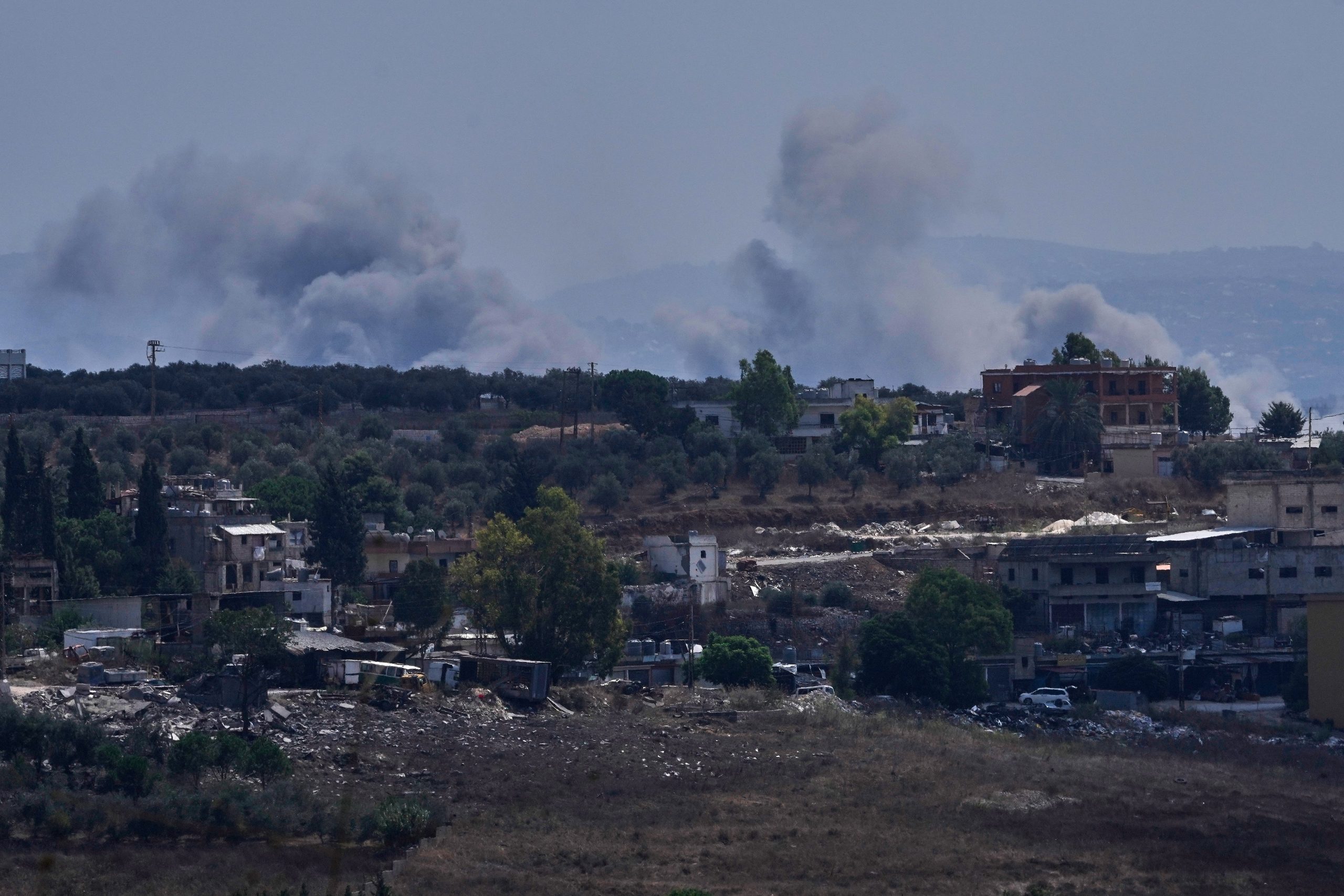
- Very likely Israeli military activity in southern Lebanon will continue over the next 0-14 days, keeping the existing ceasefire operationally fragile. UNIFIL recorded 56 Israeli projectiles on 1 September and 84 on 2 September. Reports also attribute 27 deaths and 69 wounded across southern Lebanon over three days, including strikes in Kafr Rumman, Nabatieh and Deir Al-Zahrani. The exact Kafr Rumman death toll remains disputed at 10, 12 or 13, but the activity pattern is corroborated by UN, UNIFIL, Lebanese and major-media reporting. (Confidence: high · ASSESSED)
- I&W: CONFIRM: UNIFIL records another day of Israeli projectiles, or Lebanese authorities report additional Israeli strikes causing casualties in Kafr Rumman, Nabatieh or Deir Al-Zahrani. (0-14 days)
- I&W: BREAK: Israel halts strikes and projectile activity, withdraws from positions north of the Blue Line, and no new casualties are reported in southern Lebanon. (0-14 days)
- Roughly even chance of a major Israel-Hezbollah exchange over the next 1-3 months. Israel has announced control of Ali al-Taher hill, identified the area as an operational focus and said it will not withdraw. Hezbollah has warned that a large Israeli attack on the ridge would end the ceasefire and could bring missile attacks against communities in northern Israel. Iran has warned the United States through Oman that a major Israeli offensive would prompt a forceful response. Reporting that more than a dozen IRGC personnel, including at least two senior officers, are at the ridge is disputed by an Israeli military source, while Iran did not attack Israel after the reported capture. Confidence is medium because the escalation pathway is supported by several reports, but Iranian personnel and Israeli control of the full ridge remain contested. (Confidence: medium · ASSESSED)
- I&W: CONFIRM: Hezbollah launches missiles at northern Israeli communities after further Israeli operations around Ali al-Taher, or Israel expands its positions beyond the ridge. (1-3 months)
- I&W: BREAK: Israel transfers control of Ali al-Taher to the Lebanese Army, withdraws from the ridge, and Hezbollah records no projectile launches during the following month. (1-3 months)
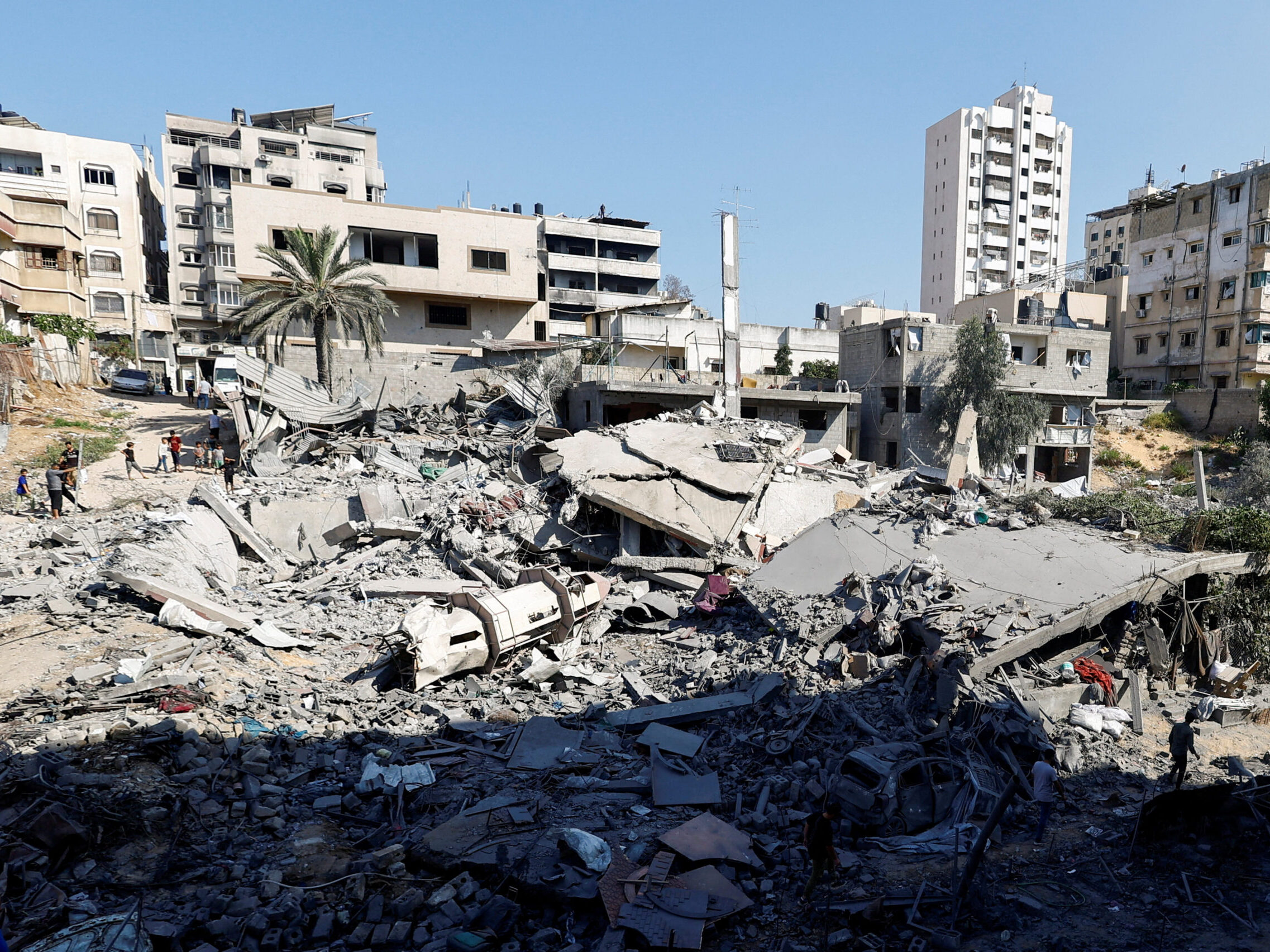
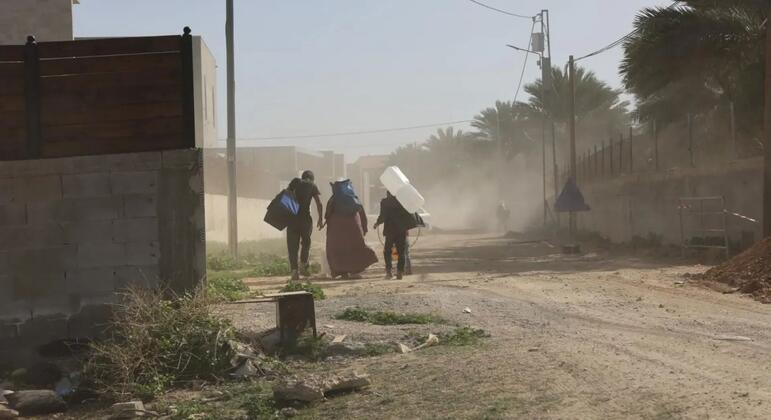
- Very likely medical and economic pressure in Gaza will persist over the next 1-3 months. WHO reported the evacuation of more than 13,000 patients from Gaza, including over 6,000 children, while the UN said ambulances and medical equipment remained restricted from entry. Ninety-three per cent of bank branches and 88 per cent of microfinance institutions in Gaza are reported inoperable, and reconstruction needs are estimated above $70 billion. NASA FIRMS recorded 34 thermal detections over Gaza on 8-9 September, with none at high confidence; the system records heat rather than cause, so those detections do not independently establish current strikes. Confidence is high for continued humanitarian strain because WHO, UN, NASA and economic reporting provide corroboration, while the current level of kinetic activity remains less certain. (Confidence: high · ASSESSED)
- I&W: CONFIRM: UN reporting continues to record restrictions on ambulances and medical equipment, while WHO reports further medical evacuations from Gaza. (0-14 days)
- I&W: BREAK: Israel permits regular entry of ambulances and medical equipment, WHO reports reopening of the referral pathway, and Gaza financial institutions resume operations. (1-3 months)
- Very likely displacement pressure and settler violence will continue in the West Bank over the next 1-3 months. The UN reports an average of six violent settler attacks against Palestinians per day in 2026, the highest level on record. Sixty-five Palestinian communities have reportedly been completely expelled since 2023, with more than 4,000 people evicted. UNRWA reported that around 33,362 people remained displaced from Jenin, Nur Shams and Tulkarem refugee camps as of July 2026, while Israel issued tenders for more than 1,200 homes in E1. Two teenagers were killed after settlers entered Al Mughayir under police and military escort. Confidence is high for continued pressure because UN, official-government and major-media reporting corroborate the trend, although the relationship between settler actions and state policy remains contested. (Confidence: high · ASSESSED)
- I&W: CONFIRM: UN or official Palestinian reporting records further settler attacks, new community expulsions, or additional Israeli settlement tenders in the West Bank. (0-3 months)
- I&W: BREAK: Israel permits the return of displaced residents to Jenin, Nur Shams and Tulkarem camps and the reported daily attack rate falls materially below the 2026 average. (1-3 months)
- Likely UK-Israel diplomatic friction will intensify over the next 0-1 month. The UK has announced a ban on imports from Israeli settlements in the occupied West Bank, measures against companies and individuals providing services to settlements, and sanctions against Al-Qard Al-Hassan. Israel has announced four retaliatory measures, including barring 12 British MPs from entry, removing British representatives from the International Gaza Support Centre, ending British training activities for Palestinian Authority forces, and directing the closure of the British consulate in East Jerusalem within 30 days. Reporting conflicts over whether the consulate has already closed or is pending closure, which lowers confidence in the implementation timeline. (Confidence: medium · ASSESSED)
- I&W: CONFIRM: Israel revokes diplomatic status for British consulate staff, closes the East Jerusalem consulate within 30 days, or imposes further measures against British personnel. (0-1 month)
- I&W: BREAK: Israel rescinds the consulate closure and entry bans, or the UK suspends implementation of the settlement import ban and related service measures. (0-1 month)
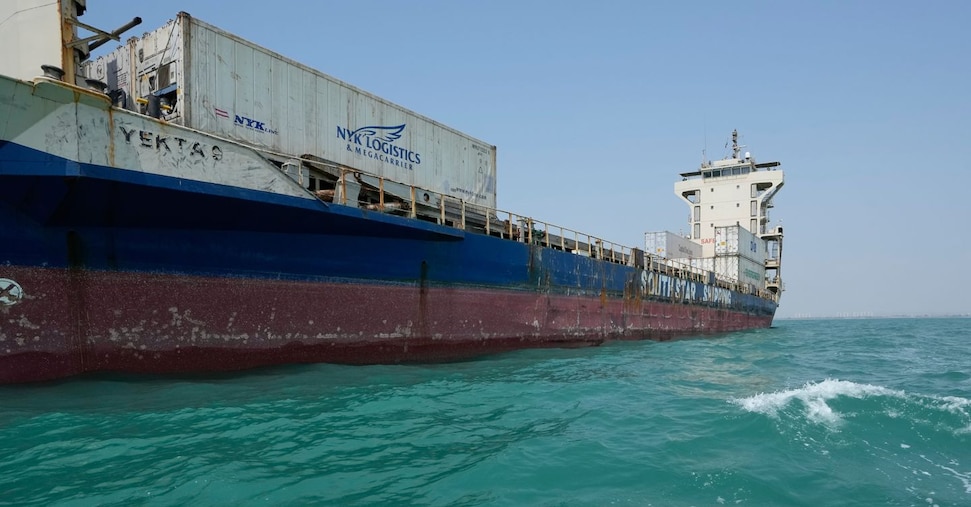
- Likely regional escalation involving Iran, the US, Jordan and Saudi Arabia will continue over the next 0-14 days. Iran says it attacked 10 ships near the Strait of Hormuz after the US destroyed five Iranian oil tankers, while UKMTO reported several merchant ships struck by disabling fire. The IRGC said it attacked a base used by US forces near Al Azraq, Jordan, and Jordan said its air defences intercepted 18 of 20 Iranian missiles. The Houthis attacked sites in Abha, Khamis Mushait, Jazan and Najran, with Saudi authorities reporting 73 wounded. Confidence is medium because the operational status of the Strait is directly contested, with one report describing it as effectively closed and a US official describing it as completely open, and because several claims rely on statements by the parties to the conflict. (Confidence: medium · ASSESSED)
- I&W: CONFIRM: UKMTO records further disabling fire against merchant ships, or Iran, the IRGC or the Houthis announce additional attacks involving the Strait of Hormuz, Jordan or Saudi Arabia. (0-14 days)
- I&W: BREAK: Iran and Oman register the proposed safe shipping corridor with the International Maritime Organization, merchant traffic resumes without new attacks, and no further missile launches target Jordan or US forces. (0-14 days)
Outlook & scenarios
Persistent but bounded multi-front pressure (55%)
Israel maintains military pressure in southern Lebanon without launching a full-scale assault beyond Ali al-Taher. Hezbollah avoids a major missile response, while Iran continues warnings rather than direct intervention on the Lebanon front. Gaza humanitarian restrictions persist, West Bank displacement pressure continues, and UK-Israel diplomatic measures proceed without a wider rupture.
Israel-Hezbollah ceasefire collapse (35%)
Israel expands or consolidates positions around Ali al-Taher, and Hezbollah responds with missile attacks against northern Israeli communities. Israeli strikes then widen across southern Lebanon. Disputed Iranian personnel at the ridge become a central trigger for Iranian pressure on the United States and Israel.
Wider Iran-US maritime escalation (20%)
A further Iranian missile attack on US forces, additional US strikes on Iranian-linked shipping, or new Houthi attacks on Saudi infrastructure produces a broader regional confrontation. Merchant traffic through the Strait of Hormuz falls further and oil prices remain above the levels reported on 9 September.
Partial diplomatic containment (15%)
US mediation through Lebanon, Arab League support for the Lebanese Army, and an Iran-Oman safe shipping arrangement reduce immediate pressure. Israel pauses further movement beyond Ali al-Taher, Hezbollah refrains from missile attacks, and the UK-Israel dispute remains confined to the announced sanctions and diplomatic measures.
Recommendations
- Prioritise collection on Ali al-Taher over the next 0-14 days. Separate Israeli claims of full control from evidence of control over individual facilities, and track any transfer of positions to the Lebanese Army.
- Maintain a distinct attribution ledger for southern Lebanon incidents. Record Israeli, Lebanese, UNIFIL and Hezbollah accounts separately, especially for Kafr Rumman, Nabatieh and Deir Al-Zahrani. Do not aggregate the reported Kafr Rumman death tolls of 10, 12 and 13 without an authoritative reconciliation.
- Track the two main escalation tripwires: Hezbollah missile activity against northern Israel and further Iranian or IRGC attacks involving US forces, Jordan or commercial shipping. Treat party claims as unconfirmed until matched by UN, UKMTO, Jordanian, US or other independent reporting.
- Monitor Gaza access indicators rather than relying on thermal data alone. Prioritise reporting on ambulance and medical-equipment entry, medical evacuations, referral access, aid collection at Kerem Shalom and the operating status of banks and microfinance institutions.
- Assess implementation of the UK settlement measures separately from their announcement. Track the initial import ban, service designations, sanctions on Al-Qard Al-Hassan, the status of British diplomatic staff, and the 30-day East Jerusalem consulate timeline.
- Use the reported 0-14 day and 1-3 month indicators as collection requirements for the next brief, with particular attention to UNIFIL projectile reporting, the Iran-Oman shipping arrangement, further settlement tenders and new displacement from West Bank communities.
Confidence & uncertainty
Overall confidence is high because the assessment draws on 26 usable sources, including UN, WHO, UNIFIL, official government, NASA FIRMS and major-media reporting. Multiple sources corroborate continued Israeli activity in southern Lebanon, humanitarian pressure in Gaza and displacement pressure in the West Bank. The main uncertainties concern the scale of Iranian involvement at Ali al-Taher, the exact southern Lebanon casualty totals, the implementation status of Israel's measures against the UK and the operational status of the Strait of Hormuz.
Intelligence gaps
- [EEI 1.1 · PARTIAL] Number, type and geolocated coordinates of projectiles (rockets, mortars, anti-tank guided missiles) fired from Lebanon into Israel in the last 24/72 hours, including time-stamped launch and impact locations. Recommended collection: signals/intel
- [EEI 1.2 · PARTIAL] Satellite or aerial imagery showing movement, concentration, or forward displacement of Hezbollah-associated military assets (armored vehicles, artillery pieces, mobile rocket launchers, logistics convoys) to positions within 0-10 km of the Israel-Lebanon border. Recommended collection: satellite/imagery
- [EEI 1.3 · UNCOVERED] Intercepted or captured Hezbollah command-and-control communications or orders explicitly directing cross-border operations or coordinated strikes with Palestinian groups (time-stamped messages, unit identifiers, orders to fire/move). Recommended collection: signals/intel
- [EEI 1.4 · PARTIAL] Observable changes in Israeli northern-front posture within Israel (numbers and types of reinforcements deployed to northern brigades, activation of reserves, air defense redeployments, evacuation orders or shelter alerts in northern towns), including timestamps and unit IDs where available. Recommended collection: human/intel
- [EEI 2.1 · UNCOVERED] Official or corroborated reports of IDF reservist mobilization and unit-level deployment orders (number of reservists called, named brigades/units ordered to deploy, deployment timelines). Recommended collection: open-source/media
- [EEI 2.2 · UNCOVERED] Satellite or ground imagery showing concentrations of IDF heavy equipment (tanks, infantry fighting vehicles, engineering vehicles), staging areas, field hospitals or forward supply dumps within X km of the Gaza border and at known crossing points. Recommended collection: satellite/imagery
- [EEI 2.3 · UNCOVERED] Change in strike patterns consistent with pre-ground-attack shaping: sustained high-frequency airstrikes on tunnel networks, command nodes, coastal launch sites, and known insurgent concentrations (strike counts, munition types, locations, times). Recommended collection: open-source/media
- [EEI 2.4 · UNCOVERED] Logistics indicators: verified convoys of fuel/ammunition entering staging areas, establishment of forward logistics or medical bases, or documented requisitioning orders for bulk combat supplies with timestamps and quantities. Recommended collection: human/intel
- [EEI 3.1 · UNCOVERED] Number, participants and content of diplomatic contacts or negotiation sessions in the last 48 hours involving mediators (Egypt, Qatar, US, UN), including any proposed ceasefire text, prisoner/exchange lists, timelines or verification mechanisms. Recommended collection: diplomatic
- [EEI 3.2 · UNCOVERED] Public statements, press releases or verified communiqués from Hamas and other Gaza armed groups specifying acceptance, rejection, or conditions for a ceasefire (explicit conditions such as prisoner release lists, withdrawal terms, lifting of blockades), with timestamps and speaker attribution. Recommended collection: open-source/media
- [EEI 3.3 · PARTIAL] Humanitarian indicators relevant to ceasefire: establishment and operation of agreed humanitarian corridors/checkpoints, number of aid deliveries admitted, civilian evacuations completed, and NGO/hospital reports of access denials or safe-passage violations. Recommended collection: humanitarian/NGO reports
- [EEI 3.4 · PARTIAL] Operational evidence of a de facto pause: verified sustained reduction (e.g., ≥12 hours) in strikes or launches from either side in specific sectors, supported by strike/impact logs, radar tracks and incident reports. Recommended collection: open-source/media
TLP:CLEAR