TLP:CLEAR · Disclosure is not limited.
Israel-Gaza Regional Escalation: Lebanon Front Hardens as Gaza Ceasefire Erodes
Time window: Last 7 days · Audience: General analyst · Type: Situation report · DTG: 2026-09-14 13:08Z · Overall confidence: HIGH
BLUF
Very likely Israeli operations in southern Lebanon and Gaza will continue over the next 0-14 days, leaving both the June 2026 Israel-Hezbollah ceasefire and the October 2025 Israel-Hamas ceasefire operationally ineffective. Likely regional spillover will continue through Houthi and Iraqi militia pressure on Saudi energy infrastructure, while a broader direct Israel-Iran confrontation remains unlikely in the immediate term.
Executive summary
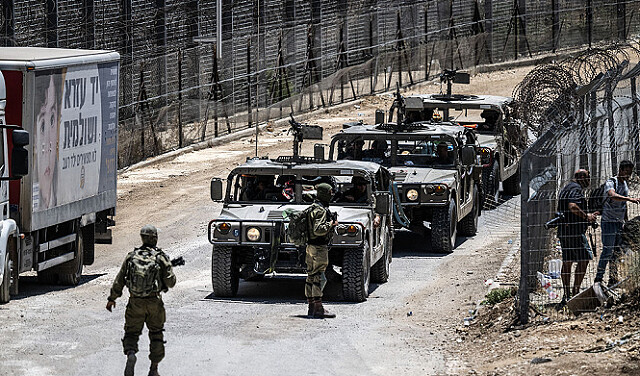
The reporting period brought no durable reduction in violence. UNIFIL recorded 528 Israeli projectiles and 62 Israeli airspace violations in Lebanon, while the IDF said it would continue operating in the southern security zone. Israel's declared 700-square-kilometre zone and its refusal to withdraw until Hezbollah is disarmed conflict with reports of a possible partial redeployment. In Gaza, UN agencies continue to report Israeli operations despite the ceasefire, with 2.1 million people displaced within the yellow line and Palestinians living in less than 40 per cent of the Strip. Regional pressure widened through attacks on Saudi energy infrastructure and Red Sea shipping, although responsibility for the Saudi pipeline attacks remains disputed.
Change from previous assessment
Since the 13 September brief, the core assessment is unchanged: Israeli activity in southern Lebanon and Gaza is very likely to continue, and both ceasefires remain operationally ineffective. The Lebanon judgment is now more focused on Israel's stated refusal to withdraw from the 700-square-kilometre security zone, while reports of a partial redeployment remain unresolved. The regional-spillover assessment now gives greater weight to the Saudi East-West pipeline attack and the unresolved dispute over whether the launch point was in Maysan or Yemen. Gaza reporting adds clearer evidence that the yellow line has contracted the area available to Palestinians to less than 40 per cent of the Strip.
Key judgments
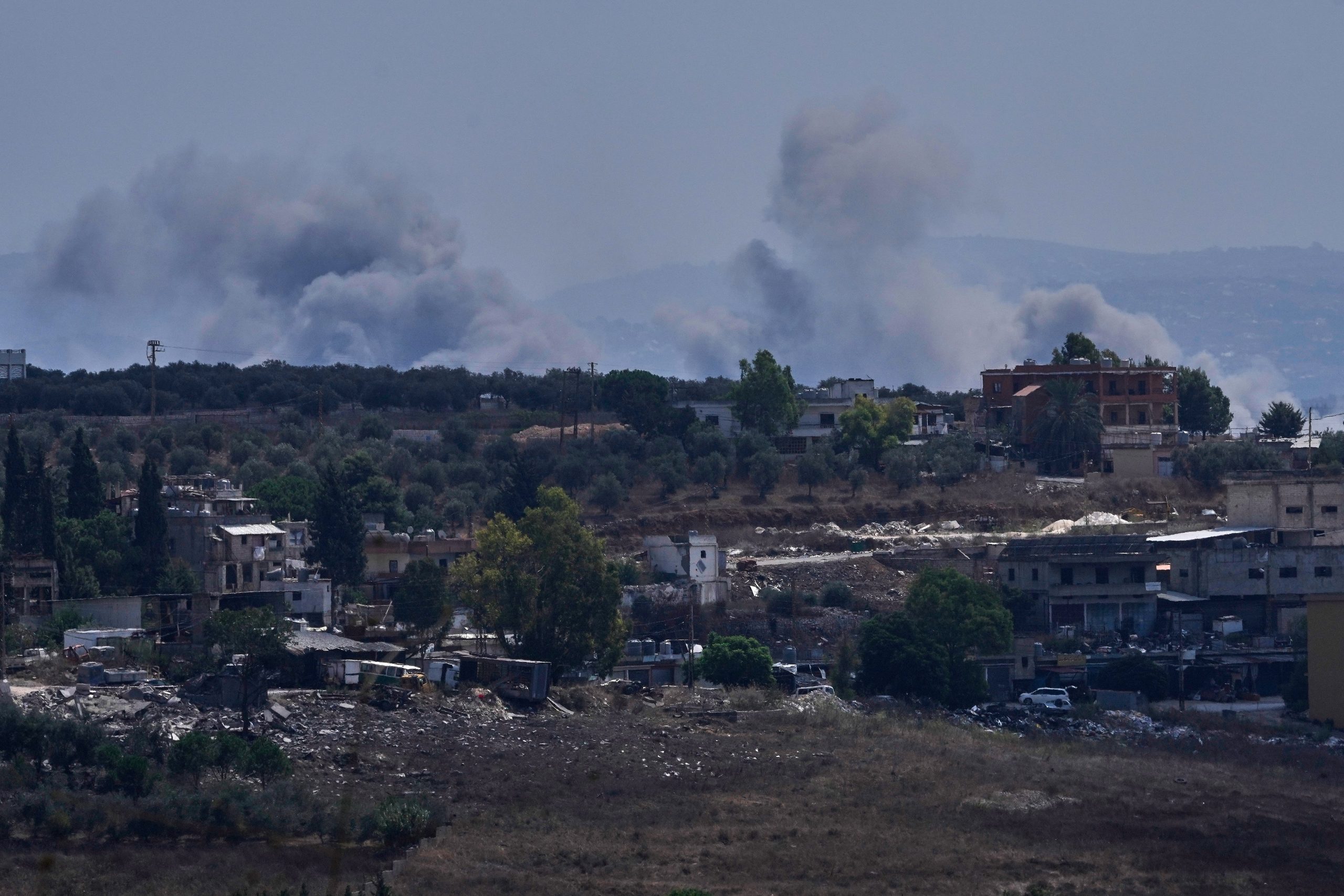
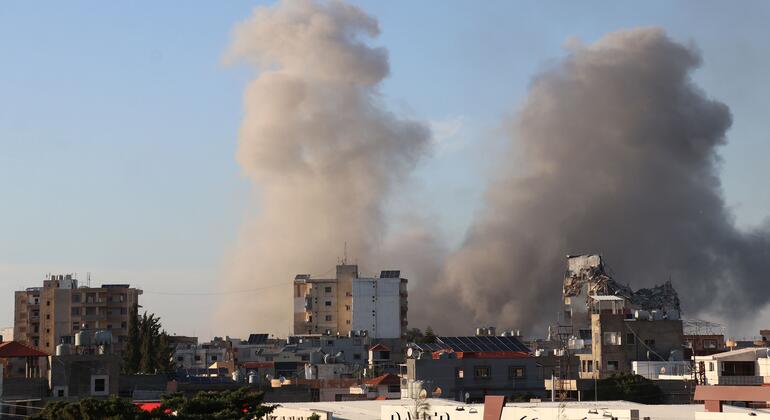
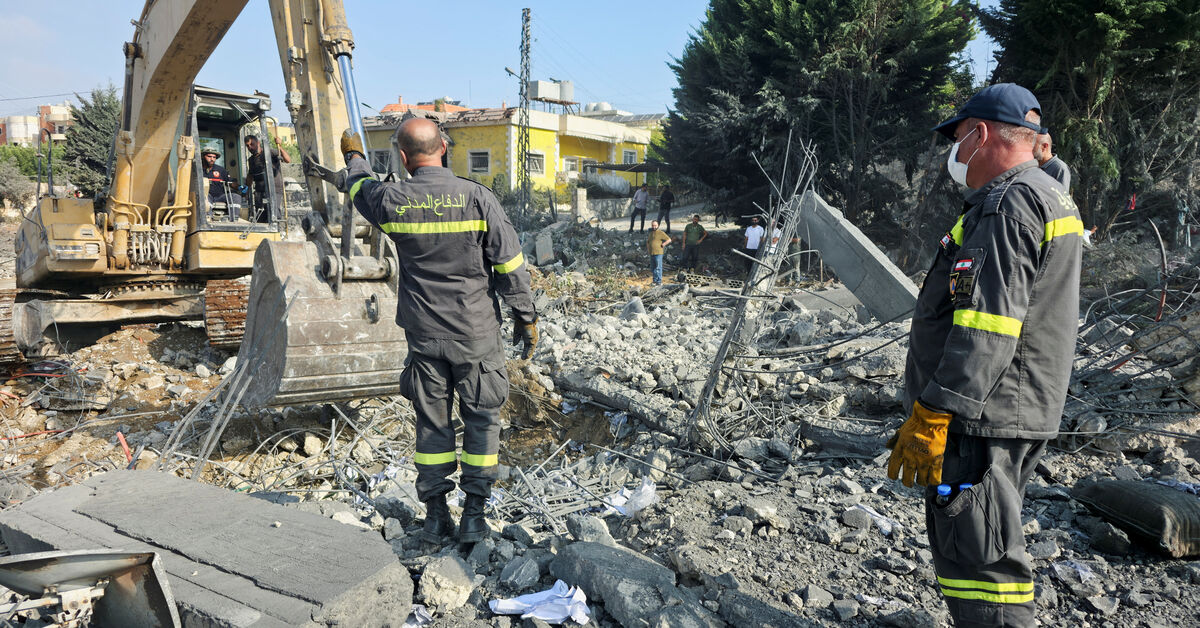
- Very likely Israeli military operations in southern Lebanon will continue over the next 0-14 days, keeping the June 2026 Israel-Hezbollah ceasefire operationally ineffective. UNIFIL recorded 528 projectiles fired by the Israel Defense Forces between Thursday and Monday and 62 Israeli airspace violations on Sunday, while detecting one Hezbollah projectile, the first since 21 June. The IDF says it will continue operating in the southern security zone and remains committed to the ceasefire, whereas other reporting describes escalating Israeli strikes and a renewed campaign against Hezbollah. Multiple UN, wire-service and Israeli military reports support continued Israeli activity, but the parties' accounts of ceasefire compliance and the immediate trigger remain contested. (Confidence: high · ASSESSED)
- I&W: Confirm: UNIFIL records additional Israeli projectile fire or airspace violations, or the IDF announces new operations around Ali al-Taher Ridge, Nabatieh or the southern security zone. (0-14 days)
- I&W: Break: Israel issues a formal order for withdrawal from the security zone and ends strikes in southern Lebanon without a replacement operation at the same locations. (0-14 days)
- Likely Israel will retain most or all of its declared 700-square-kilometre security zone in southern Lebanon over the next 1-3 months rather than cede captured territory to the Lebanese government. Israel Katz said Israel would not withdraw until Hezbollah is disarmed throughout Lebanon. A reported partial withdrawal plan would retain a 2-4-kilometre forward line with permanent observation posts, while other reporting says Israeli military leaders support withdrawal but political leaders have not approved it. Israel's stated position, reports of US-backed talks and Lebanese disputes over the extent of Israeli control at Ali al-Taher Ridge leave the final boundary unresolved. (Confidence: medium · ASSESSED)
- I&W: Confirm: Israel establishes or maintains permanent observation posts, aerial surveillance or a 2-4-kilometre forward line along the Lebanon border. (1-3 months)
- I&W: Break: Israel announces and begins a verified handover of Ali al-Taher Ridge or other captured positions to the Lebanese Armed Forces or Lebanese government. (0-14 days)
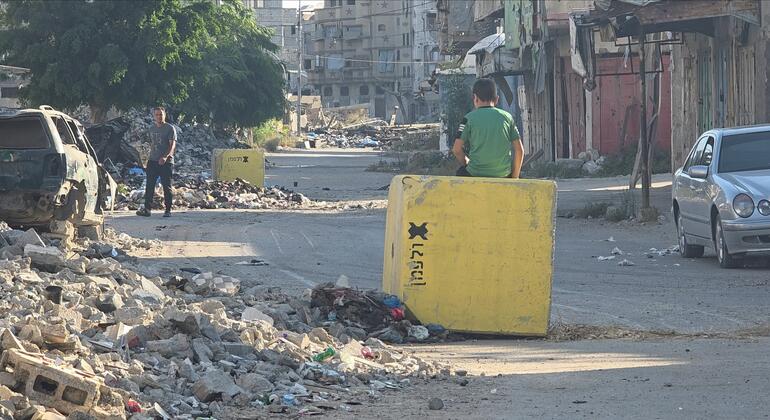
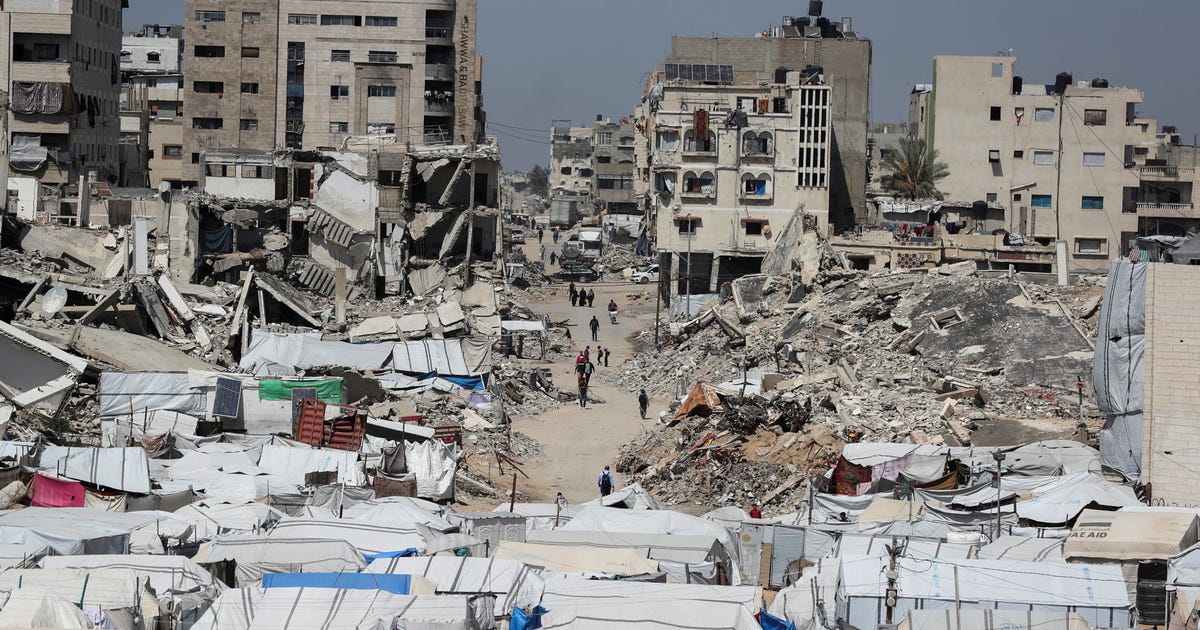
- Very likely the October 2025 Israel-Hamas ceasefire will remain operationally ineffective and humanitarian pressure in Gaza will worsen over the next 1-3 months. UN agencies report continued Israeli military operations and strikes despite the ceasefire. OCHA reports 1,334 deaths and 4,429 injuries since the ceasefire announcement, while its shelter assessment says 1.98 million people, or 94 per cent of Gaza's population, need shelter and non-food assistance. The UN reports that 2.1 million people remain displaced within the yellow line, Palestinians live in less than 40 per cent of Gaza, and Israeli forces have pushed the line inward from an area that initially covered roughly 47 per cent of the Strip. The casualty total is reported by local authorities through OCHA, but the operational and humanitarian trend is corroborated by multiple UN bodies. (Confidence: high · ASSESSED)
- I&W: Confirm: UN agencies report additional Israeli strikes or operations in Gaza and further inward movement of the yellow line or a reduction below the current Palestinian access area. (0-14 days)
- I&W: Break: UN agencies report a sustained end to Israeli operations and strikes, with no further inward movement of the yellow line and an expanded area available to Palestinians. (1-3 months)
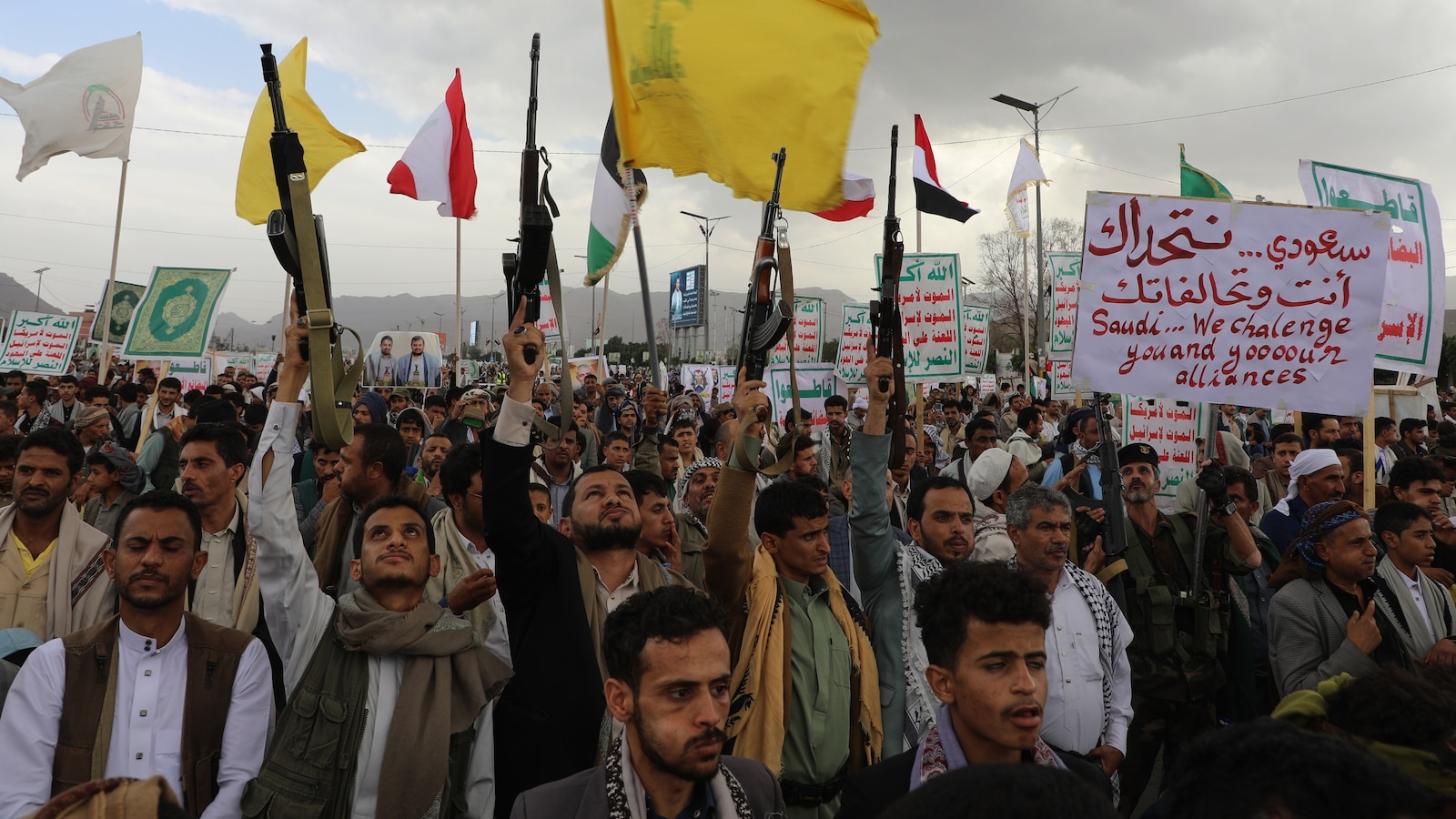
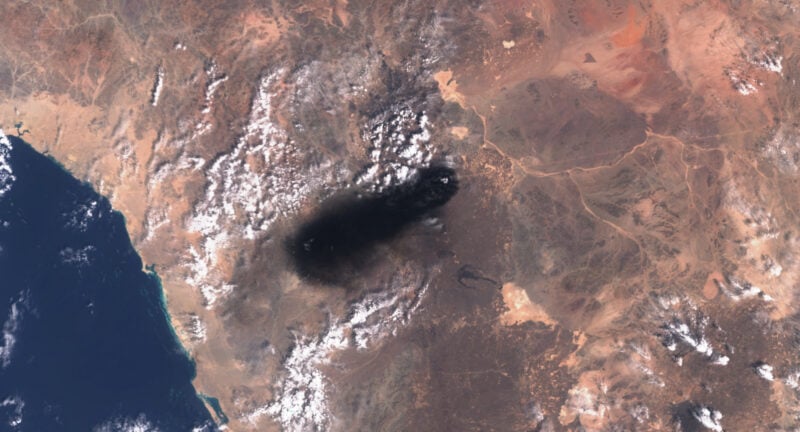
- Likely Houthi forces and Iraqi militias will sustain pressure on Saudi energy infrastructure and Red Sea shipping over the next 0-14 days, while attribution of the Saudi pipeline attacks remains unresolved. ACLED reports more than a dozen Houthi attacks on Saudi oil facilities and tankers since late July, and the Houthi blockade has prompted Saudi Arabia to turn off tracking signals on oil tankers. Saudi Arabia shut its 7-million-barrel-a-day East-West pipeline after drone attacks, while Iraq's prime minister said the attacks were launched from Maysan province and regional officials said the Houthis helped Iraqi militias plan and execute the operation. These accounts support continuing regional spillover but do not establish whether the attacks originated in Yemen, Iraq or both. (Confidence: medium · ASSESSED)
- I&W: Confirm: A further Houthi or Iraqi militia attack damages Saudi oil facilities, the East-West pipeline or a Saudi-linked tanker in the Red Sea. (0-14 days)
- I&W: Break: Saudi Arabia reopens the East-West pipeline, restores normal tanker tracking and records no new Houthi or Iraqi militia attack for 14 consecutive days. (0-14 days)
- Unlikely a broader direct Israel-Iran escalation will begin over the next 0-14 days, although limited Iranian or Iran-linked action remains likely. Israel's security establishment assesses that a broader escalation is not highly likely and is preparing for a limited Iranian response, while reporting says Iran did not act on threats after Israel's operation at Ali al-Taher Ridge. Countervailing signals include Iran's reported request for Russian Geran drones for attacks on Israeli and US targets, Iranian warnings over the ridge, and Israel Katz's threat to strike Iranian energy infrastructure after an Iranian attack. This is a low-confidence assessment because its core forecast rests heavily on a single Israeli assessment and is contradicted by reported preparations and public threats. (Confidence: low · ASSESSED)
- I&W: Confirm: Iran or the Islamic Revolutionary Guard Corps conducts a direct strike on Israel, or Israel conducts a new strike on an Iranian military or energy site. (0-14 days)
- I&W: Break: Iranian and Israeli forces avoid direct exchanges while reported Iranian activity remains limited to proxy-linked operations and rhetoric. (0-14 days)
Outlook & scenarios
Continued contained escalation across Gaza and southern Lebanon (65%)
Israeli forces continue operations around the southern Lebanon security zone and conduct further strikes in Gaza. Hezbollah avoids sustained rocket fire, while Houthi forces and Iraqi militias continue pressure on Saudi infrastructure and shipping. Iran remains involved through warnings, matériel and proxy-linked activity without initiating a direct exchange with Israel.
Partial Israeli redeployment with continued control of southern Lebanon (25%)
Israel completes tunnel demolition around Ali al-Taher Ridge and redeploys some forces towards the border, but retains a 2-4-kilometre forward line, permanent observation posts and surveillance over southern Lebanese villages. Gaza operations continue, leaving both ceasefires operationally weak.
Expanded regional disruption through Saudi energy and shipping attacks (30%)
Further Houthi or Iraqi militia attacks keep Saudi energy sites disrupted and prolong restrictions on Red Sea tanker movements. The East-West pipeline remains unavailable or operates below capacity, and conflicting evidence about launch locations obstructs a unified response.
Direct Israel-Iran escalation (10%)
A direct Iranian or Islamic Revolutionary Guard Corps action against Israel triggers Israeli strikes on Iranian military or energy infrastructure. Hezbollah activity in Lebanon increases, and attacks on Saudi energy facilities and commercial shipping widen the conflict beyond Gaza and Lebanon.
Recommendations
- Maintain a daily southern Lebanon incident ledger separating UNIFIL observations, IDF statements, Lebanese government reporting and local media claims. Track projectile counts, Israeli airspace violations, Hezbollah launches and activity around Ali al-Taher Ridge, Nabatieh and Kfar Rumman.
- Treat Israel's security-zone policy and its withdrawal reporting as separate collection questions. Verify whether Israeli units leave named positions, whether permanent observation posts appear along the border and whether the Lebanese Armed Forces receive transferred territory.
- Use UN and OCHA reporting as the baseline for Gaza humanitarian monitoring. Record the reported casualty series separately from independently corroborated indicators such as the yellow line's position, displacement within the line, shelter needs and continued Israeli operations.
- Prioritise attribution collection on attacks against Saudi energy infrastructure. Compare Iraqi findings from Maysan with Houthi statements, launch-site evidence, pipeline status and tanker tracking before assigning responsibility to Yemen-based or Iraq-based actors.
- Set an immediate warning threshold for direct Israel-Iran escalation at any confirmed Iranian or Islamic Revolutionary Guard Corps strike on Israel, any new Israeli strike on Iranian military or energy infrastructure, or a verified transfer of Geran drones for operational use.
- Preserve source provenance when reporting ceasefire status. Distinguish declared policy from observed conduct, and do not describe either the Lebanon or Gaza ceasefire as effective without sustained evidence of reduced strikes, restored access or verified territorial change.
Confidence & uncertainty
Overall confidence is high because the central judgments draw on multiple independent UN and OCHA reports, UNIFIL records, wire-service reporting, major media and official military statements. The strongest corroboration concerns continued Israeli operations in Gaza and southern Lebanon, displacement and shelter needs in Gaza, and attacks affecting Saudi energy infrastructure. The principal uncertainties concern the extent of Israeli control at Ali al-Taher Ridge, the final Lebanon withdrawal boundary, the attribution of attacks launched against Saudi targets and the reliability of forecasts about direct Israel-Iran escalation.
Intelligence gaps
- [EEI 1.1 · PARTIAL] Number, type and geolocated coordinates of projectiles (rockets, mortars, anti-tank guided missiles) fired from Lebanon into Israel in the last 24/72 hours, including time-stamped launch and impact locations. Recommended collection: signals/intel
- [EEI 1.2 · UNCOVERED] Satellite or aerial imagery showing movement, concentration, or forward displacement of Hezbollah-associated military assets (armored vehicles, artillery pieces, mobile rocket launchers, logistics convoys) to positions within 0-10 km of the Israel-Lebanon border. Recommended collection: satellite/imagery
- [EEI 1.3 · UNCOVERED] Intercepted or captured Hezbollah command-and-control communications or orders explicitly directing cross-border operations or coordinated strikes with Palestinian groups (time-stamped messages, unit identifiers, orders to fire/move). Recommended collection: signals/intel
- [EEI 1.4 · PARTIAL] Observable changes in Israeli northern-front posture within Israel (numbers and types of reinforcements deployed to northern brigades, activation of reserves, air defense redeployments, evacuation orders or shelter alerts in northern towns), including timestamps and unit IDs where available. Recommended collection: human/intel
- [EEI 2.1 · UNCOVERED] Official or corroborated reports of IDF reservist mobilization and unit-level deployment orders (number of reservists called, named brigades/units ordered to deploy, deployment timelines). Recommended collection: open-source/media
- [EEI 2.2 · UNCOVERED] Satellite or ground imagery showing concentrations of IDF heavy equipment (tanks, infantry fighting vehicles, engineering vehicles), staging areas, field hospitals or forward supply dumps within X km of the Gaza border and at known crossing points. Recommended collection: satellite/imagery
- [EEI 2.3 · PARTIAL] Change in strike patterns consistent with pre-ground-attack shaping: sustained high-frequency airstrikes on tunnel networks, command nodes, coastal launch sites, and known insurgent concentrations (strike counts, munition types, locations, times). Recommended collection: open-source/media
- [EEI 2.4 · UNCOVERED] Logistics indicators: verified convoys of fuel/ammunition entering staging areas, establishment of forward logistics or medical bases, or documented requisitioning orders for bulk combat supplies with timestamps and quantities. Recommended collection: human/intel
- [EEI 3.1 · PARTIAL] Number, participants and content of diplomatic contacts or negotiation sessions in the last 48 hours involving mediators (Egypt, Qatar, US, UN), including any proposed ceasefire text, prisoner/exchange lists, timelines or verification mechanisms. Recommended collection: diplomatic
- [EEI 3.2 · UNCOVERED] Public statements, press releases or verified communiqués from Hamas and other Gaza armed groups specifying acceptance, rejection, or conditions for a ceasefire (explicit conditions such as prisoner release lists, withdrawal terms, lifting of blockades), with timestamps and speaker attribution. Recommended collection: open-source/media
- [EEI 3.3 · UNCOVERED] Humanitarian indicators relevant to ceasefire: establishment and operation of agreed humanitarian corridors/checkpoints, number of aid deliveries admitted, civilian evacuations completed, and NGO/hospital reports of access denials or safe-passage violations. Recommended collection: humanitarian/NGO reports
- [EEI 3.4 · UNCOVERED] Operational evidence of a de facto pause: verified sustained reduction (e.g., ≥12 hours) in strikes or launches from either side in specific sectors, supported by strike/impact logs, radar tracks and incident reports. Recommended collection: open-source/media
Cited sources
[1] United Nations News · UN chief demands Israeli withdrawal from Lebanon amid Nabatieh escalation (A) · Tue Sep 08 2026 19:49:41 GMT+0000 (Coordinated Universal Time) · sha256:6d3bba612fe9 [2] Ynetnews · IDF destroys Hezbollah tunnels on Ali Taher Ridge as Israel warns Iran against intervention | Watch (B) · Thu Sep 10 2026 18:12:58 GMT+0000 (Coordinated Universal Time) · sha256:6f25f5cbd99b [3] Reuters (republished by Al-Monitor) · Israeli strikes on southern Lebanese town kill 12 as fears of escalation mount (A) · Mon Sep 07 2026 14:36:57 GMT+0000 (Coordinated Universal Time) · sha256:a31ae8f23610 [4] Haaretz · Defense Minister Katz says Israel won't withdraw from Hezbollah stronghold in southern Lebanon (A) · Sat Sep 12 2026 21:32:00 GMT+0000 (Coordinated Universal Time) · sha256:1b46a1ebdd61 [5] Elnashra (النشرة) · خطة إسرائيل للانسحاب.. أخطر من بقاء الاحتلال! (D) · sha256:74ad24508870 [6] The Soufan Center · Repercussions of Intensified Fighting in Lebanon (C) · Tue Sep 08 2026 04:01:56 GMT+0000 (Coordinated Universal Time) · sha256:80321dd65e58 [7] UN News · ‘Where do we go?’: How Israel’s ‘yellow line’ is closing in on Palestinians (A) · Sat Sep 12 2026 16:00:00 GMT+0000 (Coordinated Universal Time) · sha256:a87b540da688 [8] Associated Press (via ABC News) · Iran is forging a new ring of proxies to threaten US allies in the Gulf, officials say (A) · Wed Sep 09 2026 03:59:51 GMT+0000 (Coordinated Universal Time) · sha256:fdd5ae5e9a54 [9] gCaptain (republishing Bloomberg) · Iraq Under Pressure After Drone Strikes Close Key Saudi Pipeline (C) · Sun Sep 13 2026 15:19:32 GMT+0000 (Coordinated Universal Time) · sha256:ccf9374469bf [10] Fortune · With Hezbollah battered, Iran’s emerging proxy network of Houthis and Iraqi militias target Saudi Arabia and other U.S. allies | Fortune (A) · Wed Sep 09 2026 14:27:29 GMT+0000 (Coordinated Universal Time) · sha256:21adbb87dd61 [11] The Jerusalem Post · Live Updates: Latest from Israel, Iran, and the Middle East | The Jerusalem Post (A) · Sun Sep 13 2026 04:56:57 GMT+0000 (Coordinated Universal Time) · sha256:93cea5377390
Source content hashes were computed at collection time; the cited text is preserved unmodified for the life of this product.
TLP:CLEAR