TLP:CLEAR · Disclosure is not limited.
Israel-Gaza Regional Escalation: Persistent Gaza Strikes and Lebanon Friction
Time window: Last 7 days · Audience: General analyst · Type: Situation report · DTG: 2026-08-25 13:09Z · Overall confidence: MEDIUM
BLUF
Israeli strikes in Gaza are very likely to persist over the next 1 to 3 months, while severe humanitarian conditions and disputes over ceasefire sequencing will continue. Armed friction between Israeli forces and Hezbollah in southern Lebanon is likely to continue, but an expansion into a wider regional confrontation is unlikely.
Executive summary
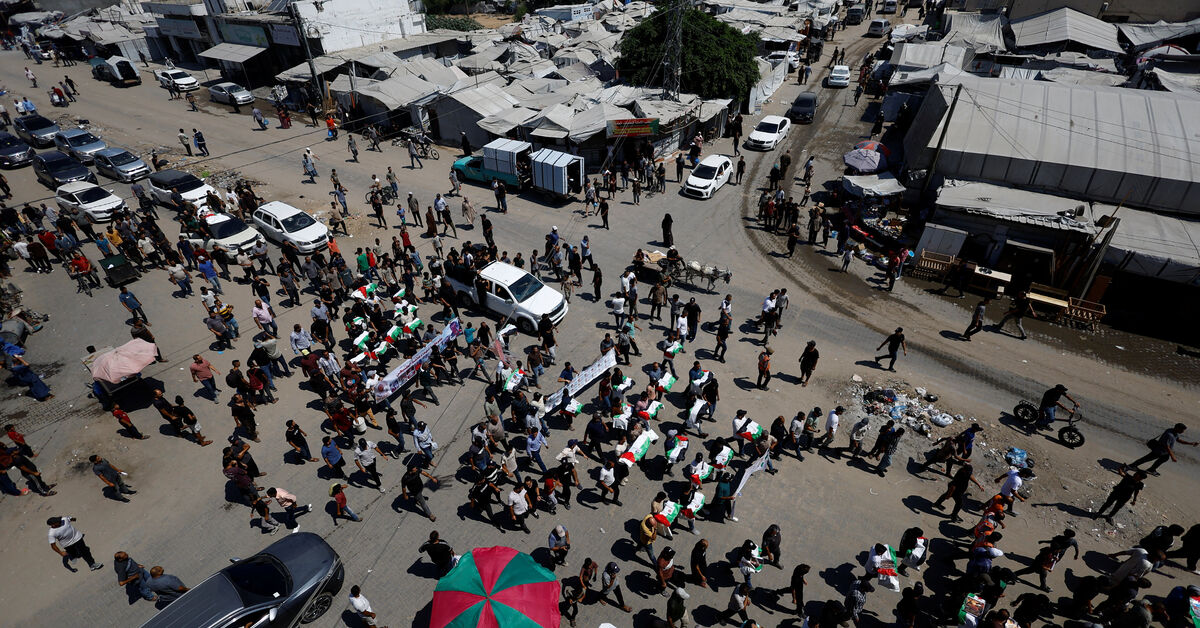
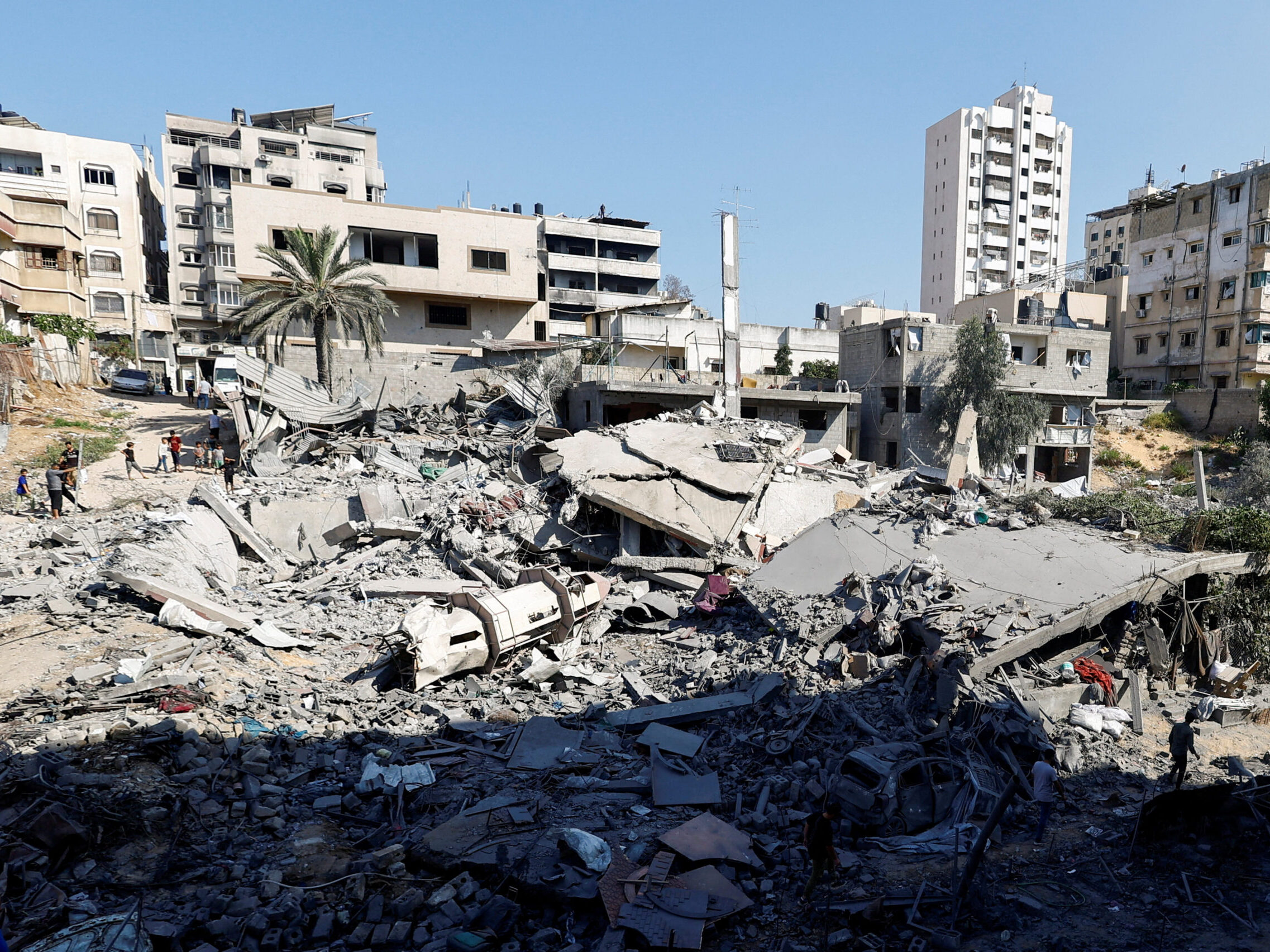
Israeli forces continued strikes across Gaza during the reporting period, including attacks affecting Gaza City, Khan Younis, the Bureij refugee camp and Deir al-Balah. UN agencies report that 94 per cent of Gaza's 2.1 million residents need shelter, while more than four out of five families face critical or catastrophic living conditions. In southern Lebanon, UNIFIL recorded 86 Israeli airspace violations, nine airstrikes and 265 projectiles, while separate reporting described Israeli military activity around Nabatiyeh and Ali Taher Heights. The Gaza ceasefire remains contested because Israel and Hamas retain incompatible positions on disarmament, withdrawal and implementation. UK-Israel diplomatic friction over Israel's 1,234-unit E1 tender is likely to persist.
Change from previous assessment
The core assessment is broadly unchanged from the 24 August brief: Israeli strikes in Gaza and armed friction between Israeli forces and Hezbollah remain very likely or likely to persist, stable Gaza ceasefire implementation remains unlikely, and E1-related diplomatic friction remains likely. New reporting raises the recorded Gaza thermal anomalies from 24 to 35 for the latest two-day period, while confirming that none were high-confidence detections, so confidence in the strike forecast remains medium rather than increasing. The Lebanon assessment is more specific because reporting now identifies units from Israel's 36th Division around Nabatiyeh and Ali Taher Heights and describes tunnel access routes, but confidence remains medium because Hezbollah activity is less well corroborated. The brief adds a separate low-confidence judgement that Israel is unlikely to begin a sustained campaign in Beirut or a prolonged tunnel fight at Ali Taher Heights.
Key judgments
- Very likely Israeli forces will continue strikes and related military activity across Gaza over the next 1 to 3 months. Reporting describes recent Israeli strikes in Gaza City, Khan Younis, the Bureij refugee camp and Deir al-Balah, including attacks that killed Palestinians and affected residential or displacement sites. NASA recorded 35 thermal anomalies in Gaza from 24 to 25 August, but none were high-confidence detections and thermal data record heat rather than cause. Confidence is medium because multiple major-media reports corroborate current Israeli activity, while the satellite data cannot establish attribution. (Confidence: medium · ASSESSED)
- I&W: Additional reporting records Israeli strikes in Gaza City, Khan Younis, the Bureij refugee camp or Deir al-Balah. (0-14 days)
- I&W: A sustained 14-day period produces no reported Israeli strikes in Gaza and no new NASA thermal detections. (0-14 days)
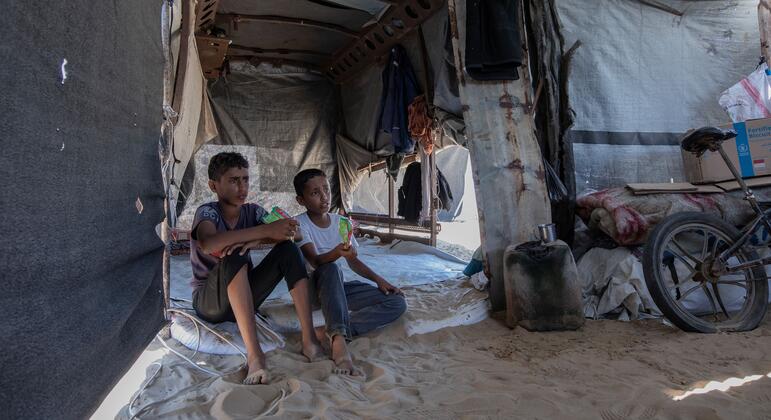
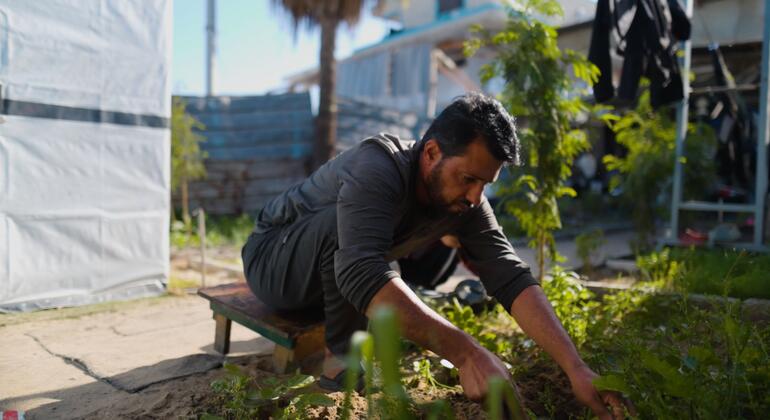
- Very likely severe humanitarian conditions will persist in Gaza over the next 1 to 3 months. UN agencies report that 94 per cent of Gaza's 2.1 million residents need shelter and that more than four out of five families face critical or catastrophic living conditions. Israeli restrictions continue to impede aid deliveries, shelter construction, waste collection and the entry of heavy machinery. UNICEF also reports chronic malnutrition among 12.2 per cent of children, despite an earlier reduction in acute malnutrition indicators. Confidence is high because the core assessment is supported by multiple UN and UNICEF reports, although the acute malnutrition improvement shows that conditions are not uniformly worsening across every indicator. (Confidence: high · ASSESSED)
- I&W: UN agencies continue to report shelter needs near 94 per cent and critical or catastrophic living conditions for more than four out of five families. (0-14 days)
- I&W: UN reporting records sustained unimpeded aid access, removal of restrictions on heavy machinery and a persistent reduction in shelter and critical living-condition indicators. (1-3 months)
- Unlikely stable implementation of the Gaza ceasefire over the next 1 to 3 months. The ceasefire that took effect on 10 October 2025 has not prevented subsequent Israeli strikes. Prime Minister Benjamin Netanyahu insists that Hamas must fully disarm before Israeli withdrawal, while Hamas demands Israeli adherence to the ceasefire and withdrawal from Gaza. Think-tank reporting that Hamas continues to resist disarmament is less well corroborated than the official and major-media reporting on the opposing positions, lowering confidence. (Confidence: medium · ASSESSED)
- I&W: Israel continues to require full Hamas disarmament before withdrawal, while Hamas repeats its demand for Israeli withdrawal and adherence to the ceasefire. (0-14 days)
- I&W: Israel and Hamas jointly announce an agreed sequencing arrangement linking disarmament and withdrawal, followed by a sustained halt to Israeli strikes. (1-3 months)
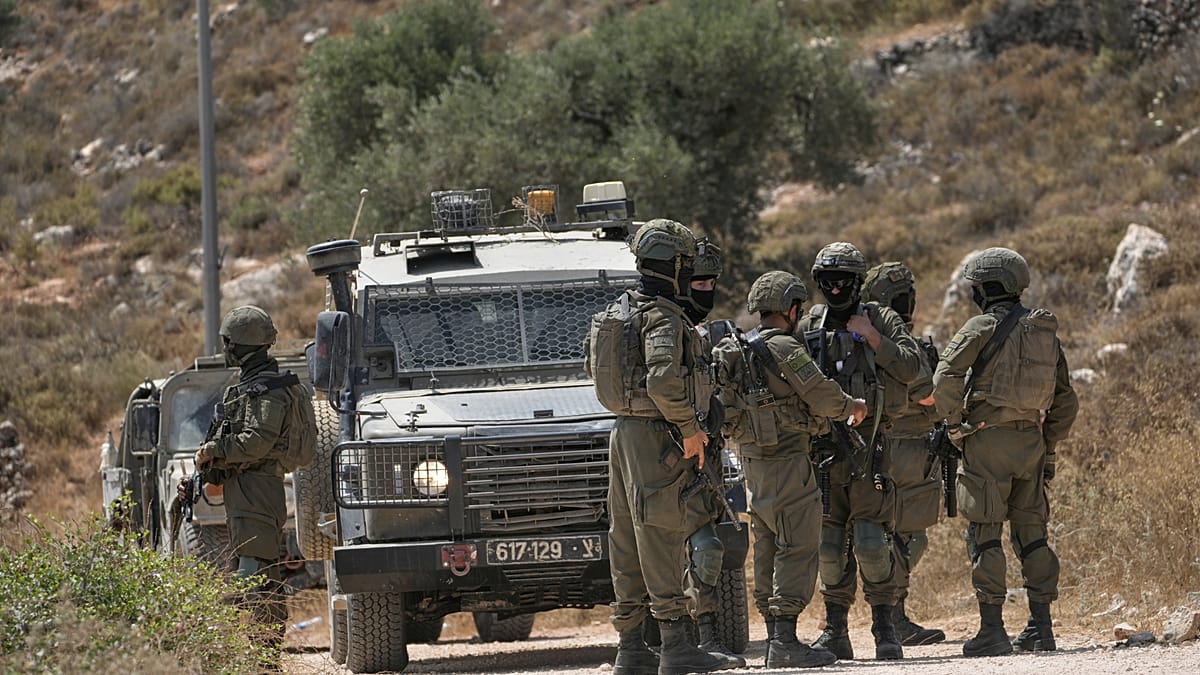
- Likely Israeli forces and Hezbollah will sustain armed friction around Ali Taher Heights, Nabatiyeh and southern Lebanon over the next 1 to 3 months. UNIFIL reported 86 Israeli airspace violations, nine airstrikes and 265 projectiles, while other reporting describes Israeli airstrikes, demolitions and the deployment of units from the 36th Division around Nabatiyeh and Ali Taher Heights. Reports that Hezbollah and Iranian Revolutionary Guard officers are inside the Ali Taher facility, and that Hezbollah delivered reinforcements and supplies, are less well corroborated. Confidence is medium because Israeli activity has UNIFIL corroboration, while Hezbollah activity is supported mainly by medium-confidence major-media reporting. (Confidence: medium · ASSESSED)
- I&W: UNIFIL records additional Israeli airspace violations or airstrikes, or independent reporting confirms further 36th Division activity around Nabatiyeh and Ali Taher Heights. (0-14 days)
- I&W: UNIFIL reports no Israeli airstrikes or airspace violations for 14 consecutive days and Israel and Hezbollah announce a monitored halt to hostilities. (0-14 days)
- Unlikely Israeli forces will expand current Lebanon operations into a sustained campaign against Hezbollah infrastructure in Beirut or a prolonged ground fight inside the Ali Taher Heights tunnel network over the next 1 to 3 months. Reporting says Israeli forces have the capability to escalate but are avoiding actions that could trigger a new regional conflict, remain cautious about prolonged tunnel combat and have avoided a broader campaign against Hezbollah infrastructure in Beirut. This is a low-confidence assessment because it rests mainly on medium-confidence major-media reporting and inferred Israeli intent. (Confidence: low · ASSESSED)
- I&W: Israel announces a broader campaign against Hezbollah infrastructure in Beirut or begins sustained ground operations inside the Ali Taher Heights tunnel network. (0-14 days)
- I&W: Diplomatic communications continue and Israeli forces maintain surveillance and fire around tunnel access routes without entering the network. (0-14 days)
- Likely UK-Israel diplomatic friction over Israel's E1 settlement tender will persist or increase over the next 1 to 3 months. Israel issued a tender for 1,234 units in East Jerusalem on 18 August, while the UK condemned the project, summoned Israel's Chargé d'Affaires and demanded that the tender be retracted. The UK has also indicated that it will announce a wider set of measures in response to Israeli government policies. The diplomatic response is well corroborated by UK government statements, but the timing and scope of further measures remain uncertain. (Confidence: medium · ASSESSED)
- I&W: The UK announces additional measures or Israel advances the E1 tender beyond its 1,234-unit issuance. (0-14 days)
- I&W: Israel retracts the tender and the UK withdraws its demand for an immediate halt to the project. (1-3 months)
Outlook & scenarios
Contained but persistent escalation (55%)
Likely outcome: Israeli strikes in Gaza continue while shelter and aid pressures remain severe. Armed friction between Israeli forces and Hezbollah remains concentrated around southern Lebanon, and UK-Israel diplomatic friction over E1 persists. The Gaza ceasefire remains contested rather than stably implemented.
Wider Lebanon exchange without regional war (30%)
Unlikely scenario: Israeli forces intensify activity around Ali Taher Heights and Nabatiyeh while Gaza strikes continue. Hezbollah responds with additional activity around the tunnel complex, producing a broader Lebanon exchange that remains outside Beirut and does not become a wider regional confrontation.
Partial Gaza stabilisation (20%)
Unlikely scenario: Israel and Hamas reach a sequencing arrangement linking disarmament and Israeli withdrawal. Israeli strikes decline, humanitarian access improves and reconstruction planning gains momentum, although the humanitarian baseline remains severe.
Regional conflict triggered by Lebanon escalation (10%)
Very unlikely, high-impact scenario: Israeli forces begin a prolonged fight inside the Ali Taher Heights tunnel network and expand operations against Hezbollah infrastructure in Beirut. Hezbollah responds beyond southern Lebanon, Iranian Revolutionary Guard personnel reportedly present at the facility become part of the escalation, and diplomatic contacts fail to contain the fighting.
Recommendations
- Maintain a daily Gaza strike tracker covering Gaza City, Khan Younis, the Bureij refugee camp and Deir al-Balah. Separate named-source reports of Israeli attacks from NASA FIRMS thermal detections, which indicate heat but do not establish cause or attribution.
- Track ceasefire implementation against four concrete measures: Israeli strike frequency, the position of Prime Minister Benjamin Netanyahu on disarmament before withdrawal, Hamas demands for Israeli withdrawal, and the status of the five Israeli battalions reported along the yellow line.
- Prioritise UNIFIL reporting and imagery checks around Nabatiyeh and Ali Taher Heights. Monitor Israeli airspace violations, airstrikes, 36th Division activity, tunnel access routes and any evidence of a sustained ground operation.
- Treat claims of Hezbollah reinforcement activity and Iranian Revolutionary Guard presence at Ali Taher Heights as unconfirmed until independent reporting corroborates them.
- Monitor the E1 tender for movement beyond the 1,234-unit issuance, including any Israeli retraction, UK additional measures or further diplomatic action against Israel.
- Use the UN humanitarian indicators as the baseline for warning assessments: shelter needs affecting 94 per cent of Gaza's population, critical or catastrophic conditions affecting more than four out of five families, and restrictions on aid deliveries and heavy machinery.
Confidence & uncertainty
Overall confidence is medium. Current Israeli activity in Gaza, humanitarian conditions and UK diplomatic responses are supported by high-reliability multilateral or official reporting, with additional corroboration from major media. UNIFIL provides a strong basis for Israeli activity in southern Lebanon, but Hezbollah's current operations and the prospects for wider escalation rely more heavily on medium-confidence reporting. Conflicting casualty totals and inconsistent ceasefire chronologies limit confidence in precise measurements and in the sequencing of future developments.
Intelligence gaps
- [EEI 1.1 · PARTIAL] Number, type and geolocated coordinates of projectiles (rockets, mortars, anti-tank guided missiles) fired from Lebanon into Israel in the last 24/72 hours, including time-stamped launch and impact locations. Recommended collection: signals/intel
- [EEI 1.2 · UNCOVERED] Satellite or aerial imagery showing movement, concentration, or forward displacement of Hezbollah-associated military assets (armored vehicles, artillery pieces, mobile rocket launchers, logistics convoys) to positions within 0-10 km of the Israel-Lebanon border. Recommended collection: satellite/imagery
- [EEI 1.3 · UNCOVERED] Intercepted or captured Hezbollah command-and-control communications or orders explicitly directing cross-border operations or coordinated strikes with Palestinian groups (time-stamped messages, unit identifiers, orders to fire/move). Recommended collection: signals/intel
- [EEI 1.4 · UNCOVERED] Observable changes in Israeli northern-front posture within Israel (numbers and types of reinforcements deployed to northern brigades, activation of reserves, air defense redeployments, evacuation orders or shelter alerts in northern towns), including timestamps and unit IDs where available. Recommended collection: human/intel
- [EEI 2.1 · PARTIAL] Official or corroborated reports of IDF reservist mobilization and unit-level deployment orders (number of reservists called, named brigades/units ordered to deploy, deployment timelines). Recommended collection: open-source/media
- [EEI 2.2 · UNCOVERED] Satellite or ground imagery showing concentrations of IDF heavy equipment (tanks, infantry fighting vehicles, engineering vehicles), staging areas, field hospitals or forward supply dumps within X km of the Gaza border and at known crossing points. Recommended collection: satellite/imagery
- [EEI 2.3 · PARTIAL] Change in strike patterns consistent with pre-ground-attack shaping: sustained high-frequency airstrikes on tunnel networks, command nodes, coastal launch sites, and known insurgent concentrations (strike counts, munition types, locations, times). Recommended collection: open-source/media
- [EEI 2.4 · UNCOVERED] Logistics indicators: verified convoys of fuel/ammunition entering staging areas, establishment of forward logistics or medical bases, or documented requisitioning orders for bulk combat supplies with timestamps and quantities. Recommended collection: human/intel
- [EEI 3.1 · UNCOVERED] Number, participants and content of diplomatic contacts or negotiation sessions in the last 48 hours involving mediators (Egypt, Qatar, US, UN), including any proposed ceasefire text, prisoner/exchange lists, timelines or verification mechanisms. Recommended collection: diplomatic
- [EEI 3.2 · UNCOVERED] Public statements, press releases or verified communiqués from Hamas and other Gaza armed groups specifying acceptance, rejection, or conditions for a ceasefire (explicit conditions such as prisoner release lists, withdrawal terms, lifting of blockades), with timestamps and speaker attribution. Recommended collection: open-source/media
- [EEI 3.3 · PARTIAL] Humanitarian indicators relevant to ceasefire: establishment and operation of agreed humanitarian corridors/checkpoints, number of aid deliveries admitted, civilian evacuations completed, and NGO/hospital reports of access denials or safe-passage violations. Recommended collection: humanitarian/NGO reports
- [EEI 3.4 · UNCOVERED] Operational evidence of a de facto pause: verified sustained reduction (e.g., ≥12 hours) in strikes or launches from either side in specific sectors, supported by strike/impact logs, radar tracks and incident reports. Recommended collection: open-source/media
Cited sources
[1] SAMAA TV · Iran US War LIVE | Israel Strikes Gaza | Hamas Condemns | 10:30 AM News Update | 24 Aug 2026 (B) · sha256:3eeee9a3ccd8 [2] Al Jazeera · Israeli strikes hit water plant, warehouse in Gaza, killing at least seven (A) · sha256:4208184894a2 [3] Al Jazeera · Palestine weekly: After Kushner departs, Israel escalates Gaza attacks (A) · sha256:4fd09c9ce8c3 [4] NASA · NASA FIRMS thermal detections — Gaza (2d) (A) · sha256:4c0292454e1c [5] United Nations · Middle East: 94 per cent need shelter in Gaza, Israel ramps up demolitions in Lebanon (A) · sha256:aa5d2b0f402c [6] United Nations · Gaza: Children still at risk despite drop in acute hunger (A) · sha256:bad24cef5838 [7] Wikipedia · Gaza peace plan (A) · sha256:f5bef81b3b9f [8] al-monitor.com · Gaza mediators say latest Israeli strikes undermine efforts to end conflict at critical stage (B) · sha256:8007acce51c6 [9] Atlantic Council · The future of money in Palestine (C) · sha256:a7f5b1a2e607 [10] Yenisafak · Israeli army faces ammunition strain after years of war (B) · sha256:92fe629556c6 [11] Euronews · حسابات إقليمية معقدة. لماذا تتجنب إسرائيل حسم معركة "علي الطاهر" في جنوب لبنان؟ (B) · sha256:b2bca985924e [12] ynetnews.com · Israel keeps testing America’s red lines and Trump keeps deciding which ones matter (B) · sha256:1390ef09bd80 [13] UK Government · Foreign Secretary statement on Government of Israel launch of a tender for the E1 settlement project (A) · sha256:1e4c0fa15c66
Source content hashes were computed at collection time; the cited text is preserved unmodified for the life of this product.
TLP:CLEAR