TLP:CLEAR · Disclosure is not limited.
Israel-Gaza Regional Escalation: Situation Report, 27 November 2026
Time window: Last 7 days · Audience: General analyst · Type: Situation report · DTG: 2026-11-27 13:16Z · Overall confidence: HIGH
BLUF
Israeli strikes are continuing in Gaza and Lebanon, leaving the Gaza ceasefire under acute strain. A sustained high-intensity Israel-Hezbollah conflict remains unlikely through 27 December, but repeated strikes in Lebanon and a thinly reported Israeli debate over action against Iran warrant close monitoring.
Executive summary
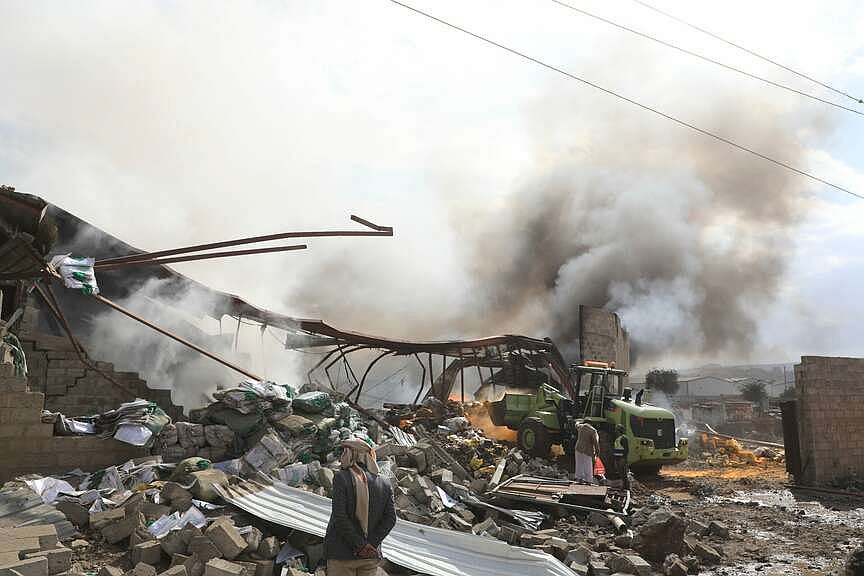
From 24 to 27 November, reporting described repeated Israeli strikes in Gaza, including the deaths of Hamas security figures Naim Abu Nahel and Mohammed Abu al-Ouf, and the reported killing of Hamas official Khaled Abu Nada. The latest AP account attributes 10 Palestinian deaths to five strikes and a shooting; a separate 27 November strike targeted the son of Hamas leader Khalil al-Hayya, but his death has not been confirmed. In Lebanon, reports described Israeli strikes in the western Bekaa and at several locations in the south on 26 and 27 November. The reporting supports continued Israeli strike activity, but does not establish that Hezbollah has begun a sustained response. A separate report describes differing Israeli views on striking Iran, while saying the US administration has not decided on an attack.
Change from previous assessment
Since the 26 November brief, the assessment that Gaza's ceasefire will remain under acute strain is unchanged, but new reporting describes 10 Palestinians killed across five strikes and a shooting, and an additional 27 November strike targeting the son of Hamas leader Khalil al-Hayya. The son’s fate remains unconfirmed. The latest toll differs from the prior brief's eight-to-nine figure; different reporting windows may account for the difference. New reports of Israeli strikes at Ain al-Tineh and several southern Lebanese locations raise confidence that Israeli strike activity is continuing in Lebanon, from low to medium, but do not establish a Hezbollah response or raise the likelihood of sustained high-intensity war above unlikely. The prior meningitis judgment is not carried forward because this reporting window provides no new meningitis figures; the new humanitarian judgment concerns child nutrition and specialist-care access. No settled prior forecast outcomes were provided for calibration.
Key judgments
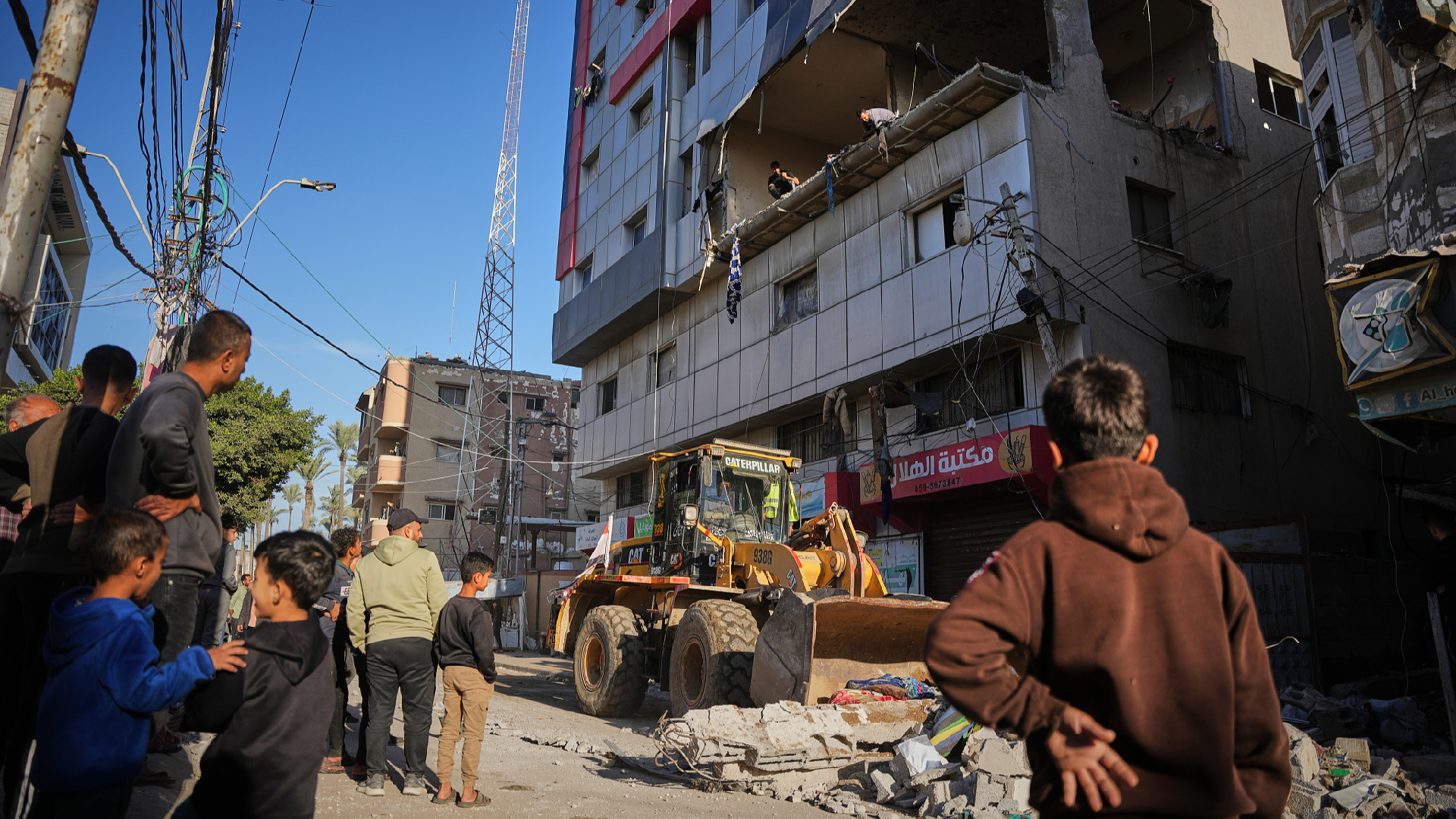
- The Gaza ceasefire is very likely to remain under acute strain through 11 December 2026. Reporting describes near-daily Israeli strikes despite the ceasefire in effect since October 2025. Hospital officials told AP that five strikes and a shooting killed 10 Palestinians on or around 26 November. Israeli officials confirmed the deaths of Khaled Abu Nada on 26 November and Mohammed Abu al-Ouf on 25 November; separate reporting said an Israeli strike killed Naim Abu Nahel on 24 November. On 27 November, the IDF struck in Gaza City targeting the last surviving son of Hamas leader Khalil al-Hayya, but reporting said it was not known whether he was killed. The latest AP toll is higher than the eight-to-nine figure in the prior brief; the reports may cover different time periods, so this is not a verified correction. Confidence is medium: multiple major media and wire reports corroborate the pattern and named deaths, while casualty totals and some target details remain unsettled. (Confidence: medium · ASSESSED)
- I&W: Hospital officials or wire-service reporting record another Israeli strike or shooting with Palestinian fatalities in Gaza. (0-14 days)
- I&W: Seven consecutive days pass with no Israeli strike or gunfire reported by Gaza hospitals or the Israeli military. (0-14 days)
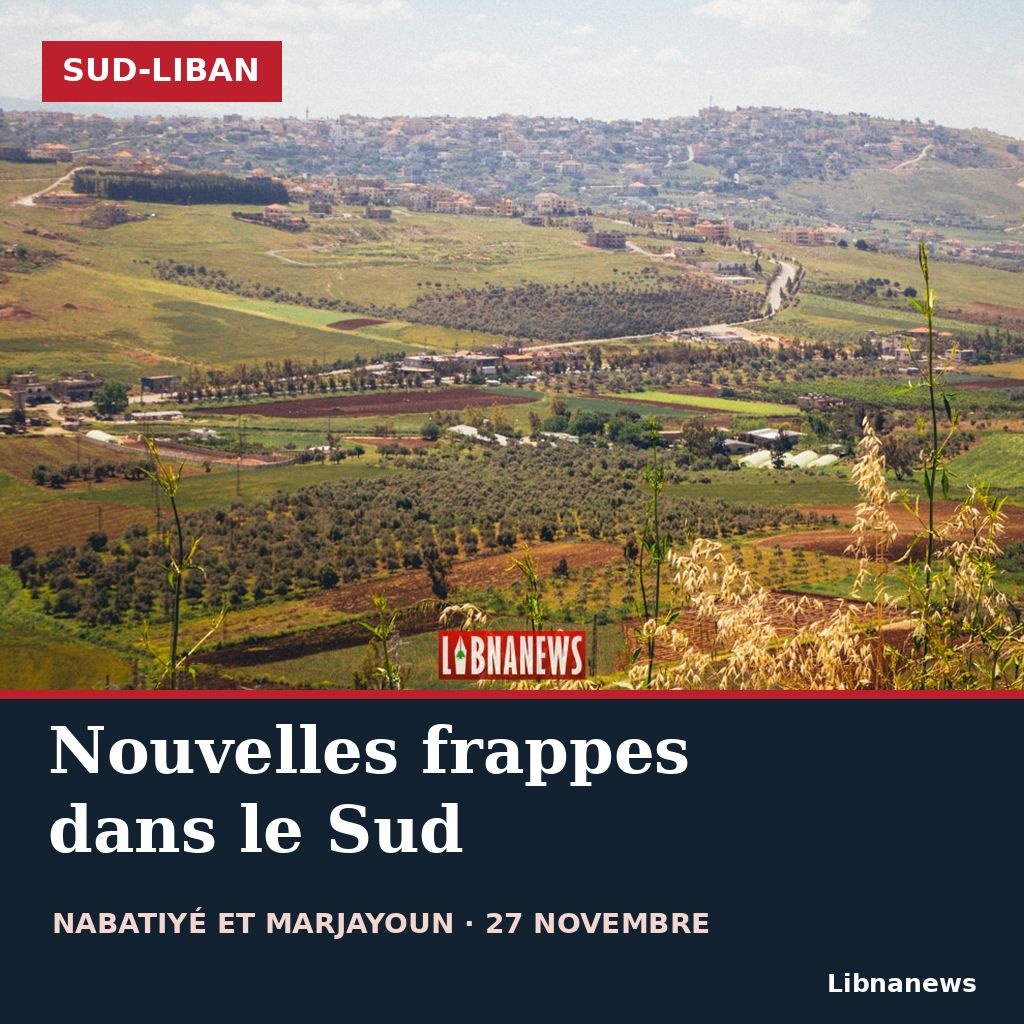
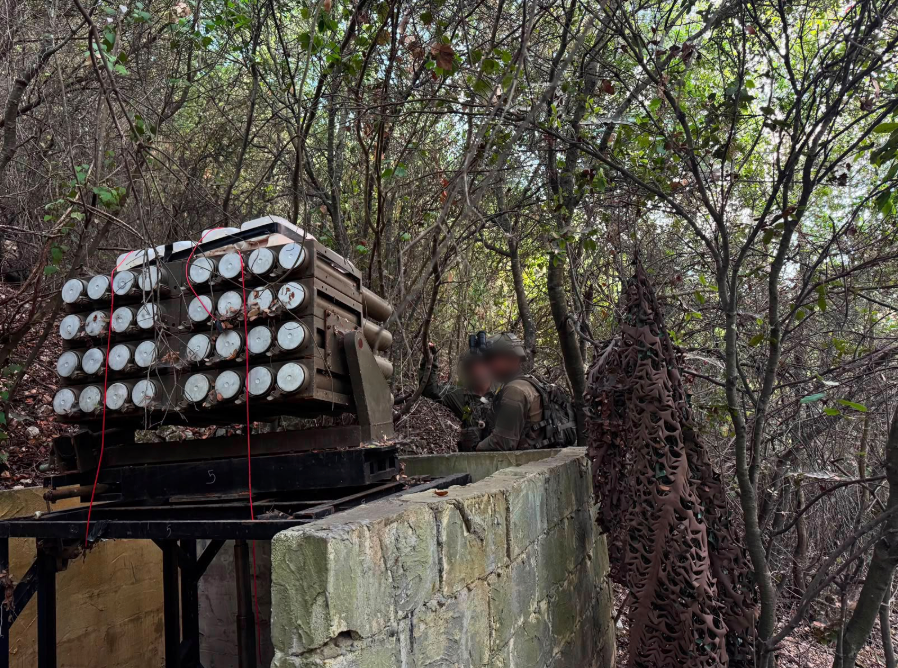
- Israeli strikes in Lebanon are likely to continue through 11 December, while a sustained high-intensity Israel-Hezbollah conflict is unlikely through 27 December. Reports from Lebanese media and the Israeli military describe strikes on 26 and 27 November, including at Ain al-Tineh in the western Bekaa and around Kfar Tebnit, Zoutar al-Charkiyé and Qantara in southern Lebanon. The IDF said it struck rockets and launch positions at a Hezbollah Radwan Force training camp; other reporting places the site at Ain al-Tineh, although one account labels it southern Lebanon. Lebanese reporting said no casualty toll was confirmed for the 27 November strikes. The reporting corroborates strike activity, not the IDF's account of the target or a Hezbollah decision to retaliate. Confidence is medium because the strike reports come from multiple outlets, but the target location is inconsistent and the supplied reporting gives no clear evidence of a sustained Hezbollah response. (Confidence: medium · ASSESSED)
- I&W: Lebanon's National News Agency reports another Israeli airstrike or artillery attack at Ain al-Tineh, Qantara, Kfar Tebnit, Zebqine or another named Lebanese location. (0-14 days)
- I&W: Hezbollah publicly claims a cross-border attack on Israeli forces, followed by an Israeli announcement of a broad operation or mobilisation. (0-30 days)
- Gaza's child-nutrition and specialist-care constraints are likely to remain severe through December. A 27 November report described estimated average food consumption of about 1,000 calories per person per day, up to 30-40 children with growth problems attending a Nasser Hospital clinic session, and the absence of growth-hormone stimulation tests in Ministry of Health laboratories. UNICEF survey results from May and June 2026 provide an older baseline of 12.2 per cent stunting among children under five and 22.4 per cent of children aged six to 23 months receiving a minimum acceptable diet. Confidence is medium: the current figures come mainly from one Al Jazeera report and interviews, while the UNICEF figures are several months old and do not establish the current prevalence. (Confidence: medium · ASSESSED)
- I&W: Nasser Hospital reporting continues to record 30 or more children with growth problems in a single clinic session. (0-1 month)
- I&W: A new UNICEF or Gaza health-authority survey records stunting below the June 2026 level of 12.2 per cent and a minimum acceptable diet rate above 22.4 per cent for children aged six to 23 months. (1-3 months)
- An Israeli unilateral strike on Iran in the next 30 days is unlikely, but remains a high-impact contingency. One report, relaying Israeli media coverage, describes a disagreement between Mossad chief Roman Gofman, who reportedly supports a unilateral strike if necessary, and IDF Chief of Staff Eyal Zamir, who reportedly does not consider the threat imminent and prefers to await a US decision. The same reporting says the Trump administration has not decided on an attack. This judgment rests on a single reported account of internal deliberations and is not independently corroborated; confidence is low. (Confidence: low · ASSESSED)
- I&W: The Israeli government announces a decision to strike Iran or publicly confirms a rise in military readiness for that purpose. (0-30 days)
- I&W: Israeli officials publicly rule out unilateral action and state that readiness for an Iran strike remains lowered for 30 consecutive days. (0-30 days)
Outlook & scenarios
Continued bounded strikes (55%)
Likely. Israeli forces continue strikes in Gaza and Lebanon, keeping the Gaza ceasefire under strain and the Lebanon framework stalled, without a sustained Israel-Hezbollah exchange or an Israeli strike on Iran.
Gaza ceasefire rupture and wider Lebanon exchange (25%)
Unlikely. Further Israeli strikes and Palestinian fatalities lead Hamas to resume attacks, while Hezbollah responds to Israeli operations in Lebanon. Repeated exchanges widen beyond isolated strikes and raise pressure on the Lebanon framework.
Israel acts against Iran (10%)
Very unlikely, but high impact. Israeli leaders authorise a unilateral strike on Iran despite the reported preference within the IDF leadership to await a US decision. The strike expands the regional confrontation and increases pressure on the existing Gaza and Lebanon ceasefires.
Reduced strike activity (10%)
Very unlikely on the current reporting. Israeli strike activity in Gaza and Lebanon falls for an extended period, and the Gaza ceasefire operates with fewer reported breaches. The supplied reporting does not identify a specific agreement or decision that would produce this outcome.
Recommendations
- Maintain a daily Gaza incident log that separates strike locations, reported civilian deaths, named Hamas targets and claims of target identity. Record hospital-reported figures separately from Israeli military statements, and flag changes in reporting windows before treating a new total as a correction.
- Track Lebanon reports by locality, separating confirmed strike occurrence from claims about targets. Resolve the Ain al-Tineh location discrepancy before using the Radwan Force strike as evidence of activity in southern Lebanon.
- Monitor for publicly claimed Hezbollah attacks and Israeli announcements of mobilisation or a broad operation. Treat either as a reason to reassess the current low likelihood of sustained high-intensity conflict.
- Treat the report of Israeli deliberations over Iran as an uncorroborated warning signal, not evidence that a strike decision has been made. Update the assessment only if Israeli or US officials announce a decision or a clear readiness change.
- Seek fresh UNICEF or Gaza health-authority nutrition data before extending the current child-health assessment beyond December. Compare new results with the June 2026 survey baseline and the reported Nasser Hospital clinic figures.
Confidence & uncertainty
Overall confidence is high for the core reported events because major media and wire-service accounts corroborate repeated Israeli strikes in Gaza, named Hamas deaths and the reported 10-person toll; Lebanese reporting and Israeli statements also support the occurrence of strikes in Lebanon. Confidence is lower for forecasts and for claims about strike targets, casualty totals, Hezbollah intentions and Israeli deliberations on Iran. The Iran assessment relies on a single report, and the current Gaza nutrition figures are concentrated in one publication.
Alternative analysis (red cell)
The available reporting does not support a confident estimate that unilateral Israeli action is unlikely within 30 days. Claims ba33a93d-1b52-44b4-ade5-8c51611667ad and c51fa566-d67d-49c4-a8fa-9874e24010f9 indicate both internal disagreement and possible action in the coming weeks, while offering no independent basis to resolve the competing interpretations. The better-supported assessment is that the probability is indeterminate on the present evidence, with unilateral action remaining a credible contingency rather than a directionally unlikely one.
Intelligence gaps
- [EEI 1.1 · UNCOVERED] Number, type and geolocated coordinates of projectiles (rockets, mortars, anti-tank guided missiles) fired from Lebanon into Israel in the last 24/72 hours, including time-stamped launch and impact locations. Recommended collection: signals/intel
- [EEI 1.2 · UNCOVERED] Satellite or aerial imagery showing movement, concentration, or forward displacement of Hezbollah-associated military assets (armored vehicles, artillery pieces, mobile rocket launchers, logistics convoys) to positions within 0-10 km of the Israel-Lebanon border. Recommended collection: satellite/imagery
- [EEI 1.3 · UNCOVERED] Intercepted or captured Hezbollah command-and-control communications or orders explicitly directing cross-border operations or coordinated strikes with Palestinian groups (time-stamped messages, unit identifiers, orders to fire/move). Recommended collection: signals/intel
- [EEI 1.4 · UNCOVERED] Observable changes in Israeli northern-front posture within Israel (numbers and types of reinforcements deployed to northern brigades, activation of reserves, air defense redeployments, evacuation orders or shelter alerts in northern towns), including timestamps and unit IDs where available. Recommended collection: human/intel
- [EEI 2.1 · UNCOVERED] Official or corroborated reports of IDF reservist mobilization and unit-level deployment orders (number of reservists called, named brigades/units ordered to deploy, deployment timelines). Recommended collection: open-source/media
- [EEI 2.2 · UNCOVERED] Satellite or ground imagery showing concentrations of IDF heavy equipment (tanks, infantry fighting vehicles, engineering vehicles), staging areas, field hospitals or forward supply dumps within X km of the Gaza border and at known crossing points. Recommended collection: satellite/imagery
- [EEI 2.3 · PARTIAL] Change in strike patterns consistent with pre-ground-attack shaping: sustained high-frequency airstrikes on tunnel networks, command nodes, coastal launch sites, and known insurgent concentrations (strike counts, munition types, locations, times). Recommended collection: open-source/media
- [EEI 2.4 · UNCOVERED] Logistics indicators: verified convoys of fuel/ammunition entering staging areas, establishment of forward logistics or medical bases, or documented requisitioning orders for bulk combat supplies with timestamps and quantities. Recommended collection: human/intel
- [EEI 3.1 · PARTIAL] Number, participants and content of diplomatic contacts or negotiation sessions in the last 48 hours involving mediators (Egypt, Qatar, US, UN), including any proposed ceasefire text, prisoner/exchange lists, timelines or verification mechanisms. Recommended collection: diplomatic
- [EEI 3.2 · PARTIAL] Public statements, press releases or verified communiqués from Hamas and other Gaza armed groups specifying acceptance, rejection, or conditions for a ceasefire (explicit conditions such as prisoner release lists, withdrawal terms, lifting of blockades), with timestamps and speaker attribution. Recommended collection: open-source/media
- [EEI 3.3 · UNCOVERED] Humanitarian indicators relevant to ceasefire: establishment and operation of agreed humanitarian corridors/checkpoints, number of aid deliveries admitted, civilian evacuations completed, and NGO/hospital reports of access denials or safe-passage violations. Recommended collection: humanitarian/NGO reports
- [EEI 3.4 · PARTIAL] Operational evidence of a de facto pause: verified sustained reduction (e.g., ≥12 hours) in strikes or launches from either side in specific sectors, supported by strike/impact logs, radar tracks and incident reports. Recommended collection: open-source/media
Red cell review: PARTIAL DISSENT
TLP:CLEAR