TLP:CLEAR · Disclosure is not limited.
Israel-Gaza Regional Escalation: Situation Report
Time window: Last 7 days · Audience: General analyst · Type: Situation report · DTG: 2026-11-24 13:13Z · Overall confidence: HIGH
BLUF
The Gaza ceasefire is deteriorating in practice: Israeli strikes on 23 and 24 November killed Palestinians and Hamas internal security chief Naeem Abu Nahel, while Israeli forces control around two-thirds of Gaza. Continued localised violence and health-system pressure are the main near-term risks; sustained high-intensity Israel-Hezbollah fighting remains unlikely, but reporting on southern Lebanon and UNIFIL’s withdrawal timetable is uncertain.
Executive summary
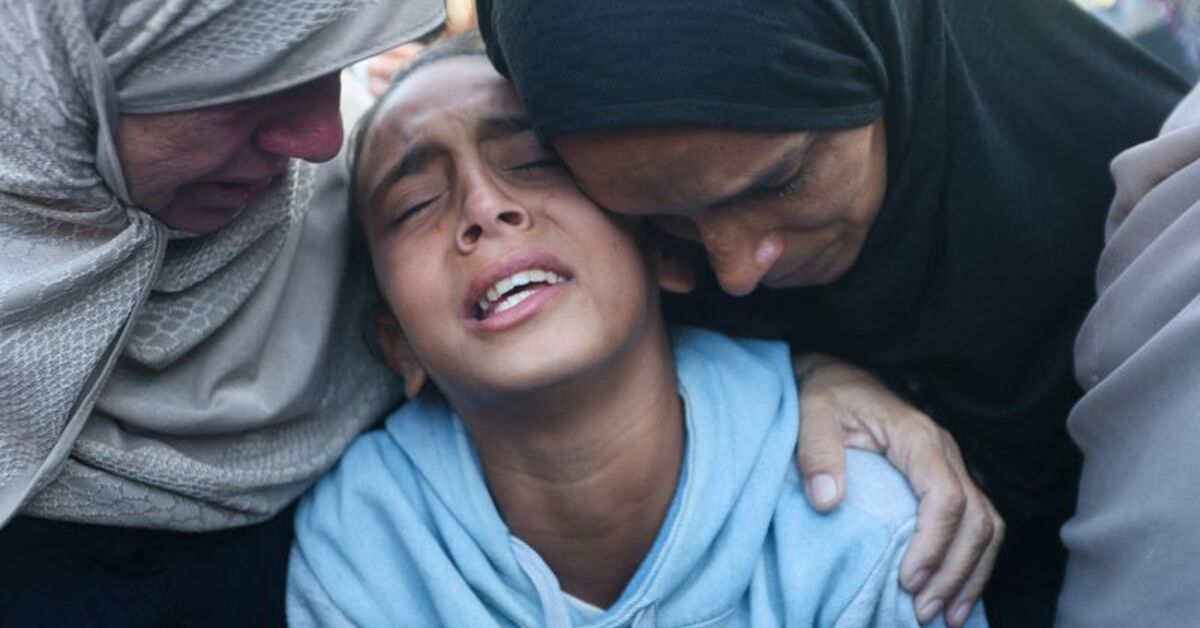
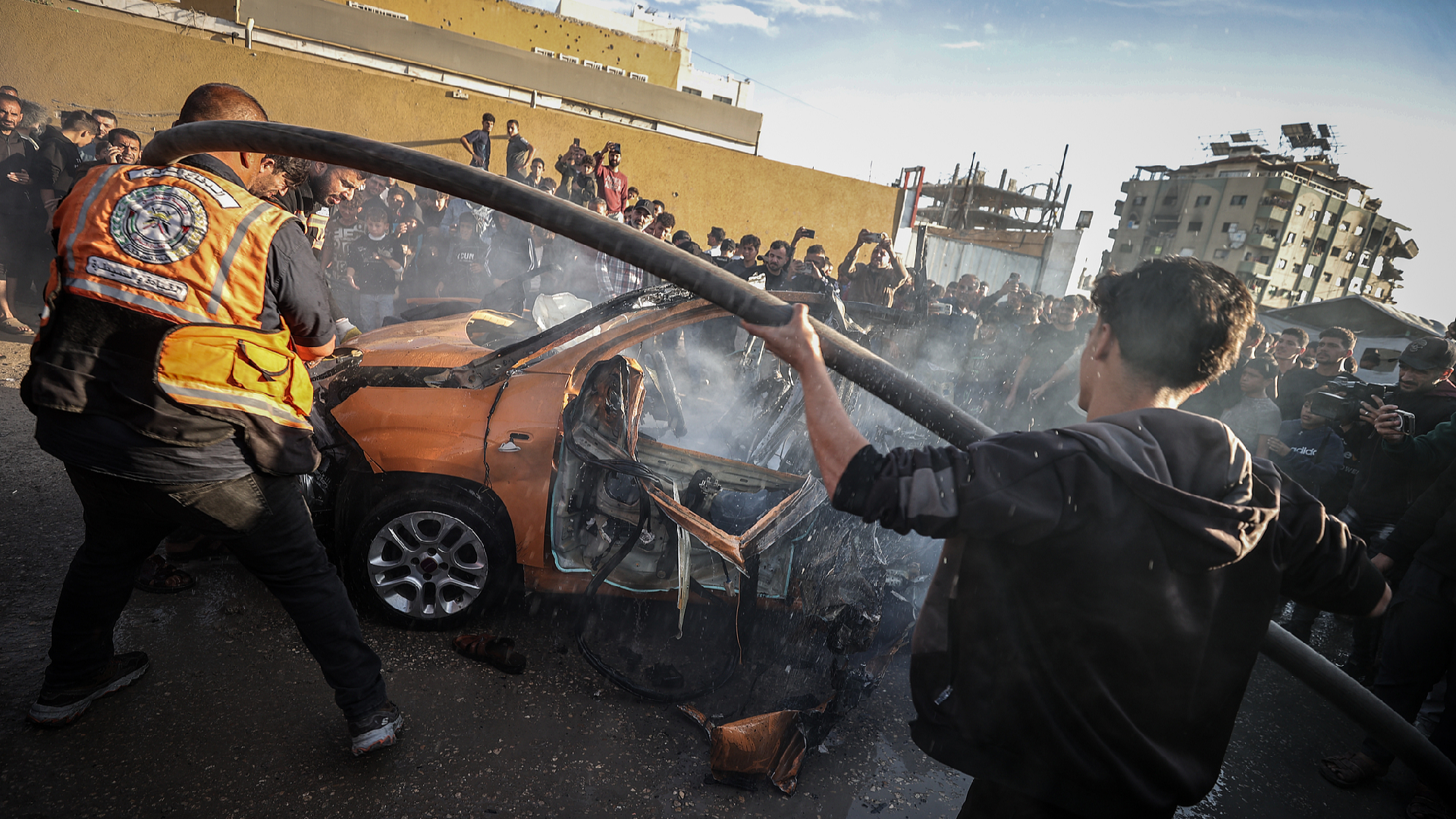
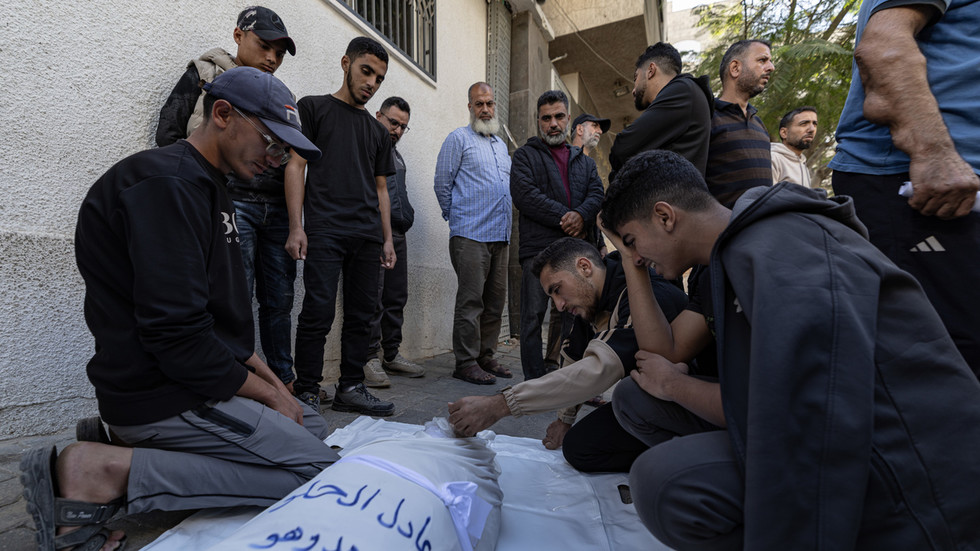
Reports from 23 and 24 November describe Israeli strikes in Gaza City, Jabalia, Wadi Gaza and Khan Younis, including the killing of Hamas internal security chief Naeem Abu Nahel. Reports differ on the total killed in strikes on 24 November, with figures of six and at least seven. Gaza health officials report 1,679 deaths and 6,100 injuries since the ceasefire took effect on 10 October 2025; separate reporting cites at least 1,600 Palestinian deaths and five Israeli soldiers killed, based on the respective sides’ tallies. Israeli forces are reported to control around two-thirds of Gaza. Gaza’s Health Ministry has issued a meningitis alert across the Strip amid rising cases and reported shortages of medicines and medical supplies. In southern Lebanon, reports describe continued Israeli military activity, but some locality-specific accounts are undated and not independently corroborated. UNIFIL’s reported departure schedule is also disputed: one account says withdrawal begins on 1 January 2027, while another says complete withdrawal is scheduled for the end of 2027.
Change from previous assessment
Since the 23 November brief, new reporting confirms Israeli strikes in Gaza on 23 and 24 November, including the killing of Hamas internal security chief Naeem Abu Nahel, and adds a Gaza-wide meningitis alert with reported shortages of medicines and medical supplies. Reporting on UNIFIL now presents conflicting withdrawal timelines, lowering confidence in the prior discussion of its mandate deadline. The prior assessment that sustained high-intensity Israel-Hezbollah fighting is unlikely remains unchanged, with low confidence; the 30-day forecast has not matured, so there is no settled outcome against which to recalibrate it.
Key judgments
- The Gaza ceasefire is very likely to remain under acute strain through 8 December. Israeli strikes reported on 23 and 24 November, including the killing of Naeem Abu Nahel and strikes in Gaza City, Wadi Gaza and Khan Younis, show that the ceasefire has not stopped military activity. Major-media and wire-service reporting corroborates the incidents, but accounts differ on the 24 November death toll and on the status of some victims. (Confidence: medium · ASSESSED)
- I&W: A further Israeli strike causing casualties in Gaza City, Jabalia, Wadi Gaza or Khan Younis is reported by major media or local medical officials. (0-14 days)
- I&W: No Israeli strike causing casualties is reported across Gaza for 14 consecutive days, alongside a Qatari public statement that ceasefire implementation is advancing. (0-14 days)
- Gaza is likely to remain under acute health-service pressure from meningitis through January 2027. The Health Ministry has declared an early epidemic alert across the Strip; reported figures include 1,790 cases and 15 deaths since the start of 2026, as well as 108 bacterial cases in October and about 100 more since the start of November. Health officials also report medicines awaiting permission to enter, shortages of medical supplies and limited laboratory testing. The figures come chiefly from Gaza health authorities, and reporting differs on the classification and attribution of some case totals. (Confidence: medium · ASSESSED)
- I&W: Gaza Health Ministry updates report rising meningitis cases or deaths, or continued shortages of antibiotics, laboratory supplies or isolation rooms. (0-2 months)
- I&W: Health officials report that medical supplies have entered Gaza and subsequent case or death reports show a sustained decline. (0-2 months)
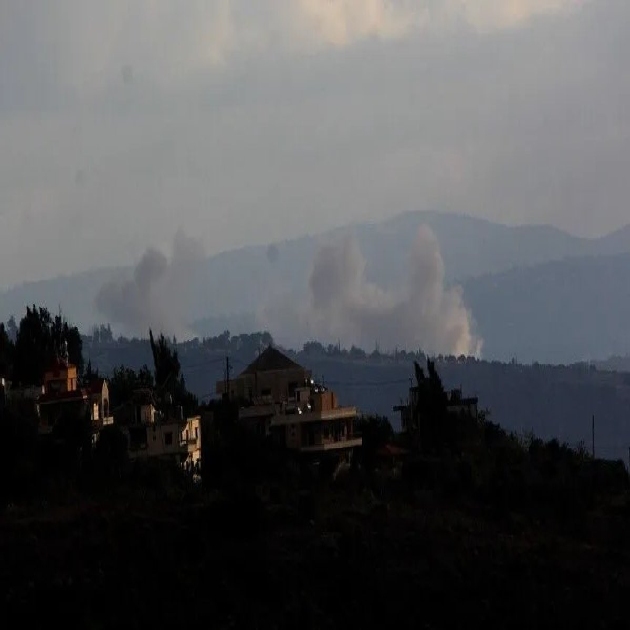
- Israeli military activity in southern Lebanon is likely to continue through 24 December, but confidence is low on its location and tempo. The IDF has described ongoing occasional operations in Lebanon, and UNIFIL reports ongoing Israeli operations. Separate local reports name strikes or fire near Kefr Tebnit, Scout City, Zavtar esh-Sharqiyyeh, Mayfadoun, Tulin, Kantara, Beit Yahoun, Baraachit, Haddatha, Mansouri and Majdal Zoun. Those locality-specific reports are undated or lack independent corroboration. (Confidence: low · ASSESSED)
- I&W: A further strike or artillery incident in a named southern Lebanon locality is reported by an independent outlet or by UNIFIL. (0-30 days)
- I&W: No Israeli strike or firing incident in the named localities is reported through 24 December, and the IDF states that its occasional operations in Lebanon have stopped. (0-30 days)
- Sustained high-intensity Israel-Hezbollah fighting is unlikely over the next 30 days, but confidence remains low. Israeli Defence Minister Israel Katz has threatened occupation of additional territory in the event of escalation, and Israeli officials have reported Hezbollah weapons stockpiles and efforts to rebuild capabilities, particularly its drone arsenal. The capability claims are based on Israeli briefings and have not been independently verified in the supplied reporting; the reporting does not establish Hezbollah’s intent to broaden the fighting. (Confidence: low · ASSESSED)
- I&W: Hezbollah launches multiple cross-border attacks, or an attack attributed to Hezbollah causes casualties in Israel. (0-30 days)
- I&W: Israel announces or begins a new ground manoeuvre north of the Blue Line or occupation of additional Lebanese territory. (0-30 days)
- The supplied reporting does not establish a reliable UNIFIL withdrawal date. One account says the force will remain operational through 31 December 2026 and begin withdrawal on 1 January 2027; another says its complete withdrawal is scheduled for the end of 2027. UNIFIL has also warned of a possible security vacuum and reported that no positions have yet been transferred to Lebanese authorities or the military. Confidence is low because the accounts materially conflict. (Confidence: low · REPORTED)
- I&W: UNIFIL or the UN Security Council publishes an authoritative timetable clarifying the mandate end date and whether withdrawal begins in January 2027 or later. (0-6 weeks)
- I&W: UNIFIL confirms transfer of at least one position to the Lebanese authorities or military. (0-6 weeks)
Outlook & scenarios
Continued Gaza ceasefire erosion with contained Lebanon friction (65%)
Likely. Israeli strikes continue in Gaza without a return to sustained high-intensity Israel-Hezbollah fighting. Gaza’s health services remain under pressure as meningitis cases and supply constraints persist. Israeli activity in southern Lebanon continues, while uncertainty over UNIFIL’s departure timetable complicates local security planning.
A temporary reduction in attacks (25%)
Unlikely, but plausible. Qatar’s continued mediation and contacts with regional partners support renewed efforts to reduce escalation. A pause in Israeli strikes and improved access for medical supplies would ease immediate pressure, but the supplied reporting does not show that the ceasefire’s underlying disputes have been resolved.
High-impact cross-border escalation (10%)
Unlikely and high impact. Fighting expands between Israel and Hezbollah, with Hezbollah attacks prompting Israeli military action beyond the reported pattern of local operations. Israel Katz’s stated readiness to occupy additional territory raises the stakes. If UNIFIL begins withdrawing before positions are transferred, southern Lebanon also faces the security vacuum that UNIFIL has warned about.
Recommendations
- For the next reporting cycle, reconcile the 24 November Gaza casualty count across medical officials, Gaza authorities and Israeli statements. Distinguish the Jabalia death from the strikes reported in Wadi Gaza and Khan Younis rather than presenting one unqualified total.
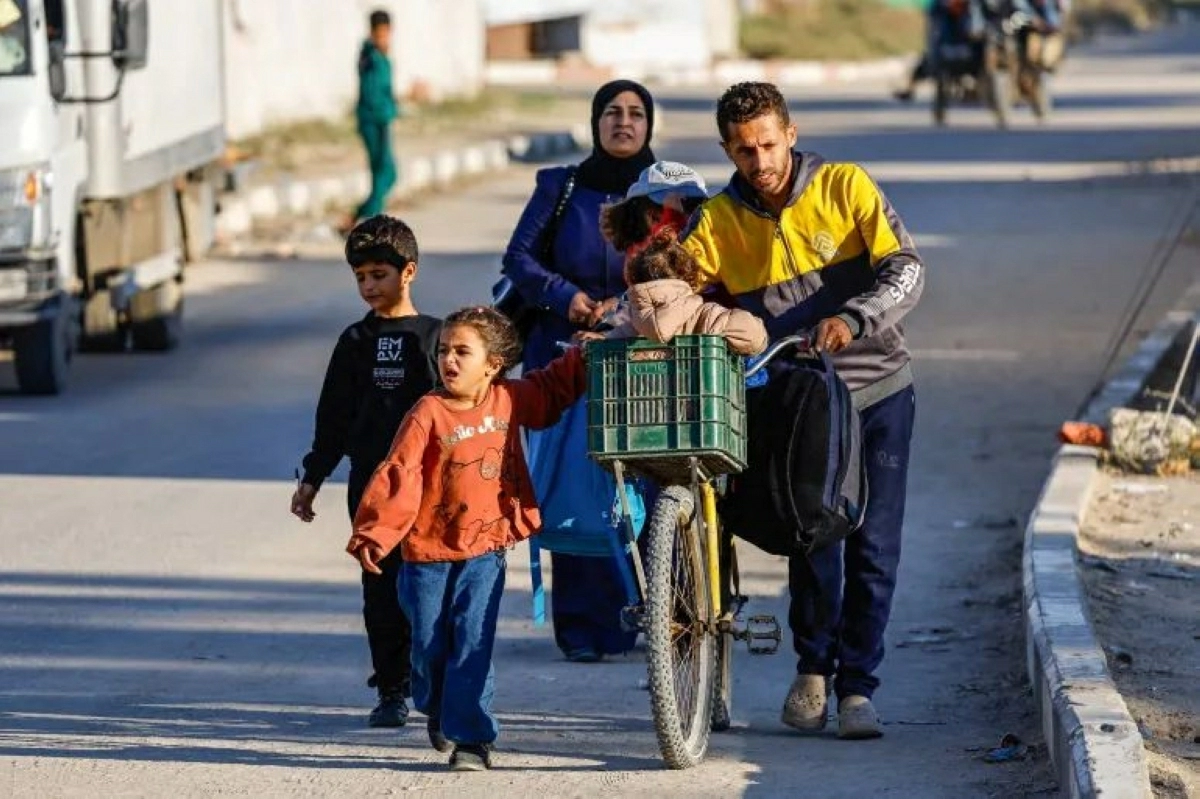
- Track Gaza meningitis cases, deaths and laboratory capacity separately from reported requests for supplies. Verify whether antibiotics, laboratory materials, medical fabrics and fuel have entered Gaza and whether case trends change afterwards.
- Use Qatar’s stated mediation role as a channel for seeking specific ceasefire implementation measures and incident follow-up, rather than treating public statements of mediation as evidence that violence is declining.
- Verify reports of Israeli activity in southern Lebanon with UNIFIL or a second independent outlet before treating undated locality reports as confirmed incidents or as evidence of a change in operational tempo.
- Seek authoritative clarification from UNIFIL or the UN Security Council on the mandate and withdrawal dates before using either reported timetable in planning. Track transfers of UNIFIL positions to Lebanese authorities as a practical indicator of transition.
- Maintain separate warning indicators for local Israeli operations in Lebanon and sustained Israel-Hezbollah fighting. Do not treat Israeli statements about possible occupation or Israeli briefings on Hezbollah’s capabilities as proof that either side has decided to escalate.
Confidence & uncertainty
Overall confidence is high for the central situation picture. BBC, Reuters wire reporting and other major-media accounts corroborate the 24 November Gaza strikes and the killing of Naeem Abu Nahel, while multiple major-media reports describe the ceasefire casualty toll and Israeli territorial control. Confidence is lower for the exact casualty breakdown, meningitis classifications and denominators, undated southern Lebanon incidents, and UNIFIL’s conflicting withdrawal timelines. The headline confidence reflects corroboration of the main developments, not equal confidence in every forecast.
Intelligence gaps
- [EEI 1.1 · UNCOVERED] Number, type and geolocated coordinates of projectiles (rockets, mortars, anti-tank guided missiles) fired from Lebanon into Israel in the last 24/72 hours, including time-stamped launch and impact locations. Recommended collection: signals/intel
- [EEI 1.2 · UNCOVERED] Satellite or aerial imagery showing movement, concentration, or forward displacement of Hezbollah-associated military assets (armored vehicles, artillery pieces, mobile rocket launchers, logistics convoys) to positions within 0-10 km of the Israel-Lebanon border. Recommended collection: satellite/imagery
- [EEI 1.3 · UNCOVERED] Intercepted or captured Hezbollah command-and-control communications or orders explicitly directing cross-border operations or coordinated strikes with Palestinian groups (time-stamped messages, unit identifiers, orders to fire/move). Recommended collection: signals/intel
- [EEI 1.4 · UNCOVERED] Observable changes in Israeli northern-front posture within Israel (numbers and types of reinforcements deployed to northern brigades, activation of reserves, air defense redeployments, evacuation orders or shelter alerts in northern towns), including timestamps and unit IDs where available. Recommended collection: human/intel
- [EEI 2.1 · UNCOVERED] Official or corroborated reports of IDF reservist mobilization and unit-level deployment orders (number of reservists called, named brigades/units ordered to deploy, deployment timelines). Recommended collection: open-source/media
- [EEI 2.2 · UNCOVERED] Satellite or ground imagery showing concentrations of IDF heavy equipment (tanks, infantry fighting vehicles, engineering vehicles), staging areas, field hospitals or forward supply dumps within X km of the Gaza border and at known crossing points. Recommended collection: satellite/imagery
- [EEI 2.3 · PARTIAL] Change in strike patterns consistent with pre-ground-attack shaping: sustained high-frequency airstrikes on tunnel networks, command nodes, coastal launch sites, and known insurgent concentrations (strike counts, munition types, locations, times). Recommended collection: open-source/media
- [EEI 2.4 · UNCOVERED] Logistics indicators: verified convoys of fuel/ammunition entering staging areas, establishment of forward logistics or medical bases, or documented requisitioning orders for bulk combat supplies with timestamps and quantities. Recommended collection: human/intel
- [EEI 3.1 · UNCOVERED] Number, participants and content of diplomatic contacts or negotiation sessions in the last 48 hours involving mediators (Egypt, Qatar, US, UN), including any proposed ceasefire text, prisoner/exchange lists, timelines or verification mechanisms. Recommended collection: diplomatic
- [EEI 3.2 · PARTIAL] Public statements, press releases or verified communiqués from Hamas and other Gaza armed groups specifying acceptance, rejection, or conditions for a ceasefire (explicit conditions such as prisoner release lists, withdrawal terms, lifting of blockades), with timestamps and speaker attribution. Recommended collection: open-source/media
- [EEI 3.3 · PARTIAL] Humanitarian indicators relevant to ceasefire: establishment and operation of agreed humanitarian corridors/checkpoints, number of aid deliveries admitted, civilian evacuations completed, and NGO/hospital reports of access denials or safe-passage violations. Recommended collection: humanitarian/NGO reports
- [EEI 3.4 · PARTIAL] Operational evidence of a de facto pause: verified sustained reduction (e.g., ≥12 hours) in strikes or launches from either side in specific sectors, supported by strike/impact logs, radar tracks and incident reports. Recommended collection: open-source/media
Red cell review: CONCUR WITH COMMENT
TLP:CLEAR