TLP:CLEAR · Disclosure is not limited.
Israel-Gaza Regional Escalation: West Bank Violence and Lebanon Threats
Time window: Last 7 days · Audience: General analyst · Type: Situation report · DTG: 2026-10-18 13:10Z · Overall confidence: HIGH
BLUF
The clearest new development is the reported 17 October attack near Taybeh on a European diplomatic delegation, including an assault on French mayor Bernard Baudoux and damage to a Belgian consular vehicle. Israeli officials differ over how the incident unfolded, while European governments are demanding accountability. Separately, Israel’s defence minister has threatened broader action in southern Lebanon if Hezbollah joins an Iranian attack on Israel.
Executive summary
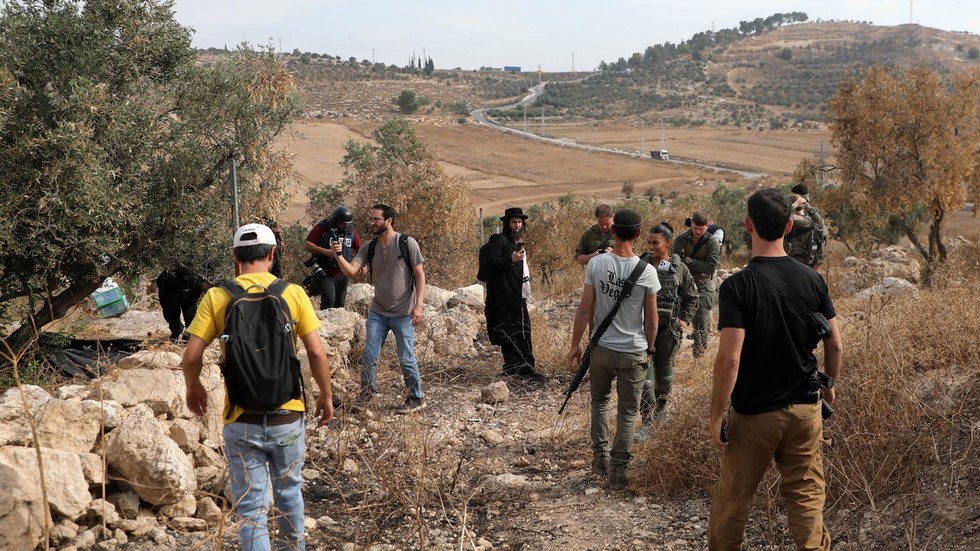
Reporting describes repeated settler attacks on Palestinian olive harvesters in the West Bank, including the Taybeh incident and a separate attack near Abu Falah in which Washington Post photographer Heidi Levine was reportedly injured. Israel’s foreign minister condemned the Taybeh violence and said an investigation had begun; the prime minister’s office questioned accounts of the attack and also announced an investigation. In Gaza, a UK government statement says more than 8,000 shelter kits remain outside the territory and relays a reported average of four deaths per day since the ceasefire, including more than 300 children. Those casualty figures are not independently verified in the supplied reporting. In southern Lebanon, Israel has reported continued operations and strikes, while Defence Minister Israel Katz has made conditional threats against Hezbollah and areas near Nabatieh, the Litani River and Beirut’s southern suburbs.
Change from previous assessment
Since the 17 October brief, reporting adds the 17 October Taybeh attack on European diplomats, the reported assault on Bernard Baudoux, damage to a Belgian consular vehicle, and public condemnation from European officials. This raises the diplomatic salience of West Bank settler violence, while leaving responsibility and the incident sequence contested. The Lebanon assessment now includes Katz’s conditional ground-operation and territorial-expansion threats, alongside reporting of four Israeli strikes on 13 October. The supplied claims add no fresh, independently verified account of Israeli strikes in Gaza, so the prior Gaza ceasefire assessment is not materially revised. The prior Iran-strike assessment is not updated because the current claims provide no direct reporting on an imminent US or Israeli strike on Iran.
Key judgments
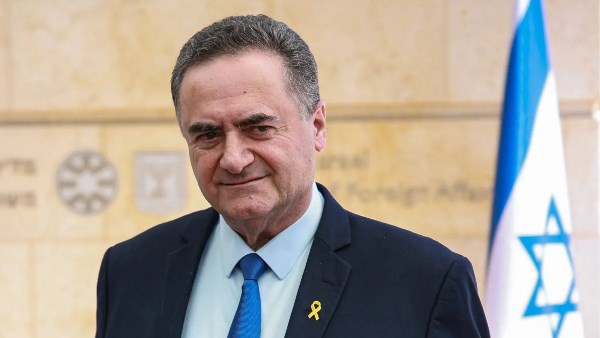
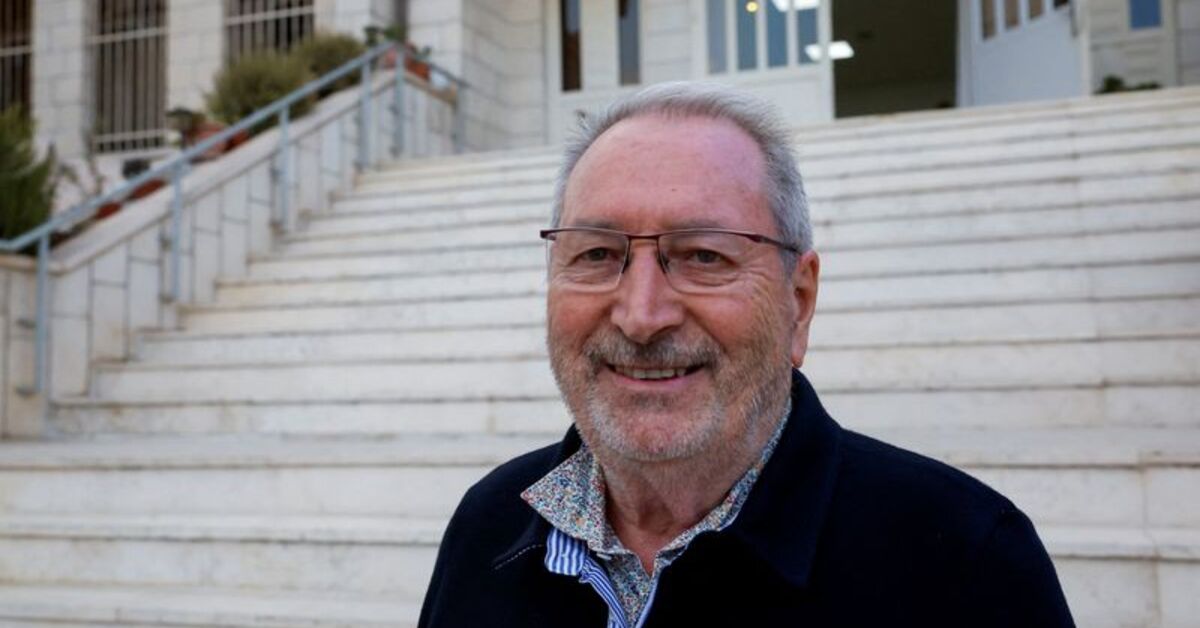
- Israeli settlers very likely attacked a European diplomatic convoy near Taybeh on 17 October, but the sequence of events and individual responsibility remain disputed. Multiple major-media reports and Belgian authorities describe settlers surrounding vehicles carrying Belgian, French and Polish diplomats and Catholic Church representatives; French mayor Bernard Baudoux said he was kicked and beaten with iron bars, and a Belgian consular vehicle’s window was broken. Israel’s Foreign Minister Gideon Sa’ar condemned the violence and said an investigation had begun. The Israel Defense Forces said its preliminary inquiry found no soldiers at the scene. Netanyahu’s office questioned the accounts and said police and forensic investigators were establishing the facts. (Confidence: medium · REPORTED)
- I&W: Confirm: Israeli police publish forensic findings, identify suspects, or announce arrests or charges linked to the Taybeh incident. (0-14 days)
- I&W: Break: Israeli investigators publish evidence that materially contradicts the reported assault or damage, and Belgian or French authorities revise their accounts. (0-14 days)
- Settler violence against Palestinian olive harvesters is likely to continue during the current harvest. The UN recorded 51 settler attacks in one week in September, and reporting describes near-daily attacks on harvesters around Taybeh as well as a separate attack near Abu Falah involving Palestinian farmers and Washington Post photographer Heidi Levine. The reported incidents support a continuing risk, but the supplied material does not provide a complete, independently verified count for the current harvest. (Confidence: medium · ASSESSED)
- I&W: Confirm: UN weekly reporting records at least 50 settler attacks in any one week before the olive harvest ends. (0-6 weeks)
- I&W: Break: UN or other named reporting records no attacks on olive harvesters for two consecutive weeks. (0-6 weeks)
- Israel is likely to maintain military pressure in southern Lebanon over the coming months. Reporting describes four Israeli strikes there on 13 October and continuing operations despite understandings announced in June. Defence Minister Israel Katz said Israeli forces were ready for a ground operation if Hezbollah joins an attack on Israel, and threatened action affecting Nabatieh, the Litani area and Beirut’s southern suburbs. His statements describe a conditional response, not a decision to launch a ground operation. (Confidence: medium · ASSESSED)
- I&W: Confirm: reporting records additional Israeli strikes in southern Lebanon or a documented extension of Israeli positions toward Nabatieh or the Litani area. (0-3 months)
- I&W: Break: Israel announces a withdrawal from its positions in southern Lebanon and no further strikes are reported there for 30 days. (0-3 months)
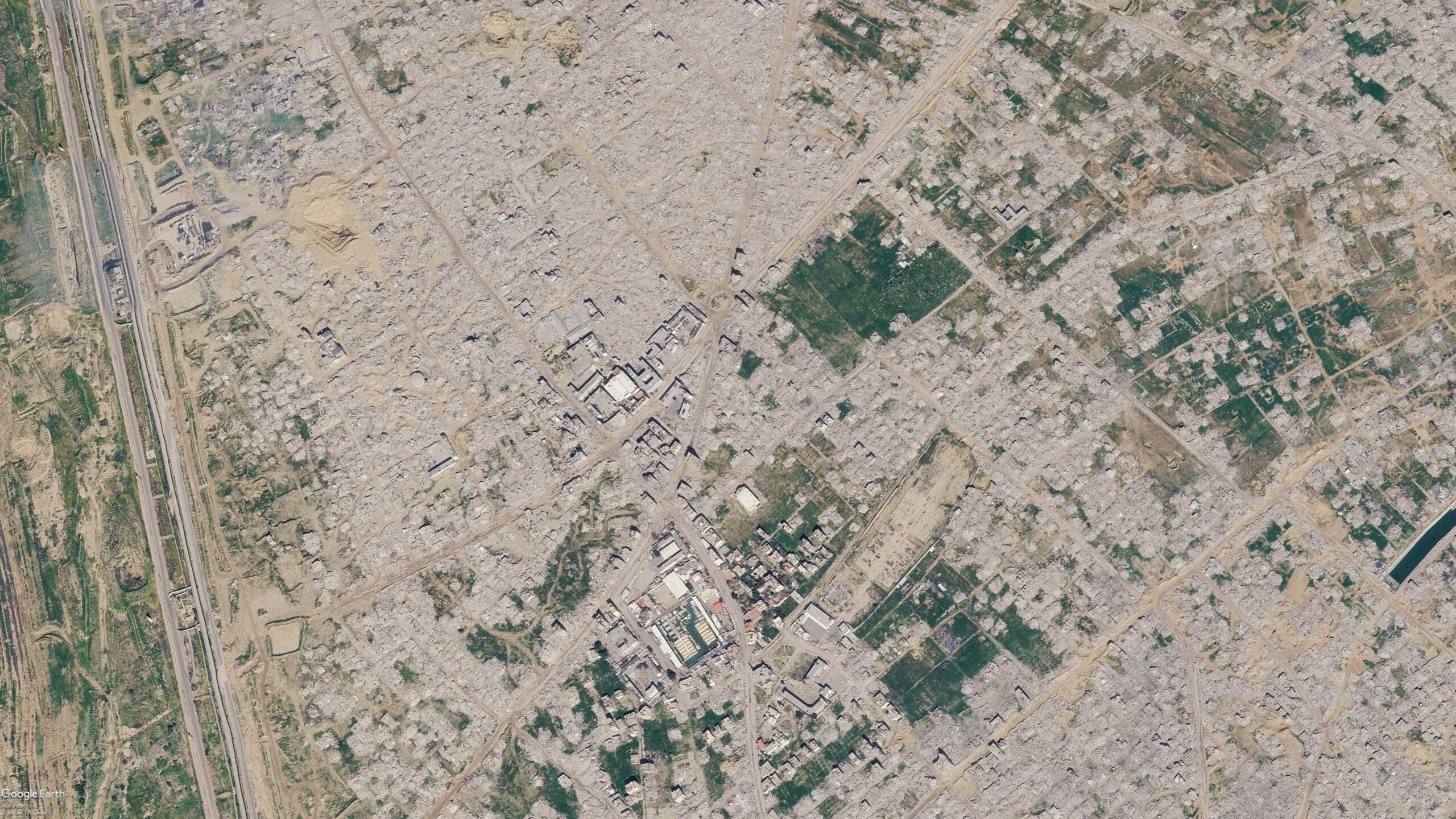
- Humanitarian pressure in Gaza is likely to remain acute in the coming weeks. A UK government statement reports that more than 8,000 emergency shelter kits pre-positioned outside Gaza remain denied entry. The same statement relays an average of four people killed per day since the ceasefire, including more than 300 children, while UN data reported through an NGO puts damage to Gaza’s structures at about 82 per cent. The casualty average is not independently verified in the supplied material. (Confidence: medium · ASSESSED)
- I&W: Confirm: the UK continues to report that more than 8,000 shelter kits are held outside Gaza, or Gaza health reporting maintains an average of at least four deaths per day over a further 14-day period. (0-14 days)
- I&W: Break: the UK or UN reports that the held shelter kits have entered Gaza and that access restrictions on these supplies have been lifted. (0-14 days)
- European demands for accountability over West Bank settler violence are likely to persist, although the supplied reporting does not establish that EU sanctions will be adopted. The EU has demanded accountability and preventive measures; Belgium says it will press for EU sanctions against those responsible, while France and Poland have called for Israeli action. These statements follow the reported assault on European diplomats and the French mayor in Taybeh. (Confidence: medium · ASSESSED)
- I&W: Confirm: Belgium tables or publicly advances a formal EU sanctions proposal, or the EU announces a formal accountability measure tied to settler violence. (0-3 months)
- I&W: Break: Belgium withdraws its stated sanctions initiative and EU or national officials cease calling for accountability after the Israeli investigation concludes. (0-3 months)
Outlook & scenarios
Continued pressure without regional expansion (60%)
The current pattern persists: settler attacks continue during the West Bank olive harvest, European officials press Israel for accountability, Gaza shelter access remains constrained, and Israeli operations in southern Lebanon continue. Hezbollah does not join an Iranian attack on Israel, so Katz’s conditional ground-operation threats remain unimplemented.
Taybeh inquiry deepens the diplomatic dispute (30%)
The Israeli investigation produces findings that differ from accounts issued by European officials or media. Netanyahu’s office gains support for its challenge to the reported sequence, while Belgium and other European governments maintain pressure over accountability. A formal EU sanctions decision does not follow.
Conditional Lebanon escalation (10%)
In a low-probability, high-impact scenario, Hezbollah joins an Iranian attack on Israel. Israel carries out the ground operation Katz has threatened, expands its security zone toward Nabatieh and the Litani area, and orders evacuation of Beirut’s southern suburbs. Katz has warned that escalation could displace more than one million people in Lebanon.
Recommendations
- For the next 14 days, maintain a separate Taybeh incident timeline. Record the Israeli police investigation, any forensic findings, named suspects, arrests, and updates from Belgian and French authorities. Keep the reported occurrence of violence distinct from unresolved questions about sequence and responsibility.
- Track weekly UN reporting on West Bank settler attacks through the olive harvest. Log attacks by named village, including Taybeh and Abu Falah, and distinguish assaults on harvesters from damage to trees or property.
- Monitor reported Israeli strikes and troop positions in southern Lebanon, with specific attention to Nabatieh and the Litani area. Record any Hezbollah entry into an Iranian attack separately from Israeli statements describing a conditional response.
- Track whether the 8,000-plus shelter kits enter Gaza and record the source and reporting period for casualty figures. Do not treat satellite thermal detections as proof of strikes or their cause.
Confidence & uncertainty
Overall confidence is high in the core reporting picture because multiple major-media accounts and statements from Belgian, EU and Israeli officials converge on the Taybeh incident, while separate reporting supports the West Bank harvest attacks and Katz’s public threats concerning southern Lebanon. Confidence in details remains lower: Netanyahu’s office disputes the Taybeh accounts, individual responsibility is unresolved, and Gaza casualty figures are relayed reporting rather than an independently verified count in the supplied material.
Intelligence gaps
- [EEI 1.1 · UNCOVERED] Number, type and geolocated coordinates of projectiles (rockets, mortars, anti-tank guided missiles) fired from Lebanon into Israel in the last 24/72 hours, including time-stamped launch and impact locations. Recommended collection: signals/intel
- [EEI 1.2 · UNCOVERED] Satellite or aerial imagery showing movement, concentration, or forward displacement of Hezbollah-associated military assets (armored vehicles, artillery pieces, mobile rocket launchers, logistics convoys) to positions within 0-10 km of the Israel-Lebanon border. Recommended collection: satellite/imagery
- [EEI 1.3 · UNCOVERED] Intercepted or captured Hezbollah command-and-control communications or orders explicitly directing cross-border operations or coordinated strikes with Palestinian groups (time-stamped messages, unit identifiers, orders to fire/move). Recommended collection: signals/intel
- [EEI 1.4 · PARTIAL] Observable changes in Israeli northern-front posture within Israel (numbers and types of reinforcements deployed to northern brigades, activation of reserves, air defense redeployments, evacuation orders or shelter alerts in northern towns), including timestamps and unit IDs where available. Recommended collection: human/intel
- [EEI 2.1 · UNCOVERED] Official or corroborated reports of IDF reservist mobilization and unit-level deployment orders (number of reservists called, named brigades/units ordered to deploy, deployment timelines). Recommended collection: open-source/media
- [EEI 2.2 · UNCOVERED] Satellite or ground imagery showing concentrations of IDF heavy equipment (tanks, infantry fighting vehicles, engineering vehicles), staging areas, field hospitals or forward supply dumps within X km of the Gaza border and at known crossing points. Recommended collection: satellite/imagery
- [EEI 2.3 · UNCOVERED] Change in strike patterns consistent with pre-ground-attack shaping: sustained high-frequency airstrikes on tunnel networks, command nodes, coastal launch sites, and known insurgent concentrations (strike counts, munition types, locations, times). Recommended collection: open-source/media
- [EEI 2.4 · UNCOVERED] Logistics indicators: verified convoys of fuel/ammunition entering staging areas, establishment of forward logistics or medical bases, or documented requisitioning orders for bulk combat supplies with timestamps and quantities. Recommended collection: human/intel
- [EEI 3.1 · UNCOVERED] Number, participants and content of diplomatic contacts or negotiation sessions in the last 48 hours involving mediators (Egypt, Qatar, US, UN), including any proposed ceasefire text, prisoner/exchange lists, timelines or verification mechanisms. Recommended collection: diplomatic
- [EEI 3.2 · UNCOVERED] Public statements, press releases or verified communiqués from Hamas and other Gaza armed groups specifying acceptance, rejection, or conditions for a ceasefire (explicit conditions such as prisoner release lists, withdrawal terms, lifting of blockades), with timestamps and speaker attribution. Recommended collection: open-source/media
- [EEI 3.3 · PARTIAL] Humanitarian indicators relevant to ceasefire: establishment and operation of agreed humanitarian corridors/checkpoints, number of aid deliveries admitted, civilian evacuations completed, and NGO/hospital reports of access denials or safe-passage violations. Recommended collection: humanitarian/NGO reports
- [EEI 3.4 · PARTIAL] Operational evidence of a de facto pause: verified sustained reduction (e.g., ≥12 hours) in strikes or launches from either side in specific sectors, supported by strike/impact logs, radar tracks and incident reports. Recommended collection: open-source/media
Red cell review: CONCUR WITH COMMENT
TLP:CLEAR