TLP:CLEAR · Disclosure is not limited.
Israel-Lebanon clashes persist despite ceasefire talk; Gaza combat and Hormuz threats continue
Time window: Last 7 days · Audience: General analyst · Type: Situation report · DTG: 2026-06-13 13:14Z · Overall confidence: MEDIUM
BLUF
Cross-border fighting between the IDF and Hezbollah persisted this week around Tyre, Nabatieh and along the Blue Line despite multiple ceasefire frameworks, with reported civilian casualties and displacement orders. Tehran says a US-Iran memorandum will end the fight in Lebanon and require an Israeli pullback, which Israel publicly rejects, keeping escalation risk high while Gaza operations and maritime threats in Hormuz continue.
Executive summary
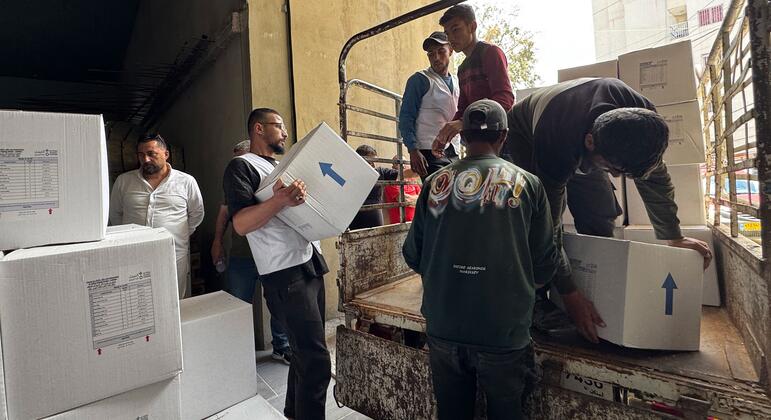
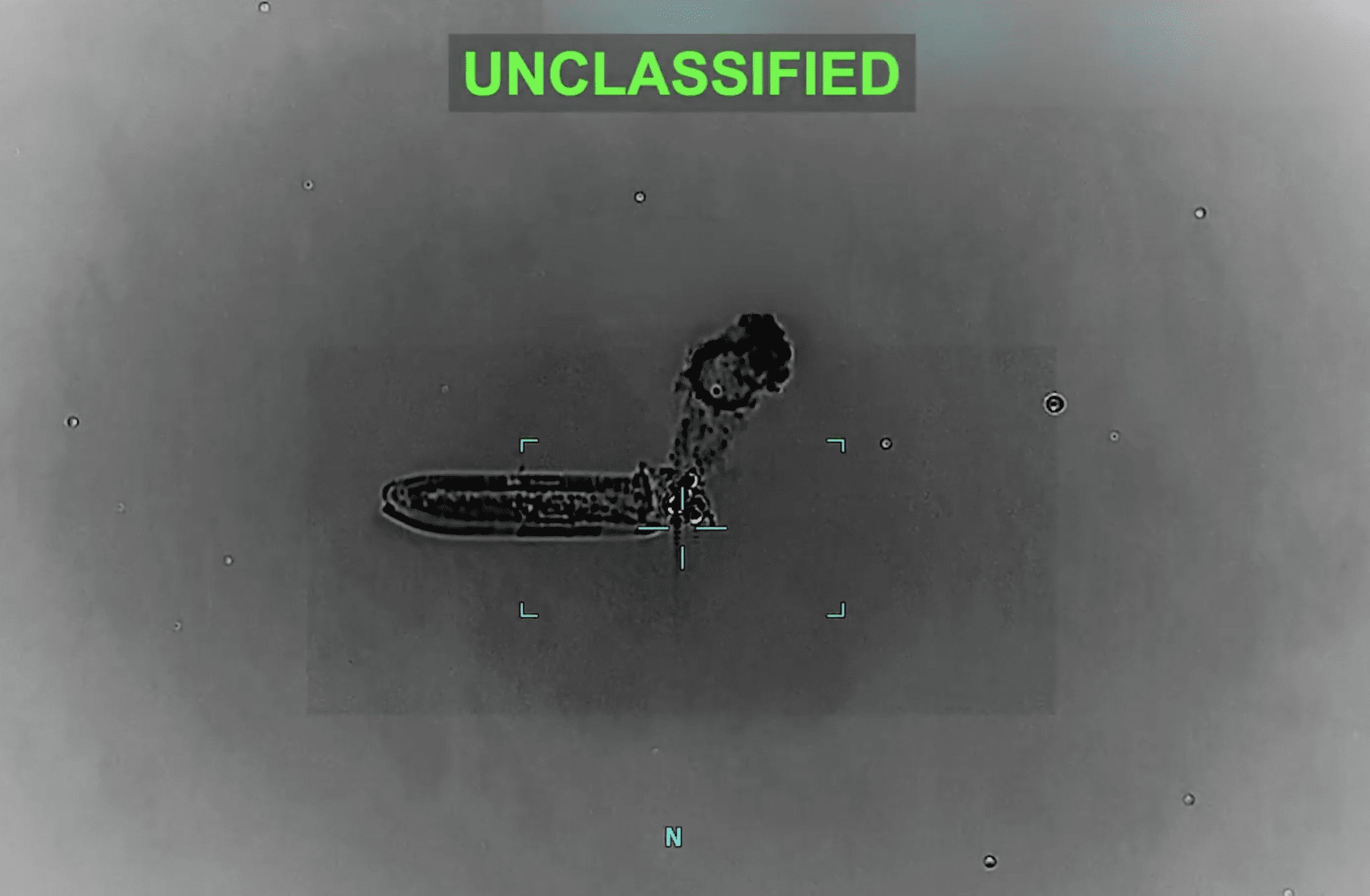
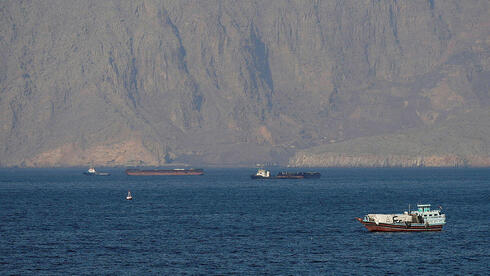
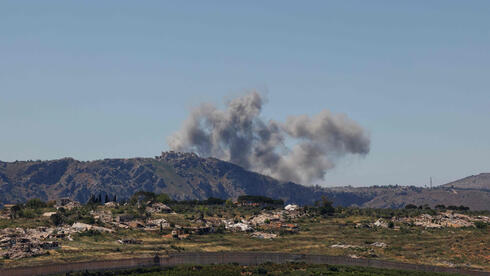
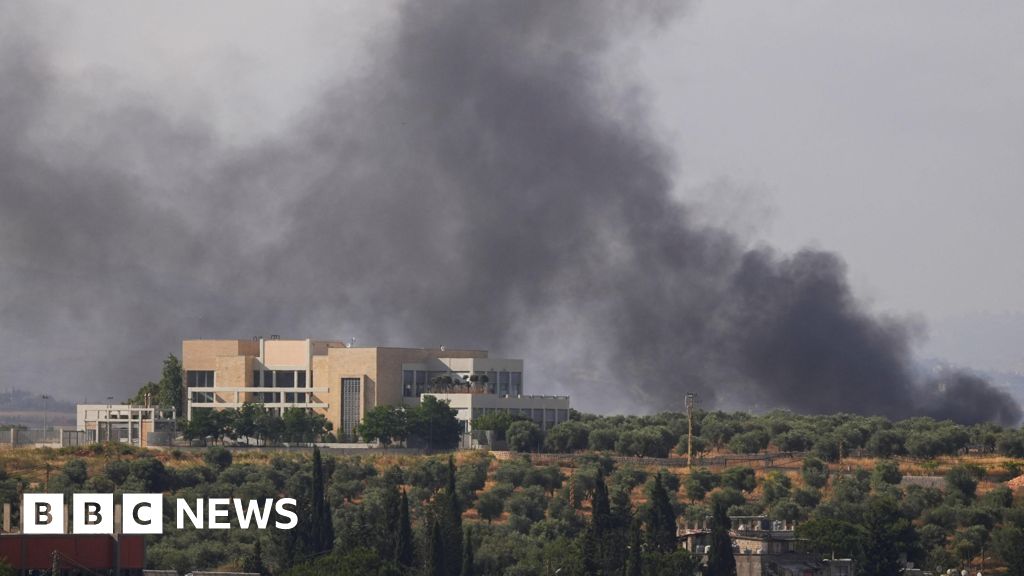
The IDF reported striking about 310 Hezbollah sites in southern Lebanon and killing around 80 fighters, while UNIFIL logged 72 airspace violations and eight airstrikes in its area of operations and peacekeepers recorded 531 trajectories, mostly from Israeli positions south of the Blue Line. Hezbollah drones triggered sirens in Metula and a drone exploded in northern Israel as Israeli shelling and air raids continued; at least five were reported killed in southern Lebanon, with additional fatalities in Nabatieh and the mayor of Ar-Rihan killed. Hospital impacts are mounting, with 17 hospitals damaged since March and a strike near Tyre’s Hiram Hospital injuring 10 staff; humanitarian partners report over 182,000 people in Lebanon have received relief. In Gaza, the IDF said it killed over 20 fighters during tunnel operations focused on Khan Yunis; NASA recorded 50 thermal detections over 12-13 June, and the IDF captured over 50 suspects in the West Bank. Diplomatically, Iranian Foreign Minister Abbas Araghchi said a US-Iran agreement would end the conflict in Lebanon and include an Israeli withdrawal, but Israel’s defence leadership said it would not withdraw; the next Israel-Lebanon talks are expected on 22 June. In the Gulf, the IMO has verified 46 attacks on shipping since 28 February with 14 seafarers confirmed dead; CENTCOM reported intercepting Iranian drones attempting to strike commercial vessels transiting the Strait of Hormuz.
Change from previous assessment
Since the 12 June brief, reported IDF activity escalated in southern Lebanon, including claims of about 310 Hezbollah sites struck and around 80 fighters killed, alongside Hezbollah drone incursions that triggered sirens and a detonation in northern Israel. Lebanese reporting cited new fatalities, a mayor killed in Jezzine and repeated hospital impacts, while humanitarian relief figures were updated. In Gaza, 50 NASA thermal detections coincided with IDF reports of over 20 fighters killed and over 50 arrests in the West Bank. Diplomatically, Iran’s foreign minister publicly tied a near-term US-Iran framework to ending the Lebanon fight and to an Israeli withdrawal, which Israel’s defence leadership publicly rejected; the next Israel-Lebanon talks are expected on 22 June. In the maritime domain, CENTCOM reported intercepting Iranian drones targeting shipping near Hormuz as shipping-industry and IMO figures confirmed continued attacks and fatalities. Assessments were adjusted to reflect the elevated northern tempo, the explicit Iran-Israel signalling on withdrawal, and persistent maritime risk.
Key judgments
- Cross-border IDF-Hezbollah hostilities are very likely to persist at an elevated tempo in the near term despite announced and renewed ceasefire frameworks, as evidenced by IDF strikes and shelling in southern Lebanon, Hezbollah drone incursions that triggered sirens and an explosion in northern Israel, and UNIFIL-recorded airspace violations and trajectories this week. (Confidence: high · ASSESSED)
- I&W: UNIFIL public updates continue to log multiple airspace violations, airstrikes or cross-border trajectories comparable to those recorded this week. (0-14 days)
- I&W: A joint Israel-Lebanon communiqué after the 22 June talks announces monitored pilot zones and UNIFIL incident logs show a sustained drop. (1-3 months)
- Civilian harm in south Lebanon is likely to rise in the near term, given reports of Israeli air raids causing fatalities in Tyre and Nabatieh districts, a mayor killed in Jezzine, and repeated incidents affecting hospitals including 17 damaged since March and staff injured at Hiram Hospital. (Confidence: medium · ASSESSED)
- I&W: New WHO or UN OCHA reporting confirms additional hospital impacts in Tyre, Nabatieh or Jezzine and rising casualty tallies from Lebanon’s NNA. (0-14 days)
- I&W: Publicly announced deconfliction measures are followed by a measurable fall in NNA-reported civilian fatalities in Tyre and Nabatieh. (1-3 months)
- IDF operations in Gaza and the West Bank are very likely continuing alongside the northern front, reflected in IDF reports of over 20 fighters killed during tunnel operations focused on Khan Yunis, the capture of over 50 suspects in the West Bank, and 50 NASA FIRMS thermal detections in Gaza over 12-13 June. (Confidence: medium · ASSESSED)
- I&W: Continued daily IDF communiqués on raids or tunnel demolitions and persistent satellite thermal anomaly clusters over Gaza urban areas. (0-14 days)
- I&W: A sustained seven-day period with negligible FIRMS detections over Gaza and absence of IDF combat readouts. (0-14 days)
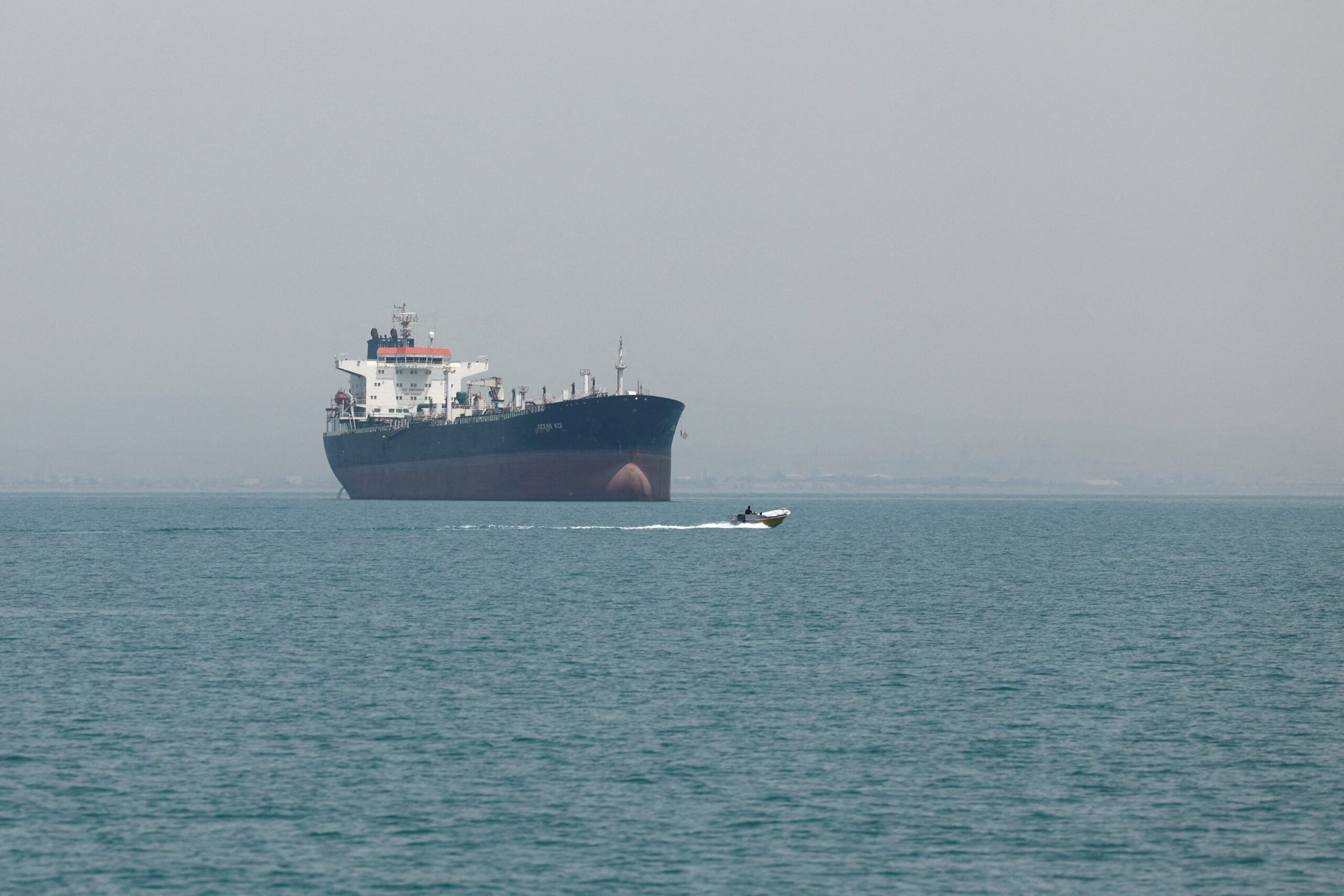
- The risk of a wider regional escalation remains high despite active diplomacy, given Iran’s 8 June ballistic missile launch at Israel, reported Israeli strikes on Iranian assets, verified attacks on shipping in and around the Strait of Hormuz with 14 seafarers killed, and U.S. interceptions of Iranian drones targeting commercial vessels. (Confidence: medium · ASSESSED)
- I&W: Another Iranian ballistic or cruise missile salvo against Israel or additional IMO-verified shipping attacks near Hormuz. (0-14 days)
- I&W: A signed US-Iran memorandum followed by an observable halt in IMO-verified maritime incidents and cross-border tit-for-tat strikes. (1-3 months)
- There is a roughly even chance that a US-Iran framework will reference ending the fight in Lebanon and an Israeli withdrawal, but Israel is very unlikely to accept externally brokered withdrawal terms in the near term, given public statements by Iran’s foreign minister and Israel’s defence leadership and the scheduling of Israel-Lebanon talks for 22 June. (Confidence: medium · ASSESSED)
- I&W: Coordinated U.S. and Iranian public readouts or a signed text explicitly tying Lebanon de-escalation to Israeli withdrawal timelines. (1-3 months)
- I&W: Israeli cabinet or defence minister statements reaffirming refusal followed by continued IDF entrenchment in named southern Lebanon security zones. (0-14 days)
Outlook & scenarios
Attrition under a shaky ceasefire persists (65%)
IDF air and artillery strikes continue against Hezbollah sites around Tyre, Nabatieh and along the Blue Line, with recurring Hezbollah drone incursions and cross-border fire. UNIFIL logs frequent airspace violations and trajectories. Civilian casualties and hospital impacts rise in southern Lebanon, displacement orders recur, and humanitarian relief scales up. Gaza and West Bank operations proceed in parallel.
US-Iran MoU delivers partial de-escalation in Lebanon, no immediate Israeli pullback (40%)
A framework referencing an end to fighting in Lebanon and steps to reopen Hormuz is announced. Cross-border fire drops, UNIFIL monitors implementation, and shipping threats begin to ease. Israel resists withdrawal language and maintains positions and strike options against perceived immediate threats. Gaza and West Bank operations continue at a lower but steady tempo.
Sharp escalation to a multi-front crisis (20%)
A high-casualty incident triggers broader Israeli strikes deeper into Lebanon, met by expanded Hezbollah drone and rocket activity. Regional tit-for-tat intensifies, with additional maritime attacks near Hormuz despite interception efforts. Diplomatic tracks stall and humanitarian needs outpace relief capacity in south Lebanon.
Recommendations
- Build a daily cross-border incident baseline by fusing UNIFIL public reports, Lebanese NNA updates and IDF communiqués to map strike, shelling and drone activity around Tyre, Nabatieh, Bint Jbeil and the Blue Line for trend detection and compliance assessment.
- Establish an indicator watch for the 22 June Israel-Lebanon talks: task collection for draft texts, mediator readouts and positions of Israeli defence leadership on withdrawal to assess acceptance risks and likely timelines.
- Automate ingestion of NASA FIRMS thermal anomaly data over Gaza and overlay with known urban areas and IDF-reported operation zones, caveating that heat indicates activity, not cause.
- Produce a consolidated maritime threat brief for Hormuz that rolls up IMO-verified incidents, CENTCOM interception reports and shipping industry warnings to support near-term routing and risk messaging.
- Track hospital impact and civilian casualty reporting in Tyre, Nabatieh and Jezzine via WHO and UN channels to inform humanitarian risk and potential protection requirements.
- Prepare decision notes outlining policy options and likely Israeli responses if a US-Iran framework explicitly conditions Lebanon de-escalation on Israeli withdrawal, using current public statements to anticipate negotiating red lines.
Confidence & uncertainty
Overall confidence is medium. Several judgments rest on multiple, reliable sources, including UN reporting and major media on current hostilities, hospital impacts and maritime incidents. Assertions on the content and timing of a US-Iran memorandum and any Israeli withdrawal are based primarily on official and media statements without a signed text, lowering confidence. Some operational and casualty figures derive from single-party claims or one-source reporting, and Wikipedia entries are used for ceasefire timelines, which warrants caution.
Alternative analysis (red cell)
The evidence set documents multiple discrete incidents and monitoring reports but contains competing ceasefire claims, medium/low admiralty items, and numeric/attribution contradictions that weaken strong projections. A more cautious assessment that emphasizes episodic tit‑for‑tat incidents, active but opaque diplomacy, and plausible containment scenarios is defensible until corroborating trend data, draft agreement text, or independent operational confirmations emerge.
Intelligence gaps
- [EEI 1.1 · UNCOVERED] Number, type and geolocated coordinates of projectiles (rockets, mortars, anti-tank guided missiles) fired from Lebanon into Israel in the last 24/72 hours, including time-stamped launch and impact locations. Recommended collection: signals/intel
- [EEI 1.2 · UNCOVERED] Satellite or aerial imagery showing movement, concentration, or forward displacement of Hezbollah-associated military assets (armored vehicles, artillery pieces, mobile rocket launchers, logistics convoys) to positions within 0–10 km of the Israel-Lebanon border. Recommended collection: satellite/imagery
- [EEI 1.3 · UNCOVERED] Intercepted or captured Hezbollah command-and-control communications or orders explicitly directing cross-border operations or coordinated strikes with Palestinian groups (time-stamped messages, unit identifiers, orders to fire/move). Recommended collection: signals/intel
- [EEI 1.4 · UNCOVERED] Observable changes in Israeli northern-front posture within Israel (numbers and types of reinforcements deployed to northern brigades, activation of reserves, air defense redeployments, evacuation orders or shelter alerts in northern towns), including timestamps and unit IDs where available. Recommended collection: human/intel
- [EEI 2.1 · UNCOVERED] Official or corroborated reports of IDF reservist mobilization and unit-level deployment orders (number of reservists called, named brigades/units ordered to deploy, deployment timelines). Recommended collection: open-source/media
- [EEI 2.2 · UNCOVERED] Satellite or ground imagery showing concentrations of IDF heavy equipment (tanks, infantry fighting vehicles, engineering vehicles), staging areas, field hospitals or forward supply dumps within X km of the Gaza border and at known crossing points. Recommended collection: satellite/imagery
- [EEI 2.3 · UNCOVERED] Change in strike patterns consistent with pre-ground-attack shaping: sustained high-frequency airstrikes on tunnel networks, command nodes, coastal launch sites, and known insurgent concentrations (strike counts, munition types, locations, times). Recommended collection: open-source/media
- [EEI 2.4 · UNCOVERED] Logistics indicators: verified convoys of fuel/ammunition entering staging areas, establishment of forward logistics or medical bases, or documented requisitioning orders for bulk combat supplies with timestamps and quantities. Recommended collection: human/intel
- [EEI 3.1 · UNCOVERED] Number, participants and content of diplomatic contacts or negotiation sessions in the last 48 hours involving mediators (Egypt, Qatar, US, UN), including any proposed ceasefire text, prisoner/exchange lists, timelines or verification mechanisms. Recommended collection: diplomatic
- [EEI 3.2 · UNCOVERED] Public statements, press releases or verified communiqués from Hamas and other Gaza armed groups specifying acceptance, rejection, or conditions for a ceasefire (explicit conditions such as prisoner release lists, withdrawal terms, lifting of blockades), with timestamps and speaker attribution. Recommended collection: open-source/media
- [EEI 3.3 · UNCOVERED] Humanitarian indicators relevant to ceasefire: establishment and operation of agreed humanitarian corridors/checkpoints, number of aid deliveries admitted, civilian evacuations completed, and NGO/hospital reports of access denials or safe-passage violations. Recommended collection: humanitarian/NGO reports
- [EEI 3.4 · UNCOVERED] Operational evidence of a de facto pause: verified sustained reduction (e.g., ≥12 hours) in strikes or launches from either side in specific sectors, supported by strike/impact logs, radar tracks and incident reports. Recommended collection: open-source/media
Cited sources
[1] jpost.com · IDF strikes over 300 Hezbollah sites, kills five Gaza terrorists, captures 50 suspects in West Bank (B) · sha256:26ade70e1406 [2] haaretz.com · Israel and Hezbollah trade fire; Iran: Lebanon truce includes IDF withdrawal (A) · sha256:c74087a9a31d [3] ynetnews.com · Drone explodes in northern Israel as Iran says Lebanon must be part of emerging deal (B) · sha256:ca6299c782c7 [4] United Nations · More strikes impact Lebanon hospitals as humanitarian situation deteriorates (A) · sha256:585c86e34e1a [5] Wikipedia · 2026 Israel–Lebanon ceasefire (B) · sha256:9f6aebd6d92b [6] Al Jazeera · Five killed as Israel hits south Lebanon, issues forced displacement orders (A) · sha256:798863a108e1 [7] NASA · NASA FIRMS thermal detections — Gaza (2d) (A) · sha256:c5ff2fc49bd0 [8] jpost.com · My Word: War, goals, and the World Cup - opinion (B) · sha256:b7c70871f4b7 [9] gcaptain.com · Shipping Industry Condemns Attacks on Seafarers as Hormuz Death Toll Reaches 14 (C) · sha256:a525c631ebca [10] United Nations · UN ‘encouraged’ by talk of possible US-Iran ceasefire deal (A) · sha256:7db395f01c47 [11] Al Jazeera · Iran war day 106: US and Iran say deal close but Lebanon fighting continues (A) · sha256:e03240d9cfc3 [12] ynetnews.com · Tensions persist as US-Iran agreement nears and drones target Israel and Hormuz shipping (B) · sha256:32b715464452 [13] bbc.com · Israel carries out air strikes on Lebanon, state media says (A) · sha256:c65cd3e9e68d [14] gcaptain.com · U.S., Iran Near Deal to Reopen Strait of Hormuz After Months of War (A) · sha256:e7fb43081c8e
Source content hashes were computed at collection time; the cited text is preserved unmodified for the life of this product.
Red cell review: PARTIAL DISSENT
TLP:CLEAR