TLP:CLEAR · Disclosure is not limited.
Jordan-Syria strikes: border reopened, key disputes unresolved
Time window: Last 1 day · Audience: General analyst · Type: Situation report · DTG: 2026-10-28 08:10Z · Overall confidence: HIGH
BLUF
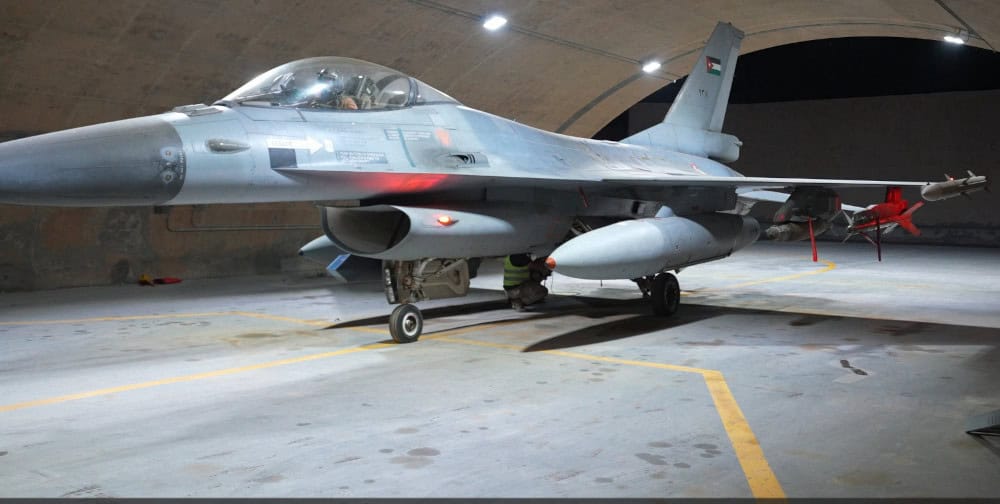
The Royal Jordanian Air Force almost certainly struck targets in southern Syria after the 23 October attack at St George’s Greek Orthodox Church in Hamoud, Karak. Jordan and Syria have reopened the Nassib crossing and agreed to a joint security committee, making near-term containment likely, but Damascus disputes Amman’s account of coordination and Syrian authorities report civilian deaths.
Executive summary
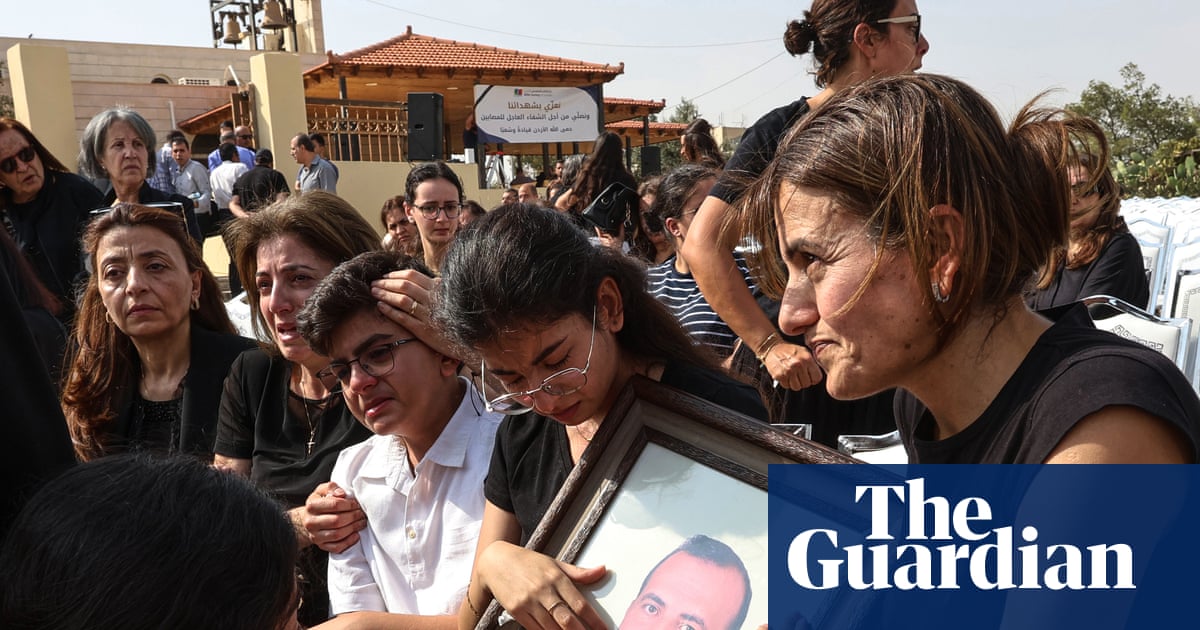
The 23 October attack at St George’s Greek Orthodox Church in Hamoud, Karak, killed nine people and wounded at least 25, with some reports giving a higher wounded total of 34. Jordanian authorities arrested three suspects. ISIL claimed responsibility in subsequent reporting, but a Jordanian security official said the attackers had no organisational ties. The Royal Jordanian Air Force struck sites in southern Syria, principally in Daraa, on or around 26 October. Jordan said the operation was coordinated with Damascus and killed more than 20 ISIL members; Syria denied prior coordination and reported seven deaths, including three children. On 28 October, Syria reopened the Nassib crossing and the two governments agreed to form a joint security committee. The reported strike date, coordination arrangements and identities of those killed remain contested.
Key judgments
- The Royal Jordanian Air Force almost certainly carried out retaliatory airstrikes in southern Syria, including Daraa countryside, on 26 October; one account dates the operation to 27 October, so the precise timing remains unsettled. Jordan described the targets as ISIL or terrorist sites, while Syria’s account disputes whether Damascus was consulted. (Confidence: high · REPORTED)
- I&W: A Jordanian Armed Forces statement or joint committee account identifies strike sites in Daraa and dates the operation to 26 October, confirming the location and timing. (0-14 days)
- I&W: A formal Jordanian or Syrian correction places the operation on 27 October or identifies a different strike area, breaking the current date or location detail. (0-14 days)
- ISIL direction of the 23 October church attack is unconfirmed; it is roughly even chance that the three arrested suspects had an organisational link to ISIL. ISIL claimed responsibility, but Jordan’s Public Security Directorate chief said the attackers were not tied to an organised group. Authorities arrested Hazzah Zaidan Mohammad Thenibat, his brother Mishal, and their relative by marriage Ahmad Sami Hussein Thenibat. (Confidence: low · ASSESSED)
- I&W: A Jordanian court filing or Public Security Directorate release presents verifiable evidence linking the three suspects to ISIL, confirming an organisational connection. (0-3 months)
- I&W: A court or official investigation concludes that the suspects acted without an organisational link, breaking the assessment that an ISIL connection remains a live possibility. (0-3 months)
- Jordanian strikes likely caused civilian deaths in Daraa: Syrian authorities reported seven people killed, including three children, and Foreign Minister Ayman Safadi expressed regret over civilian deaths. Jordan’s separate preliminary claim that more than 20 ISIL members were killed does not establish the identities of those casualties or resolve whether both groups of losses occurred. (Confidence: medium · ASSESSED)
- I&W: A Syrian civil defence casualty list or joint committee report confirms seven deaths and identifies the victims, including the reported children, supporting the civilian casualty account. (0-14 days)
- I&W: A published joint investigation revises the seven-death figure with evidence that the reported civilian deaths were not caused by the Jordanian strikes, breaking this assessment. (0-30 days)
- Jordan and Syria are likely to contain the immediate diplomatic fallout over the next one to three months, rather than resume military action. Syria reopened the Nassib crossing on 28 October, and both governments agreed to a joint security committee, although Syria continues to describe the strikes as an uncoordinated violation of its airspace. (Confidence: medium · ASSESSED)
- I&W: The joint committee meets and issues a readout describing an agreed channel for border security or operations against ISIL, confirming continued containment. (0-30 days)
- I&W: Syria closes Nassib again for more than 24 hours explicitly over the strikes, or either government reports a new cross-border military operation, breaking the containment assessment. (0-30 days)
Outlook & scenarios
Committee-led containment (72%)
Jordan and Syria are likely to use the joint security committee to manage the dispute while keeping the Nassib crossing open. Public disagreement over sovereignty and civilian casualties persists, but neither government conducts another strike during the next one to three months.
Diplomatic chill, limited practical cooperation (20%)
A prolonged diplomatic chill is unlikely but remains plausible if the committee fails to meet or cannot reconcile the competing accounts of coordination and casualties. The border remains open, while public statements and security cooperation stay constrained.
Renewed cross-border violence (8%)
A renewed Jordanian strike followed by a Syrian military response is very unlikely, but would be high impact. A fresh security incident or a breakdown in the committee process would raise this risk and could prompt another Nassib closure.
Recommendations
- Track whether the Jordan-Syria joint security committee meets, what agenda it publishes, and whether it establishes a standing channel for advance notification of operations in Daraa.
- Maintain separate reporting lines for Jordan’s claimed ISIL losses and Syria’s reported civilian deaths. Do not present either casualty account as independently verified until a named casualty list or joint investigation is available.
- Treat ISIL responsibility for the church attack as unconfirmed. Update attribution only when Jordanian investigative or court reporting provides evidence linking the arrested suspects to the group.
- Monitor Syrian customs notices and passenger and commercial traffic at Nassib. Record any closure, its stated reason and duration, and whether reopening follows a bilateral announcement.
- Reconcile the 26 and 27 October strike dates against original Jordanian and Syrian statements before using a single date in subsequent reporting.
Confidence & uncertainty
High confidence applies to the core sequence: the church attack, Jordanian airstrikes in southern Syria, a temporary Nassib closure followed by reopening, and agreement to establish a joint committee are reported across major media and statements from both governments. Confidence is lower on strike timing, prior coordination, ISIL’s role in the church attack and the identities of those killed. Casualty reporting largely reflects claims by the parties, not independent forensic verification.
Intelligence gaps
- [EEI 1.1 · UNCOVERED] Jordanian Armed Forces aircraft, drones, artillery, or ground units identified operating near or across the Jordan-Syria border after the initial strikes. Recommended collection: military activity/satellite imagery
- [EEI 1.2 · UNCOVERED] Changes in Jordanian force posture, border closures, air-defense deployments, or military alert levels along the Syria border. Recommended collection: official statements/local reporting
- [EEI 1.3 · PARTIAL] Jordanian government statements defining red lines, attribution standards, or conditions for additional strikes. Recommended collection: government statements
- [EEI 1.4 · UNCOVERED] New attacks on Jordanian territory, border personnel, security forces, or religious sites attributed to ISIS or Syria-based actors. Recommended collection: incident reporting/security services
- [EEI 2.1 · PARTIAL] ISIS claims of responsibility, threats, operational instructions, or propaganda referencing the church attack, Jordan, or the retaliatory airstrikes. Recommended collection: militant communications
- [EEI 2.4 · UNCOVERED] Attempts to move ISIS personnel, weapons, or facilitators across the Jordan-Syria border after the strikes. Recommended collection: border security reporting
- [EEI 3.1 · PARTIAL] Syrian government condemnation, military alerts, air-defense activity, or announced retaliatory measures against Jordan. Recommended collection: Syrian official statements/military reporting
- [EEI 3.2 · UNCOVERED] Military movements or operational changes by Syrian forces, Iran-aligned groups, or other armed actors near southern Syria and the Jordanian border. Recommended collection: satellite imagery/local security reporting
- [EEI 3.3 · UNCOVERED] Public or private diplomatic interventions by the United States, Russia, Gulf states, Israel, or Arab League members concerning the strikes. Recommended collection: diplomatic statements
- [EEI 3.4 · UNCOVERED] New cross-border incidents, airspace violations, rocket or drone launches, or attacks on Jordanian, Syrian, or coalition-linked positions. Recommended collection: military incident reporting
- [EEI 4.1 · UNCOVERED] Additional attacks, sectarian threats, protests, communal violence, or mobilization linked to the church attack or the airstrikes. Recommended collection: local media/social media
- [EEI 4.3 · UNCOVERED] Changes in travel advisories, embassy security measures, foreign force protection, or warnings concerning Jordan and southern Syria. Recommended collection: government advisories
Red cell review: CONCUR WITH COMMENT
TLP:CLEAR