TLP:CLEAR · Disclosure is not limited.
Lebanon ceasefire frays as Gaza strikes continue; Hormuz flows persist
Time window: Last 7 days · Audience: General analyst · Type: Situation report · DTG: 2026-06-21 13:11Z · Overall confidence: MEDIUM
BLUF
Israeli strikes in southern Lebanon continued after the reported ceasefire, with dozens killed, while Gaza saw renewed Israeli strikes including the killing of an Al Jazeera cameraman. Washington talks set for 23-25 June face headwinds as fire persists, even as commercial traffic through Hormuz continues despite Iranian warnings.
Executive summary
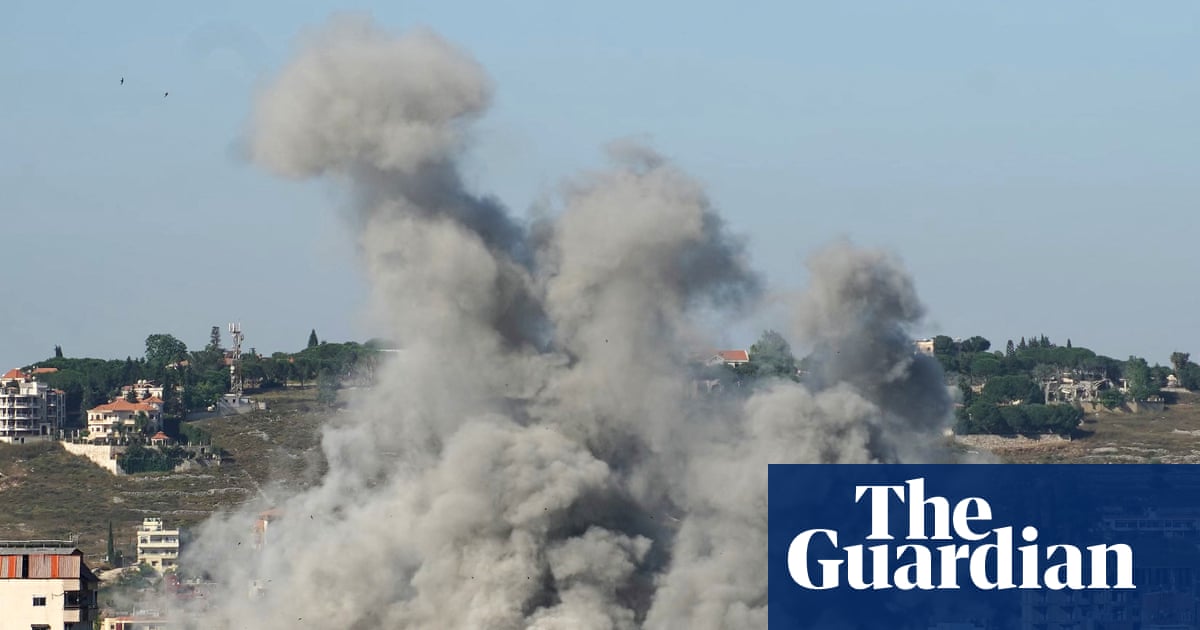
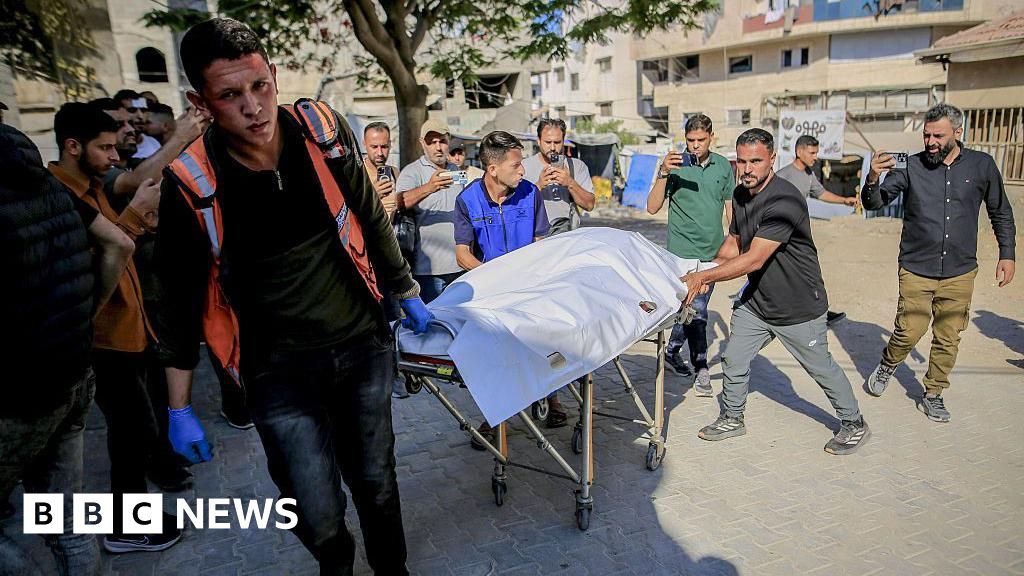
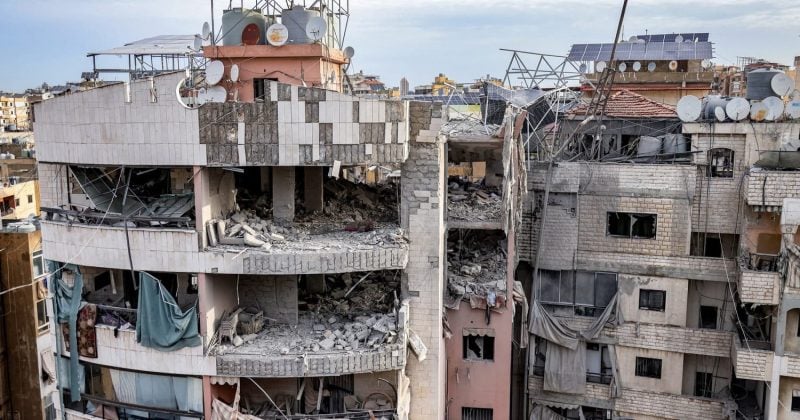
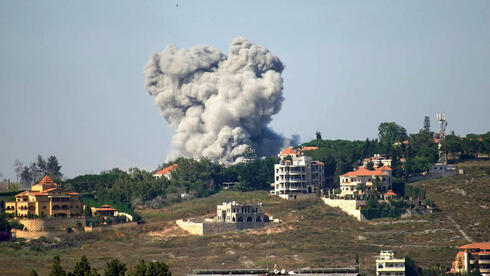
Reports indicate Israel carried out air raids and drone strikes in southern Lebanon after the ceasefire deadline, with casualty tallies ranging from at least 47 killed on Friday to 16 on Saturday and Lebanese weekend figures reaching 111. In Gaza, Israeli strikes on Saturday 20 June reportedly killed at least six people, including Al Jazeera cameraman Ahmed Wishah, and NASA logged 26 thermal detections across 20-21 June. The United States is pressing for a Lebanon ceasefire and is due to host Lebanese, Israeli talks in Washington from 23-25 June, but recent declarations have not been honoured and both sides continue operations. Iranian statements about closing or restricting Hormuz contrast with reports of 55 transits on Saturday and guidance to use the southern route with signals on, and Iran has resumed crude loadings from Kharg Island. Humanitarian conditions remain severe, with extensive damage in southern Lebanon, large-scale displacement and infrastructure damage in Gaza, and new UK assistance deployed in Lebanon.
Change from previous assessment
New reporting since the prior brief adds: weekend casualty updates in Lebanon that include 16 dead and 12 wounded transported by civil defence and a reported weekend tally of 111; confirmation that Israeli strikes in Gaza on Saturday 20 June killed at least six, including Al Jazeera cameraman Ahmed Wishah, alongside an IDF assertion of a precise strike and Al Jazeera’s condemnation; NASA logging 26 thermal detections in Gaza for 20-21 June; and firmer dates for the next Lebanese, Israeli talks in Washington on 23-25 June. Maritime reporting indicates 55 merchant transits through Hormuz on Saturday and Iran’s resumption of oil loadings from Kharg Island despite Iranian closure rhetoric. Judgments are broadly consistent with the prior brief, with additional source granularity on casualties, Gaza strike tempo and maritime flows; overall confidence remains medium.
Key judgments
- Hostilities on the Israel, Lebanon front are very likely to persist despite reported ceasefire arrangements, as Israel conducted at least a dozen air raids and a drone strike in southern Lebanon after the deadline, and Hezbollah has said it will not stop attacks while Israeli operations in Gaza continue. (Confidence: high · ASSESSED)
- I&W: Additional Israeli air raids or drone strikes reported by Lebanon’s National News Agency or health authorities within the next two weeks. (0-14 days)
- I&W: UN or UNIFIL reporting zero cross‑border trajectories and airspace violations for 72 consecutive hours. (0-14 days)
- Israeli attacks in Lebanon since Friday have likely killed at least 47 people and wounded about 97, with Lebanese authorities reporting 16 dead and 12 wounded transported on Saturday and weekend fatality tallies reaching 111. (Confidence: medium · REPORTED)
- I&W: Lebanon’s health ministry issues a consolidated Friday, Sunday fatality total above 80 linked to Israeli strikes. (0-14 days)
- I&W: Revised official casualty figures for Friday, Saturday fall below 30 nationwide. (0-14 days)
- Low‑level combat in Gaza is ongoing, with Israeli strikes very likely killing at least six people on Saturday 20 June, including Al Jazeera cameraman Ahmed Wishah, and NASA recorded 26 thermal detections in Gaza over 20-21 June. (Confidence: medium · ASSESSED)
- I&W: Further VIIRS fire detections cluster in Gaza City within two weeks alongside public IDF strike statements. (0-14 days)
- I&W: A verified 72‑hour period with zero VIIRS detections for Gaza and no IDF strike statements. (0-14 days)
- Near‑term diplomatic de‑escalation is likely to stall unless cross‑border fire stops, even as Washington hosts Lebanese, Israeli talks on 23-25 June and the United States pursues a Lebanon ceasefire, because recent US‑brokered declarations were not honoured and both sides continue operations. (Confidence: medium · ASSESSED)
- I&W: Talks are postponed or conclude without a joint statement on implementation steps. (0-14 days)
- I&W: Public commitments by Israel and Hezbollah to a verified 72‑hour halt in fire ahead of 23 June. (0-14 days)
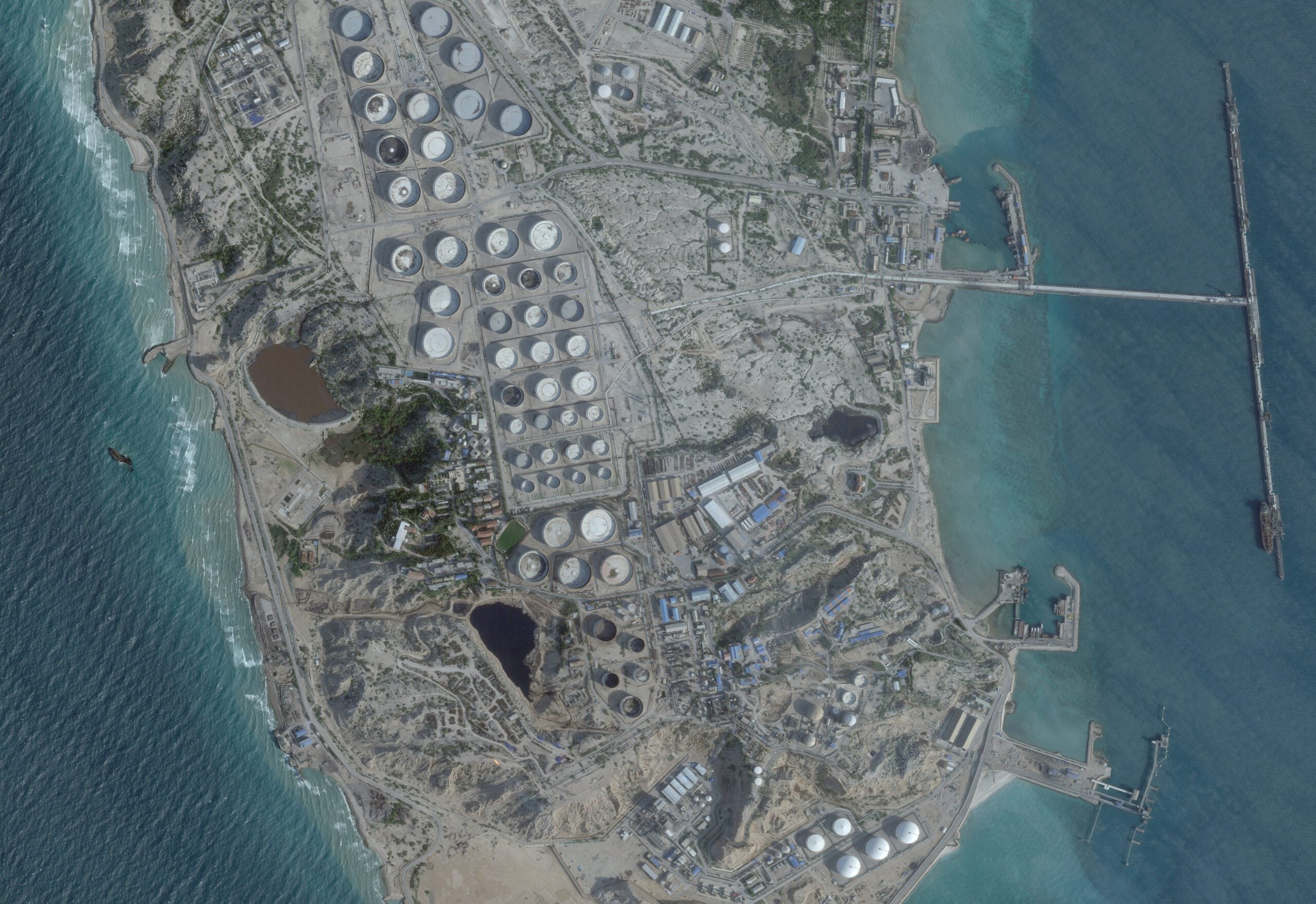
- Despite Iranian statements about closing or restricting the Strait of Hormuz, commercial traffic is likely to continue via the southern route with signals on under US monitoring, and Iran has resumed crude loadings from Kharg Island. (Confidence: medium · ASSESSED)
- I&W: Daily transits reported at or above 50 vessels and continued loadings at Kharg Island. (0-14 days)
- I&W: IRGC boarding or detention of a merchant vessel on the southern route disrupts reported flows. (0-14 days)
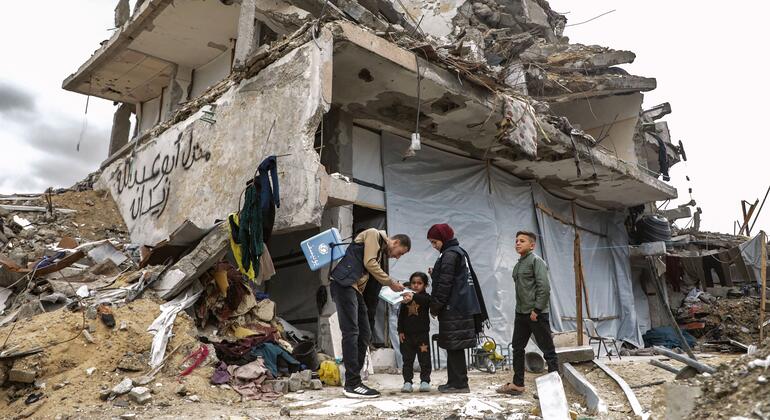
- Humanitarian conditions in southern Lebanon and Gaza are severe and likely to worsen if strikes persist, with satellite imagery indicating at least 46 of 54 towns inside the IDF Yellow Line heavily damaged, 81 percent of buildings in Gaza reported damaged, displacement in Gaza nearing 1.9 million, and UK‑backed aid and ambulances being deployed in Lebanon. (Confidence: medium · ASSESSED)
- I&W: New civil defence or health reports of fatalities and displacement from Nabatieh, Tyre or Bekaa following further strikes. (0-14 days)
- I&W: Sustained improvements in humanitarian access such as additional UK or UN delivery announcements or further drops in Gaza aid‑denial rates. (1-3 months)
Outlook & scenarios
Grinding cross‑border conflict through late June (65%)
Israeli air raids and drone strikes continue in southern Lebanon despite the reported ceasefire, matched by intermittent Hezbollah fire, keeping the front active as Washington convenes talks. Weekend fatality numbers in Lebanon fluctuate between dozens and over one hundred and further post‑deadline strikes are reported. This outcome aligns with Israel striking after the truce deadline and Hezbollah stating it will not stop while Gaza operations continue.
Managed pause via Washington round (30%)
Talks in Washington on 23-25 June produce a short, verifiable pause in fire that holds for several days, enabling limited humanitarian access. The United States sustains efforts to impose a Lebanon ceasefire and the UN’s call to cease hostilities frames the communiqué. This requires both sides to halt fire, reversing the recent pattern where US‑brokered declarations were not honoured.
Hormuz brinkmanship without closure (25%)
Iran reiterates warnings that vessels need its permission and claims closures, but traffic persists along the southern route with AIS signals on and US Central Command reports steady daily transits. Iran resumes crude loadings from Kharg Island as maritime risk remains classed moderate.
Entrenchment in southern Lebanon (20%)
Israeli leaders maintain forces in southern Lebanon and move toward a Hezbollah‑free security zone concept while strikes continue. Damage across towns within the IDF Yellow Line grows, Hezbollah remains defiant, and prospects for a permanent peace deal diminish.
Recommendations
- Stand up a daily geolocated ledger of strikes and casualties in southern Lebanon using Lebanese civil defence reporting, local media, and satellite‑detected thermal signatures from VIIRS to corroborate heat events where possible.
- Task a monitoring cell to track the 23-25 June Washington talks, logging attendance, agenda signals and any joint statements, and to flag slippage or postponement immediately.
- Maintain a rolling Gaza incident log that pairs IDF public statements with casualty reporting and VIIRS detections to characterise the tempo and location of strikes, noting any incidents involving journalists for legal and diplomatic risk tracking.
- Establish a maritime watch on the Strait of Hormuz that fuses AIS traffic counts, public military statements and Iranian notices about transit permissions; alert on any vessel detentions or sharp drops in daily transits.
- Engage humanitarian liaisons to track tangible delivery metrics in Lebanon, including newly handed‑over ambulances and UK‑funded programme outputs, and to map access constraints against reported strike locations.
- Prepare talking points for leadership that set expectations for limited progress at the Washington round unless fire halts, citing the record of unhonoured declarations and ongoing operations by both parties.
- Define tripwire thresholds for escalation, such as a single‑day fatality count in Lebanon above 50 or a verified 72‑hour mutual halt in fire, and bind these to pre‑agreed reporting and response actions.
Confidence & uncertainty
Multiple independent and generally reliable sources corroborate continued Israeli strikes in southern Lebanon after the reported ceasefire, Gaza strikes with fatalities including a named journalist, NASA thermal detections, and planned talks in Washington. Official and major‑media reporting on Hormuz transits and Iranian statements also align on continued flows amid rhetoric. Confidence is reduced by discrepancies in Lebanese casualty totals, conflicting dates surrounding the journalist’s death, and contradictory claims over Hormuz access conditions, which introduce unresolved uncertainty. On balance this supports a medium confidence assessment.
Alternative analysis (red cell)
The available reporting indicates risk of continued incidents and regional friction but is heterogeneous in quality and contains direct contradictions on timing, casualty counts, and maritime rules. Consequently, more cautious estimates — acknowledging plausible outcomes from isolated ceasefire violations to intermittent diplomatic and maritime disruption — are justified until higher‑grade, corroborating collection resolves these inconsistencies.
Intelligence gaps
- [EEI 1.1 · UNCOVERED] Number, type and geolocated coordinates of projectiles (rockets, mortars, anti-tank guided missiles) fired from Lebanon into Israel in the last 24/72 hours, including time-stamped launch and impact locations. Recommended collection: signals/intel
- [EEI 1.2 · UNCOVERED] Satellite or aerial imagery showing movement, concentration, or forward displacement of Hezbollah-associated military assets (armored vehicles, artillery pieces, mobile rocket launchers, logistics convoys) to positions within 0–10 km of the Israel-Lebanon border. Recommended collection: satellite/imagery
- [EEI 1.3 · UNCOVERED] Intercepted or captured Hezbollah command-and-control communications or orders explicitly directing cross-border operations or coordinated strikes with Palestinian groups (time-stamped messages, unit identifiers, orders to fire/move). Recommended collection: signals/intel
- [EEI 1.4 · UNCOVERED] Observable changes in Israeli northern-front posture within Israel (numbers and types of reinforcements deployed to northern brigades, activation of reserves, air defense redeployments, evacuation orders or shelter alerts in northern towns), including timestamps and unit IDs where available. Recommended collection: human/intel
- [EEI 2.1 · UNCOVERED] Official or corroborated reports of IDF reservist mobilization and unit-level deployment orders (number of reservists called, named brigades/units ordered to deploy, deployment timelines). Recommended collection: open-source/media
- [EEI 2.2 · UNCOVERED] Satellite or ground imagery showing concentrations of IDF heavy equipment (tanks, infantry fighting vehicles, engineering vehicles), staging areas, field hospitals or forward supply dumps within X km of the Gaza border and at known crossing points. Recommended collection: satellite/imagery
- [EEI 2.3 · UNCOVERED] Change in strike patterns consistent with pre-ground-attack shaping: sustained high-frequency airstrikes on tunnel networks, command nodes, coastal launch sites, and known insurgent concentrations (strike counts, munition types, locations, times). Recommended collection: open-source/media
- [EEI 2.4 · UNCOVERED] Logistics indicators: verified convoys of fuel/ammunition entering staging areas, establishment of forward logistics or medical bases, or documented requisitioning orders for bulk combat supplies with timestamps and quantities. Recommended collection: human/intel
- [EEI 3.1 · UNCOVERED] Number, participants and content of diplomatic contacts or negotiation sessions in the last 48 hours involving mediators (Egypt, Qatar, US, UN), including any proposed ceasefire text, prisoner/exchange lists, timelines or verification mechanisms. Recommended collection: diplomatic
- [EEI 3.2 · UNCOVERED] Public statements, press releases or verified communiqués from Hamas and other Gaza armed groups specifying acceptance, rejection, or conditions for a ceasefire (explicit conditions such as prisoner release lists, withdrawal terms, lifting of blockades), with timestamps and speaker attribution. Recommended collection: open-source/media
- [EEI 3.3 · UNCOVERED] Humanitarian indicators relevant to ceasefire: establishment and operation of agreed humanitarian corridors/checkpoints, number of aid deliveries admitted, civilian evacuations completed, and NGO/hospital reports of access denials or safe-passage violations. Recommended collection: humanitarian/NGO reports
- [EEI 3.4 · UNCOVERED] Operational evidence of a de facto pause: verified sustained reduction (e.g., ≥12 hours) in strikes or launches from either side in specific sectors, supported by strike/impact logs, radar tracks and incident reports. Recommended collection: open-source/media
Cited sources
[1] Al Jazeera · Israel continues attacks on Lebanon despite agreeing to ceasefire (A) · sha256:86871c8abc27 [2] Wikipedia · 2024 Israel–Lebanon ceasefire agreement (B) · sha256:62a3e9b94d0c [3] United Nations · UN welcomes fresh Lebanon ceasefire reports as rights experts urge Iran accountability (A) · sha256:e8720dd28d8c [4] CRUX · LIVE | Israel Strikes Lebanon Again Despite Hezbollah Truce, Iran Draws Red Line Over US Deal (B) · sha256:26ece64c3da9 [5] The Guardian · Iran says it is closing strait of Hormuz over Israeli strikes in Lebanon (A) · sha256:99edd43f1157 [6] ynetnews.com · ‘Quiet will be met with quiet’: IDF holds fire as Iran threatens Israel (B) · sha256:3cb644547e05 [7] bbc.com · US-Iran talks begin in Switzerland as Tehran says it closed Strait of Hormuz (A) · sha256:6cbaa9fb50eb [8] Los Angeles Times · Israeli strikes in Gaza kill 6, including Al Jazeera cameraman - Los Angeles Times (A) · sha256:b251265a8d64 [9] bbc.com · Israeli strikes kill six people in Gaza including Al Jazeera cameraman, officials say (A) · sha256:dae1f5d497fa [10] NASA · NASA FIRMS thermal detections — Gaza (2d) (A) · sha256:f093692a628b [11] cryptobriefing.com · Israeli airstrikes kill four in Gaza, cause casualties in southern Lebanon (B) · sha256:a3ecb90e9964 [12] haaretz.com · The IDF's Russian roulette in Lebanon continues – and no one can explain why (A) · sha256:a4feed4ca981 [13] UK Government · Minister Chapman visits Lebanon, announces £13m in aid (A) · sha256:b91adb495541 [14] gcaptain.com · Ships Told They Can Use South Hormuz Route With Signals On (B) · sha256:3caa708db2a5 [15] gcaptain.com · Iran Resumes Kharg Island Oil Loadings After US Blockade Lifted (B) · sha256:4d42010cb1f9 [16] bellingcat.com · Satellite Imagery Shows Ongoing Demolitions Across Southern Lebanon - bellingcat (D) · sha256:052733cd55f8 [17] UNICEF · Gaza: Sneeze and you might get shot, warns UNICEF in alert on child killings (B) · sha256:c66021f841e0
Source content hashes were computed at collection time; the cited text is preserved unmodified for the life of this product.
Red cell review: PARTIAL DISSENT
TLP:CLEAR