TLP:CLEAR · Disclosure is not limited.
Lebanon ceasefire remains brittle as Iran toggles Hormuz messaging and traffic persists
Time window: Last 1 day · Audience: General analyst · Type: Situation report · DTG: 2026-06-22 19:15Z · Overall confidence: MEDIUM
BLUF
Israel lifted Home Front restrictions for eight northern communities as Washington and Tehran sketched a conditional Hormuz opening tied to calm in Lebanon. Iranian closure claims, hardened Hezbollah and Israeli positions, and continuing casualties keep de-escalation fragile while shipping flows through Hormuz continue at reduced but material levels.
Executive summary
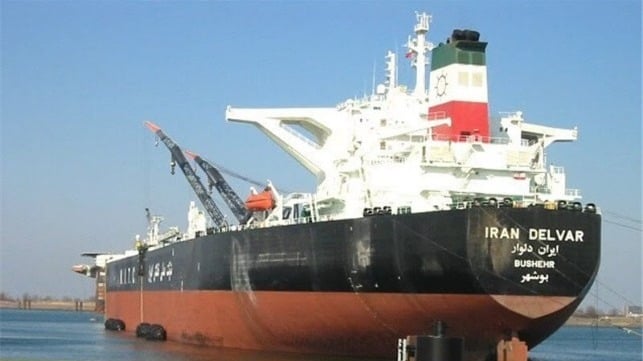
On 22 June Israel restored full activity in multiple communities near the Lebanese border and lifted all Confrontation Line restrictions amid US-led efforts to consolidate a ceasefire and stand up a deconfliction mechanism involving Israel, Hezbollah and Lebanon. In parallel, the United States and Iran advanced a framework linking a conditional commitment to keep the Strait of Hormuz open to quiet in Lebanon and a 60‑day easing of oil restrictions and payments. Tehran’s Islamic Revolutionary Guard Corps nonetheless declared the waterway shut again, and shipping analytics showed a sharp dip in transits on Sunday even as US Central Command reported millions of barrels moving and several laden supertankers transited. Hezbollah’s Naim Qassem demanded Israeli withdrawal, while Prime Minister Benjamin Netanyahu signalled Israel will maintain a security zone in southern Lebanon. Lebanese authorities report at least 4,175 killed and 12,164 wounded since the war began, with direct building damage estimated at about 1.38 billion dollars. The risk of renewed cross‑border escalation and maritime disruption remains elevated in the near term.
Change from previous assessment
Since the prior brief, Israel restored full activity in specified northern communities and lifted all Confrontation Line restrictions. Washington and Tehran outlined a conditional package linking calm in Lebanon to a reopened Hormuz, including a 60‑day easing of oil restrictions and a deconfliction mechanism, while the IRGC again declared the waterway shut. Shipping data showed both continued flows and a sharp dip on Sunday, and US Central Command reported more than 17 million barrels transiting. Israeli leaders publicly committed to maintaining a security zone in southern Lebanon, while Hezbollah reiterated demands for Israeli withdrawal. Our assessment adds a judgment on Israel’s home‑front easing, raises the prominence of the deconfliction mechanism, and keeps confidence at medium given contradictory maritime and diplomatic signals.
Key judgments
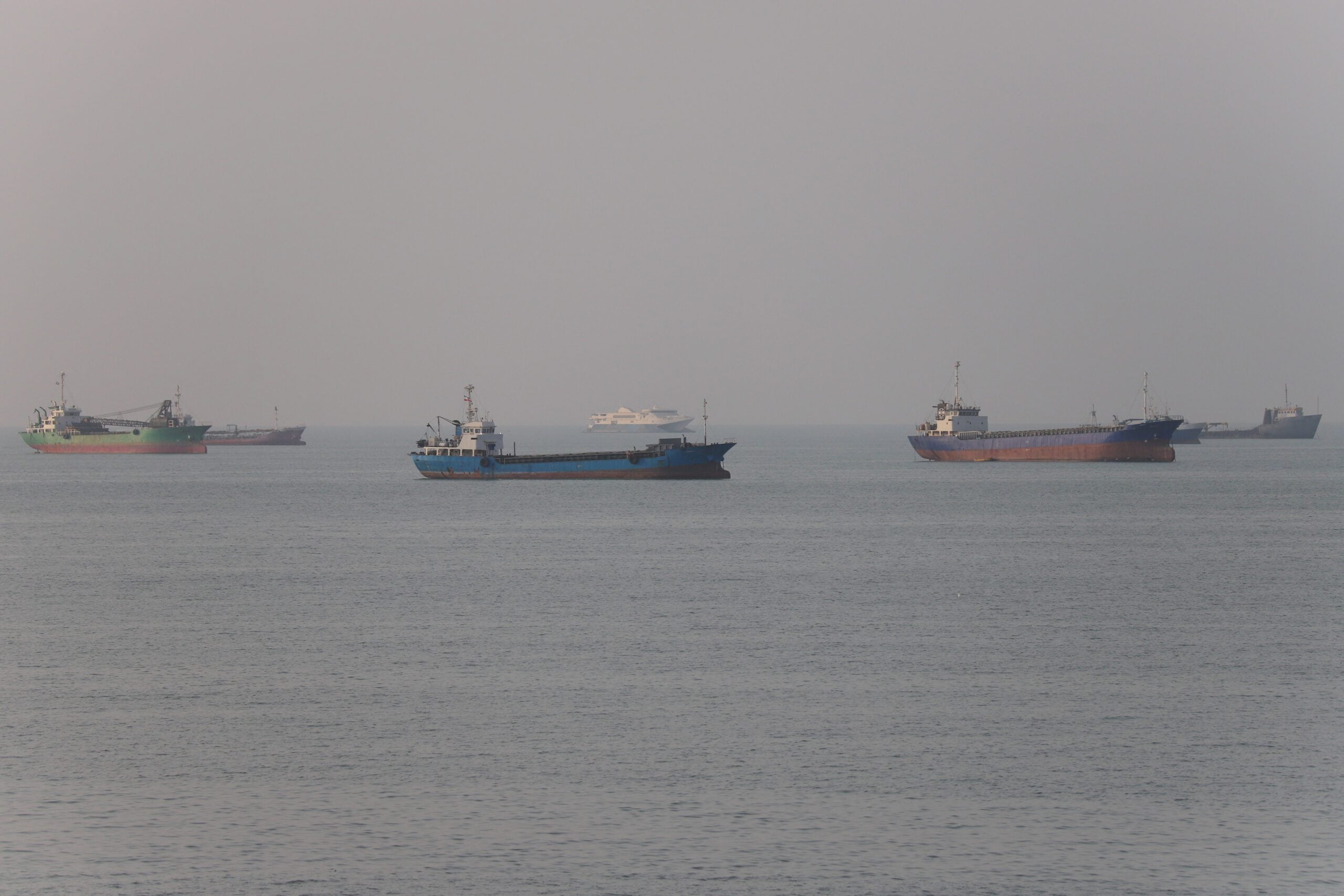
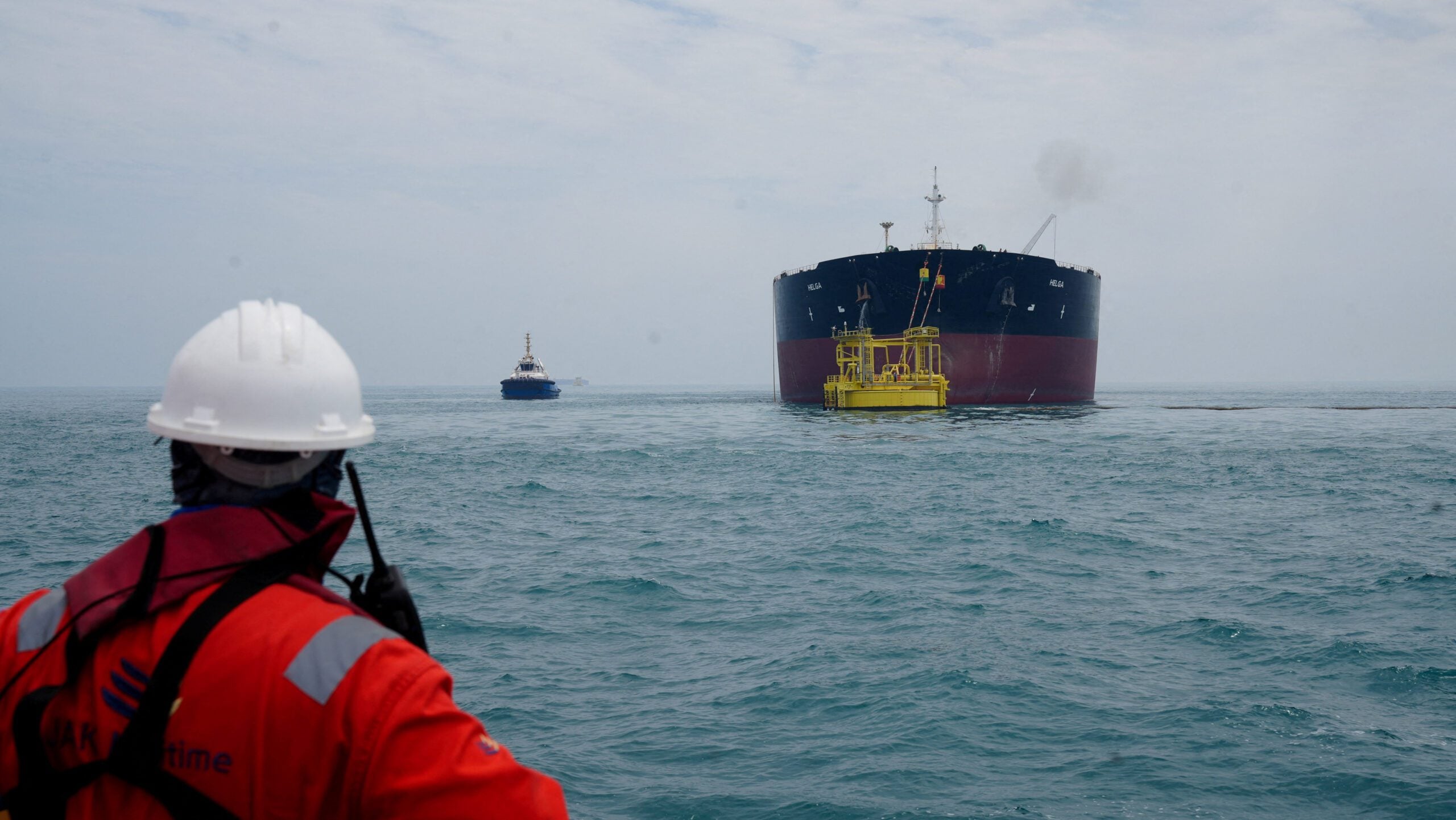
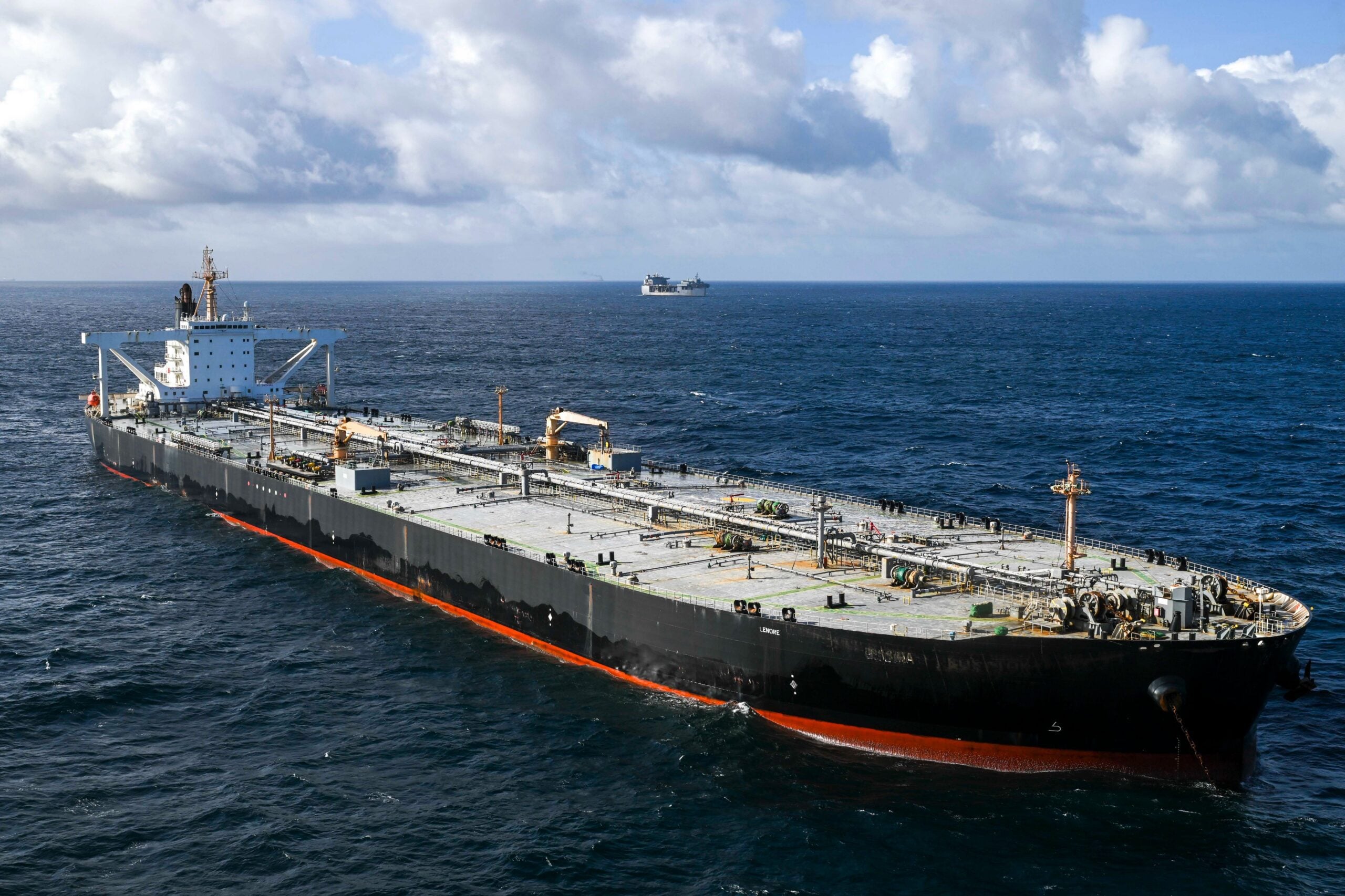
- Very likely maritime traffic through the Strait of Hormuz is continuing at reduced but material volumes despite Iran’s latest closure claims. (Confidence: medium · ASSESSED)
- I&W: Daily Hormuz transits trend back toward the pre‑war 100-131 range reported by shipping analytics and US Central Command updates. (0-14 days)
- I&W: IRGC or maritime authorities conduct detentions or mines are confirmed along the southern route, triggering industry rerouting. (0-14 days)
- Reported Israel lifted all Home Front restrictions along the Confrontation Line and restored full activity in eight named northern communities on 22 June. (Confidence: high · REPORTED)
- I&W: No reinstatement of movement or shelter directives for Safsufa, Meron, Or HaGanuz, Bar Yochai, Yesud HaMa’ala, Kisra‑Sumei, Beit Jann and Sde Eliezer. (0-14 days)
- I&W: IDF re‑imposes Home Front restrictions along the Confrontation Line following cross‑border fire. (0-14 days)
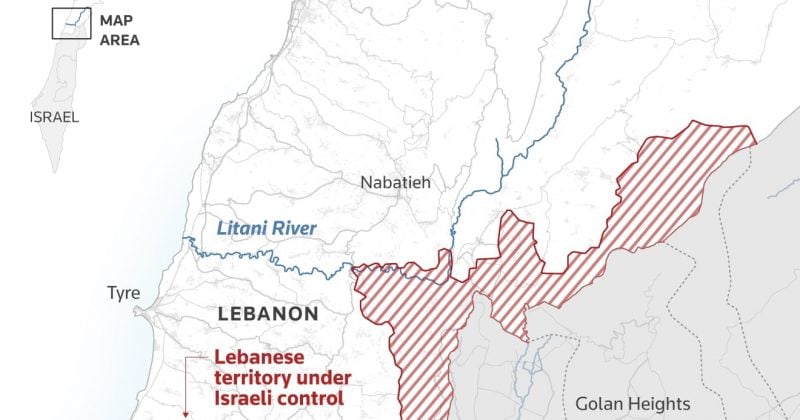
- Likely the Israel, Hezbollah ceasefire is fragile and the IDF intends to hold a security zone in southern Lebanon until a political arrangement is reached. (Confidence: medium · ASSESSED)
- I&W: Public delineation or continued reinforcement of an Israeli security zone in southern Lebanon without parallel political progress. (1-3 months)
- I&W: A formal arrangement announced by Beirut with Israeli and Hezbollah buy‑in that includes a verified IDF pullback. (1-3 months)
- Likely US, Iran talks produced a conditional framework linking calm in Lebanon to keeping Hormuz open and a 60‑day easing of oil restrictions, but the arrangement remains fragile amid public threats and conflicting Iranian messaging. (Confidence: medium · ASSESSED)
- I&W: Public release or detailed briefing of the MoU, including the 60‑day transit‑fee waiver and activation details for the Lebanon deconfliction cell. (0-30 days)
- I&W: Iranian maritime authorities or IRGC issue binding routing orders with enforcement actions against transiting vessels. (0-30 days)
- Reported civilian harm and infrastructure damage in Lebanon remain very high, with at least 4,175 killed, 12,164 wounded, and direct building damage estimated at about 1.38 billion dollars. (Confidence: medium · REPORTED)
- I&W: Lebanese Health Ministry or UN updates revise fatalities, injuries, or damage totals upward. (0-30 days)
- I&W: Sustained two‑week period with negligible new reported civilian casualties in south Lebanon. (0-14 days)
- Likely Iranian oil flows have surged during the 60‑day sanctions easing, creating incentives for Tehran to maintain shipping continuity through Hormuz. (Confidence: medium · ASSESSED)
- I&W: Continued AIS‑visible VLCC departures from Iranian load ports and reported US‑dollar settlements under OFAC General License X. (0-30 days)
- I&W: Early revocation or non‑renewal of the 60‑day oil waiver or a marked drop in laden supertanker transits through Hormuz. (0-30 days)
Outlook & scenarios
Managed de‑escalation with guarded Israeli posture and gradual maritime normalisation (50%)
The deconfliction mechanism beds in and the Lebanon ceasefire largely holds. Israel keeps a limited security zone in southern Lebanon while political talks continue. Hormuz traffic steadily increases toward pre‑war levels under the 60‑day framework, with intermittent dips and risk messaging but no enforced closure.
Ceasefire relapse and elevated maritime risk (35%)
A lethal cross‑border incident collapses the ceasefire narrative. The IDF intensifies operations inside southern Lebanon, and Hezbollah escalates fire into northern Israel. Iran hardens Hormuz posture with coercive measures and aggressive patrols, depressing transits and raising insurance and routing costs even as some flows continue.
Breakthrough linkage deal and extended maritime easing (20%)
US‑brokered understandings tie a verified IDF pullback to a monitored Hezbollah stand‑off, paired with an explicit Hormuz reopening package and extended oil waivers. Shipping volumes recover rapidly and border tensions drop, though spoilers retain the capacity to disrupt.
Recommendations
- Maintain a daily Hormuz dashboard combining AIS‑based transit counts, US Central Command statements and market advisories to detect divergence between Iranian closure claims and actual flows.
- Track Israel’s Home Front Command directives and municipal notices in Safsufa, Meron, Or HaGanuz, Bar Yochai, Yesud HaMa’ala, Kisra‑Sumei, Beit Jann and Sde Eliezer for early warning of ceasefire stress.
- Map IDF positions and public statements about a security zone against reported incidents and fatalities in southern Lebanon to assess entrenchment versus drawdown trajectories.
- Monitor official outputs on the US, Iran framework, including any publication of MoU terms, OFAC General License X updates and announcements on the Lebanon deconfliction mechanism’s participants and remit.
- Validate Lebanese casualty and damage figures through Ministry of Health releases and UN‑linked assessments to update humanitarian risk baselines and inform contingency planning.
- Pre‑plan alternative shipping and procurement routes for critical supplies that bypass Hormuz or can tolerate short‑notice diversions if mine alerts, detentions or insurer war‑risk constraints spike.
Confidence & uncertainty
Overall confidence is medium. Multiple high‑confidence reports corroborate Israel’s lifting of northern restrictions, active US, Iran engagement on a conditional Hormuz opening, and ongoing vessel movements through the strait. At the same time, Iranian closure declarations, mixed shipping counts and the reliance on official statements for sensitive negotiations introduce uncertainty. Reporting on Lebanese casualties and damage is strong but primarily from local authorities, and battlefield intent is inferred from leadership statements rather than formal orders. These factors support careful confidence rather than high certainty.
Alternative analysis (red cell)
Iranian sources do not confirm linkage between Lebanon calm and Hormuz openness. Tehran likely views the Hormuz agreement as unconditional, explaining its June 22 closure declaration amid ongoing hostilities. U.S. assertions of conditionality lack mutual verification, indicating a unilateral American interpretation rather than shared framework terms.
Intelligence gaps
- [EEI 1.1 · UNCOVERED] Observed repositioning, sustained increases, or new forward basing of Iranian conventional or IRGC forces (armored units, missile batteries, aircraft, naval vessels) toward borders or regional launch points. Recommended collection: IMINT/satellite
- [EEI 1.3 · UNCOVERED] Detection of increased missile/rocket/torpedo launch events attributable to Iran, Israel, or proxies (launch signatures, trajectories, impact points) indicating a sustained campaign rather than isolated strikes. Recommended collection: SIGINT/IMINT/air-defense radar
- [EEI 1.4 · UNCOVERED] Interdicted or observed shipments (air, sea, land manifests, seizures, satellite imagery of transfers) of advanced weapons or missile components from Iran toward proxy groups or forward staging points. Recommended collection: maritime/AIS
- [EEI 2.1 · UNCOVERED] Satellite or on-the-ground imagery showing fires, damage, or operational shutdown at major oil export facilities, refineries, storage terminals, or key pipeline infrastructure in the Gulf and Red Sea. Recommended collection: IMINT/satellite
- [EEI 2.2 · PARTIAL] Commercial vessel incidents: AIS transponder shutdowns, distress signals, reported hull/engine damage, boardings, or confirmed attacks on tankers/merchant ships transiting the Strait of Hormuz, Bab al-Mandeb, or eastern Mediterranean. Recommended collection: maritime/AIS
- [EEI 2.4 · UNCOVERED] Rapid increases in war-risk insurance premiums for Middle East routes, shipping company advisories to avoid region, or major charter cancellations tied to the conflict. Recommended collection: financial/open-source
- [EEI 3.1 · UNCOVERED] Movement/arrival of major foreign military assets into the region: U.S. carrier strike groups, amphibious ready groups, strategic bomber flights, Russian/Chinese naval taskings, or allied expeditionary units (visible in AIS, NOTAMs, satellite imagery, official releases). Recommended collection: IMINT/satellite
- [EEI 3.2 · UNCOVERED] Official expedited arms transfers, basing/overflight agreements, or declarations of operational support (formal government announcements, defense ministry releases, logistics flight manifests). Recommended collection: open-source/diplomatic
- [EEI 3.3 · UNCOVERED] Embassy evacuations, large-scale personnel movements, issuance of government travel bans/advisories, or multinational security alerts affecting foreign nationals and diplomatic posture in the region. Recommended collection: diplomatic/open-source
Cited sources
[1] gcaptain.com · Shipping Slows After Iran Says It Has Again Shut The Strait of Hormuz (B) · sha256:f2126e9ee64a [2] gcaptain.com · Oil Keeps Flowing Through Hormuz Despite Iran Saying It’s Shut (A) · sha256:506b593581e9 [3] gcaptain.com · Hormuz Transit Security Is ‘Hour to Hour’ (B) · sha256:e4517c600f0e [4] aljazeera.com · Marco Rubio heads to Middle East to address Iran MoU, Hormuz (A) · sha256:c8aec0163de8 [5] gcaptain.com · Iranian Crude Exports Surge Via Hormuz as Activity Picks Up (B) · sha256:e6044059d603 [6] Fortune · Dow futures drop as first day of U.S.-Iran talks sees Trump threaten Tehran on Hormuz: 'You close it and you won’t have a country' | Fortune (B) · sha256:415a8ecbe524 [7] Jerusalem Post · Home Front Command eases security guideline restrictions on Lebanon border communities (A) · sha256:f5a43af3aade [8] cryptobriefing.com · Israel lifts war-related restrictions on northern border areas (B) · sha256:7bb24cb45734 [9] aljazeera.com · Lebanon discusses ‘deconfliction’ mechanism ahead of Israel talks (A) · sha256:0f0a6c0b2747 [10] ynetnews.com · Netanyahu: Israel will 'keep the security zone in Lebanon as long as is necessary to protect our people' (B) · sha256:c1741e9ac337 [11] haaretz.com · U.S. VP Vance says Israel, Hezbollah and Lebanon to take part in coordination mechanism (A) · sha256:fe8a9b529c96 [12] arabnews.com · US-Iran negotiations end, technical talks will continue after Trump shakes talks with threats (B) · sha256:4f4d383cc130 [13] haaretz.com · A strong leader for a weakened Israel (B) · sha256:78d67c517c44 [14] haaretz.com · <b>Inside southern Lebanon:</b> One hour after the IDF's victory tour, Israeli soldiers were killed (B) · sha256:6134aa9c0813 [15] gcaptain.com · Trump Treasury Issues Sweeping Iran Oil Waiver, Marking Sharp Break From 'Maximum Pressure' (B) · sha256:a35b0f6c9260 [16] maritime-executive.com · U.S. Treasury Suspends Restrictions on Iranian Oil and Tankers for 60 Days (B) · sha256:480d8a863545 [17] haaretz.com · From the Alps to the Litani: Iran secures a foothold on Israel's northern border (B) · sha256:3a66277b78d6 [18] ynetnews.com · Trump's confusing strategy on Iran and what's behind the president's change of direction (B) · sha256:e2fbbebbef46 [19] jpost.com · Israel’s security cannot hinge on unfinished US-Iran diplomacy - editorial (A) · sha256:0aeb17953899 [20] independent.co.uk · Trump threatens to ‘take over’ Iran if Tehran closes the Strait of Hormuz in profanity filled tirade: report (B) · sha256:9e10ebeb6f42
Source content hashes were computed at collection time; the cited text is preserved unmodified for the life of this product.
Red cell review: PARTIAL DISSENT
TLP:CLEAR