TLP:CLEAR · Disclosure is not limited.
Lebanon ceasefire strains, Gaza crisis endures, Hormuz shipping restarts under Iranian conditions
Time window: Last 7 days · Audience: General analyst · Type: Situation report · DTG: 2026-06-19 17:56Z · Overall confidence: MEDIUM
BLUF
The Israel, Hezbollah ceasefire that started at 4 p.m. on 19 June is already under strain, with same‑day strikes and fatalities, making renewed flare‑ups very likely and stalling US, Iran talks. Gaza’s humanitarian emergency persists, while traffic through the Strait of Hormuz is resuming under Iranian gatekeeping measures.
Executive summary
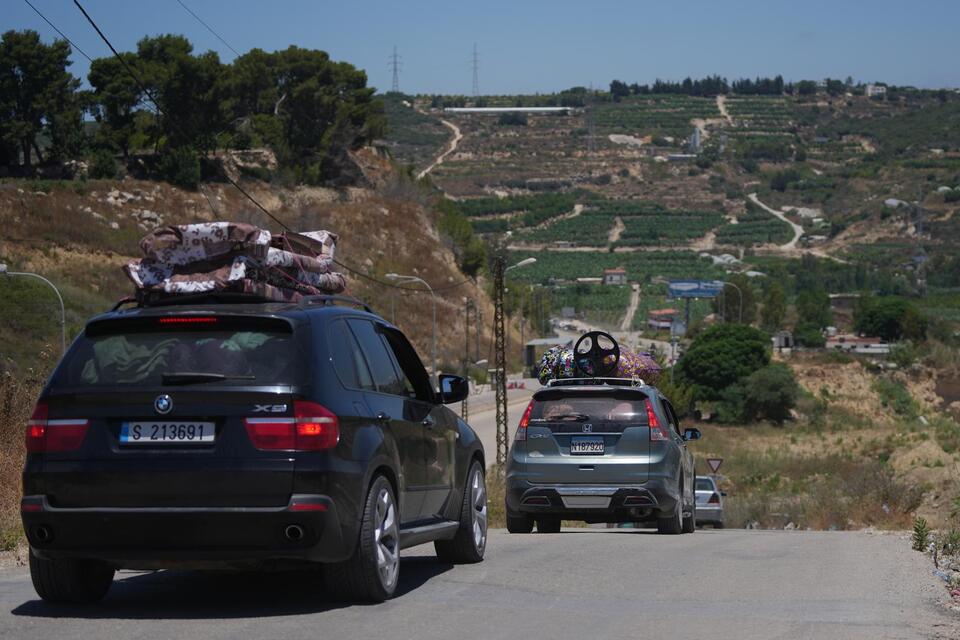
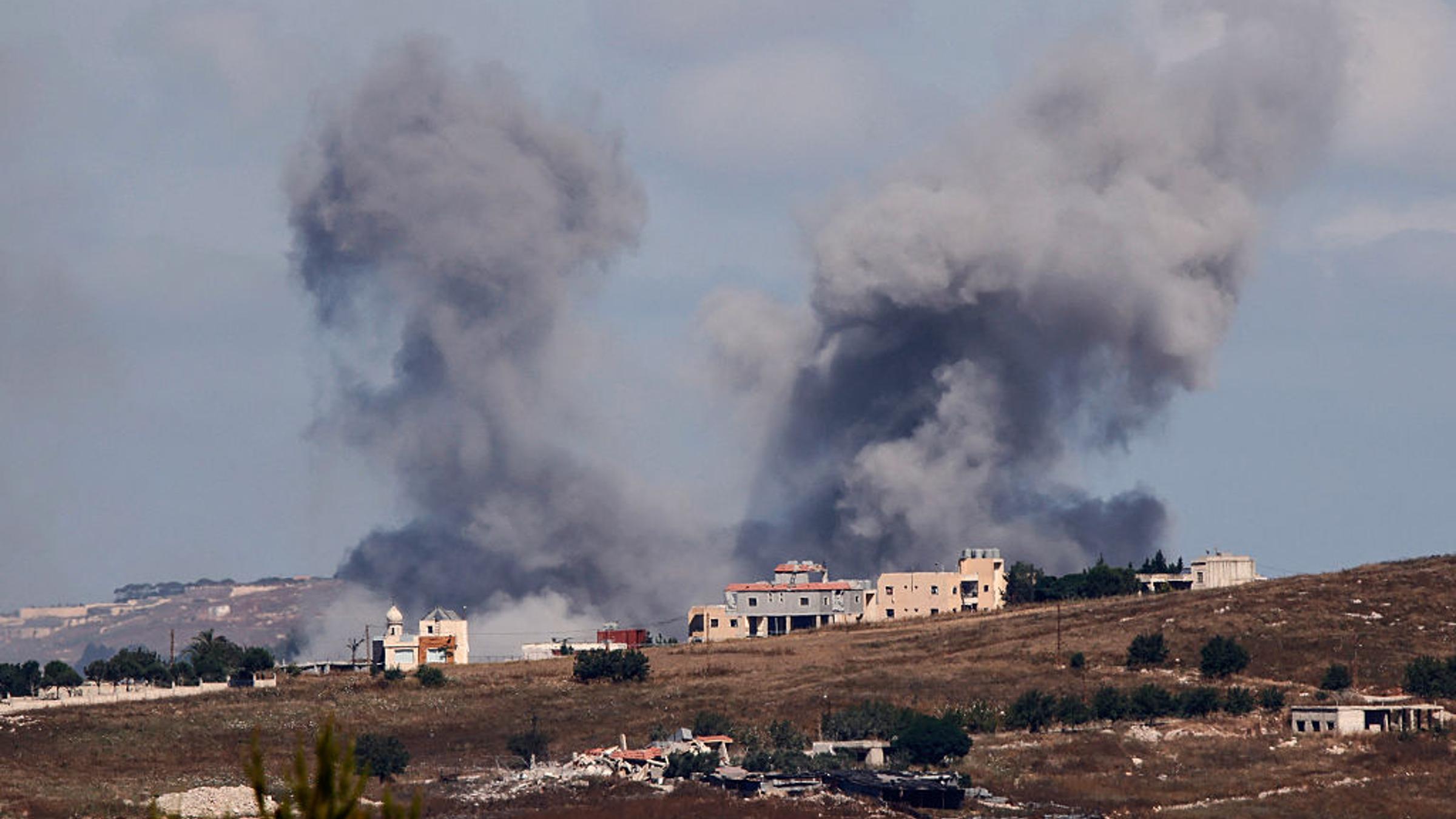
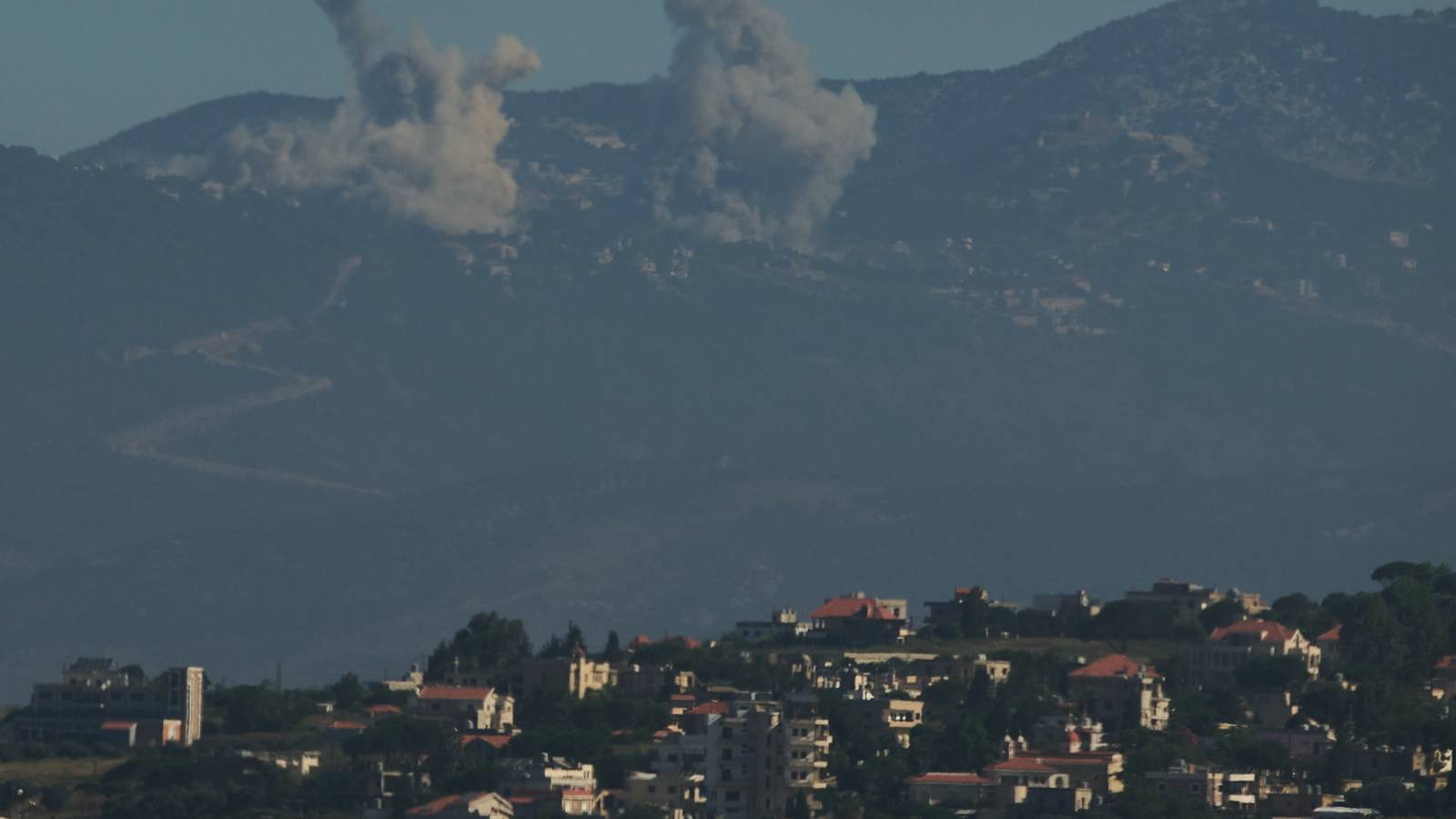
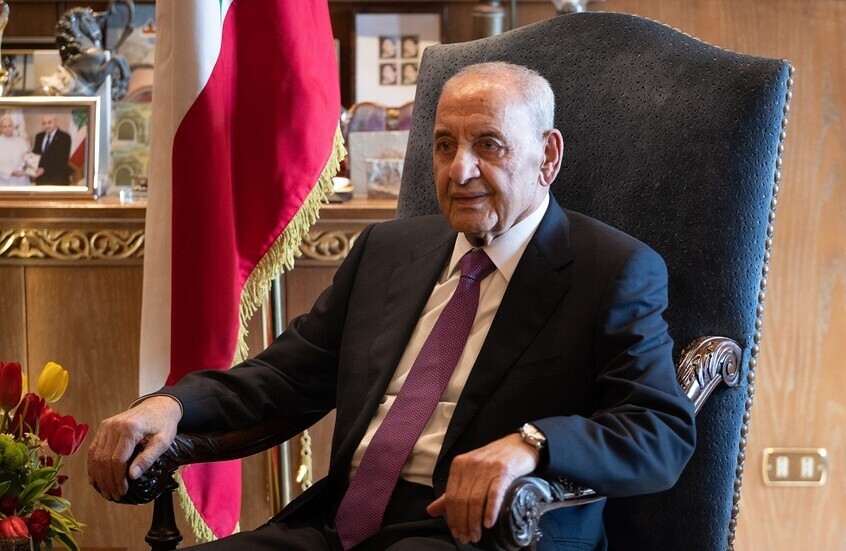
Israel and Hezbollah agreed a ceasefire on 19 June with a start time of 4 p.m., but Israeli strikes in southern and eastern Lebanon and Hezbollah’s claimed responses the same day point to a fragile truce. Casualty reporting for 19 June ranges from at least 18 to at least 47 killed in Lebanon, and Israel reported four soldiers killed near Nabatiyeh. Speaker Nabih Berri said Hezbollah’s commitment hinges on full Israeli adherence, while Israeli leaders vowed harsh retaliation, and Iran accused Israel of violations. Talks between the United States and Iran in Switzerland were postponed as both Iranian officials and the US Vice President delayed travel. In Gaza, no hospital is fully operational, 70 percent of the population needs shelter, and 1.1 million children face water uncertainty; aid remains underfunded and constrained by Israeli ‘dual use’ restrictions despite UK calls to lift them. NASA logged 85 thermal anomalies in Gaza on 18-19 June that register heat events, not causation, consistent with continued conflict conditions. In the Strait of Hormuz, the US lifted its blockade and multiple supertankers transited or departed Iranian ports as Iran says traffic is normal, yet Tehran’s shipping permits and insurance directives, and IRGC radio warnings, signal a volatile operating environment.
Change from previous assessment
Update to the initial 19 June brief. Adds the 4 p.m. ceasefire start time and details of same‑day strikes, including four Israeli soldiers killed near Nabatiyeh and Lebanese fatalities ranging from at least 18 to at least 47. Incorporates Speaker Nabih Berri’s conditional commitment, Israeli deterrent statements, and Iran’s violation claims. Expands the maritime picture beyond early signs of restart to include the lifting of the US blockade, multiple supertanker transits, and Iranian permit and insurance requirements alongside IRGC radio warnings. Deepens coverage of Gaza’s humanitarian metrics and underfunding. Confidence remains medium given contradictory casualty and maritime control reporting.
Key judgments
- Hostilities across the Israel, Lebanon front are very likely to persist at a low to moderate tempo despite the 19 June ceasefire, given immediate post‑truce strikes and mutual violation claims. (Confidence: medium · ASSESSED)
- I&W: IDF and Hezbollah daily communiqués continue to report cross‑border strikes for at least two consecutive weeks after 19 June (0-14 days)
- I&W: Lebanon’s Health Ministry reports zero conflict‑related fatalities for two consecutive weeks (0-14 days)
- At least 18 to 47 people were reported killed in Lebanon on 19 June, and four IDF soldiers died near Nabatiyeh, highlighting the ceasefire’s fragility. (Confidence: medium · REPORTED)
- I&W: An official consolidated death toll for 19 June reaches or exceeds previously reported tallies (0-14 days)
- I&W: Subsequent official updates revise the 19 June fatalities markedly downward (0-14 days)
- Renewed flare‑ups are likely in the near term because Hezbollah ties its ceasefire compliance to full Israeli adherence while Israeli leadership signals harsh retaliation, and Iran publicly alleges Israeli violations. (Confidence: medium · ASSESSED)
- I&W: Hezbollah communiqués cite alleged Israeli ceasefire breaches and claim retaliatory attacks within days (0-14 days)
- I&W: Public statements from both sides commit to, and implement, additional verification steps with no claims of violations for two weeks (0-14 days)
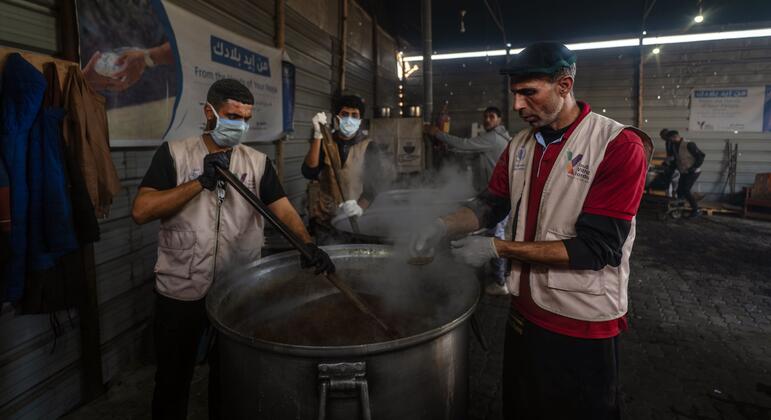
- Gaza’s humanitarian crisis remains acute: no hospital is fully operational, 70 percent of the population needs shelter, and 1.1 million children face water uncertainty; access remains constrained by Israeli ‘dual use’ restrictions amid underfunded appeals. (Confidence: high · REPORTED)
- I&W: Government of Israel publicly lifts specified ‘dual use’ restrictions and opens more than one aid crossing into Gaza (1-3 months)
- I&W: UN reporting confirms restoration of at least one fully operational hospital in Gaza (1-3 months)
- Low‑level conflict activity in Gaza is likely continuing, inferred from 85 NASA thermal detections on 18-19 June that record heat events consistent with strikes or fires but do not determine cause. (Confidence: medium · ASSESSED)
- I&W: Sustained clusters of new NASA FIRMS thermal detections align with same‑day strike reports in Gaza (0-14 days)
- I&W: Two weeks with near‑zero thermal anomalies recorded across Gaza (0-14 days)
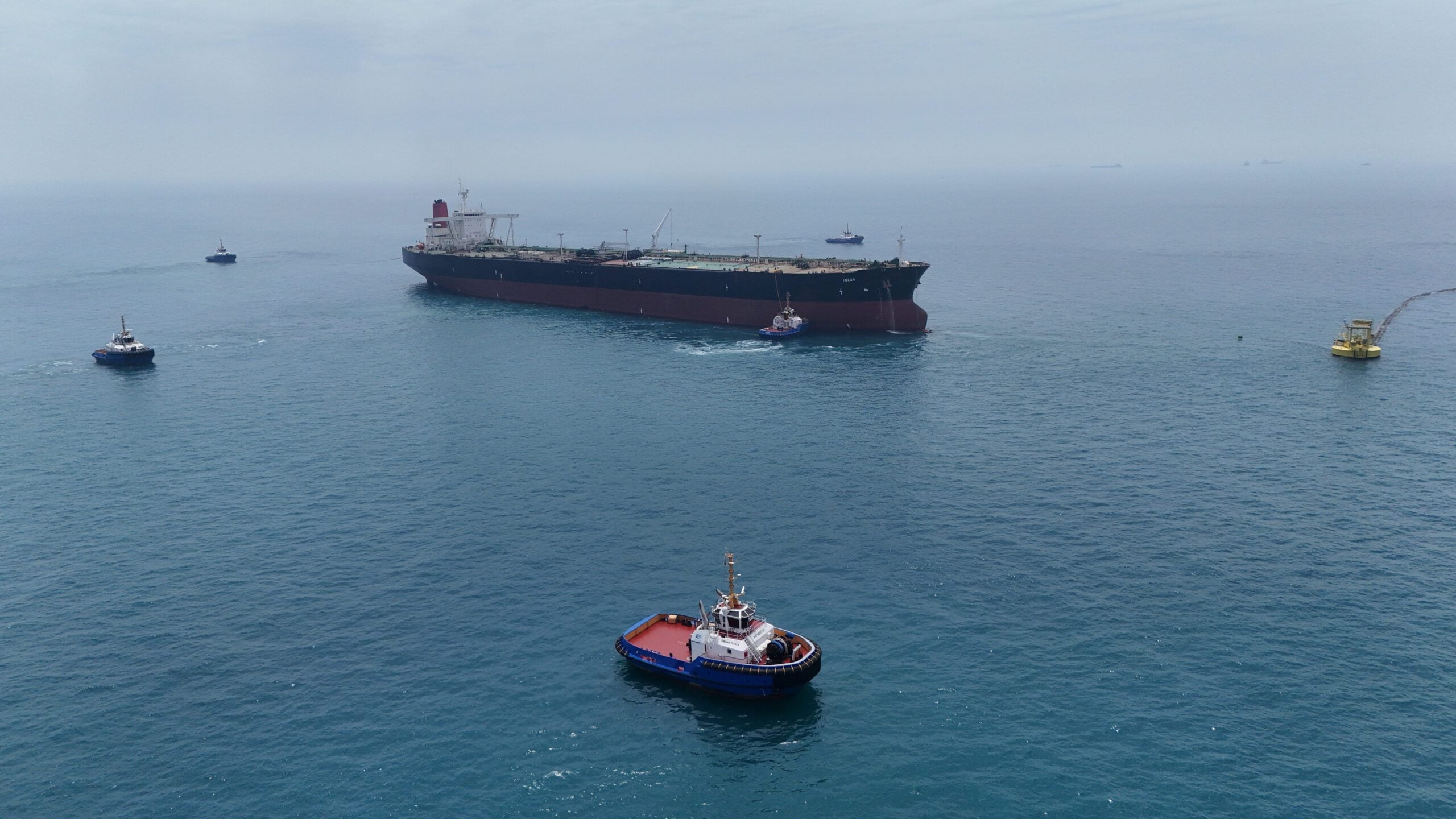
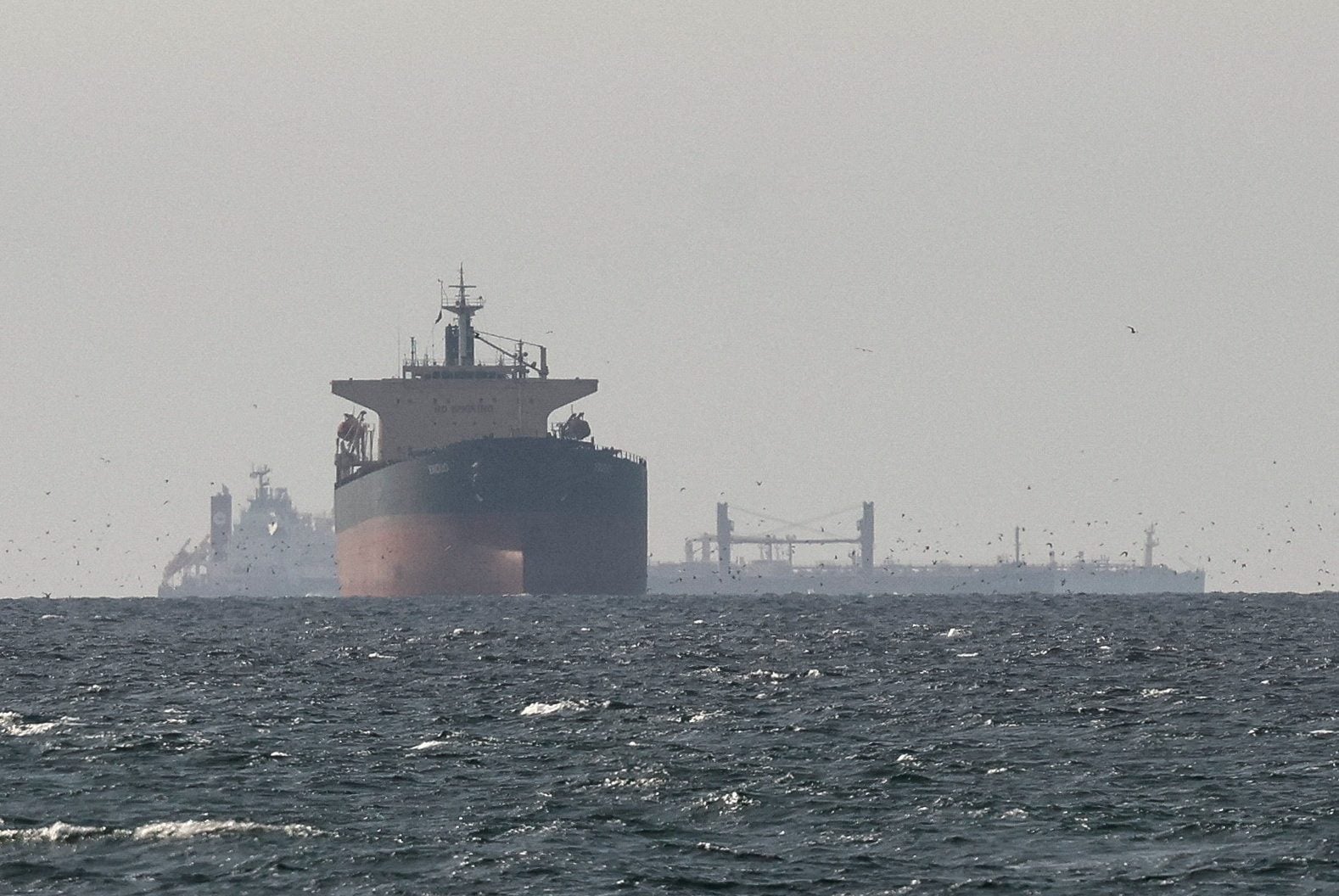
- Maritime traffic through the Strait of Hormuz is likely to normalise gradually but in an unstable operating environment as Iran asserts control via permits and insurance while tankers resume transits following the lifting of the US blockade. (Confidence: medium · ASSESSED)
- I&W: Iranian authorities detain, turn back, or fine vessels lacking PGSA permits or Iranian‑approved insurance (0-14 days)
- I&W: Public US, Iran notice affirms free passage without PGSA permits or Iranian insurance, followed by two weeks of uninterrupted tanker transits (1-3 months)
- Progress on the US, Iran diplomatic track is very likely contingent on calm in Lebanon, as talks in Switzerland were postponed due to fighting and senior US and Iranian officials delayed travel, while the MoU calls for ending military operations including in Lebanon. (Confidence: medium · ASSESSED)
- I&W: Announcement of a rescheduled US, Iran meeting explicitly tied to verified de‑escalation in southern Lebanon (0-14 days)
- I&W: Talks convene in Switzerland despite fresh published claims of ceasefire violations by either side the same day (0-14 days)
Outlook & scenarios
Fragile truce, low‑tempo violence (55%)
The 19 June ceasefire holds procedurally but with sporadic cross‑border strikes, contested violations, and limited de‑escalation steps. US, Iran talks remain on pause pending quieter conditions. Gaza’s humanitarian access constraints continue without major policy shifts, and relief funding stays below needs.
Renewed escalation on the Lebanon front (35%)
Fatal incidents trigger heavier Israeli sorties and Hezbollah fire along multiple sectors. Diplomatic efforts stall, regional rhetoric hardens, and casualty figures rise. The ceasefire framework remains on paper but is largely inoperative.
Cautious maritime reopening under Iranian gatekeeping (30%)
Tanker flows through Hormuz increase, but Iranian permit and insurance demands, radio warnings, and ad hoc enforcement produce intermittent slowdowns and elevated risk premiums. Shipping restores volumes unevenly while operators adjust compliance.
De‑escalation dividend (20%)
Both sides reduce fire to zero violations for several weeks, enabling US, Iran talks to restart. Israel relaxes some ‘dual use’ restrictions, limited additional crossings open for aid, and humanitarian operations in Gaza marginally improve from a very low baseline.
Recommendations
- Maintain a daily, time‑stamped ledger of IDF and Hezbollah public communiqués and geolocate claimed strike sites to validate ceasefire adherence and build a violation timeline.
- Task monitoring of NASA FIRMS thermal anomalies over Gaza and cross‑reference clustered detections with same‑day open‑source visuals to discriminate likely combat activity from other heat events.
- Establish an AIS‑based watchlist of tankers departing Chabahar and entering the Gulf and track any reported requirements for PGSA permits or Iranian‑approved insurance; flag anomalies such as course changes near the strait after IRGC radio calls.
- Prepare a rolling casualty range for Lebanon using Health Ministry updates and multiple media tallies, clearly annotating source and time to manage discrepancies.
- Catalogue reported Israeli ‘dual use’ restrictions and UK and UN calls on access, then map the operational impact on key aid pipelines, hospitals and shelter stocks; identify priority items for advocacy.
- Set explicit tripwires for resumption of US, Iran talks, including any public linkage to calm in southern Lebanon, and pre‑position lines for rapid assessment of negotiation outcomes on the Lebanon front.
- Brief stakeholders on shipping risk posture in Hormuz, including likely compliance steps for permits and insurance and contingency routing options if enforcement tightens.
Confidence & uncertainty
Overall confidence is medium. Multiple independent official and major media sources corroborate the ceasefire start time, immediate post‑truce violence, postponement of US, Iran talks, severe humanitarian conditions in Gaza, and resumption of tanker movements. Uncertainties remain where casualty totals for 19 June diverge across credible reports and where shipping narratives conflict between Iranian assertions of normal traffic and evidence of new permit and insurance controls. NASA thermal detections support inference of activity in Gaza but do not establish causation, which tempers confidence in that specific assessment.
Alternative analysis (red cell)
The brief leans heavily on single‑day reports, declaratory rhetoric, and ambiguous remote‑sensing indicators (thermal anomalies, AIS snapshots) to project sustained operational outcomes. A defensible alternative is that the situation is fragile and ambiguous: isolated post‑truce incidents and political signaling could represent episodic violations or deterrence posturing rather than a trajectory toward sustained escalation, pending multi‑day operational corroboration and independent casualty/damage verification.
Intelligence gaps
- [EEI 1.1 · UNCOVERED] Number, type and geolocated coordinates of projectiles (rockets, mortars, anti-tank guided missiles) fired from Lebanon into Israel in the last 24/72 hours, including time-stamped launch and impact locations. Recommended collection: signals/intel
- [EEI 1.2 · UNCOVERED] Satellite or aerial imagery showing movement, concentration, or forward displacement of Hezbollah-associated military assets (armored vehicles, artillery pieces, mobile rocket launchers, logistics convoys) to positions within 0–10 km of the Israel-Lebanon border. Recommended collection: satellite/imagery
- [EEI 1.3 · UNCOVERED] Intercepted or captured Hezbollah command-and-control communications or orders explicitly directing cross-border operations or coordinated strikes with Palestinian groups (time-stamped messages, unit identifiers, orders to fire/move). Recommended collection: signals/intel
- [EEI 1.4 · UNCOVERED] Observable changes in Israeli northern-front posture within Israel (numbers and types of reinforcements deployed to northern brigades, activation of reserves, air defense redeployments, evacuation orders or shelter alerts in northern towns), including timestamps and unit IDs where available. Recommended collection: human/intel
- [EEI 2.1 · UNCOVERED] Official or corroborated reports of IDF reservist mobilization and unit-level deployment orders (number of reservists called, named brigades/units ordered to deploy, deployment timelines). Recommended collection: open-source/media
- [EEI 2.2 · UNCOVERED] Satellite or ground imagery showing concentrations of IDF heavy equipment (tanks, infantry fighting vehicles, engineering vehicles), staging areas, field hospitals or forward supply dumps within X km of the Gaza border and at known crossing points. Recommended collection: satellite/imagery
- [EEI 2.3 · UNCOVERED] Change in strike patterns consistent with pre-ground-attack shaping: sustained high-frequency airstrikes on tunnel networks, command nodes, coastal launch sites, and known insurgent concentrations (strike counts, munition types, locations, times). Recommended collection: open-source/media
- [EEI 2.4 · UNCOVERED] Logistics indicators: verified convoys of fuel/ammunition entering staging areas, establishment of forward logistics or medical bases, or documented requisitioning orders for bulk combat supplies with timestamps and quantities. Recommended collection: human/intel
- [EEI 3.1 · UNCOVERED] Number, participants and content of diplomatic contacts or negotiation sessions in the last 48 hours involving mediators (Egypt, Qatar, US, UN), including any proposed ceasefire text, prisoner/exchange lists, timelines or verification mechanisms. Recommended collection: diplomatic
- [EEI 3.2 · UNCOVERED] Public statements, press releases or verified communiqués from Hamas and other Gaza armed groups specifying acceptance, rejection, or conditions for a ceasefire (explicit conditions such as prisoner release lists, withdrawal terms, lifting of blockades), with timestamps and speaker attribution. Recommended collection: open-source/media
- [EEI 3.3 · UNCOVERED] Humanitarian indicators relevant to ceasefire: establishment and operation of agreed humanitarian corridors/checkpoints, number of aid deliveries admitted, civilian evacuations completed, and NGO/hospital reports of access denials or safe-passage violations. Recommended collection: humanitarian/NGO reports
- [EEI 3.4 · UNCOVERED] Operational evidence of a de facto pause: verified sustained reduction (e.g., ≥12 hours) in strikes or launches from either side in specific sectors, supported by strike/impact logs, radar tracks and incident reports. Recommended collection: open-source/media
Cited sources
[1] time.com · Israel and Hezbollah Agree to Cease-Fire, U.S. Official Says (A) · sha256:a4256de58a30 [2] newsbreak.com · Israel and Hezbollah agree to renew their ceasefire, officials say - NewsBreak (B) · sha256:5bb21517dc95 [3] Al Jazeera · Israel continues attacks on Lebanon despite agreeing to ceasefire (A) · sha256:921396b2b91c [4] RT · بري يؤكد التزام حزب الله بوقف إطلاق النار "طالما التزمت إسرائيل به" (B) · sha256:fd8ddc252604 [5] ynetnews.com · Israel, Hezbollah agree to new ceasefire, US official says (B) · sha256:6b337779043f [6] TrueLine News · Iran Warns Israel After Deadly Lebanon Strikes | Tensions Rise In Southern Lebanon (B) · sha256:58d296c30db4 [7] gov.uk · Minister Chapman visits Lebanon, announces £13m in aid (A) · sha256:b91adb495541 [8] United Nations · الأمم المتحدة: غزة لم تعد في حالة مجاعة لكن الأزمة الإنسانية لا تزال حادة (A) · sha256:5bfc4551c1a5 [9] UK Government · We urge Israel to immediately remove unjustifiable restrictions on humanitarian access: UK statement at the UN Security Council (A) · sha256:2b923f1dd46a [10] NASA · NASA FIRMS thermal detections — Gaza (2d) (A) · sha256:2fba8d766192 [11] gcaptain.com · U.S. Downplays Possibility of Hormuz Tolls as Negotiations Restart (B) · sha256:d4210524880f [12] gcaptain.com · Iran Oil Surges as Seven Supertankers Sail After Blockade Lifts (B) · sha256:965be16980d2 [13] Associated Press · Israel and Hezbollah Agree to Halt Fighting as Talks Between the US and Iran Hang in the Balance (A) · sha256:771d9b837002 [14] gcaptain.com · Iran’s New ‘Toll by Insurance’ Raises Stakes in Strait of Hormuz (B) · sha256:1ddd9ad9f96c [15] Al Jazeera · As Lebanon tests US-Iran deal, Trump must rein in Netanyahu, analysts say (A) · sha256:733c2986e572
Source content hashes were computed at collection time; the cited text is preserved unmodified for the life of this product.
Red cell review: PARTIAL DISSENT
TLP:CLEAR