TLP:CLEAR · Disclosure is not limited.
Lebanon front flares, Hormuz brinkmanship, and Switzerland talks in flux
Time window: Last 1 day · Audience: General analyst · Type: Situation report · DTG: 2026-06-21 09:26Z · Overall confidence: LOW
BLUF
Israeli, Hezbollah fighting in southern Lebanon has killed dozens and is very likely to persist despite ceasefire claims. Iran has signalled restrictions at Hormuz yet traffic continues, while US, Iran talks in Switzerland remain unsettled; the risk of a misstep widening the conflict stays elevated.
Executive summary
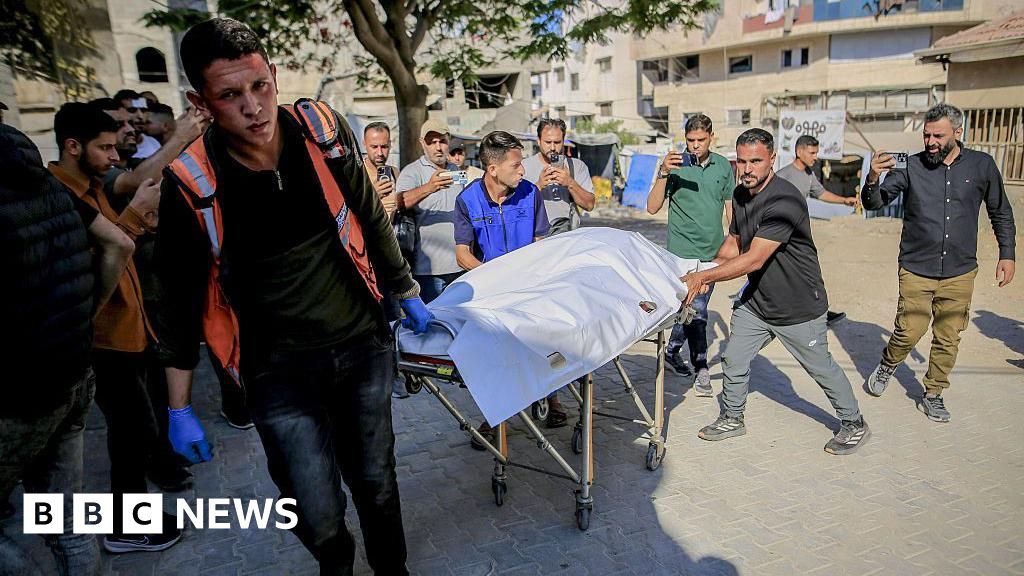
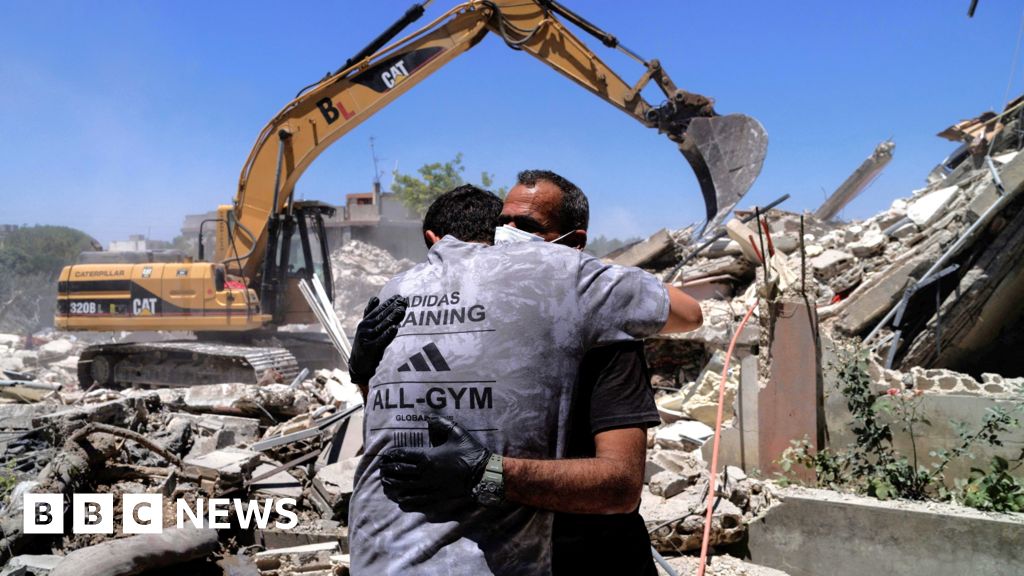
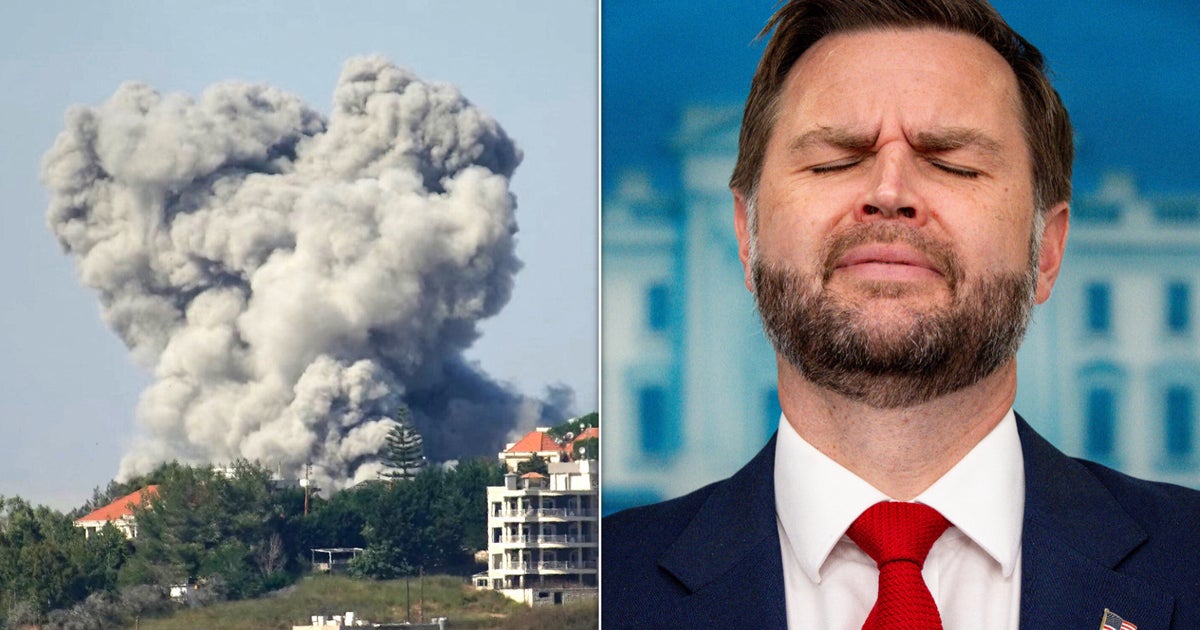
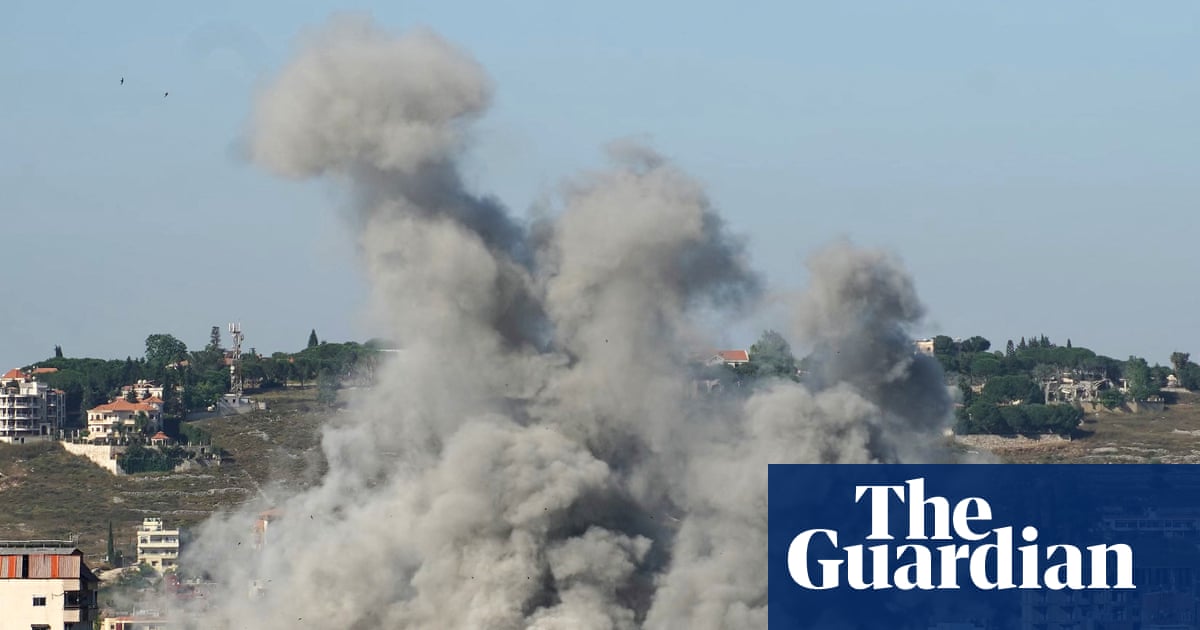
Reporting indicates heavy Israeli airstrikes and Hezbollah fire across southern Lebanon, with fatalities reported in Nabatieh and Saida and the Israel Defense Forces striking dozens of Hezbollah targets while citing more than 50 overnight attacks by Hezbollah. Casualty tallies vary by day and source, but include at least 16 deaths in specific localities and larger nationwide counts across 18-20 June. In Gaza, Israeli strikes killed at least six people, including an Al Jazeera cameraman and a child, and separate incidents killed four family members in Gaza City. Parallel diplomacy is active but inconsistent: multiple reports say an Iranian delegation arrived in Switzerland and that direct US, Iran talks are set to begin, while others state Iranian officials and US Vice President JD Vance postponed travel. Iran’s Islamic Revolutionary Guard Corps announced re-imposed restrictions and claims of closing the Strait of Hormuz, including requiring Tehran’s permission for transit, yet US Central Command and independent trackers reported continued shipping, including 55 vessel transits and guidance that the southern route is open with signals on; a maritime centre rates the Hormuz threat as moderate. The humanitarian toll remains high, with around a million displaced in Lebanon, entire southern communities destroyed, and persistent calls by partners for Israel to ease humanitarian access into Gaza.
Key judgments
- Hostilities between the Israel Defense Forces and Hezbollah are ongoing and lethal in southern Lebanon despite ceasefire declarations, and they are very likely to persist over the next two weeks. (Confidence: medium · ASSESSED)
- I&W: Lebanon’s Civil Defence and Health Ministry continue to report daily fatalities in Nabatieh, Tyre or Saida from cross-border strikes. (0-14 days)
- I&W: No projectile launches reported by the IDF along the Blue Line for at least 72 hours. (0-14 days)
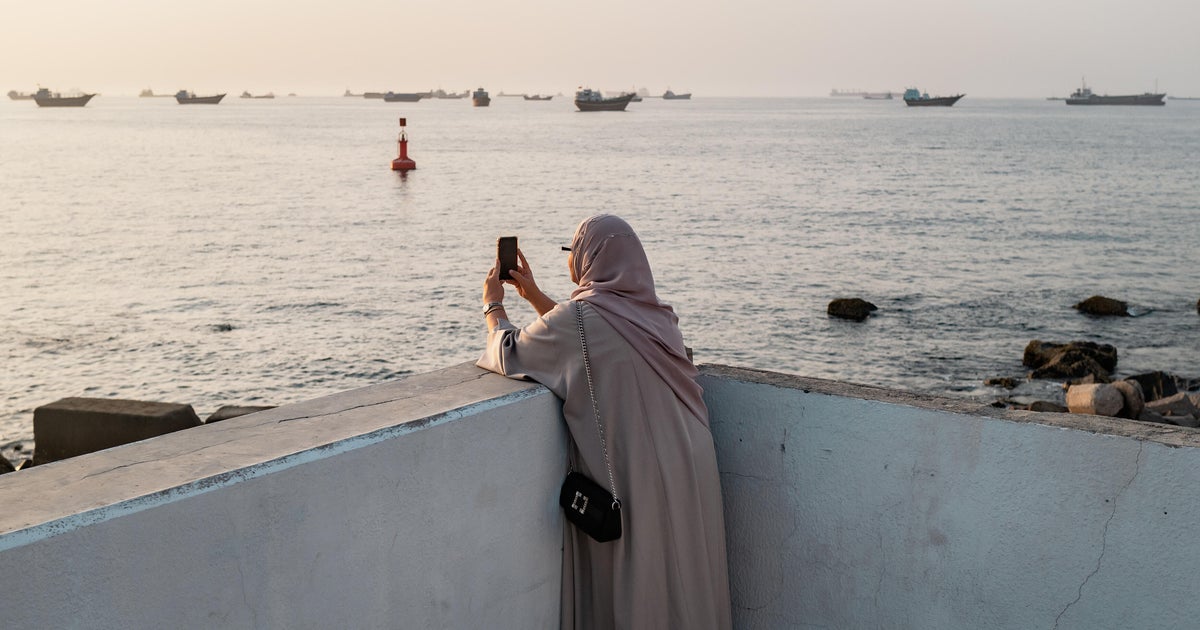
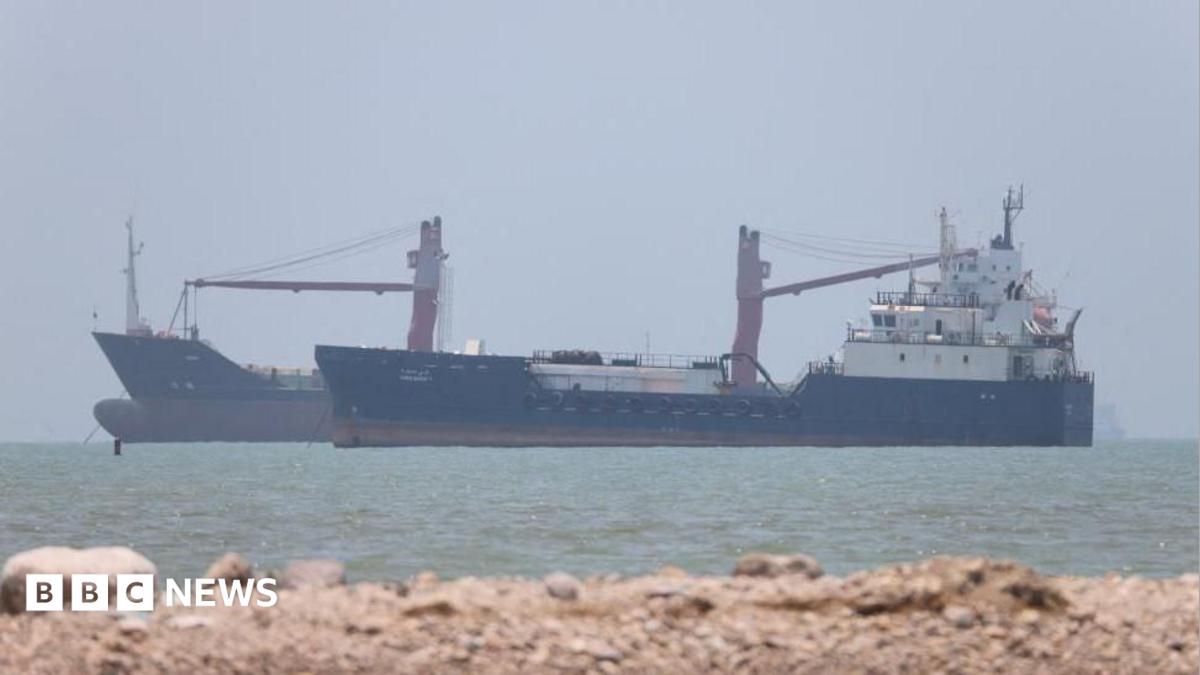
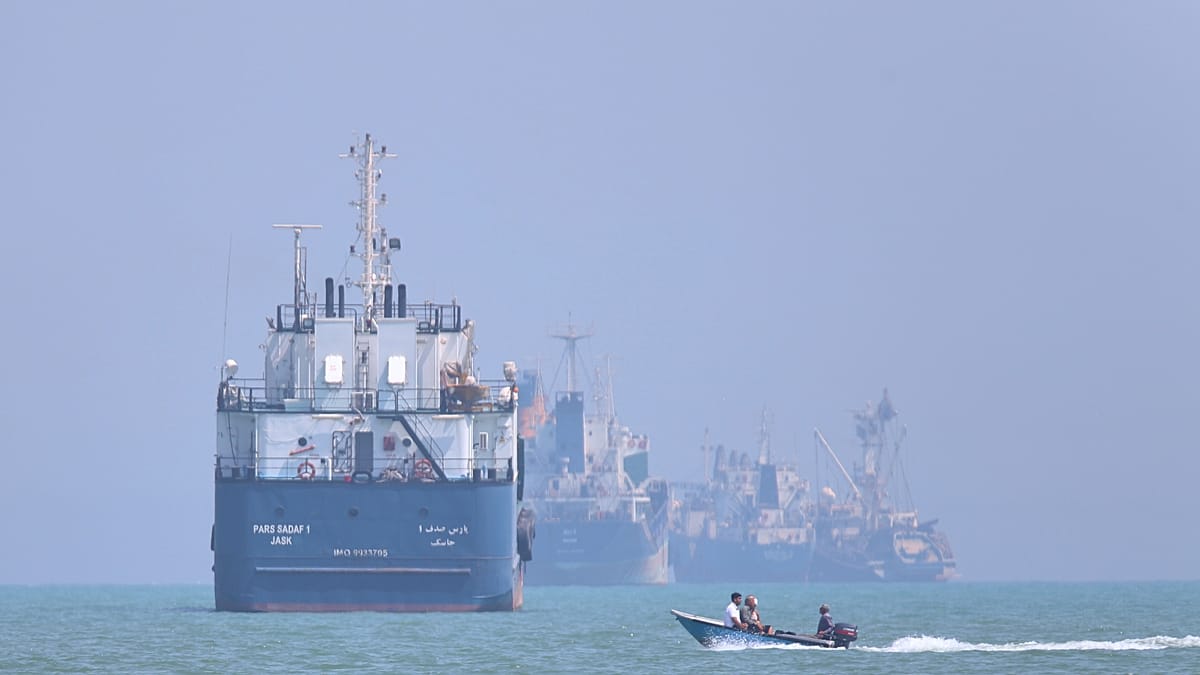
- Despite Iranian announcements reimposing restrictions and claims of closing the Strait of Hormuz, commercial traffic along the southern route is continuing and the maritime threat level is moderate; routine transits are likely to continue in the near term. (Confidence: medium · ASSESSED)
- I&W: AIS-based trackers show 50 or more commercial transits per day via the southern Traffic Separation Scheme for at least seven consecutive days. (0-14 days)
- I&W: Verified IRGC boarding or detention of a commercial tanker in or near the Strait leads major carriers to publicly suspend or reroute Hormuz transits. (0-14 days)
- The US, Iran diplomatic track in Switzerland is active but fluid; there is a roughly even chance that formal talks open this week, with fighting in Lebanon acting as the principal spoiler. (Confidence: low · ASSESSED)
- I&W: The Swiss Federal Department of Foreign Affairs publishes an official readout listing both US and Iranian delegations convened in Bürgenstock. (0-14 days)
- I&W: Official Iranian or US statements postpone or suspend the Switzerland track explicitly citing ongoing fighting in Lebanon. (0-14 days)
- Civilian harm and displacement in Lebanon and Gaza are severe and ongoing, and external pressure on Israel over humanitarian access and restraint is likely to intensify. (Confidence: medium · ASSESSED)
- I&W: Further official partner statements explicitly urging Israel to remove 'dual use' restrictions and facilitate humanitarian access to Gaza. (0-14 days)
- I&W: Sustained 14-day period with no reported civilian fatalities in Lebanese Health Ministry and Gaza health reports. (1-3 months)
- Threats to US-linked sites in the UAE and federal aviation advisories indicate an elevated risk profile in the Gulf that is likely to persist; US posture will remain cautious. (Confidence: high · ASSESSED)
- I&W: FAA renews or expands its Middle East caution NOTAM language for operations including the UAE FIR. (0-14 days)
- I&W: US Embassy guidance downgrades risk posture and rescinds prior authorised departure for the UAE. (1-3 months)
Outlook & scenarios
Contained confrontation with shaky talks (50%)
Cross-border fire between the IDF and Hezbollah continues at a steady tempo but is contained south of the Litani and north of the Blue Line. Maritime flows through Hormuz remain open via the southern route amid competing statements. The Switzerland track convenes in some form but limits itself to process management rather than breakthroughs.
Escalation on the Lebanon front and a Hormuz scare (30%)
A larger Hezbollah barrage and wider Israeli targeting produce a spike in casualties and displacement. The IRGC conducts a coercive maritime action, such as a tanker boarding or short-lived obstruction, prompting rerouting and stalling of the Switzerland channel.
Ceasefire sticks and a technical MOU opens a de-escalation path (20%)
A renewed ceasefire takes hold along the Lebanon front, talks in Switzerland open with visible participation, and parties initial a limited memorandum that sustains open transit at Hormuz. Humanitarian access messaging intensifies and some access restrictions are eased in Gaza.
Recommendations
- Maintain a daily Blue Line ledger of Hezbollah projectile launches and IDF strikes by locality (Nabatieh, Saida, Tyre), cross-referencing Lebanese Civil Defence and IDF releases; flag any three-day lull or surge.
- Stand up a Hormuz watchboard tracking AIS transits, IRGC and US CENTCOM communiqués, and JMIC threat ratings; trigger alerts if daily transits fall sharply or a boarding is confirmed.
- Task the diplomacy cell to verify Switzerland participation with on-record Swiss readouts and delegation lists; prepare a quick-turn brief contrasting reports of postponement versus arrival.
- Use NASA VIIRS heat detections to corroborate major strike sites while caveating that thermal signatures record heat, not cause; retain sensor metadata to avoid mislocation.
- Catalogue humanitarian incidents in Lebanon and Gaza with geocoded fatality counts and damage reports; track government partner statements on humanitarian access and dual‑use restrictions to anticipate diplomatic pressure points.
- Review and disseminate current FAA advisories and US travel guidance for the UAE to relevant missions and operators; prepare contingency routing guidance for commercial movements near Hormuz.
- Prepare branch plans for each scenario, identifying collection gaps: maritime interdiction indicators for escalation, verified delegation attendance for talks, and verifiable ceasefire adherence metrics for de‑escalation.
Confidence & uncertainty
Overall confidence is low because central elements rely on contested or conflicting reporting. The status of the Strait of Hormuz is claimed closed by Iranian actors while US Central Command and independent trackers report continued transits, and guidance ranges from Tehran permission requirements to open southern-route passage. Reporting on US, Iran talks in Switzerland is also inconsistent, with claims of both arrivals and postponements for Iranian officials and the US vice president. Casualty counts in Lebanon vary widely across adjacent days and sources. While many sources are credible major media or official statements, the contradictions and timing gaps reduce corroboration and constrain confidence.
Intelligence gaps
- [EEI 1.1 · PARTIAL] Number, type, launch times, and trajectories of ballistic missiles, cruise missiles, armed UAV strikes, and combat-air sorties launched by Iranian or Israeli forces toward the other's territory or forward bases within a 72-hour window. Recommended collection: signals/intel
- [EEI 1.2 · PARTIAL] Observable changes in Israeli and Iranian force posture: mobilization or reserve call-up orders, unit road/rail movements, dispersal or sortie rates of air squadrons, redeployment of air-defense batteries, and activation of civil-defense alerts or sirens in major population centers. Recommended collection: open-source/media
- [EEI 2.1 · PARTIAL] Counts, launch locations (coordinates), weapons types, and assessed damage from rocket/missile/drone strikes originating from Lebanon into northern Israel attributed to Hezbollah or allied groups. Recommended collection: open-source/media
- [EEI 2.2 · UNCOVERED] Reported attacks by Iranian-backed militias in Iraq and Syria: rocket/IED strikes on bases hosting US/coalition or Israeli personnel, documented militia unit movements toward borders, and captured movement or transfer of weapons systems to forward militia positions. Recommended collection: human
- [EEI 2.3 · PARTIAL] Maritime harassment or attacks by proxies (e.g., Houthis): incidents of missile/rocket strikes against commercial vessels, small-boat swarm attacks, discovery or detonation of naval mines, and corresponding AIS anomalies in the Red Sea, Gulf of Aden, or southern Arabian Gulf. Recommended collection: maritime/AIS
- [EEI 3.1 · UNCOVERED] Movements and arrival dates of foreign military assets into the region: carrier strike groups, amphibious ships, surface combatants, strategic airlift/tanker deployments, and air/sea patrol patterns by US, European, Russian, or regional militaries. Recommended collection: imagery/satellite
- [EEI 3.3 · PARTIAL] Immediate commercial and market indicators: rerouting of commercial tankers and container vessels (e.g., avoidance of Bab el-Mandeb or Strait of Hormuz), sudden spikes in war-risk insurance premiums for regional sea lanes, temporary port closures, and near-term price moves in regional benchmark crude tied to incidents. Recommended collection: financial/market
Cited sources
[1] BBC · Israel and Hezbollah continue strikes despite ceasefire agreement (A) · sha256:d62b4202f83c [2] huffpost.com · Israel Keeps Hammering Lebanon As Trump's Iran Deal Under Threat (B) · sha256:43887db8fa2c [3] Euronews · إيران تعلن رسمياً إغلاق مضيق هرمز وواشنطن تُكذّبها. وترامب يهدد بفرض رسوم على المرور (A) · sha256:647c5dd178d9 [4] ynetnews.com · US-Iran talks in Switzerland to open with Lebanon crisis, reports say (B) · sha256:509976ebfebe [5] Al Jazeera · US-Iran talks to kick off Sunday in Switzerland, says Pakistan (A) · sha256:16505e7451ff [6] BBC · US denies Iran's claim to have closed Strait of Hormuz over Israeli attacks in Lebanon (A) · sha256:787c1a63bcd6 [7] gcaptain.com · Ships Told They Can Use South Hormuz Route With Signals On (B) · sha256:eed798d164e6 [8] BBC · US-Iran talks to begin in Switzerland as Tehran says it closed Strait of Hormuz (A) · sha256:b89345bb9745 [9] CBS News · Live Updates: JD Vance heads to Switzerland to accelerate peace talks as Iran threatens to close Strait of Hormuz (A) · sha256:668e008e04cb [10] theguardian.com · Iran says it is closing strait of Hormuz over Israeli strikes in Lebanon (A) · sha256:99edd43f1157 [11] cryptobriefing.com · VP Vance to join Iran peace talks in Switzerland amid Israeli airstrikes (B) · sha256:bf5f5723744e [12] CNN · Vance to head to Switzerland for Iran talks | CNN (A) · sha256:840d86c019b5 [13] BBC · Israeli strikes kill six people in Gaza including Al Jazeera cameraman, officials say (A) · sha256:dae1f5d497fa [14] UK Government · We urge Israel to immediately remove unjustifiable restrictions on humanitarian access: UK statement at the UN Security Council (A) · sha256:2b923f1dd46a [15] U.S. Department of State · United Arab Emirates Travel Advisory (A) · sha256:7a0c71f2991b
Source content hashes were computed at collection time; the cited text is preserved unmodified for the life of this product.
TLP:CLEAR