TLP:CLEAR · Disclosure is not limited.
Lebanon front pauses under fragile truce as US, Iran MOU reopens Hormuz
Time window: Last 7 days · Audience: General analyst · Type: Situation report · DTG: 2026-06-20 00:13Z · Overall confidence: MEDIUM
BLUF
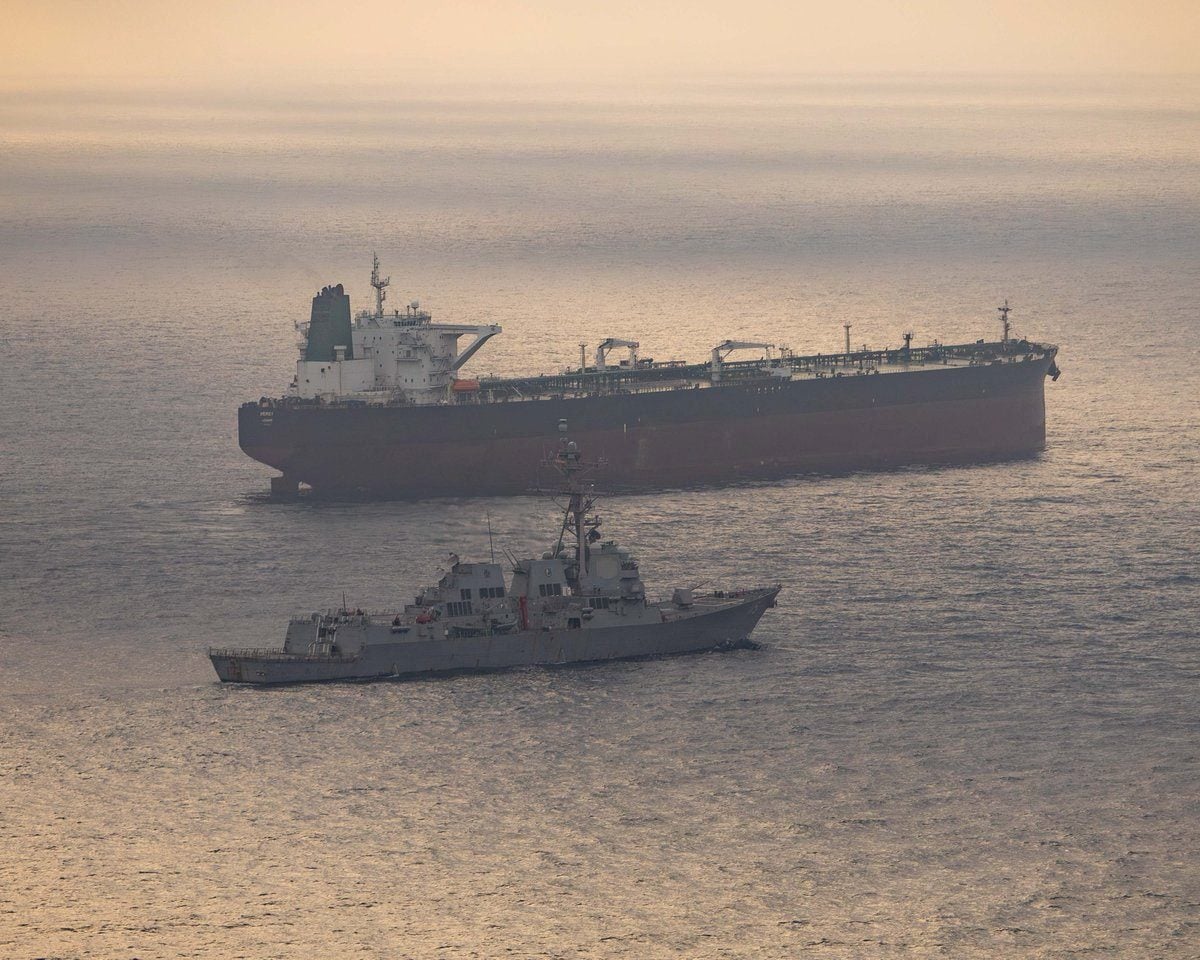
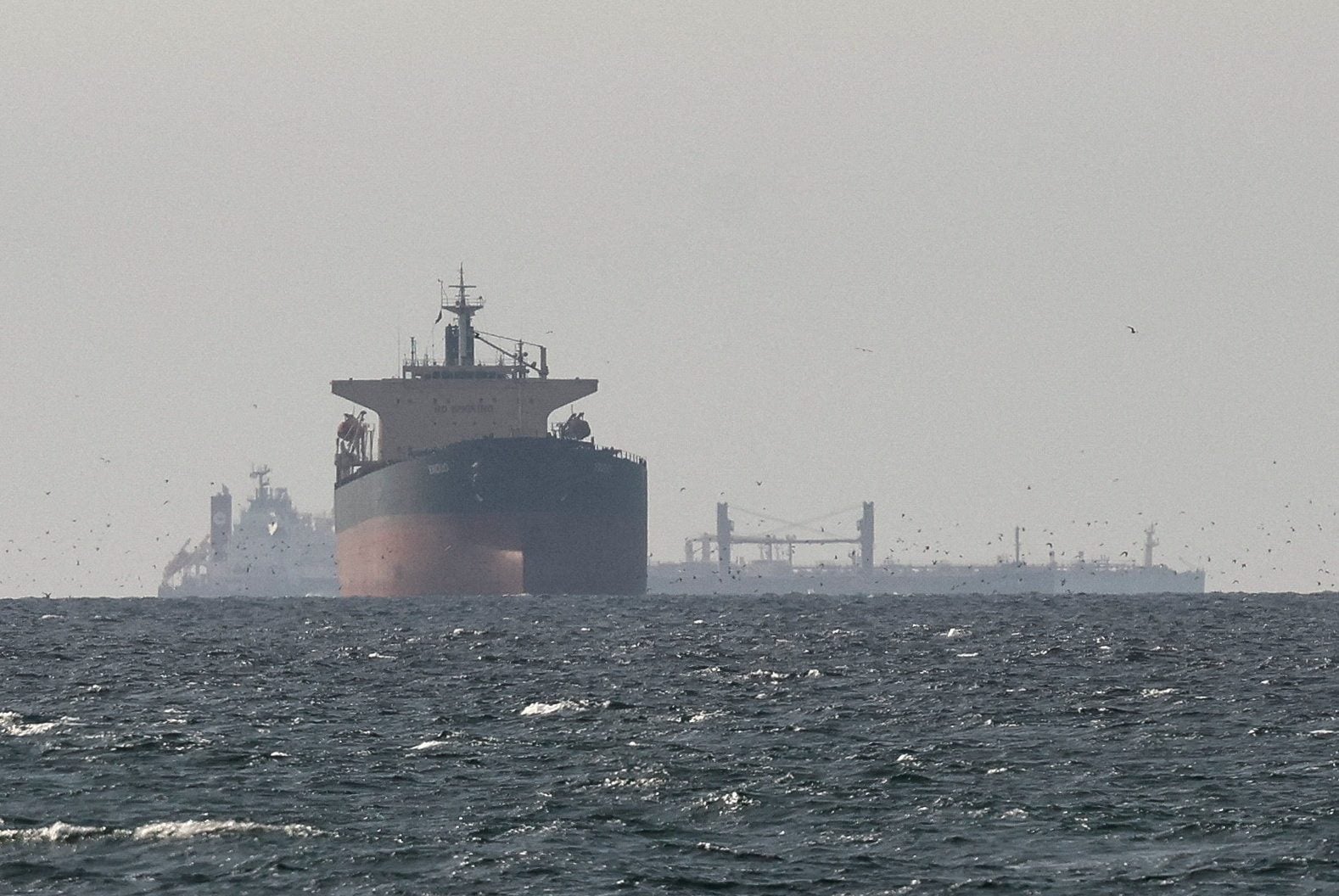
A ceasefire between Israel and Hezbollah began on 19 June at 16:00 local time but remains fragile amid reports of continued strikes and competing claims. In parallel, a US, Iran memorandum has lifted the maritime blockade and reopened the Strait of Hormuz, with oil flows resuming under new Iranian transit rules and a 60‑day window that may introduce fees, keeping maritime risk elevated.
Executive summary
Israel and Hezbollah agreed to a ceasefire on 19 June, with Israeli and US officials signalling it took effect at 16:00 local. Reporting the same day cites lethal Israeli strikes in Lebanon, suggesting the truce is brittle and timing-sensitive. Iran has issued threats of a military response over Lebanon, while domestic Lebanese casualties have mounted during 14-19 June. The United States and Iran have moved into an interim arrangement that reopened Hormuz and ended US maritime enforcement on Iranian ports, and shipping data indicate a rebound in tanker movements from Chabahar and through the strait. Tehran has published new transit rules that require Iranian‑approved insurance and permits, with a stated 60‑day grace period before charges could apply, introducing regulatory friction. Humanitarian needs in Lebanon continue to outpace resources, with displacement and underfunding persisting despite limited returns to the south.
Key judgments
- A ceasefire between Israel and Hezbollah very likely took effect on 19 June at 16:00 local time, but it is fragile and faces early violations and competing claims about compliance. (Confidence: medium · ASSESSED)
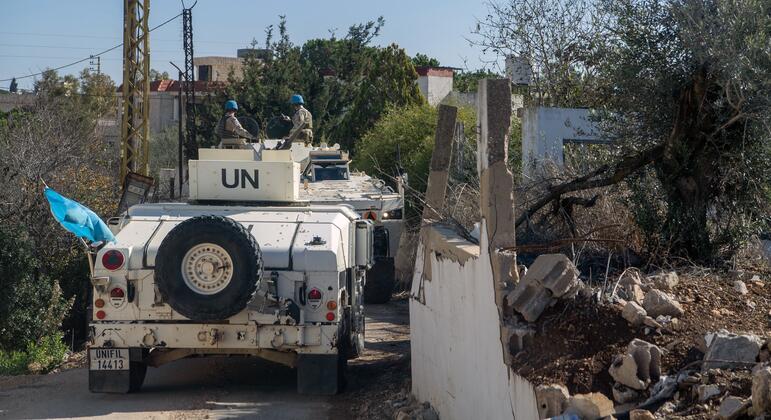
- I&W: UNIFIL daily summaries show no cross‑border fire or airspace/maritime violations for two consecutive weeks after 19 June. (0-14 days)
- I&W: Official Israeli or Hezbollah channels acknowledge strikes or launches after 16:00 local time with geolocated impacts in southern Lebanon or northern Israel. (0-14 days)
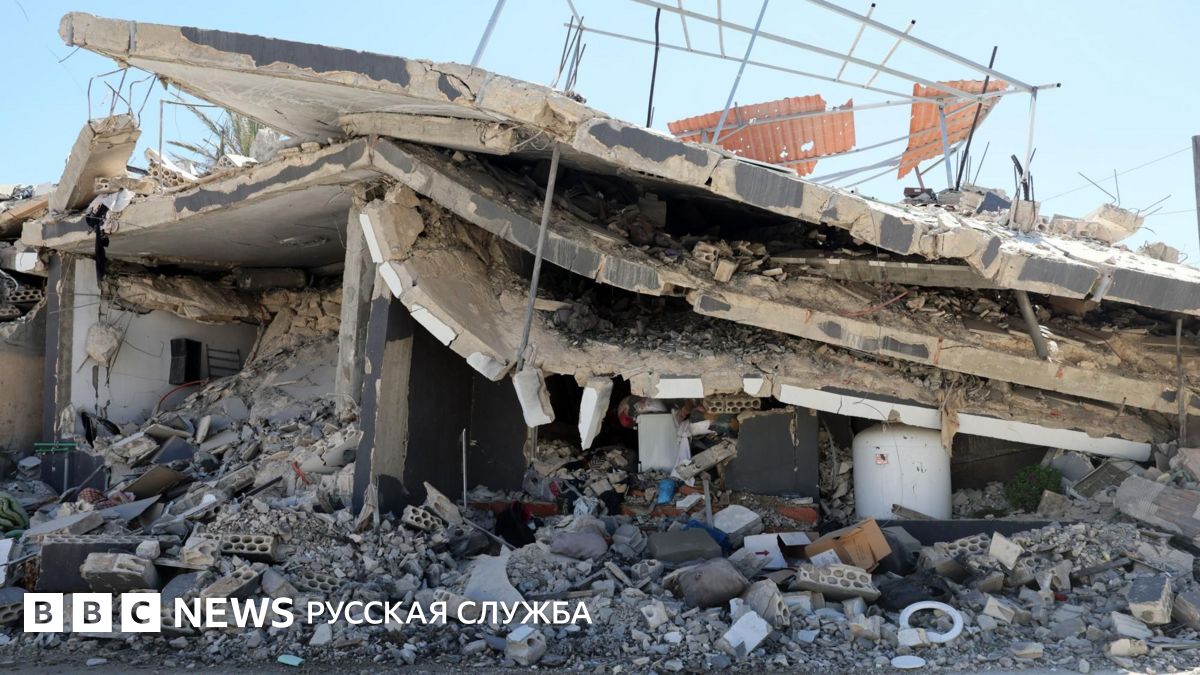
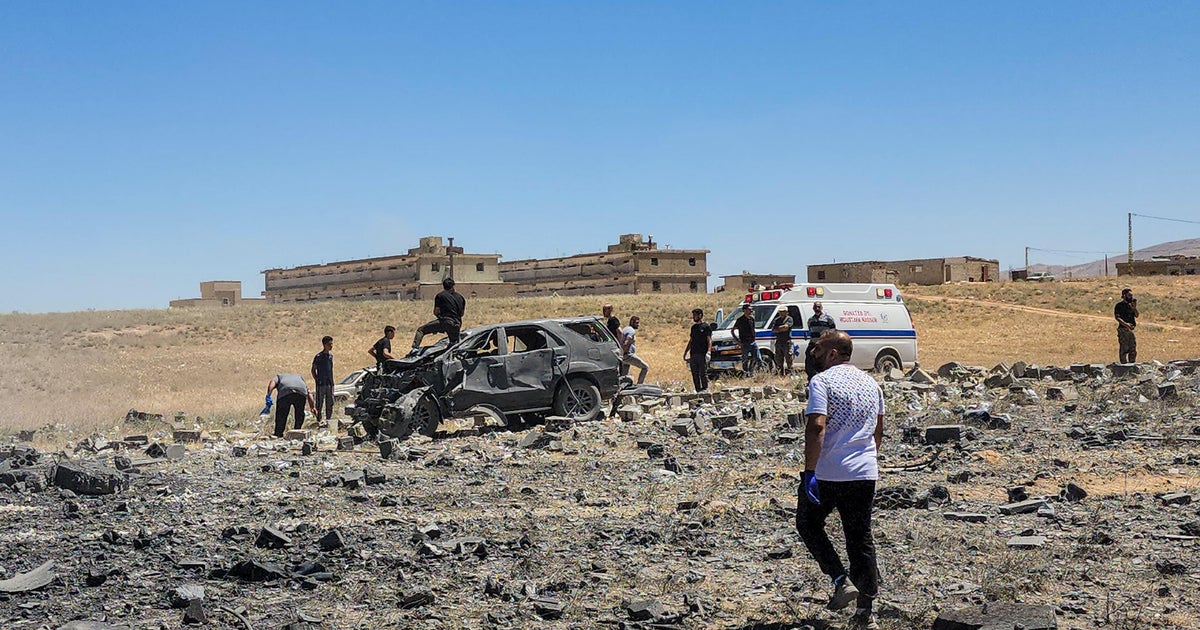
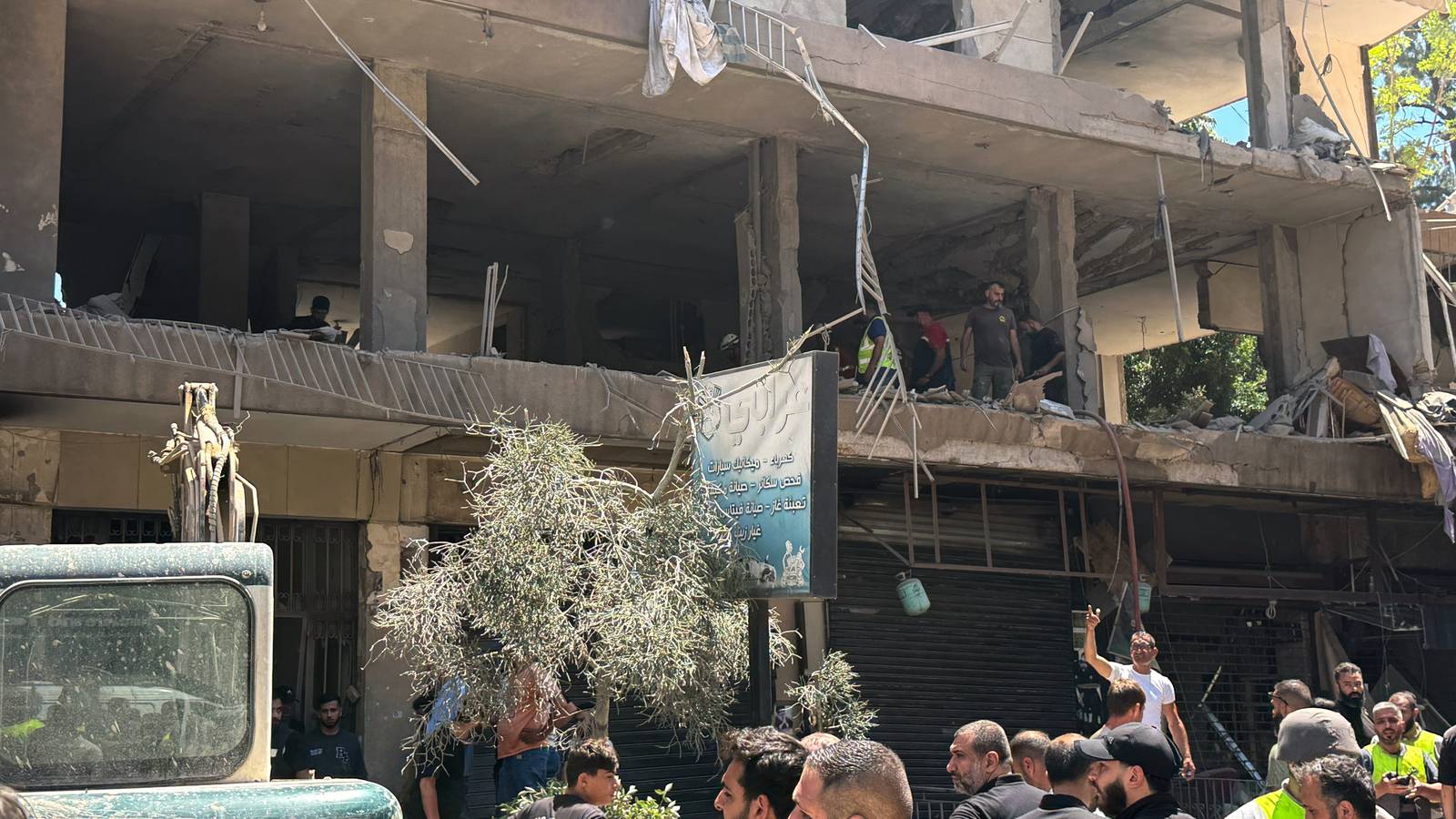
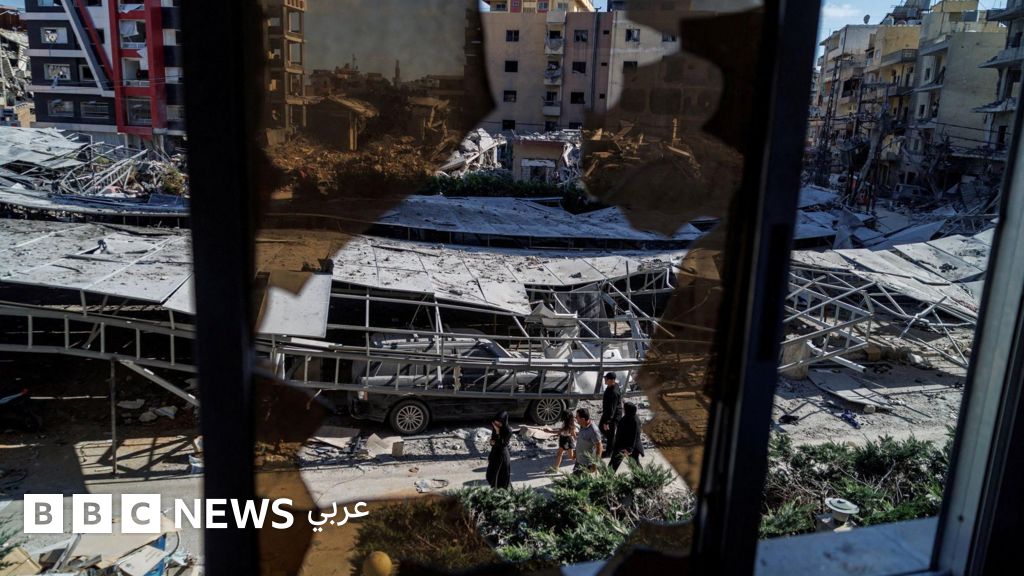
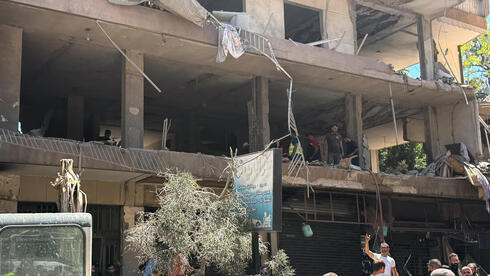
- Israeli air operations between 14 and 19 June very likely caused dozens of fatalities in Beirut and southern Lebanon and triggered additional displacement, while cross‑border fire from Hezbollah persisted. (Confidence: high · ASSESSED)
- I&W: Lebanese Ministry of Health daily bulletins report fewer than five conflict‑related deaths per day for at least two consecutive weeks. (0-1 month)
- I&W: OCHA updates show a halt in new displacement orders across South and Nabatieh governorates. (0-1 month)
- The US, Iran interim understanding has very likely reopened the Strait of Hormuz and ended US maritime enforcement against Iranian ports, with oil shipments resuming and rising by 19 June. (Confidence: high · ASSESSED)
- I&W: Successive maritime advisories from the Joint Maritime Information Center maintain the Strait of Hormuz as open with a moderate or lower threat level. (0-14 days)
- I&W: Maritime reporting shows sustained departures of laden tankers from Chabahar and routine transits into and out of Hormuz. (0-1 month)
- Iran is likely asserting tighter regulatory control over Hormuz for the next 60 days, requiring Iranian‑approved insurance and transit permits with a stated intention to introduce charges after the grace period, creating compliance friction for shippers. (Confidence: medium · ASSESSED)
- I&W: Reports from shipowners of obtaining PGSA passage permits and Iranian‑approved insurance to transit Hormuz. (0-1 month)
- I&W: Official notices or industry reporting confirm introduction of Iranian transit charges after the 60‑day window. (1-3 months)
- Humanitarian needs in Lebanon are very likely outpacing resources amid renewed displacement and underfunding, despite some returns to the south. (Confidence: high · ASSESSED)
- I&W: OCHA financial tracking shows the Lebanon Flash Appeal remains below 50 percent funded. (1-3 months)
- I&W: Displacement reporting shows more than 100,000 people still in collective shelters nationwide. (1-3 months)
- There is a roughly even chance that the 60‑day US, Iran negotiating window proceeds on schedule, as fighting in Lebanon has already delayed planned meetings and prompted Iran to refuse travel, though mediators remain engaged and bilateral tracks are still signalled. (Confidence: medium · ASSESSED)
- I&W: A formal US, Iran meeting is held with a joint readout published within the next two weeks. (0-14 days)
- I&W: Washington‑hosted Israel, Lebanon talks for 23-25 June are cancelled or fail to produce a joint statement. (0-14 days)
- The risk to US‑linked targets in the United Arab Emirates is likely elevated in the near term given official warnings, prior ordered departure of US personnel, and explicit Iranian statements about targeting locations associated with the United States. (Confidence: medium · ASSESSED)
- I&W: Additional US or allied government security alerts raise posture or expand movement restrictions in the UAE. (0-1 month)
- I&W: US authorities rescind the ordered departure and downgrade risk advisories for the UAE. (1-3 months)
Outlook & scenarios
Brittle ceasefire holds while maritime normalisation advances (60%)
The Israel, Hezbollah truce persists with sporadic ceasefire breaches that do not spiral. US, Iran talks proceed within the 60‑day window under mediator facilitation. Hormuz remains open, laden tankers continue to depart Chabahar and transit the strait, and shippers adapt to Iranian permit and insurance rules during the grace period. Humanitarian needs in Lebanon remain high due to underfunding and only gradual returns.
Renewed escalation derails diplomacy (35%)
A lethal incident in Beirut or along the Blue Line prompts Hezbollah salvos and Israeli retaliatory strikes, followed by an Iranian response threat that pauses or collapses the US, Iran track. Maritime risk rises as the IRGC enforces transit conditions more aggressively and incidents at sea reappear, slowing shipments through Hormuz. Displacement in Lebanon increases, and international pressure builds without immediate de‑escalation.
Regulatory friction at Hormuz intensifies without kinetic spillover (40%)
Even as the Lebanon front remains comparatively quiet, Tehran implements fees and tightens documentation after the 60‑day window, drawing industry pushback and potential sanctions friction. Shipping continues but faces higher costs, insurance constraints, and episodic delays while US naval presence monitors implementation. Energy markets stabilise below crisis levels but price in persistent Gulf transit risk.
Wildcard: high‑impact attack on US‑linked target in the UAE (15%)
An attack or interdicted plot against a US‑associated facility in the UAE triggers emergency security measures, sharpens US, Iran rhetoric, and complicates both the Lebanon ceasefire and the 60‑day negotiation window. Commercial aviation advisories expand, and regional risk premiums rise abruptly.
Recommendations
- Track ceasefire compliance in near real time by fusing UNIFIL daily reporting on trajectories and airspace/maritime incidents with geolocated open‑source media from southern Lebanon and northern Israel to distinguish pre‑ and post‑16:00 events on 19 June.
- Maintain continuous liaison with maritime desks to log tanker movements from Chabahar and through Hormuz, and catalogue reported use of Iranian‑approved insurance and PGSA permits by flag and owner to assess emerging compliance norms.
- Prepare a decision memo on potential impacts if Tehran introduces Hormuz transit charges after the 60‑day grace period, including likely shipowner responses and secondary sanctions exposure related to PGSA‑linked payments.
- Task collection to verify any strikes or launches acknowledged by official Israeli or Hezbollah channels after the ceasefire start time and reconcile with Lebanese Ministry of Health casualty bulletins to evaluate truce stability.
- Coordinate with humanitarian partners to map displacement orders issued between 12-14 June across 37 localities in South and Nabatieh governorates and identify priority gaps created by the 32.7 percent funding level of the Lebanon Flash Appeal.
- For posture in the UAE, brief stakeholders on current US travel advisories and FAA notices, and establish an alerting protocol for any further official security messages or Iranian statements indicating intent to target US‑linked sites.
Confidence & uncertainty
Overall confidence is medium. Several developments are corroborated by multiple reliable sources, including the 19 June Israel, Hezbollah ceasefire, the reopening of Hormuz, the end of US maritime enforcement, and a rebound in tanker flows. However, key elements carry uncertainty: reports of ceasefire violations conflict with official denials and vary in timing; casualty figures differ across outlets; and shipping counts from Chabahar range from seven to eleven tankers. Iranian transit rules are reported by reputable media but face industry contestation, and the 60‑day negotiation track shows scheduling slippage. These discrepancies justify a cautious, medium‑confidence aggregate assessment.
Alternative analysis (red cell)
Open reporting is fragmented, contains timing and attribution contradictions, and relies on mixed‑admiralty sources. A sober alternative estimate is that political announcements (ceasefire, maritime understandings) were issued but implementation is partial and contested; many operational conclusions are therefore provisional pending independent, time‑stamped monitoring data.
Cited sources
[1] cbsnews.com · Iran Latest: Israel and Hezbollah agree to Lebanon truce, officials say, as fighting delays U.S.-Iran talks (A) · sha256:be332bca3cf0 [2] BBC News Русская служба · Израиль и «Хезболла» договорились прекратить огонь - BBC News Русская служба (A) · sha256:9d095e7d1167 [3] Reuters · Израиль и «Хезболла» договорились о прекращении огня — Reuters – Oninvest (A) · sha256:68295f3b6fef [4] Polskie Radio · Израиль и «Хезболла» согласились возобновить перемирие на юге Ливана (A) · sha256:abff4123ea24 [5] The Jerusalem Post · Live Updates: Latest from Israel, Iran, and Middle East | The Jerusalem Post (A) · sha256:7a5dc53423ab [6] Los Angeles Times · Israel strikes Beirut suburbs in run-up to anticipated U.S.-Iran deal - Los Angeles Times (A) · sha256:8e4a28820027 [7] military.com · Israeli Military Strikes Beirut Suburbs in the Lead-up to Anticipated US-Iran Deal (A) · sha256:068c303f4b44 [8] ynetnews.com · Iran threatens response after Israel strikes Hezbollah’s Dahieh, officials warn more may follow (A) · sha256:da6fc97eab0f [9] BBC News عربي · الجيش الإيراني يهدد بالرد على إسرائيل بعد مقتل أربعة أشخاص في هجمات على جنوب لبنان - BBC News عربي (A) · sha256:6aa342e73e36 [10] gcaptain.com · U.S. Officially Ends Maritime Blockade of Iran and Declares Hormuz Open (A) · sha256:bde568f4f392 [11] gcaptain.com · Oil Shipments Rise in Hormuz Although Questions Grow Over Iran's Transit Terms (B) · sha256:2dd7e5dc464a [12] gcaptain.com · Iran Oil Surges as Seven Supertankers Sail After Blockade Lifts (B) · sha256:965be16980d2 [13] gcaptain.com · More Than 20 Million Barrels Leave Iran as Post-War Oil Trade Reawakens (B) · sha256:edbe978d5c38 [14] gcaptain.com · Iran Asserts Control Over the Strait of Hormuz (B) · sha256:62d853854816 [15] gcaptain.com · U.S. Downplays Possibility of Hormuz Tolls as Negotiations Restart (B) · sha256:d4210524880f [16] The Guardian · Oil prices fall after peace deal signed – as it happened (A) · sha256:4bca8cdffe97 [17] United Nations · Lebanon: 12 children killed, maimed daily, despite Hezbollah-Israel truce (A) · sha256:62ce650be4f1 [18] United Nations · UN upholds freedom of movement for peacekeepers in Lebanon (A) · sha256:3f457a20cd3a [19] aljazeera.net · إيران: نستعد لمحادثات مهمة والاتفاق يتضمن تنفيذ 5 بنود فورا (B) · sha256:d12cd2469603 [20] U.S. Department of State · United Arab Emirates Travel Advisory (A) · sha256:7a0c71f2991b
Source content hashes were computed at collection time; the cited text is preserved unmodified for the life of this product.
Red cell review: PARTIAL DISSENT
TLP:CLEAR