TLP:CLEAR · Disclosure is not limited.
Lebanon front quiets as Washington opens talks; Hormuz reopens under Iranian-directed regime with residual risk
Time window: Last 1 day · Audience: General analyst · Type: Situation report · DTG: 2026-06-23 09:15Z · Overall confidence: HIGH
BLUF
The Israel, Hezbollah truce is largely holding on 23 June as Israel issues hold‑fire orders and draws down some forces, while US‑mediated talks and a new deconfliction cell begin in Washington. Tehran has tied keeping the Strait of Hormuz open to calm in Lebanon and traffic is recovering under a dual regime, but dark shipping, mines and conditional commitments keep the risk of relapse high.
Executive summary
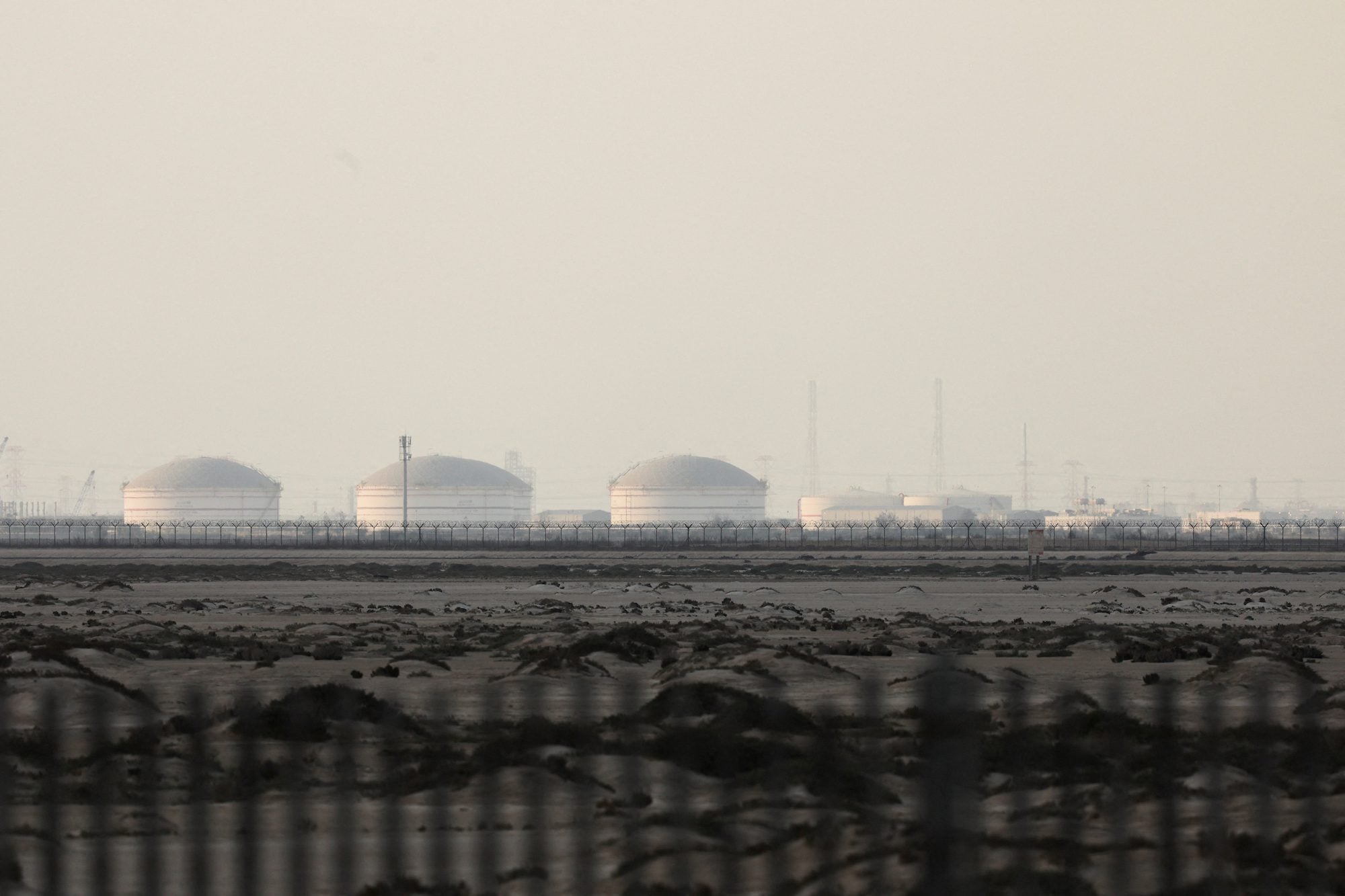
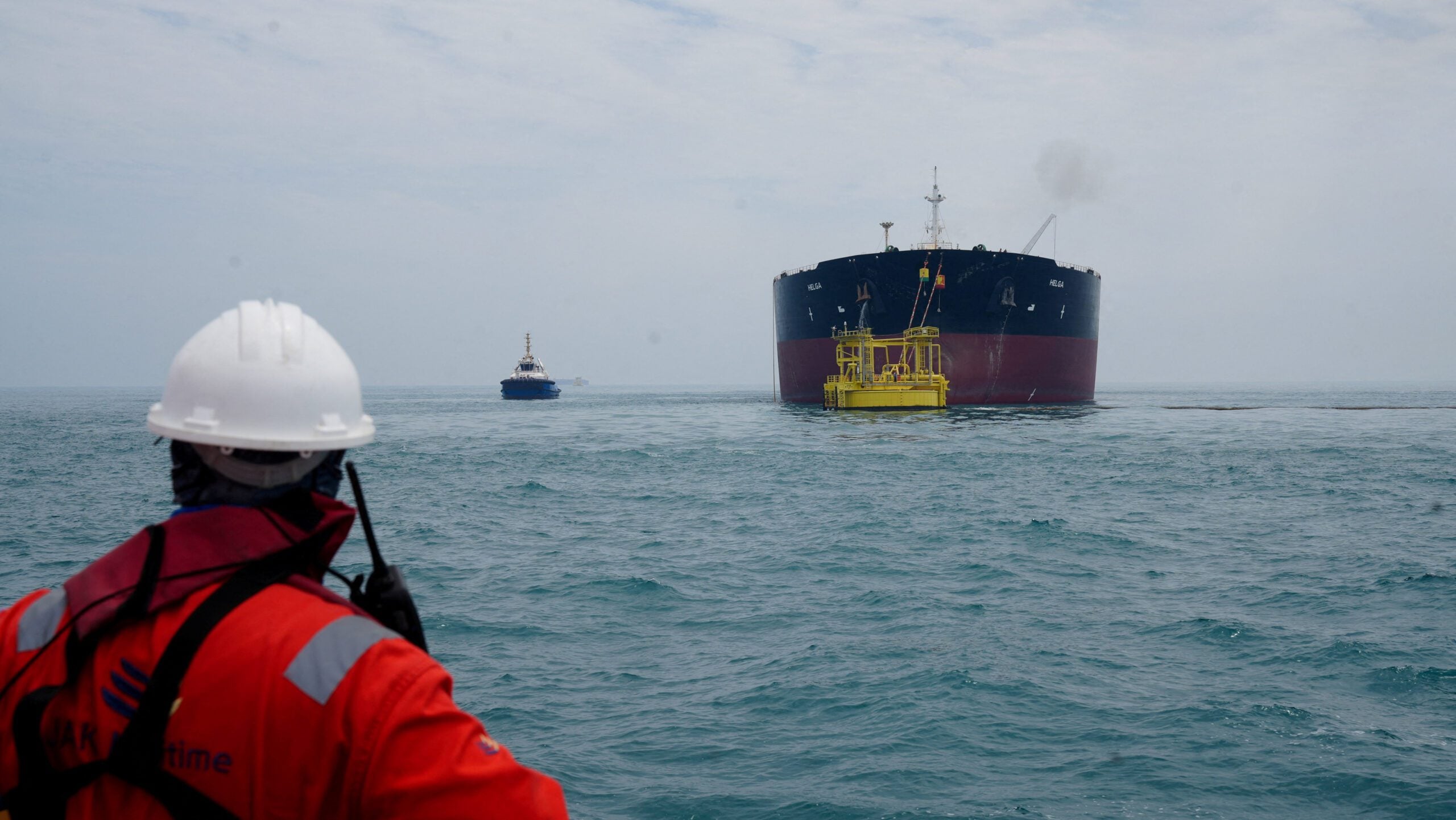
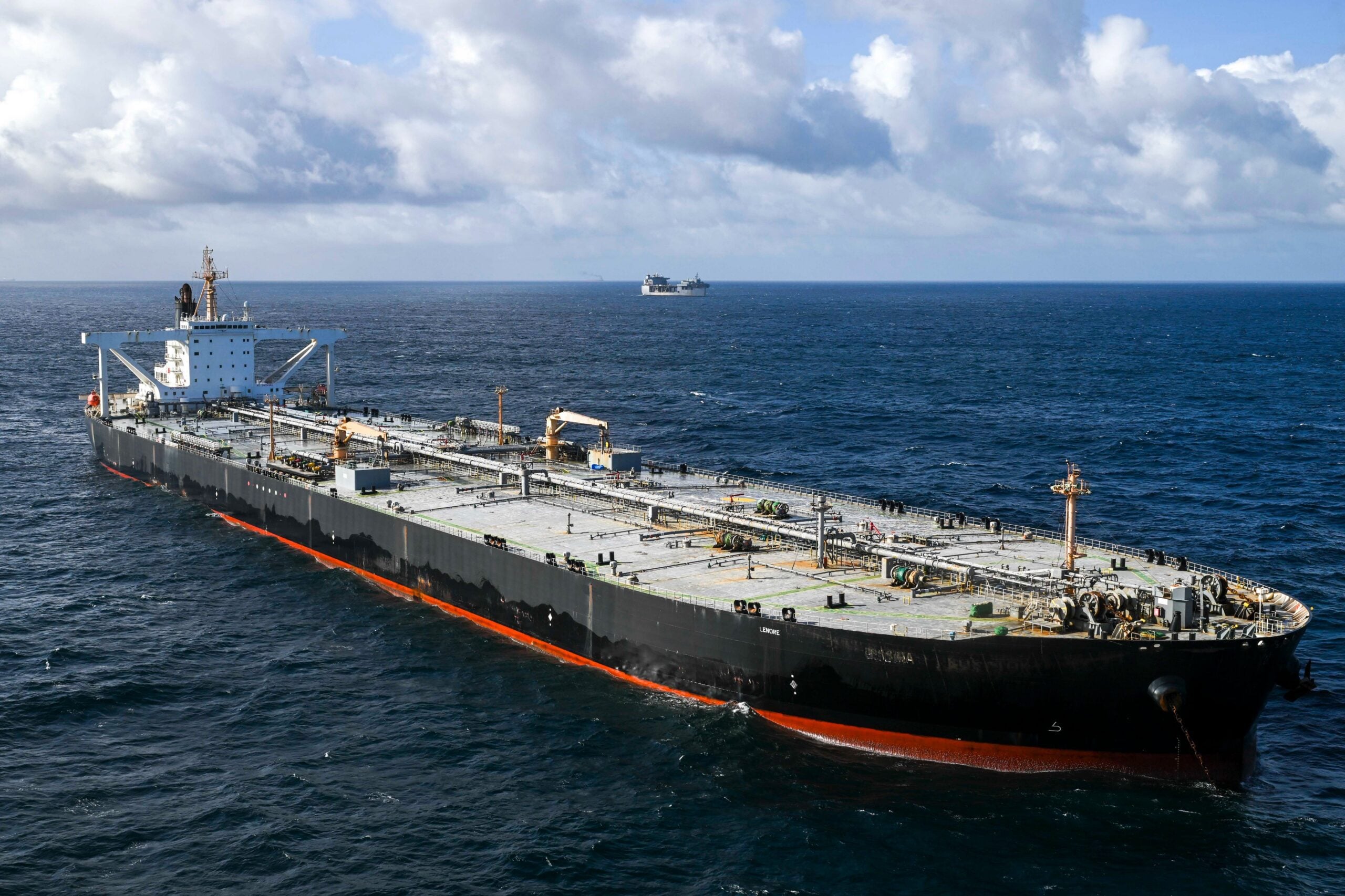
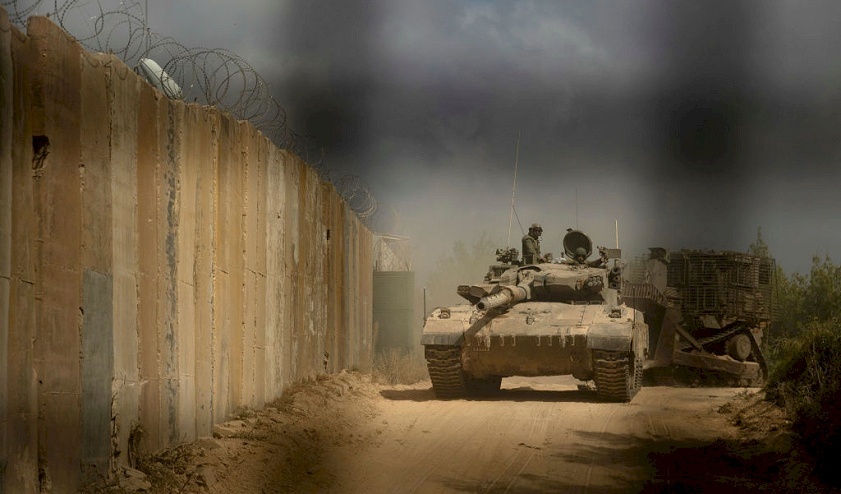
Israeli forces have been told to hold fire except against direct Hezbollah threats, the Home Front Command eased directives along the northern border, and reporting states the Israel Defense Forces and Hezbollah have stopped attacking each other. Israel has somewhat drawn down forces in southern Lebanon and pledged to respect the truce if Hezbollah does the same. Washington is opening talks between Israel and Lebanon through Thursday, alongside a deconfliction mechanism that includes Israel, Hezbollah and Lebanon. In parallel, Tehran committed to keep the Strait of Hormuz open so long as calm holds in Lebanon and to a US, Iran hotline, and has ramped up open shipments through the strait, including three US‑sanctioned supertankers carrying a combined 6 million barrels. Iran is actively directing traffic in the northern corridor via the Persian Gulf Strait Authority, many transits are dark, and mines remain in and around the lanes, so maritime risk persists. US measures include a 60‑day waiver and General License X allowing transactions for Iranian oil through 21 August, enabling a surge in exports and price cuts to Chinese buyers. On the nuclear file, US statements say Iran agreed to admit IAEA inspectors, but Iranian signals point to conditional or delayed access. Regionally, an explosion at Qatar’s Ras Laffan LNG complex killed 13 and the operator says repairs will take three to five years, highlighting infrastructure vulnerability even amid de‑escalation efforts.
Change from previous assessment
Since the prior brief, the Lebanon front shows clearer de‑escalation: Israeli hold‑fire orders, a reported pause in attacks, some IDF drawdown and eased Home Front directives. The diplomatic track has moved from general progress on a 60‑day roadmap to concrete steps: a US‑mediated deconfliction mechanism with participation by Israel, Hezbollah and Lebanon, and Washington talks scheduled through Thursday. At sea, Hormuz traffic is recovering with Tehran actively directing the northern corridor and a US, Iran hotline, while US measures formalised a 60‑day waiver and General License X through 21 August, enabling visible liftings including three supertankers carrying 6 million barrels. New headwinds include contradictory signals on IAEA access and the Ras Laffan explosion in Qatar, which introduces medium‑term LNG constraints. Initial assessment of UNIFIL’s potential departure adds a later‑year risk vector.
Key judgments
- The Israel, Hezbollah ceasefire is very likely holding as of 23 June, but it remains fragile and contingent on disciplined rules of engagement and functioning deconfliction. (Confidence: medium · ASSESSED)
- I&W: IDF and Hezbollah incident logs show no cross‑border fire or strikes for two consecutive weeks. (0-14 days)
- I&W: Public acknowledgment by either side of resumed rocket or strike activity along the Blue Line. (0-14 days)
- Maritime traffic through the Strait of Hormuz is very likely recovering under a dual‑track regime, with Tehran actively directing the northern corridor and a US, Iran hotline in place, but dark transits and residual mines mean risk remains elevated. (Confidence: high · ASSESSED)
- I&W: Maritime advisories reduce the Strait’s stated threat level below Moderate and AIS‑visible open transits increase week‑on‑week. (0-14 days)
- I&W: New Iranian notices or media statements threatening to re‑close the strait following a Lebanon flare‑up. (0-14 days)
- Temporary US sanctions relief is very likely driving a sharp but time‑limited surge in Iranian oil exports through 21 August, rather than a permanent lifting of sanctions. (Confidence: medium · ASSESSED)
- I&W: OFAC reaffirms the 21 August expiry of General License X and the 60‑day waiver, with no extension announced. (1-3 months)
- I&W: Extension or early revocation of the waiver or General License X announced by the US Treasury. (0-14 days)
- There is a roughly even chance that IAEA access to Iranian sites will be partial or delayed in the near term despite US statements of agreement, given Iranian caveats about internal approvals and declared reluctance on damaged sites. (Confidence: medium · ASSESSED)
- I&W: The IAEA publicly posts a schedule and completes announced inspections in Iran. (0-14 days)
- I&W: Iranian officials declare inspections deferred or deny access to specific damaged facilities. (0-14 days)
- US‑mediated talks in Washington this week are likely to prioritise border security coordination and the new deconfliction mechanism over rapid Hezbollah disarmament or an Israeli withdrawal timeline. (Confidence: medium · ASSESSED)
- I&W: A joint communique emphasises coordination mechanisms and incident management with no firm disarmament milestones. (0-14 days)
- I&W: Public commitments to phased Hezbollah disarmament or an IDF withdrawal timetable are announced. (1-3 months)
- Renewed escalation remains likely if a major attack or cross‑border fire resumes, with Eilat identified as a vulnerable target and Tehran signalling willingness to threaten Hormuz closure if fighting in Lebanon reignites. (Confidence: medium · ASSESSED)
- I&W: Attempted or successful high‑impact attack in Eilat or along Israel’s southern approaches is claimed or attributed. (0-14 days)
- I&W: Sustained calm around Eilat and continued adherence to hold‑fire orders on the northern front. (0-14 days)
- Regional energy infrastructure remains at risk, and Qatar’s LNG capacity is likely to face medium‑term constraints after the Ras Laffan explosion and earlier March missile damage. (Confidence: medium · ASSESSED)
- I&W: QatarEnergy issues updated guidance confirming multi‑year repair timelines and reduced LNG export capacity. (1-3 months)
- I&W: Rapid restoration milestones or increased LNG loadings from Ras Laffan ahead of stated repair timelines. (1-3 months)
Outlook & scenarios
Managed de‑escalation holds and Hormuz stays open under conditional calm (60%)
Israel and Hezbollah adhere to hold‑fire orders as Washington’s deconfliction cell manages incidents. Tehran maintains Hormuz openness linked to quiet in Lebanon, traffic and liftings continue to recover under Iranian‑directed northern routing and hotline coordination. US temporary oil measures run to expiry, with ongoing shipments including large tankers. Residual risks persist from mines and dark shipping, but insurers and shippers slowly normalise operations.
Ceasefire frays, tit‑for‑tat resumes, maritime risk spikes (45%)
Localised exchanges along the Blue Line resume after a border incident, undercutting deconfliction. Israel tightens Home Front directives and halts drawdown. Tehran revives threats to constrain Hormuz and increases operational friction through PGSA controls. AIS‑visible transits dip and dark activity rises. US weighs modifying or shortening the waiver window.
Wildcard: Mass‑casualty attack in Eilat triggers regional escalation and Hormuz disruption (15%)
A successful attack in Eilat prompts rapid Israeli retaliation beyond Lebanon. Iran signals closure threats over Hormuz and allied groups escalate regionally. Shippers suspend passages, LNG and crude liftings stall, and energy markets face renewed shock. Diplomatic channels are sidelined as security postures harden.
Structured deal emerges: mechanism entrenched, limited border changes (20%)
Washington talks entrench the deconfliction mechanism with joint procedures. Israel accepts limited posture adjustments along the Blue Line while the Lebanese army takes on defined areas under US oversight. Hezbollah disarmament is deferred to phased steps tied to calm. Hormuz remains open, and the US extends targeted licences with tighter compliance.
Recommendations
- Prioritise near‑real‑time tracking of the Washington talks deliverables, including any communiques on the deconfliction mechanism, and brief on whether disarmament timelines or withdrawal language appear.
- Maintain a Hormuz risk watch: aggregate AIS, PGSA pre‑submission practices and insurer advisories to quantify the share of dark transits and identify chokepoints in the northern corridor.
- Issue a reminder on sanctions compliance: map counterparties using Iranian barrels and build a countdown plan for the 21 August expiry of General License X and the 60‑day waiver.
- Establish an indicators dashboard for the Lebanon front: daily logs of cross‑border incidents, IDF rules of engagement updates and Home Front Command directives to detect truce erosion early.
- Task coverage of IAEA, Iran engagement: track announced inspection schedules and site access statements; flag slippage or denials within two weeks for policy action.
- Update energy infrastructure exposure: incorporate Qatar’s multi‑year repair timeline at Ras Laffan and prior March damage into supply risk models and advise on alternative LNG sourcing.
- Heighten watch on Eilat vulnerabilities: integrate Shin Bet warnings into threat matrices, monitor attempted plots or unusual movements on southern approaches and prepare rapid‑escalation briefs.
- Plan for mandate transitions on the Lebanon border: scope implications of a potential UNIFIL exit and options for Lebanese army management under external oversight to avoid a security vacuum.
Confidence & uncertainty
Overall confidence is high because multiple independent, reliable sources converge on the key developments: the hold‑fire posture and reduced northern restrictions, the activation of a deconfliction mechanism and scheduled Washington talks, Iran’s conditional commitment to keep Hormuz open with a dedicated hotline, active traffic management in the northern corridor, and time‑bound US authorisations enabling Iranian oil exports. Uncertainties remain around the durability of the ceasefire, the exact contours of sanctions relief beyond 60 days and the scope and timing of IAEA access, where reporting contains caveats and some contradictions. These uncertainties are reflected in the medium confidence levels for related judgments.
Alternative analysis (red cell)
Several key judgments rely heavily on unilateral official statements that are contradicted or caveated elsewhere in the corpus. Because independent corroboration (Hezbollah readouts, AIS/satellite verification, IAEA scheduling documents, or forensic damage reports) is largely absent, a credible alternative is that outcomes remain more uncertain: ceasefire observance may be uneven, maritime recovery provisional and reversible, and IAEA access likely phased or limited rather than fully timely.
Intelligence gaps
- [EEI 1.1 · UNCOVERED] Unusual long-range missile/rocket transporter-launcher (TEL) movements, storage activation, or assembly activity at known IRGC missile sites or forward staging areas. Recommended collection: satellite/imagery
- [EEI 1.2 · PARTIAL] Orders, threat-alert messages, or changes in posture from IRGC, Quds Force, or senior Iranian military leadership indicating attack timelines or rules of engagement changes. Recommended collection: signals/ELINT and HUMINT
- [EEI 1.3 · UNCOVERED] Large-scale transfers, deliveries, or convoy movements of armed UAVs/drones, guided munitions, or spare parts from Iran into Lebanon (Hezbollah), Iraq, Syria, or Gaza. Recommended collection: air/aviation track and HUMINT
- [EEI 1.4 · PARTIAL] Sustained changes in Israeli air-defense usage (SAM launches, radar activations), wide-area alerts, or NOTAMs indicating elevated imminent strike response. Recommended collection: air/aviation/NOTAMs and signals
- [EEI 2.2 · PARTIAL] Reported attacks, mine sightings, close-approach incidents, or damage to commercial tankers/merchant vessels operating in the Red Sea, Persian Gulf, or eastern Mediterranean. Recommended collection: maritime/AIS and OSINT/incident reports
- [EEI 2.3 · UNCOVERED] Insurance market indicators: sudden spikes in war-risk or hull insurance premiums for routes through the Red Sea, Suez corridor, or Persian Gulf, and major carriers announcing route changes. Recommended collection: financial/market and commercial shipping notices
- [EEI 2.4 · PARTIAL] Port closures, naval escorts requested by commercial operators, or formal rerouting advisories issued by major shippers (e.g., Maersk, Hapag-Lloyd) for regional transits. Recommended collection: commercial/OSINT
- [EEI 3.1 · UNCOVERED] Deployment of foreign military assets to the region (carrier strike groups, amphibious ships, combat aircraft deployments, or additional bases activated) from the US, UK, France, Russia, or GCC states. Recommended collection: maritime/AIS and air/aviation and satellite/imagery
- [EEI 3.3 · UNCOVERED] Confirmed arms transfers, expedited weapons shipments, or transfer authorizations to Israel, Iran, or their proxies (aircraft parts, munitions, air defenses). Recommended collection: customs/INTEL and HUMINT
- [EEI 3.4 · UNCOVERED] Issuance of travel warnings, embassy evacuations or reductions, and closure of diplomatic missions by major capitals indicating escalation risk or shifted threat assessments. Recommended collection: OSINT/diplomatic
Cited sources
[1] haaretz.com · Reverting to type, Netanyahu misleads Israelis and Trump sells out U.S. allies (B) · sha256:134adaab5dde [2] nypost.com · IDF has 'full freedom' in Lebanon despite 'de-confliction cell,' Netanyahu says (B) · sha256:8e9d304a460a [3] haaretz.com · U.S. VP Vance says Israel, Hezbollah and Lebanon to take part in coordination mechanism (B) · sha256:651706b4b47c [4] haaretz.com · From the Alps to the Litani: Iran secures a foothold on Israel's northern border (A) · sha256:7ed474892a82 [5] gcaptain.com · Trump Treasury Issues Sweeping Iran Oil Waiver, Marking Sharp Break From 'Maximum Pressure' (B) · sha256:1496d47966e9 [6] CNN · Live updates: Strait of Hormuz traffic steadily increasing but well below pre-war levels | CNN (A) · sha256:db32b777ad61 [7] gcaptain.com · Strait of Hormuz: Mines and Dual Transit Regime Complicate Return to Normal (B) · sha256:cb520f1f8fee [8] maritime-executive.com · Strait of Hormuz Traffic is Beginning to Return, But it is Hard to Spot (B) · sha256:12de8073cd17 [9] gcaptain.com · Iranian Crude Exports Surge Via Hormuz as Activity Picks Up (B) · sha256:59fc7db3897b [10] jpost.com · Escalation must cost: Current Switzerland talks leave Iran stronger, Israel exposed - editorial (B) · sha256:caee1cf94b2b [11] The Jerusalem Post · Live Updates: Latest from Israel, Iran, and Middle East | The Jerusalem Post (A) · sha256:cebc34d621d3 [12] Sada News Agency · Haaretz: The Israeli Army Will Have to Partially Withdraw from the Blue Line in Lebanon - Sada News Agency (B) · sha256:02e9822eaccb [13] haaretz.com · Shin Bet chief believes 'next October 7' attack will be in Israel's resort city of Eilat (B) · sha256:a36bf4ce5b45 [14] The Guardian · ‘Compound shock effect’: why the Middle East crisis and El Niño could spell disaster in south-east Asia (A) · sha256:73afc8ef48fd [15] gcaptain.com · Thirteen Dead, Dozens Injured, After Blast During Restart at Giant Qatar LNG Site (A) · sha256:71172646bca7
Source content hashes were computed at collection time; the cited text is preserved unmodified for the life of this product.
Red cell review: PARTIAL DISSENT
TLP:CLEAR