TLP:CLEAR · Disclosure is not limited.
Maritime Chokepoints: Hormuz Constraints, Bab el-Mandeb Risk and Oil-Price Pressure
Time window: Last 1 day · Audience: General analyst · Type: Situation report · DTG: 2026-10-23 09:12Z · Overall confidence: HIGH
BLUF
Hormuz traffic is severely reduced, but the evidence does not show that the strait is physically closed. The supplied reporting does not substantiate disruption at four of five chokepoints or a broad commercial blockade at Bab el-Mandeb. Brent futures were reported above $112 on 22 October; the claims do not verify a Brent price of $108.
Executive summary
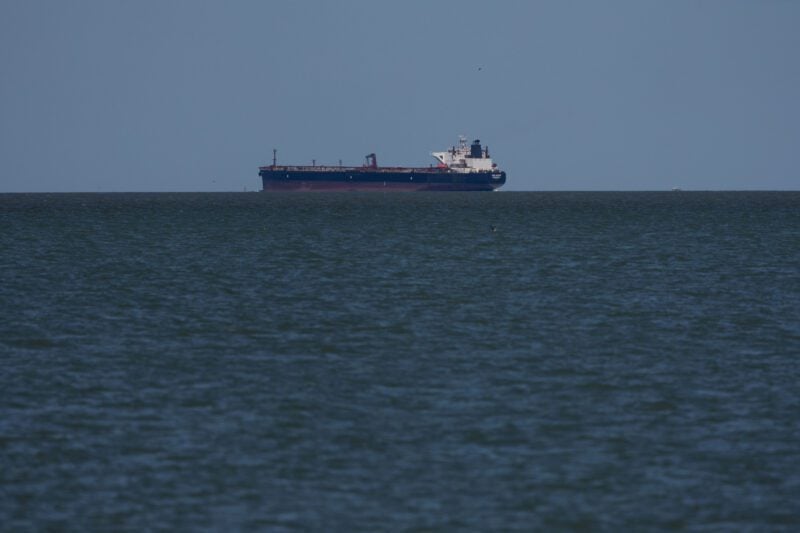
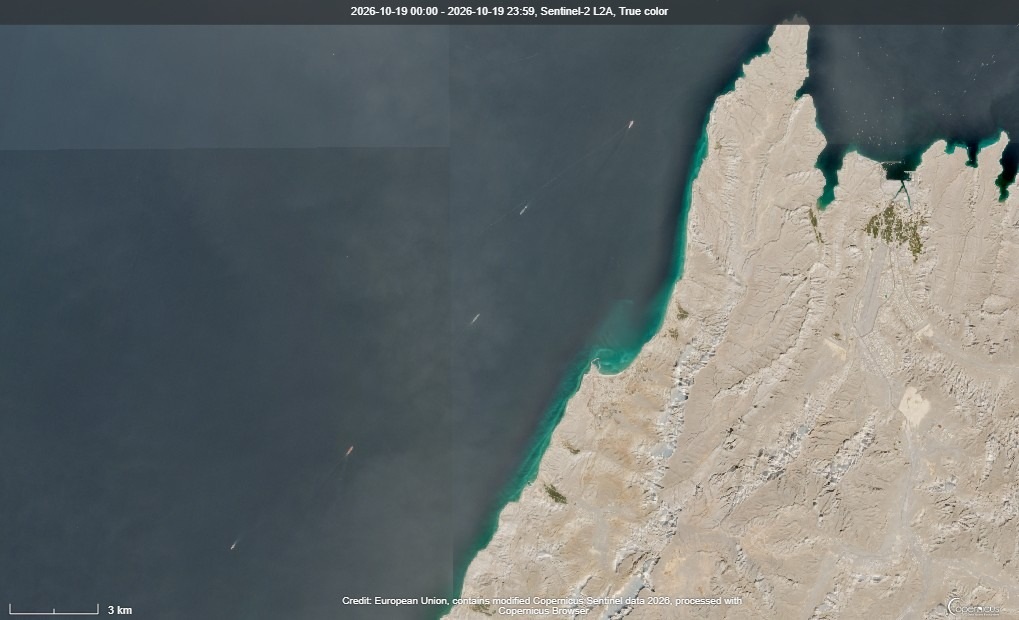
The strongest evidence concerns reduced Hormuz traffic, vessel attacks and higher energy transport costs. UKMTO recorded 254 transits in the seven days ending 14 October, about 70% below pre-conflict levels, while the US said about 95% of ships could transit. Those figures describe observed traffic and stated transit capability, respectively. The IRGC Navy's claim that seven ships were struck remains unverified. At Bab el-Mandeb, the Houthis have declared restrictions on Saudi-linked shipping and remain a threat, but reporting also says container lines are returning to Suez and does not establish a broad commercial blockade. Brent futures were reported at $111.24 during trading on 22 October and above $112 later that day; EIA Brent spot data of $115.22 refers to 20 October. These are different instruments and dates, and do not support a single current price of $108. War-risk and transport costs remain under pressure, while reporting of possible US-Israeli plans for renewed strikes adds escalation risk ahead of the 3 November US midterm elections.
Change from previous assessment
Since the 22 October brief, reporting has added a US statement that about 95% of ships can transit Hormuz, alongside UKMTO data showing actual traffic about 70% below pre-conflict levels. The distinction between transit capability and observed use remains central; the assessment that a full closure is unsubstantiated is unchanged. The IRGC's reported vessel tally has risen to seven, but the account remains unverified. Reports of US-Israeli preparations for possible strikes after 3 November add a new escalation judgment. Brent reporting on 22 October places futures above $112 during trading, not at the topic's stated $108.
Key judgments
- Hormuz traffic is likely to remain materially constrained over the next 14 days, although the strait is not shown to be physically closed. UKMTO recorded 254 transits in the seven days ending 14 October, approximately 70% below pre-conflict levels; the US separately said about 95% of ships could transit. These figures measure different things, and the transit count is not current to 23 October. (Confidence: medium · ASSESSED)
- I&W: Confirm if UKMTO's next weekly overview records fewer than 300 Hormuz transits; break if its count returns to pre-conflict levels. (0-14 days)
- I&W: Confirm if UKMTO records another attack in the strait; break if its next reporting period records no attacks and transits recover. (0-14 days)
- It is unlikely that current reporting establishes either a broad commercial blockade at Bab el-Mandeb or disruption at four of five key chokepoints. The Houthis declared a blockade on Saudi shipping, and reporting says they remain a threat to international vessels; other reporting says they guarantee safe passage to ships not linked to Saudi Arabia and that container lines are returning to Suez. The supplied claims provide no transit data for three other chokepoints. (Confidence: low · ASSESSED)
- I&W: Confirm a broad blockade if shipping data show non-Saudi commercial services suspending Bab el-Mandeb transits; break if multiple container lines continue Red Sea and Suez services. (0-30 days)
- I&W: Confirm the four-of-five claim only if operational transit data show disruption at four named chokepoints; break if reporting continues to document disruption only at Hormuz and risk at Bab el-Mandeb. (0-30 days)
- Energy transport costs are likely to remain elevated over the next 14 days. The IEA reported Gulf-to-Asia tanker freight above $37 per barrel, more than five times pre-war levels, and tanker owners were reportedly paying captains up to $100,000 per month plus $50,000 per Hormuz trip. Brent futures were reported above $112 on 22 October, while the EIA's $115.22 Brent spot figure is dated 20 October; neither verifies the topic's $108 figure. (Confidence: medium · ASSESSED)
- I&W: Confirm continued freight pressure if the IEA's next Gulf-to-Asia assessment remains above $37 per barrel; break if it reports a sustained fall towards pre-war levels. (0-14 days)
- I&W: Confirm continued oil-price pressure if dated Brent futures remain above $100 per barrel; break if successive market reports show futures below that level. (0-14 days)
- It is unlikely that the IRGC Navy's claim of seven ships struck in the Gulf and Strait of Hormuz represents seven independently confirmed incidents. The US disputes the claim, and reporting says UKMTO issued no matching incident reports. This is a thin and contested account, not evidence that the attacks did not occur. (Confidence: low · REPORTED)
- I&W: Confirm the account if UKMTO or JMIC issues matching incident reports identifying the vessels and damage; break the seven-vessel tally if independent reporting identifies fewer incidents. (0-14 days)
- I&W: Confirm individual incidents if vessel operators or satellite imagery identify ships matching the reported locations and damage. (0-14 days)
- Houthi attacks are likely to continue posing a threat to Saudi energy and aviation sites and to Saudi-linked shipping over the next 14 days. Reports describe attacks on Shaybah and Dammam, an Aramco evacuation in Dhahran and a US departure order for non-emergency personnel. Attribution is reported but casualty accounts conflict, lowering confidence in the details. (Confidence: medium · ASSESSED)
- I&W: Confirm continued threat if Saudi authorities report another drone interception at Shaybah or UKMTO records another attack on a Saudi-linked vessel; break if neither is reported and Aramco confirms staff have returned to Dhahran. (0-14 days)
- European LNG costs are likely to rise over the coming months if Hormuz disruption continues. The IEA's Fatih Birol warned of higher costs, while EU gas storage was reported at 72% heading into winter, below the usual 90%; EU energy ministers were reported to be considering gas rationing. (Confidence: medium · REPORTED)
- I&W: Confirm rising European exposure if EU storage readings fall below 72% or EU energy ministers formally announce household or business rationing; break if storage rises and rationing is ruled out. (1-3 months)
- US and Israeli forces are likely preparing options for renewed strikes on Iran after 3 November, but the reporting does not establish a decision to launch. Several media reports cite officials or Israeli sources on planning and discussions; the sourcing is largely indirect, so confidence is medium. (Confidence: medium · ASSESSED)
- I&W: Confirm movement towards a launch if the US or Israeli governments announce an operation or report observable force movements tied to Iran; break if officials publicly rule out the reported plans and no launch indicators appear after 3 November. (0-14 days)
Outlook & scenarios
Hormuz remains constrained without a verified full closure (55%)
UKMTO continues to record low Hormuz traffic, while the US maintains that most ships can transit. Freight and insurance costs remain elevated. The IRGC's seven-vessel account remains unverified, and Bab el-Mandeb does not become a broad commercial blockade.
Selective Bab el-Mandeb restrictions persist (30%)
The Houthis continue to restrict or threaten Saudi-linked shipping while other commercial services use Red Sea and Suez routes. Operators assess risk by vessel links and route rather than treating Bab el-Mandeb as closed to all traffic.
Renewed strikes widen the maritime crisis (15%)
A low-probability, high-impact outcome is renewed US-Israeli strikes on Iran after 3 November, followed by Iranian action against US bases or shipping. The IRGC has threatened US bases if US forces continue escorting ships through Hormuz. Such escalation would put further pressure on shipping costs and energy prices.
Recommendations
- Do not describe four of five chokepoints as disrupted or Bab el-Mandeb as broadly blockaded without transit data for named routes and evidence covering more than Saudi-linked shipping.
- Maintain a daily incident tracker comparing UKMTO and JMIC advisories with vessel identities, operator statements and satellite evidence. Separate confirmed attacks from IRGC claims.
- Report Brent futures and EIA spot prices separately, with the instrument and date beside each figure. Do not use $108 as a verified Brent price on the supplied evidence.
- Track Bab el-Mandeb transits by carrier and Saudi link, and distinguish actual route suspensions from Houthi statements about safe passage.
- Prioritise monitoring of official US and Israeli statements and observable force movements around 3 November; treat anonymous-source reporting of strike planning as an indication of preparations, not a launch decision.
- For European energy assessments, follow EU storage updates and any formal decision on gas rationing alongside reported Hormuz LNG disruption.
Confidence & uncertainty
Overall confidence is high for the core reported pattern of reduced Hormuz traffic, maritime risk and elevated energy transport costs. UKMTO, IMO, IEA and EIA reporting, alongside major media and trade reporting, provides corroboration for those developments. Confidence is lower on the seven-vessel IRGC claim, the casualty totals from the Saudi attacks and the scale of Bab el-Mandeb disruption. The evidence does not establish disruption at four of five chokepoints, and the oil-price reports refer to different instruments and dates.
Intelligence gaps
- [EEI 1.3 · PARTIAL] Daily vessel-transit volume, AIS dark activity, anchorage buildup, and rerouting rates at Hormuz and Bab-el-Mandeb compared with pre-crisis levels. Recommended collection: maritime/AIS
- [EEI 2.1 · PARTIAL] US, coalition, Iranian, Saudi, Omani, and other naval force posture changes, including escorts, convoy schedules, mine-countermeasure deployments, air patrols, and rules-of-engagement announcements. Recommended collection: maritime/defense-reporting
- [EEI 2.2 · PARTIAL] Tanker and container-ship rerouting through the Cape of Good Hope or other alternatives, including added sailing days, fuel consumption, and available vessel capacity. Recommended collection: shipping-industry/AIS
- [EEI 2.3 · PARTIAL] War-risk insurance premium, deductible, coverage-exclusion, and voyage-approval changes for Hormuz, Bab-el-Mandeb, Red Sea, Gulf of Aden, and adjacent waters. Recommended collection: insurance-market
- [EEI 3.3 · UNCOVERED] Fertilizer shipment delays, canceled or redirected cargoes, regional price increases for urea and ammonia, and reported inventory levels in import-dependent markets. Recommended collection: commodity-trade/port-data
- [EEI 3.4 · PARTIAL] Container freight rates, vessel charter rates, bunker costs, port congestion, and manufacturing or retail supply disruptions attributable to the chokepoint crisis. Recommended collection: shipping-and-logistics-markets
- [EEI 4.2 · UNCOVERED] Diplomatic commitments, deconfliction arrangements, prisoner or vessel releases, and publicly announced conditions for reopening commercial transit. Recommended collection: diplomatic-reporting
- [EEI 4.3 · PARTIAL] Shipping-company decisions to resume, suspend, or expand transits and corresponding changes in insurer voyage approvals and war-risk premiums. Recommended collection: shipping-and-insurance-industry
- [EEI 4.4 · UNCOVERED] New incidents, military alerts, vessel diversions, or port restrictions at other critical chokepoints indicating geographic spread beyond Hormuz and Bab-el-Mandeb. Recommended collection: maritime/AIS-official-notices
Red cell review: CONCUR WITH COMMENT
TLP:CLEAR