TLP:CLEAR · Disclosure is not limited.
Maritime chokepoints: Hormuz constraints, Houthi strikes and shipping costs
Time window: Last 1 day · Audience: General analyst · Type: Situation report · DTG: 2026-10-28 11:12Z · Overall confidence: HIGH
BLUF
The Strait of Hormuz remains likely to face selective commercial constraints, but the available figures conflict and do not establish a closure or disruption at four of five key straits. The Houthis claimed a strike on Saudi Arabia’s Ras Tanura terminal on 27 October, with satellite heat signatures and a report of a contained fire supporting a likely hit; the claimed strike on the Saudi Ministry of Defence remains unverified. Latest dated Brent reporting is around $115 per barrel, not $108.
Executive summary
Reporting from 27 to 28 October adds a Persian Gulf Strait Authority threat of legal action against Sinokor vessels from 1 November, new Houthi attack claims against Saudi Arabia, and a conditional Iranian proposal to reopen Hormuz four days after sanctions are lifted. The threat to Sinokor matters because the company carried nearly 40% of crude outflows through Hormuz last month, although the threatened legal action has not been shown to have taken effect. Hormuz traffic estimates remain inconsistent: one tracker reports fewer than one tenth of pre-crisis transits, while other reporting describes recovering regional oil shipments and more than 3,000 commercial transits since summer. Meanwhile, container lines are restoring Red Sea and Suez services, which does not support a claim of a Bab-el-Mandeb commercial blockade. War-risk and tanker costs remain under pressure, but the sharpest quoted insurance figure comes from a single blog. The Tehran talks produced an agreement to continue discussions, not a reopening deal.
Change from previous assessment
Since the 27 October brief, this assessment adds the Houthi claim of a 27 October Ras Tanura strike, satellite heat signatures and reporting that a fire was contained; the PGSA’s warning that legal action against Sinokor vessels starts on 1 November; and Iran’s conditional four-day reopening proposal. It also incorporates new figures on container capacity returning to Red Sea and Suez routes, which further weakens the case for a Bab-el-Mandeb commercial blockade. The assessment retains the view that four-of-five straits disruption is not established and that $108 Brent is unsupported. Hormuz confidence remains medium, with greater emphasis on the unresolved conflict between transit and regional oil-flow measures.
Key judgments
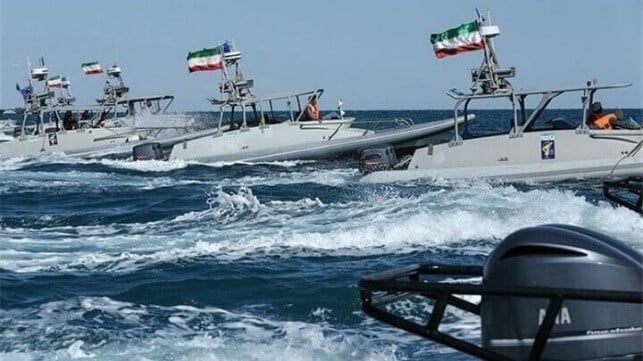
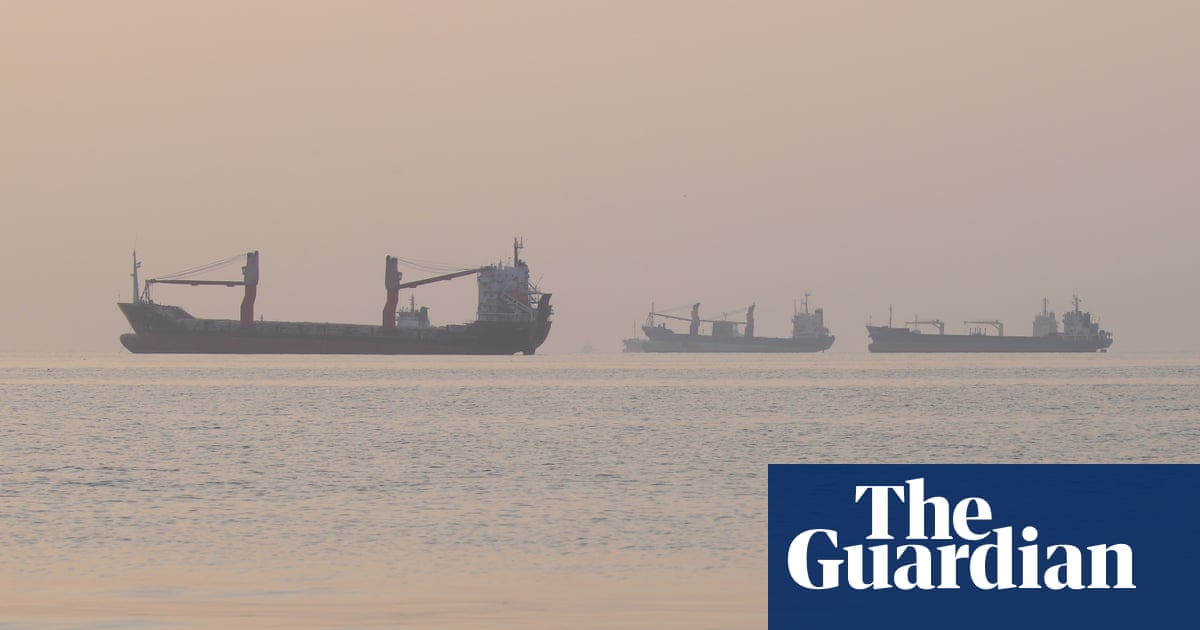
- The Strait of Hormuz is likely operating under selective commercial constraints rather than a complete closure, but the current traffic level is unresolved. US Central Command said more than 3,000 commercial ships had transited since summer and that US forces redirected 138 vessels by 17 October to enforce a blockade against Iran. A live tracker reported commercial transits below one tenth of the pre-crisis count on 28 October, while major-media reporting described Middle East oil shipments as near pre-war levels and Kpler put regional exports at 24.6 million barrels per day for the week to 18 October. These figures cover different time periods and measures; the very low transit estimate rests on a blog, while the US military and commercial-flow claims also have scope limits. Confidence is medium. (Confidence: medium · ASSESSED)
- I&W: Confirm continued constraints: an independently published daily AIS count remains below the pre-crisis baseline over consecutive reporting days. (0-14 days)
- I&W: Break the selective-constraint assessment: comparable AIS counts show commercial transits returning to the pre-crisis baseline for seven consecutive days. (0-14 days)
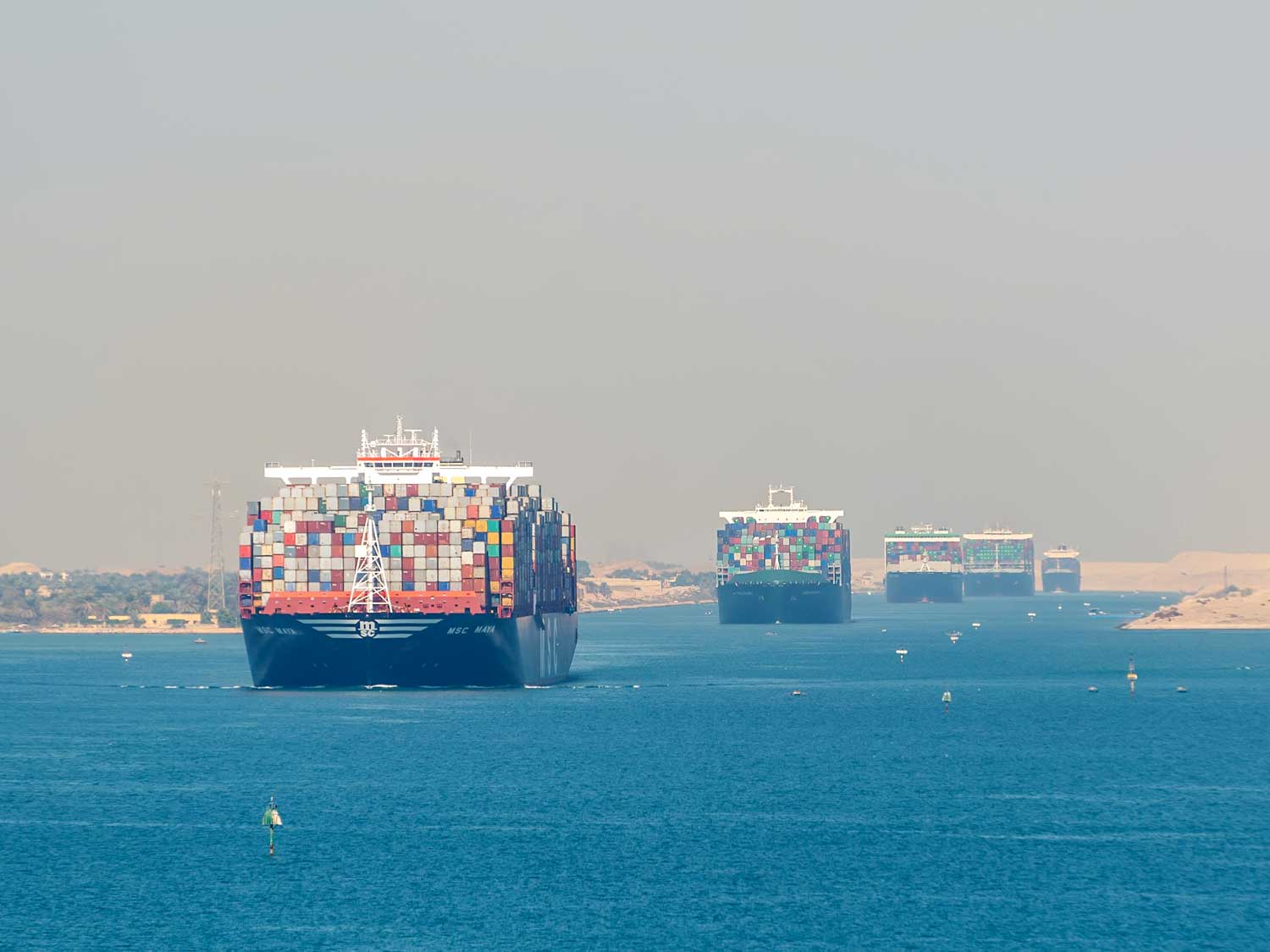
- It is unlikely that the supplied reporting establishes a commercial blockade at Bab-el-Mandeb or disruption at four of five key maritime straits. Trade reporting puts 63% of Far East-Europe container capacity on Red Sea and Suez routings and records Suez containership transits rising from 54 in week 41 to 55 in week 42. The Houthis said they repelled a Saudi-backed advance near the southern approaches to Bab-el-Mandeb, but that claim does not establish a commercial stoppage. The supplied reporting gives no Bab-el-Mandeb transit count and names no commercial vessel stopped there. Confidence is low because evidence on the strait itself is limited and the military control claims are contested. (Confidence: low · ASSESSED)
- I&W: Confirm a commercial blockade: a ship operator or maritime security notice identifies a merchant vessel stopped or turned back at Bab-el-Mandeb. (0-30 days)
- I&W: Break the no-blockade assessment: repeated weekly transit data show a sustained halt in commercial passages through Bab-el-Mandeb. (0-30 days)
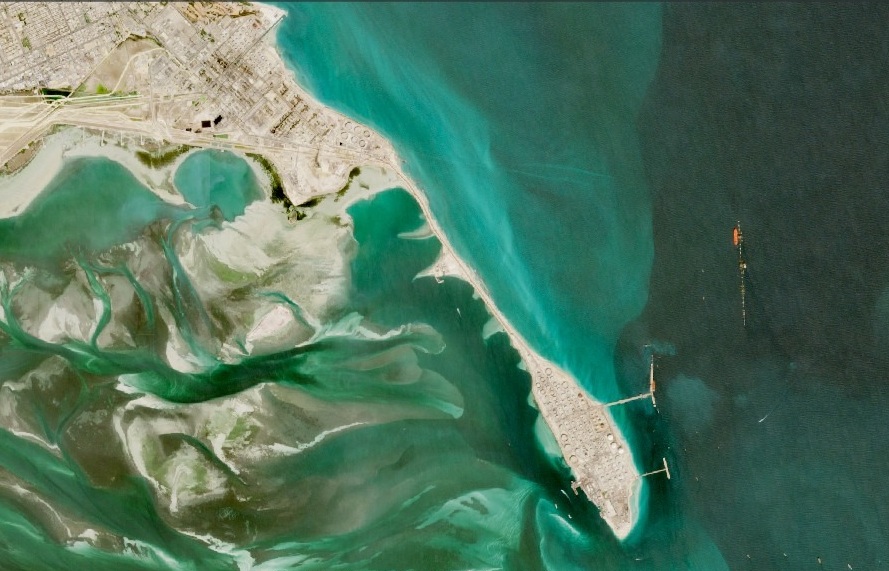
- A Houthi strike likely caused a fire at Saudi Arabia’s Ras Tanura export terminal on 27 October. The Houthis claimed a ballistic-missile strike, NASA FIRMS detected heat signatures at the terminal, and a Bloomberg source said the site had been hit and the fire contained. The satellite observation supports a fire, while the attribution rests on Houthi claims and an unnamed source. Separately, the Houthis’ claim to have struck the Saudi Ministry of Defence is unverified: Saudi authorities did not confirm the claimed strikes, and the Saudi-led coalition said it intercepted two ballistic missiles aimed at Riyadh. Confidence is medium. (Confidence: medium · ASSESSED)
- I&W: Confirm further damage at Ras Tanura: Saudi Aramco reports terminal or refinery disruption, or satellite imagery detects a new heat signature at the site. (0-14 days)
- I&W: Break the assessment of continuing risk to Saudi infrastructure: Saudi authorities report no further incidents and no new site damage is independently detected. (0-14 days)
- Shipping costs and energy-carrier availability are likely to remain under pressure. The International Union of Marine Insurance reported tighter availability of energy carriers, and major-media reporting said very-large crude-carrier rates had risen more than 1,600% this year. A trade blog quoted Hormuz war-risk cover rising from about $250,000 to $10 million, but that specific figure is single-source reporting and should not be treated as a market-wide rate. Confidence is medium for broad cost and availability pressure, and low for the quoted insurance level. (Confidence: medium · ASSESSED)
- I&W: Confirm ongoing pressure: new insurer or broker quotes continue to show elevated Hormuz war-risk cover, alongside tanker-rate reports above pre-conflict levels. (0-30 days)
- I&W: Break the assessment: published insurer quotes and tanker-rate data return close to pre-conflict levels, with energy-carrier availability reported as normal. (1-3 months)
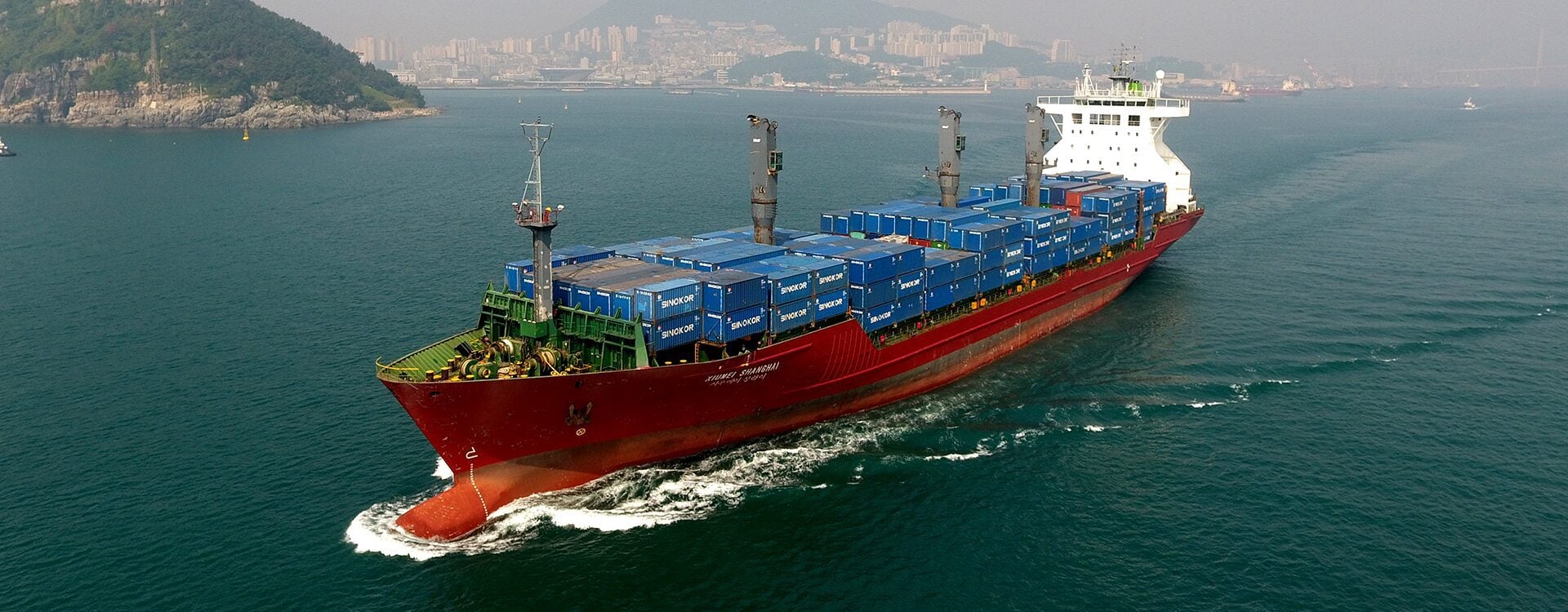
- The Persian Gulf Strait Authority’s threat of legal action against all Sinokor vessels from 1 November is likely to add near-term compliance and insurance friction. The PGSA said it had already taken enforcement action against at least seven Sinokor vessels, but the nature of those actions is not independently established. Sinokor carried nearly 40% of crude outflows through Hormuz last month, and a Lloyd’s List Intelligence-based estimate linked half of Hormuz tanker transits to the company. The threat is reported across trade and major-media outlets, but those reports largely relay the PGSA’s own statements. Confidence is medium. (Confidence: medium · ASSESSED)
- I&W: Confirm the threat is being enforced: the PGSA publishes a named Sinokor vessel action, or an operator reports a Sinokor vessel detained or turned back after 1 November. (0-14 days)
- I&W: Break the near-term friction assessment: the PGSA withdraws the warning or no Sinokor vessel action is reported by 14 November. (0-14 days)
- It is very unlikely that Brent was at $108 per barrel in the latest dated reporting. The US Energy Information Administration reported Brent spot at $115.22 on 20 October, and 27 October reports placed Brent futures at $114.81 and $116.24 at different intraday times. The $107.89 EIA figure for 20 October was WTI, not Brent. Confidence is high that the supplied dated reporting does not substantiate $108 Brent; the 27 October readings differ modestly by timestamp. (Confidence: high · REPORTED)
- I&W: Confirm the benchmark distinction: a dated EIA or exchange record identifies Brent near $115 and WTI near $108. (0-14 days)
- I&W: Break the assessment: a timestamped Brent settlement or EIA observation records $108 per barrel for the relevant date. (0-14 days)
- An operational reopening of Hormuz resulting from the 26 October Tehran talks is unlikely in the near term. Iran’s deputy national security council secretary, Ali Bagheri, described a four-day reopening after sanctions are lifted as an Iranian offer; the parties in Tehran agreed to continue discussions, and no settlement was announced. The offer is conditional, not an agreed reopening timetable. Confidence is medium: major-media and wire reporting corroborate the talks, while the specific four-day proposal appears in one report. (Confidence: medium · ASSESSED)
- I&W: Confirm movement towards reopening: Iran and the other participants issue a joint statement specifying sanctions steps and a dated Hormuz reopening schedule. (0-30 days)
- I&W: Break the near-term reopening assessment: the participants announce a sanctions agreement and commercial transits resume under a stated timetable. (0-30 days)
Outlook & scenarios
Selective disruption persists (50%)
This is the most likely near-term course. Hormuz remains open to some commercial traffic but subject to selective restrictions and enforcement risk. The PGSA’s 1 November warning keeps Sinokor-linked shipments exposed, while the Houthis continue claims of attacks against Saudi targets. Container lines maintain their return to Red Sea and Suez routings, rather than facing a demonstrated Bab-el-Mandeb commercial blockade. Insurance and tanker costs stay elevated.
Conditional diplomatic pause (28%)
An unlikely but plausible outcome is a sanctions arrangement that meets Iran’s stated condition for a four-day Hormuz reopening. Saudi Arabia, Turkey, Pakistan and Iran continue the Tehran dialogue, but a temporary opening does not by itself resolve shipping security or the PGSA’s Sinokor warning.
Wider Saudi-Yemen escalation (17%)
An unlikely widening of the conflict follows further Houthi attacks on Saudi energy or government sites, or new Saudi-led strikes in Yemen. Insurers and tanker operators respond with higher risk pricing and fewer available energy carriers. The reported Ras Tanura fire and competing claims about missiles aimed at Riyadh show why independent confirmation of damage will matter.
Wildcard: Persian Gulf cable attack (5%)
A very unlikely, high-impact wildcard is Iran acting on reported plans to target underwater cables in the Persian Gulf after a renewed US-Israeli attack. This scenario rests on a single account attributed to Iranian security officials and is not independently corroborated in the supplied reporting.
Recommendations
- Maintain separate traffic assessments for Hormuz, Bab-el-Mandeb and the Suez Canal. Record the date, vessel category, geographic scope and source methodology for each count; do not combine regional oil-export totals with Hormuz transit counts.
- Treat successful Houthi impact claims at the Saudi Ministry of Defence as unverified until Saudi authorities, independent imagery or other reporting confirms damage. Track Ras Tanura separately, including any Saudi Aramco statement and subsequent satellite heat signatures.
- Monitor the PGSA’s 1 November Sinokor deadline for a specific vessel action. Distinguish the authority’s reported enforcement claims from independently confirmed detention, damage or diversion.
- Use dated benchmark records in price reporting. Identify Brent versus WTI and spot versus futures, and do not repeat $108 as a Brent price without a matching dated record.
- Track whether Iran’s sanctions condition and four-day reopening proposal appear in a joint statement or formal agreement. Until then, report the proposal as conditional, not as an agreed operating plan.
Confidence & uncertainty
Overall confidence is high for the broad picture of reported maritime disruption, Houthi attack claims, shipping-cost pressure and renewed diplomacy. The reporting includes wire-service and major-media accounts, trade data, official EIA prices and satellite-derived heat detection. Some outlets relay the same underlying statements rather than provide independent corroboration. Hormuz traffic measures are not directly comparable, the claimed successful strike on the Saudi Ministry of Defence is disputed, and the sharpest war-risk quote comes from a single blog. High confidence therefore applies to the broad situation, not to the four-of-five straits claim or every reported detail.
Alternative analysis (red cell)
The evidence securely establishes a Ras Tanura fire and a conditional Iranian reopening proposal, but it does not independently establish Houthi responsibility for the fire or show that a near-term reopening was unlikely. A more cautious reading is that attribution and implementation remained unresolved while diplomatic and operational pathways were still active.
Intelligence gaps
- [EEI 1.3 · PARTIAL] Daily vessel-transit volume, AIS dark activity, anchorage buildup, and rerouting rates at Hormuz and Bab-el-Mandeb compared with pre-crisis levels. Recommended collection: maritime/AIS
- [EEI 2.1 · PARTIAL] US, coalition, Iranian, Saudi, Omani, and other naval force posture changes, including escorts, convoy schedules, mine-countermeasure deployments, air patrols, and rules-of-engagement announcements. Recommended collection: maritime/defense-reporting
- [EEI 2.2 · UNCOVERED] Tanker and container-ship rerouting through the Cape of Good Hope or other alternatives, including added sailing days, fuel consumption, and available vessel capacity. Recommended collection: shipping-industry/AIS
- [EEI 3.3 · UNCOVERED] Fertilizer shipment delays, canceled or redirected cargoes, regional price increases for urea and ammonia, and reported inventory levels in import-dependent markets. Recommended collection: commodity-trade/port-data
- [EEI 3.4 · UNCOVERED] Container freight rates, vessel charter rates, bunker costs, port congestion, and manufacturing or retail supply disruptions attributable to the chokepoint crisis. Recommended collection: shipping-and-logistics-markets
- [EEI 4.3 · PARTIAL] Shipping-company decisions to resume, suspend, or expand transits and corresponding changes in insurer voyage approvals and war-risk premiums. Recommended collection: shipping-and-insurance-industry
- [EEI 4.4 · UNCOVERED] New incidents, military alerts, vessel diversions, or port restrictions at other critical chokepoints indicating geographic spread beyond Hormuz and Bab-el-Mandeb. Recommended collection: maritime/AIS-official-notices
Red cell review: PARTIAL DISSENT
TLP:CLEAR