TLP:CLEAR · Disclosure is not limited.
Maritime Chokepoints: Hormuz Disrupted, Broader Closure Unverified
Time window: Last 1 day · Audience: General analyst · Type: Situation report · DTG: 2026-11-06 14:42Z · Overall confidence: HIGH
BLUF
Commercial vessel traffic through the Strait of Hormuz is severely suppressed, but the supplied evidence does not establish a blockade of Bab-el-Mandeb or disruption at four of five key straits. It also does not support Brent at $108 on 6 November: the latest dated futures figure supplied is $96.92 on 5 November.
Executive summary
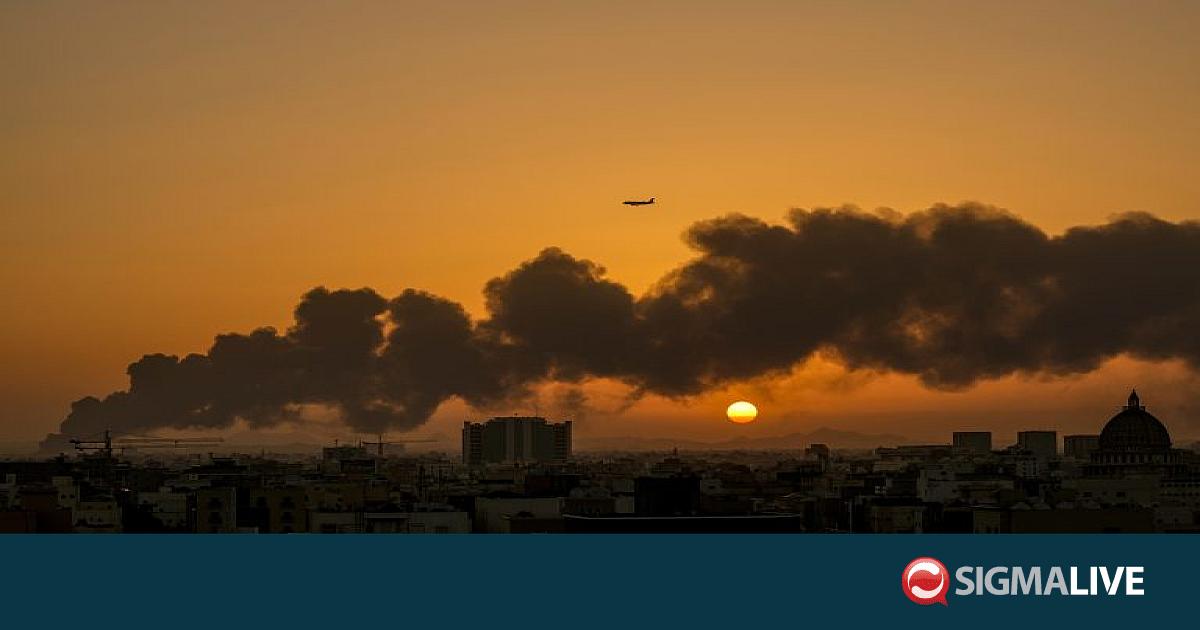
IMF PortWatch data put Strait of Hormuz transits at two vessels on 25 October, compared with about 85 a day before the crisis; separate reporting says transits remained below one tenth of the pre-crisis count on 6 November. A claim that crude shipments had nearly recovered to pre-war levels conflicts with those vessel counts, and the evidence does not resolve whether the claims measure different traffic or periods. Houthi forces are reported to have strengthened their position near Bab-el-Mandeb and declared a maritime blockade of Saudi Arabia, but the supplied claims provide no current strait transit figures confirming a Bab-el-Mandeb blockade. Brent futures were reported at $96.92 on 5 November, while the EIA recorded Brent spot at $107.03 on 3 November. Iranian statements about tanker fires remain unconfirmed by maritime officials, and the supplied war-risk insurance figures are dated rather than current.
Change from previous assessment
Since the 5 November brief, the supplied record adds an IMF PortWatch count of two Hormuz transits on 25 October against about 85 daily before the crisis, plus reporting that traffic remained below one tenth of the pre-crisis count on 6 November. It also adds a conflicting report of near-pre-war crude shipment levels, which leaves the distinction between vessel counts and crude volumes unresolved. The latest dated futures figure supplied is $96.92 on 5 November, while the EIA spot figure is $107.03 on 3 November; neither establishes Brent at $108 on 6 November. New reporting says Houthi forces strengthened control near Bab-el-Mandeb, but still provides no transit data confirming a blockade. Reports of CENTCOM preparations and the USS Theodore Roosevelt's movement increase the near-term escalation concern; Iran's conditional proposal through Qatari mediators provides a competing diplomatic signal.
Key judgments
- Commercial vessel traffic through the Strait of Hormuz is likely to remain severely suppressed over the next 14 days. IMF PortWatch recorded two transits on 25 October against about 85 daily before the crisis, and a separate 6 November report placed traffic below one tenth of the pre-crisis count. A 5 November report that crude shipments had nearly recovered to pre-war levels conflicts with the transit data; the record does not reconcile the different measures or periods. (Confidence: medium · ASSESSED)
- I&W: IMF PortWatch continues to record daily Hormuz transits below 10% of the pre-crisis level. (0-14 days)
- I&W: IMF PortWatch records more than half the pre-crisis daily transit count for seven consecutive days. (0-14 days)
- A verified Houthi blockade of Bab-el-Mandeb is unlikely on the supplied evidence. One report says the Houthis have strengthened their control near the strait, and another says they declared a maritime blockade of Saudi Arabia and attacked Saudi tankers in the Red Sea. The supplied reporting gives no current Bab-el-Mandeb transit count confirming that commercial passage is blocked. (Confidence: low · ASSESSED)
- I&W: PortWatch records Bab-el-Mandeb transits near zero for three consecutive days, alongside published carrier rerouting notices. (0-30 days)
- I&W: PortWatch records sustained Bab-el-Mandeb traffic and carriers lift any related rerouting notices. (0-30 days)
- The supplied record does not substantiate Brent at $108 on 6 November or disruption at four of five key straits. The latest dated Brent futures figure provided is $96.92 at 11:43 am Eastern on 5 November; the EIA reported Brent spot at $107.03 on 3 November. The evidence directly describes severe disruption at Hormuz and reports Houthi activity near Bab-el-Mandeb, but does not establish disruption at three additional named straits. (Confidence: medium · REPORTED)
- I&W: A dated Brent benchmark quote for 6 November records a price of $108 or higher. (0-7 days)
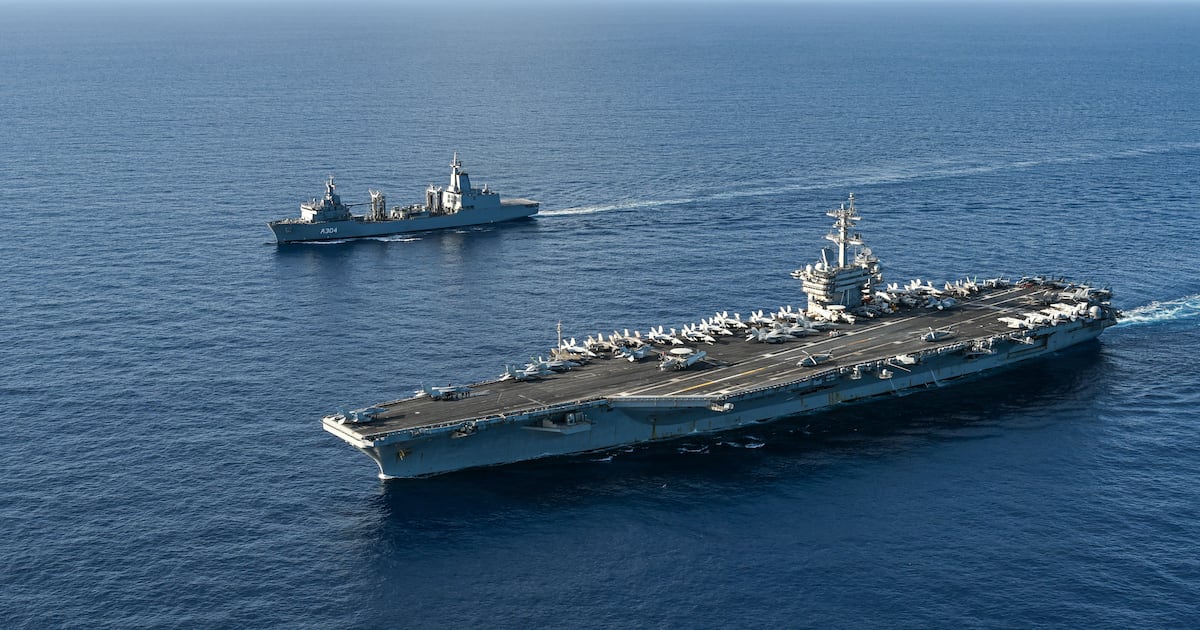
- Renewed US strikes against Iran are roughly even chance over the next 14 days, but the reporting does not establish that Washington has ordered them. Axios reported that CENTCOM was preparing for major operations pending orders, while reporting also described the USS Theodore Roosevelt carrier strike group moving towards the Arabian Sea. Iran separately offered a proposal through Qatari mediators, with discussion conditional on Washington meeting Tehran's seven demands. The strike-preparation report relies on a US official, so confidence is low. (Confidence: low · ASSESSED)
- I&W: CENTCOM or the White House announces renewed strikes, or reliable reporting confirms US strikes inside Iran. (0-14 days)
- I&W: Qatari mediators confirm scheduled US-Iran talks on the proposal and both sides agree to begin discussions. (0-14 days)
- The supplied insurance figures show substantial past war-risk costs but do not establish a further rise by 6 November or a system-wide tanker shortage. The reported Hormuz premium was 32 times the peacetime rate on 7 October; another reported VLCC quote was dated 27 July. Both figures are too old to describe current rates. (Confidence: low · ASSESSED)
- I&W: A dated insurer quote for Hormuz war-risk cover exceeds 32 times the peacetime rate. (0-14 days)
- I&W: A new insurer rate sheet quotes Hormuz cover at or below 32 times the peacetime rate. (0-14 days)
Outlook & scenarios
Prolonged Hormuz disruption without verified Bab-el-Mandeb closure (50%)
Hormuz vessel traffic remains sharply reduced while Iran continues to restrict passage and selectively permits some shipments. Houthi forces retain positions near Bab-el-Mandeb, but available reporting does not confirm a sustained interruption of commercial transits there.
Renewed US-Iran strikes deepen shipping disruption (30%)
Washington orders renewed strikes after CENTCOM's reported preparations. Iranian action in and around Hormuz intensifies, and commercial operators face greater security and insurance pressure. The carrier movement and strike-preparation report make this a serious risk, not a confirmed decision.
Conditional diplomacy reduces immediate escalation risk (15%)
Qatari-mediated contact produces scheduled discussions on Iran's proposal. If Washington and Tehran agree to engage despite their stated preconditions, the immediate risk of renewed strikes falls. Hormuz transit recovery remains gradual and requires confirmation in transit data.
Wildcard: Houthi action closes Bab-el-Mandeb to commercial traffic (5%)
Houthi forces use their reported gains in western Yemen to impose an effective interruption of Bab-el-Mandeb traffic. This would compound Hormuz disruption and widen shipping risks, but the supplied record does not currently confirm a closure.
Recommendations
- Do not present four-of-five strait disruption, a Bab-el-Mandeb blockade or Brent at $108 on 6 November as established facts. State the evidence limits explicitly.
- Track IMF PortWatch vessel counts separately from crude shipment volumes. Reconcile the conflicting Hormuz figures before using either as a measure of total traffic recovery.
- Verify reported Hormuz tanker fires against maritime authority notices and vessel-level information before stating a vessel count or attributing responsibility to Iran.
- Refresh war-risk insurance rates and tanker availability using dated insurer quotes and operator data before describing current premium increases or a system-wide shortage.
- For the next 14 days, monitor confirmed CENTCOM activity, USS Theodore Roosevelt strike group movements, and public updates from Qatari mediators on Iran's proposal.
Confidence & uncertainty
Overall confidence is high in the central finding that Strait of Hormuz commercial traffic is severely disrupted, supported by IMF PortWatch figures and separate reporting on transit levels and carrier decisions. That confidence does not extend to every headline claim: crude shipment recovery conflicts with vessel-count data, maritime officials have not confirmed Iranian claims of tanker fires, and the Bab-el-Mandeb blockade and four-of-five strait count are not established. The supplied price figures also do not provide a dated Brent quote of $108 for 6 November.
Alternative analysis (red cell)
The record may support more than an unverified Houthi blockade: claims, and dcfa9d95-181a-4b99-8c9f-25d17d359df3 describe territorial control, a declared maritime blockade, tanker attacks, and a reported effort to negotiate a halt. This evidence does not establish a complete closure of Bab-el-Mandeb, but it is consistent with a partial or operational blockade that could suppress or deter commercial traffic. Transit data and independent confirmation of interdictions remain necessary to distinguish that interpretation from a purely rhetorical blockade.
Intelligence gaps
- [EEI 1.3 · PARTIAL] Daily vessel-transit volume, AIS dark activity, anchorage buildup, and rerouting rates at Hormuz and Bab-el-Mandeb compared with pre-crisis levels. Recommended collection: maritime/AIS
- [EEI 2.2 · PARTIAL] Tanker and container-ship rerouting through the Cape of Good Hope or other alternatives, including added sailing days, fuel consumption, and available vessel capacity. Recommended collection: shipping-industry/AIS
- [EEI 2.4 · PARTIAL] Operational status and export-loading changes at Saudi, UAE, Omani, Iranian, Djiboutian, and Red Sea ports, terminals, pipelines, and storage facilities. Recommended collection: port-operator/energy-infrastructure
- [EEI 3.1 · PARTIAL] Brent and Dubai crude price movements, futures-curve shifts, volatility, and the spread between regional and global crude benchmarks. Recommended collection: commodity-markets
- [EEI 3.2 · PARTIAL] Changes in crude, refined-product, LNG, and LPG volumes transiting the straits and in announced production cuts, strategic-stock releases, or emergency cargo substitutions. Recommended collection: energy-trade/AIS
- [EEI 3.3 · UNCOVERED] Fertilizer shipment delays, canceled or redirected cargoes, regional price increases for urea and ammonia, and reported inventory levels in import-dependent markets. Recommended collection: commodity-trade/port-data
- [EEI 3.4 · PARTIAL] Container freight rates, vessel charter rates, bunker costs, port congestion, and manufacturing or retail supply disruptions attributable to the chokepoint crisis. Recommended collection: shipping-and-logistics-markets
- [EEI 4.4 · PARTIAL] New incidents, military alerts, vessel diversions, or port restrictions at other critical chokepoints indicating geographic spread beyond Hormuz and Bab-el-Mandeb. Recommended collection: maritime/AIS-official-notices
Red cell review: PARTIAL DISSENT
TLP:CLEAR