TLP:CLEAR · Disclosure is not limited.
Maritime Chokepoints: Hormuz Pressure, Disputed Scale
Time window: Last 1 day · Audience: General analyst · Type: Situation report · DTG: 2026-11-27 22:11Z · Overall confidence: HIGH
BLUF
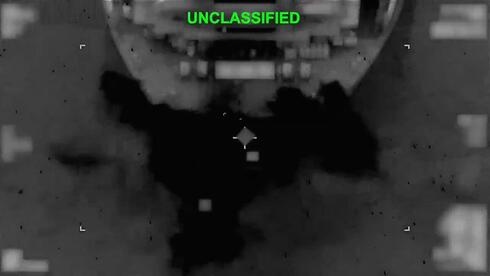
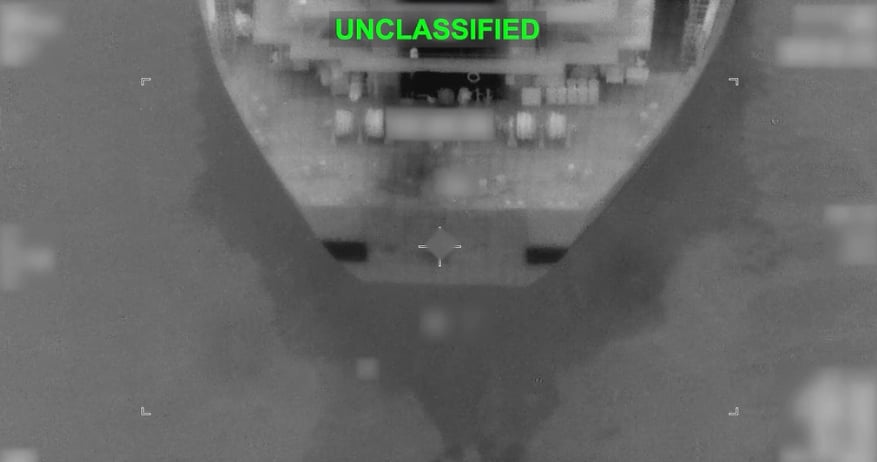
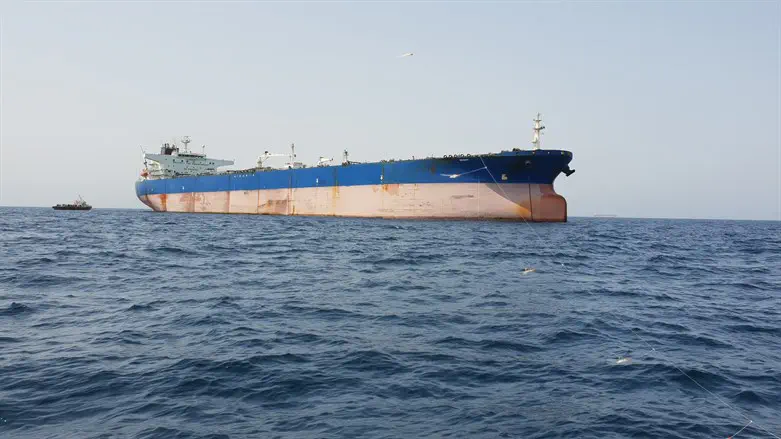
The evidence supports a severe but incomplete disruption to Strait of Hormuz traffic and elevated shipping costs. It does not establish a Bab-el-Mandeb blockade, four of five straits disrupted, or Brent at $108; the latest supplied Friday futures quote is $93.77. US blockade enforcement continued with the disabling of the Palau-flagged M/V Pacific Archer in the Gulf of Oman on 26 November.
Executive summary
Hormuz traffic is under acute pressure, but the scale is contested: Rystad estimates oil flows fell to about 13 million barrels per day in the first two weeks of November, from 15 to 16 million in October, while Vortexa counted a seven-day average above 26 crude, fuel and LNG vessels per day through 19 November. Vortexa cautions that signal interference, spoofing and untracked transits affect its counts; UKMTO recorded 30 ship attacks in October and 22 from the start of November through the preceding Sunday. War-risk premiums for a US$100 million tanker reportedly rose from about $200,000 to $1 million per voyage. On 27 November, Brent futures were reported at $93.77, not $108. UNCTAD identifies four chokepoints under pressure, the Strait of Hormuz, Red Sea, Black Sea and Panama Canal, but the supplied reporting does not establish that four of five straits are disrupted or that Bab-el-Mandeb is blockaded. US forces disabled the M/V Pacific Archer after it departed Bandar Abbas; CENTCOM says 158 vessels have been redirected and six disabled since the blockade resumed.
Change from previous assessment
Since the 26 November brief, new reporting identifies the M/V Pacific Archer as the vessel disabled by US forces in the Gulf of Oman on 26 November and gives CENTCOM's figures of 158 vessels redirected and six disabled. Additional flow and market reporting strengthens the picture of pressure and high insurance costs, but Vortexa's vessel counts still conflict with near-standstill descriptions. The latest supplied Brent futures quote is $93.77, so the $108 headline remains unsubstantiated. UNCTAD's list of four chokepoints under pressure does not establish four of five straits disrupted or a Bab-el-Mandeb blockade.
Key judgments
- Commercial oil and gas movement through the Strait of Hormuz is likely to remain severely constrained over the next 14 days, but a full halt is not established. Rystad estimates flows fell to about 13 million barrels per day in early November, while Vortexa recorded a seven-day average above 26 crude, fuel and LNG vessels per day through 19 November. Vortexa also reports fewer large crude carriers and cautions that interference, spoofing and untracked transits affect its counts; UKMTO's attack totals indicate continuing risk to vessels. Confidence is medium because the flow and vessel-count measures cover different periods and categories, and the reporting includes conflicting descriptions of a near-standstill and continued transit. (Confidence: medium · ASSESSED)
- I&W: CONFIRM: Vortexa's seven-day average for crude, fuel and LNG vessels falls below 10 transits per day for three consecutive days. (0-14 days)
- I&W: BREAK: Vortexa's seven-day average remains above 26 transits per day for seven consecutive days and Rystad reports flows returning to at least 15 million barrels per day. (0-14 days)
- US blockade enforcement against Iranian port traffic is active, and further vessel confrontations are likely over the next 14 days. CENTCOM says US forces disabled the Palau-flagged M/V Pacific Archer in the Gulf of Oman on 26 November after it departed Bandar Abbas, and reports 158 vessels redirected and six disabled since the blockade resumed. Iranian officials have rejected reopening Hormuz and threatened action against the blockade. Confidence is medium: the disabling is reported by multiple outlets, but their accounts substantially rely on CENTCOM, while Iranian statements establish intent rather than operational action. (Confidence: medium · ASSESSED)
- I&W: CONFIRM: CENTCOM reports another merchant vessel disabled or redirected after an attempted transit from an Iranian port. (0-14 days)
- I&W: BREAK: CENTCOM announces a pause in blockade enforcement and reports no new vessel interceptions or redirections. (0-14 days)
- War-risk premiums and shipping costs are likely to remain elevated over the next month, but the supplied evidence does not substantiate Brent at $108. A reported premium for a US$100 million tanker rose from about $200,000 to $1 million per voyage, and other reporting describes Hormuz transit and insurance costs as near wartime highs. The latest supplied Friday futures quote is $93.77, after a reported 2.9 per cent fall; EIA's 24 November Brent spot price was $91.80. Confidence is medium because the price reports concern different benchmarks and dates, while the premium figure is reported rather than independently itemised by multiple insurers. (Confidence: medium · ASSESSED)
- I&W: CONFIRM: A dated insurer or broker quote keeps war-risk cover for a US$100 million tanker at or above $1 million per voyage. (0-30 days)
- I&W: BREAK: Comparable broker quotes fall below $200,000 per voyage and verified Brent futures settlements remain below $90 for three consecutive trading days. (0-30 days)
- The claim that four of five key straits are disrupted, including a Bab-el-Mandeb blockade, is not established by the supplied reporting. UNCTAD identifies four maritime chokepoints under pressure: Hormuz, the Red Sea, the Black Sea and the Panama Canal. Separate reporting describes ships rerouted around southern Africa because of Red Sea and Persian Gulf security risks, but provides no Bab-el-Mandeb transit counts or direct, verified interdiction there. Confidence is medium because the chokepoint list is reported by a wire service, while the scale and location of Red Sea disruption lack comparable transit data in the supplied material. (Confidence: medium · ASSESSED)
- I&W: CONFIRM: UKMTO reports a confirmed commercial-ship attack at Bab-el-Mandeb and published transit data show a sharp fall in crossings there. (0-30 days)
- I&W: BREAK: Published weekly Bab-el-Mandeb transit counts remain within 20 per cent of their stated 30-day baseline and UKMTO records no confirmed attack there. (0-30 days)
Outlook & scenarios
Constrained Hormuz traffic and sustained enforcement (55%)
This is the most likely path over the next month. US forces continue enforcing the blockade, Iranian officials maintain their refusal to reopen Hormuz, and commercial traffic continues at reduced or uneven levels rather than stopping completely. Insurance and voyage costs remain high, with Brent prices responding to attack reports and flow data.
Negotiated pause (20%)
An easing is unlikely but remains plausible. Qatar and Pakistan continue facilitating US-Iran contacts, and the parties agree on steps that reduce blockade enforcement or ease restrictions on Hormuz traffic. A verifiable increase in large-tanker transits and falling insurance quotes would indicate this path.
Wider US-Iran and Gulf confrontation (20%)
A widening confrontation is unlikely. A further US offensive or Iranian action against shipping or Gulf energy infrastructure would increase the risk of additional vessel incidents and stronger disruption to oil flows. This path becomes more plausible if threats are followed by confirmed attacks or further US interdictions.
Abrupt, prolonged closure and acute price shock (5%)
A prolonged closure is very unlikely, but it is the high-impact wildcard. A sustained halt to Hormuz traffic combined with verified disruption at Bab-el-Mandeb would intensify shipping delays and supply concerns. Bank of America has warned that widening conflict carries a risk of temporary Brent spikes above $150 per barrel.
Recommendations
- Describe Hormuz as severely constrained and contested, not fully closed, unless current transit data establish a halt. Do not describe Bab-el-Mandeb as blockaded without direct incident reporting and transit evidence.
- Do not repeat the $108 Brent figure as a verified benchmark. Record the benchmark type, timestamp and source for each price, and keep EIA spot data separate from futures quotes.
- Maintain a daily comparison of Vortexa vessel counts by category, Rystad oil-flow estimates, UKMTO incident reports and dated tanker insurance quotes. Flag differences in periods, vessel types and measurement methods.
- Track CENTCOM notices and verified vessel movements in the Gulf of Oman, including any follow-on incident involving the M/V Pacific Archer or another ship departing an Iranian port.
- Treat the four-chokepoint assessment as pressure across distinct routes, not evidence that four of five straits are closed. Seek specific transit counts and confirmed incidents for each route before making a disruption claim.
Confidence & uncertainty
Overall confidence is high in the broad picture of severe Hormuz pressure, elevated shipping costs and active US blockade enforcement. The assessment draws on official EIA price data, CENTCOM reporting carried by multiple outlets, UKMTO incident figures, Vortexa transit data and Rystad flow estimates. The main uncertainties are the scale of actual oil movement, the effect of signal interference on vessel counts, the scope of Red Sea disruption, and the unsupported $108 Brent and Bab-el-Mandeb blockade claims.
Alternative analysis (red cell)
The available evidence may indicate heightened risk without demonstrating severe constraint: Vortexa reports sustained overall transit levels, and claim 57edaf8c-be7b-4edb-b582-61d36b62b572 shows only a slight decline in large tanker crossings. CENTCOM reporting supports an asserted enforcement action, but the limited independent corroboration and unresolved blockade-status contradictions do not establish that further confrontations are likely rather than merely possible.
Intelligence gaps
- [EEI 1.1 · PARTIAL] Changes in IRGC Navy, Houthi, and affiliated maritime unit deployments, patrol patterns, missile-drone activity, mine-laying indicators, or boarding attempts near the two straits. Recommended collection: maritime/ISR-AIS
- [EEI 1.3 · PARTIAL] Daily vessel-transit volume, AIS dark activity, anchorage buildup, and rerouting rates at Hormuz and Bab-el-Mandeb compared with pre-crisis levels. Recommended collection: maritime/AIS
- [EEI 2.1 · PARTIAL] US, coalition, Iranian, Saudi, Omani, and other naval force posture changes, including escorts, convoy schedules, mine-countermeasure deployments, air patrols, and rules-of-engagement announcements. Recommended collection: maritime/defense-reporting
- [EEI 2.2 · PARTIAL] Tanker and container-ship rerouting through the Cape of Good Hope or other alternatives, including added sailing days, fuel consumption, and available vessel capacity. Recommended collection: shipping-industry/AIS
- [EEI 2.3 · PARTIAL] War-risk insurance premium, deductible, coverage-exclusion, and voyage-approval changes for Hormuz, Bab-el-Mandeb, Red Sea, Gulf of Aden, and adjacent waters. Recommended collection: insurance-market
- [EEI 2.4 · PARTIAL] Operational status and export-loading changes at Saudi, UAE, Omani, Iranian, Djiboutian, and Red Sea ports, terminals, pipelines, and storage facilities. Recommended collection: port-operator/energy-infrastructure
- [EEI 3.1 · PARTIAL] Brent and Dubai crude price movements, futures-curve shifts, volatility, and the spread between regional and global crude benchmarks. Recommended collection: commodity-markets
- [EEI 3.2 · PARTIAL] Changes in crude, refined-product, LNG, and LPG volumes transiting the straits and in announced production cuts, strategic-stock releases, or emergency cargo substitutions. Recommended collection: energy-trade/AIS
- [EEI 3.3 · UNCOVERED] Fertilizer shipment delays, canceled or redirected cargoes, regional price increases for urea and ammonia, and reported inventory levels in import-dependent markets. Recommended collection: commodity-trade/port-data
- [EEI 3.4 · PARTIAL] Container freight rates, vessel charter rates, bunker costs, port congestion, and manufacturing or retail supply disruptions attributable to the chokepoint crisis. Recommended collection: shipping-and-logistics-markets
- [EEI 4.2 · PARTIAL] Diplomatic commitments, deconfliction arrangements, prisoner or vessel releases, and publicly announced conditions for reopening commercial transit. Recommended collection: diplomatic-reporting
- [EEI 4.3 · PARTIAL] Shipping-company decisions to resume, suspend, or expand transits and corresponding changes in insurer voyage approvals and war-risk premiums. Recommended collection: shipping-and-insurance-industry
Red cell review: PARTIAL DISSENT
TLP:CLEAR