TLP:CLEAR · Disclosure is not limited.
Maritime Disruption Persists, but Four-Strait Crisis and Brent at $108 Are Unverified
Time window: Last 1 day · Audience: General analyst · Type: Situation report · DTG: 2026-11-07 14:50Z · Overall confidence: HIGH
BLUF
Hormuz traffic remains well below pre-conflict levels, while recent attacks and high freight costs sustain pressure on shipping. The available reporting does not establish a Bab-el-Mandeb blockade, disruption at four of five key straits, or Brent at $108 on 7 November.
Executive summary
UKMTO reported 325 weekly transits through the Strait of Hormuz, about 65 per cent below pre-conflict levels. October oil-flow estimates indicate substantial passage continued, although the reported volumes differ. At Bab-el-Mandeb, shippers have sought Houthi safe-passage assurances and one Chinese vessel received a permit, but the reporting does not establish a complete commercial blockade. Attacks on vessels, including a fatal incident involving MT Velos Sapphire, and higher freight costs continue to affect shipping. The United States confirmed limited strikes on Qeshm Island on 6 November. Separately, a reported strike near Sanaa and an intercepted Houthi missile aimed at Riyadh point to continuing Yemen-related escalation; responsibility for the Sanaa strike and its casualty toll remain unverified. Qatar is mediating between Washington and Tehran, but the parties’ public positions and the reported terms remain difficult to reconcile.
Change from previous assessment
This is an updated assessment from 6 November. UKMTO's reported weekly count now provides a specific current measure for Hormuz: 325 transits, about 65 per cent below pre-conflict levels. New reporting also records 11 ships attacked in and around the strait during the week ending 6 November, three reported sunk, and the fatal MT Velos Sapphire incident. The United States has now acknowledged limited strikes on Qeshm on 6 November, moving the assessment from possible renewed strikes to an assessment of further incidents as likely. For Bab-el-Mandeb, reporting now describes shipper requests for Houthi assurances and a permit for one Chinese vessel, but still does not establish a blockade. The $108 Brent claim remains unsubstantiated by the supplied dated quotes.
Key judgments
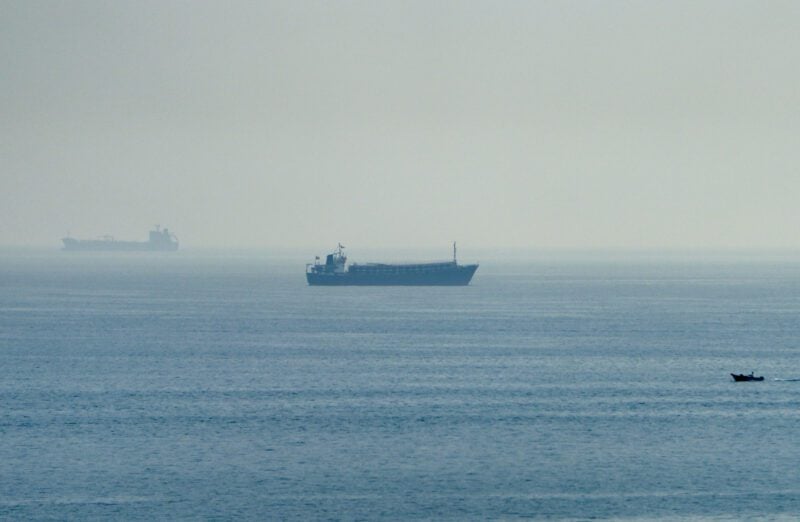
- Commercial traffic through the Strait of Hormuz is likely to remain materially disrupted over the next 14 days, but the available evidence does not show a complete closure. UKMTO reported 170 outbound and 155 inbound weekly transits, about 65 per cent below pre-conflict levels. October oil-flow estimates differ: one report put Gulf crude passage at 10.23 million barrels a day, while another estimated flows through Hormuz at 11.7 million barrels a day. Both indicate substantial passage, though the measures are not reconciled. (Confidence: medium · ASSESSED)
- I&W: Confirm if a subsequent UKMTO weekly report still shows Hormuz transits at least 50 per cent below the pre-conflict level; break if reported traffic returns to within 20 per cent of that level. (0-14 days)
- I&W: Compare the next published monthly crude-flow estimate with the October figures; sustained flows near either reported October estimate would argue against a complete closure. (1-3 months)
- A complete commercial blockade of Bab-el-Mandeb is unlikely on the supplied evidence. Shippers have reportedly contacted the Houthis for safe-passage assurances, and the Houthis issued a one-week permit to the Chinese containership Zhong Cheng Chang Ling. These reports indicate Houthi influence over transit procedures, not proof that commercial passage has stopped. The Houthi declaration reported in the record concerned a maritime blockade of Saudi Arabia. (Confidence: low · ASSESSED)
- I&W: Confirm a functioning passage regime if independent vessel-tracking reports record commercial transits, including vessels without Houthi permits; break if current tracking shows commercial traffic has stopped. (0-14 days)
- I&W: Check for additional named vessels receiving Houthi permits or reporting denied passage, rather than treating shipper requests for assurances as evidence of a blockade. (0-14 days)
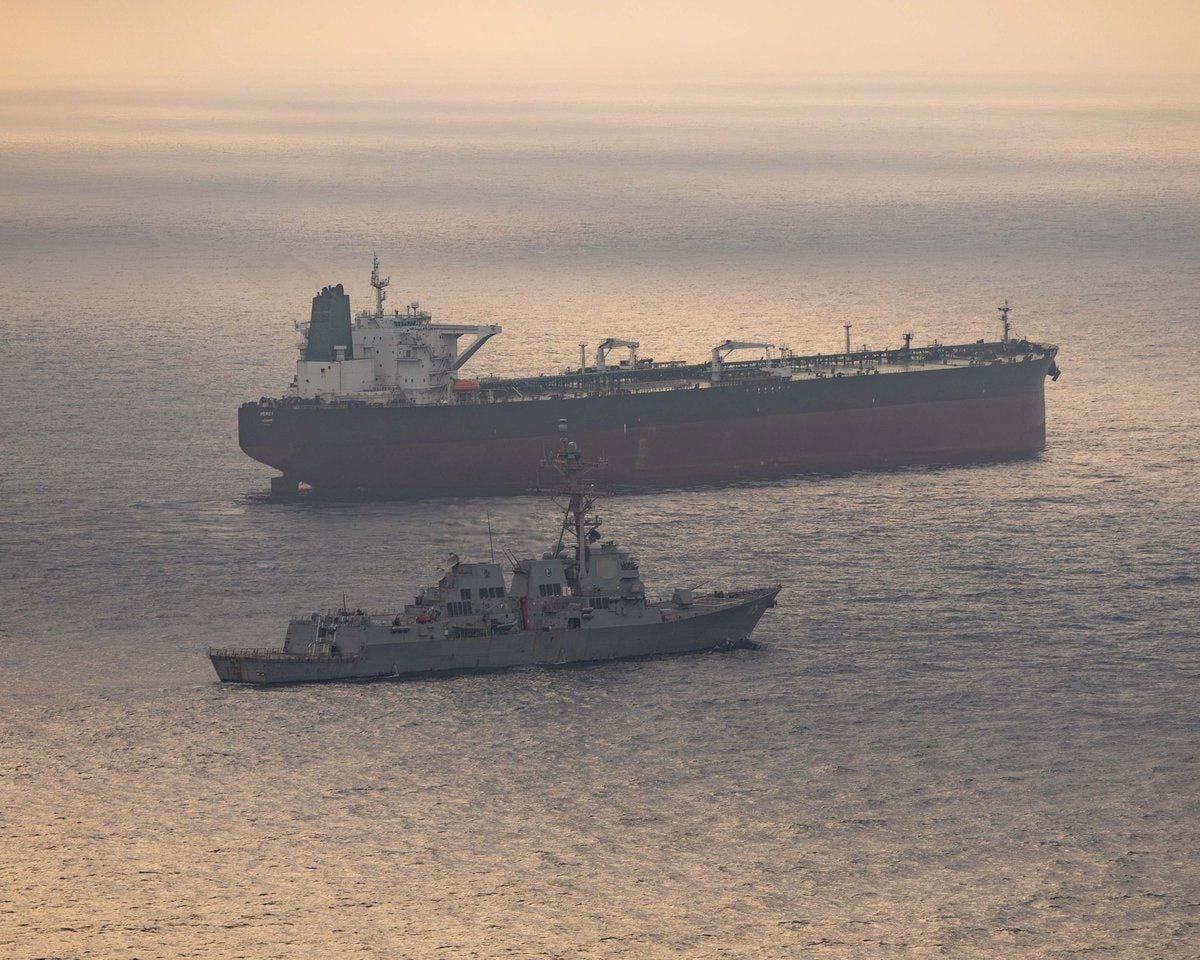
- Maritime attacks and elevated transport costs are likely to keep shipping exposure high over the next 14 days. UKMTO reported at least 11 ships attacked in and around Hormuz in the week ending 6 November, with three sinking. A seafarer died after an explosion aboard MT Velos Sapphire on 5 November; the cause was described as a suspected missile attack. Reports put US Gulf Coast to Asia crude freight at $30 to $35 a barrel, compared with about $5 a year earlier. The record also reports higher war-risk premiums and reduced tanker availability, but gives no current premium figure. (Confidence: medium · ASSESSED)
- I&W: Confirm if UKMTO records further attacks on oil-carrying vessels or additional vessel losses in the next weekly reporting period; a lower count with no new losses would weaken the assessment. (0-14 days)
- I&W: Track fresh quoted Gulf Coast to Asia freight rates and war-risk insurance premiums; continued quotes near the reported freight range or a documented premium increase would confirm sustained cost pressure. (0-14 days)
- The supplied reporting does not substantiate disruption at four of five key maritime straits or Brent at $108 on 7 November. It provides evidence of disruption at Hormuz and Houthi transit controls near Bab-el-Mandeb, but no comparable transit evidence for three other straits. The latest supplied Brent futures figure is about $98.60 on 6 November; the EIA reported Brent spot at $107.03 on 3 November. Reports of the weekly price decline also differ in magnitude, and the record does not resolve the discrepancy. (Confidence: medium · REPORTED)
- I&W: Confirm the $108 figure only if a dated Brent quote identifies the instrument and records that price; a contemporaneous futures or spot quote below $108 would break the claim for that instrument and time. (0-7 days)
- I&W: Confirm a four-strait disruption assessment only if reporting provides current, named transit data showing material disruption at two additional straits beyond Hormuz and Bab-el-Mandeb. (0-14 days)
- Further US-Iran military incidents around Qeshm Island are likely over the next 14 days. Donald Trump said US forces carried out limited strikes against Iranian air-defence systems on 6 November. Iran reported shooting down a US drone, but the aircraft model and the responsible Iranian service differ across reports; the drone claim is not independently confirmed in the supplied record. (Confidence: medium · ASSESSED)
- I&W: Confirm if the US reports or independent imagery verifies another strike on Qeshm or nearby Iranian air-defence sites. (0-14 days)
- I&W: Break if Washington and Tehran announce a reciprocal stand-down and no independently verified Qeshm strike or drone-loss incident is reported during the period. (0-14 days)
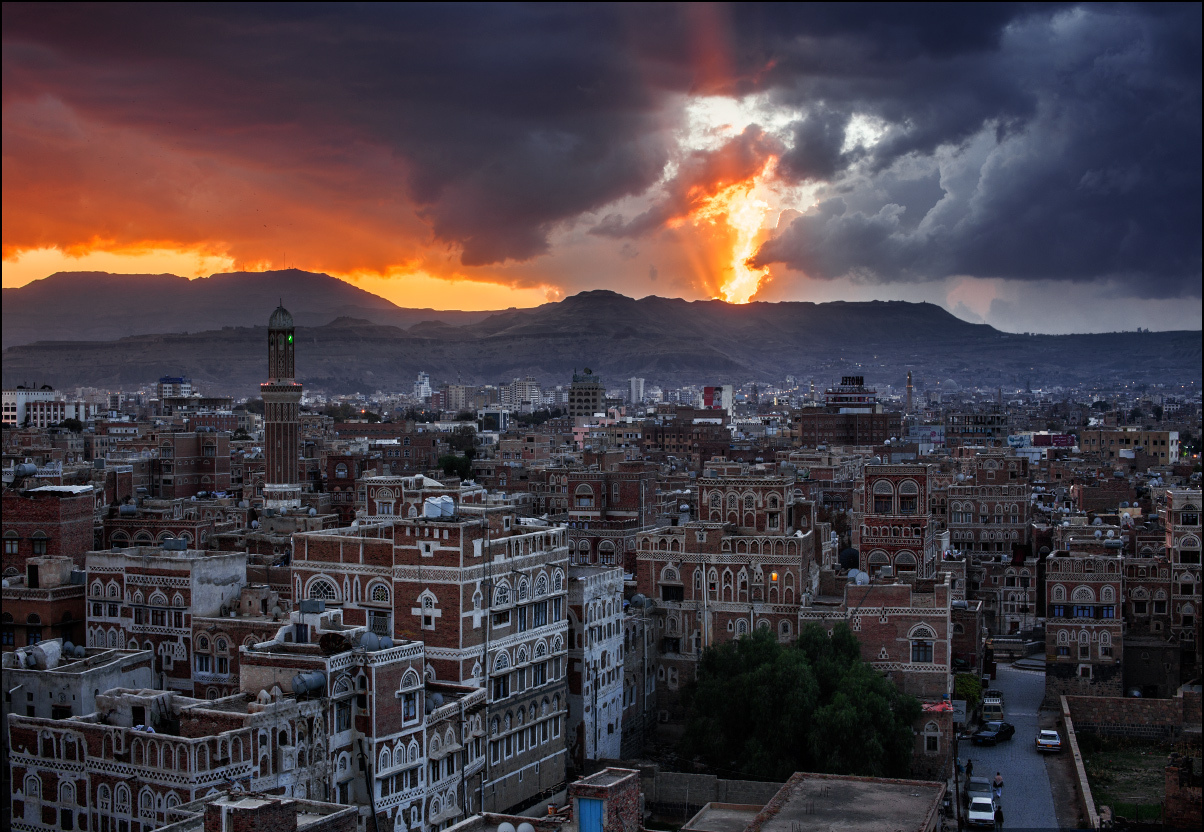
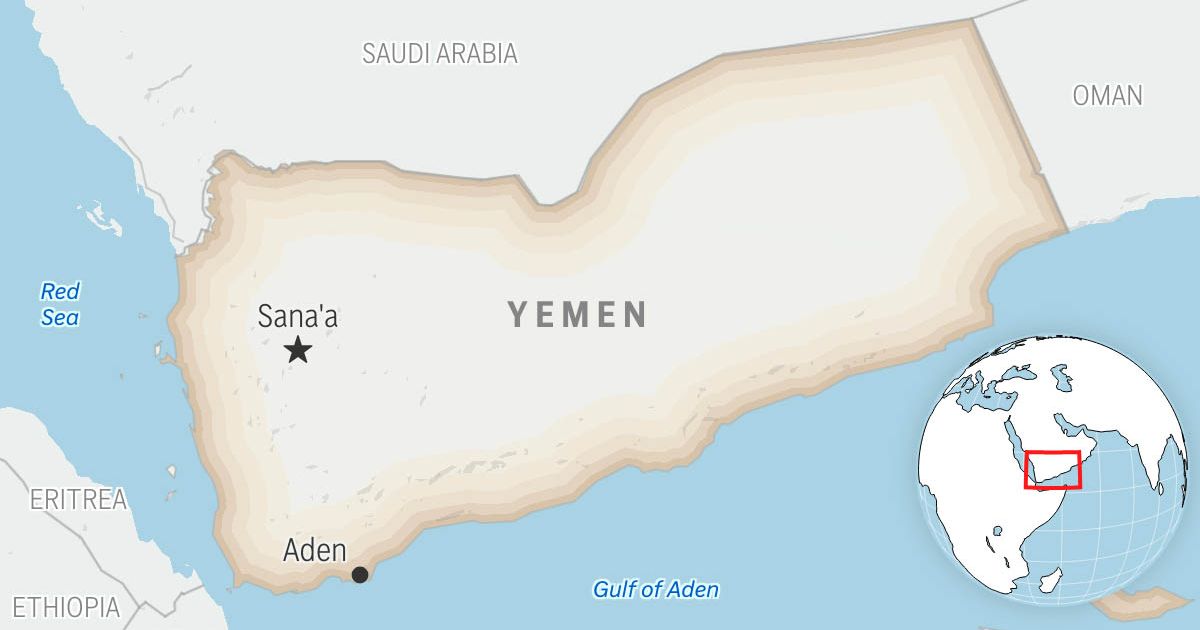
- Reciprocal Saudi-led coalition and Houthi attacks in Yemen are likely to continue over the next 14 days. Houthi authorities reported 22 to 25 people killed and 30 wounded in strikes on al-Shariya near Sanaa on 7 November, and accused Saudi Arabia. The Associated Press said it could not independently verify the claims. On the same day, the Saudi-led coalition announced that it had intercepted a Houthi cruise missile directed towards Riyadh. (Confidence: medium · ASSESSED)
- I&W: Confirm if the Saudi-led coalition reports further strikes in Houthi-held areas near Sanaa or if independent reporting verifies additional civilian casualties at al-Shariya. (0-14 days)
- I&W: Confirm if the coalition reports another Houthi missile or drone directed towards Riyadh or another named Saudi site. (0-14 days)
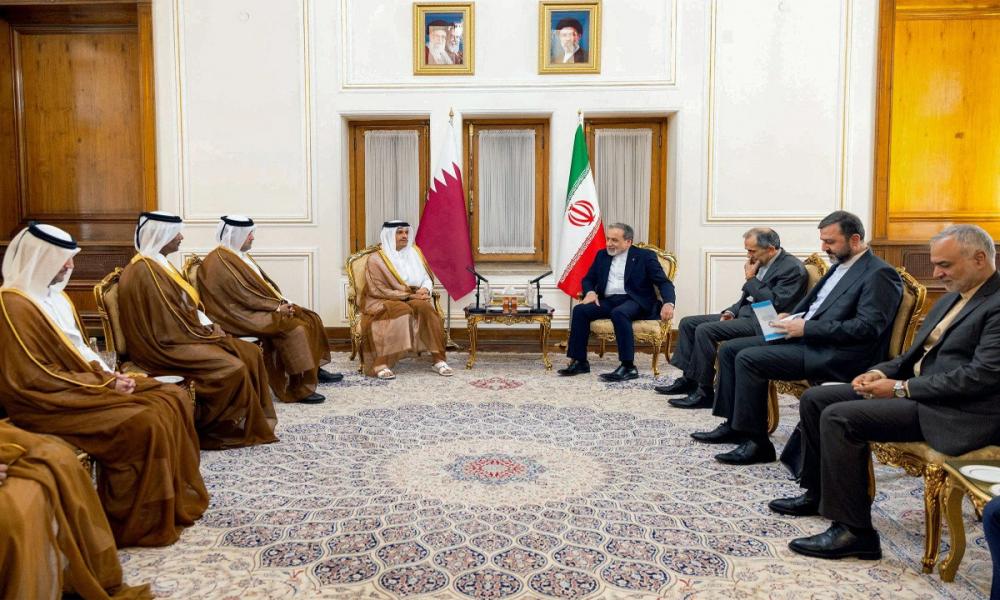
- A comprehensive US-Iran agreement that restores normal Hormuz passage is unlikely within the next 14 days. Qatar is mediating and Iran has submitted a proposal, but Tehran has also insisted that Washington meet seven conditions before negotiations proceed. The reported proposal terms and sequencing differ, while Qatari and US statements describe progress. This disagreement lowers confidence in the near-term outlook. (Confidence: medium · ASSESSED)
- I&W: Break if Washington and Tehran announce an agreed sequence for lifting the US naval blockade, reopening Hormuz, and permitting IAEA access to Iranian nuclear sites. (0-14 days)
- I&W: Confirm continued impasse if Iran restates that its seven conditions must be met before negotiations proceed and no joint terms are announced. (0-14 days)
Outlook & scenarios
Managed disruption continues (55%)
Hormuz remains open to selective passage but below pre-conflict traffic levels. Houthi permit practices and shipper requests for assurances continue near Bab-el-Mandeb without evidence of a complete commercial shutdown. Attacks and high freight costs sustain pressure on operators.
Qatar secures a limited de-escalation (25%)
Washington and Tehran agree to an initial exchange of steps through Qatari mediation. Iran permits a negotiated Hormuz route and the United States adjusts its blockade, but normal traffic does not return immediately. IAEA access and the sequence of sanctions or asset relief remain points of negotiation.
Military escalation worsens maritime disruption (15%)
Further US strikes on Iranian sites prompt Iranian military action or new restrictions around Hormuz. Vessel attacks and war-risk costs rise, while renewed Houthi attacks on Saudi targets add pressure around the Red Sea approaches.
Undersea cable incident disrupts communications (5%)
Iran-linked vessel activity near cable corridors is followed by damage to an undersea cable in the Strait of Hormuz region. This is a low-probability, high-impact outcome; the reported vessel movements do not establish an intent to sabotage cables.
Recommendations
- Maintain separate daily assessments for Hormuz vessel transits, oil flows, and attacks. Do not use monthly oil-flow estimates as a substitute for current vessel counts.
- Do not describe Bab-el-Mandeb as blockaded without current, independently checkable transit data. Record Houthi permits and shipper requests for assurances as evidence of control and risk, not proof that passage has stopped.
- Require a dated Brent quote that specifies spot or futures before repeating the $108 figure. Keep weekly price-change reports separate from intraday movements.
- Seek independent confirmation of the al-Shariya casualty toll and strike attribution. Report the 22-to-25 death range as Houthi-sourced and unverified until corroborated.
- Track fresh tanker freight and war-risk insurance quotes. The supplied evidence supports higher shipping costs but does not quantify a current insurance premium.
- Monitor Qatar's mediation for an agreed sequence covering blockade relief, Hormuz passage, frozen assets, and IAEA access. Treat public claims of progress as distinct from an agreed deal.
Confidence & uncertainty
Overall confidence is high in the broad assessment that Hormuz traffic is materially disrupted, maritime attack risk is elevated, and shipping costs are higher. The picture draws on UKMTO reporting, an official EIA price series, wire-service reporting, and commercial flow and freight estimates. Confidence is lower for precise October flow comparisons, the Bab-el-Mandeb transit picture, the al-Shariya casualty toll and attribution, and Iranian claims about a US drone shootdown. Those uncertainties are reflected in the individual judgments.
Intelligence gaps
- [EEI 1.3 · PARTIAL] Daily vessel-transit volume, AIS dark activity, anchorage buildup, and rerouting rates at Hormuz and Bab-el-Mandeb compared with pre-crisis levels. Recommended collection: maritime/AIS
- [EEI 1.4 · PARTIAL] Public or private warnings from the US Fifth Fleet, regional naval forces, port authorities, or shipping companies identifying specific routes or vessel categories as unsafe. Recommended collection: official-statements/shipping-notices
- [EEI 2.1 · PARTIAL] US, coalition, Iranian, Saudi, Omani, and other naval force posture changes, including escorts, convoy schedules, mine-countermeasure deployments, air patrols, and rules-of-engagement announcements. Recommended collection: maritime/defense-reporting
- [EEI 2.2 · UNCOVERED] Tanker and container-ship rerouting through the Cape of Good Hope or other alternatives, including added sailing days, fuel consumption, and available vessel capacity. Recommended collection: shipping-industry/AIS
- [EEI 2.3 · UNCOVERED] War-risk insurance premium, deductible, coverage-exclusion, and voyage-approval changes for Hormuz, Bab-el-Mandeb, Red Sea, Gulf of Aden, and adjacent waters. Recommended collection: insurance-market
- [EEI 2.4 · PARTIAL] Operational status and export-loading changes at Saudi, UAE, Omani, Iranian, Djiboutian, and Red Sea ports, terminals, pipelines, and storage facilities. Recommended collection: port-operator/energy-infrastructure
- [EEI 3.1 · PARTIAL] Brent and Dubai crude price movements, futures-curve shifts, volatility, and the spread between regional and global crude benchmarks. Recommended collection: commodity-markets
- [EEI 3.3 · UNCOVERED] Fertilizer shipment delays, canceled or redirected cargoes, regional price increases for urea and ammonia, and reported inventory levels in import-dependent markets. Recommended collection: commodity-trade/port-data
- [EEI 3.4 · UNCOVERED] Container freight rates, vessel charter rates, bunker costs, port congestion, and manufacturing or retail supply disruptions attributable to the chokepoint crisis. Recommended collection: shipping-and-logistics-markets
- [EEI 4.3 · PARTIAL] Shipping-company decisions to resume, suspend, or expand transits and corresponding changes in insurer voyage approvals and war-risk premiums. Recommended collection: shipping-and-insurance-industry
- [EEI 4.4 · UNCOVERED] New incidents, military alerts, vessel diversions, or port restrictions at other critical chokepoints indicating geographic spread beyond Hormuz and Bab-el-Mandeb. Recommended collection: maritime/AIS-official-notices
Red cell review: CONCUR WITH COMMENT
TLP:CLEAR