TLP:CLEAR · Disclosure is not limited.
Maritime Disruptions Persist, but the Four-Strait and $108 Brent Claims Are Unsupported
Time window: Last 1 day · Audience: General analyst · Type: Situation report · DTG: 2026-11-10 15:52Z · Overall confidence: HIGH
BLUF
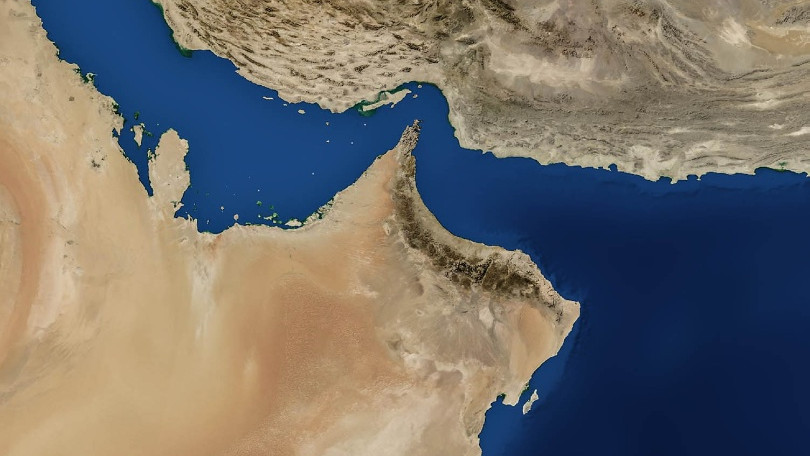
The Strait of Hormuz remains dangerous, but the evidence does not establish a complete closure; the supplied reporting also does not substantiate a Bab-el-Mandeb blockade or disruption at four of five key straits. Brent was reported near $91 on 10 November, not $108. Shipping costs remain elevated, while US-Iran diplomatic signals are mixed and no agreement is confirmed.
Executive summary
Reporting through 10 November describes attacks on vessels transiting Hormuz, continued but difficult-to-measure commercial flows, and a Saudi-reported strike on the East-West Pipeline that caused a limited fire without disrupting operations. Bab-el-Mandeb reporting does not establish a closure: the recent account of a ship heading towards the strait was available only as a summary, while older maritime-source reporting described reduced but continuing transits. Brent futures were quoted at $90.99 and $91.50 in reports from 10 November; a separate summary-only account said the price fell below $90. Freight-cost and container-rate figures support continued shipping pressure, but the supplied reporting does not quantify war-risk insurance premiums or establish current tanker availability. President Donald Trump has paused further strikes, but US and Iranian statements show no agreed terms for ending hostilities or restoring predictable passage through Hormuz.
Change from previous assessment
Since the 9 November brief, the assessment still does not support a Bab-el-Mandeb blockade or disruption at four of five key straits. New reporting adds a summary-only account of a container ship heading towards Bab-el-Mandeb, but no reliable current transit count. Hormuz evidence is more specific: October crude exports were reported at 10.3 million barrels per day, and 11 laden Qatari LNG tankers reportedly exited in the 10 days through 8 November, although tracking and measurement gaps remain. Brent is now reported near $91 on 10 November, rather than the unsupported $108 headline. New reporting also describes a limited fire at Saudi Arabia's East-West Pipeline without a reported interruption to operations. Trump's pause in further strikes is a new diplomatic signal, but Rubio's account of no progress and Iran's preconditions keep the outlook for an agreement within 14 days unlikely.
Key judgments
- A complete commercial closure of the Strait of Hormuz over the next 14 days is unlikely. Kpler-cited reporting put October crude exports through the strait at 10.3 million barrels per day, excluding Iranian exports, and Bloomberg and Kpler data recorded 11 laden Qatari LNG tankers exiting in the 10 days through 8 November. A separate Qatari loading estimate is difficult to reconcile with that exit count, and most ships loading at Ras Laffan or transiting Hormuz are not transmitting their positions. Wire and industry reporting also describes attacks on transiting vessels and US escorts, so available flow data do not establish normal or safe passage. Confidence is medium because the flow measures are inconsistent and AIS coverage is incomplete. (Confidence: medium · ASSESSED)
- I&W: Verified commercial tanker exits from Hormuz at least once every 48 hours would confirm continuing passage; seven consecutive days without a verified commercial exit, alongside an official suspension notice, would break this assessment. (0-14 days)
- I&W: Reconciled loading and exit figures from Kpler or Bloomberg, with AIS coverage stated, would confirm or challenge the current assessment of continuing but poorly measured flows. (0-14 days)
- The supplied record does not substantiate a Bab-el-Mandeb closure or disruption at four of five key straits. A social-media claim that the strait was closed conflicts with a 10 November wire-service summary describing a container ship heading towards it; that account was read only in summary. Older maritime-source reporting described June transits as reduced to their lowest level since Houthi attacks began, not stopped. The record contains no comparable transit evidence for three additional straits. Confidence is low because current passage evidence is limited, one recent account was summary-only, and the older transit report does not establish the present rate. (Confidence: low · ASSESSED)
- I&W: Verified vessel transits through Bab-el-Mandeb in both directions would confirm that the strait remains open; an official sustained-closure notice corroborated by vessel-tracking or port records would break this assessment. (0-14 days)
- I&W: Comparable, independently sourced transit counts for the three other straits named in the four-of-five claim would confirm or overturn the assessment that the supplied record does not substantiate that claim. (0-14 days)
- Brent at $108 is not supported as the reported market level on 10 November. A wire-service report quoted futures at $90.99 at 07:59 GMT, and a separate report put Brent at $91.50 during Asian trading. A summary-only report said Brent fell below $90, so the exact intraday low remains unresolved. Confidence is medium because the main reports place Brent near $91, but their snapshots differ and the below-$90 account was read only in summary. (Confidence: medium · REPORTED)
- I&W: A dated exchange settlement record for 10 November below $100 per barrel would confirm that $108 was not the settlement level; a verified settlement at or above $108 would break this assessment. (0-14 days)
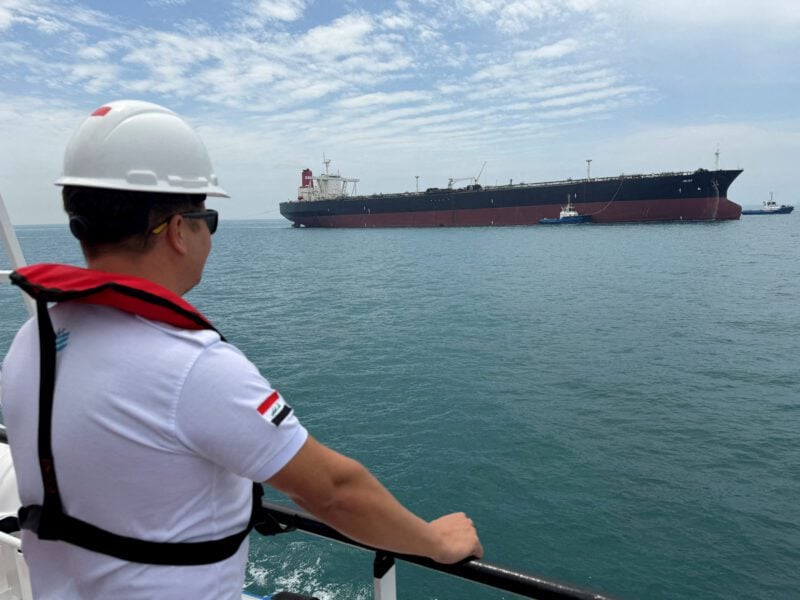
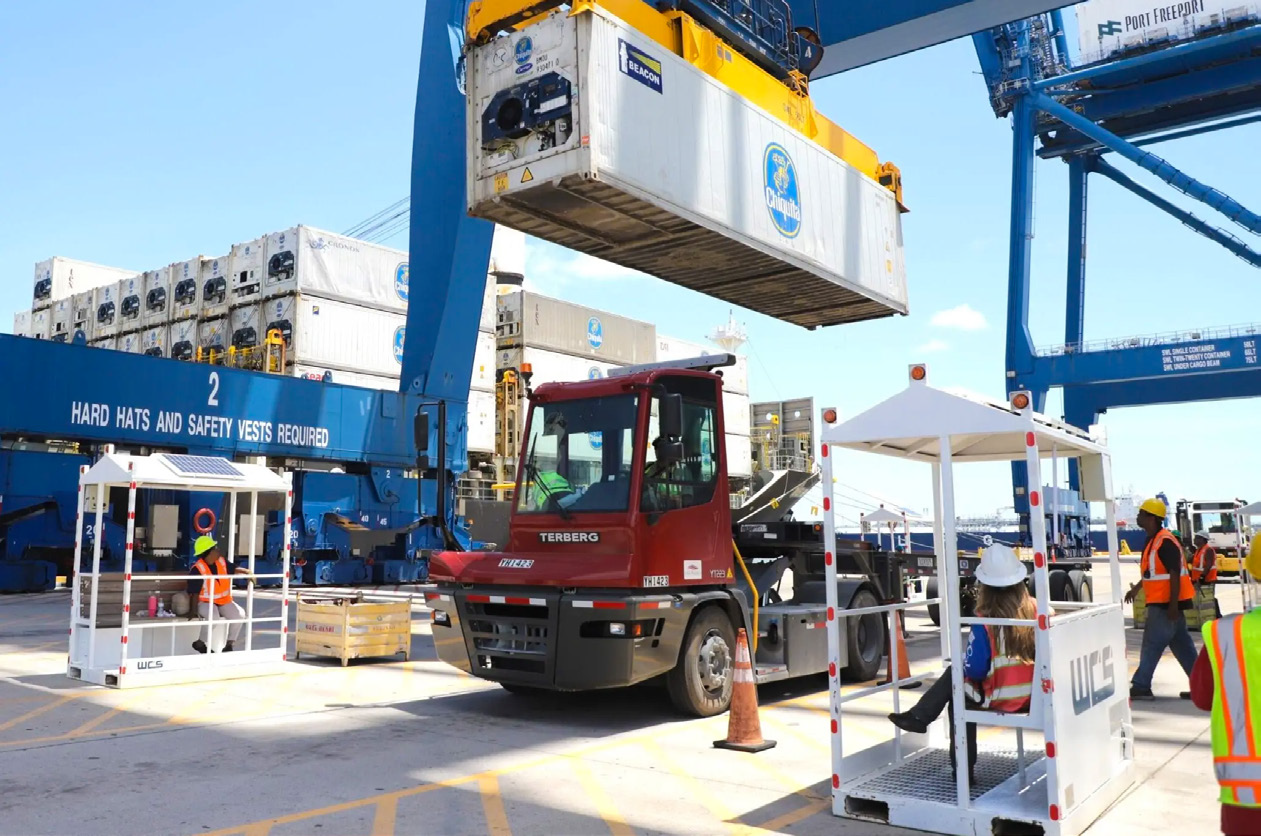
- Shipping and container freight costs are likely to remain elevated in the near term. Reported oil-shipping costs stand at about $30 per barrel, compared with about $5 before the conflict, while PortMiami's director reported Far East to US East Coast box rates above $10,000 and about 305% higher than in February. IMO figures cited in trade reporting record at least 130 commercial-vessel incidents and 25 seafarer deaths since the conflict began. These indicators support ongoing cost and security pressure, but do not establish current war-risk premiums or tanker availability. Confidence is medium because the figures come from different measures and include trade-publication and industry reporting. (Confidence: medium · ASSESSED)
- I&W: A November update showing oil-shipping costs still above $20 per barrel would confirm continued elevated costs; a verified fall to $10 per barrel or below would break this assessment. (1-3 months)
- I&W: A new PortMiami or carrier-reported Far East to US East Coast box-rate quote above $10,000 would confirm continued pressure; a reported rate below $5,000 would break it. (1-3 months)
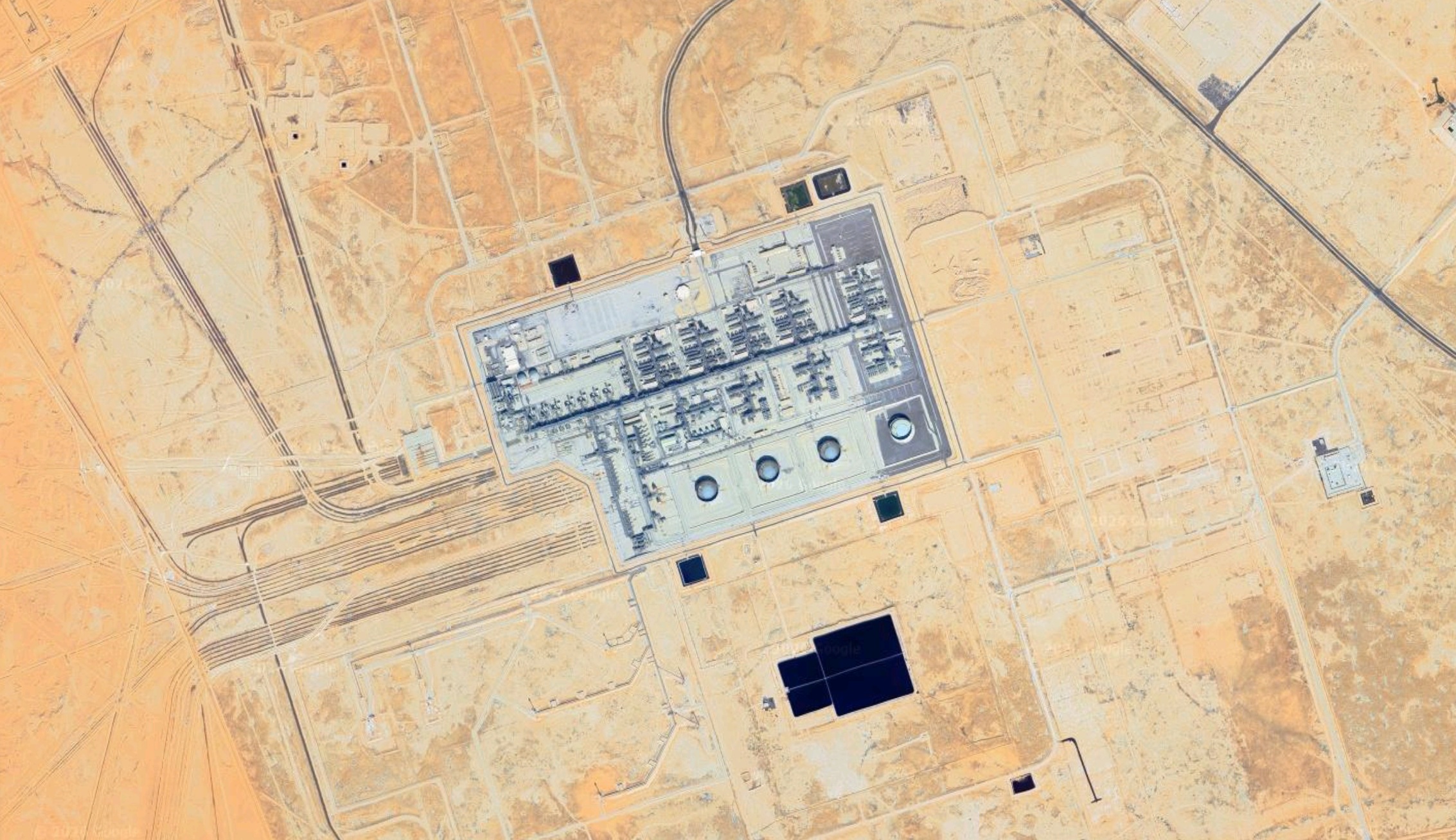
- The reported 9 November strike on Saudi Arabia's East-West Pipeline caused a limited fire but did not interrupt operations, according to the Saudi Energy Ministry and trade reporting. The pipeline is described as Saudi Arabia's only major oil-export bypass of Hormuz. Satellite imagery reportedly showed damage at pumping station No. 8 on 8 November, creating a date discrepancy with the ministry's account of a 9 November strike. The Houthis have not claimed responsibility for the latest attack. Confidence is medium because operational status rests on Saudi reporting and the imagery does not resolve the timing or attribution. (Confidence: medium · REPORTED)
- I&W: A Saudi Energy Ministry or Aramco update confirming normal pipeline throughput through the next two weeks would confirm that the reported fire caused no continuing operational disruption; a reported throughput reduction or suspension of Yanbu loading would break that assessment. (0-14 days)
- A durable US-Iran agreement that restores predictable Hormuz shipping within the next 14 days is unlikely. Trump has paused further strikes and described positive momentum after talks with Qatar's Prime Minister Mohammed bin Abdulrahman Al Thani, but Secretary of State Marco Rubio said negotiations had made no progress. Iranian officials have tied talks to ending hostilities and lifting the US naval blockade and sanctions. Reports of an enrichment arrangement remain unconfirmed by Washington and Tehran, and a Qatari official reportedly disputed details. Confidence is medium because statements from the parties point in different directions and the reported deal terms are unverified. (Confidence: medium · ASSESSED)
- I&W: A public agreement confirmed by both Washington and Tehran that specifies the status of hostilities, the naval blockade and sanctions would break this assessment. (0-14 days)
- I&W: Both governments publicly reaffirming that the blockade and sanctions must be resolved before talks, with no verified reduction in vessel attacks, would confirm this assessment. (0-14 days)
Outlook & scenarios
Managed stand-off with constrained passage (55%)
Hormuz remains open to some commercial traffic but attacks, restrictions and poor vessel-location coverage keep operators cautious. The US blockade remains in place, diplomatic contacts continue without an agreed sequence, and freight costs stay above pre-conflict levels.
Limited diplomatic accommodation (30%)
US and Iranian officials agree on an initial pause or maritime arrangement, with Qatar continuing its mediation role. Some shipping confidence returns, but the unresolved terms on sanctions, the blockade and hostilities prevent a rapid return to normal flows.
Renewed attacks create a compound chokepoint shock (15%)
This is the low-probability, high-impact wildcard. Further attacks on commercial vessels coincide with renewed damage to Saudi Arabia's East-West Pipeline or a verified Bab-el-Mandeb closure. The loss of multiple routes would drive a sharp increase in shipping costs and renewed upward pressure on oil prices.
Recommendations
- Do not use the four-of-five disruption claim or Brent at $108 as established facts. Report the dated Brent quotes separately and label the Bab-el-Mandeb closure claim unverified.
- Obtain daily, independently checked transit counts for Hormuz and Bab-el-Mandeb. Reconcile tanker loadings with exits, record AIS coverage, and distinguish an approach to a strait from a completed transit.
- Track Saudi Energy Ministry and Aramco updates on East-West Pipeline throughput and Yanbu loading. Keep the reported fire, operational status, date discrepancy and unknown attribution as separate points.
- Treat freight costs, insurance premiums and tanker availability as distinct indicators. Seek current quoted rates before describing insurance premiums as spiking or vessel availability as tight.
- Upgrade assessments of US-Iran diplomatic progress only after both governments confirm terms. Track public positions on hostilities, the US naval blockade, sanctions and uranium enrichment separately.
Confidence & uncertainty
Overall confidence is high for the broad assessment because separate wire, major-media, trade-publication and IMO reporting converge on falling oil prices, continuing maritime risk and a high human cost to commercial shipping. Saudi government statements and trade reporting also describe the East-West Pipeline strike and the claimed absence of an operating interruption. Confidence is lower on exact current transit volumes, Bab-el-Mandeb status and the strike's attribution: AIS gaps, inconsistent Qatari loading and exit figures, summary-only reporting and social-media claims limit verification.
Intelligence gaps
- [EEI 1.3 · PARTIAL] Daily vessel-transit volume, AIS dark activity, anchorage buildup, and rerouting rates at Hormuz and Bab-el-Mandeb compared with pre-crisis levels. Recommended collection: maritime/AIS
- [EEI 1.4 · PARTIAL] Public or private warnings from the US Fifth Fleet, regional naval forces, port authorities, or shipping companies identifying specific routes or vessel categories as unsafe. Recommended collection: official-statements/shipping-notices
- [EEI 2.3 · PARTIAL] War-risk insurance premium, deductible, coverage-exclusion, and voyage-approval changes for Hormuz, Bab-el-Mandeb, Red Sea, Gulf of Aden, and adjacent waters. Recommended collection: insurance-market
- [EEI 3.2 · PARTIAL] Changes in crude, refined-product, LNG, and LPG volumes transiting the straits and in announced production cuts, strategic-stock releases, or emergency cargo substitutions. Recommended collection: energy-trade/AIS
- [EEI 3.3 · UNCOVERED] Fertilizer shipment delays, canceled or redirected cargoes, regional price increases for urea and ammonia, and reported inventory levels in import-dependent markets. Recommended collection: commodity-trade/port-data
- [EEI 3.4 · PARTIAL] Container freight rates, vessel charter rates, bunker costs, port congestion, and manufacturing or retail supply disruptions attributable to the chokepoint crisis. Recommended collection: shipping-and-logistics-markets
- [EEI 4.3 · PARTIAL] Shipping-company decisions to resume, suspend, or expand transits and corresponding changes in insurer voyage approvals and war-risk premiums. Recommended collection: shipping-and-insurance-industry
- [EEI 4.4 · PARTIAL] New incidents, military alerts, vessel diversions, or port restrictions at other critical chokepoints indicating geographic spread beyond Hormuz and Bab-el-Mandeb. Recommended collection: maritime/AIS-official-notices
Red cell review: CONCUR WITH COMMENT
TLP:CLEAR